American history is filled with mysteries, but some of the most fascinating ones are the coincidences that seem too precise to be chance. These events, big and small, puzzle historians even today because they defy logical explanation. From uncanny similarities between major historical figures to bizarre twists of fate that changed national outcomes, these stories continue to spark debate. Below are the coincidences that remain some of the most astonishing in the nation’s past.
The Lincoln – Kennedy Parallels

The striking similarities between Abraham Lincoln and John F. Kennedy continue to fascinate historians. Both were elected to Congress 100 years apart and became president 100 years apart, and each was succeeded by a vice president with the last name Johnson. Their assassins were known by three names, and both presidents were killed on a Friday. While historians note that some coincidences have been exaggerated over time, the core parallels remain remarkably eerie.
The Edgar Allan Poe Time-Travel Mystery
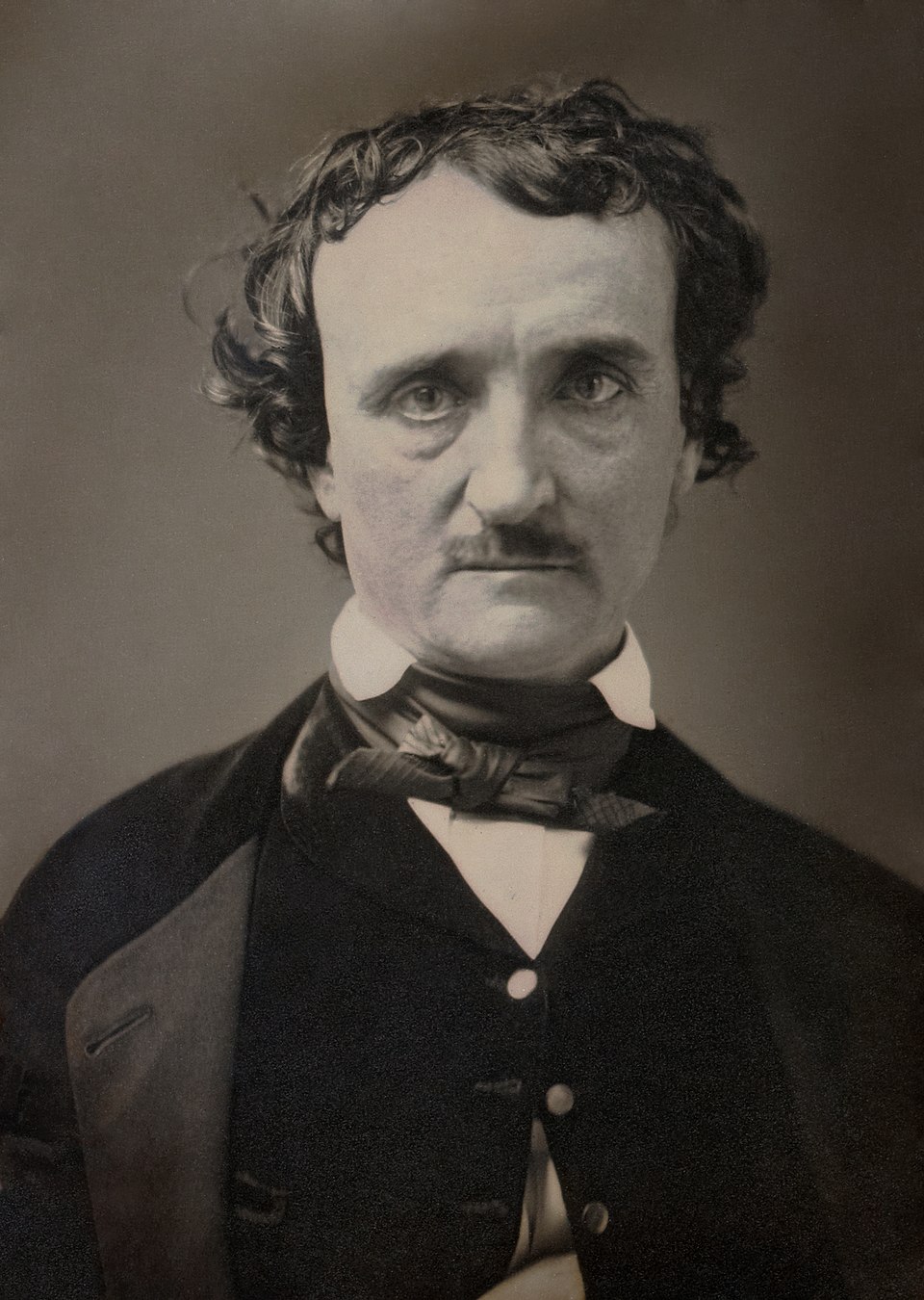
Edgar Allan Poe’s story The Narrative of Arthur Gordon Pym eerily predicted details of a real shipwreck that occurred decades later. The fictional story mentioned a cabin boy named Richard Parker who was cannibalized after a shipwreck, and in the later real-life event, a cabin boy with the same name met the same fate. This resemblance has baffled literary scholars for generations. Some attribute it to coincidence, while others argue that Poe tapped into lesser-known maritime tales.
Mark Twain’s Birth and Halley’s Comet
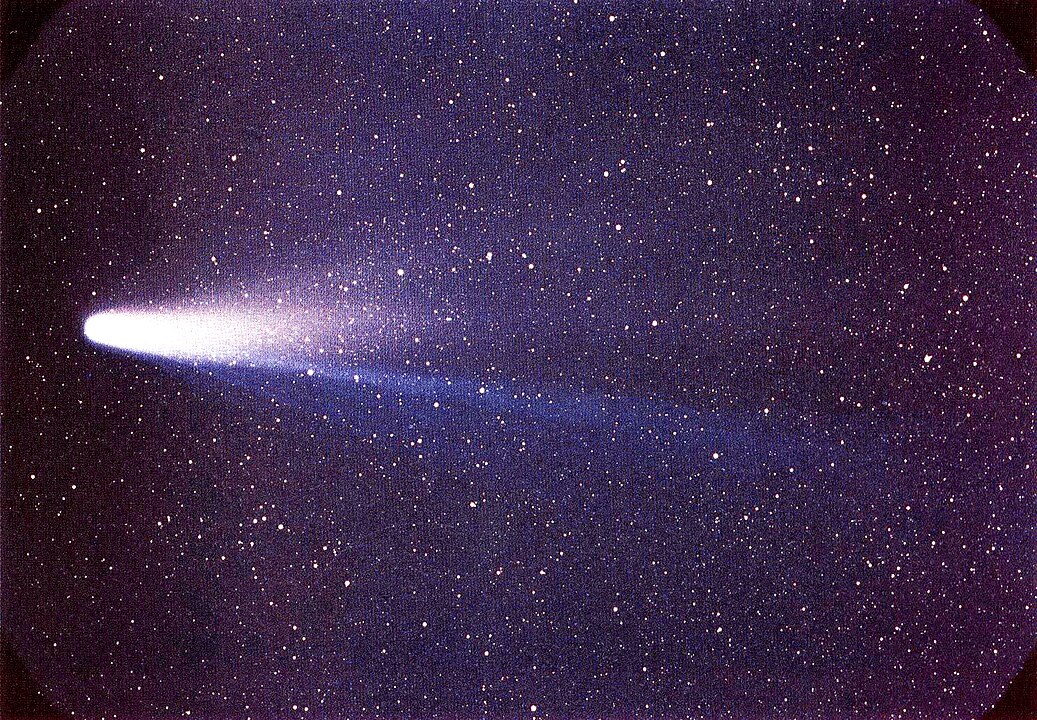
Mark Twain was born during the appearance of Halley’s Comet in 1835 and died during its next return in 1910. Twain himself predicted this timing, calling it the defining cosmic sign of his life. Historians still marvel at the statistical odds of such a coincidence. It remains one of the most well-known personal alignments between a historical figure and a celestial event.
The Curse of Tippecanoe
The so-called “curse” refers to U.S. presidents elected in years ending with zero dying in office. Beginning with William Henry Harrison in 1840, this pattern appeared to hold for decades, including Lincoln, Garfield, McKinley, Harding, Roosevelt, and Kennedy. Although Ronald Reagan survived an assassination attempt in 1981, the earlier pattern reinforced public superstition. Scholars often debate whether it’s coincidence or an example of selective historical memory.
The Titanic’s Literary Foreshadowing
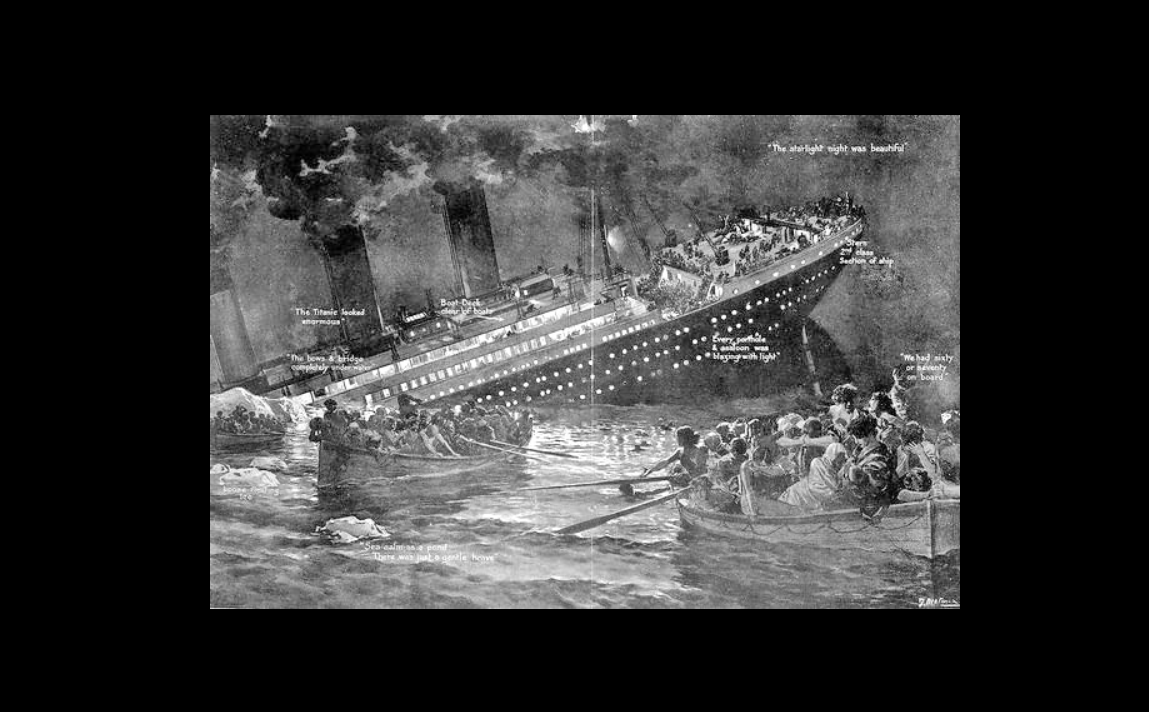
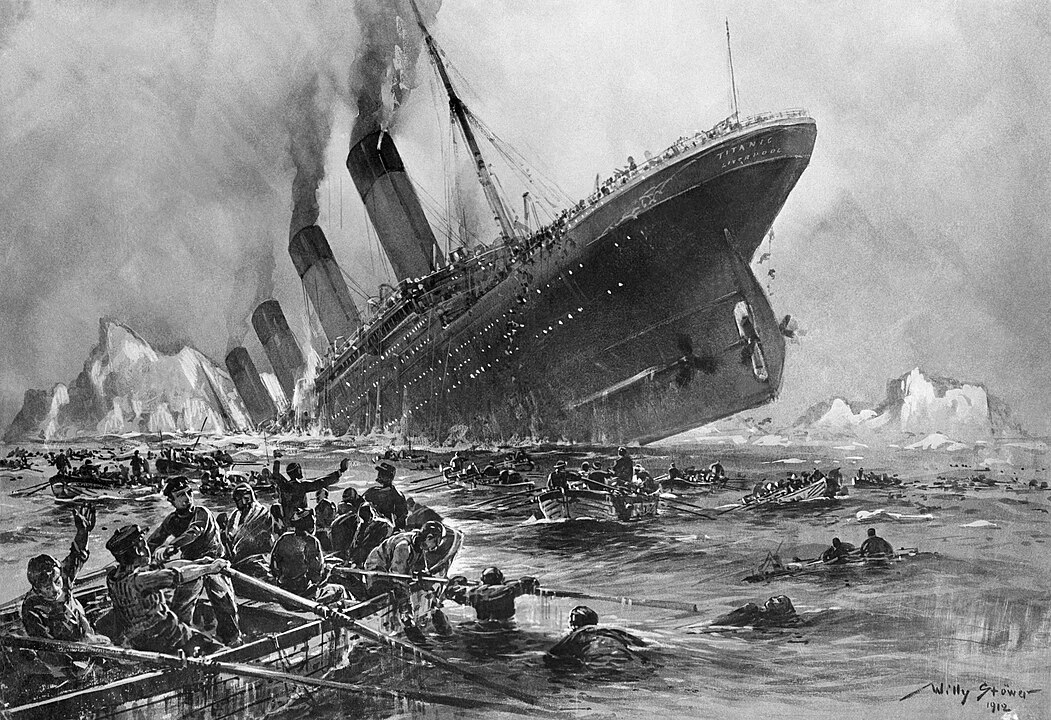
In 1898, fourteen years before the Titanic disaster, Morgan Robertson published a novella about a massive, “unsinkable” ship named Titan that struck an iceberg. The fictional ship’s size, passenger capacity, and circumstances of sinking were shockingly similar to the Titanic. Historians acknowledge Robertson’s maritime experience but still find the parallels uncanny. The work has since become a symbol of prophetic literature.
The Twins Separated Who Lived Identical Lives

Two identical twins separated at birth in Ohio lived nearly identical adult lives without knowing each other existed. Both married women named Linda, divorced them, then married women named Betty. They even named their sons James Allan and James Alan. Psychologists studying the case remain amazed by the extreme overlap in their choices.
The Hoover Dam Death Coincidence
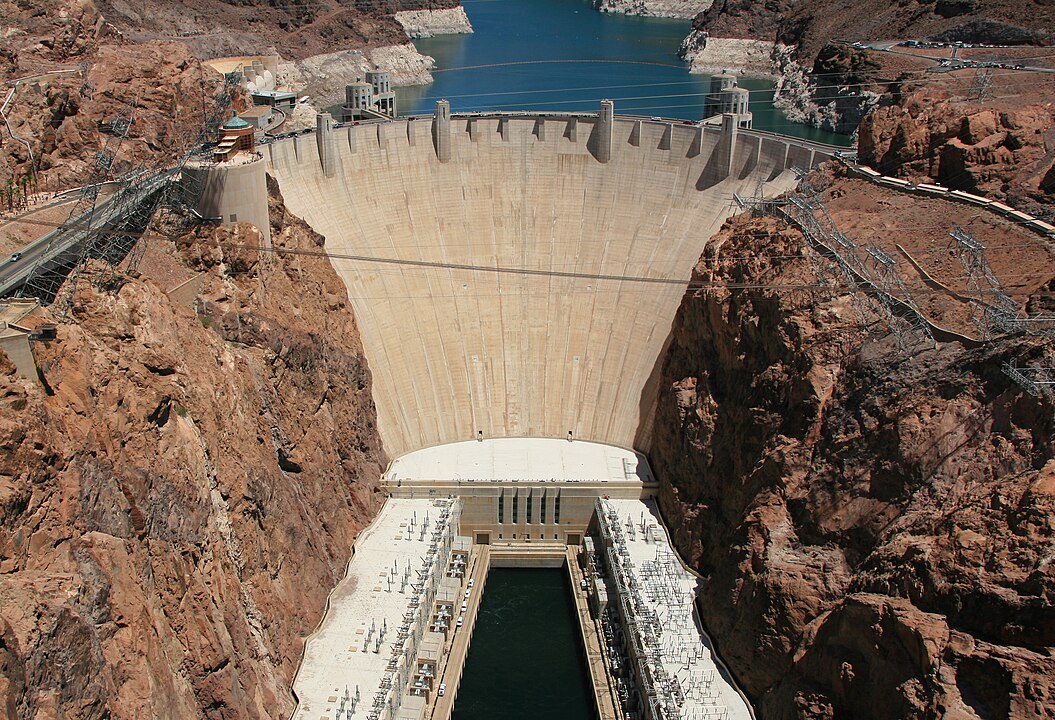
The first worker to die during the construction of the Hoover Dam was J.G. Tierney in 1922. The last person to die on the project was his son, Patrick Tierney, in 1935. Historians note that the project employed thousands of workers, making the bookend deaths statistically striking. The story continues to be retold in engineering circles as an example of tragic fate.
The Two Tragedies of the Mothman Prophecies
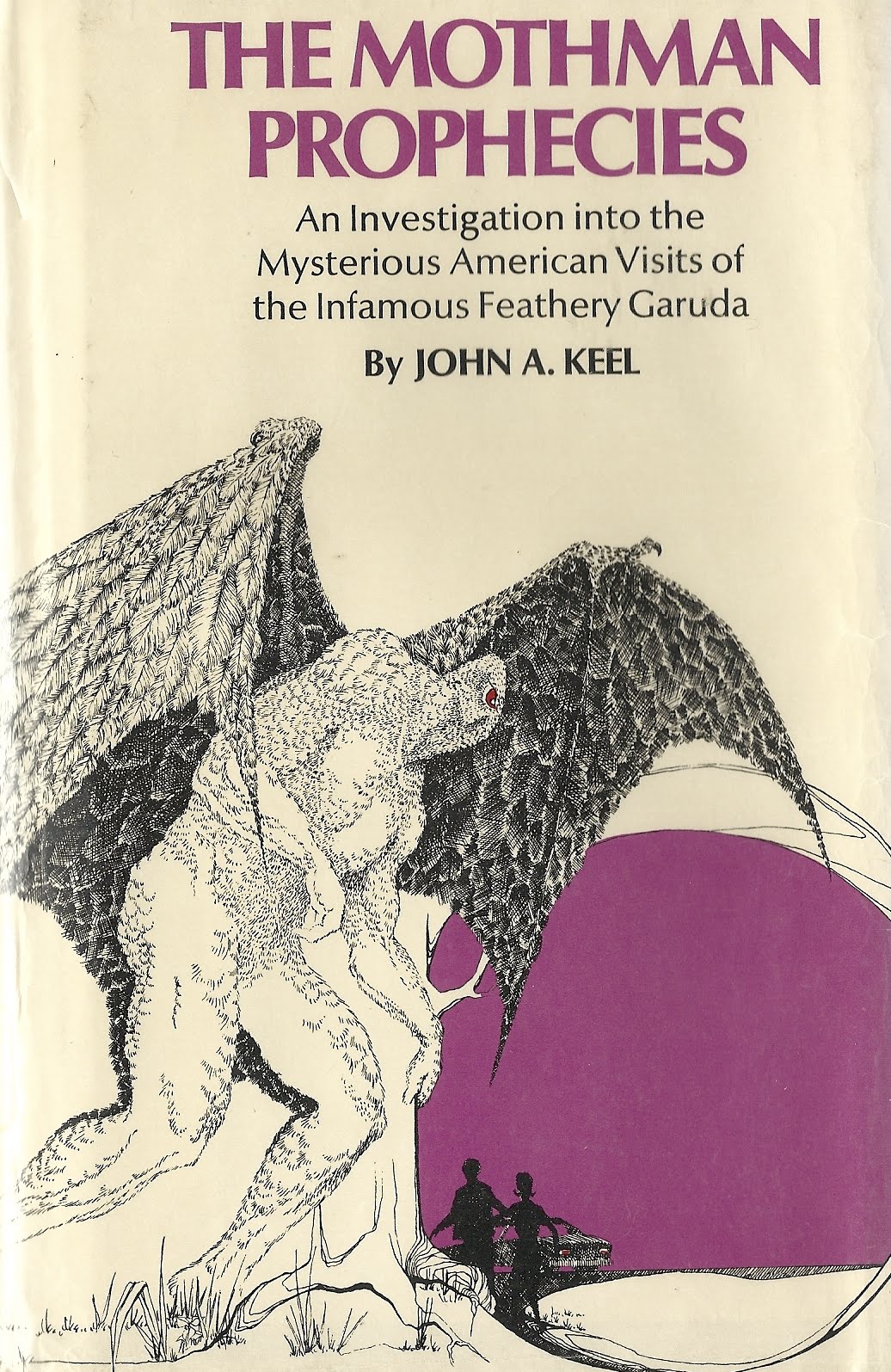
Just before the Silver Bridge collapse in 1967, multiple citizens in Point Pleasant, West Virginia, reported sightings of a strange winged figure known as the Mothman. Oddly, after the bridge disaster, the sightings stopped. Historians categorize this as folklore, but the timing remains unsettling. Local researchers still explore whether mass anxiety contributed to the sightings.
The 9/11 Survivor Who Also Survived Hiroshima
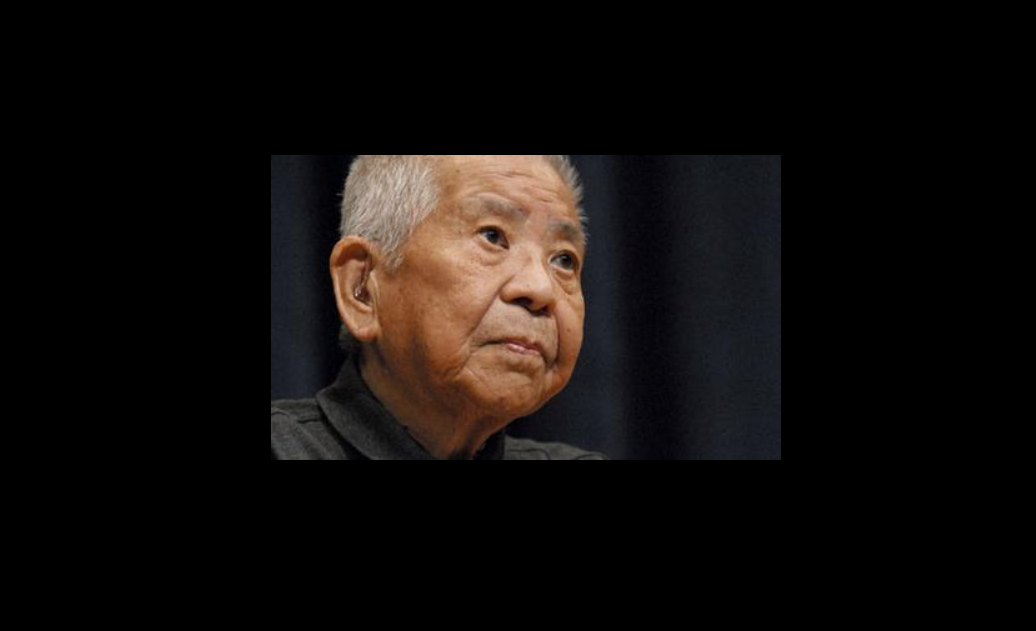
A man named Tsutomu Yamaguchi survived both atomic bombings in Japan, but an American counterpart survived two major U.S. tragedies as well. One New York businessman escaped the World Trade Center bombing in 1993 and again the attacks of 2001. While far less publicized, his story is documented in interviews and survivor accounts. The repetition has often been cited as a chilling example of fate’s strange patterns.
The Two Presidents Who Died on July 4
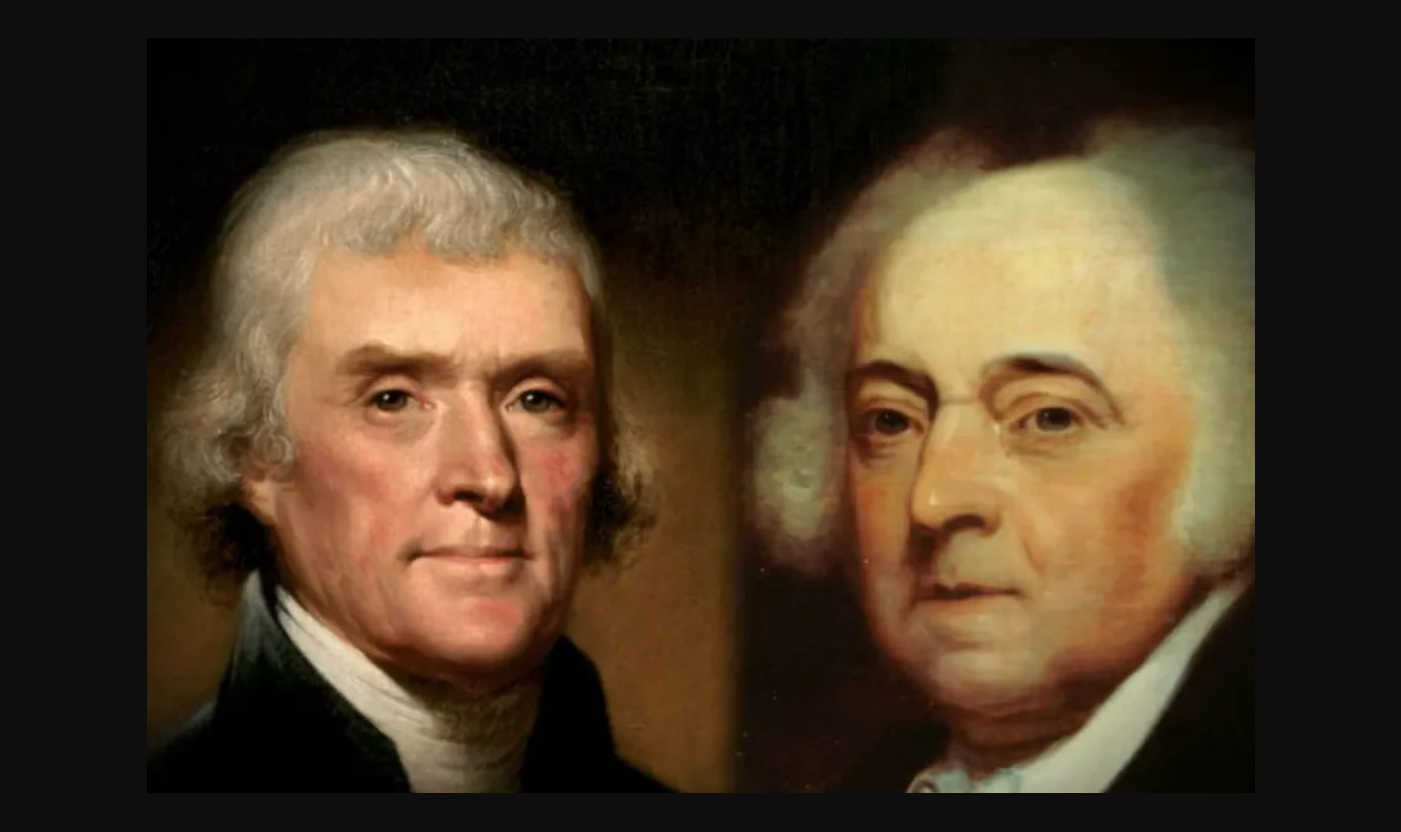
Thomas Jefferson and John Adams both died on July 4, 1826—the 50th anniversary of the Declaration of Independence. The fact that two of the nation’s founding giants died on the same symbolic day continues to impress historians. James Monroe also died on July 4 five years later, strengthening the date’s mystique. Scholars call it one of the most meaningful coincidences in early American history.
The Train Accident That Repeated
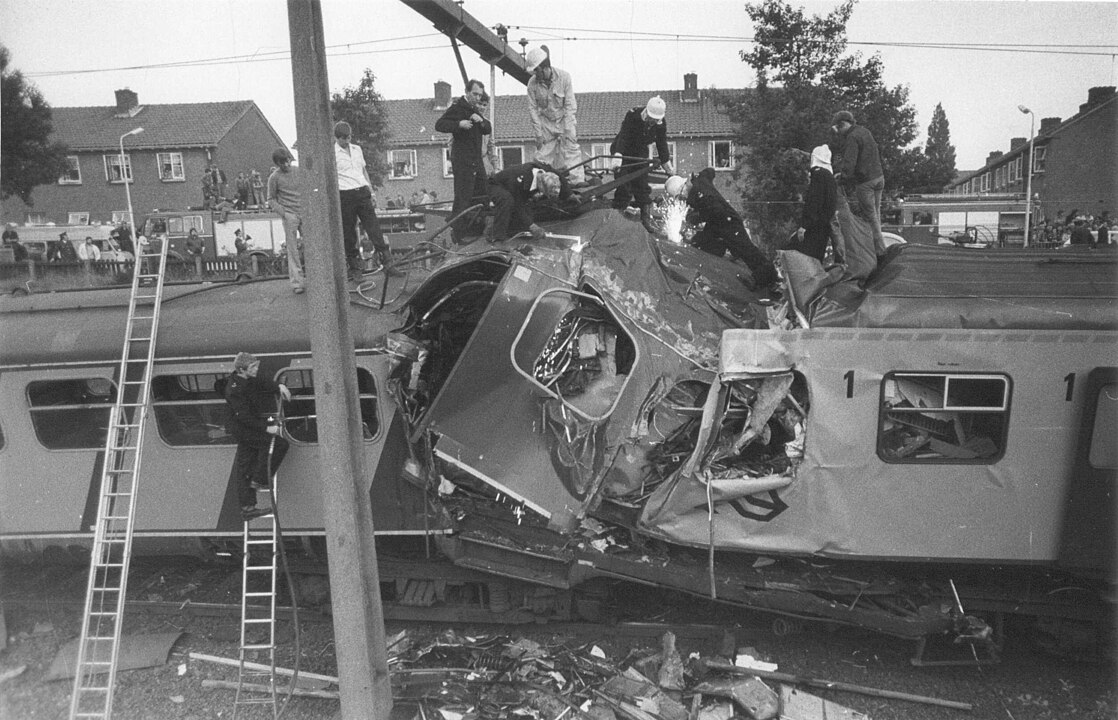
In a small town in Illinois, two trains collided on the exact same stretch of track exactly fifty years apart. What makes this strange is that both accidents occurred on the same day of the year. Newspaper archives confirm the odd duplication. Though human error was blamed each time, the repetition remains noteworthy.