
Some ideas may sound clever at first but reveal a lack of practicality when put into practice. People often mistake overconfidence for creativity, leading to choices that cause more harm than good. These so-called “good ideas” highlight how common sense plays a crucial role in daily life. Recognizing them helps avoid unnecessary mistakes and frustrations, while also encouraging people to think more carefully before taking action.
Skipping Sleep for Productivity

Many people believe sacrificing sleep to work late into the night will increase productivity. In truth, the body and brain require rest to function at their best, and sleep deprivation only leads to decreased focus, irritability, and impaired judgment. Over time, chronic lack of sleep contributes to serious health problems like heart disease, weakened immunity, and depression. While staying up occasionally may seem harmless, relying on this habit eventually reduces efficiency instead of improving it. Common sense recognizes that rest is not wasted time but an investment in sharper thinking and better results.
Mixing Friendships with Loans

Lending money to friends or family members often comes from a place of kindness, but it is rarely a good idea. If repayment does not happen as promised, the relationship can become strained, creating resentment on both sides. Even when the borrower intends to pay back the money, circumstances may prevent it, leaving awkwardness and mistrust behind. Financial experts often recommend offering help in non-monetary ways or giving money as a gift only if one can afford to lose it. Common sense helps preserve relationships by setting clear boundaries and avoiding financial entanglements that could harm trust.
Ignoring Professional Advice

It may feel cost-saving or empowering to handle complex medical, legal, or financial matters without expert input. Unfortunately, overlooking professional advice often results in costly errors, whether it’s filing taxes incorrectly, attempting to self-diagnose an illness, or drafting a legal contract without proper knowledge. Professionals bring years of training and experience that help prevent small mistakes from becoming long-term problems. While advice may require time or money, it often saves both in the long run. Common sense encourages humility, acknowledging that expertise is valuable and should not be dismissed.
Oversharing on Social Media

Posting personal details online can feel like a way to connect with others, but it comes with significant risks. Oversharing may expose people to identity theft, unwanted judgment, or even personal danger if location data is revealed. Employers, colleagues, and strangers can access posts long after they are forgotten, creating consequences that last far beyond the initial moment of sharing. Social media thrives on engagement, but discretion helps maintain both privacy and reputation. Common sense reminds us that not every part of life needs a public audience.
Driving Without Insurance

Some individuals view car insurance as an unnecessary expense, particularly if they rarely drive or believe they are careful on the road. However, one accident can create financial devastation, with costs running into tens of thousands of dollars for damages, injuries, and legal liability. Insurance exists to protect both the driver and others involved in accidents, providing a safety net that most cannot afford to replace out of pocket. In many states, driving without insurance is not only reckless but also illegal, adding further risks. Common sense recognizes that the small monthly cost of insurance is far better than gambling with financial ruin.
Believing Multitasking Improves Efficiency

Multitasking is often praised as a sign of intelligence and productivity, yet science consistently shows it reduces performance. Dividing attention between tasks makes people more likely to overlook important details, miscommunicate, or complete work at a lower standard. This is especially dangerous when multitasking involves activities like texting while driving, where split attention can have life-threatening consequences. While some tasks may feel routine enough to combine, complex work requires focus to achieve quality outcomes. Common sense favors concentration, valuing thoroughness and accuracy over speed.
Skipping Safety Gear for Convenience

Choosing not to wear safety equipment like helmets, seatbelts, or protective gear may feel convenient in the moment, but it dramatically increases risk. Serious injuries and fatalities often result from preventable accidents, leaving victims and families to deal with lifelong consequences. People may convince themselves that accidents won’t happen to them, but risk does not discriminate. Safety gear exists to protect against the unexpected, and its absence often becomes a regret only realized too late. Common sense places health and survival above temporary comfort or appearance.
Spending Beyond Means for Appearances

Living a lifestyle that looks impressive to others may seem like a smart way to build status, but it often leads to overwhelming debt. Overspending on cars, fashion, or vacations may bring short-term satisfaction, yet the stress of repayment quickly overshadows any pride. Many households fall into financial trouble by trying to keep up appearances rather than budgeting realistically. True confidence comes from stability and peace of mind, not the illusion of wealth. Common sense shows that modest living creates freedom while overspending traps people in cycles of stress.
DIY Projects Without Skills

Taking on home repairs or creative projects without the necessary knowledge often begins with enthusiasm but ends in frustration. Mistakes can create bigger problems than the original issue, leading to expensive repairs by professionals. While do-it-yourself projects can be rewarding when well-prepared, they require learning, planning, and sometimes proper licensing. Overconfidence in this area may cost more than hiring a skilled worker from the start. Common sense encourages preparation, education, and knowing personal limits before tackling complex tasks.
Ignoring Weather Warnings

Some individuals assume weather alerts are exaggerated, choosing to ignore evacuation orders or safety warnings. Unfortunately, this mindset puts lives and property at risk, as natural disasters often escalate quickly and unpredictably. Communities have faced preventable tragedies because people refused to take warnings seriously. Weather forecasts are based on scientific data and should never be dismissed as overreaction. Common sense listens to expert advice, especially when safety is at stake.
Thinking Rules Don’t Apply to You
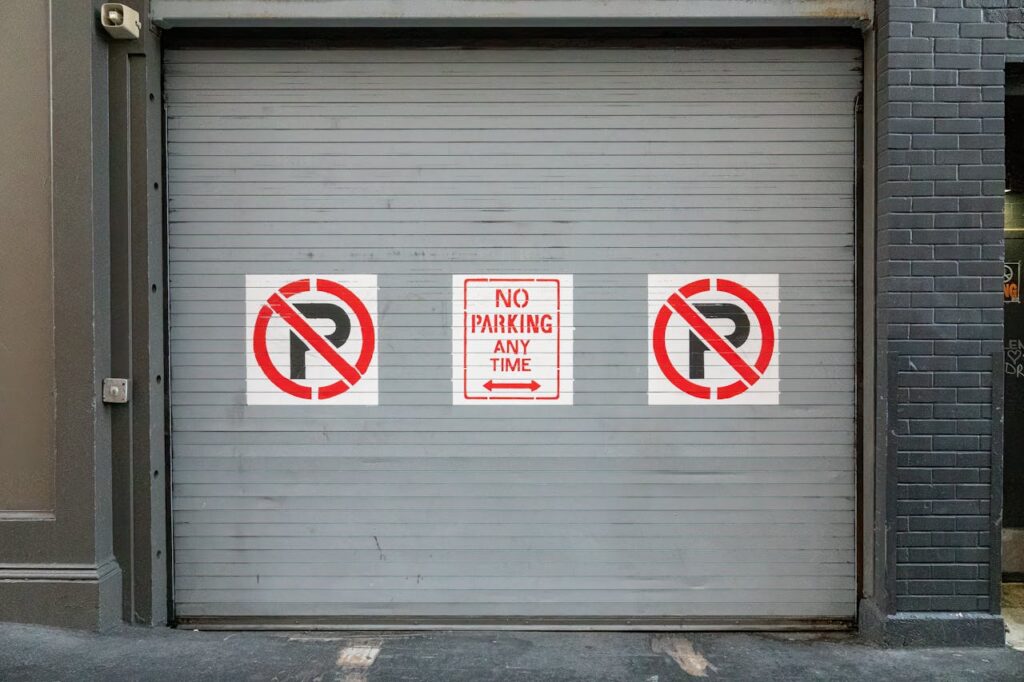
Believing one is above rules or guidelines may feel liberating, but it usually results in conflict, danger, or personal setbacks. Rules in workplaces, communities, and public spaces exist to maintain safety, fairness, and order. Ignoring them undermines cooperation and creates unnecessary friction with others. From disregarding traffic laws to breaking company policies, this mindset erodes trust and accountability. Common sense understands that following rules benefits everyone and fosters smoother social interactions.