
Gen Z grew up in a world that moves faster than anyone can keep up with, and the pace has shaped how they feel about stress, work and expectations. They balance school, work and social life while navigating constant information streams, rising costs and the pressure to stay connected. Their burnout is not simply exhaustion but a mix of economic strain, digital noise and cultural demands. These pressures add up in ways older generations did not face at the same age, making daily life feel like an endurance test rather than a steady path forward.
Always On Digital Life

Gen Z lives in a world that never goes quiet, where every moment can be interrupted by alerts, messages or updates that demand attention. Even when they try to relax, their devices follow them into bed, pulling them back into conversations, trends and expectations. This constant stimulation leaves little room for true rest or silence. Older generations could disconnect without effort, but Gen Z must work to escape digital pressure. Over time, the nonstop flow of information becomes mentally draining, creating a form of burnout shaped by the constant need to stay available.
Economy Of Financial Uncertainty

Gen Z entered adulthood during rising prices, unstable job markets and shifting career paths, making financial stability feel out of reach. Even basic expenses like rent, groceries and transportation take a larger share of their income compared with earlier decades. Many carry student debt or face the pressure to earn more just to keep up with living costs. This constant financial tension creates a background stress that never fully fades. Without the security of predictable opportunities, planning for the future becomes overwhelming, adding a heavy layer of burnout on top of daily responsibilities.
Workplaces Blurring Boundaries

The rise of remote work and flexible schedules has created a world where clocking out no longer guarantees peace. Gen Z often works in jobs where messages can arrive at any hour, and expectations shift quickly. Without clear boundaries, they struggle to separate work life from personal time, leading to constant low level strain. Even freelance and gig opportunities, although appealing, require ongoing hustle that never fully stops. Over time, this blurred routine wears down motivation and creates burnout rooted in the feeling that every day looks the same, with no real moment to breathe.
Social Media Identity Pressure
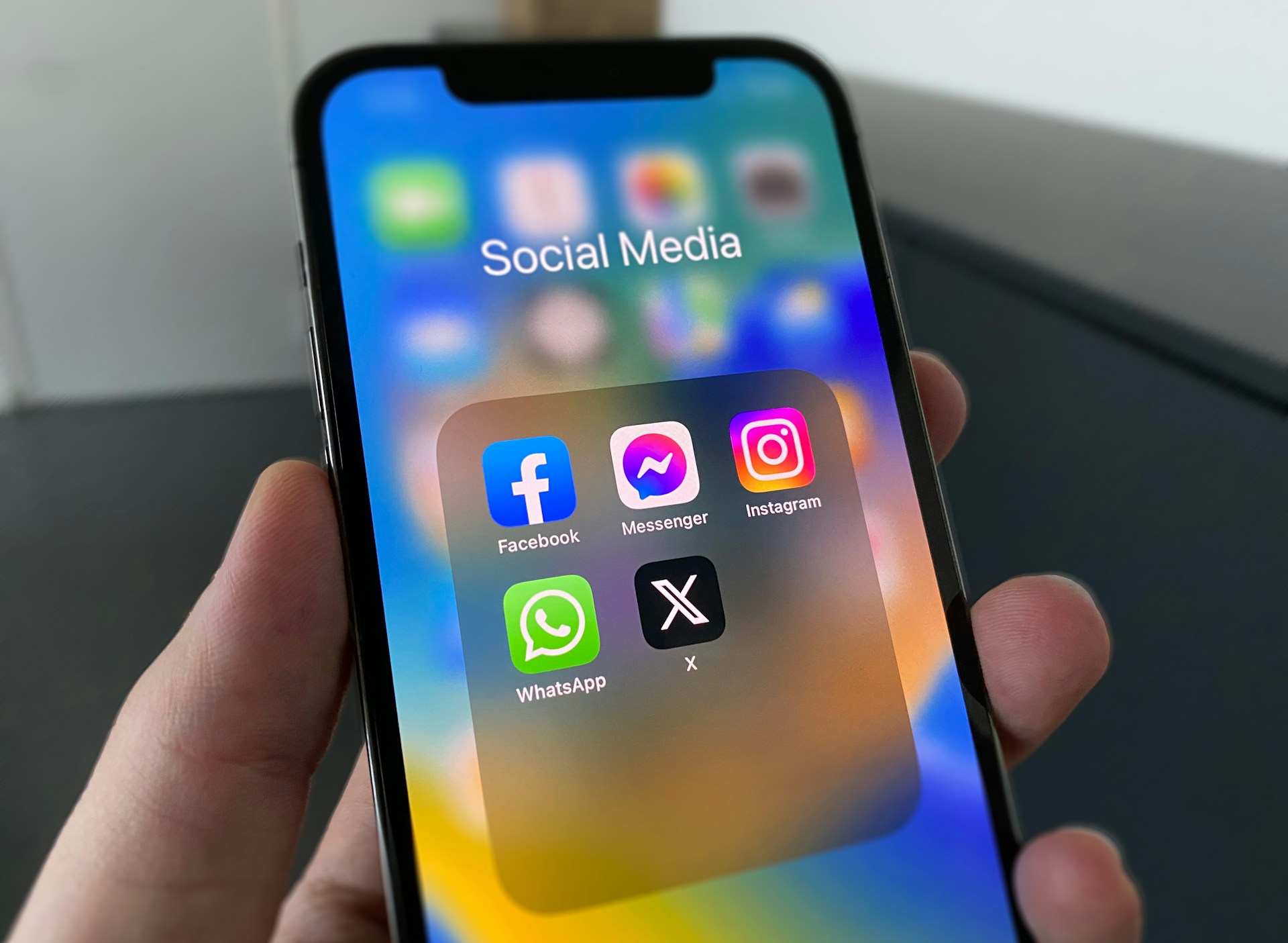
Social media offers connection, but for Gen Z it also shapes identity in ways that feel exhausting. They navigate a world where personal worth can appear tied to likes, comments and the polished image others present. Comparing daily life to carefully curated feeds creates unrealistic expectations. Even positive feedback comes with pressure to maintain a perfect version of themselves. This ongoing self monitoring drains emotional energy and makes it difficult to develop confidence independent of online validation. The constant need to appear successful contributes to burnout that comes from living life on display.
High Academic Competition
Gen Z experienced academic pressure earlier than previous generations, with advanced classes, strict grading curves and expectations to build impressive resumes long before college. From middle school onward, their schedules fill with extracurriculars, honors courses and constant evaluation. This performance driven environment leaves little time for exploration or rest. The fear of falling behind becomes a daily stressor, and many feel that one misstep could affect their entire future. These pressures form a pathway to burnout as they juggle heavy workloads and absorb the belief that success depends on nonstop achievement.
Crisis Saturation

Growing up, Gen Z absorbed a steady stream of major global events, from economic downturns to health crises and climate warnings. News updates arrive instantly, and many feel responsible for staying informed at all times. This level of awareness brings emotional weight older generations did not face so frequently. The sense of living through constant uncertainty creates exhaustion that seeps into everyday thinking. Even moments of calm feel temporary. The repeated exposure to crisis shaped headlines contributes to burnout by keeping stress elevated and making the world feel unpredictable with no clear break in sight.
Mental Health Awareness Gap

Gen Z is more open about mental health struggles, but the resources to support them often fall short. Therapy can be expensive, waitlists are long and many communities lack accessible services. The gap between understanding their needs and being able to meet them creates frustration and fatigue. Talking about stress helps, but without real solutions the relief is incomplete. This mismatch leaves Gen Z carrying emotional burdens they know require support but cannot always address. Over time, the unfilled need for care adds a persistent layer of burnout that feels unfairly difficult to overcome.
Side Hustle Culture Expectation

Side hustles were once optional, but for Gen Z they can feel like a requirement for financial stability or personal branding. Many feel pressure to monetize their hobbies or maintain multiple income streams to stay ahead. Instead of using free time for rest, they channel it into work that never fully ends. This constant grind blurs the line between passion and obligation, turning creativity into another task. Even when they enjoy their projects, the expectation to keep producing can drain energy. The result is burnout rooted in feeling that doing enough requires doing everything.
Hyper Connected Comparison
Gen Z lives in close proximity to the successes of others, watching classmates, coworkers and strangers achieve milestones in real time. This nonstop comparison cycle can make progress feel slow even when they are doing well. They see polished versions of lives that appear effortless and fear falling behind. The pressure to meet unspoken timelines builds stress that sits quietly underneath daily routines. Over time, the emotional strain of comparing every moment to someone else’s highlight reel contributes to burnout driven by unrealistic expectations and the belief that they should always be further along.
Fear Of Job Instability

Gen Z entered employment during a period of rapid change, with industries shifting, companies restructuring and new technologies transforming roles. Job security feels uncertain, and many fear sudden unemployment or stalled career growth. Even strong performers worry about factors outside their control. This instability affects long term planning and adds daily anxiety. Earlier generations often relied on stable career paths, but Gen Z faces a landscape where roles evolve quickly. The pressure to stay adaptable contributes to burnout by keeping them alert for changes that may disrupt their plans at any moment.
Pressure To Be Socially Perfect
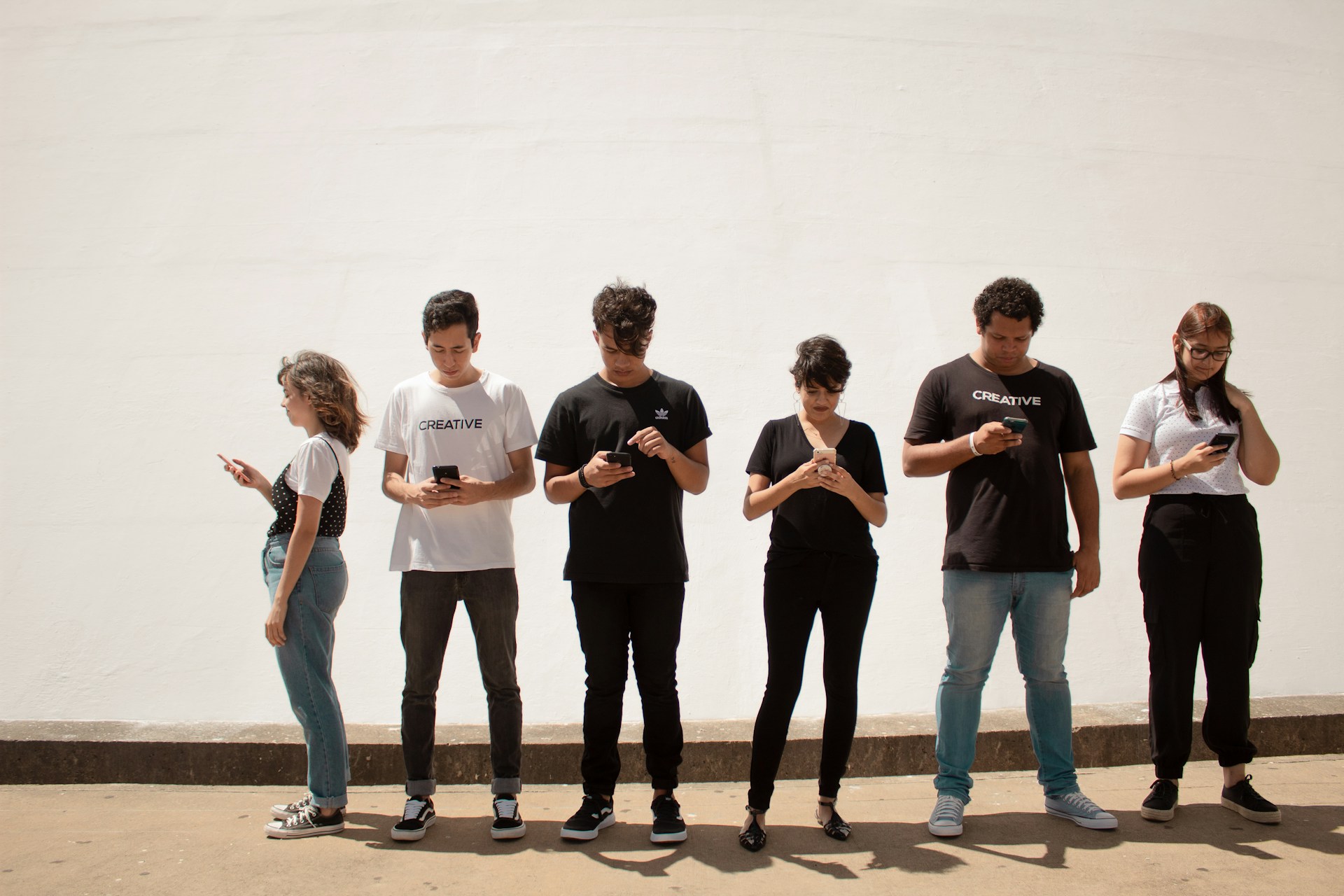
Gen Z navigates social spaces where missteps can be captured, shared and remembered indefinitely. This creates pressure to speak, act and present themselves with constant precision. They worry about offending others, being misunderstood or making mistakes that linger online. This self monitoring happens both in person and on social platforms, leaving little room for relaxed interaction. Over time, the fear of judgment builds emotional tension that drains energy. Their desire to be thoughtful and responsible becomes overwhelming, contributing to burnout shaped by the challenge of meeting high social expectations.
Gen Z’s burnout comes from the collision of technology, economics and expectations. They face challenges older generations did not encounter at the same scale. Their desire to succeed is strong, yet the pressures around them grow faster than they can adapt. Understanding these forces helps explain why they feel stretched thin despite their resilience. Burnout for Gen Z is not a sign of weakness but a reflection of a world that demands constant flexibility and awareness. Recognizing these pressures is the first step toward creating healthier rhythms and more realistic expectations for their future.