
This season’s pop culture conversations feel different. Instead of short lived viral moments, Americans keep returning to the same cultural flashpoints again and again. These moments linger because they touch deeper nerves about power, nostalgia, technology, and identity. They show up in group chats, podcasts, dinner conversations, and opinion columns, not just social feeds. What makes them stick is not shock value but relevance. Each one reflects a broader shift in how Americans relate to entertainment, fame, and meaning. Together, they form a snapshot of what the culture is still trying to process rather than what it has already moved past.
The AI Versus Human Creativity Tension Refusing to Settle

Americans are deeply engaged in an ongoing debate about whether artificial intelligence enhances creativity or quietly replaces it. Every AI generated song, image, or script reignites concern over originality, labor, and artistic value. What makes this moment persist is that it is not theoretical. Writers, musicians, designers, and audiences feel personally implicated. The discussion is less about technology itself and more about identity and authorship. People are asking whether creativity is a human trait or a process that can be automated. The tension remains unresolved because it challenges long held beliefs about what makes art meaningful.
Early 2000s Celebrities Being Reexamined Through a Modern Lens
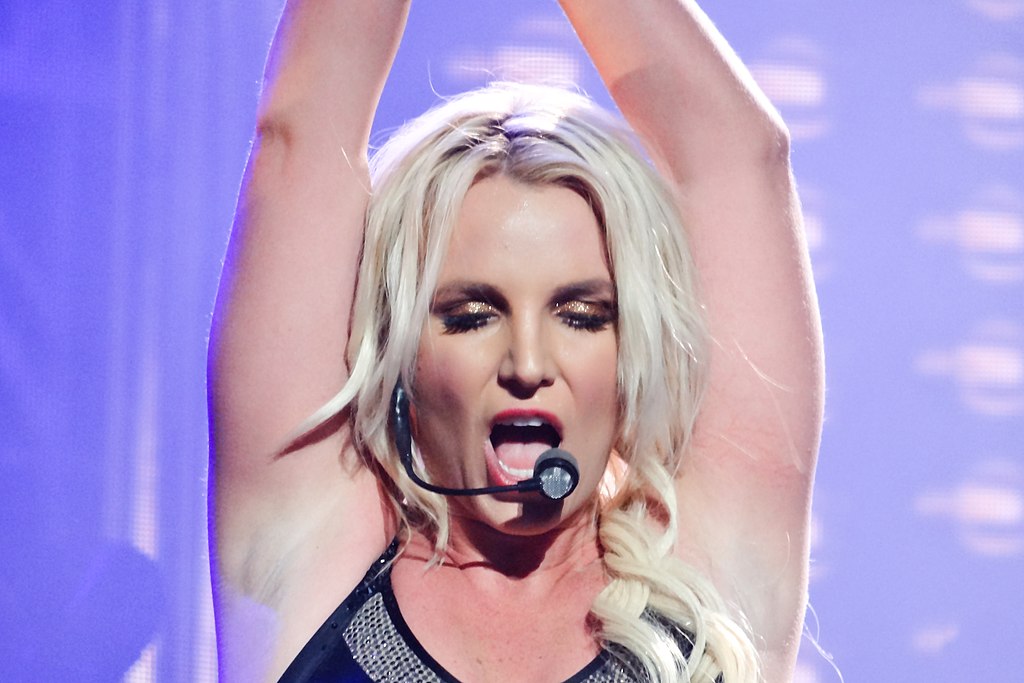
Public figures from the early 2000s are reentering cultural conversation through documentaries, interviews, and renewed visibility. Americans are revisiting how these celebrities were treated during the peak of tabloid culture. What once passed as entertainment now reads as excessive scrutiny and cruelty. Younger audiences view these stories with empathy, while older viewers reconsider what was normalized at the time. This reassessment feels important rather than nostalgic. It reflects changing attitudes toward mental health, privacy, and accountability. The conversation persists because it forces cultural self reflection rather than simple remembrance.
Streaming Fatigue Turning Into Open Frustration

Americans are increasingly vocal about exhaustion with the streaming landscape. What once felt liberating now feels fragmented, expensive, and overwhelming. Too many platforms, rising subscription costs, and constant decision making have diluted enjoyment. People miss shared viewing experiences where cultural moments unfolded collectively. The frustration is not just about money or content. It is about attention. This moment lingers because it signals a broader desire for simplicity and shared experience in an era defined by endless choice and personalization.
Celebrity Silence Being Interpreted as a Statement
Audiences are paying closer attention to which celebrities remain silent during major cultural or political moments. Silence is no longer seen as neutrality. It is increasingly interpreted as intentional positioning. This shift has changed expectations around fame and responsibility. Americans debate whether public figures owe commentary or whether silence should be respected. The conversation continues because it reflects evolving ideas about influence, visibility, and moral obligation in a hyper connected culture where absence itself communicates meaning.
The Subtle Decline of Traditional Red Carpet Spectacle

Red carpet events no longer dominate cultural conversation the way they once did. Americans still notice fashion, but the sense of rarity and anticipation has faded. Social media access and constant exposure have reduced mystique. Looks are dissected instantly, then forgotten. The decline is not dramatic, but it is noticeable. This shift matters because it shows how overexposure flattens spectacle. What once felt aspirational now feels transactional. The conversation persists because it marks a quiet change in how fame is consumed.
Reality Television Losing Its Ability to Shock
Reality television remains popular, but Americans increasingly describe it as predictable rather than outrageous. After decades of escalation, audiences recognize editing tactics and manufactured conflict. Shock no longer surprises. Instead, viewers watch with distance and skepticism. This shift reflects growing media literacy rather than disinterest. The genre has not disappeared, but its cultural authority has weakened. The moment lingers because it reveals how audiences mature faster than formats designed to provoke them.
Nepotism Conversations Becoming Systemic Rather Than Personal
Discussions around nepotism in entertainment have evolved beyond calling out individuals. Americans now focus on systems that restrict access and reinforce privilege. The frustration is less about famous parents and more about closed doors. Pop culture became the visible example of a wider economic issue. This conversation persists because it connects entertainment to broader inequality across industries. The debate feels unresolved because awareness has increased, but pathways have not meaningfully changed.
Concert Tours Turning Into Cultural Anchors
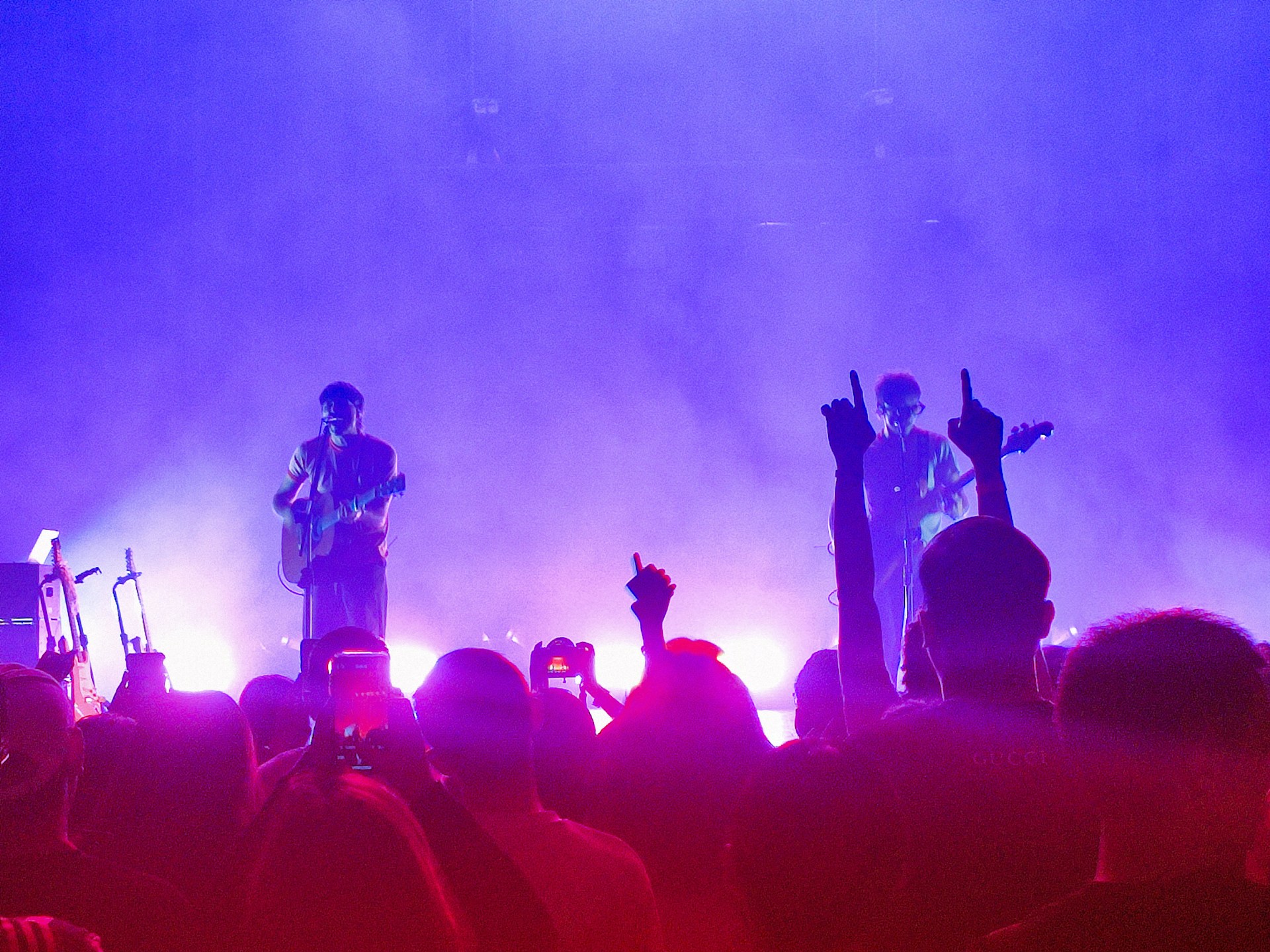
Major music tours have become shared emotional events rather than simple performances. Americans plan travel, budgets, outfits, and social calendars around them. These tours function as collective release points after years of disruption and isolation. They create rare moments of shared joy and physical presence. The reason people keep talking about them is not spectacle alone. It is the sense of belonging they provide in a fragmented media landscape.
The Softening of Cancel Culture Absolutism

Public discourse is slowly shifting away from instant cancellation toward conversations about context, growth, and proportional accountability. Americans are questioning whether punishment should always be permanent. This does not signal indifference to harm, but fatigue with moral finality. The discussion remains active because no clear balance has been reached. People want responsibility without spectacle. The unresolved nature of this shift keeps it in conversation.
Nostalgia Becoming an Emotional Coping Tool
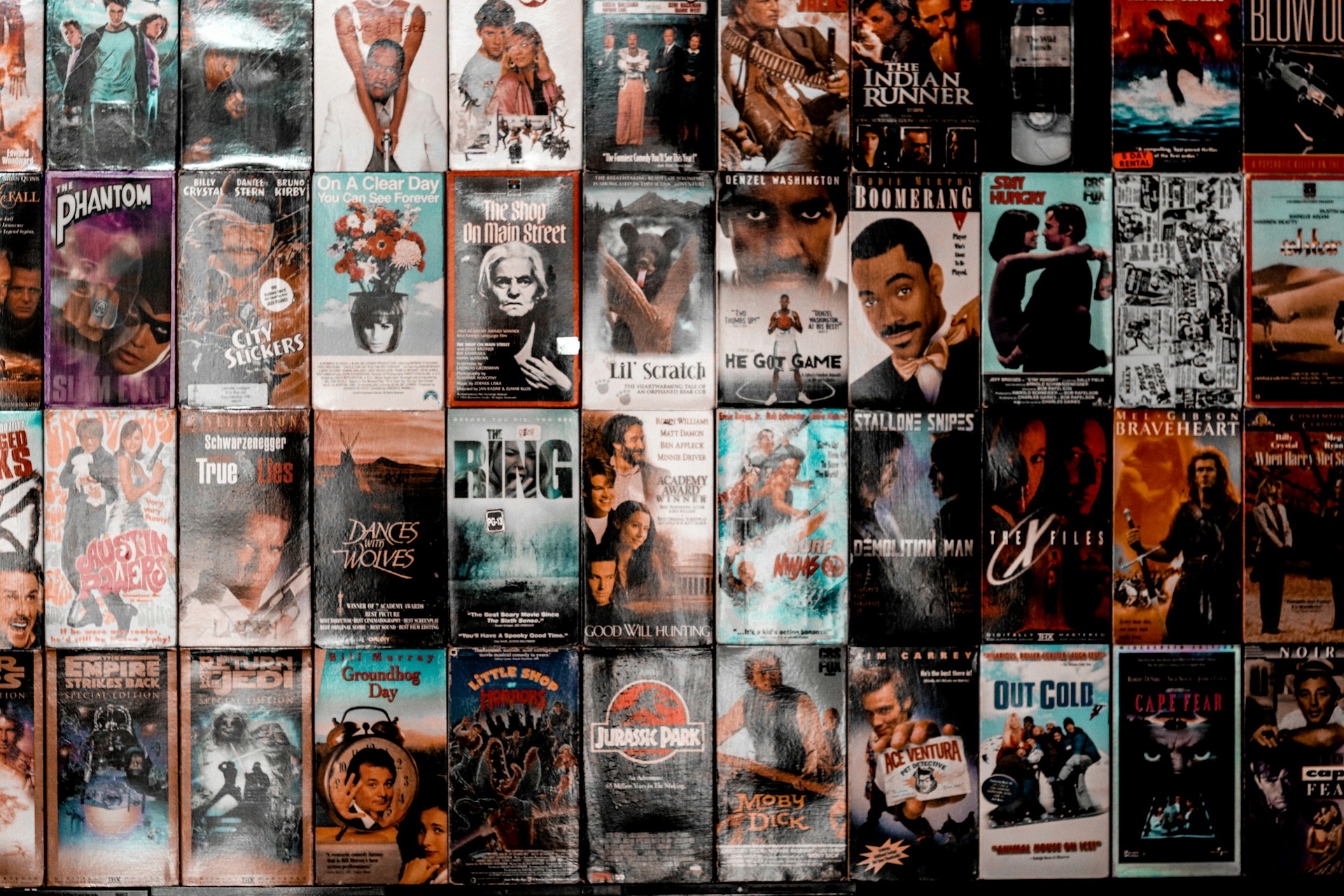
Americans are returning to familiar movies, shows, and music at noticeable levels. Nostalgia provides emotional stability during uncertain times. This trend goes beyond comfort viewing. It functions as regulation. Revisiting familiar narratives reduces cognitive and emotional strain. The popularity of reboots and throwbacks reflects a collective desire for predictability. The moment persists because uncertainty remains unresolved.
The Blurring Boundary Between Internet Fame and Traditional Stardom
Influencers now compete directly with actors and musicians for attention, awards, and legitimacy. Americans debate who deserves cultural authority and why. Internet fame feels accessible but unstable, while traditional stardom feels exclusive but enduring. This tension keeps resurfacing because it challenges long held definitions of success. As platforms reshape visibility, the meaning of fame itself remains unsettled.
These pop culture moments endure because they are not disposable trends. They are pressure points where entertainment intersects with identity, power, and collective memory. What Americans keep discussing often reveals unresolved questions rather than passing interests. Pop culture remains the space where society works out its contradictions in public view.