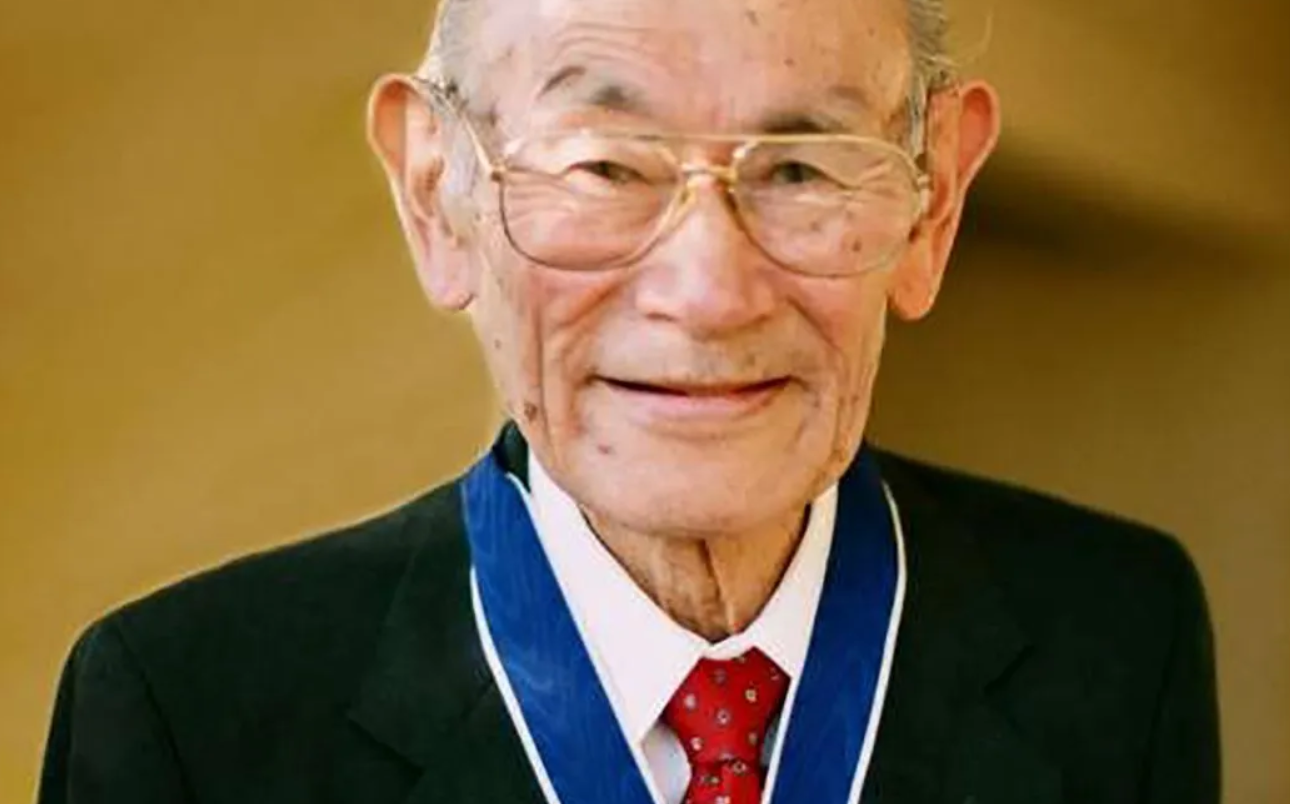
America’s story is often told through the same few names, Washington, Lincoln, Jefferson. But scattered throughout history are lesser-known patriots who shaped the nation’s conscience, laws, and movements without ever being celebrated in classrooms. Their courage, innovation, and quiet rebellion often did more to push the country forward than those in the spotlight.
Sybil Ludington: The Female Paul Revere
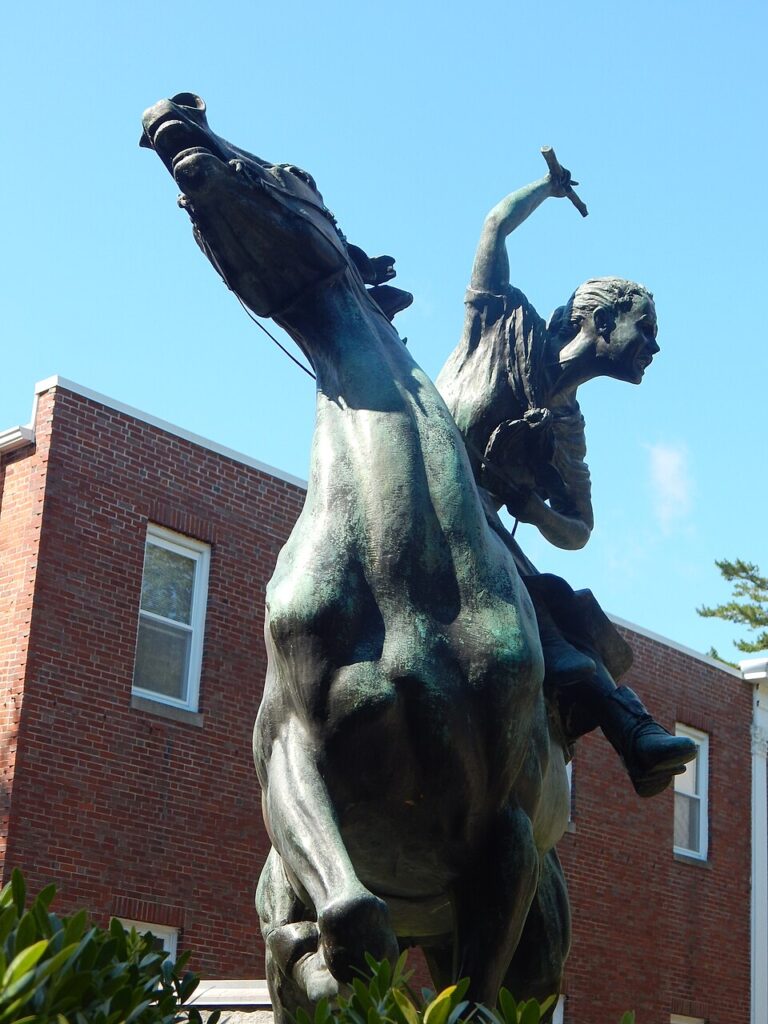
At just sixteen, Sybil Ludington rode nearly forty miles through the night in 1777 to warn colonial forces of British advancement in New York. Her ride covered almost twice the distance of Paul Revere’s, yet her bravery went largely unnoticed for centuries. She rallied hundreds of militiamen, demonstrating that the Revolution’s strength came not just from generals, but from ordinary citizens willing to risk everything.
Benjamin Banneker: The Forgotten Genius
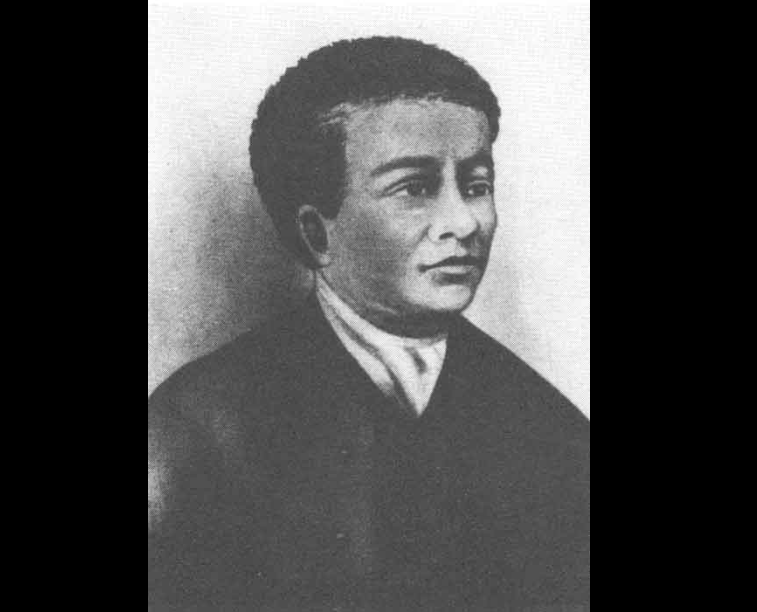
A free African American polymath in the 18th century, Benjamin Banneker defied racial boundaries by publishing almanacs, studying astronomy, and assisting in the original survey of Washington, D.C. His letters to Thomas Jefferson challenged the hypocrisy of slavery, forcing the founding fathers to confront the contradictions in their ideals. His intellect and courage influenced early conversations about equality and human rights.
Crispus Attucks: The First to Fall
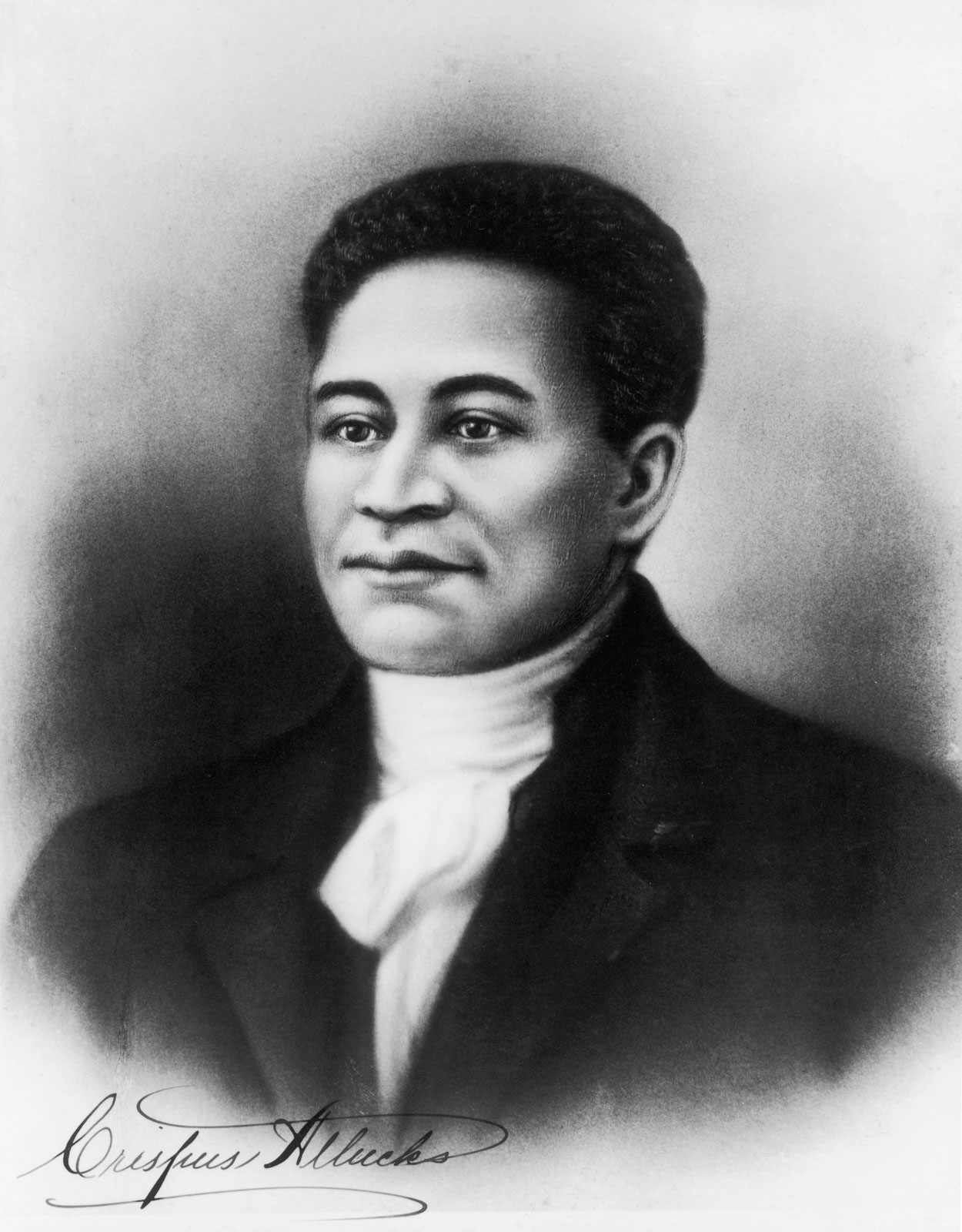
Crispus Attucks, a man of African and Native American descent, became the first casualty of the Boston Massacre in 1770. Though often reduced to a footnote, his death symbolized the universal cost of liberty. Attucks became a martyr for freedom long before the Revolution officially began, showing that the struggle for independence transcended race or background.
Deborah Sampson: The Disguised Soldier
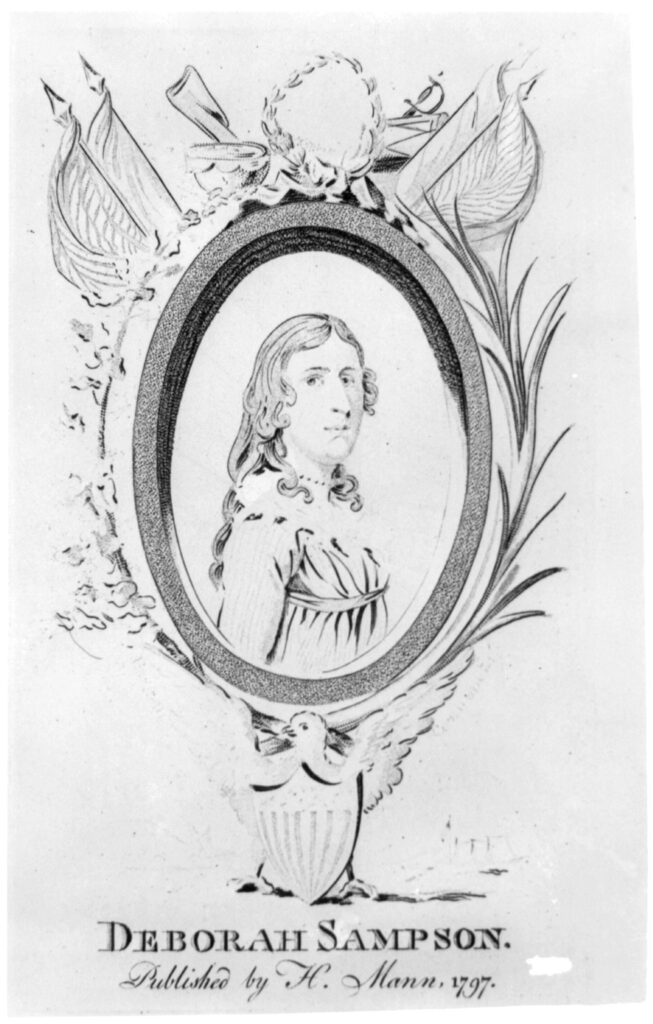
Disguising herself as a man named Robert Shurtliff, Deborah Sampson fought in the Continental Army for over a year. Her service, discovered only after she was wounded, broke gender norms of her time. Sampson later petitioned Congress for a pension, becoming one of the first women in American history to receive recognition for military service.
Robert Smalls: The Hero Who Stole a Confederate Ship
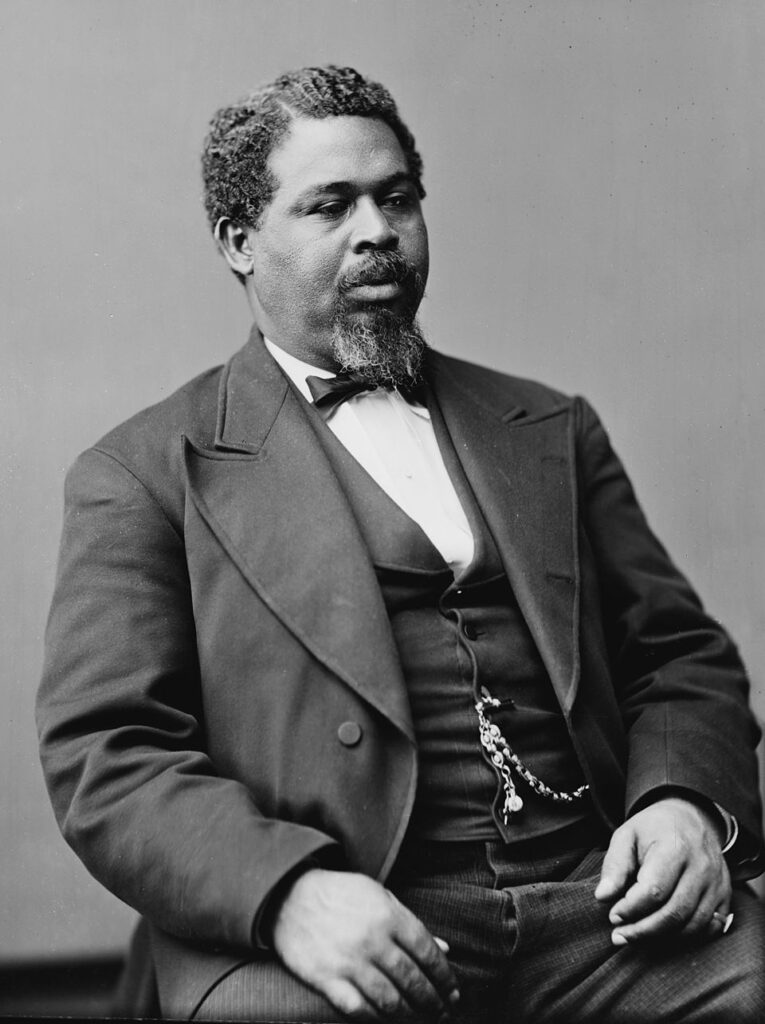
Born into slavery, Robert Smalls stole a Confederate transport ship in 1862 and delivered it to Union forces, securing freedom for himself and his crew. He later became a congressman, advocating for African American rights during Reconstruction. His bold act of defiance reshaped perceptions of Black leadership during the Civil War.
Mary Elizabeth Bowser: The Spy Who Outsmarted the Confederacy
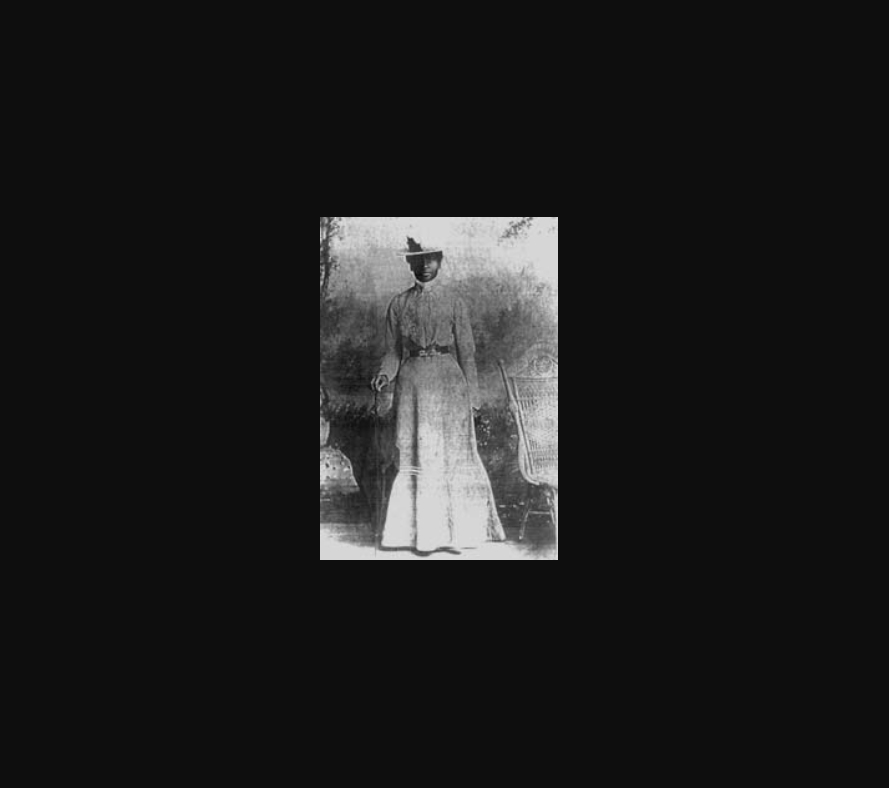
An educated Black woman posing as a servant in the Confederate White House, Mary Elizabeth Bowser secretly transmitted valuable intelligence to Union forces. Her photographic memory and daring espionage likely shortened the war, yet her name rarely appears in history books. Her legacy is a testament to the unseen women who risked everything for freedom.
Bass Reeves: The Real Lone Ranger
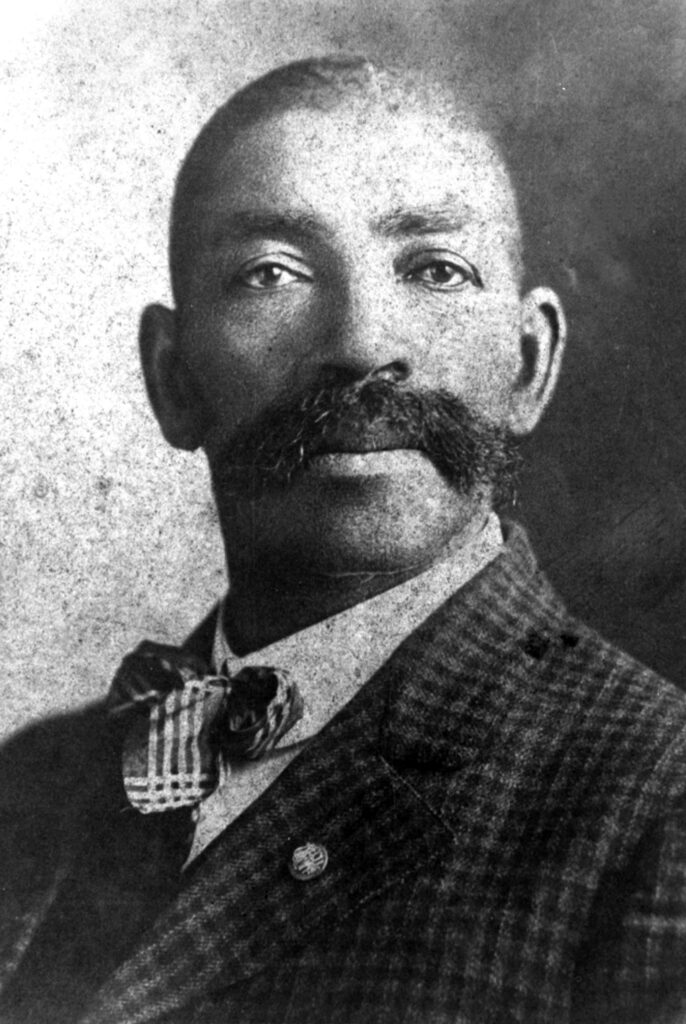
One of the first Black U.S. Marshals west of the Mississippi, Bass Reeves arrested over 3,000 outlaws in his career. Many historians believe he inspired the fictional Lone Ranger, though Hollywood erased his identity. His strict sense of justice and courage in hostile territories made him a legend of American law enforcement.
Claudette Colvin: The Teen Who Sparked a Movement
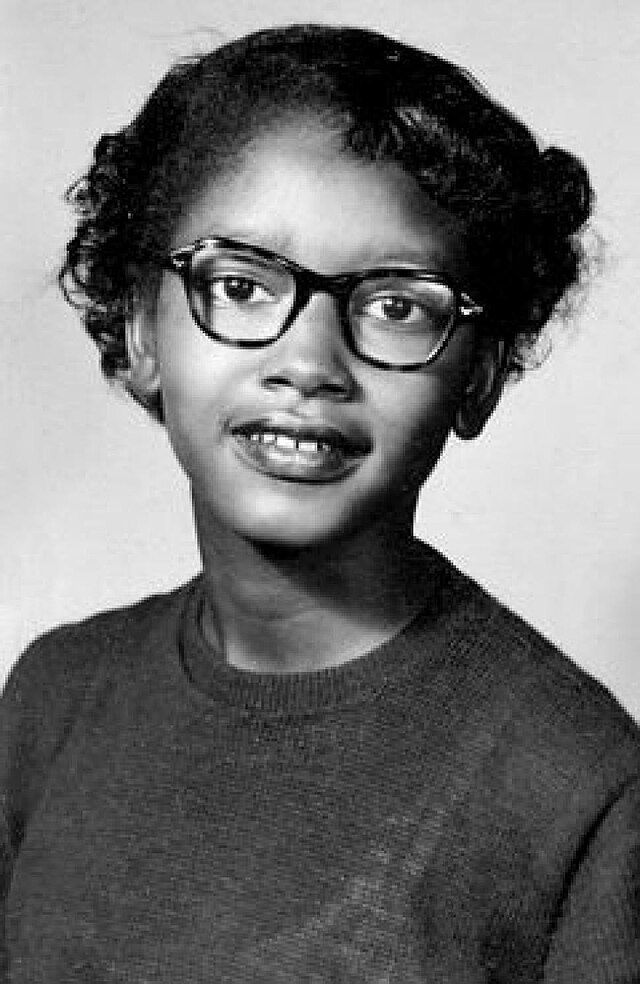
Before Rosa Parks refused to give up her seat, fifteen-year-old Claudette Colvin had already done so. Arrested in Montgomery in 1955, her case laid the legal groundwork for the desegregation of buses. Yet she was overlooked due to her age and social status, despite her critical role in igniting the Civil Rights Movement.
Ira Hayes: The Forgotten Iwo Jima Flag Raiser
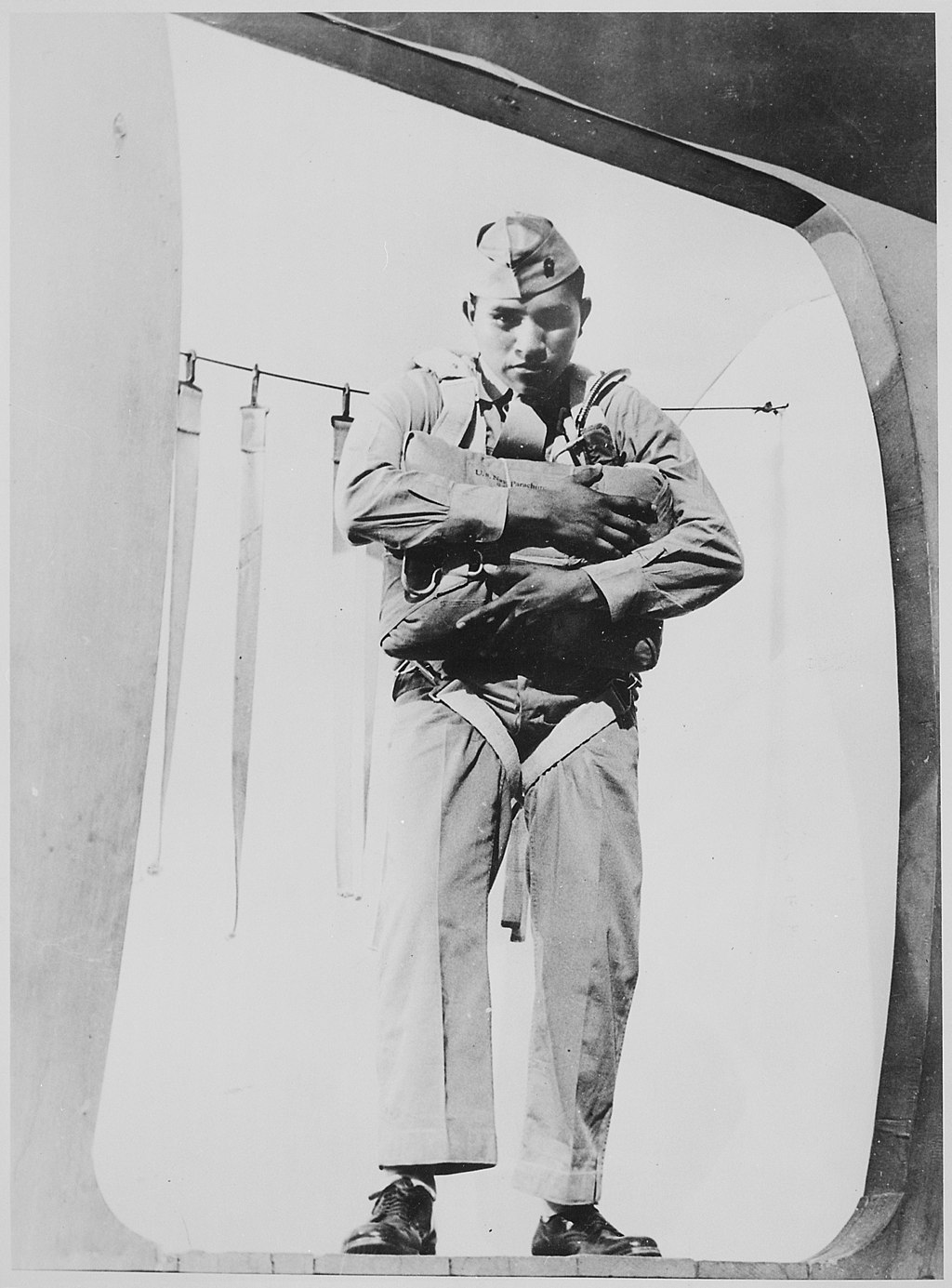
A Pima Native American and U.S. Marine, Ira Hayes was one of the six men who raised the flag at Iwo Jima. While the image became a symbol of victory, Hayes returned home to face racism and alcoholism. His tragic story reflects the invisible sacrifices of Indigenous Americans who fought for a country that often excluded them.
Frances Perkins: The Architect of the New Deal
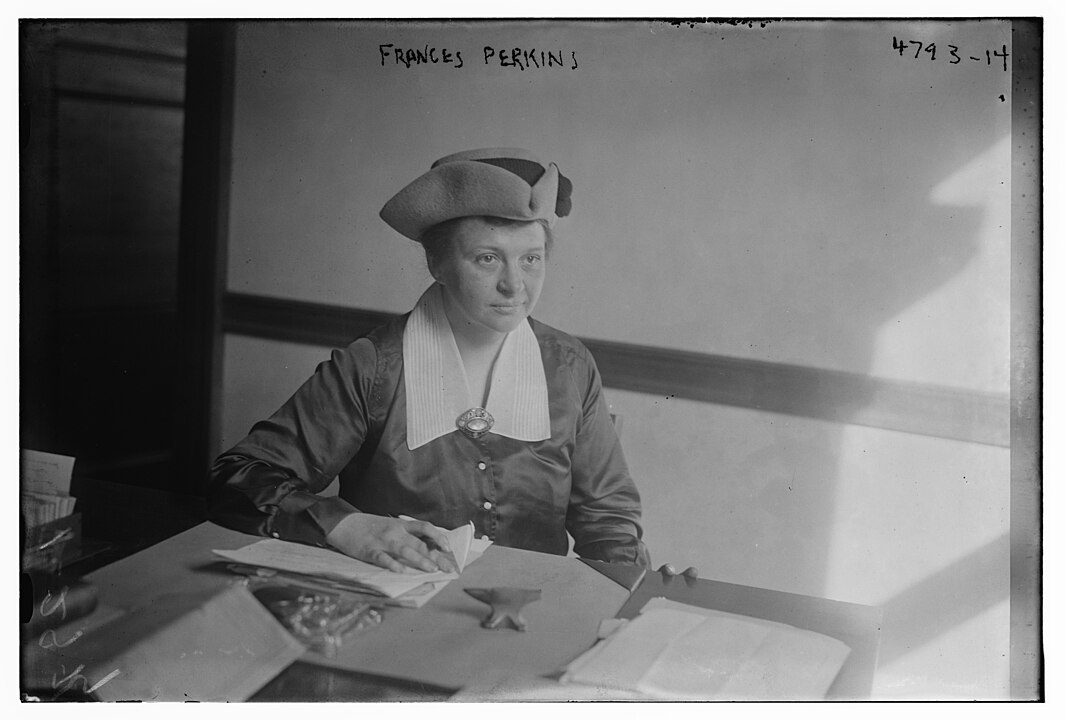
As the first female U.S. Cabinet member, Frances Perkins helped craft Social Security, unemployment insurance, and labor laws during the Great Depression. Her compassion and persistence transformed American labor rights forever. Yet, despite shaping the backbone of modern social welfare, her name remains largely unknown.
Fred Korematsu: The Man Who Fought Japanese Internment
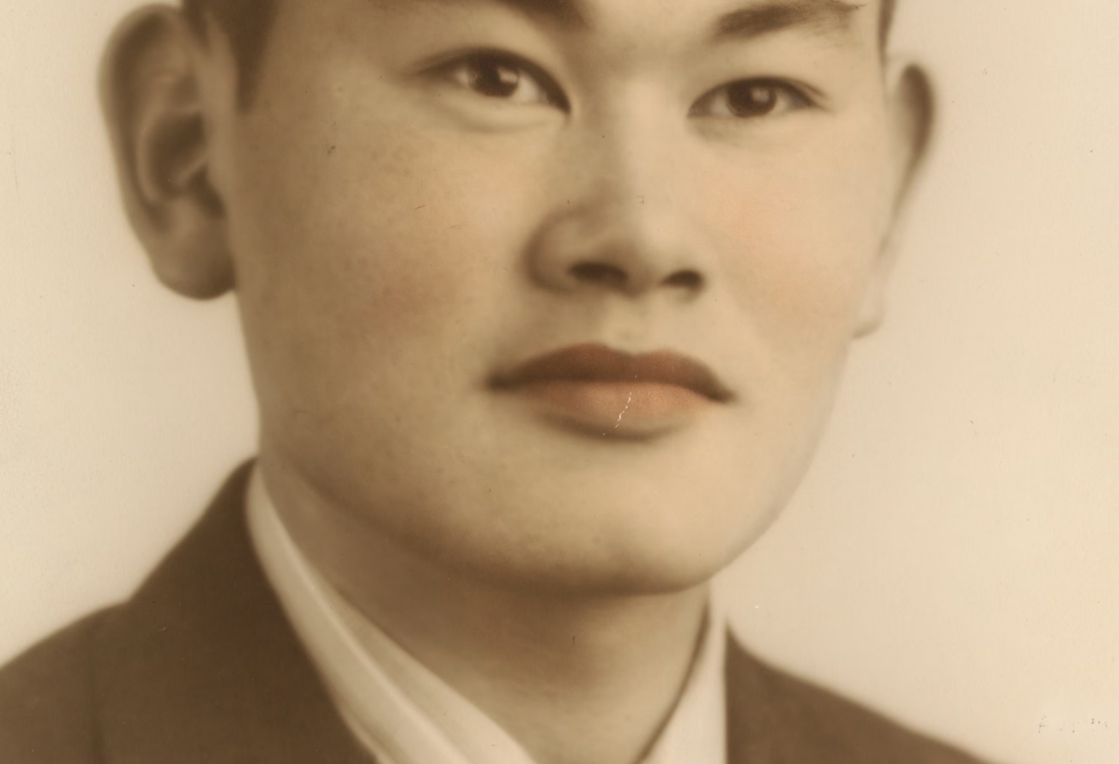
During World War II, Fred Korematsu defied Executive Order 9066, which forced Japanese Americans into internment camps. His legal battle went to the Supreme Court, and though he initially lost, his conviction was overturned decades later. Korematsu’s courage laid the groundwork for future civil rights cases defending constitutional liberty.