
Parents want the best for their kids, but sometimes good intentions can backfire. Social skills are built through trial, error, and freedom to interact, yet modern parenting often interrupts that process. From overprotecting to oversharing, small daily habits can have a big impact on a child’s confidence, empathy, and ability to connect with others. Here are 11 common mistakes parents make without realizing the social cost.
1. Solving Every Problem for Them
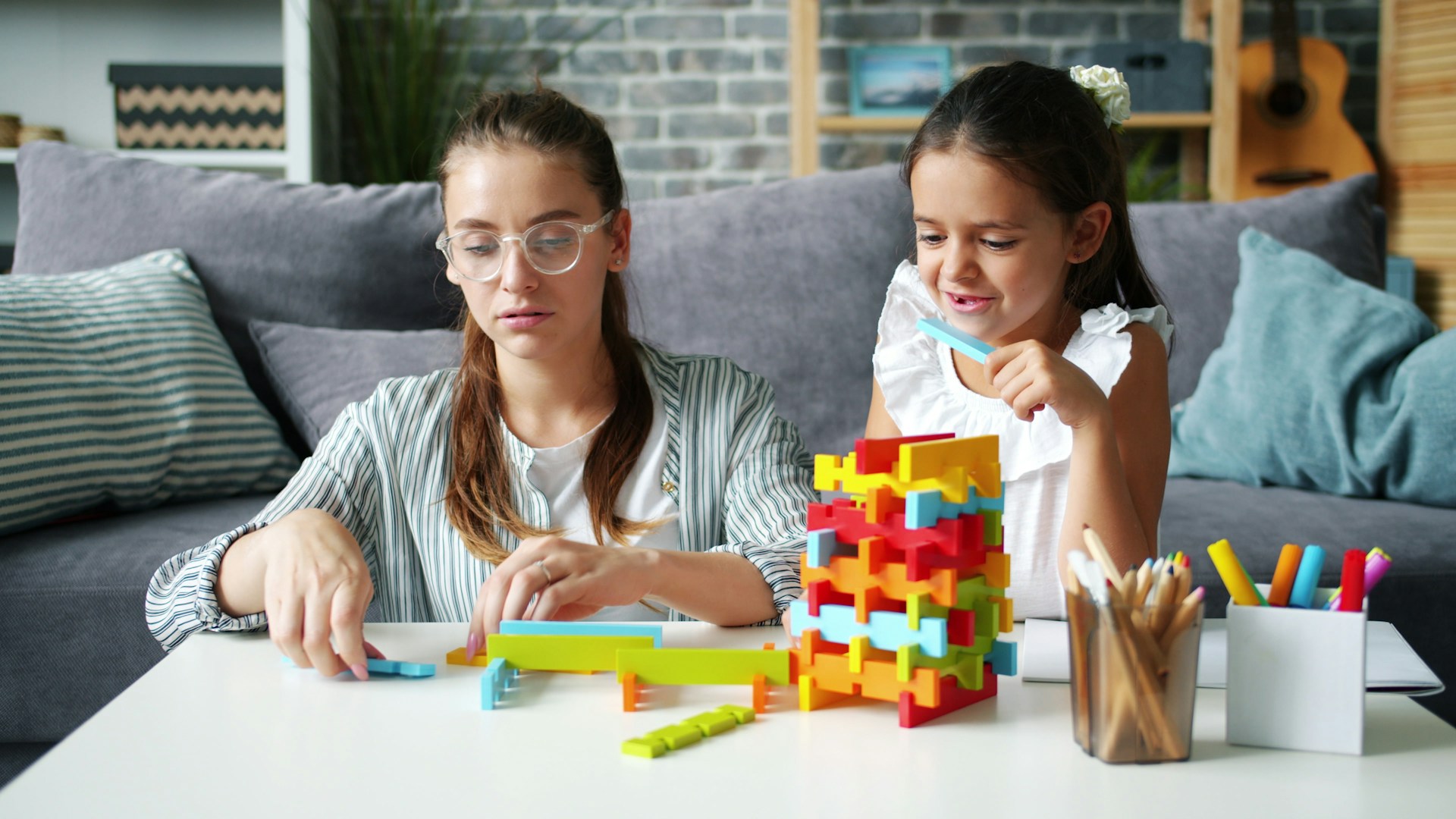
When parents rush to fix every issue, kids miss the chance to practice problem-solving and communication. Struggles teach negotiation and resilience. Without that, children may become dependent on others to handle conflicts or decisions. Letting them navigate small challenges builds confidence and social awareness over time, helping them learn how to handle life independently.
2. Overpraising Everything

Constant praise can create pressure to always be perfect. Kids start seeking validation instead of learning intrinsic motivation. When every small act is treated as amazing, real achievements lose meaning. Balanced feedback helps them understand effort, teamwork, and improvement. Encouraging persistence over perfection nurtures genuine confidence and a healthy social mindset.
3. Not Allowing Enough Playtime
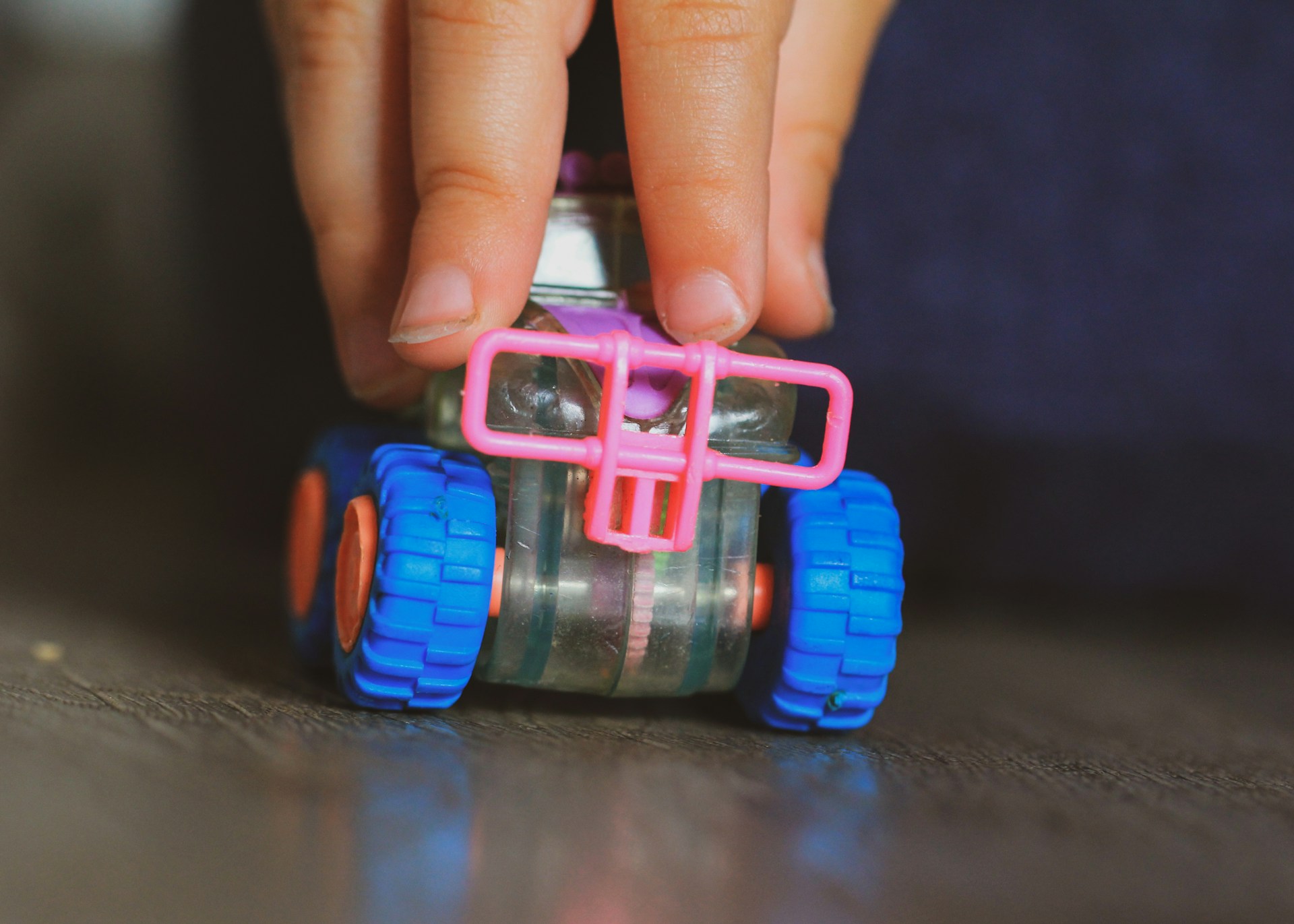
Structured activities have replaced free play in many homes. Yet, playtime is where kids learn cooperation, negotiation, and creativity. Without it, they may struggle to share, lead, or empathize with others. Giving children unstructured time to play with peers encourages problem-solving and emotional regulation, both key ingredients for strong social growth.
4. Hovering or Overprotecting

Parents who constantly monitor interactions may unintentionally limit their child’s independence. A little space teaches boundaries and confidence. When kids are always shielded from discomfort, they never learn how to handle it. Gradually allowing age-appropriate risks helps them develop better judgment and self-trust, strengthening their ability to relate to others effectively.
5. Ignoring Emotional Conversations

Children look to parents to understand feelings. Avoiding tough talks about sadness or anger teaches kids to suppress emotions instead of expressing them safely. Open conversations build empathy and self-awareness, both essential for social connection. Helping them label emotions and discuss them calmly supports healthy friendships and emotional resilience in the long run.
6. Not Modeling Social Behavior

Kids mimic what they see. If parents interrupt, gossip, or avoid conflict, children may mirror those habits. Modeling active listening, kindness, and respect teaches them how to engage with others meaningfully. Simple gestures like apologizing or saying thank you can have lasting effects on how they form and maintain healthy relationships later in life.
7. Over-Scheduling Their Time

Between sports, lessons, and tutoring, many kids barely get time to breathe. Overscheduling can lead to stress and burnout, leaving little room for friendship-building. Downtime allows children to connect organically and learn how to manage boredom productively. Balance between structure and freedom is key for both emotional health and social growth.
8. Criticizing in Public

Correcting a child in front of others can damage their confidence and make them feel embarrassed. Private guidance works better, preserving trust and respect. Public criticism often leads to withdrawal and fear of judgment. Supportive feedback in private builds mutual understanding, allowing kids to accept correction without feeling humiliated or defensive.
9. Controlling Every Friendship

Trying to choose who a child can or cannot befriend might seem protective but can backfire. Social independence teaches kids to recognize good influences and handle peer pressure. Encouraging open dialogue about friendships helps them build judgment and boundaries. Interfering too much can lead to secrecy or social anxiety, limiting healthy relationship skills.
10. Overusing Technology as a Distraction

Tablets and phones often become quick fixes for boredom, but too much screen time reduces face-to-face interaction. Kids who rely on digital entertainment may struggle with real-world communication cues like tone and body language. Setting healthy screen limits encourages more meaningful connections and stronger empathy in daily interactions with others.
11. Expecting Adult-Level Behavior

Children are still learning emotional control and social awareness. Expecting them to act maturely all the time sets unrealistic standards. Gentle guidance, patience, and understanding their developmental pace nurture better behavior. Instead of punishment, focus on teaching empathy, responsibility, and teamwork, helping kids grow into confident and compassionate individuals.
Parenting is a delicate balance between guidance and freedom. Even small habits can shape how children see themselves and others. By giving kids room to explore emotions, build friendships, and make mistakes safely, parents empower them to develop social strength that lasts. True connection grows from empathy, trust, and the confidence to be oneself in any crowd.