Georgia is full of history, from Civil War landmarks to colonial towns and cultural treasures. For travelers seeking a mix of architecture, heritage, and stories of the past, the state offers a rich variety of historic sites. Exploring these locations provides a glimpse into Georgia’s evolving culture and the people who shaped it. Whether wandering old streets, touring plantations, or visiting battlefields, history comes alive at these 11 must-see Georgia sites.
Savannah Historic District

Founded in 1733, Savannah’s Historic District features cobblestone streets, charming squares, and antebellum architecture. Visitors can tour historic homes, churches, and museums while enjoying horse-drawn carriage rides through tree-lined streets. The area is known for its preservation efforts, capturing the essence of colonial and 19th-century life. Savannah’s unique charm, combined with its rich history and scenic beauty, makes it a must-see destination for travelers seeking a genuine experience of Georgia’s past.
Martin Luther King Jr. National Historic Site

Located in Atlanta, this site honors the life and legacy of Dr. Martin Luther King Jr. Visitors can tour his childhood home, visit the Ebenezer Baptist Church where he preached, and explore the King Center with exhibits on his civil rights work. The site provides insight into Georgia’s pivotal role in the civil rights movement and offers educational and inspiring experiences. It’s a powerful destination for understanding the struggle for equality and celebrating one of America’s most influential leaders.
Andersonville National Historic Site

Andersonville preserves the former Confederate prisoner-of-war camp from the Civil War, known for its harsh conditions and high mortality rate. The National Cemetery and museum offer powerful stories of survival and sacrifice. Visitors can explore reconstructed stockades and learn about daily life for prisoners. It’s a solemn, educational experience that highlights a challenging period in Georgia’s history, providing perspective on the human cost of conflict and the importance of remembrance.
Fort Pulaski National Monument
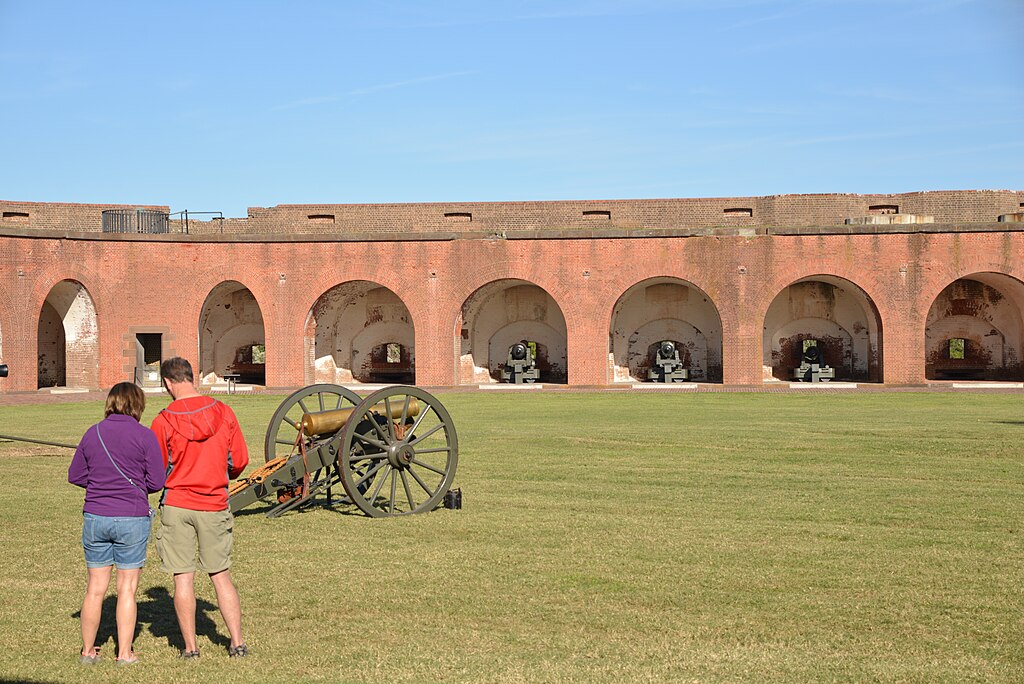
Fort Pulaski, near Savannah, is a well-preserved coastal fortress from the 19th century. Famous for its role in the Civil War and innovative masonry design, the fort withstood artillery testing that changed military engineering. Visitors can walk along the ramparts, tour historic rooms, and learn about the fort’s construction and wartime history. Fort Pulaski combines architectural ingenuity with compelling storytelling, making it a must-see site for history enthusiasts and families alike.
Old Governor’s Mansion

Located in Milledgeville, Georgia’s Old Governor’s Mansion is a Greek Revival-style home that served as the state’s executive residence in the 19th century. Visitors can tour restored rooms with period furnishings, gaining insight into antebellum life and politics. The mansion’s architecture, elegant interiors, and historical interpretation make it a vivid example of Georgia’s state history. Touring the site allows travelers to step back in time and experience the lifestyle of Georgia’s leaders during a formative era.
Stone Mountain Park

Stone Mountain is known for its massive granite carving of Confederate leaders and surrounding parklands. Beyond the monument, visitors can hike trails, ride the scenic railroad, and explore the museum detailing regional history. While the monument itself has sparked debate, the site offers educational opportunities about Georgia’s history and the Civil War. Combining natural beauty with historical significance, Stone Mountain Park provides a unique blend of outdoor activity and heritage exploration.
Hay House

Also in Macon, the Hay House is a stunning example of Italian Renaissance Revival architecture. Built in the mid-1800s, the mansion features ornate interiors, marble staircases, and decorative ceilings. Visitors can tour the home to learn about the family who built it and the cultural influences of the period. The Hay House’s artistry and historical preservation make it a highlight for travelers interested in architecture, art, and southern history, offering a glimpse into 19th-century grandeur.
Ocmulgee Mounds National Historical Park
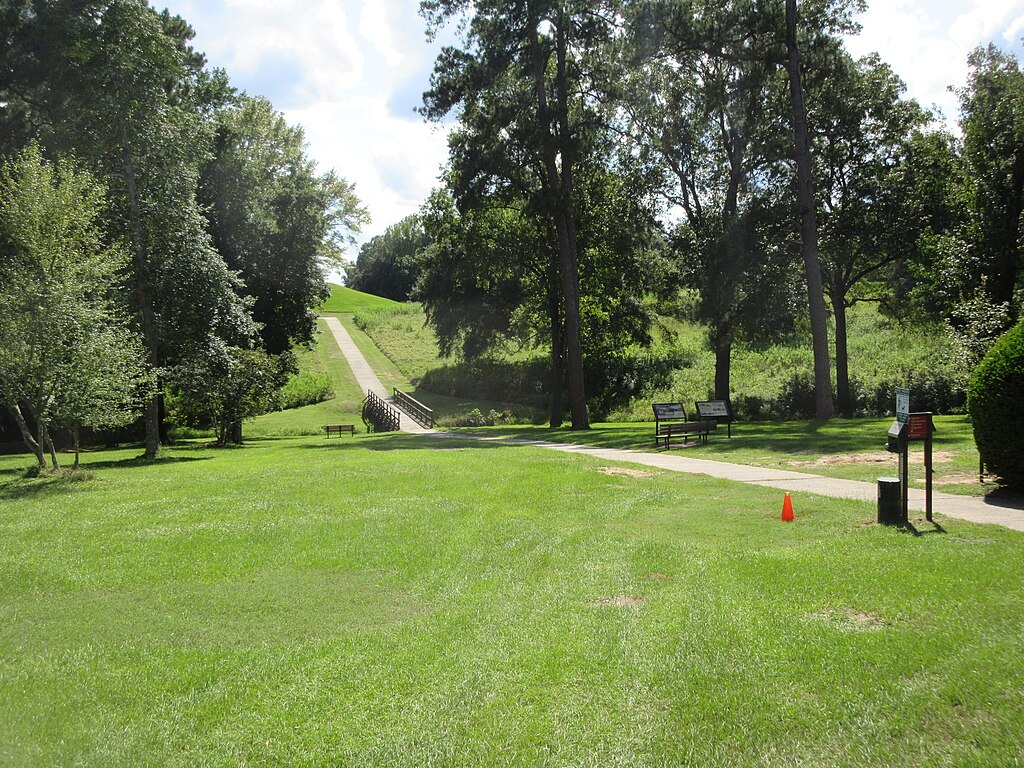
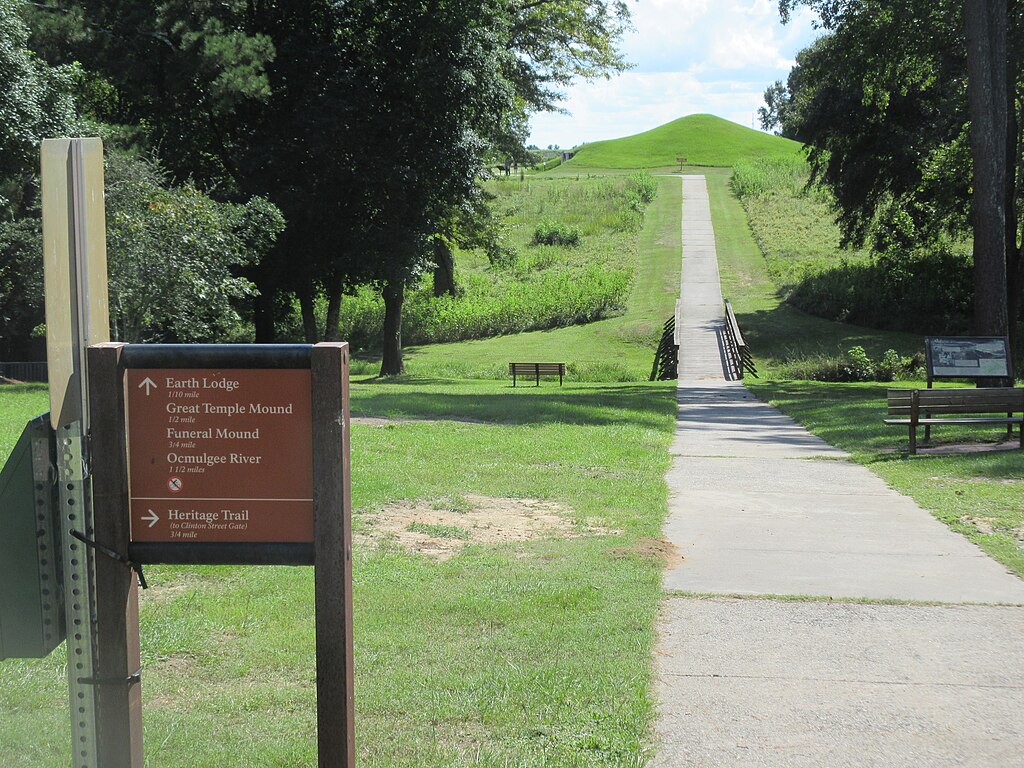
Ocmulgee Mounds preserves ancient Native American earthworks dating back thousands of years. Visitors can walk trails through ceremonial mounds, explore the museum, and learn about the Mississippian culture that once thrived in Georgia. The park provides insight into pre-colonial life, trade networks, and early settlement patterns. This site highlights Georgia’s rich indigenous history, offering a fascinating perspective on the state long before European colonization.
Roswell Historic District

Roswell features preserved 19th-century homes, gardens, and mills that reflect its role as a cotton-producing town. Walking tours highlight architecture, early industry, and the stories of families who lived there. The district blends history with charming streets and shops, creating a welcoming environment for visitors. Roswell’s preservation efforts make it an excellent destination for travelers seeking both education and leisurely exploration in a historic setting.
Civil and Human Rights Sites in Atlanta

Beyond Martin Luther King Jr. sites, Atlanta features locations central to civil rights history, including the Historic Ebenezer Baptist Church and the Atlanta History Center. Exhibits detail the struggle for equality, the civil rights movement, and Georgia’s role in shaping national history. Visiting these sites provides context, inspiration, and a deeper understanding of the state’s social and political evolution. They offer travelers meaningful connections to historical events that resonate today.
Old Fort Jackson
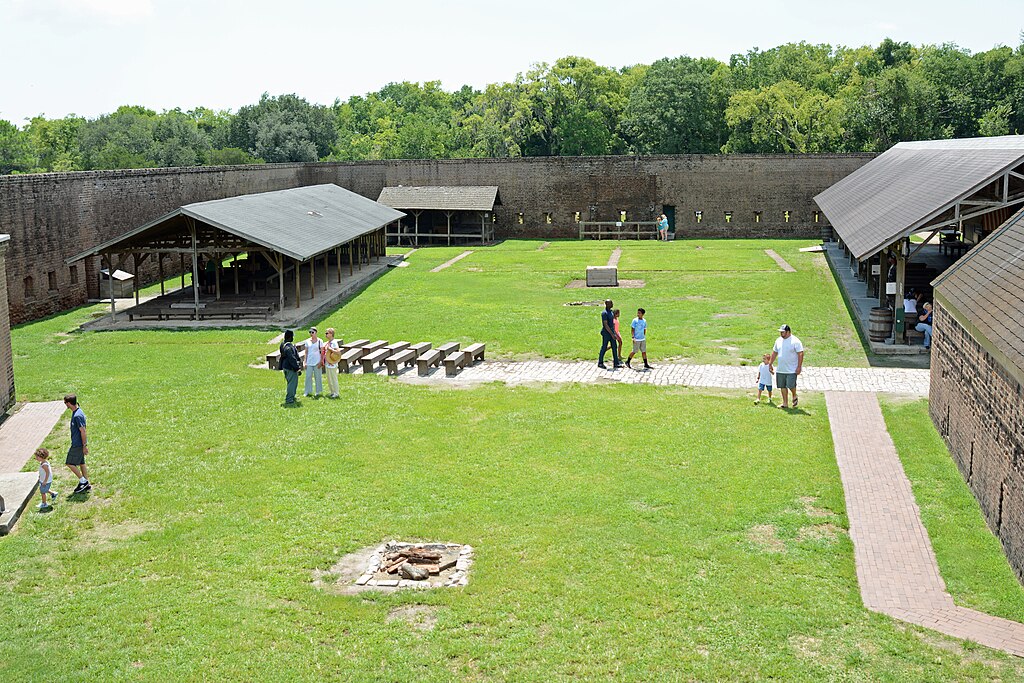
Near Savannah, Old Fort Jackson is one of the oldest standing brick forts along the U.S. coast. Built in the early 1800s, it played a role in coastal defense during multiple conflicts. Visitors can watch cannon demonstrations, tour historic buildings, and learn about military life in the 19th century. The fort combines outdoor exploration with history, making it a fun and educational stop for families, students, and history enthusiasts alike.
These 11 sites showcase Georgia’s rich history, from ancient mounds to Civil War landmarks and grand antebellum homes. Visiting them offers travelers a chance to connect with the past, enjoy architecture and nature, and gain a deeper appreciation for the stories that shaped the state.