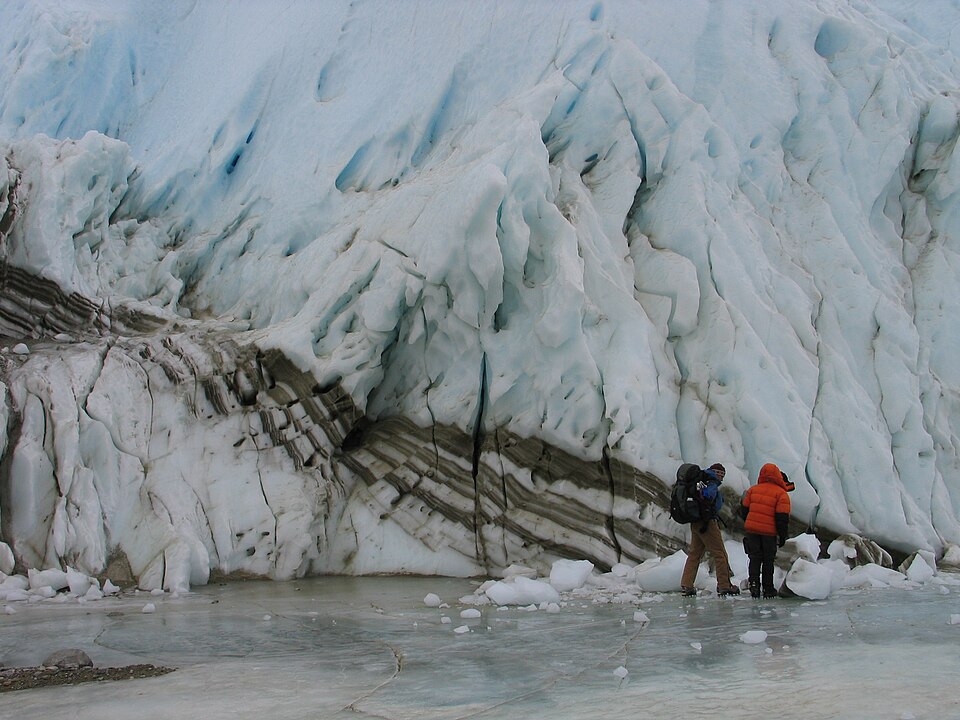
Famous landmarks and national parks often define the natural landscape of the United States, yet some of its most astonishing wonders remain largely unseen. Scattered across coastlines, deserts, forests, and underground spaces are rare natural phenomena that defy expectation. These hidden occurrences reveal the planet’s quiet complexity, reminding us that nature’s most powerful displays often unfold far from crowds and cameras.
America’s Overlooked Natural Marvels
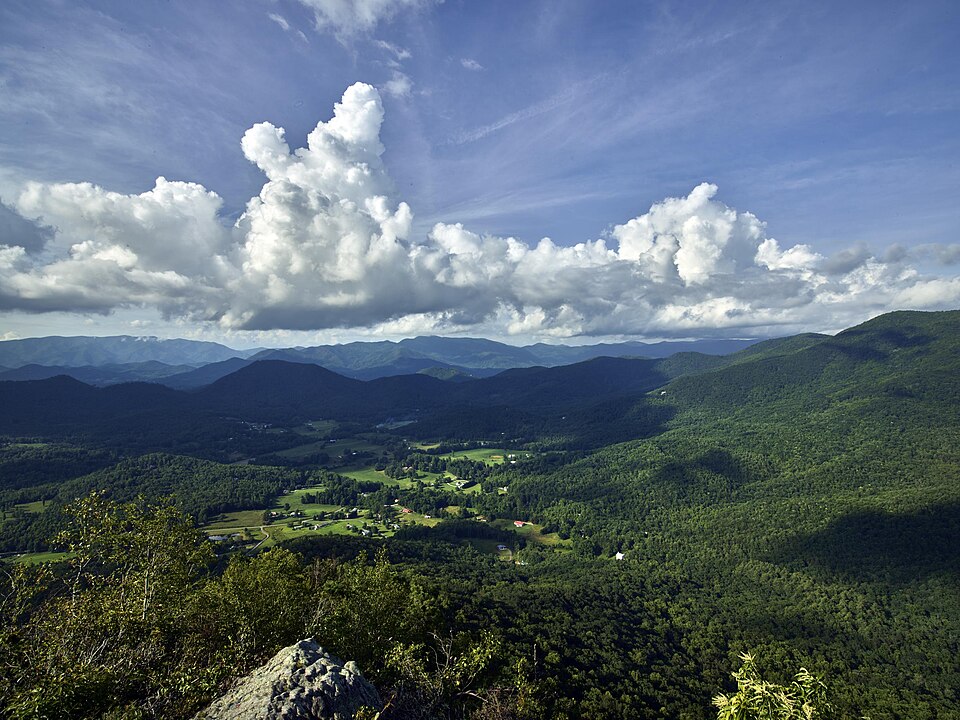
Beyond postcard-famous landmarks, the United States is home to extraordinary natural phenomena that remain largely unnoticed. These rare events occur quietly, often in remote areas, revealing intricate environmental systems at work. Each challenges assumptions about familiar landscapes and demonstrates how nature continuously shapes the world in subtle but powerful ways, often beyond human awareness.
Coastal Waters That Glow After Dark
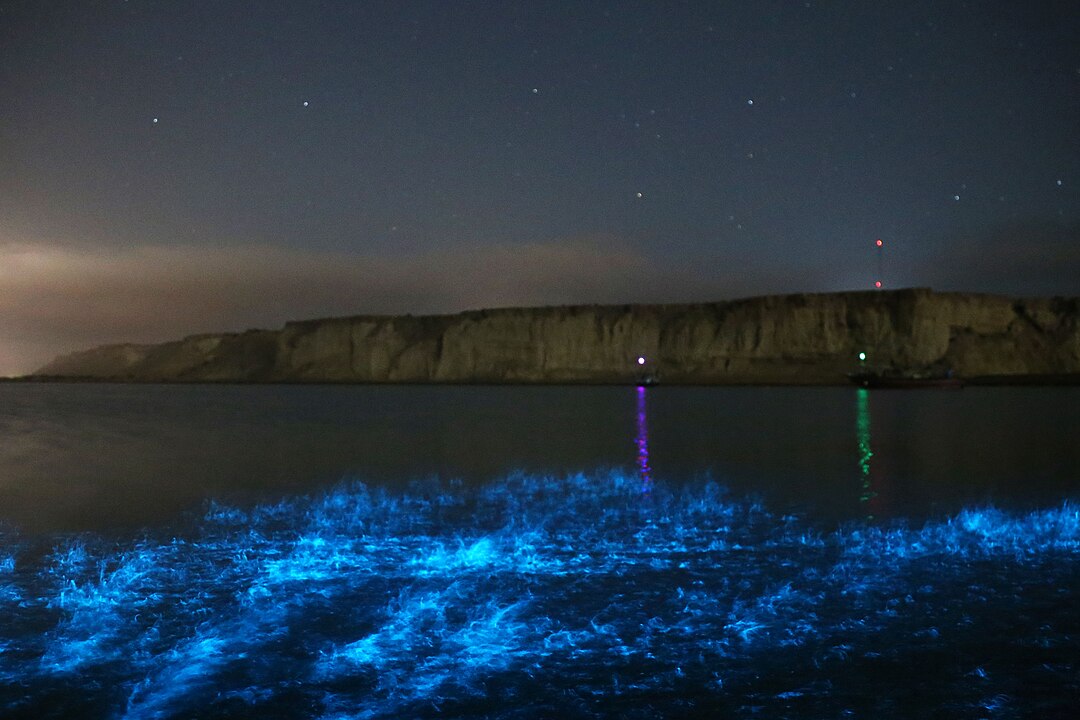
In select coastal regions, nighttime waters shimmer with an electric blue glow caused by bioluminescent microorganisms. When disturbed by waves, paddles, or marine life, these organisms emit light through a chemical reaction. The phenomenon depends on precise temperature, salinity, and nutrient levels, making it unpredictable. Witnessing it feels surreal, as if the ocean briefly comes alive with light.
Desert Dunes That Sing and Hum
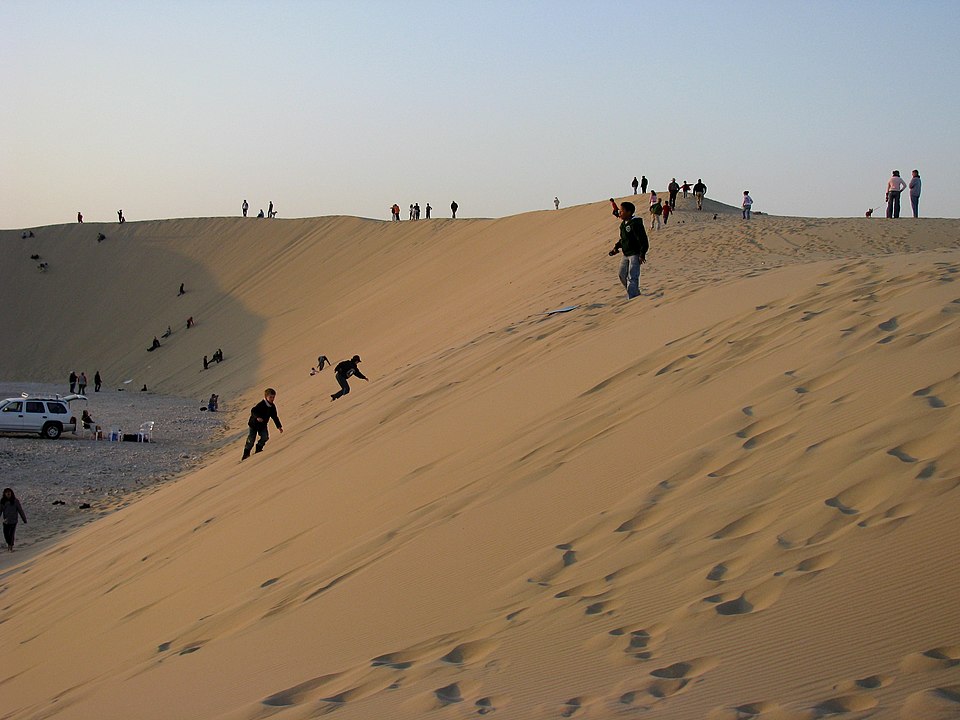
Certain sand dunes produce deep, resonant humming sounds when wind or footsteps trigger sand movement. The sound occurs when dry, uniform grains slide together in synchronized layers, creating vibration. These tones can last several minutes and travel long distances. Despite extensive study, scientists continue debating the exact mechanics behind this haunting desert phenomenon.
Ice Caves That Grow During Summer
Some ice caves expand during warmer months instead of melting away. Cold air becomes trapped underground while meltwater from above refreezes, slowly building new ice layers. This delicate balance of airflow, temperature, and geology defies intuition. Only caves with perfectly aligned conditions sustain this process, making summer-growing ice caves exceptionally rare.
Rainbows Made Entirely of Firelight
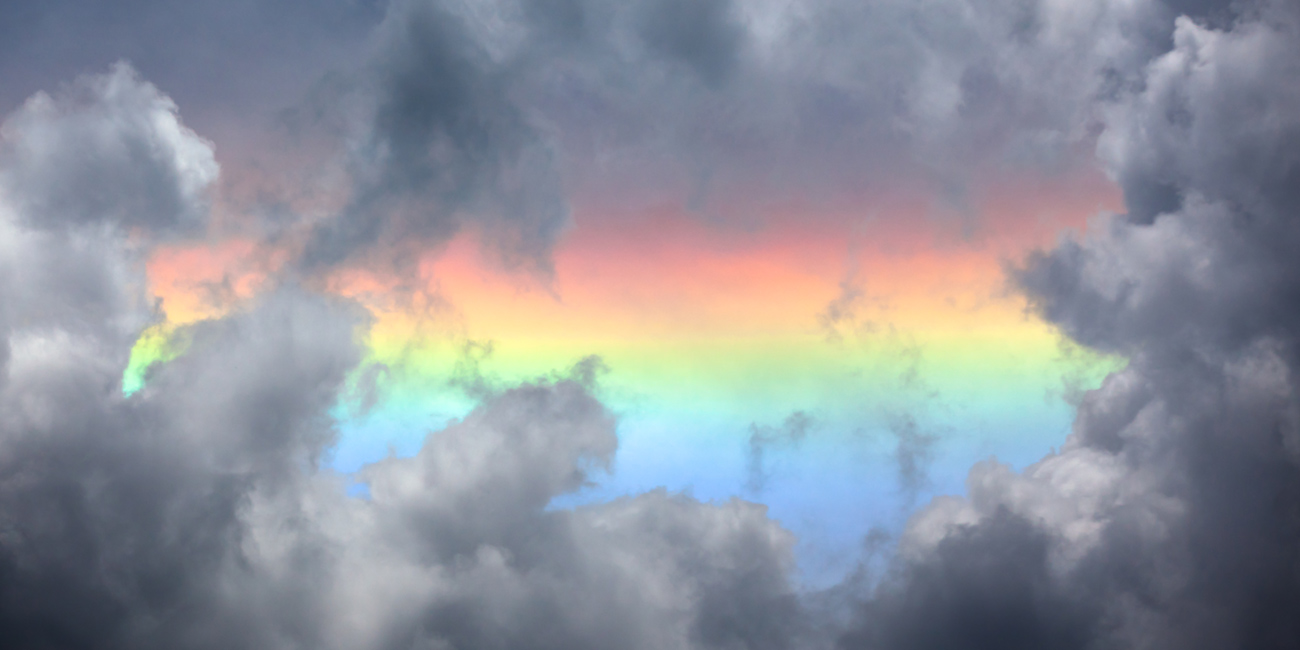
Fire rainbows, scientifically known as circumhorizontal arcs, appear only when sunlight strikes ice crystals at a precise angle. The result is a vivid band of colors stretching across thin clouds, often mistaken for painted streaks in the sky. These formations are fleeting and rare, requiring high-altitude ice clouds and a midday sun position.
Waves That Travel the Wrong Direction
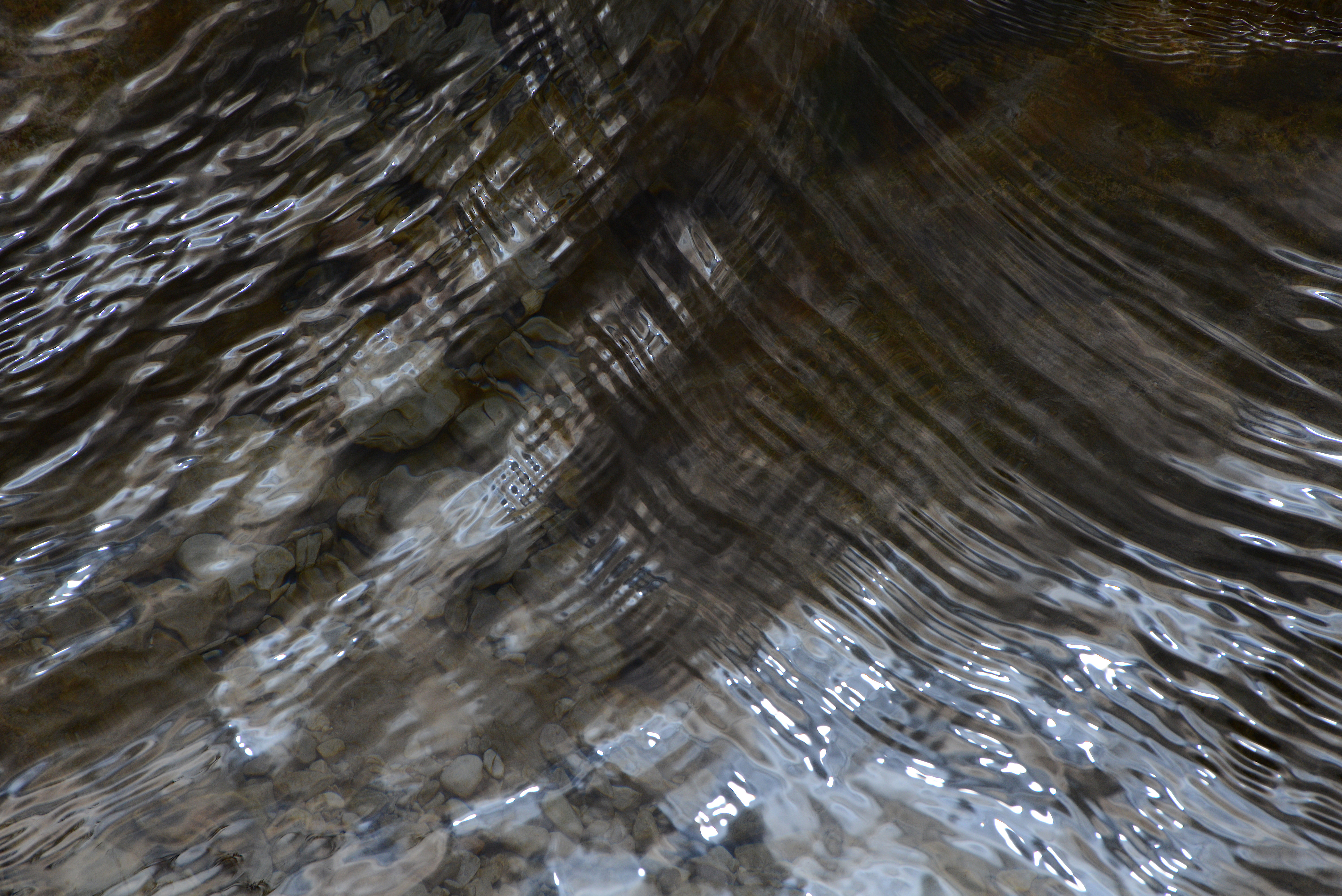
Tidal bore waves occur when powerful tides force seawater upstream into narrow rivers. The advancing wave can travel for miles inland, temporarily reversing the river’s flow. Timing, river shape, and tidal strength must align perfectly. These surges reshape riverbanks and ecosystems, demonstrating the ocean’s influence far beyond the coastline.
Forests Turned to Silent Skeletons
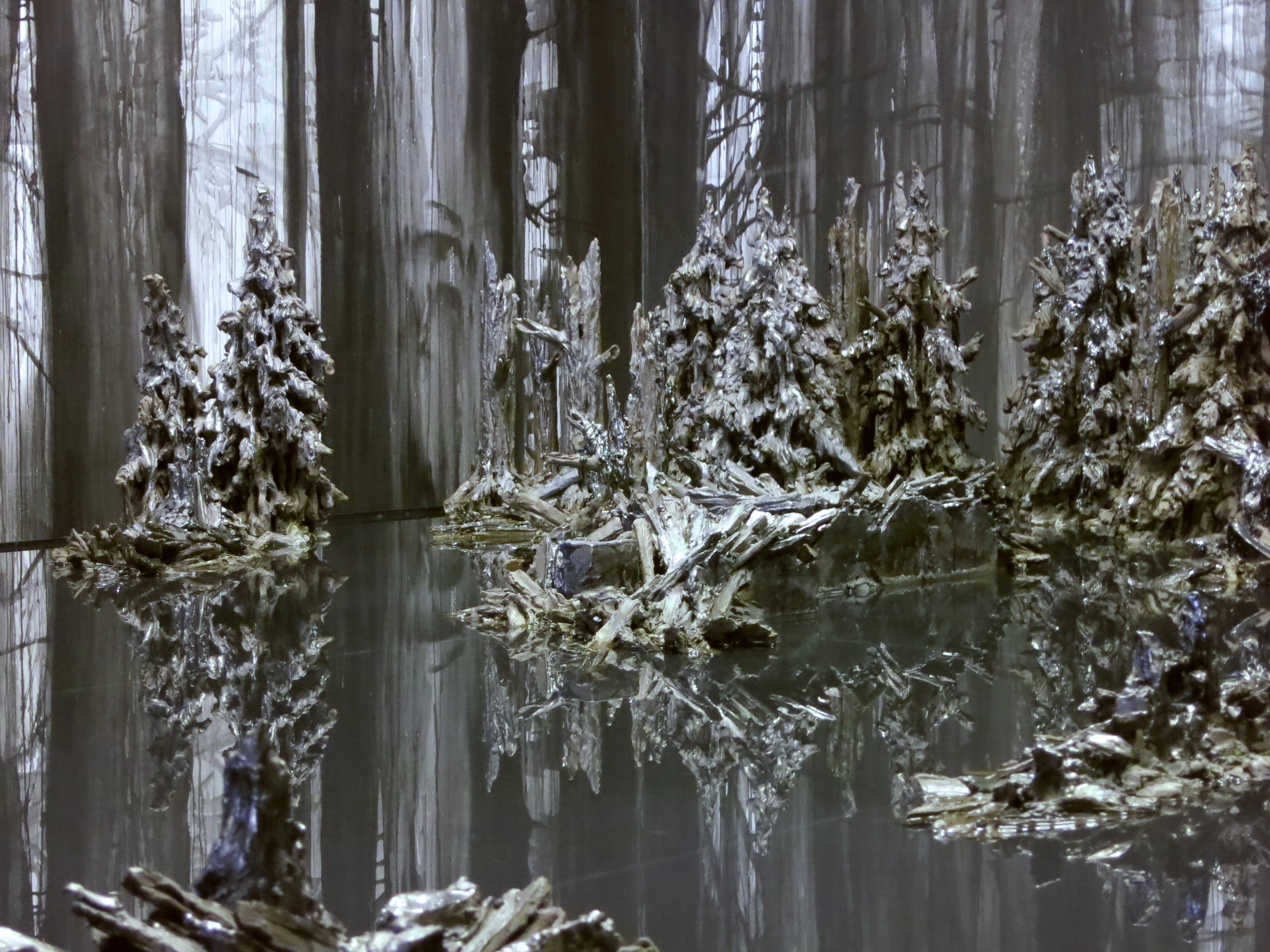
Ghost forests form when rising sea levels allow saltwater to infiltrate coastal soil, killing trees that once thrived there. What remains are pale, skeletal trunks standing in shallow water. These haunting landscapes serve as visible records of climate change, marking gradual environmental shifts that might otherwise go unnoticed until they become irreversible.
Stones That Seem to Move on Their Own
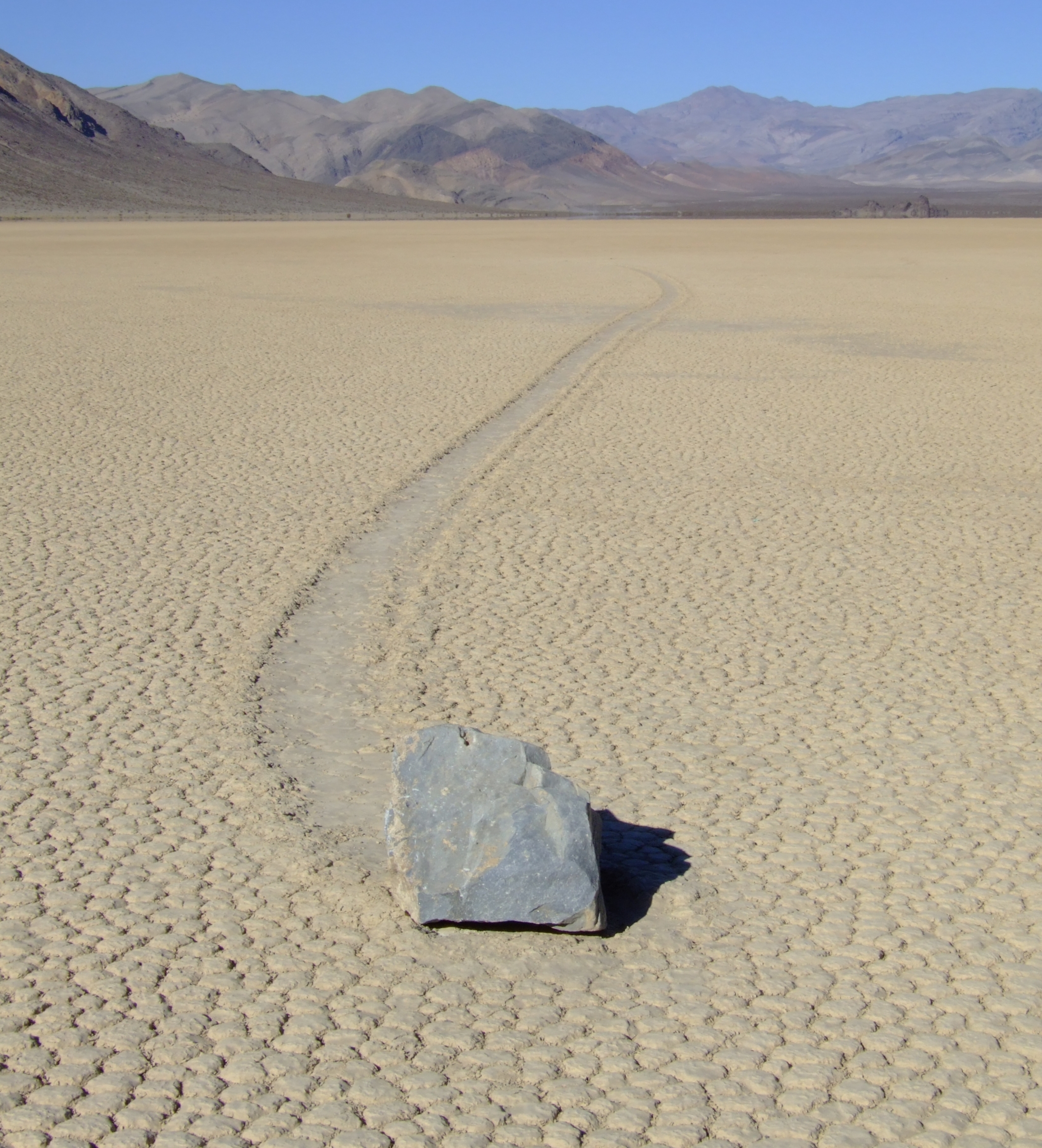
In dry lakebeds, large rocks mysteriously slide across flat surfaces, leaving long trails behind them. Once unexplained, researchers discovered that thin ice sheets and light winds enable the stones to move slowly. The nearly invisible process challenges assumptions about motion and highlights how subtle forces can produce remarkable natural outcomes.
Waterfalls That Run Red as Blood
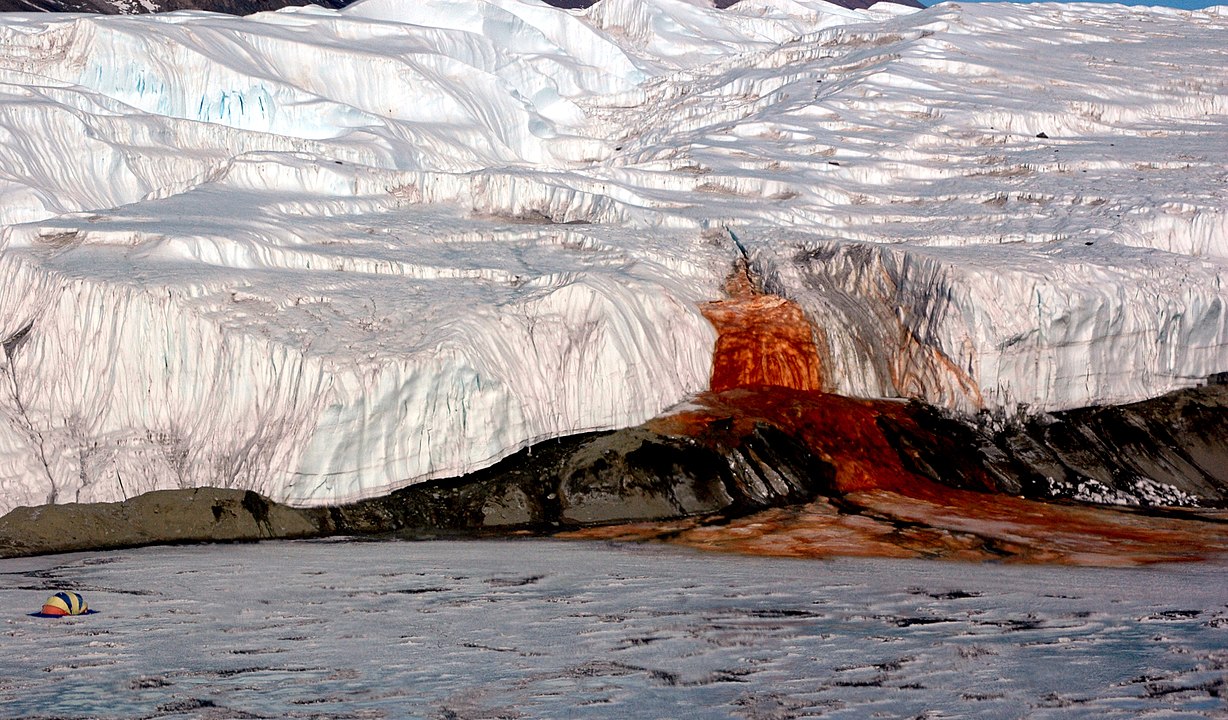
Blood Falls occurs when iron-rich water flows from beneath glaciers and oxidizes upon contact with air. The striking red color resembles flowing blood, but the process is driven by microbial life thriving without sunlight. These organisms alter the water’s chemistry, revealing complex ecosystems hidden beneath ice and reshaping our understanding of extreme life.
Salt Lakes Hidden Beneath the Earth
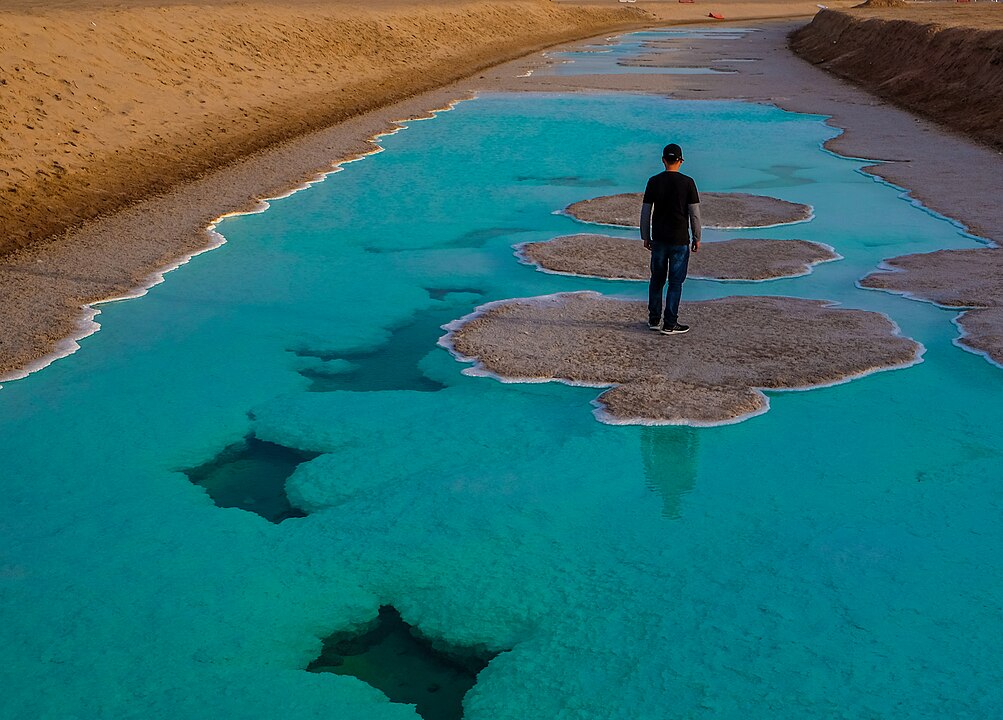
Deep beneath desert landscapes, underground brine lakes exist in complete isolation. These hypersaline waters host microorganisms adapted to intense pressure and chemical extremes. Their separation from surface environments preserves ancient conditions. Ongoing exploration continues to uncover how life survives here, expanding scientific views on habitability beyond traditional boundaries.
Ice Towers Formed by Steam and Frost
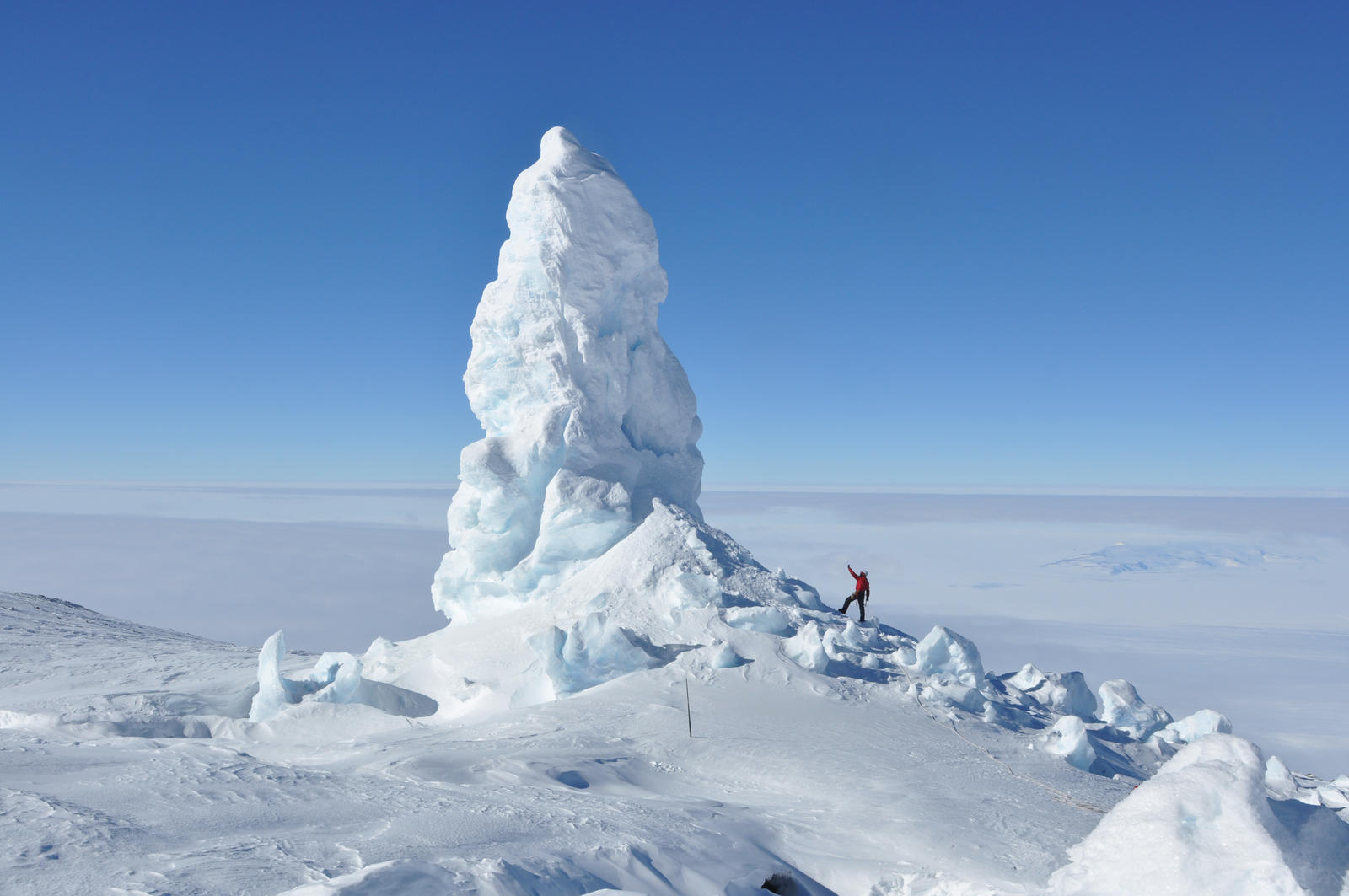
Fumarole ice towers form when steam vents release hot vapor into freezing air, causing instant crystallization. Over time, frozen vapor builds towering ice structures that appear sculpted by hand. These formations can grow rapidly under the right conditions, blending intense heat and cold into one of nature’s most striking visual contrasts.
Lights That Appear Before the Ground Shakes
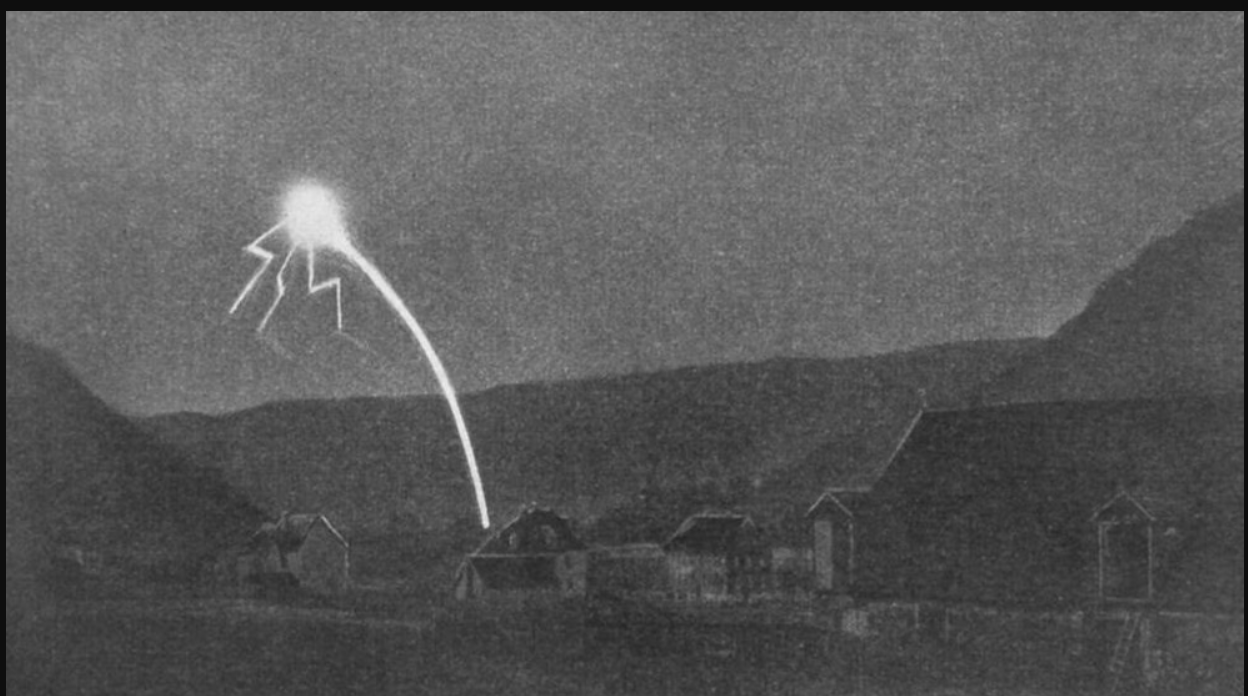
Earthquake lights are rare luminous glows sometimes observed before or during seismic activity. Scientists believe they result from electrical charges released when tectonic stress fractures certain rocks. Sightings are unpredictable and difficult to study. Their mysterious appearance continues to intrigue researchers and deepen questions about Earth’s hidden warning signs.