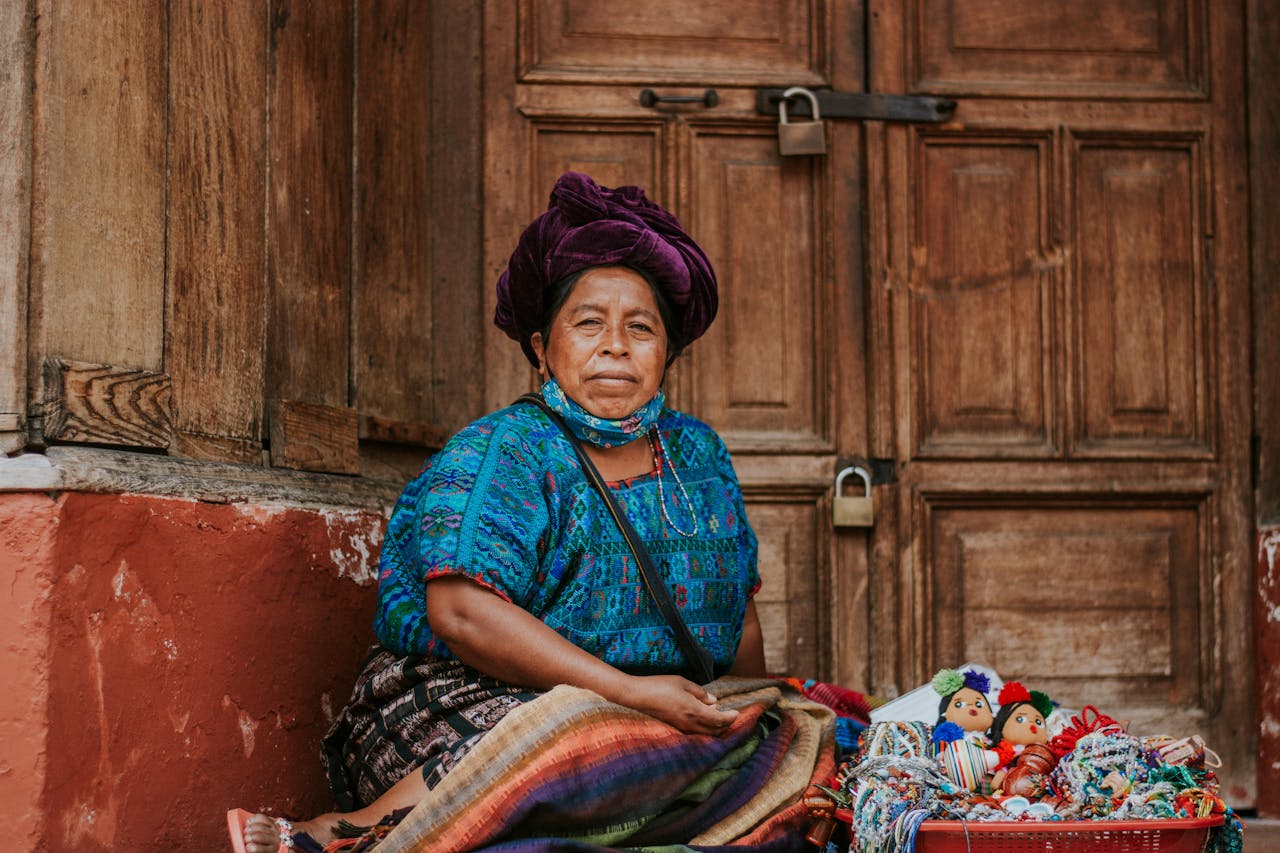
Native peoples have endured centuries of policies and actions that dismantled cultures, displaced communities, and harmed generations. These impacts are not relics of history but ongoing realities that shape daily life. Addressing them requires honest acknowledgment of the systems that caused harm and continue to create inequities. Here are 11 truths too often ignored, showing how historic wrongs and modern injustices remain linked, and why facing them is key to building trust, equity, and lasting healing today.
1. Cultural Erasure Through Assimilation
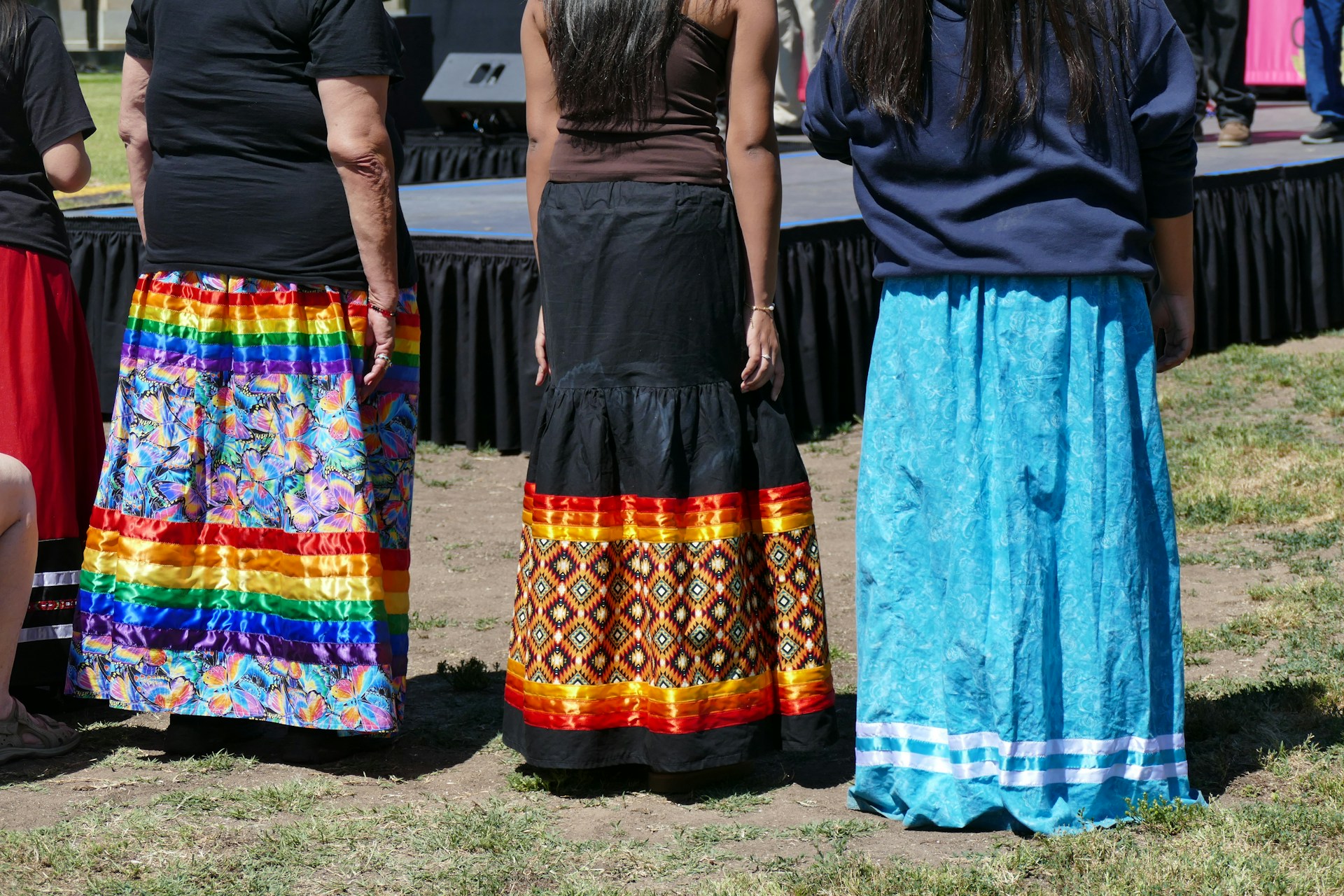
Government and church programs once pushed Native people to abandon languages, traditions, and clothing in favor of imposed Western norms. This was not integration but erasure, severing generations from their heritage. Many lost sacred practices and community roles, leaving descendants unsure how to reclaim them. The long-term effects show in struggles with identity and belonging, as cultural anchors weakened under policies meant to suppress Indigenous ways of life and replace them with foreign systems and values.
2. Boarding Schools’ Enduring Impact
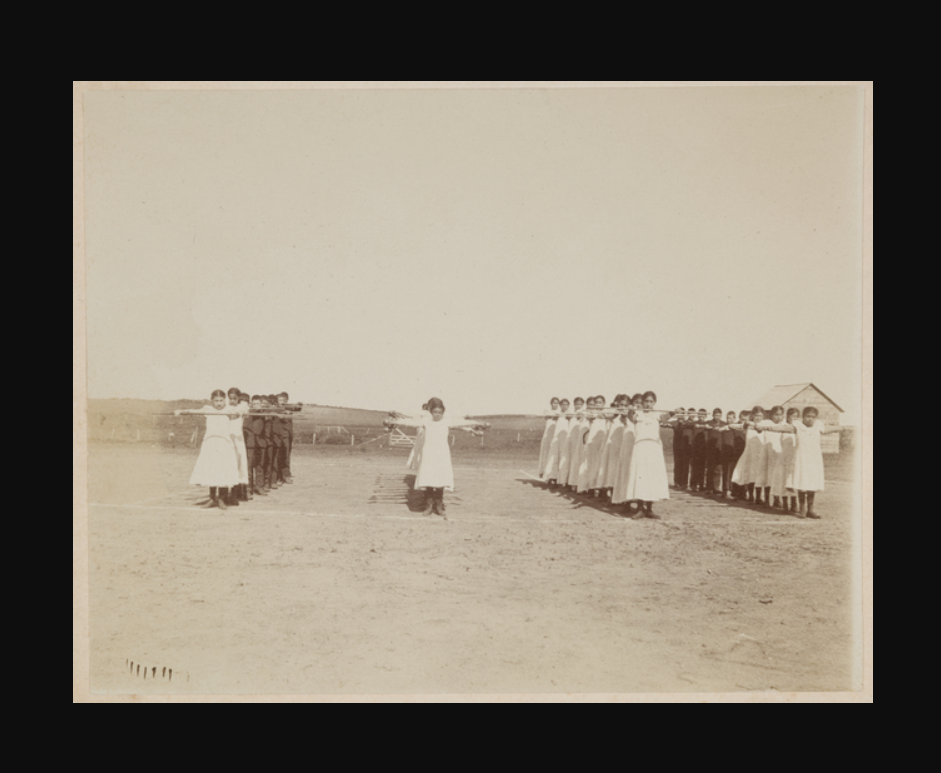
Native children were often taken from families and placed in boarding schools designed to “civilize” them. Speaking their language or practicing traditions could bring punishment. Many endured neglect or abuse, and the forced separation damaged family bonds. These schools left deep scars, disrupting cultural transmission for generations. Survivors carry trauma that shapes parenting, mental health, and trust in institutions, with echoes of this harm still present in communities decades after the schools were closed.
3. Trust Broken by Treaty Violations
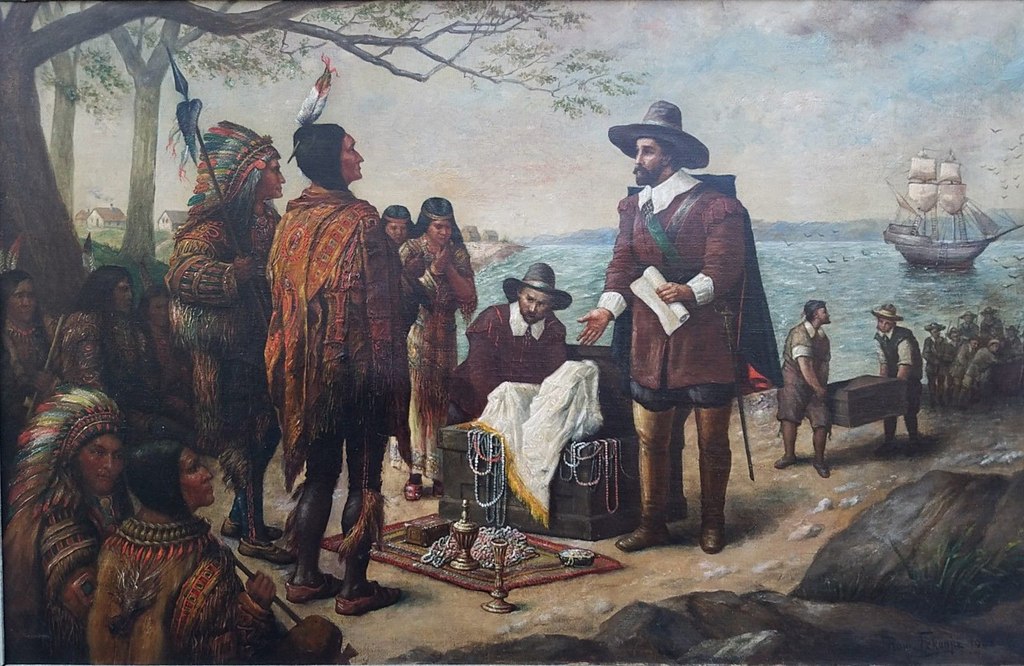
Treaties signed between Native nations and the U.S. promised protection, resources, or land but were frequently ignored or rewritten. Millions of acres were taken, undermining economic stability and severing ties to ancestral territories. The betrayal also eroded faith in government commitments, a wound that still influences political relations. Sacred sites, hunting grounds, and traditional homelands were lost, leaving not only material deprivation but also lasting damage to spiritual and cultural connections central to Indigenous identity.
4. Disproportionate Foster Care Removal
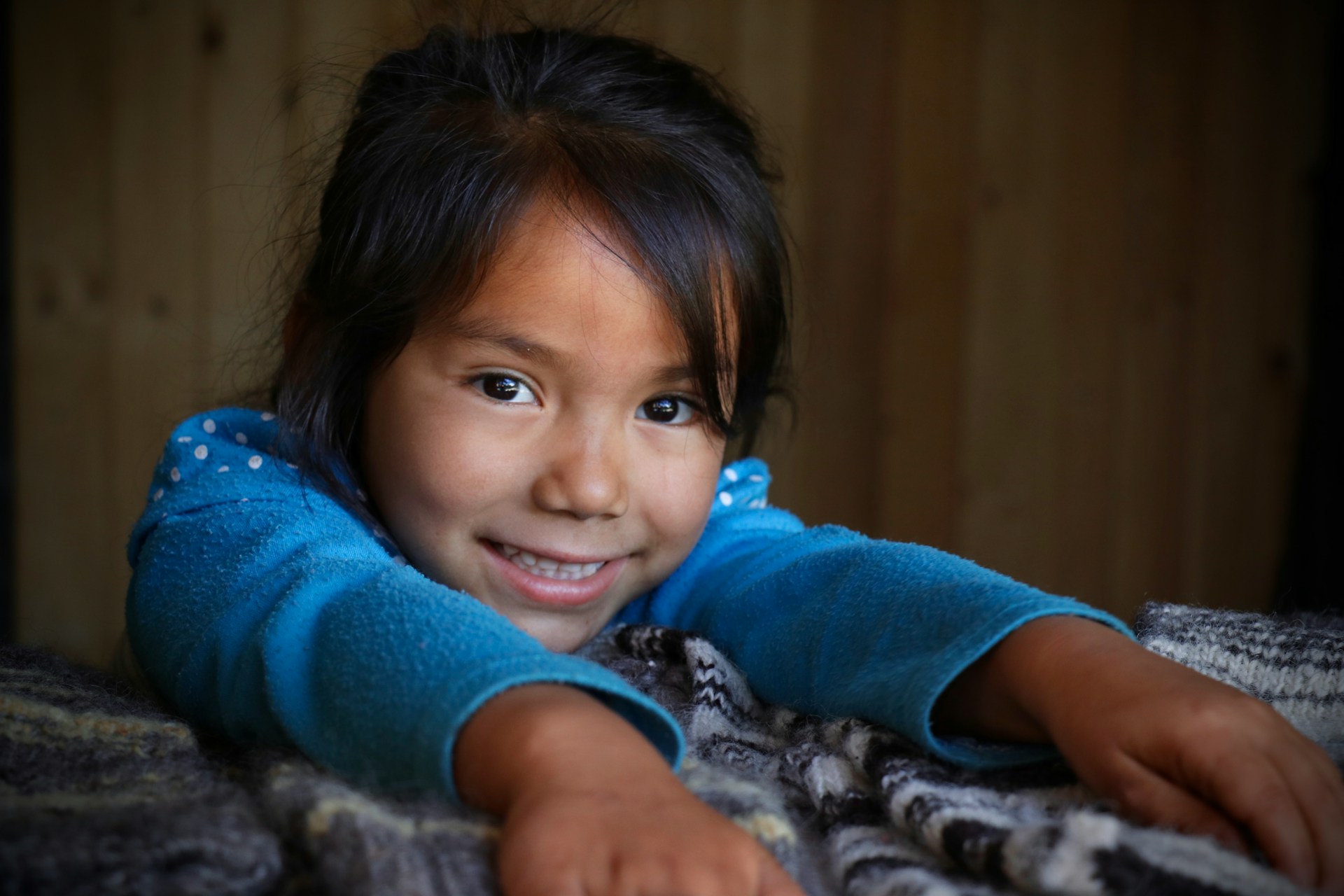
Native children enter foster care at rates far exceeding their share of the population. Many are placed outside their tribes, losing contact with language, culture, and relatives. Laws exist to keep them in Native homes, but enforcement gaps and underfunded services mean families are still torn apart. This continues a pattern of removal that began with boarding schools, weakening community ties and making it harder for future generations to grow up surrounded by their heritage and traditions.
5. Mental Health Care That Misses the Mark
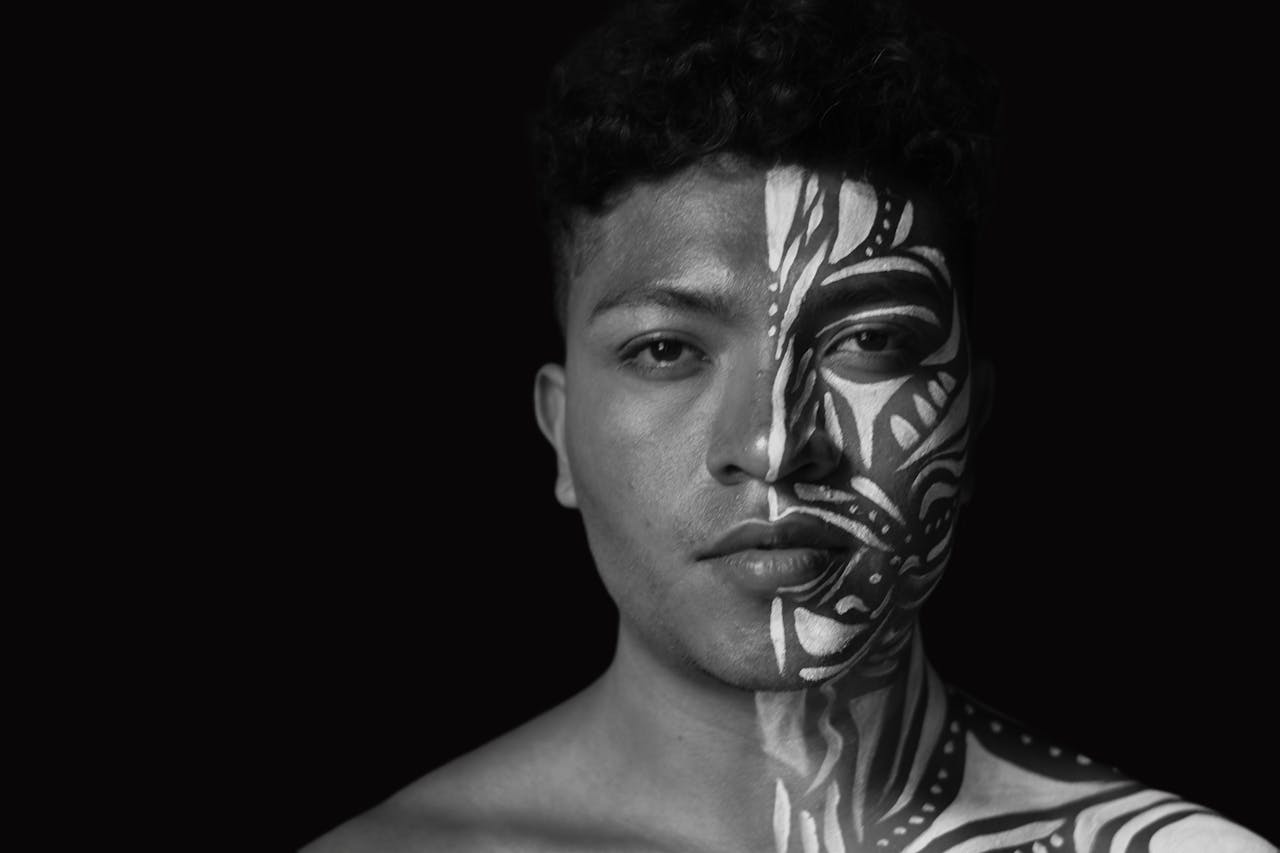
Mental health services in Native communities are often underfunded, understaffed, and shaped by non-Native frameworks. Such models can feel disconnected from Indigenous worldviews, leading to mistrust or poor outcomes. Access is further limited by geography, poverty, and historical trauma’s ongoing effects. True healing requires approaches grounded in cultural traditions, community involvement, and recognition of colonial legacies, ensuring care is not only clinically sound but also respectful, relevant, and connected to Native values and history.
6. Environmental Injustice on Native Lands
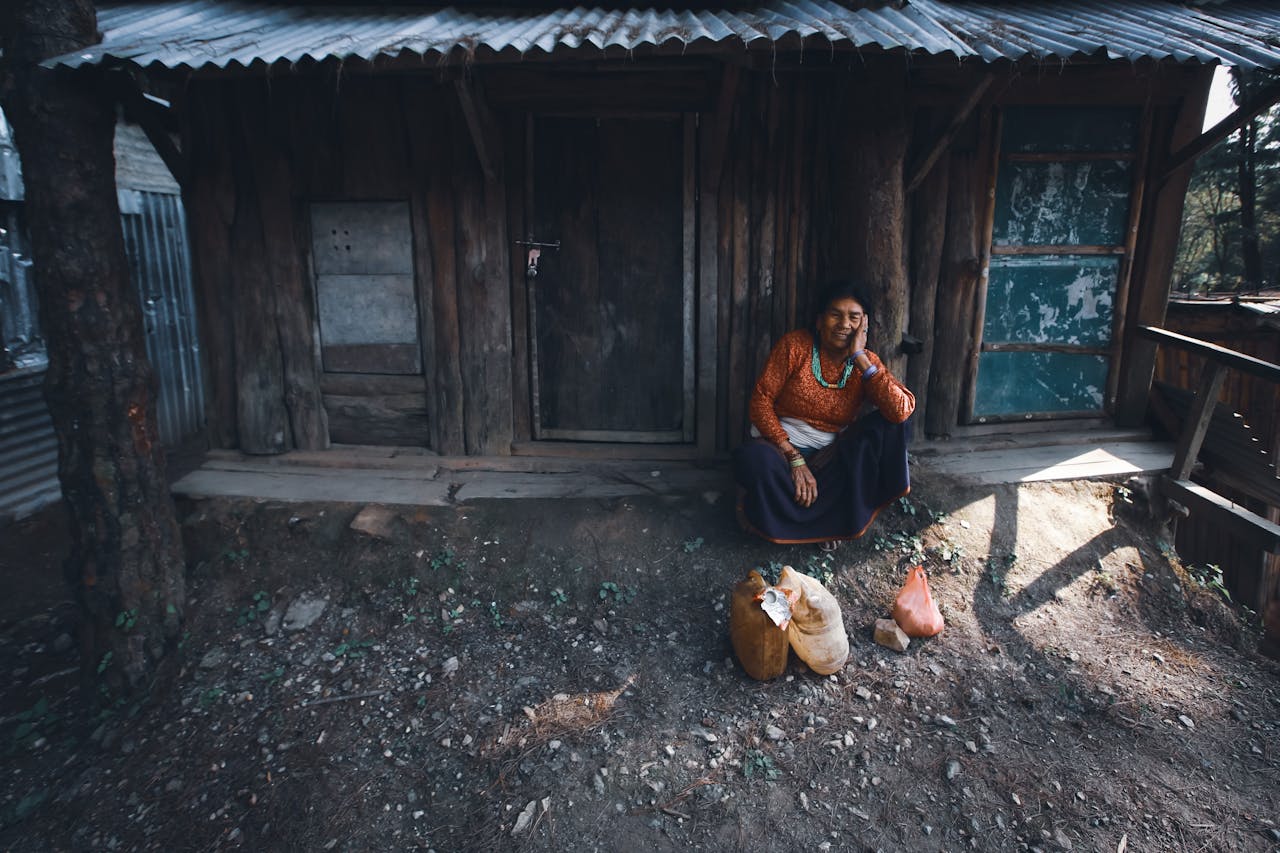
Native lands often bear the burden of resource extraction, toxic waste, and industrial projects pushed through with little consent. These threats endanger water, wildlife, and sacred spaces. Such environmental harms are not just ecological but also cultural, as the land holds spiritual meaning and sustains traditional practices. Ignoring Indigenous voices in environmental decisions continues a legacy of exploitation, undermining sovereignty and harming both physical health and the deep relationship between people and their territories.
7. Violence Against Native Women
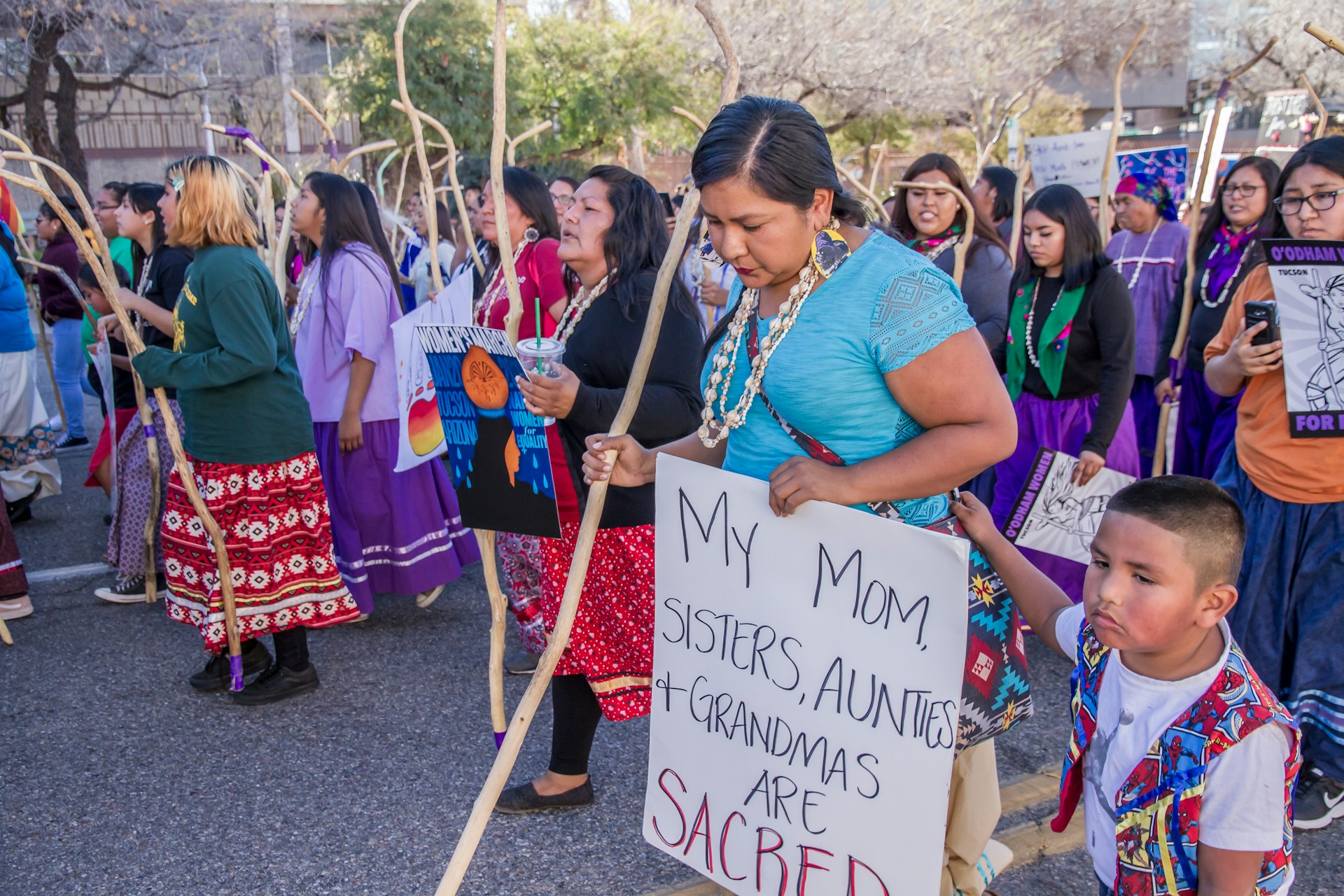
Native women face some of the highest rates of violence, disappearance, and homicide in the U.S. Legal gaps between tribal, state, and federal authorities leave many crimes uninvestigated or unprosecuted. This crisis is compounded by systemic neglect and limited resources for victim support. Intergenerational trauma and poverty add further risks. Ending the epidemic requires coordinated legal reform, community-led safety programs, and national recognition that Native women deserve equal protection, justice, and respect under the law.
8. Stereotypes That Distort Reality
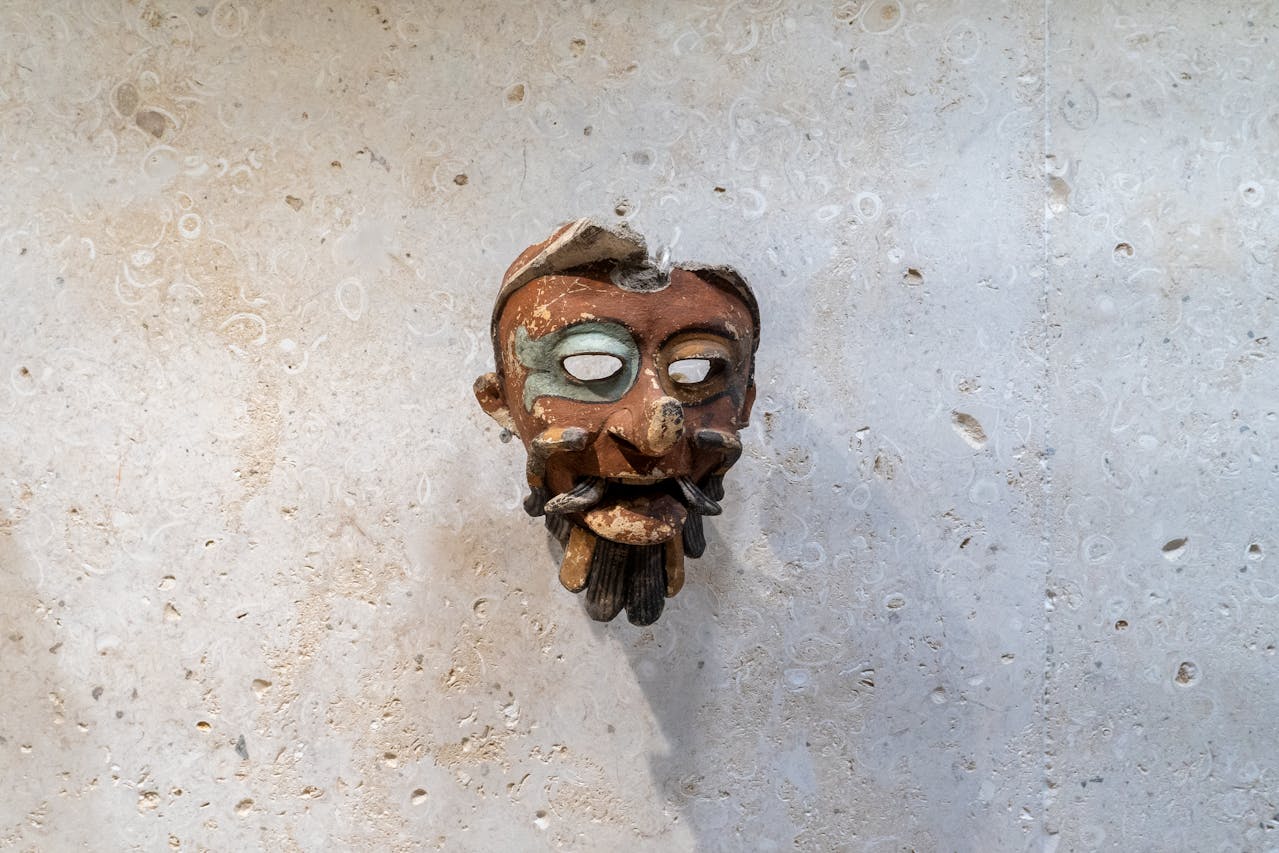
Media and popular culture often depict Native people in narrow, outdated ways that ignore diversity and modern realities. These stereotypes feed prejudice, influencing public opinion, policy, and daily interactions. They can also harm Native youth by limiting positive representation and reinforcing bias. Breaking these patterns means amplifying authentic Native voices, supporting accurate education, and replacing caricatures with depictions that honor the complexity, resilience, and present-day contributions of Indigenous individuals and communities across the continent.
9. Language Loss Weakens Cultural Links
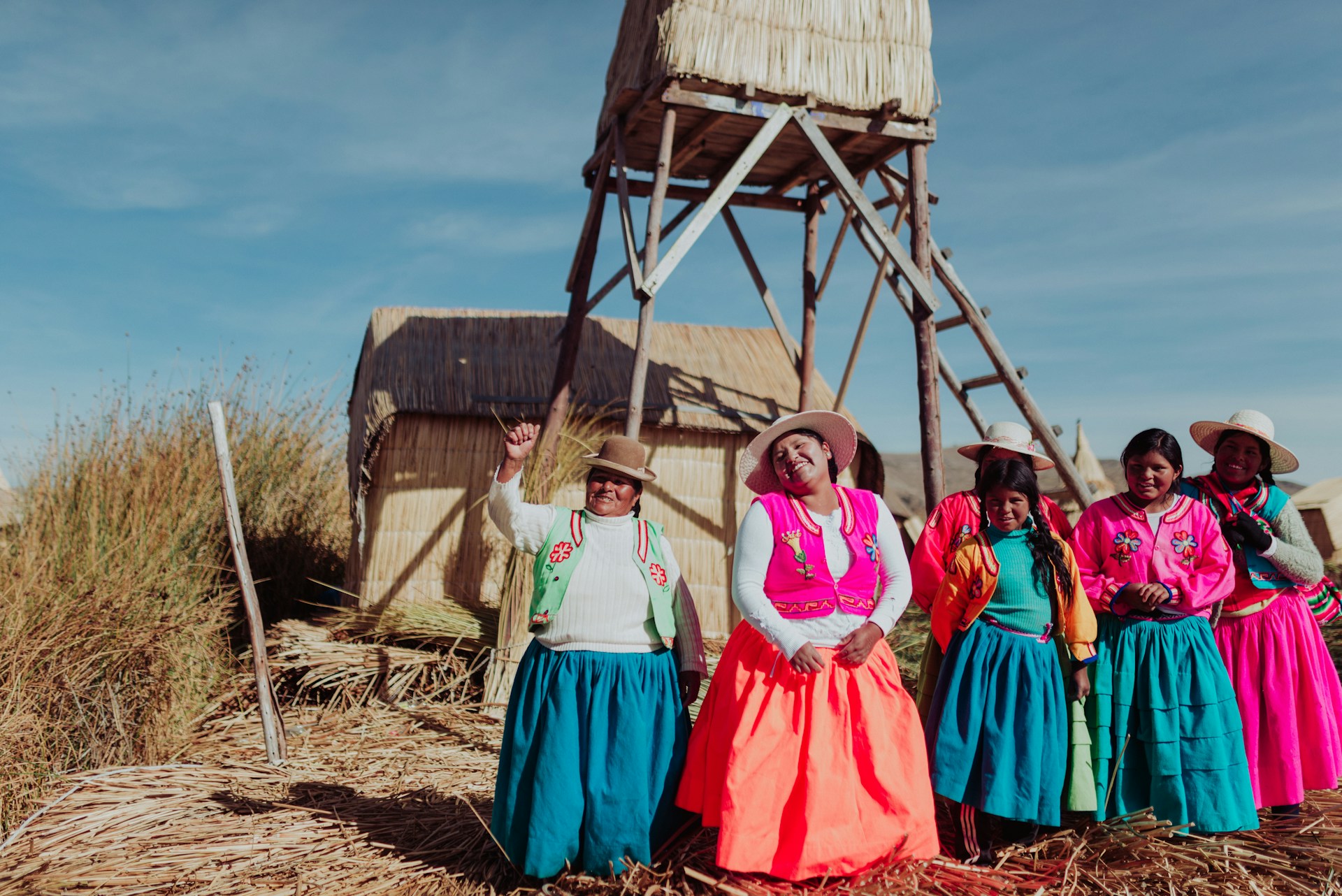
Many Indigenous languages are endangered due to centuries of suppression. Language is more than words — it encodes worldviews, traditions, and relationships to the land. Losing it severs ties to ancestors and cultural identity. Revitalization programs are powerful tools for healing, reconnecting communities to their heritage. Supporting these efforts through funding, education, and technology can help reverse the damage, ensuring that future generations inherit not only the vocabulary but also the values embedded in their mother tongues.
10. Trauma Passed Through Generations
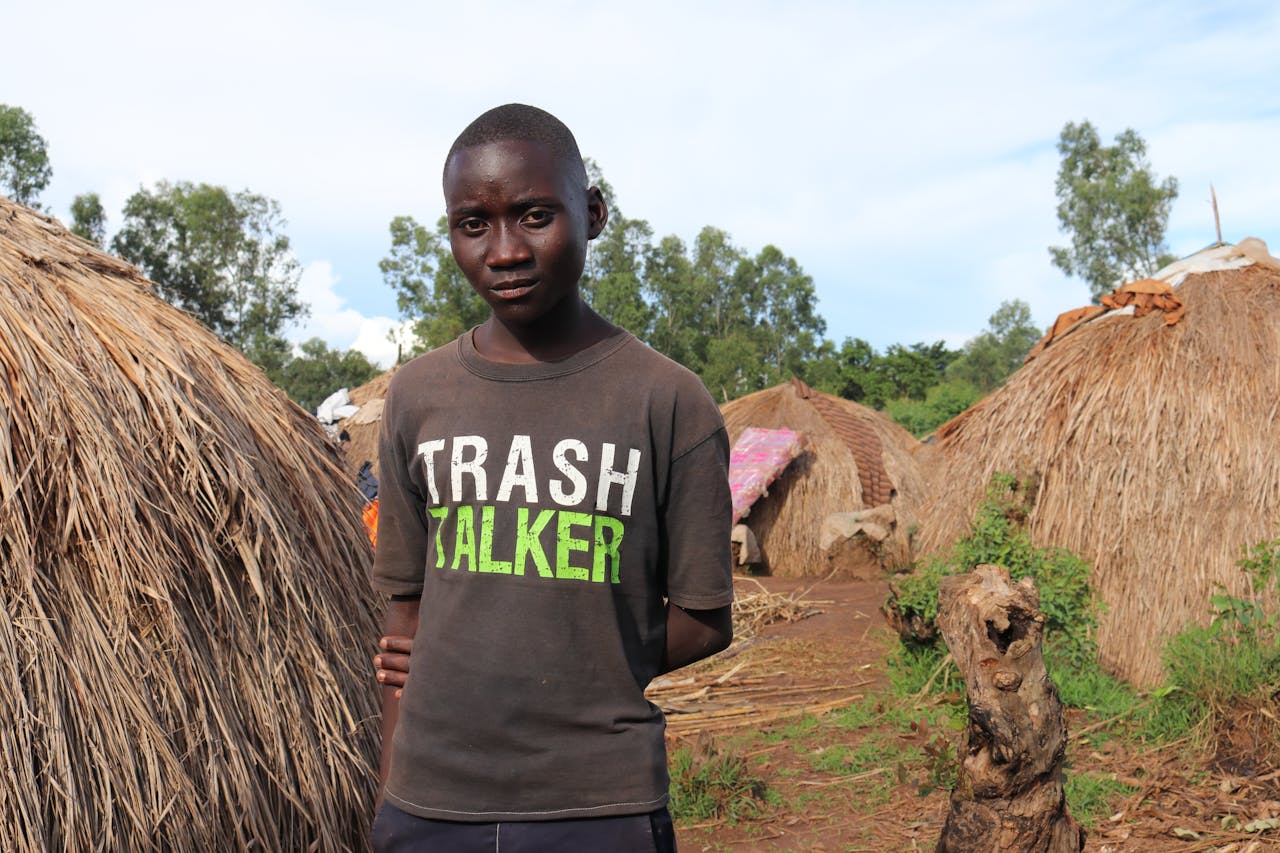
Historical trauma doesn’t stay in the past; it’s transmitted through families in both emotional and physical ways. The impacts of violence, displacement, and cultural loss can manifest as health problems, mental illness, or substance abuse in later generations. Recognizing this is crucial to understanding persistent disparities in Native communities. Healing must address these deep-rooted harms through approaches that integrate cultural tradition, community support, and acknowledgment of the original injustices that set these cycles into motion.
11. Resilience Beyond the Pain
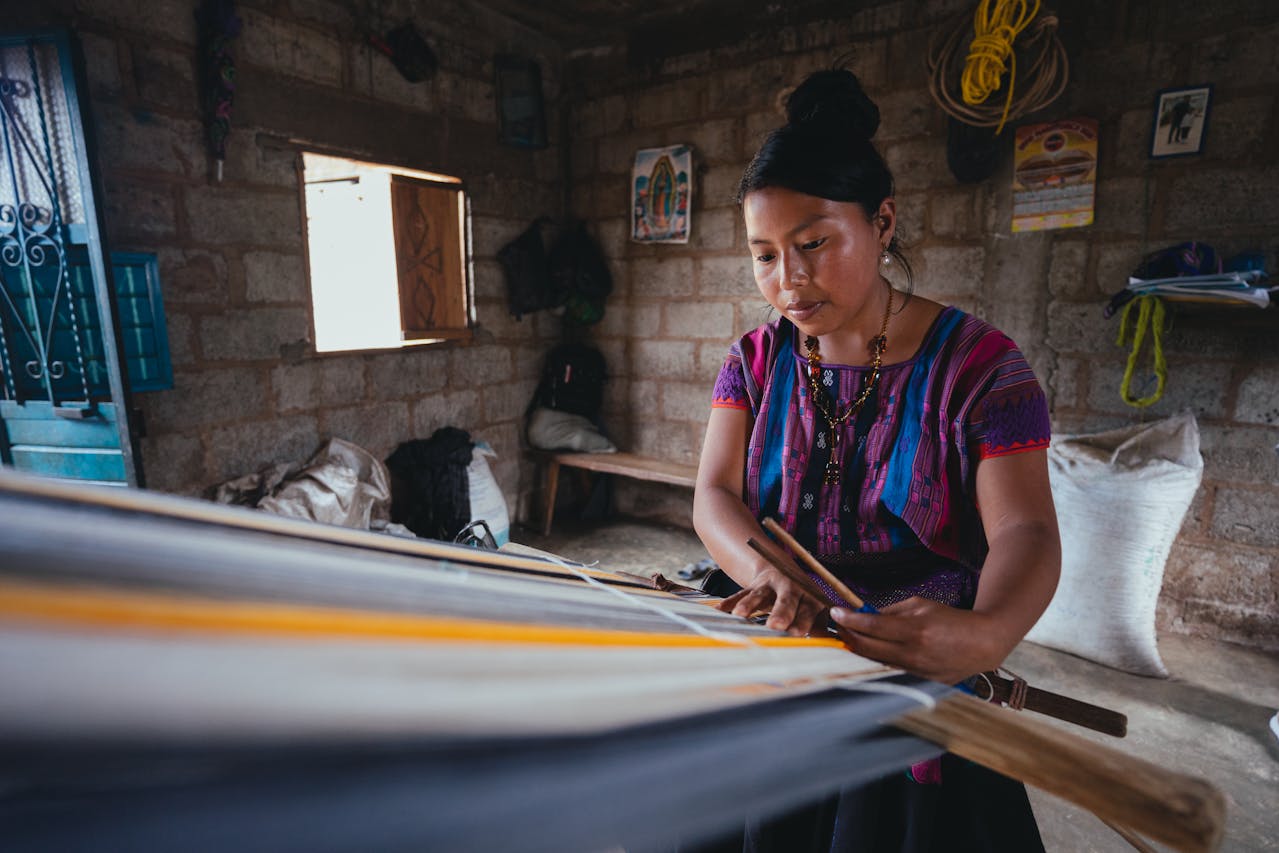
While the harms are real and ongoing, Native communities also carry powerful traditions of survival, adaptation, and renewal. Too often, public narratives dwell only on tragedy, ignoring the strength and creativity that sustain Indigenous life. Cultural revival, language reclamation, and grassroots activism show that resilience is more than a response, it’s a way of being. Honoring this resilience alongside acknowledging trauma offers a fuller, more accurate picture of Native experience, past and present.
Facing these truths means confronting uncomfortable realities about the nation’s history and its ongoing consequences. But it also means opening the door to meaningful change, healing, and reconciliation. Respecting sovereignty, funding culturally grounded programs, and supporting Indigenous leadership are steps toward repair. Native peoples have endured centuries of harm, yet continue to thrive, create, and lead. Recognizing both the depth of the wounds and the power of survival is essential to building a just future together.