
Parenting often involves passing down traditions, routines, and habits, but not all of them are worth keeping. Some practices may feel harmless or even normal, yet they can have long-term effects on children’s emotional, physical, or social well-being. By rethinking certain behaviors, parents can help kids grow into healthier and more balanced adults. Recognizing these outdated habits is the first step toward better parenting.
Using Food as a Reward or Punishment
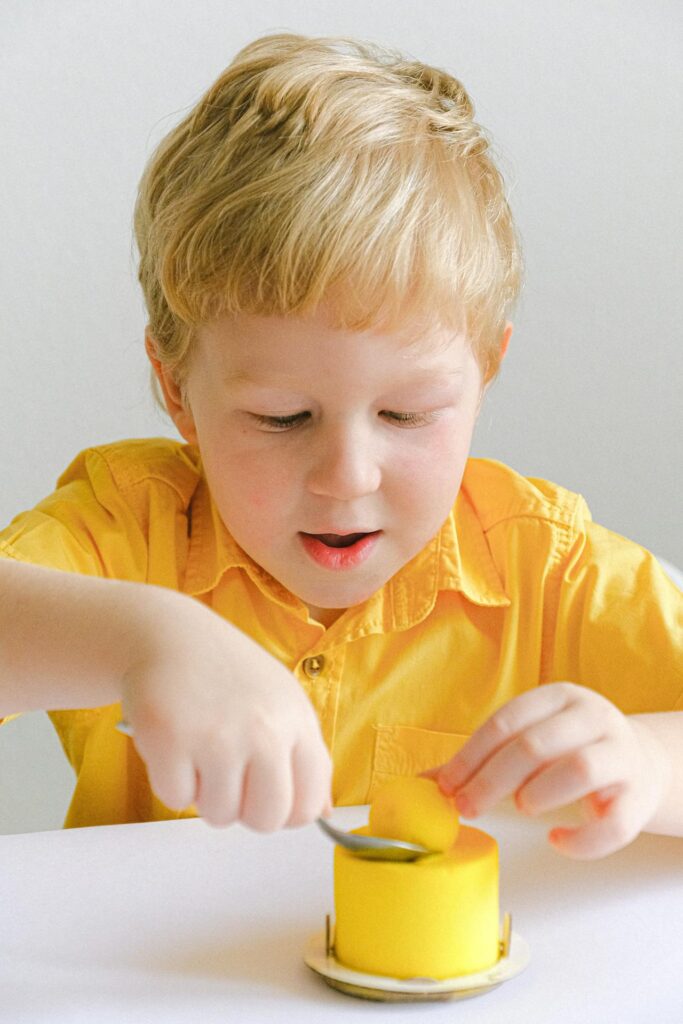
Many parents use sweets as a bribe for good behavior or withhold treats as punishment. While it may seem effective, it teaches kids to associate food with emotional situations rather than nourishment. This habit can lead to unhealthy eating patterns later in life. Encouraging balanced choices without tying them to emotions is far healthier.
Normalizing Over-Scheduling

Children today often have packed schedules filled with sports, lessons, and clubs. While activities are beneficial, overloading kids leaves little room for free play or rest. Constant busyness can create stress and anxiety from a young age. Parents should allow space for downtime to nurture creativity and mental well-being.
Teaching Suppression of Emotions

Phrases like “boys don’t cry” or “don’t be dramatic” discourage children from expressing feelings. Suppressing emotions can lead to difficulties with communication and mental health in adulthood. Instead, parents should validate children’s emotions and teach healthy ways to process them. Emotional intelligence is just as important as academic skills.
Comparing Children to Others

Many parents think comparisons motivate kids, but they usually create insecurity instead. Constantly being measured against siblings or peers can harm self-esteem. Each child has unique strengths and a personal pace of growth. Celebrating individuality helps children develop confidence and resilience.
Overemphasis on Perfection

Parents sometimes set unrealistically high standards, expecting flawless performance in school or activities. This habit creates fear of failure rather than motivation to learn. Children may avoid risks or challenges to protect themselves from criticism. Encouraging effort and progress is far more beneficial than demanding perfection.
Ignoring the Importance of Mental Health

Generations past often overlooked children’s mental health needs. Parents might dismiss anxiety or sadness as “just a phase.” Ignoring these signs can delay needed support and coping strategies. Teaching children that mental health matters is vital for lifelong well-being.
Reinforcing Gender Stereotypes
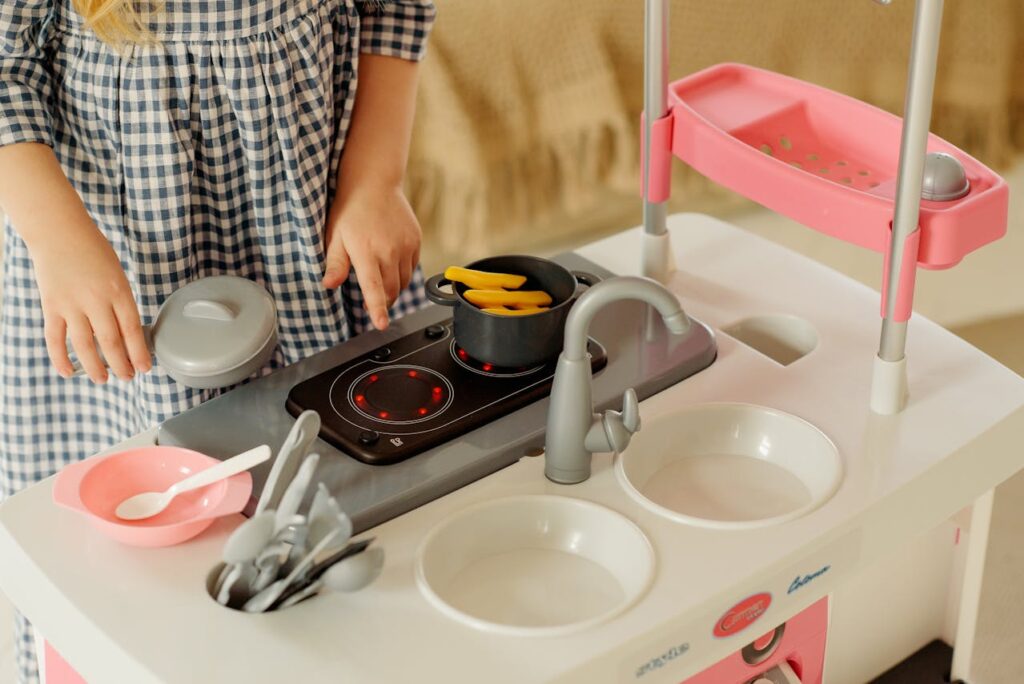
Telling boys to pursue sports while encouraging girls to focus on looks or caretaking reinforces limiting roles. These stereotypes restrict children’s opportunities and growth. Modern parenting should promote freedom of choice regardless of gender. Every child benefits from encouragement to explore all interests and talents.
Valuing Obedience Over Independence

While teaching respect is important, demanding constant obedience can suppress a child’s sense of independence. Children need room to make choices and practice decision-making. Encouraging independence helps them grow into capable adults who can think critically. Blind obedience should never be prioritized over personal growth.
Dismissing Technology Entirely

Some parents fear technology and limit it to the point of exclusion. While excessive screen time is harmful, banning tech entirely denies kids valuable digital skills. Learning to navigate technology responsibly is essential in today’s world. Balance, rather than restriction, creates healthy relationships with devices.
Overprotecting from Failure

Parents naturally want to shield children from mistakes, but protecting them too much stunts resilience. Failure is a crucial part of learning and growth. Children who are allowed to fail develop problem-solving skills and persistence. Encouraging safe risks builds stronger confidence.
Passing Down Poor Financial Habits

Kids often learn about money from observing their parents. Overspending, avoiding savings, or ignoring budgets are habits that can carry into adulthood. Teaching children about financial literacy early prepares them for independence. Parents should model responsible money management as a gift to their kids’ futures.