Not every protest becomes a headline that students remember in history class, yet many smaller demonstrations have left a deep mark on daily American life. These overlooked movements changed rules, shaped community habits, and influenced decisions in ways that still affect how people work, shop, travel, communicate, and think. Some protests never gained national recognition, but their long term influence remains visible in ordinary routines. Looking back at these forgotten moments reveals how subtle actions can redirect a country without ever becoming household names.
The 1917 Seattle Rent Strike
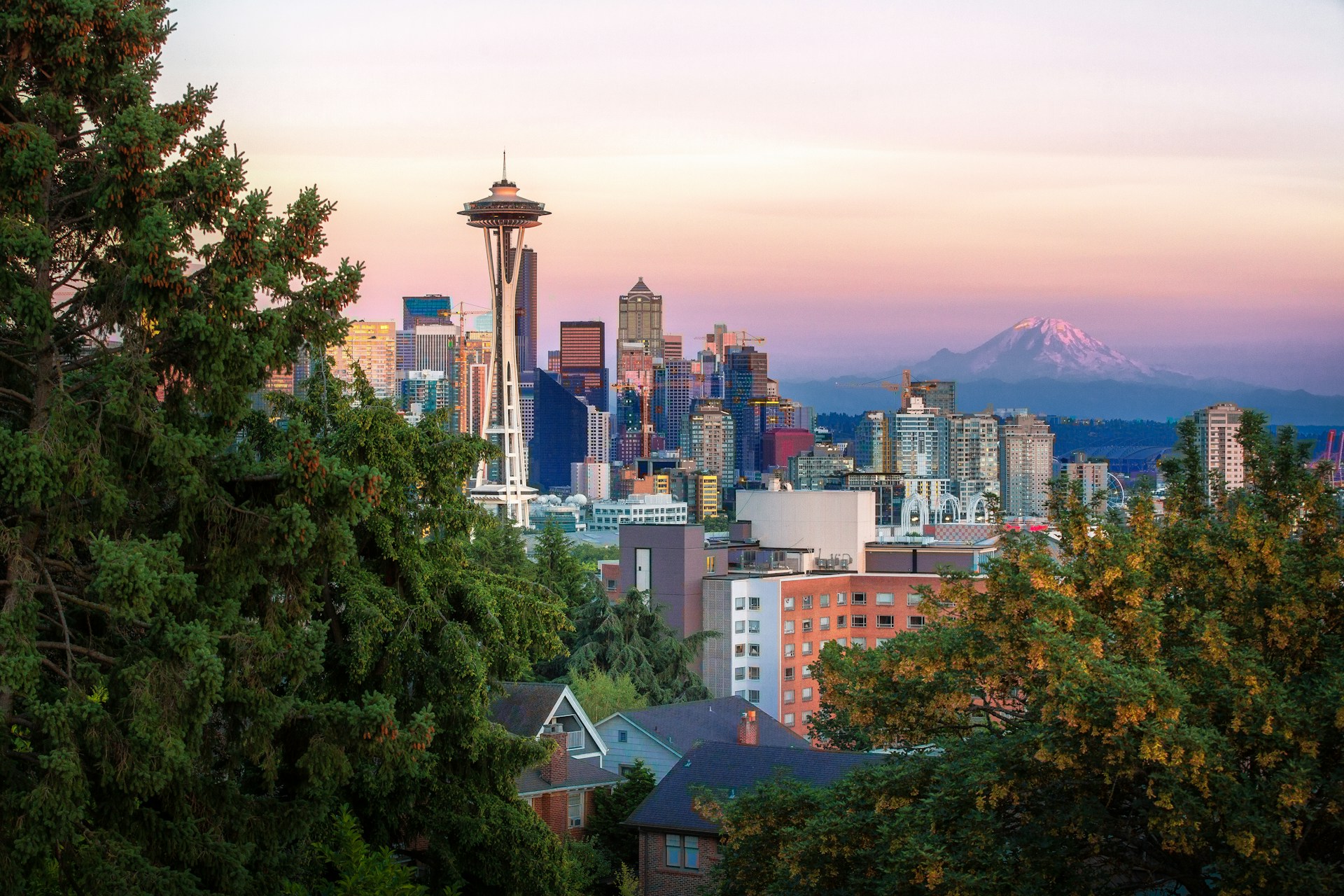
The Seattle Rent Strike emerged when working families pushed back against skyrocketing prices in a rapidly growing city. Tenants banded together, refused increases, and pressured landlords to rethink how homes should be priced. Although this protest rarely appears in major textbooks, it helped spark conversations about housing rights and influenced rent policies that later shaped protections for renters. Its quiet strength showed how neighborhood level action could change expectations around affordability, fairness, and the privacy of the American household.
The Pullman Porters Walkouts
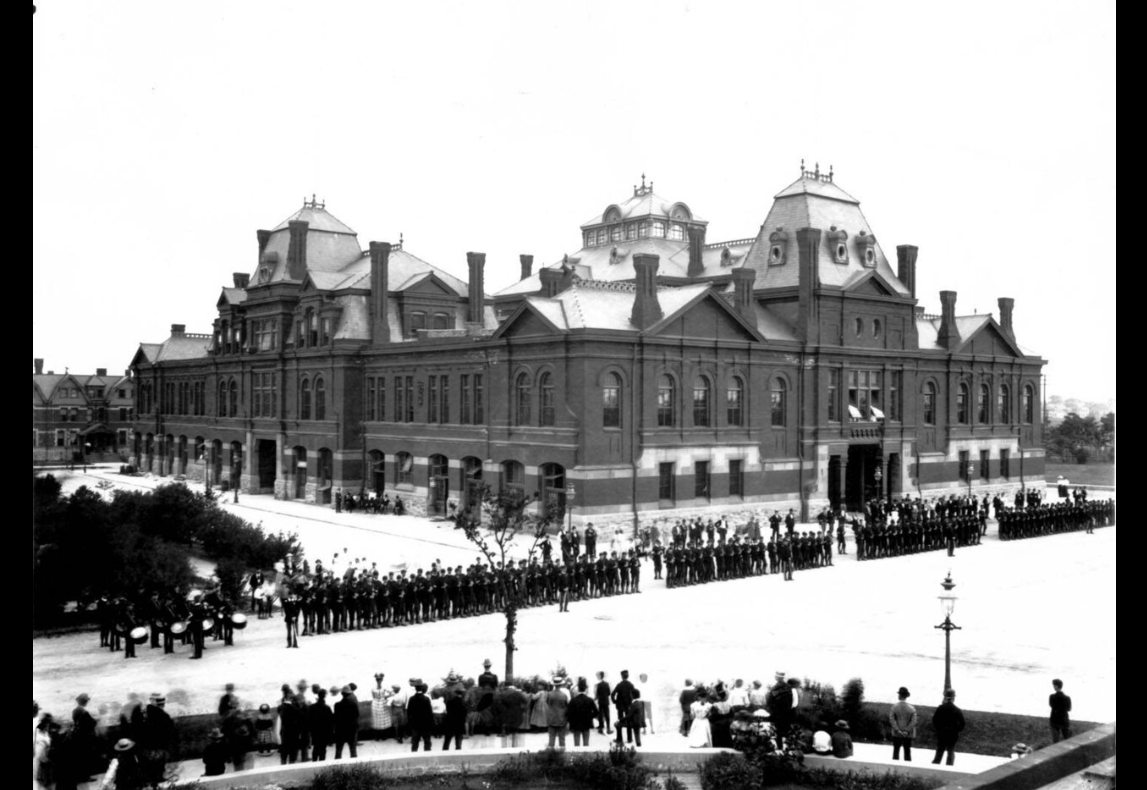
Railroad porters who worked long hours for little pay organized walkouts that challenged poor working conditions across the rail network. Their calm but persistent demonstrations encouraged discussions about wages, dignity at work, and racial equality within the transportation system. Though overshadowed by larger labor movements, these porters helped set the stage for better national labor standards. Their effort demonstrated how small groups could demand fairness and inspire new conversations about respect in everyday American workplaces.
The 1946 Bakersfield Free Speech Rally
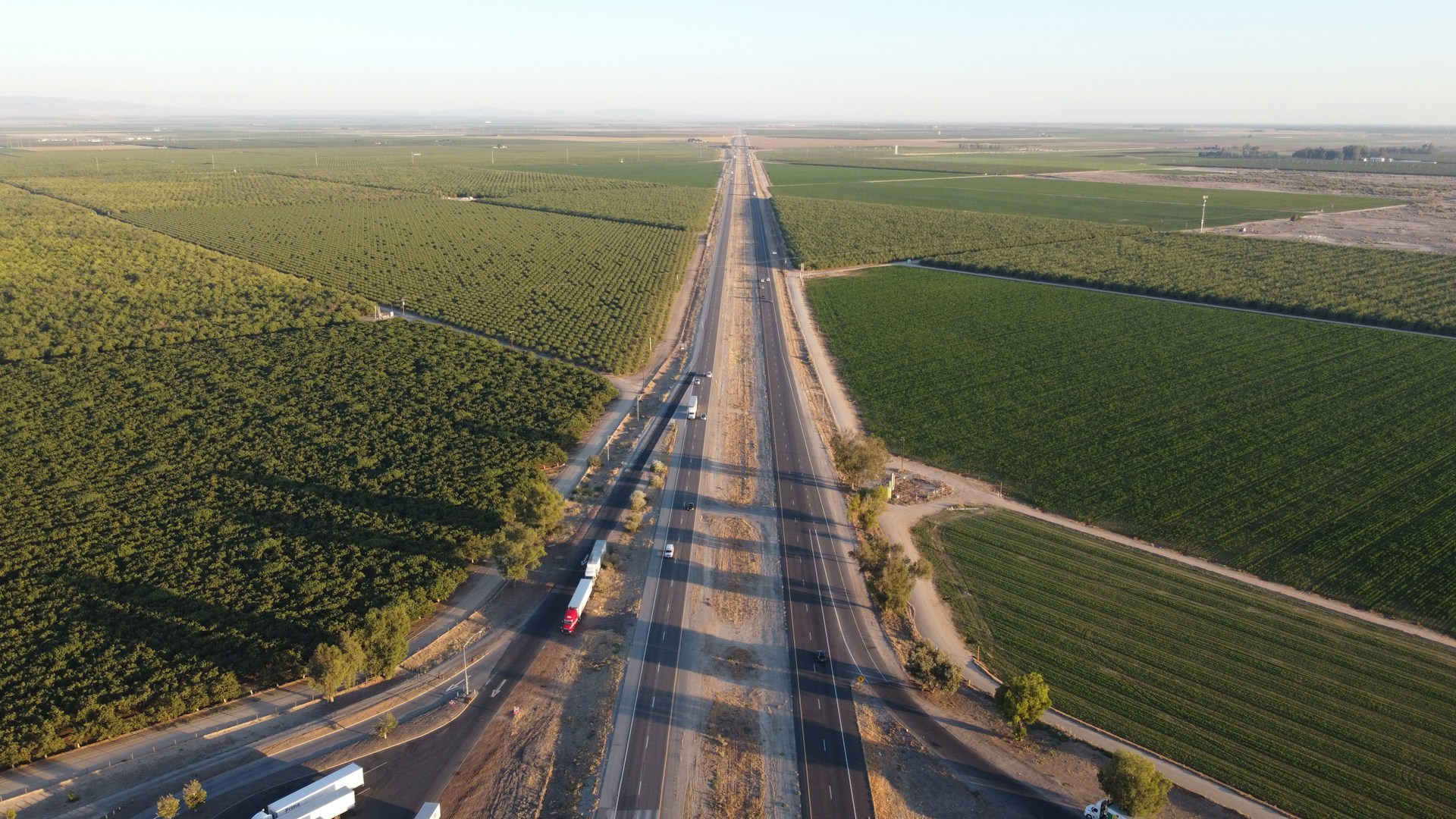
A quiet gathering in Bakersfield pushed back against censorship rules that limited what citizens could say in public spaces. Protesters insisted that Americans deserved room for open expression and argued that public life should allow debate without immediate punishment. Although this event did not gain widespread attention, it contributed to later policies that protected speech in schools, parks, and community halls. It encouraged the belief that citizens have a responsibility to speak and listen in a respectful civic environment.
The Lunch Counter Replacement Strikes

These strikes began when workers questioned the treatment of staff in the growing restaurant industry. Employees demanded safer conditions, fair schedules, and wages that matched the rising cost of living. Their actions quietly influenced how service jobs evolved and helped normalize practices like posted schedules and predictable working hours. Though overshadowed by larger national movements, the strikes changed the way families experienced everyday meals out, shaping expectations for how servers and kitchen staff should be treated.
The Los Angeles Quiet Zone March
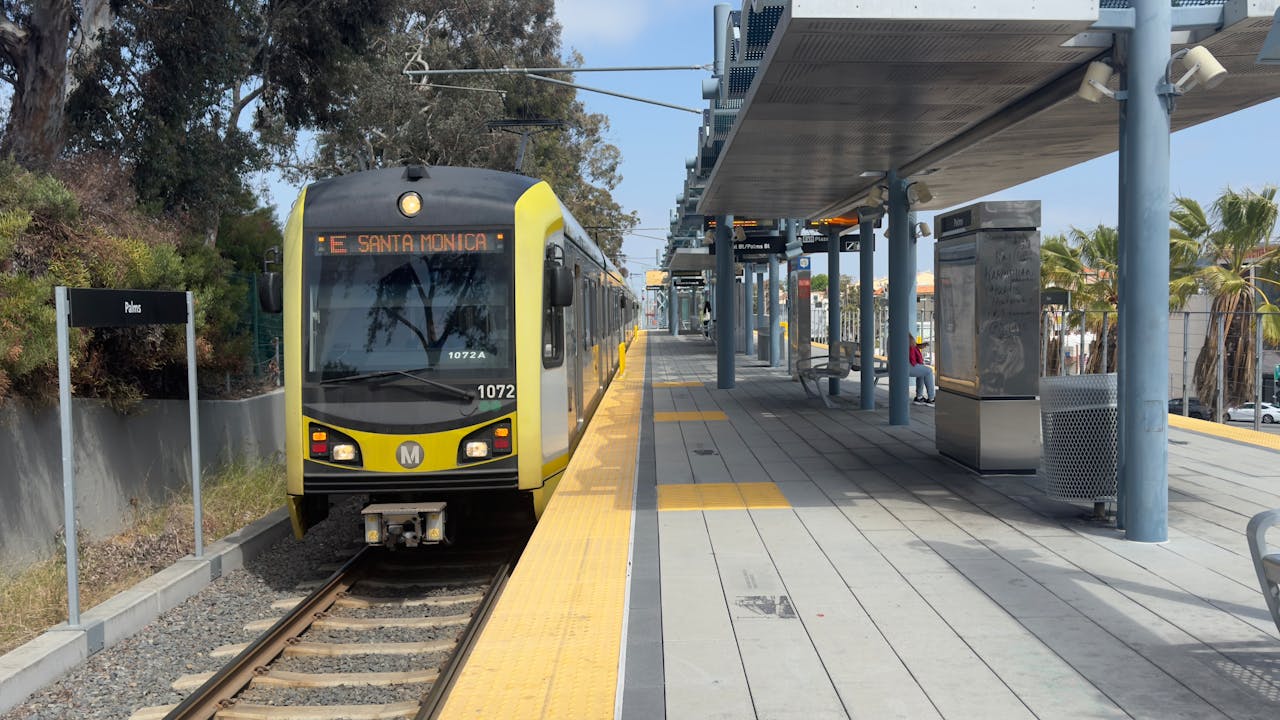
Residents of busy Los Angeles neighborhoods marched to limit constant nighttime train horns that disrupted sleep and daily routines. Their efforts led to official quiet zones, where trains passed without blaring signals. This protest reshaped how people think about noise, sleep, and well being. It introduced the idea that cities must balance infrastructure needs with community comfort. The changes eventually influenced noise regulations in other regions and showed how quality of life could be improved through collective action.
The 1961 Student Dress Code Sit Ins

High school students in several towns sat outside classrooms to protest strict dress codes that dictated hair length, skirt height, and personal style. Their calm resistance led schools to consider student expression as part of freedom rather than a distraction. The shift allowed teenagers more control over appearance, eventually influencing what Americans wear in public spaces and workplaces. This protest rarely gets credit, yet it shaped modern beliefs about individuality and acceptable fashion in everyday life.
The 1975 Gasoline Coupon Boycott

Families refused to participate in a coupon system created during fuel shortages because they worried it rewarded wealthier drivers with more access to gas. Their refusal forced officials to rethink distribution systems and listen to community concerns. Although forgotten today, the boycott influenced later policies that aimed to treat resources as shared public goods rather than privileges. It shaped long term attitudes about fairness at the gas pump and encouraged citizens to question how resources should be managed.
The Pay Phone Access Rallies
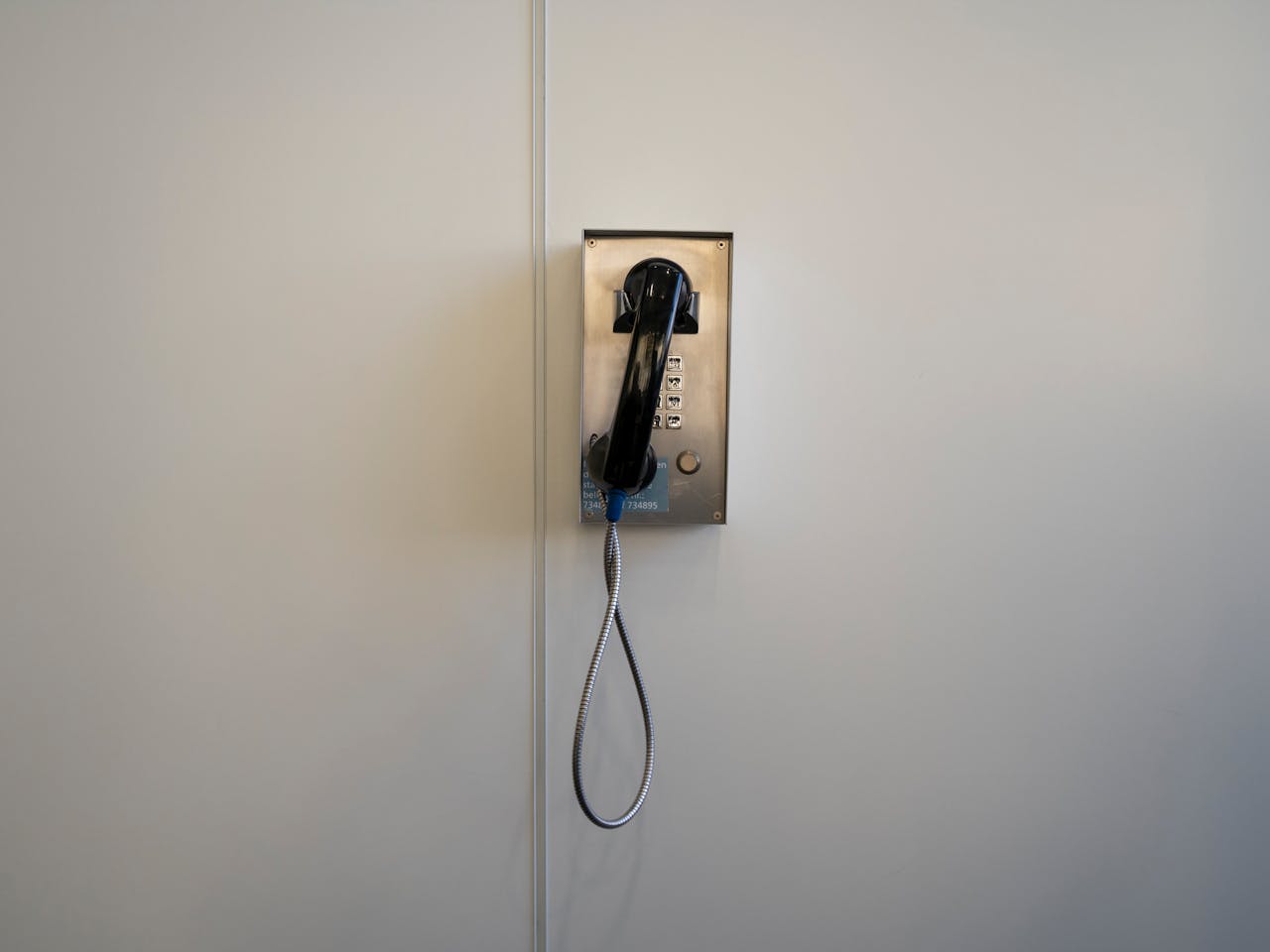
These rallies emerged when communities resisted early attempts to restrict public phone access in urban areas. Citizens argued that access to communication was essential, especially for travelers, workers, and families without home phones. Their insistence quietly influenced future infrastructure decisions and helped create the expectation that public communication options should exist. While pay phones may be rare today, the belief that communication is a public right continues to shape debates around mobile data, broadband access, and digital equity.
The 1982 Madison School Lunch Walk Out

Parents and students in Madison protested rising lunch prices and declining food quality. Their organized walk out forced schools to rethink meal planning and prompted wider conversations about nutrition standards for children. The walk out became a template for later food related activism and influenced how cafeterias developed healthier menus. Although this moment rarely gets attention, its legacy quietly lingers every time schools choose fresh ingredients, avoid processed meals, or teach children about balanced eating.
The Neighborhood Street Light Petition

Residents from small towns gathered signatures demanding more street lighting, arguing that safety depended on visibility. Their activism encouraged local governments to rethink community planning and make lighting a priority. Over time, these efforts influenced zoning laws and public safety expectations. Today, most Americans assume well lit streets are standard, yet that assumption began with quiet protests where families requested something simple: the ability to walk safely at night. The movement reflects how common goods often start with local requests.
The Sidewalk Access Initiative

Disabled veterans and community members protested cities that lacked ramps and level sidewalks. Their work eventually influenced accessibility standards that shaped the way cities are designed. Ramps, wider sidewalks, and entry access points became common features in malls, offices, and schools. Although not tied to a single famous moment, this initiative fundamentally changed everyday navigation in public spaces and helped establish expectations that everyone deserves equal access to shared environments and public life.
The Backyard Pesticide Ban Campaign

Communities protested the use of harsh chemicals in suburban lawns when they noticed harmful effects on children, pets, and local wildlife. Their demands led to regulations that controlled pesticide use and encouraged safer alternatives. Although rarely mentioned in mainstream histories, the campaign altered daily routines by changing how homeowners care for their yards. It influenced how Americans think about health, soil, and the hidden risks behind seemingly harmless products in family environments.
These forgotten protests did not become symbols of national identity, yet they quietly shaped daily habits, public expectations, and the design of neighborhoods. They demonstrate how collective action does not always announce itself with banners or speeches. Sometimes a small group of determined people changes the world without ever stepping onto a stage. Their legacy lives on in the silent improvements that Americans now accept as normal, proving that big changes often begin in small ordinary places.