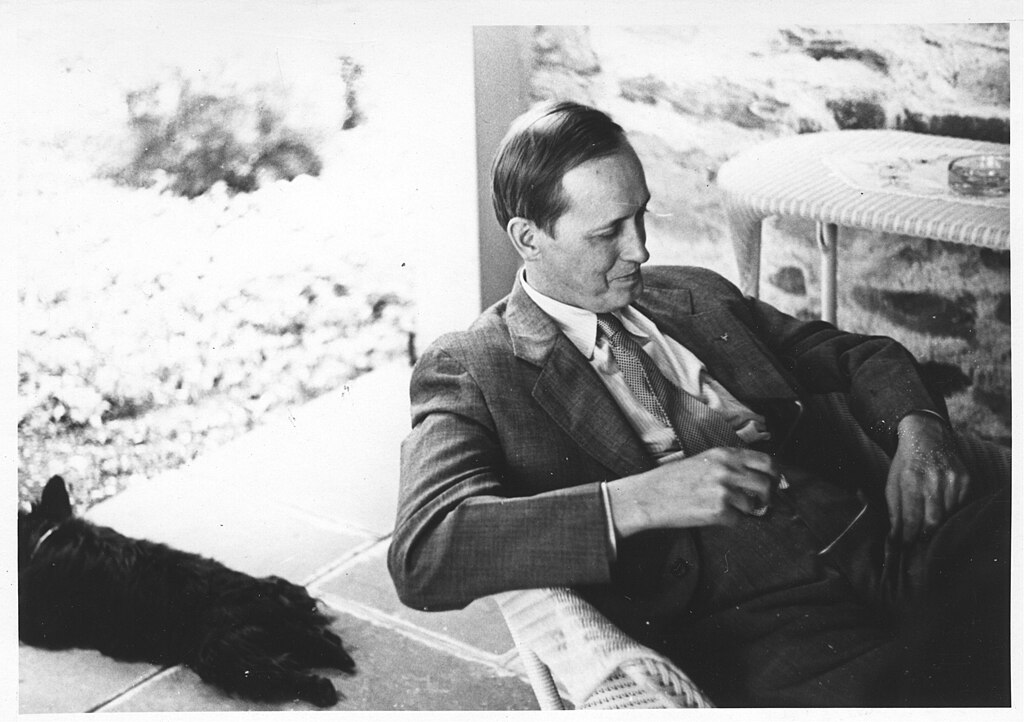
The Great Depression is remembered for economic collapse, lost jobs, and widespread hardship, yet behind the chaos were remarkable Americans who acted when the nation was hurting most. These individuals were not presidents or famous magnates but ordinary people whose dedication and innovation changed the country’s direction. Their work supported families, shaped public awareness, and gave hope when resources were scarce. Although many of their names faded from popular memory, their contributions helped millions survive one of the darkest periods in United States history.
1. Dorothea Lange
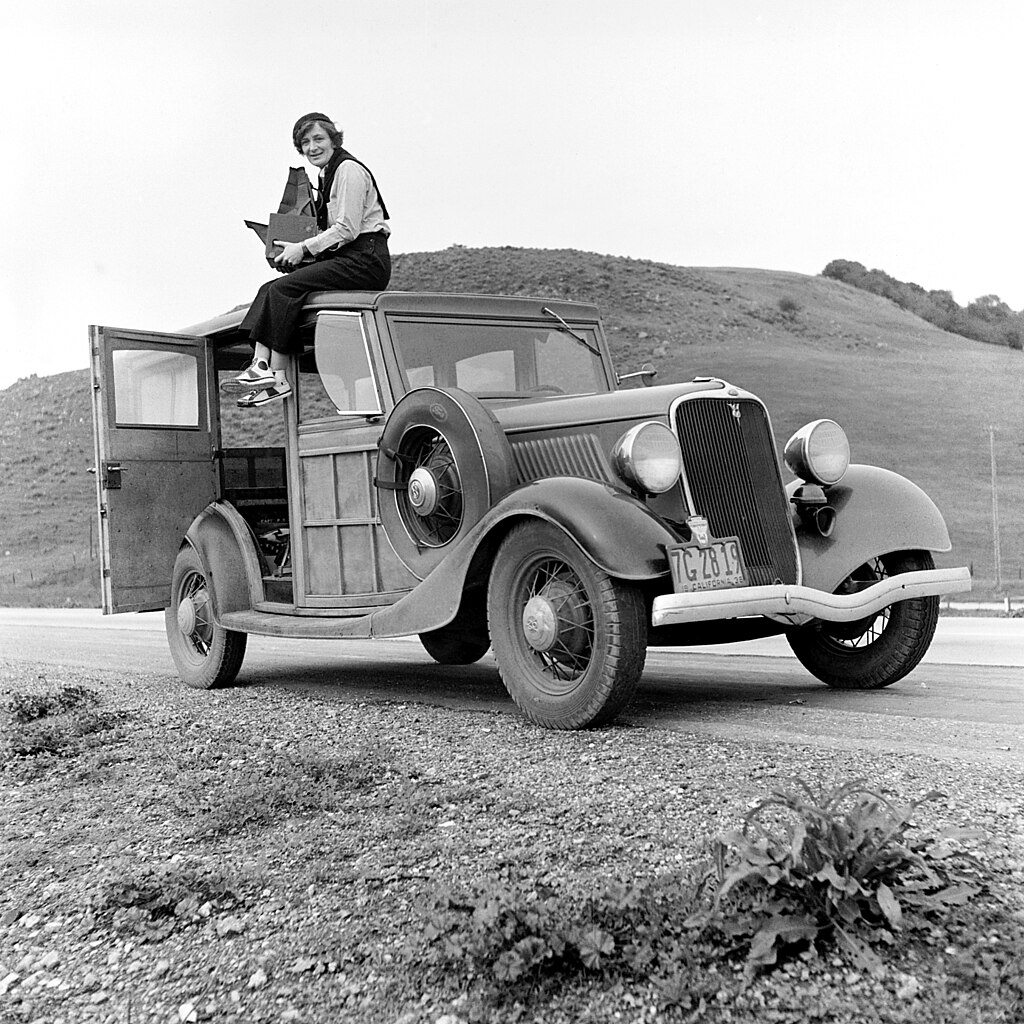
Dorothea Lange used her camera to expose the human toll of the Depression, capturing photographs of migrant workers, displaced families, and rural suffering. Her images forced the government and public to recognize poverty not as numbers but as real people facing hunger and desperation. Lange gave dignity to those who lacked political power, and her photographs helped justify federal relief programs. Her visual storytelling transformed public empathy into action and created an archive that remains one of the most influential records of American hardship and resilience.
2. Woody Guthrie
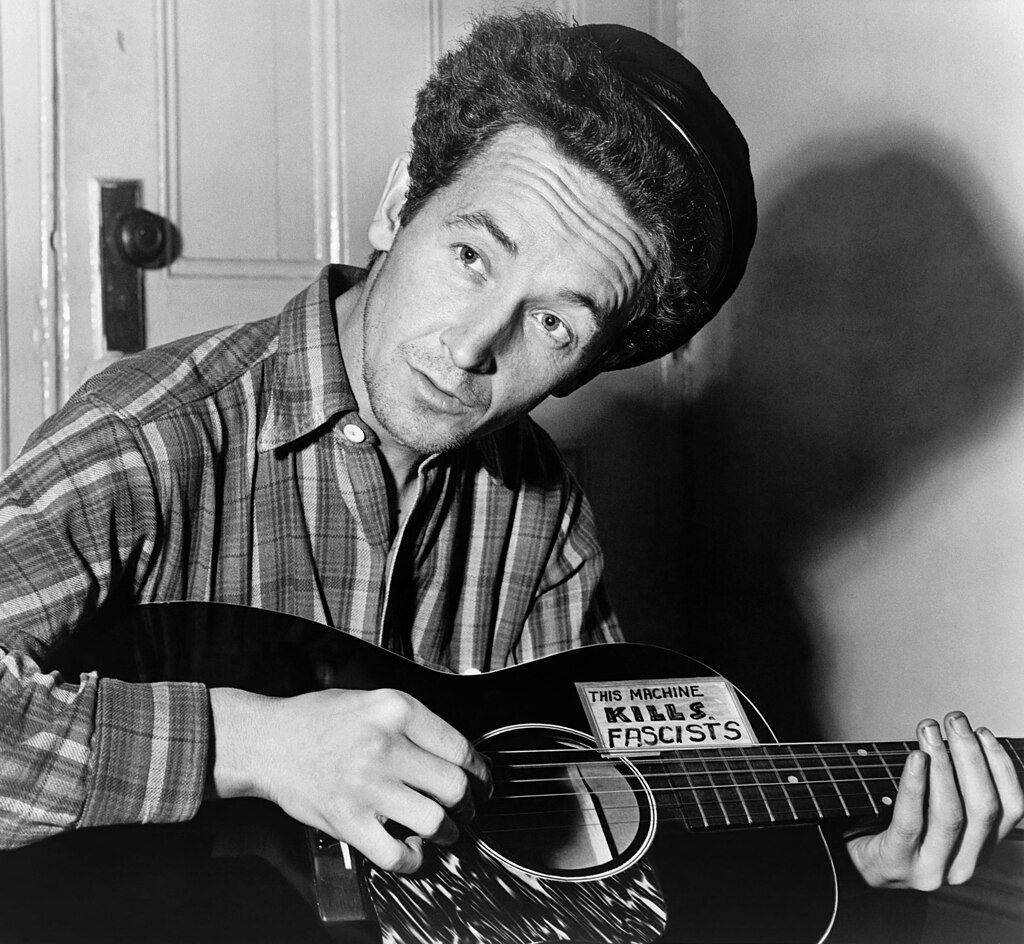
Woody Guthrie turned songs into social testimony, writing music that chronicled the struggles of farmers, displaced workers, and ordinary Americans searching for dignity. His lyrics reflected the hard truths of unemployment and migration while offering comfort and solidarity. Guthrie gave a voice to people who had none and used entertainment as activism. His songs taught listeners that they were not alone in their suffering. Long before folk music became a cultural force, Guthrie showed that art could challenge despair and unite communities through shared stories.
3. Frances Perkins
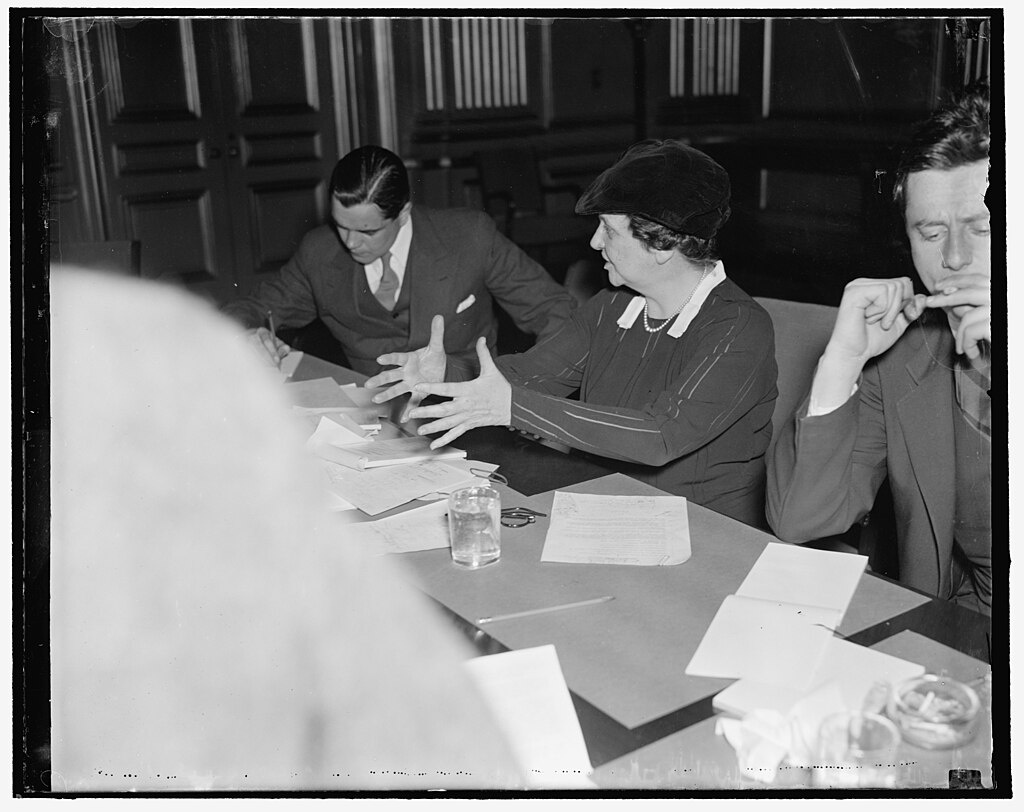
Frances Perkins entered government with a fierce commitment to protect workers. She championed labor rights, workplace safety, and unemployment insurance. As the first woman to serve in a presidential cabinet, she played a vital role in shaping policies that shielded vulnerable Americans from exploitation. Perkins laid foundations for social protections many families still rely on today. Her leadership proved that government could be a guardian for people in need, and her reforms turned tragedy into lasting progress by prioritizing human dignity over profit.
4. Father James Cox
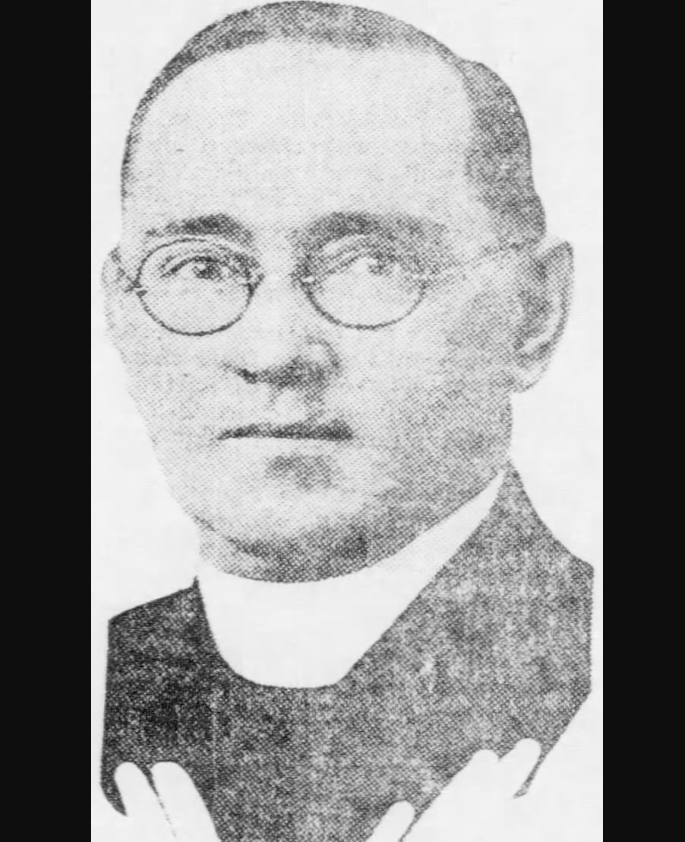
Father James Cox became a lifeline for thousands in Pittsburgh when jobs disappeared and families faced hunger. He turned his church into a relief center, distributing food, clothing, and hope to those left behind. Cox also led marches demanding government action, lending moral weight to economic reform. His efforts proved that spiritual leadership could inspire tangible change. While others debated solutions, Cox delivered immediate aid and helped ensure that Americans were not forgotten. His compassion transformed a parish into a beacon of survival and solidarity.
5. Harry Hopkins
Harry Hopkins was a decisive public servant who managed federal work programs that placed millions back on payrolls. He believed that dignity came from employment, not charity, and helped design projects that built roads, schools, and public facilities still used today. Hopkins saw relief not as temporary rescue but as an investment in the country’s future. His leadership reshaped how government responded to crisis and provided a model for public work initiatives. He played a crucial role in restoring national confidence during a time of deep uncertainty.
6. Mary McLeod Bethune
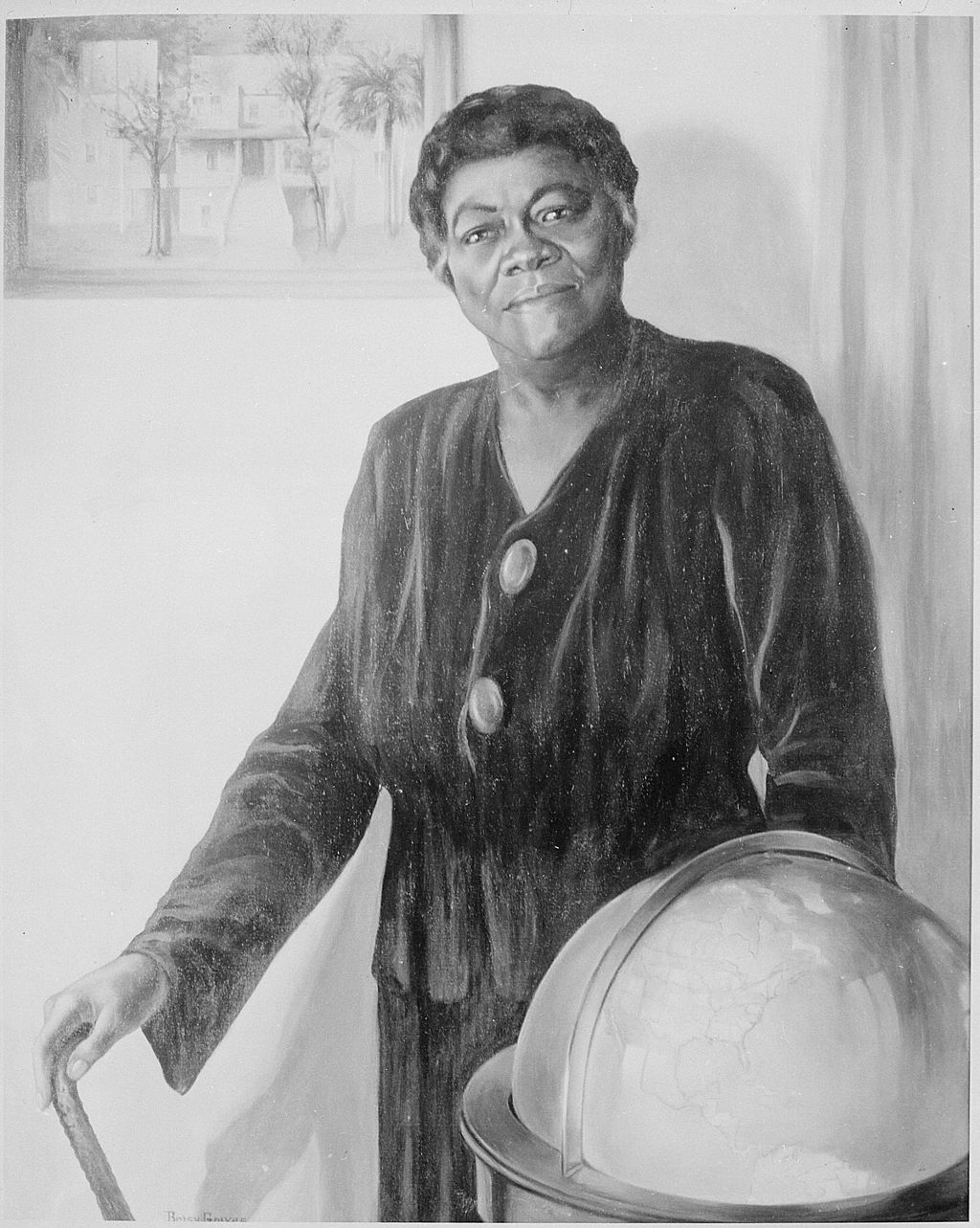
Mary McLeod Bethune elevated education during a time when opportunity felt scarce. She created schools, advised government leaders, and fought for Black Americans who faced both economic and social hardship. Bethune showed that progress depended on equal access to knowledge and leadership. Her work gave countless students a path to advancement when barriers appeared insurmountable. By insisting that every child deserved a future worth building, Bethune safeguarded hope and provided educational tools that empowered generations long after the Depression ended.
7. Filipino Naval Families
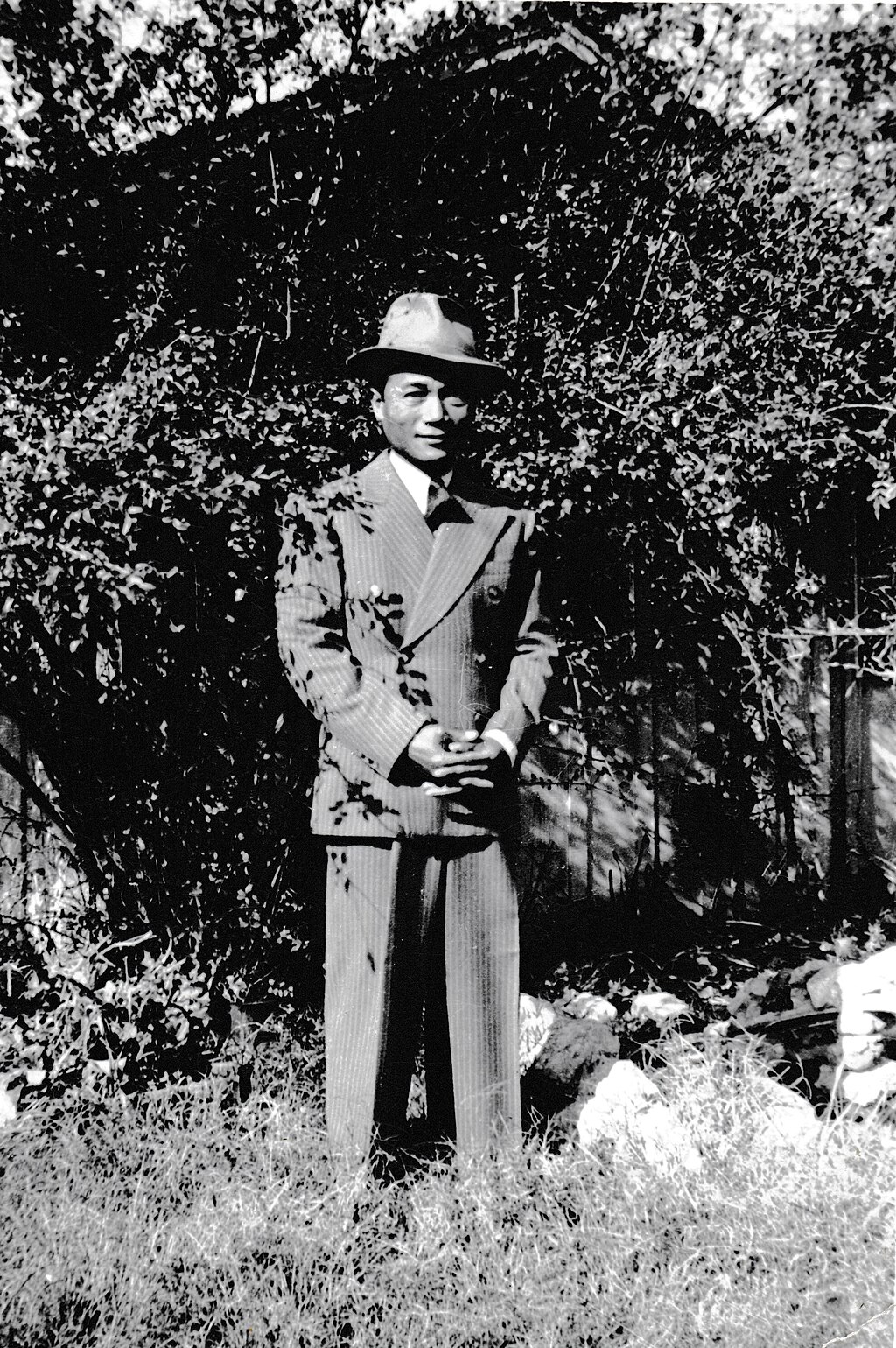
Filipino immigrants connected their heritage to American military towns, offering stability during fluctuating economic conditions. These families supported naval bases through skilled labor and cultural integration. Their presence helped towns maintain identity and community during years when many Americans relocated in search of work. Filipino families brought traditions, cuisine, and resilience, turning temporary settlements into lasting neighborhoods. Their contributions strengthened military infrastructure and gave towns cultural depth that continued after the crisis, proving that immigration can support national strength in unexpected ways.
8. Dorothy Day
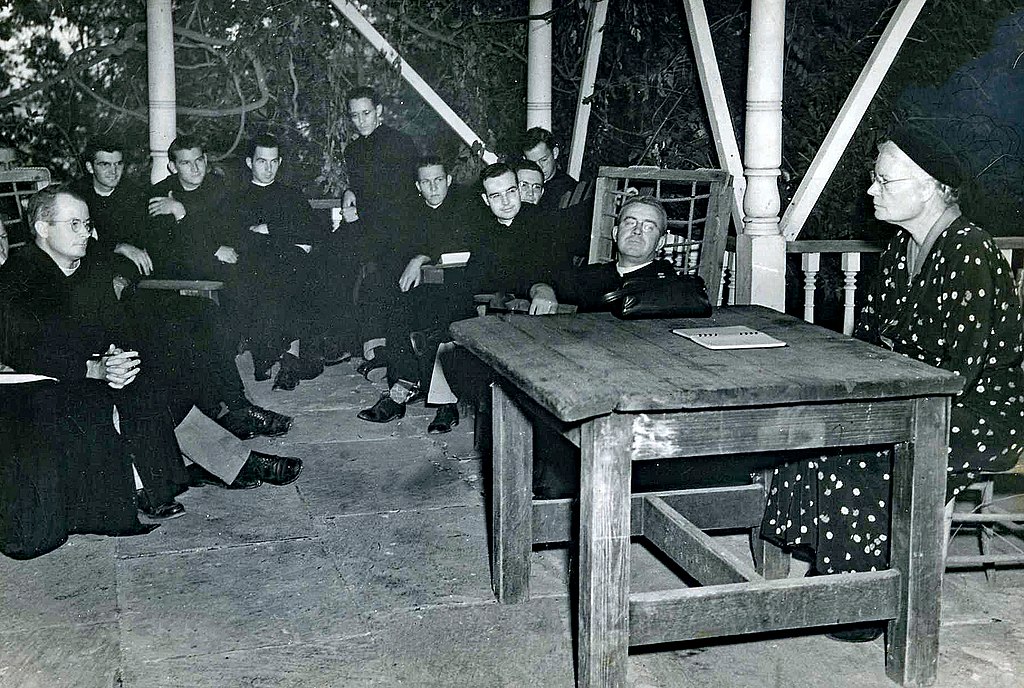
Dorothy Day responded to widespread suffering by founding houses of hospitality that offered food, shelter, and compassion to people left behind by the Depression. She believed help should be personal, not bureaucratic, and built a network of volunteers who served the hungry without judgment. Day transformed faith into action and turned neighborhoods into lifelines for families who had nowhere else to go. Her work created a model of community driven relief that inspired future social movements. Day showed that hope could be built in kitchens, dining halls, and shared spaces where dignity still mattered.
9. Milo Reno
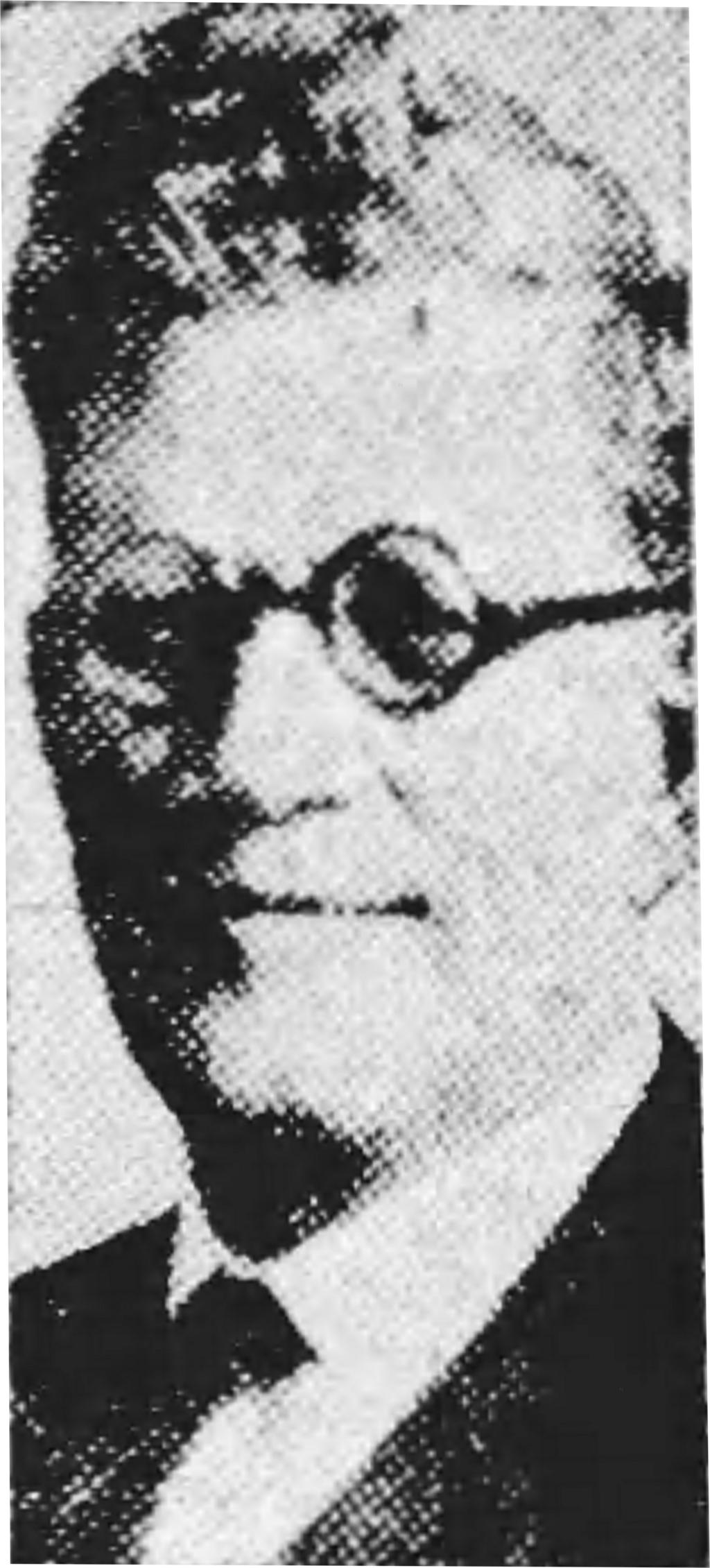
Milo Reno became a powerful advocate for struggling farmers when collapsing crop prices pushed rural families toward ruin. As leader of the Farmers’ Holiday Association, he organized strikes, protests, and road blockades to demand fair prices for agricultural goods. Reno believed farmers should withhold products until markets stabilized, refusing to let corporate buyers dictate their survival. His actions drew national attention to rural suffering and forced politicians to address agricultural injustice. Reno transformed anger into organized resistance, offering farmers dignity during a period when many felt helpless and abandoned.
10. Huey Long
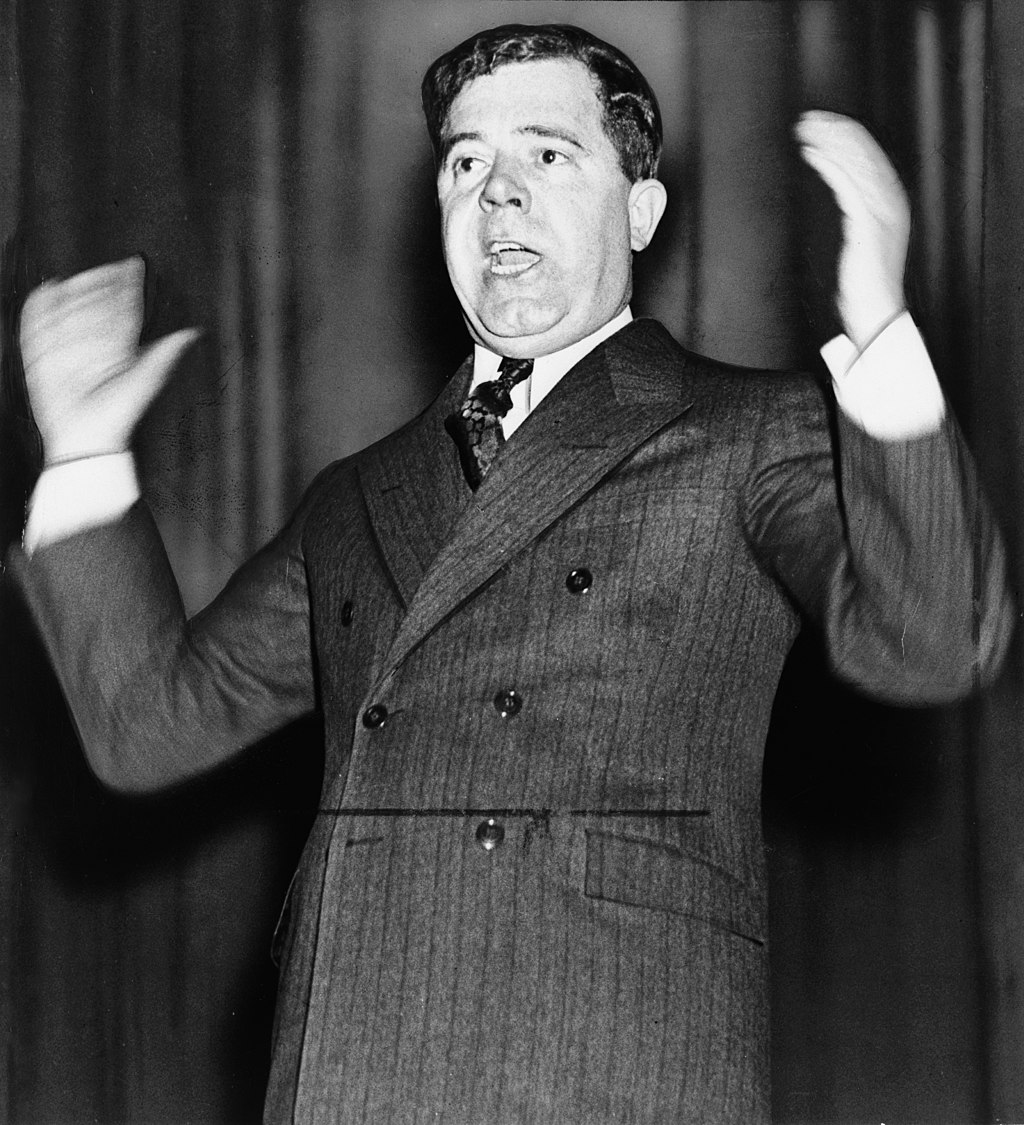
Huey Long became a fierce advocate for struggling Americans when traditional institutions failed to provide relief. As governor and later senator, he demanded fair wages, taxation reforms, and public programs that challenged corporate power. His Share Our Wealth plan promised education, housing, and financial security for ordinary citizens who felt abandoned during the Depression. Long’s populist approach inspired hope and fear in equal measure, yet his message forced the nation to confront inequality. His influence showed that bold ideas could reshape public expectations when desperation defined daily life.
11. Arthur Rothstein
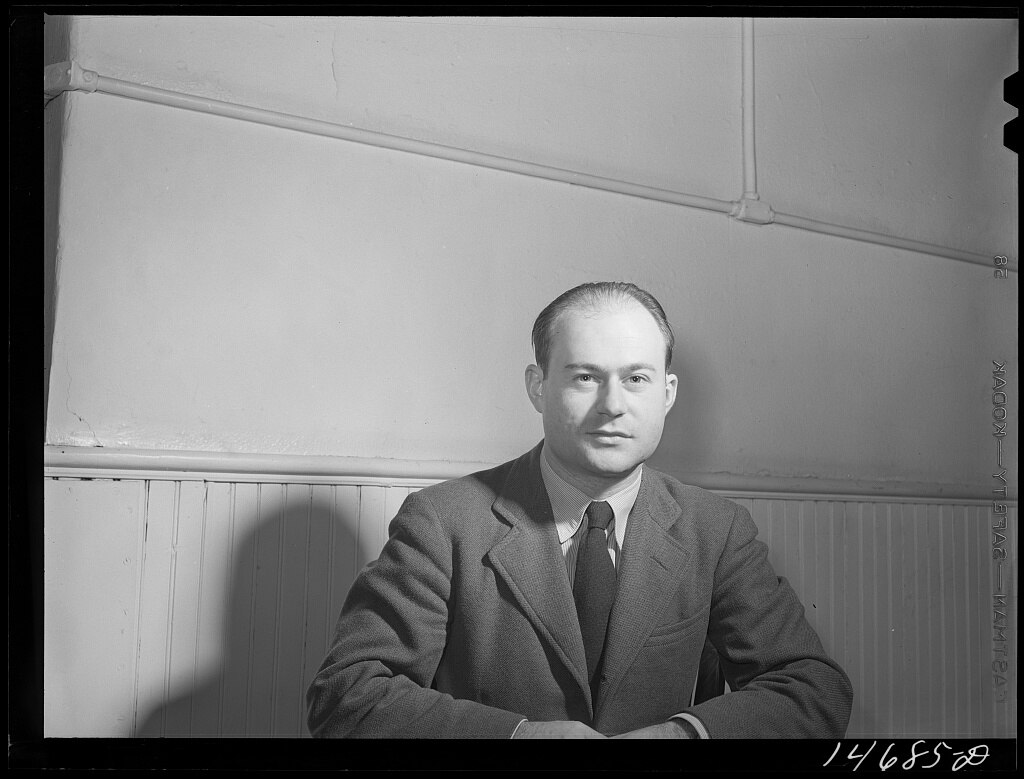
Arthur Rothstein captured some of the most iconic images of the Dust Bowl, revealing the environmental devastation that compounded Depression era suffering. His photographs documented the human cost of drought and economic collapse, forcing the nation to confront challenges that statistics could not convey. Rothstein’s work helped inspire reforms and aid programs by personalizing crisis. His visual storytelling provided evidence, empathy, and urgency during a time when policymakers needed to understand the scale of human struggle.
These individuals shaped American resilience through action, compassion, creativity, and leadership. Although history often highlights presidents and policies, the Great Depression was also defined by people who worked quietly behind the scenes. Their legacies continue in labor protections, cultural traditions, public spaces, and social frameworks still used today. By turning personal talent into national service, they transformed hardship into opportunity and ensured that the nation emerged stronger than the pain that once threatened to break it.