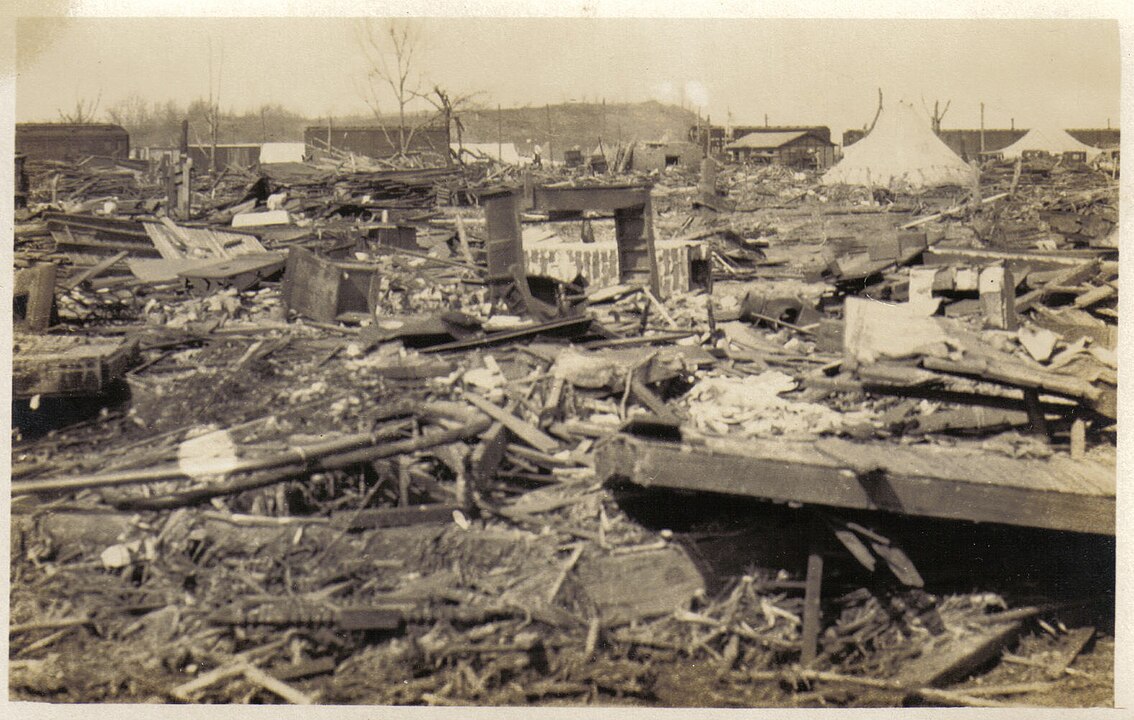
Some of the most influential events in American history were not the widely remembered ones but the quiet disasters that reshaped policy, infrastructure, and public safety. These tragedies rarely appear in history books, yet their impact is woven into modern life. From overlooked industrial accidents to natural catastrophes overshadowed by larger events, these forgotten disasters altered laws, shifted public attitudes, and transformed entire regions. Understanding these overlooked moments reveals how much of daily life is shaped by crises the country no longer talks about. Their stories are essential reminders of vulnerability, resilience, and lessons learned.
The Great Peshtigo Fire of 1871
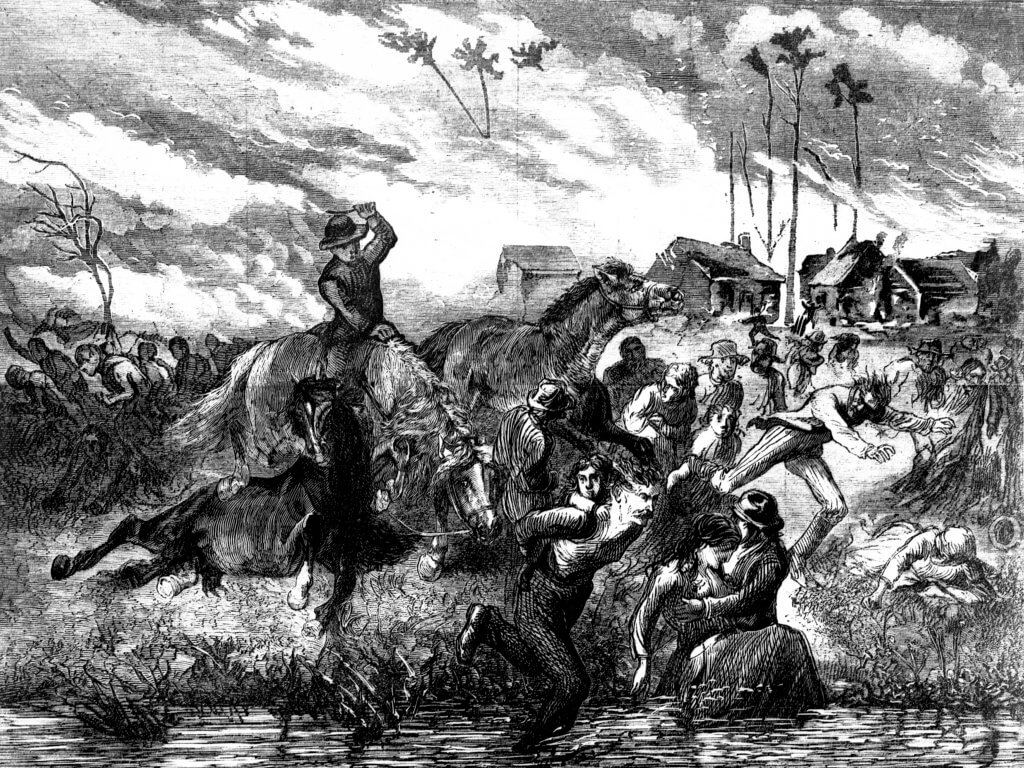
Overshadowed by the Chicago Fire, the Peshtigo Fire remains the deadliest wildfire in U.S. history. It swept through Wisconsin and Michigan, killing thousands and destroying entire towns in minutes due to hurricane-like firestorms. Poor communication and limited relief efforts left survivors with little support, making recovery painfully slow. The disaster spurred the first major conversations about forest management and fire prevention. Its legacy endures despite its relative obscurity.
The Knickerbocker Theater Collapse
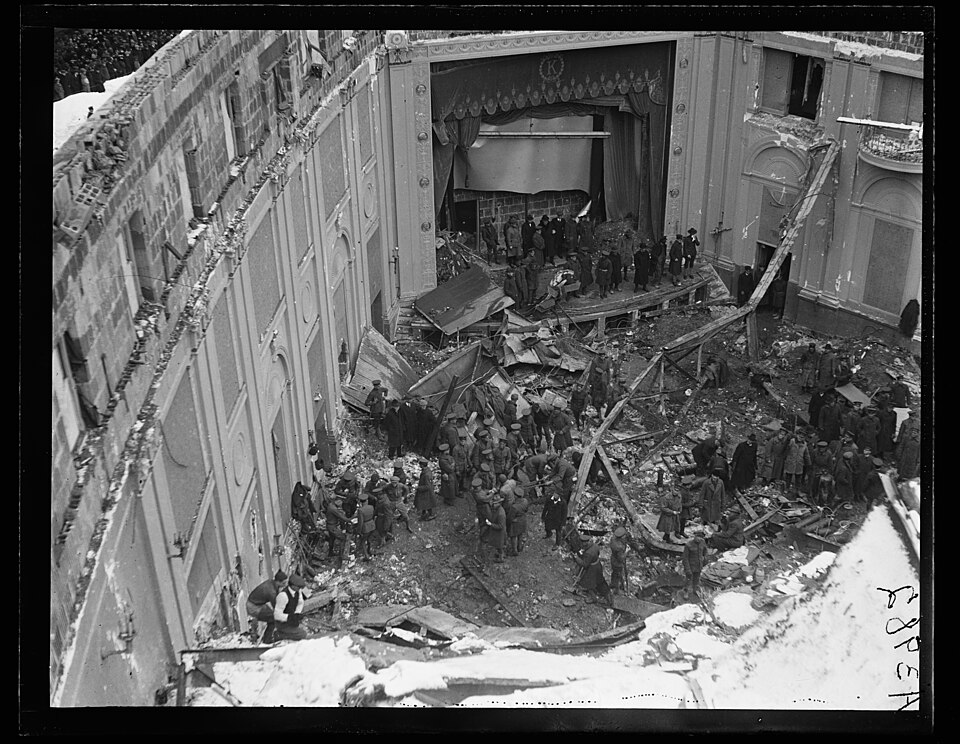
In 1922, heavy snowfall caused the roof of Washington D.C.’s Knickerbocker Theater to collapse during a busy movie screening. More than 90 people died, making it one of the deadliest structural failures in U.S. history. Public outrage led to new safety regulations for architectural design, snow load standards, and emergency response coordination. However, the event faded from national memory as newer disasters took precedence. Its influence remains embedded in building codes nationwide.
The Silver Bridge Collapse
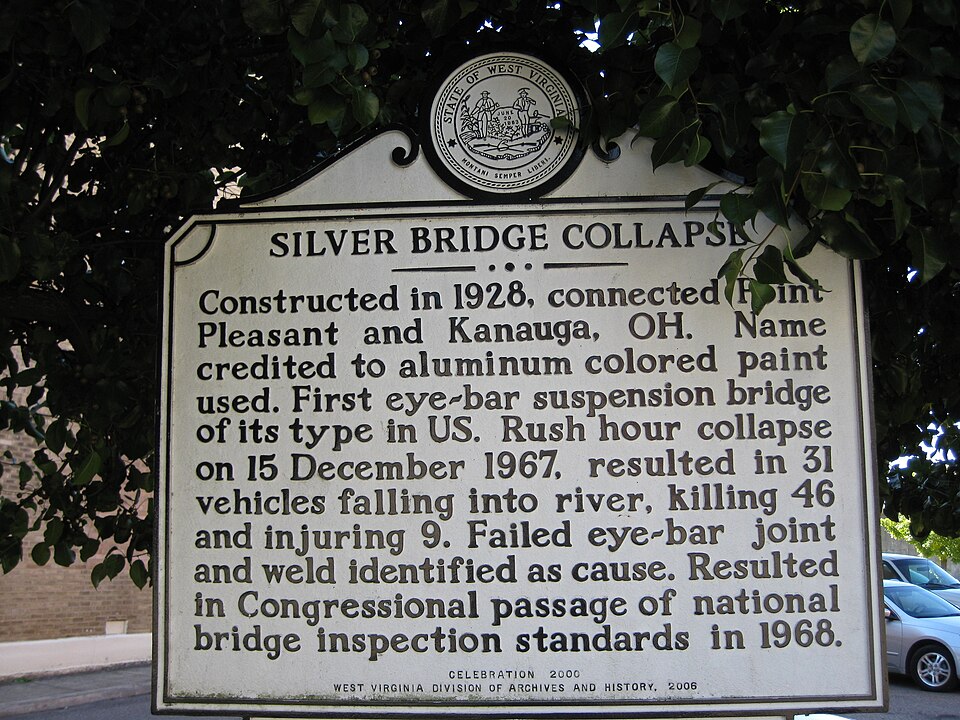
The 1967 collapse of the Silver Bridge between West Virginia and Ohio killed dozens of commuters during the evening rush hour. Investigators discovered that a single corroded eye bar caused the entire structure to fail. The tragedy exposed the dangers of aging infrastructure and inadequate inspection systems. It led to the creation of the National Bridge Inspection Standards. Despite its impact, the event is rarely discussed today.
The Texas City Disaster
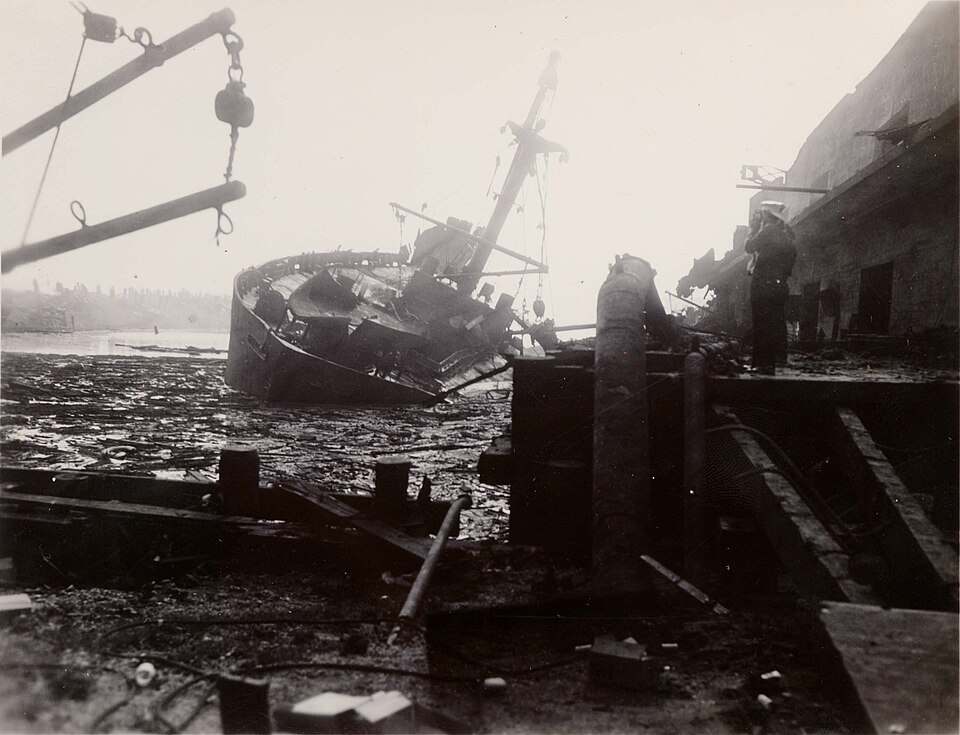
In 1947, two ships carrying ammonium nitrate exploded in Texas City, triggering one of the largest industrial accidents in American history. The blast leveled buildings, killed hundreds, and caused fires that burned for days. The disaster prompted major reforms in chemical storage, transportation safety, and industrial regulation. It also led to one of the first large-scale class-action lawsuits against the U.S. government. Yet it often remains missing from public memory.
The Great Flood of 1889 in Johnstown
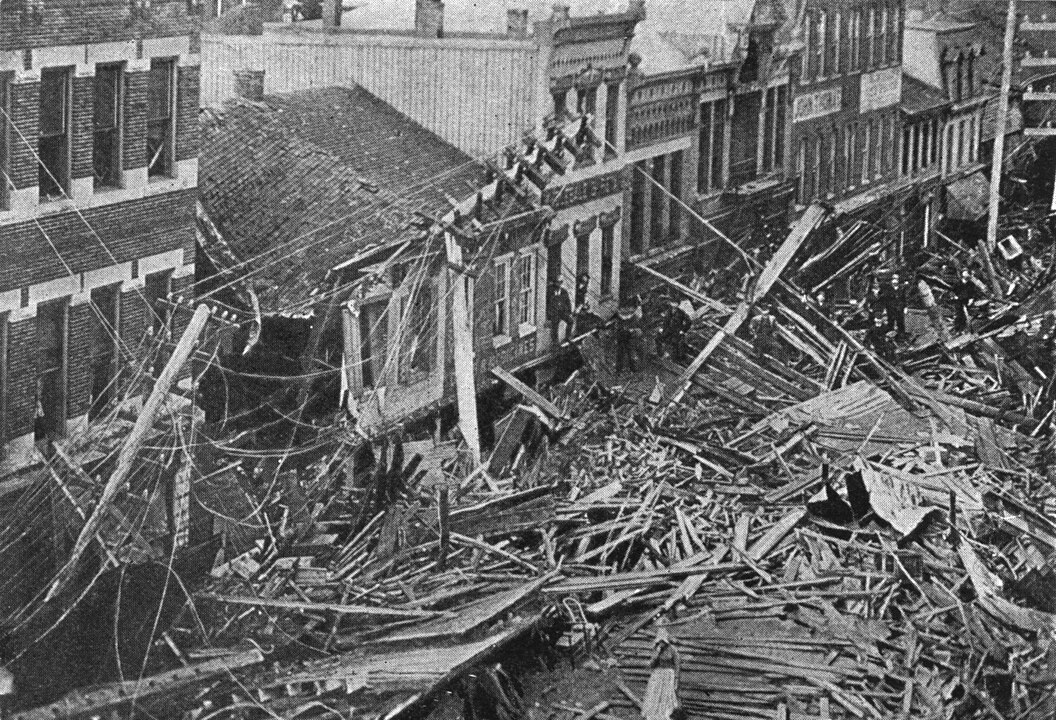
Often overshadowed by later events, the Johnstown Flood was a catastrophic dam failure that wiped out entire communities. A poorly maintained dam burst after heavy rains, unleashing a deadly wall of water. The tragedy highlighted the consequences of private ownership of public-impact infrastructure. It spurred calls for federal oversight of dams and waterways. Today, few realize how significantly it shaped national infrastructure policy.
The Cleveland Clinic Fire
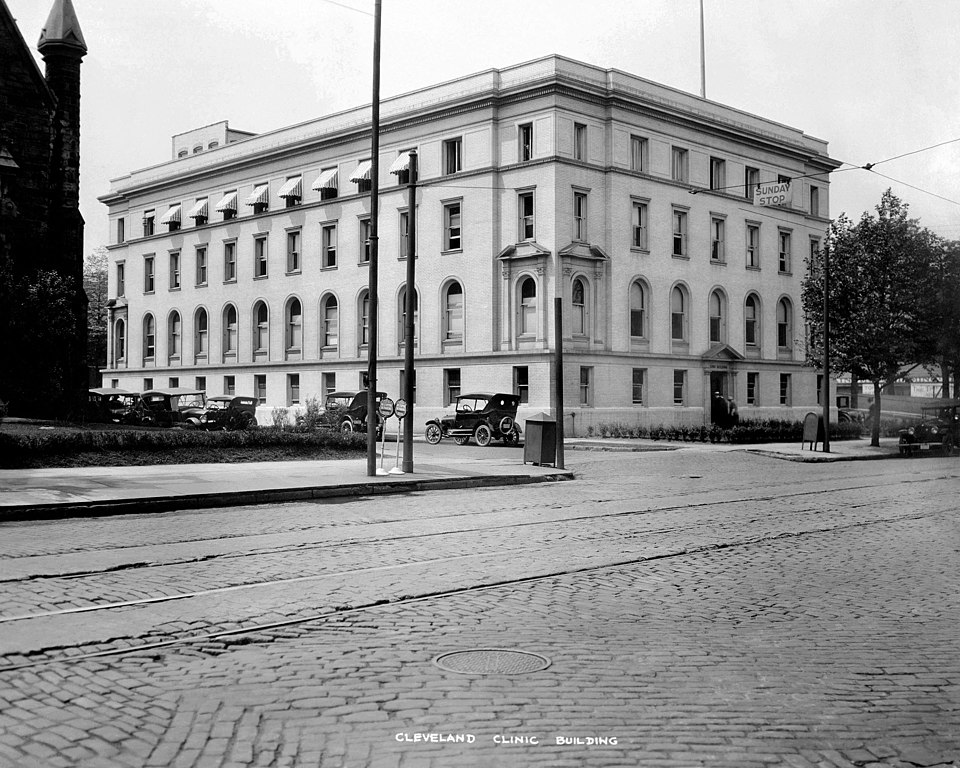
In 1929, a fire fueled by nitrocellulose X-ray film tore through the Cleveland Clinic, killing more than 120 people. The disaster led to major reforms in hospital safety, including improved ventilation, fireproof materials, and film storage protocols. It also inspired changes in emergency medical response nationwide. Despite its profound influence on healthcare safety, the event is rarely mentioned outside medical circles. Its lessons continue to shape hospital design today.
The Great Molasses Flood
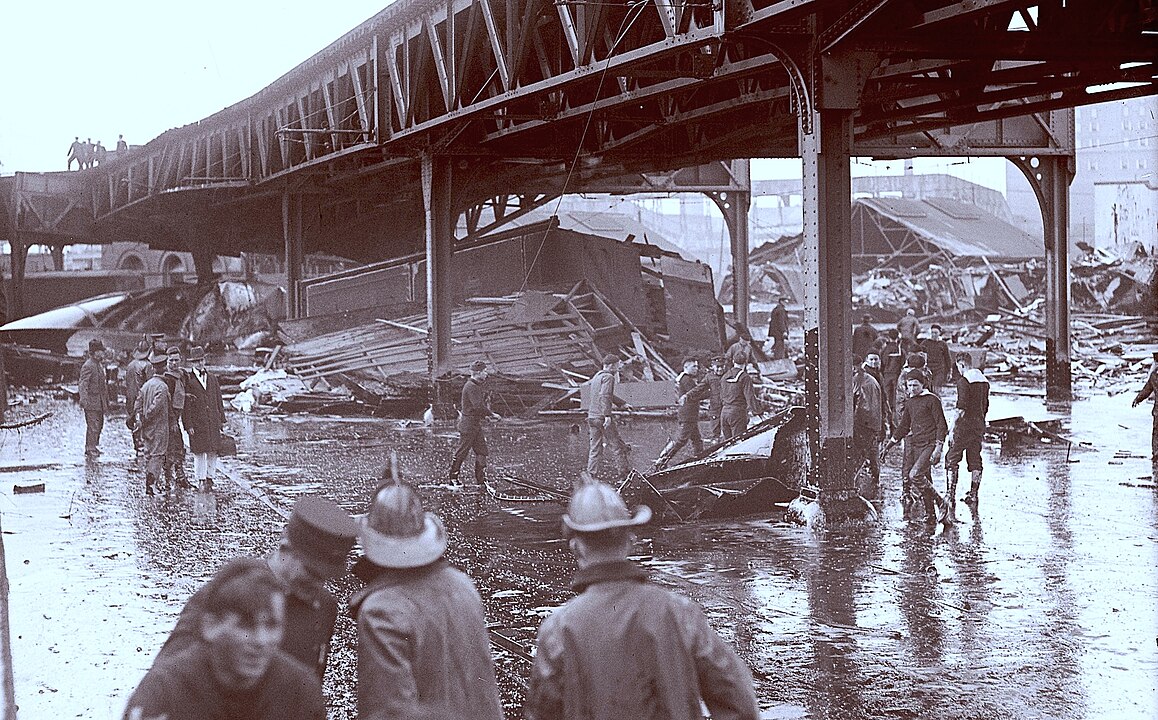
In 1919, a massive molasses storage tank burst in Boston, sending a wave of sticky syrup through the streets at deadly speeds. Though the event is sometimes treated humorously today, it was a serious industrial disaster. The flood killed residents, destroyed property, and revealed dangerous gaps in industrial oversight. It led to stricter building inspections and liability regulations for private companies. The tragedy’s long-term impact far outweighs its quirky reputation.
The Baldwin Hills Dam Failure
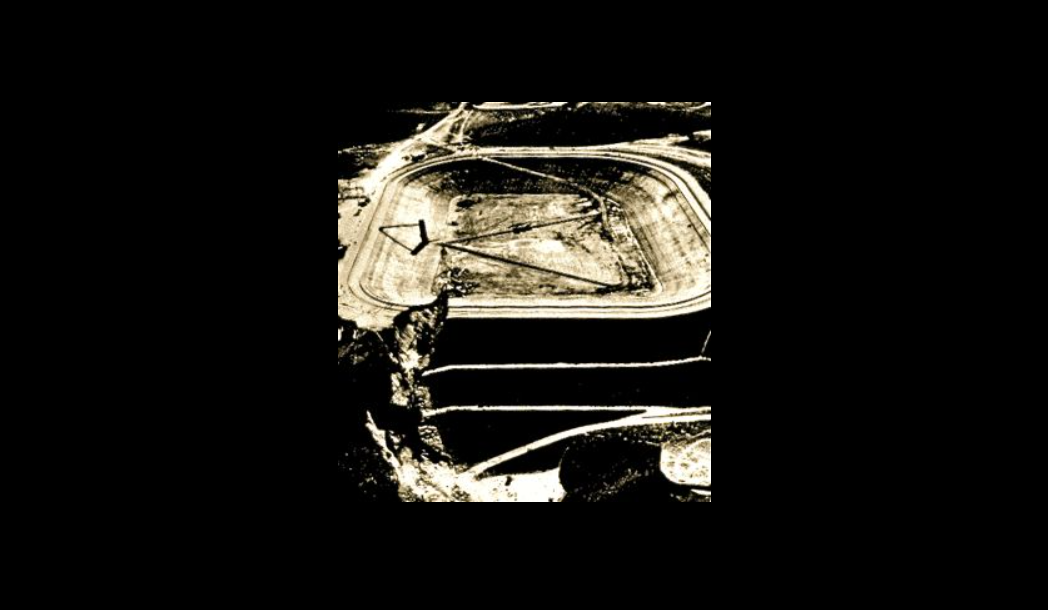
In 1963, a dam in Los Angeles collapsed due to engineering flaws and land subsidence, flooding nearby neighborhoods. The failure highlighted the risks associated with rapid urban development and inadequate environmental assessment. It also emphasized the importance of monitoring geological activity in city planning. The event prompted sweeping reforms in reservoir inspections and land-use regulation. Despite these contributions, it has been overshadowed by later California disasters.
The Great Salem Fire of 1914
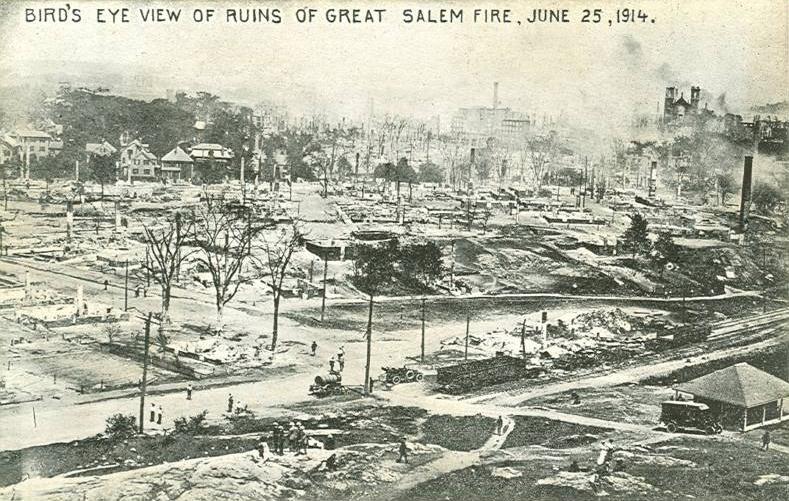
A massive fire destroyed much of Salem, Massachusetts, leaving thousands homeless and forever changing the city’s economic landscape. The blaze exposed weaknesses in fire response systems and the dangers of wooden industrial buildings. It led to stricter controls on factory construction and improved municipal fire services. The disaster also transformed Salem from a major industrial center into a smaller, tourism-based community. Its influence remains visible in the city’s urban layout.
The School Explosion in New London
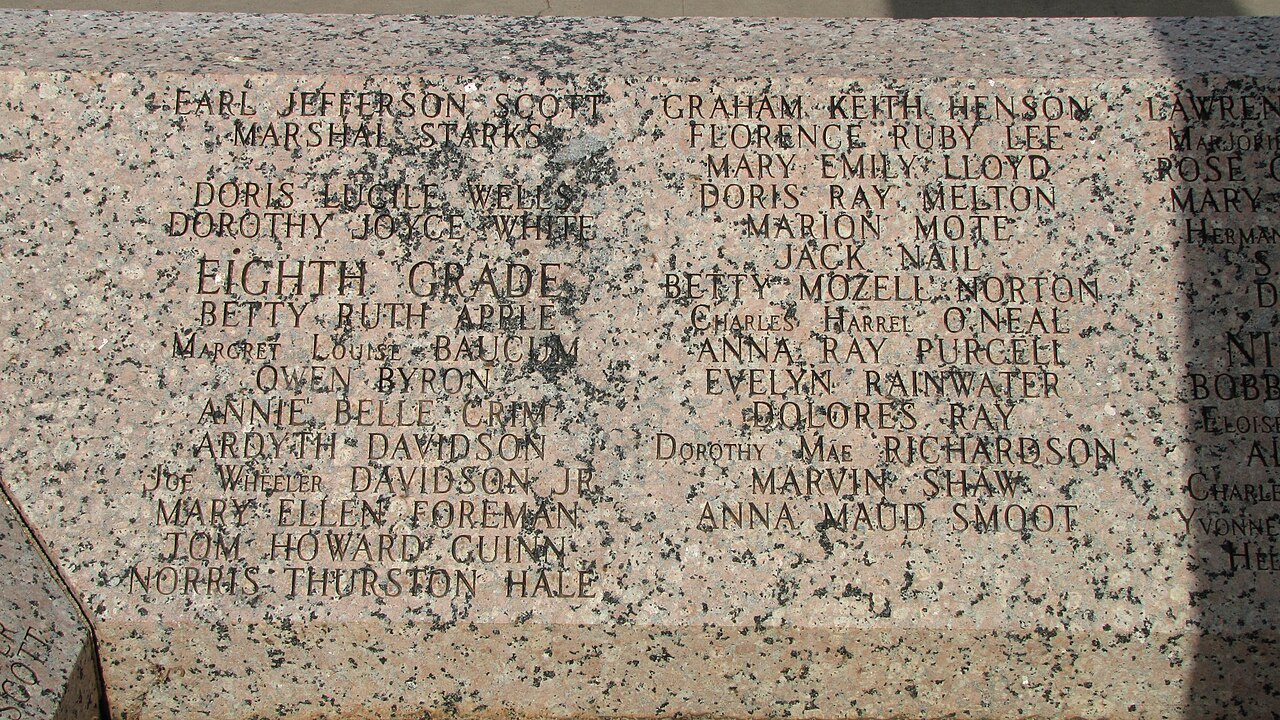
In 1937, a gas leak caused a catastrophic explosion at a Texas school, killing hundreds of students and teachers. Public grief and outrage led to immediate reforms in natural gas regulation. Odorants were added to gas supplies so leaks could be detected by smell, a safety measure still used today. The tragedy shaped modern gas safety protocols. Despite its profound impact, it is rarely discussed outside Texas.
The Tri-State Tornado
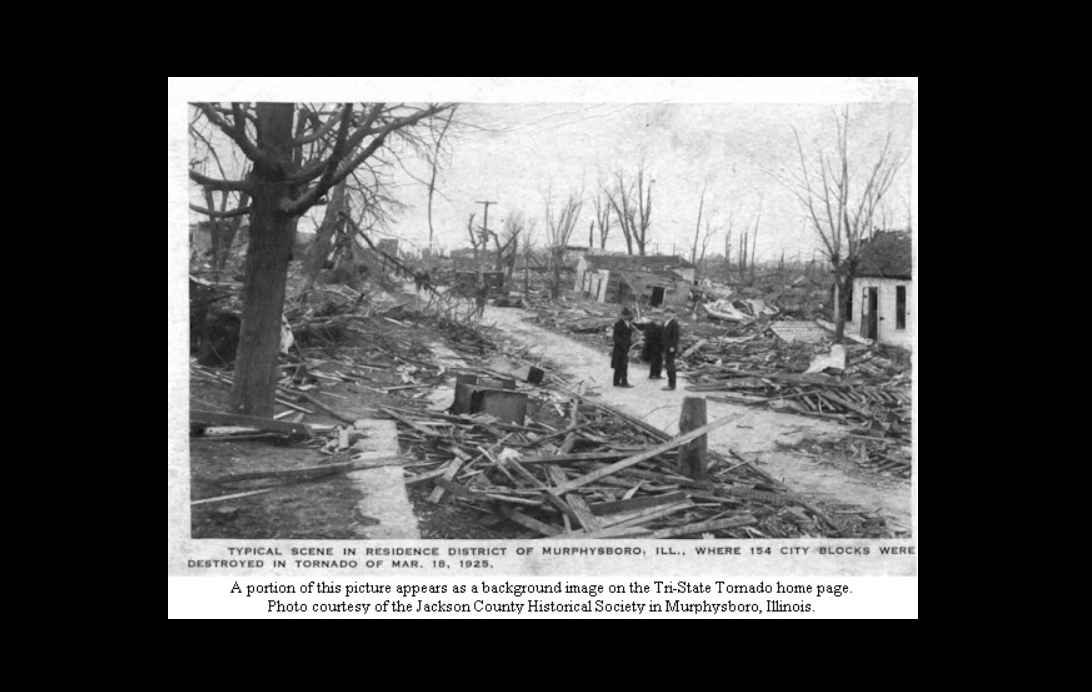
In 1925, the deadliest tornado in U.S. history tore across Missouri, Illinois, and Indiana, killing hundreds and leveling entire towns. Its unprecedented size and speed shocked the nation and revealed gaps in weather forecasting and emergency planning. The event helped push the development of improved tornado tracking and early-warning systems. It also influenced the creation of emergency management strategies still used today. Yet it remains less known than later storms.