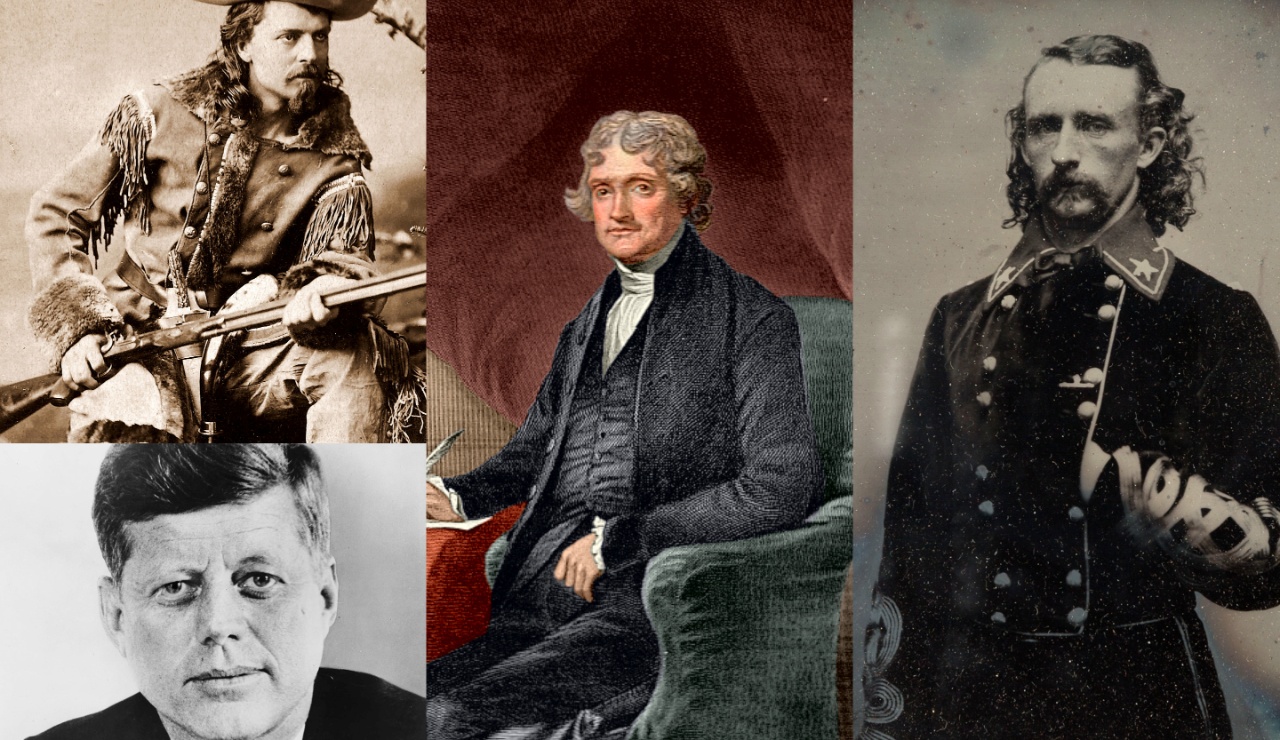
Hollywood loves telling stories of America’s most legendary figures, but accuracy often takes a backseat to drama. Directors, producers, and screenwriters reshape history for entertainment value, simplifying complex lives into flashy narratives. As a result, audiences walk away with impressions of historical figures that may be far removed from reality. While these portrayals often inspire, they can also distort the truth, making legends out of myths and reducing nuanced people into stereotypes. Looking at how Hollywood has handled some of the most famous Americans reveals a fascinating gap between fact and fiction.
Pocahontas
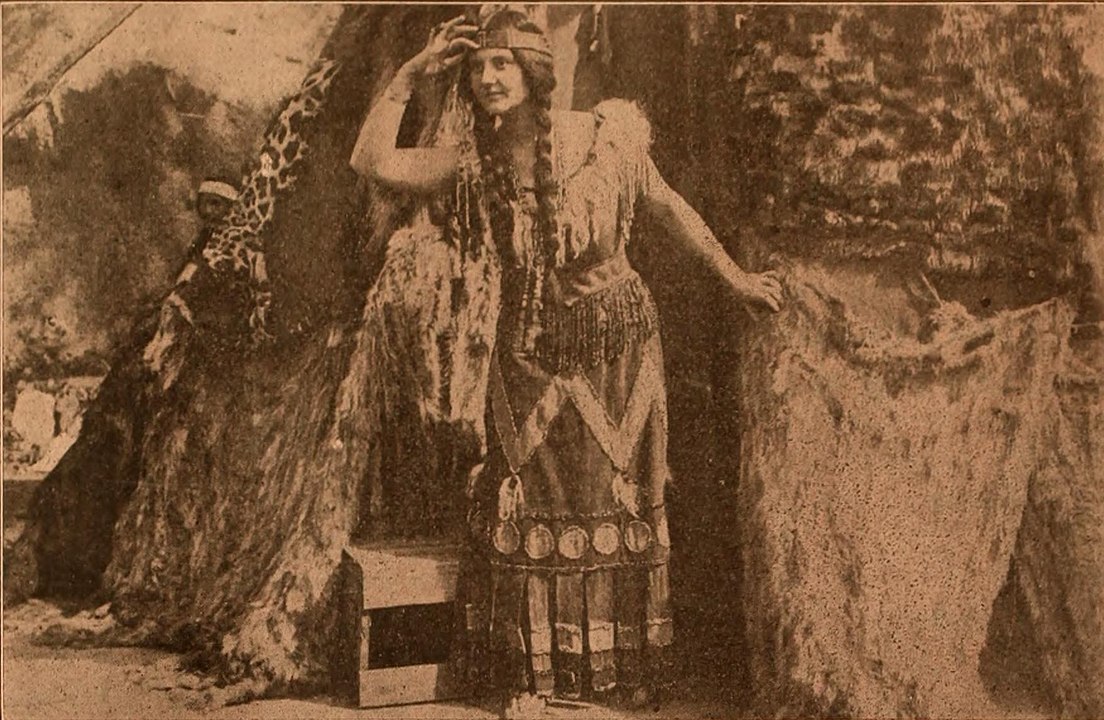
One of the most mythologized figures in American history, Pocahontas has been depicted as a romantic heroine who fell in love with John Smith. Films and animated features have turned her into a symbol of harmony between Native Americans and European settlers. In truth, Pocahontas was around 11 or 12 when she met Smith, and their relationship was never romantic. She was later taken captive by the English, converted to Christianity, and died tragically young in England. Hollywood’s romanticized retelling strips away the harsh realities of her life and erases much of her cultural significance.
Davy Crockett
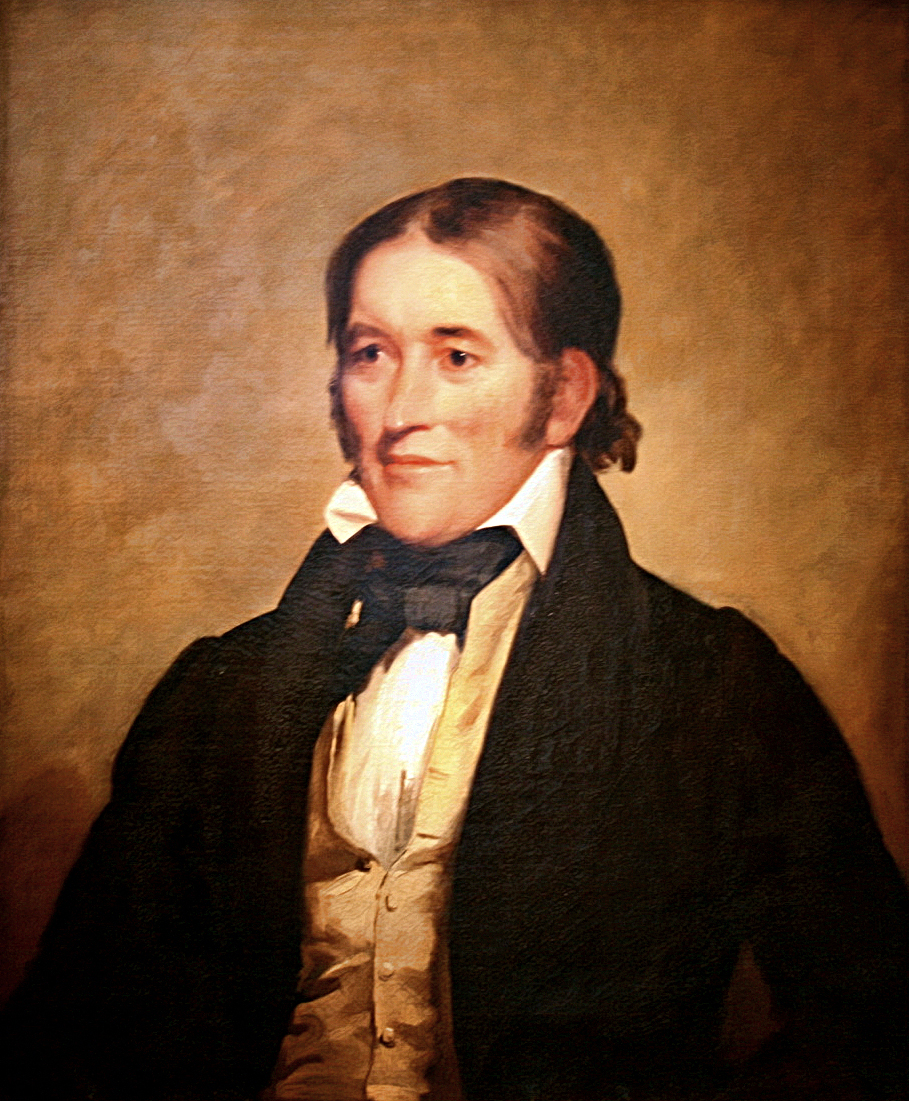
The so-called “King of the Wild Frontier” became a folk legend thanks in large part to Hollywood and television. Films often portrayed him as a coonskin-cap-wearing adventurer who single-handedly fought off enemies at the Alamo. In reality, Crockett was a complex man: a frontiersman, soldier, and politician who opposed some of Andrew Jackson’s policies. His death at the Alamo was more tragic and less glamorous than the films suggest. Hollywood’s version inflated him into a near-mythic superhero, overshadowing his true political and personal legacy.
Buffalo Bill Cody
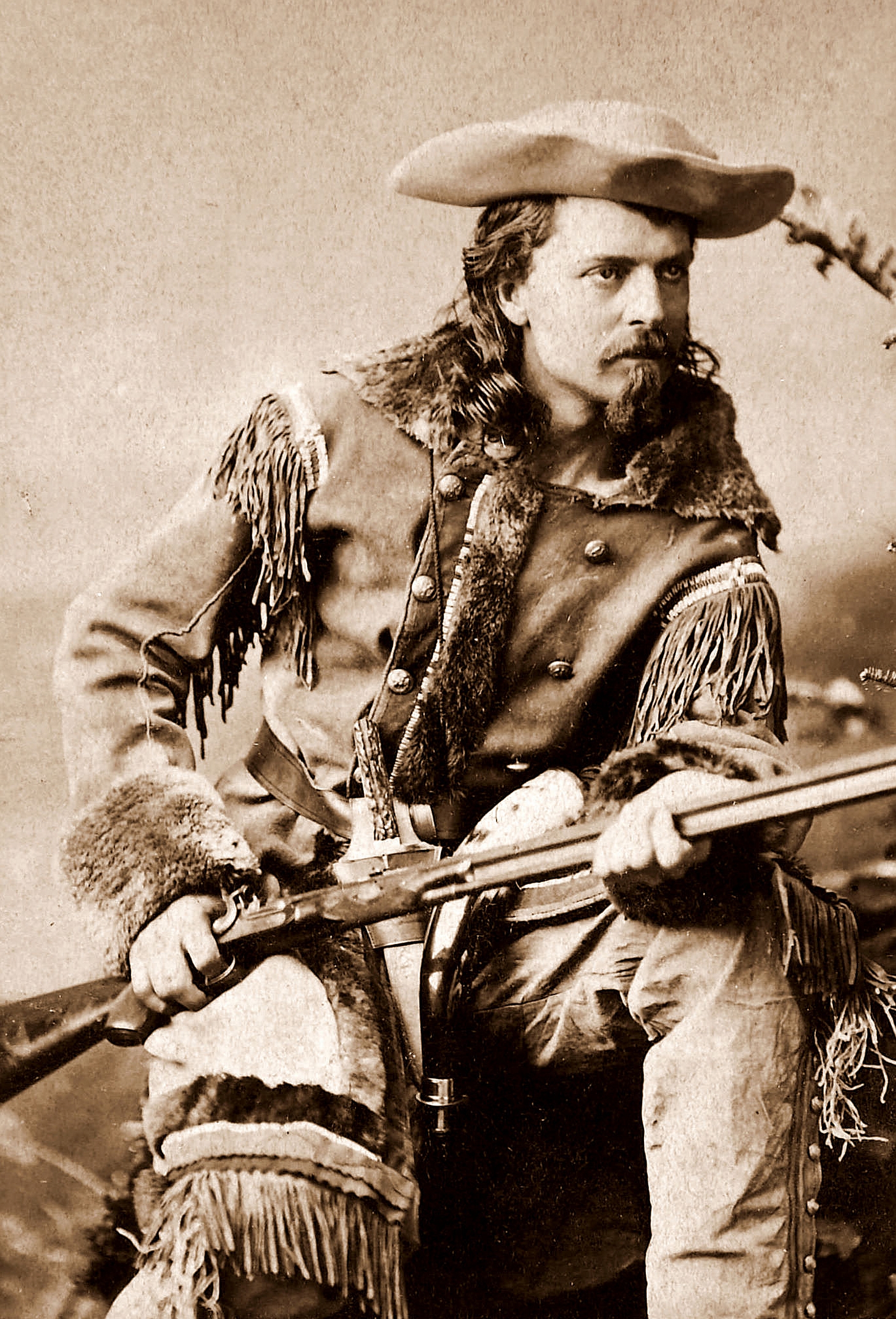
Buffalo Bill has been depicted as the ultimate frontier showman, thanks in part to the dramatization of his Wild West shows. Films present him as a flawless cowboy hero, champion of the frontier spirit. In truth, Cody was an entertainer who crafted his own legend through elaborate performances. His shows exaggerated Native American conflicts and created myths about the West that endure even today. Hollywood simply built on Cody’s own self-promotion, cementing an image that was far from reality.
Wyatt Earp
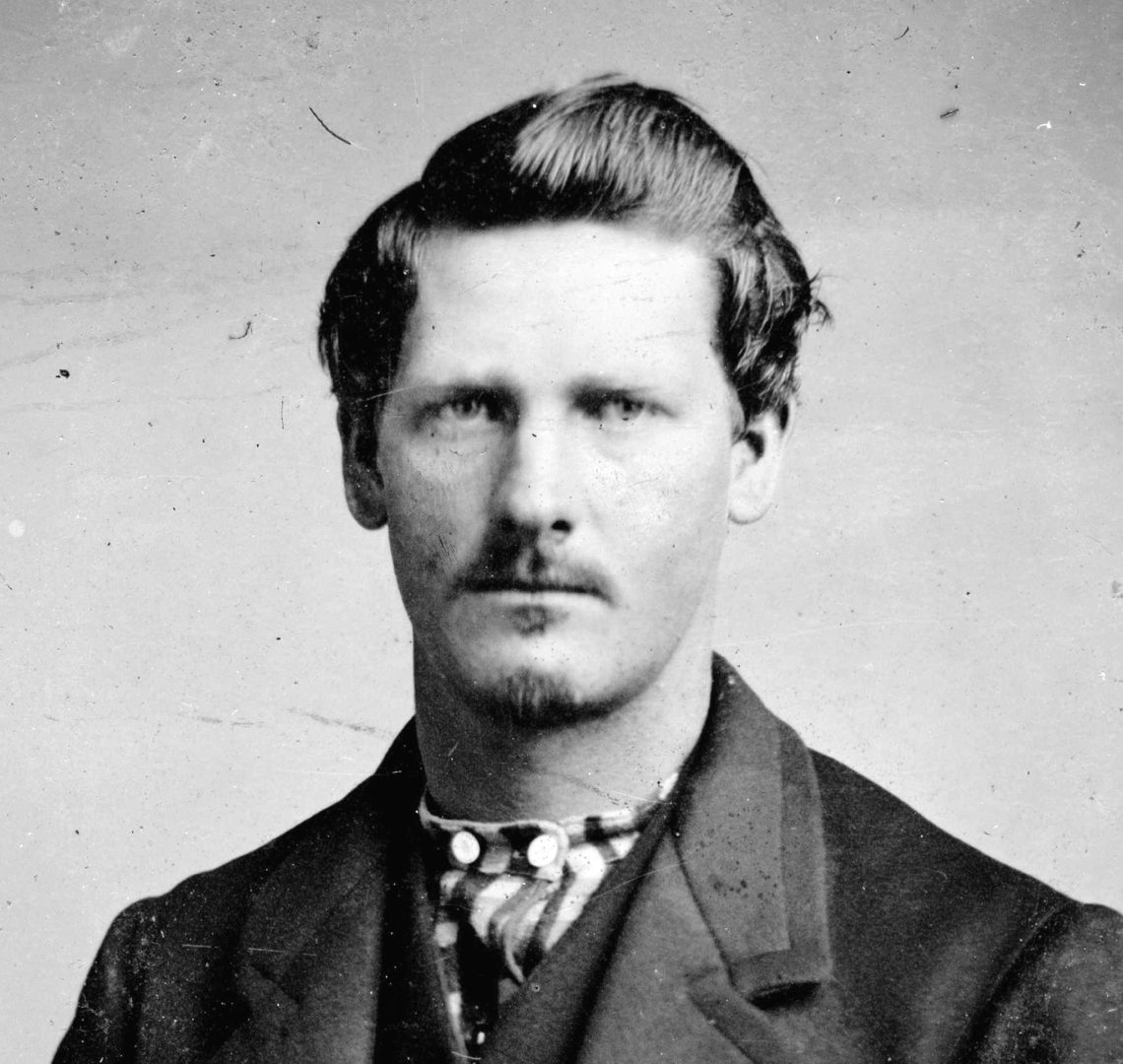
Hollywood has portrayed Wyatt Earp as the ultimate lawman, the calm and righteous hero of the gunfight at the O.K. Corral. Films such as Tombstone and Wyatt Earp depict him as an unshakable defender of justice. Historically, Earp was a far more complicated figure, involved in gambling, saloons, and morally gray ventures. His reputation was burnished in later years, especially by biographies that exaggerated his heroism. The real Wyatt Earp was neither saint nor villain, but Hollywood prefers the cleaner version of a Western hero.
Thomas Jefferson
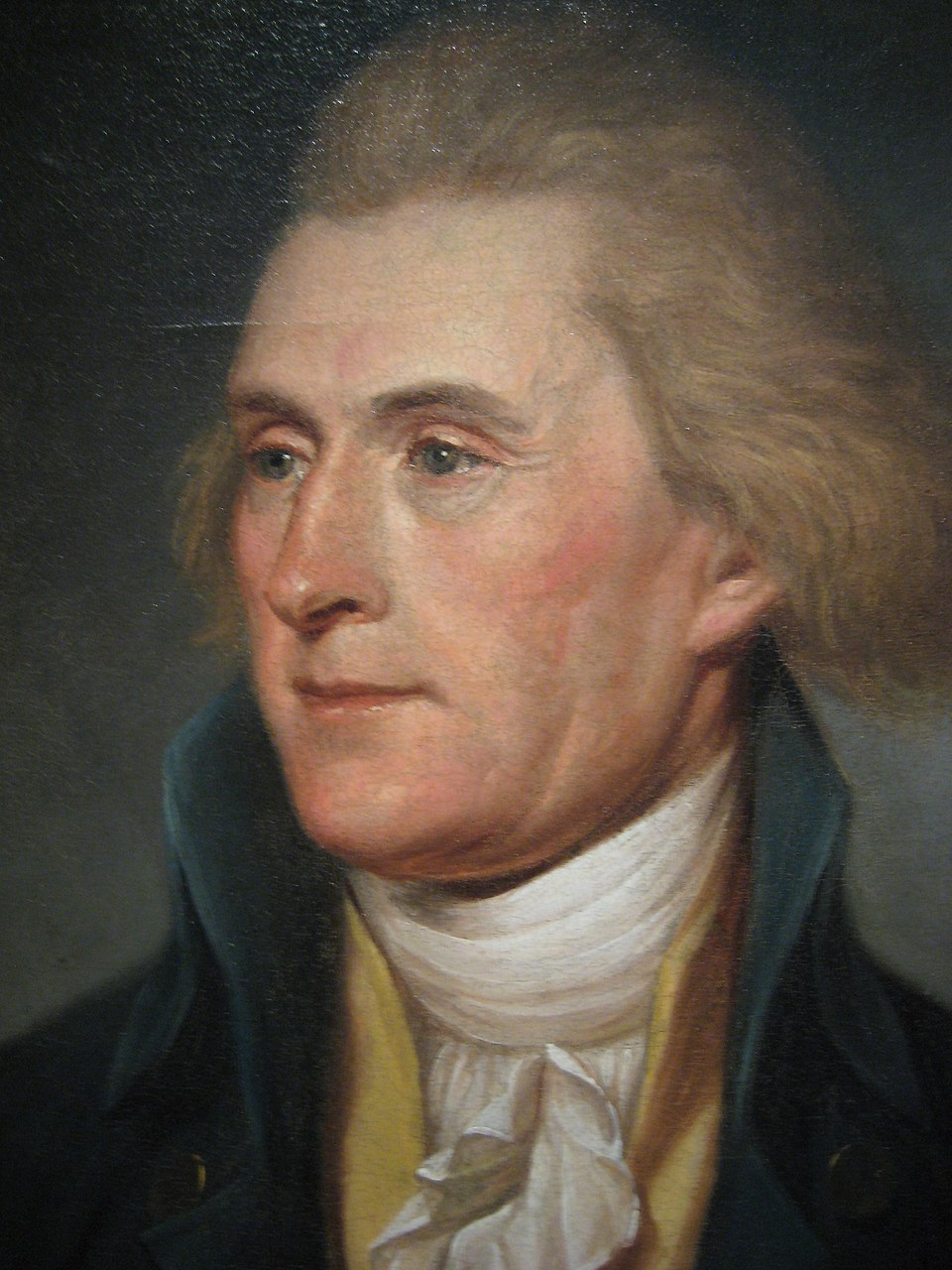
On screen, Thomas Jefferson is often portrayed as a wise, almost saintly founding father, dedicated to liberty and democracy. Films usually emphasize his role in drafting the Declaration of Independence, while leaving out the contradictions of his life. Jefferson was a slaveholder who fathered children with Sally Hemings, one of the women he enslaved. He also struggled with financial mismanagement, leaving his family in debt after his death. Hollywood has rarely grappled with these complexities, preferring to immortalize him as an untarnished statesman.
Amelia Earhart
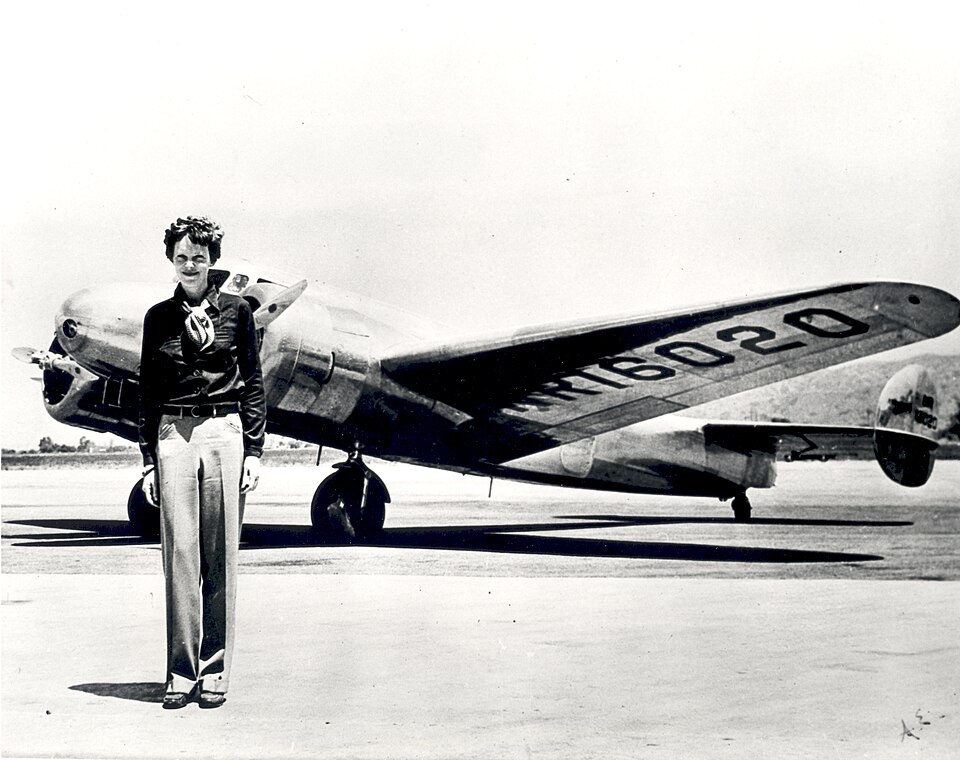
Amelia Earhart has long been depicted in Hollywood as a fearless aviator who vanished mysteriously during her daring final flight. While her bravery is unquestionable, films often turn her into a near-mystical figure rather than a real person with triumphs and flaws. Earhart struggled with funding, mechanical issues, and intense public pressure throughout her career. Her disappearance remains a subject of endless speculation, but Hollywood usually leans into mystery over fact. The result is a larger-than-life character who overshadows the determined, grounded woman she actually was.
Billy the Kid
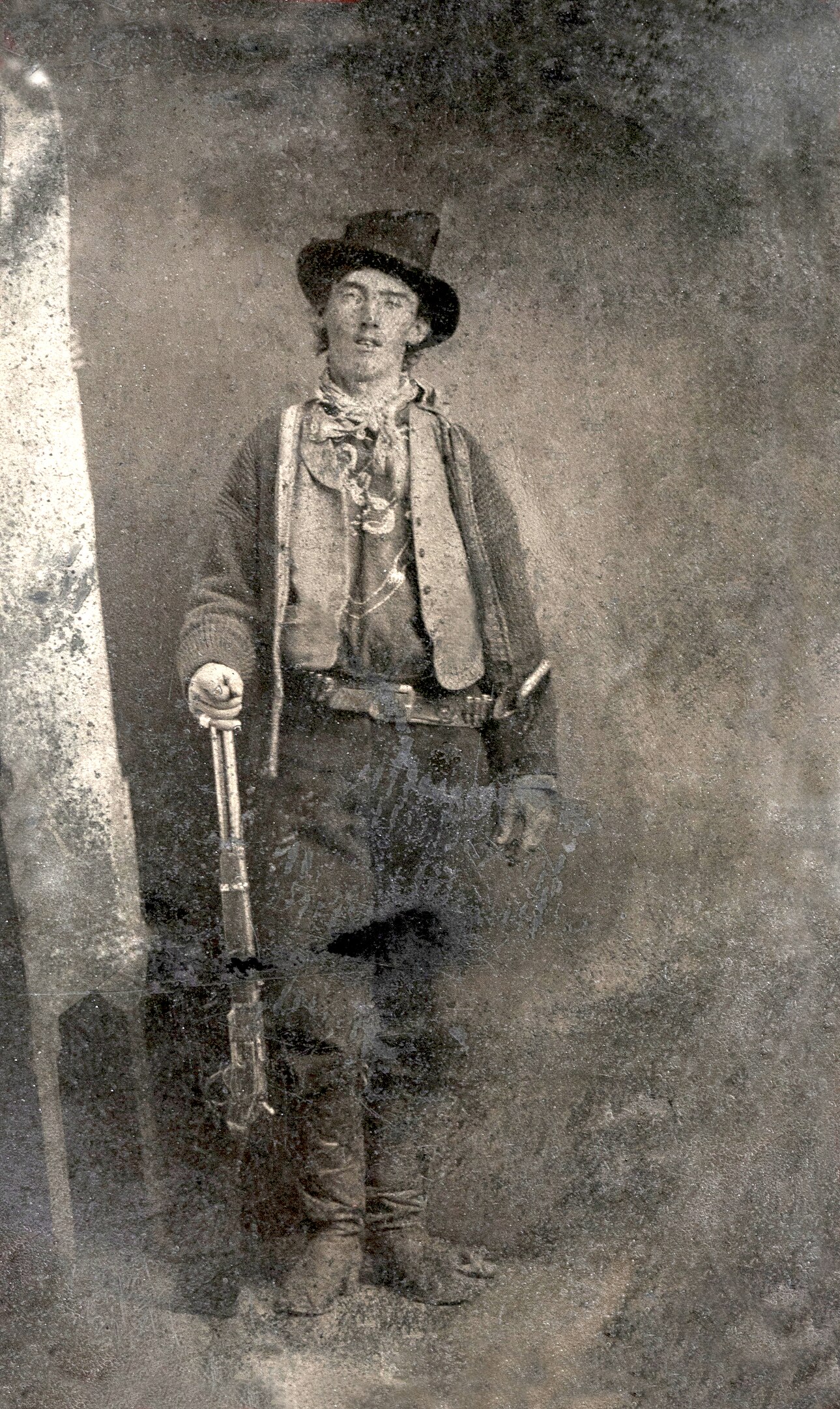
Hollywood has painted Billy the Kid as a reckless outlaw gunslinger, living fast and dying young in a blaze of glory. While he was indeed involved in violence during the Lincoln County War, the reality was less glamorous. He was a teenager who grew up in poverty and found himself caught in the chaos of frontier conflict. Many of the shootouts attributed to him were exaggerated or fabricated. By exaggerating his exploits, Hollywood has turned him into a romantic outlaw legend rather than the desperate young man he was.
George Armstrong Custer
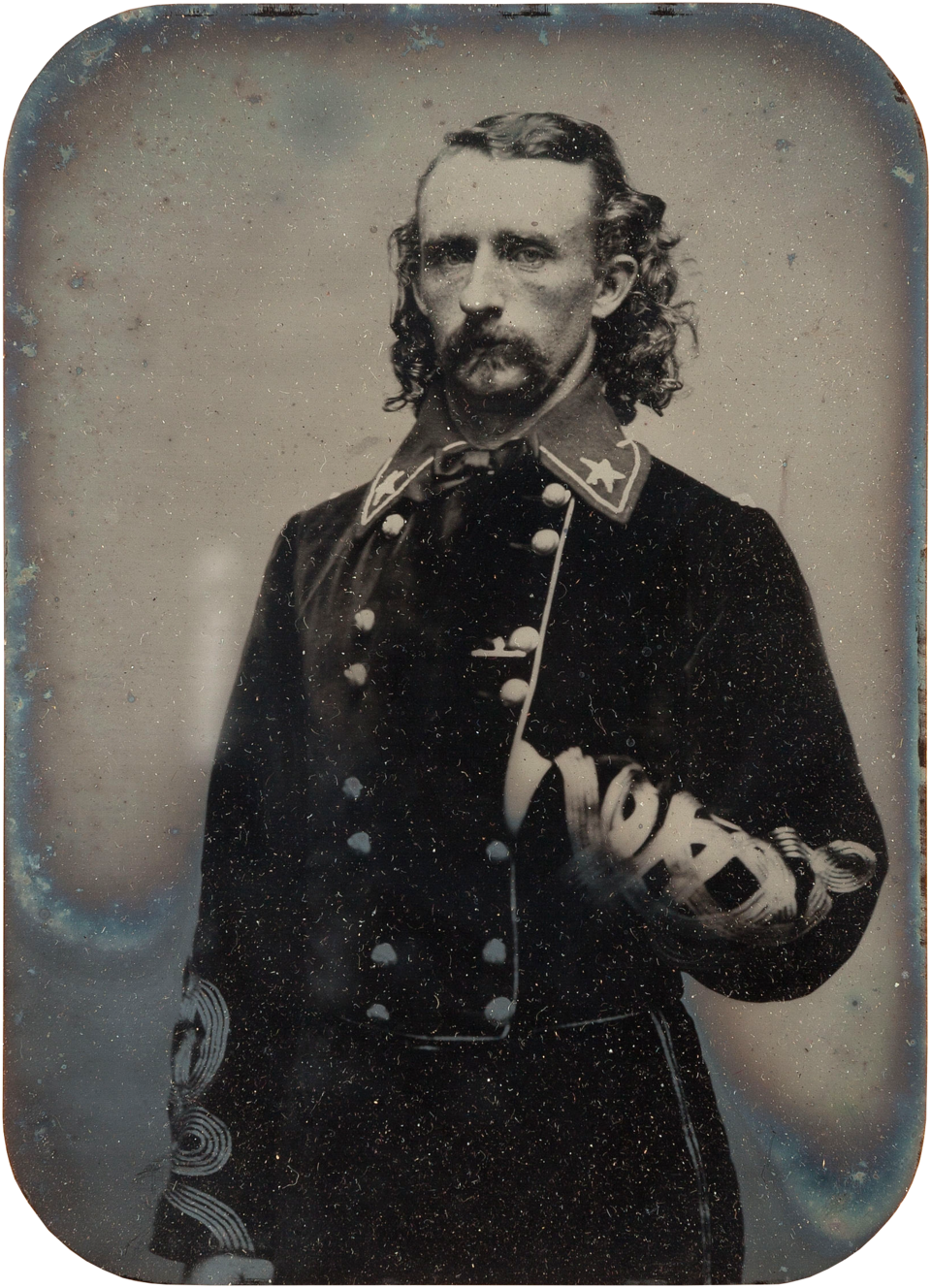
Custer is often portrayed as a brave military leader cut down in his prime at the Battle of Little Bighorn. Films depict him as a tragic hero surrounded by overwhelming odds. In reality, Custer’s recklessness and poor leadership contributed significantly to his defeat. He underestimated Native American forces and ignored warnings from scouts. Hollywood’s sympathetic portrayals gloss over his arrogance and the devastating consequences of his decisions.
Howard Hughes
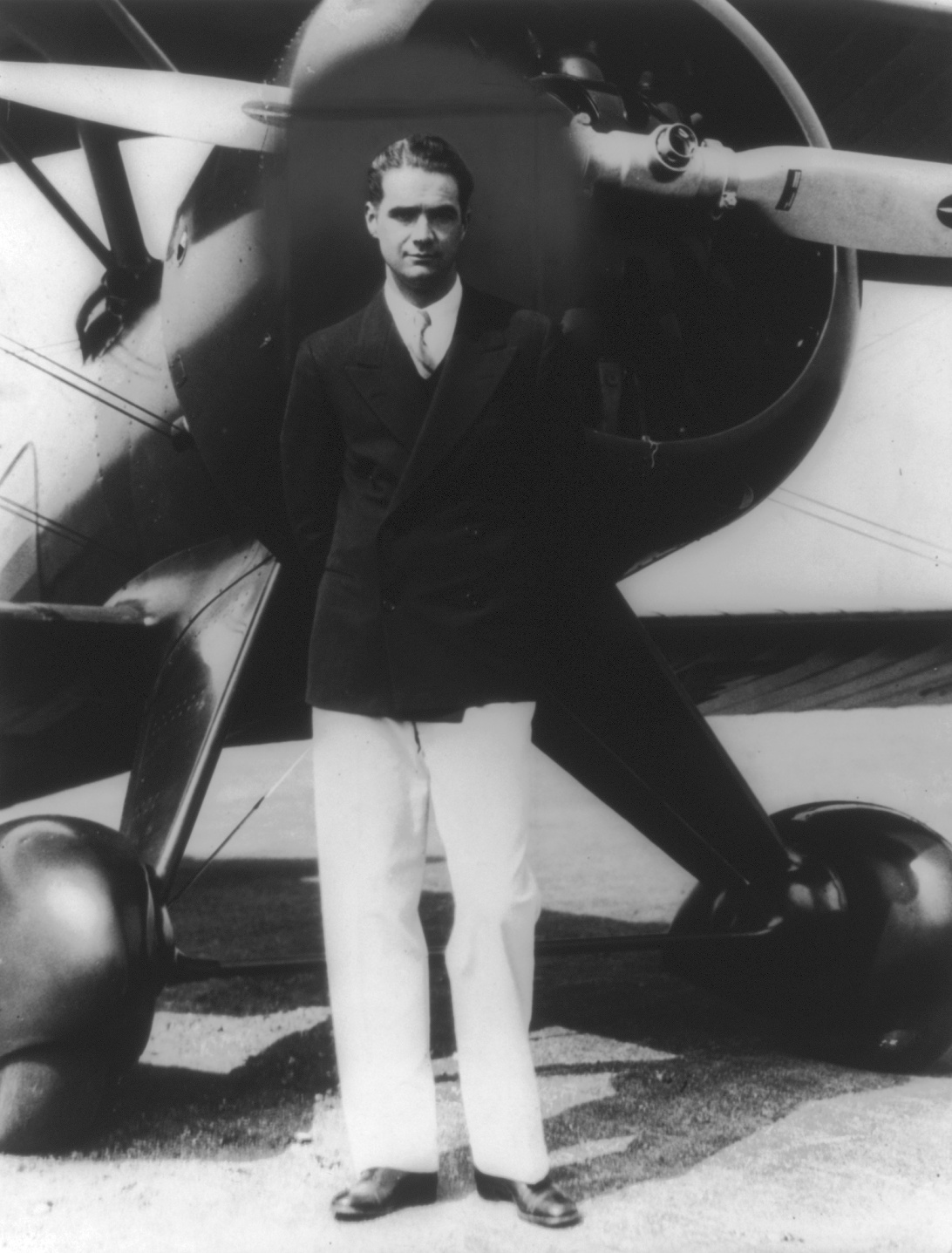
Howard Hughes is frequently depicted as a brilliant but eccentric genius, with films focusing on his aviation triumphs and reclusive later years. While The Aviator captured some of his obsessive-compulsive tendencies, much of his darker behavior was softened for audiences. Hughes became increasingly paranoid, controlling, and isolated, particularly in his later life. His mistreatment of women and employees rarely makes it into the cinematic versions. Hollywood prefers to emphasize his innovation and eccentricity while downplaying the toll his struggles took on others.
John F. Kennedy
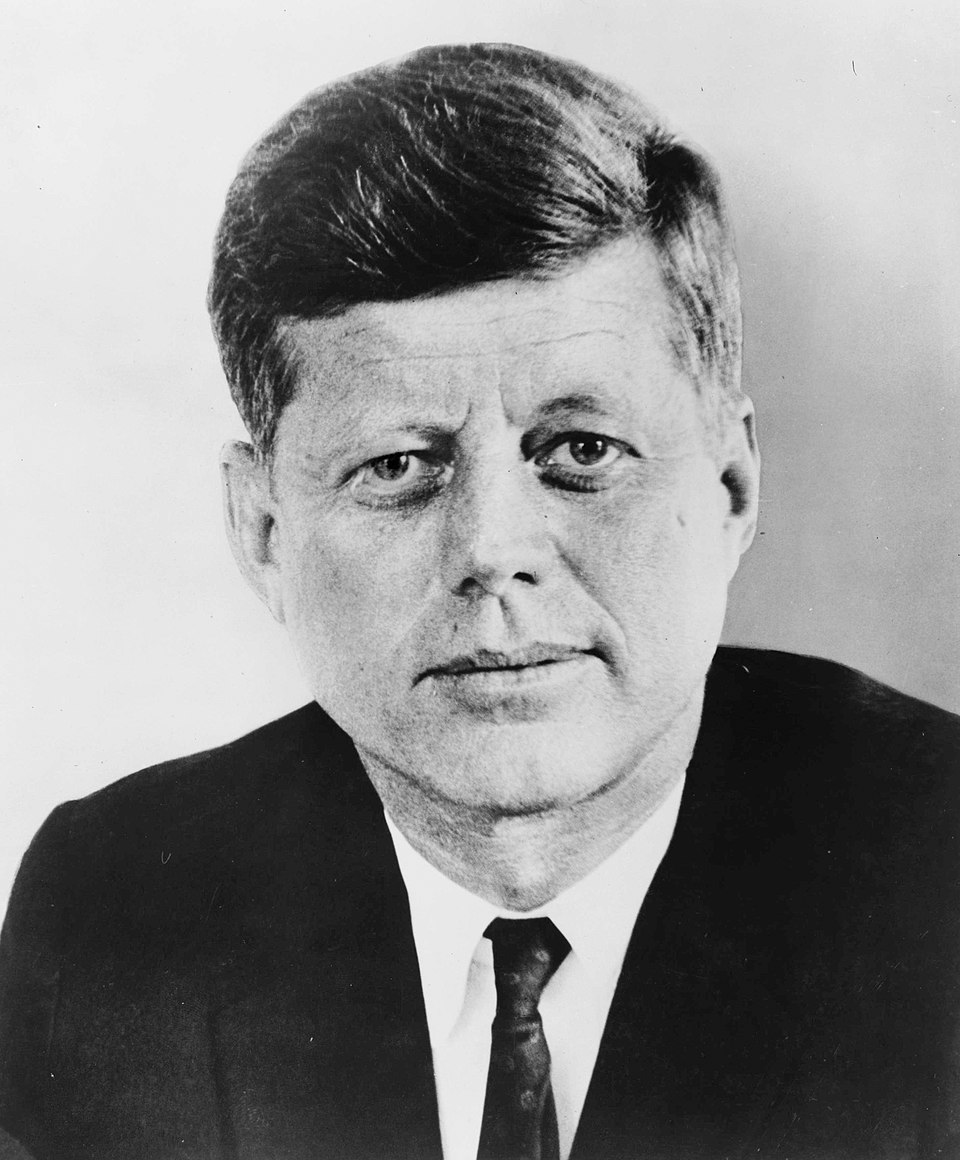
Hollywood’s portrayals of John F. Kennedy often highlight his charisma, wartime heroism, and tragic assassination. While much of this is true, films often neglect the full picture. Kennedy’s presidency included serious challenges, from the Bay of Pigs fiasco to his struggles with chronic illness, which was kept hidden from the public. His personal life, particularly his affairs, is usually minimized in films that prefer to present him as a symbol of youthful optimism. The result is a cinematic version of Kennedy that is more myth than man.
Geronimo
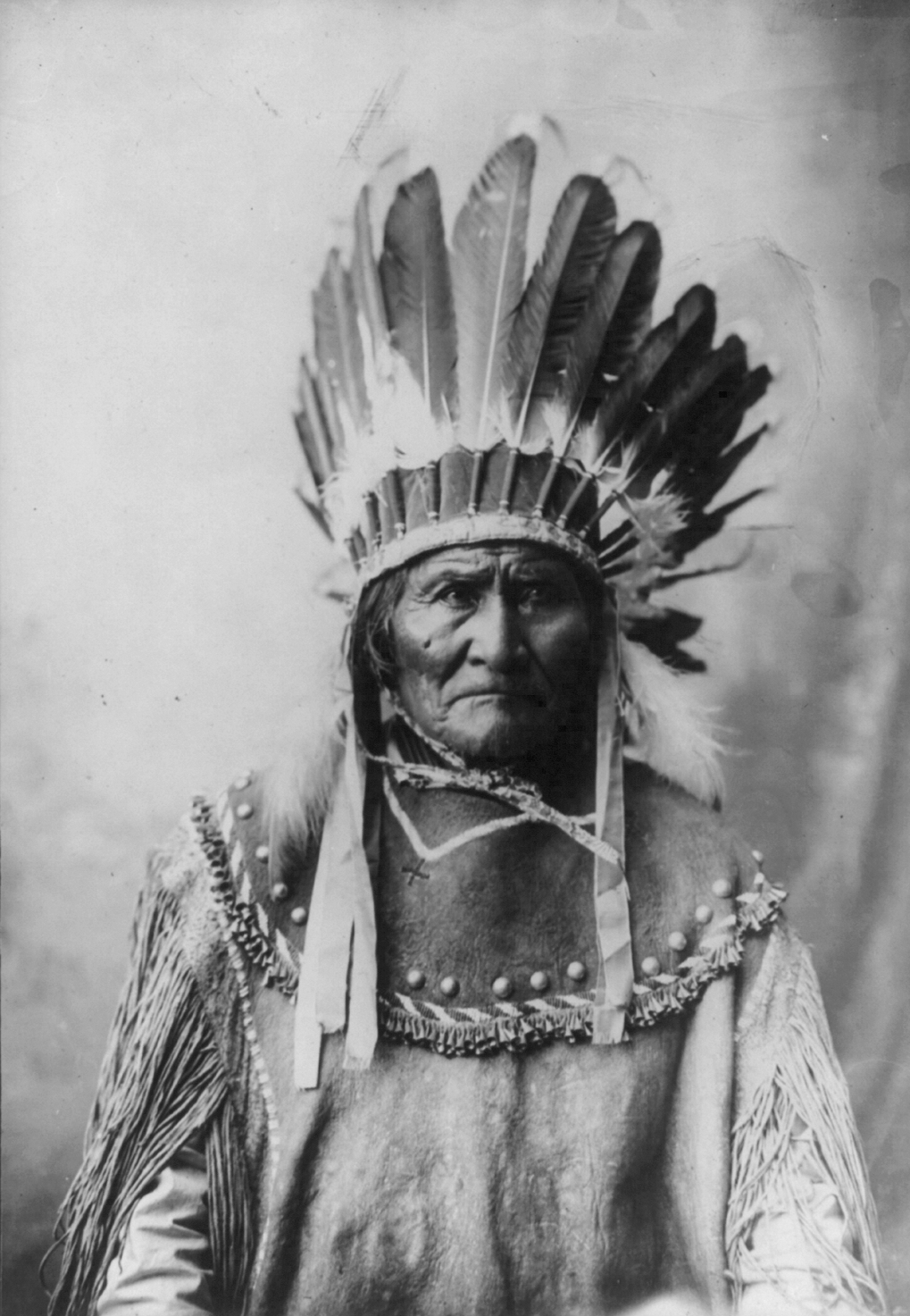
Hollywood has frequently reduced Geronimo to a violent warrior, often ignoring the reasons behind his resistance to U.S. and Mexican forces. Many films depict him as a savage fighter rather than a leader defending his people’s land and way of life. Geronimo endured the deaths of family members and the forced relocation of his people, fueling his determination to resist. By stripping away his context, Hollywood has perpetuated stereotypes rather than honoring his resilience. The true Geronimo was a complex figure of resistance, not simply a warlike caricature.