The myth of the American outlaw is deeply embedded in U.S. history and culture. Stories of gunfighters, bank robbers, and train heists often paint a picture of violent ends, legendary showdowns, or tragic deaths. Yet many of the country’s most famous outlaws defied expectations, surviving beyond their infamous deeds or dying in surprisingly mundane ways. From the Wild West to early 20th-century crime rings, these figures challenged perceptions of danger, notoriety, and legacy. Their stories reveal that real life often diverged sharply from the legends told in dime novels, films, and folklore.
Billy the Kid (Henry McCarty / William H. Bonney)
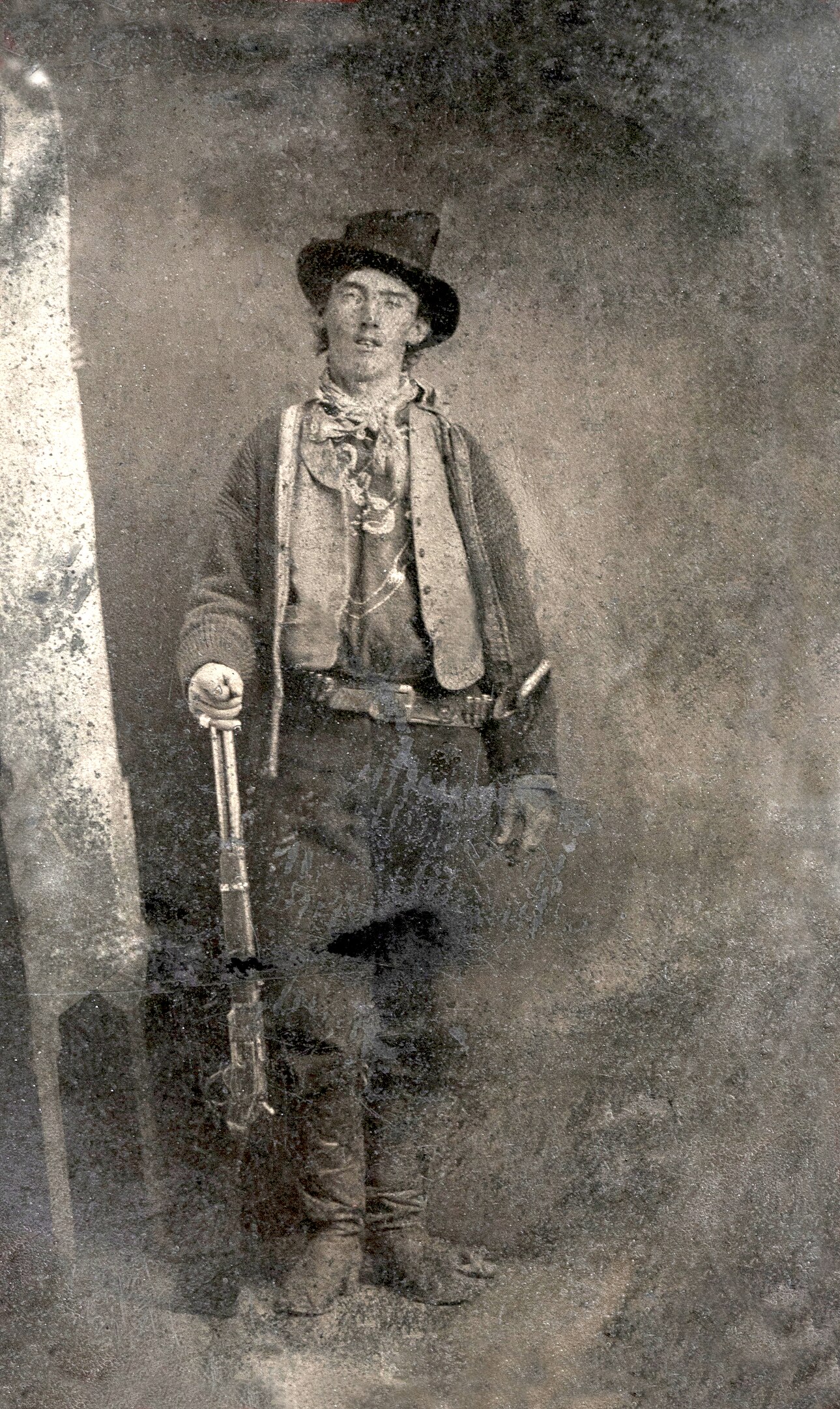
Billy the Kid is remembered as one of the Wild West’s most notorious gunfighters, allegedly responsible for at least eight murders. However, contrary to some myths of dramatic shootouts, he was ultimately shot by Sheriff Pat Garrett in 1881 at Fort Sumner, New Mexico, at the age of 21. Despite his violent reputation, Billy lived a relatively brief life without surviving into old age. The legend, amplified in books and films, often overshadows the reality that he was just a young man caught in a turbulent era.
Jesse James
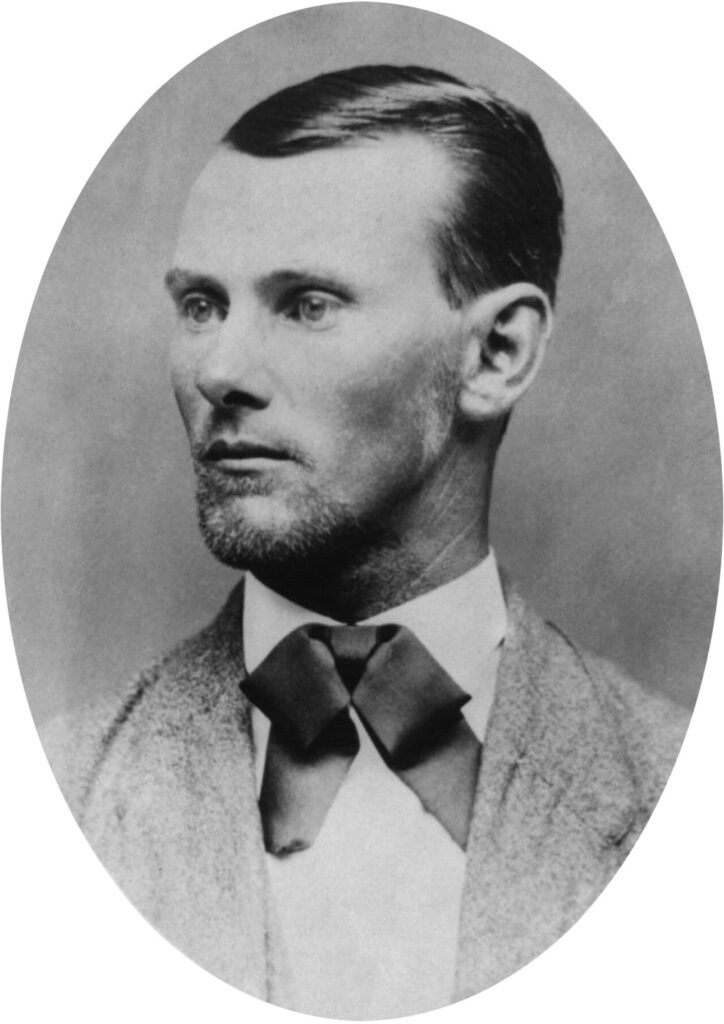
Jesse James is widely portrayed as the daring bank and train robber of Missouri, whose life ended in a cinematic ambush. Unlike the dramatic shootouts of folklore, James was shot in the back by Robert Ford, a member of his own gang, in 1882. His death was sudden and unglamorous, lacking the heroic or vengeful confrontation often associated with his outlaw persona. Public fascination with his exploits grew after his death, turning him into a symbol of rebellion more than a man of legend.
Butch Cassidy (Robert LeRoy Parker)
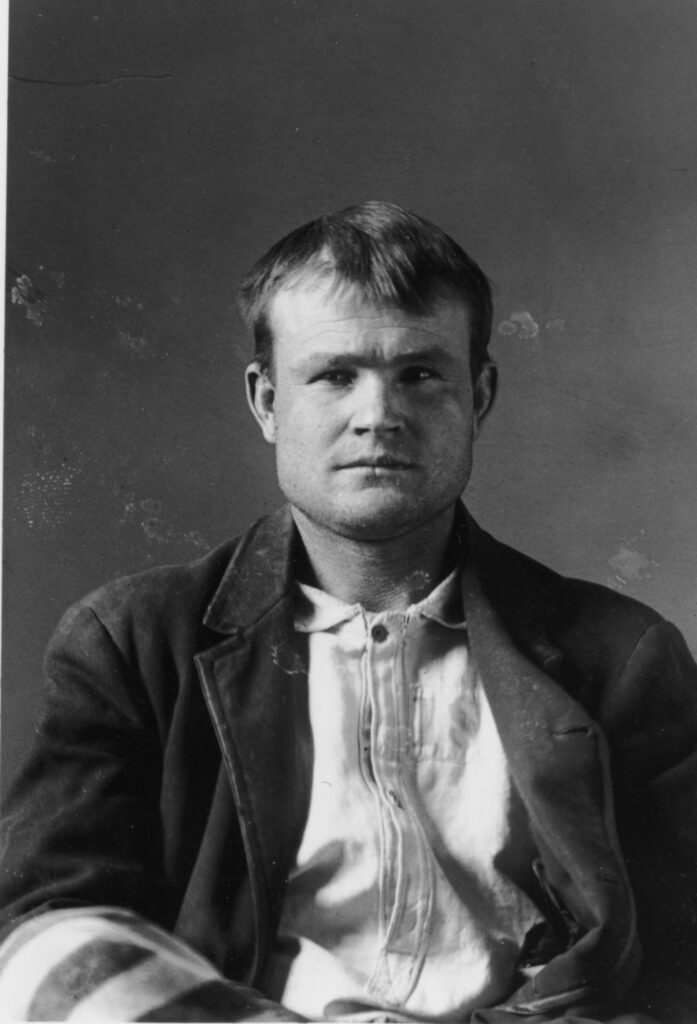
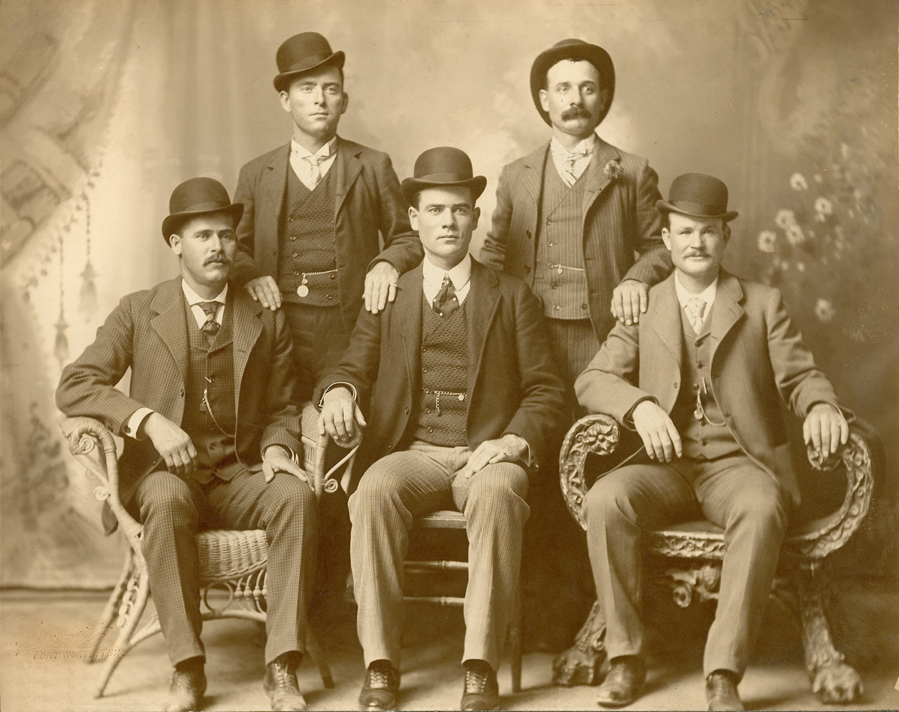
Butch Cassidy led the Wild Bunch gang and became famous for bank and train robberies in the 1890s. Many assume he died in Bolivia in a shootout in 1908, but evidence remains inconclusive. Some historians suggest he may have survived under a new identity, living quietly in the U.S. decades later. Cassidy’s fate contrasts with the violent deaths expected of his peers, highlighting the mystery surrounding some outlaws’ ultimate ends.
The Sundance Kid (Harry Longabaugh)
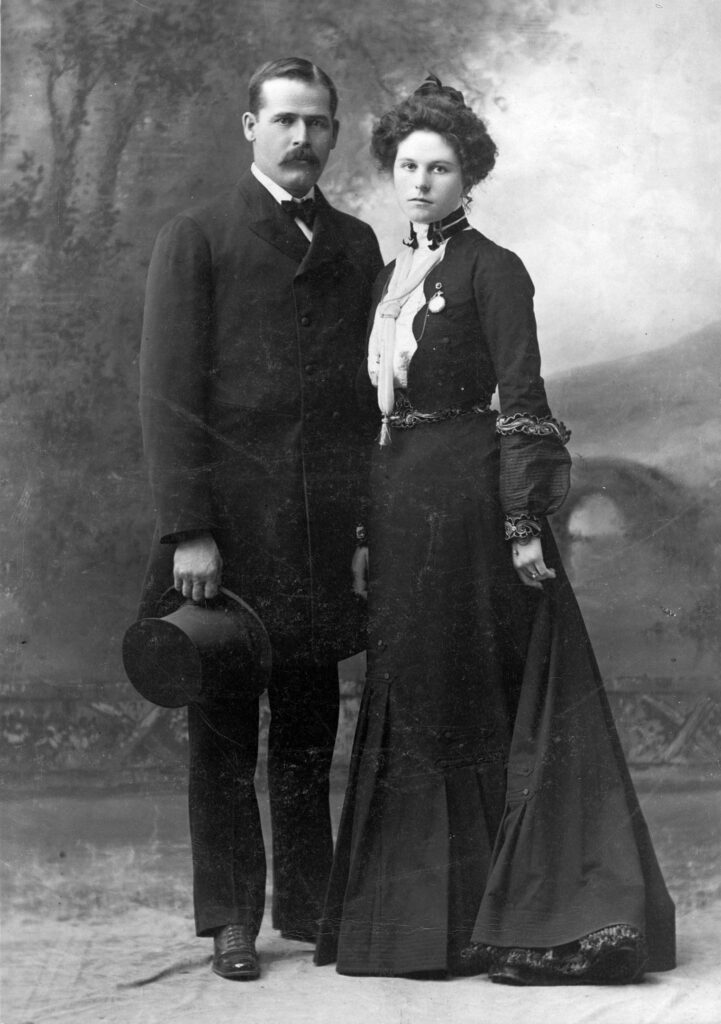
Partner to Butch Cassidy, the Sundance Kid is said to have shared a Bolivian demise in a 1908 shootout. However, similar to Cassidy, some reports claim he returned to the U.S. under an alias and lived a peaceful life. His iconic image in films often emphasizes danger and romance, yet historical evidence leaves open the possibility that he escaped the fate commonly ascribed to him. Reality and legend blur in ways that continue to fascinate historians.
John Dillinger
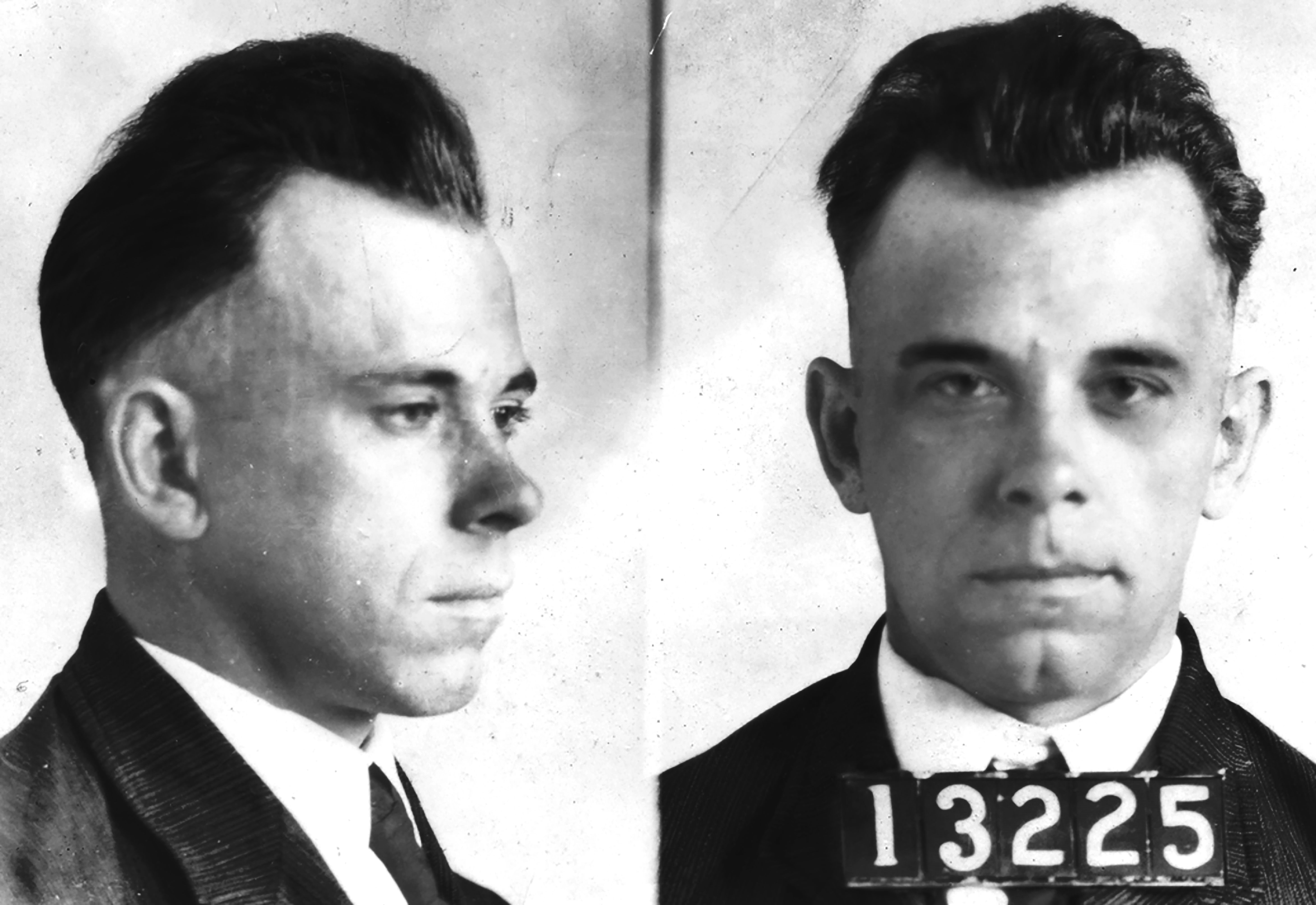
The infamous bank robber John Dillinger dominated headlines in the early 1930s during the Great Depression. Known for daring escapes and high-profile heists, many expected a prolonged criminal career. However, he was ambushed and shot by FBI agents outside Chicago’s Biograph Theater in 1934. His death was sudden, unceremonious, and public, lacking the long-drawn dramatic confrontations seen in fiction. Dillinger’s real story highlights how law enforcement tactics often ended notorious careers abruptly.
Bonnie Parker
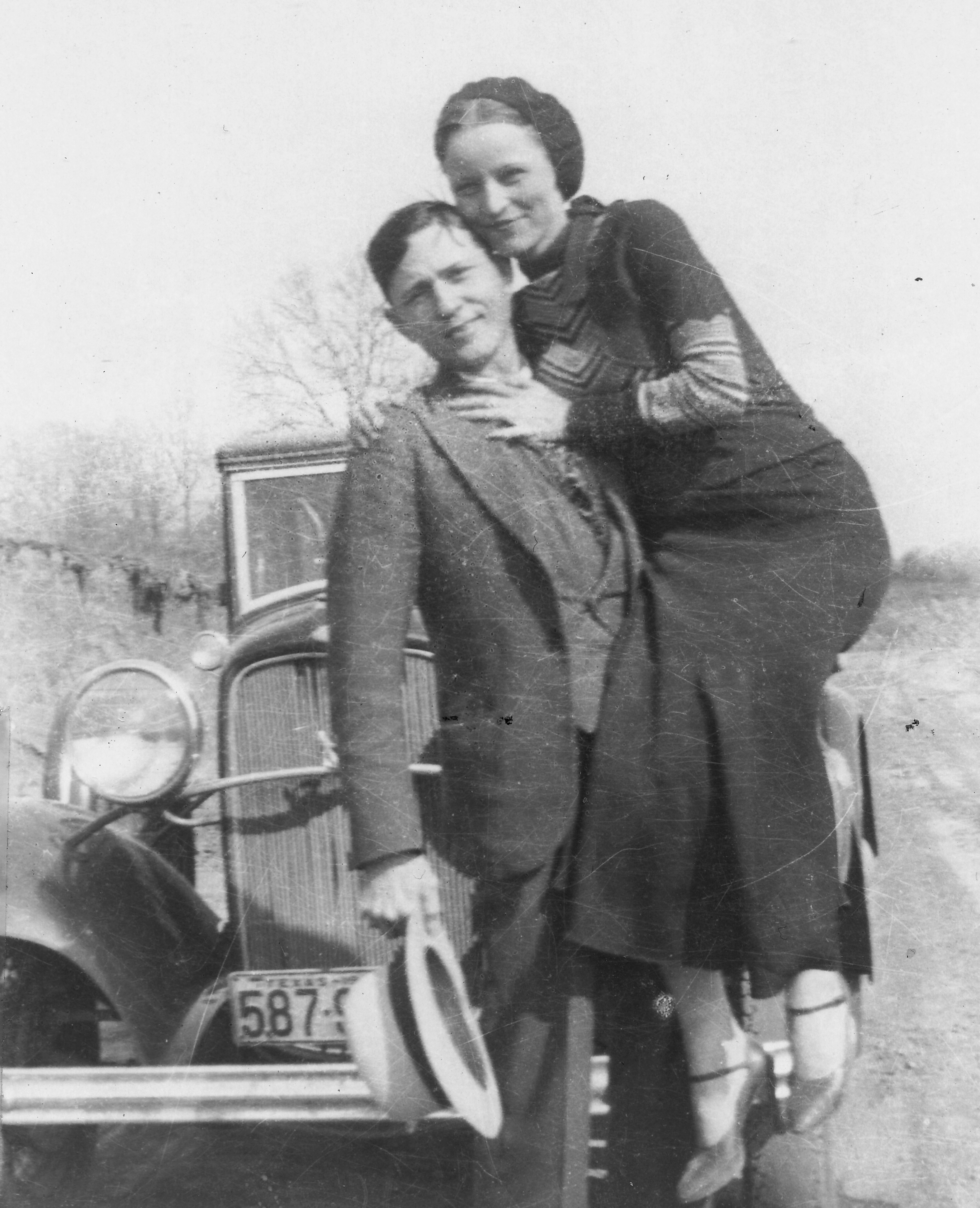
Bonnie Parker, of Bonnie and Clyde, is often imagined dying heroically in shootouts. In reality, she and Clyde Barrow were killed in a law enforcement ambush in Louisiana in 1934. Their deaths were violent but swift, leaving no opportunity for last words or legendary standoffs. The media’s sensational coverage amplified their romanticized image. Behind the legend, the pair’s lives ended decisively, in contrast to the glamorous outlaw stories that linger in popular culture.
Clyde Barrow
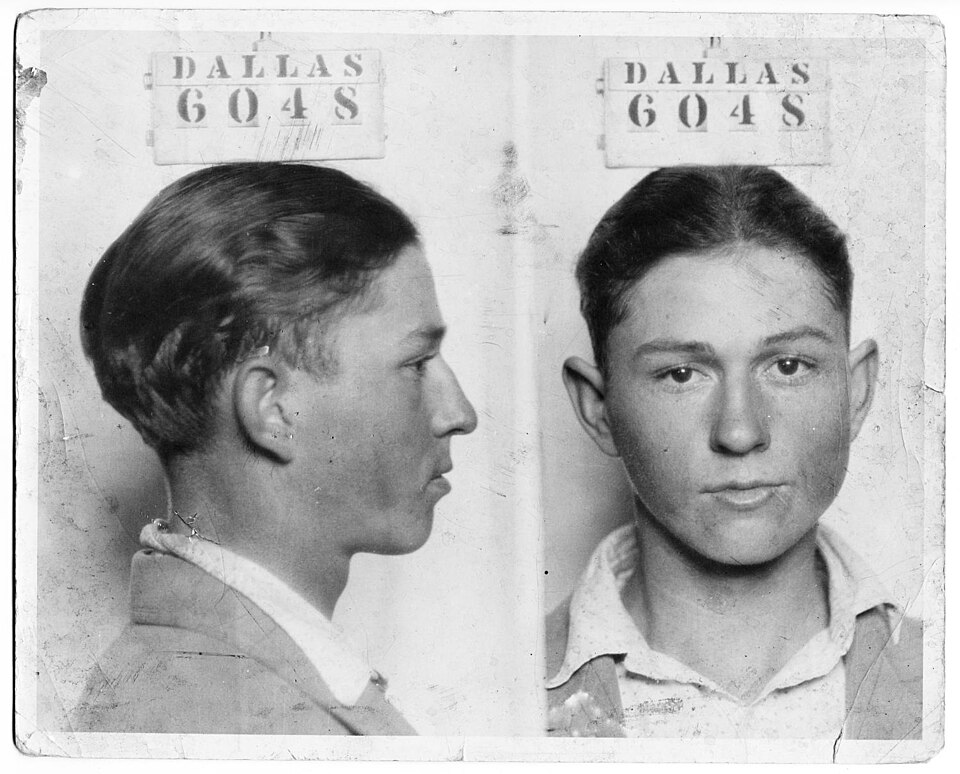
Clyde Barrow, Bonnie’s partner, shared the same fate—shot along with Bonnie in the infamous ambush. The pair’s criminal exploits during the early 1930s included robberies and several murders, but their deaths were more pragmatic than dramatic. Popular culture turned them into symbols of rebellion and forbidden love, though the reality was a stark and violent conclusion orchestrated by law enforcement.
Al Capone
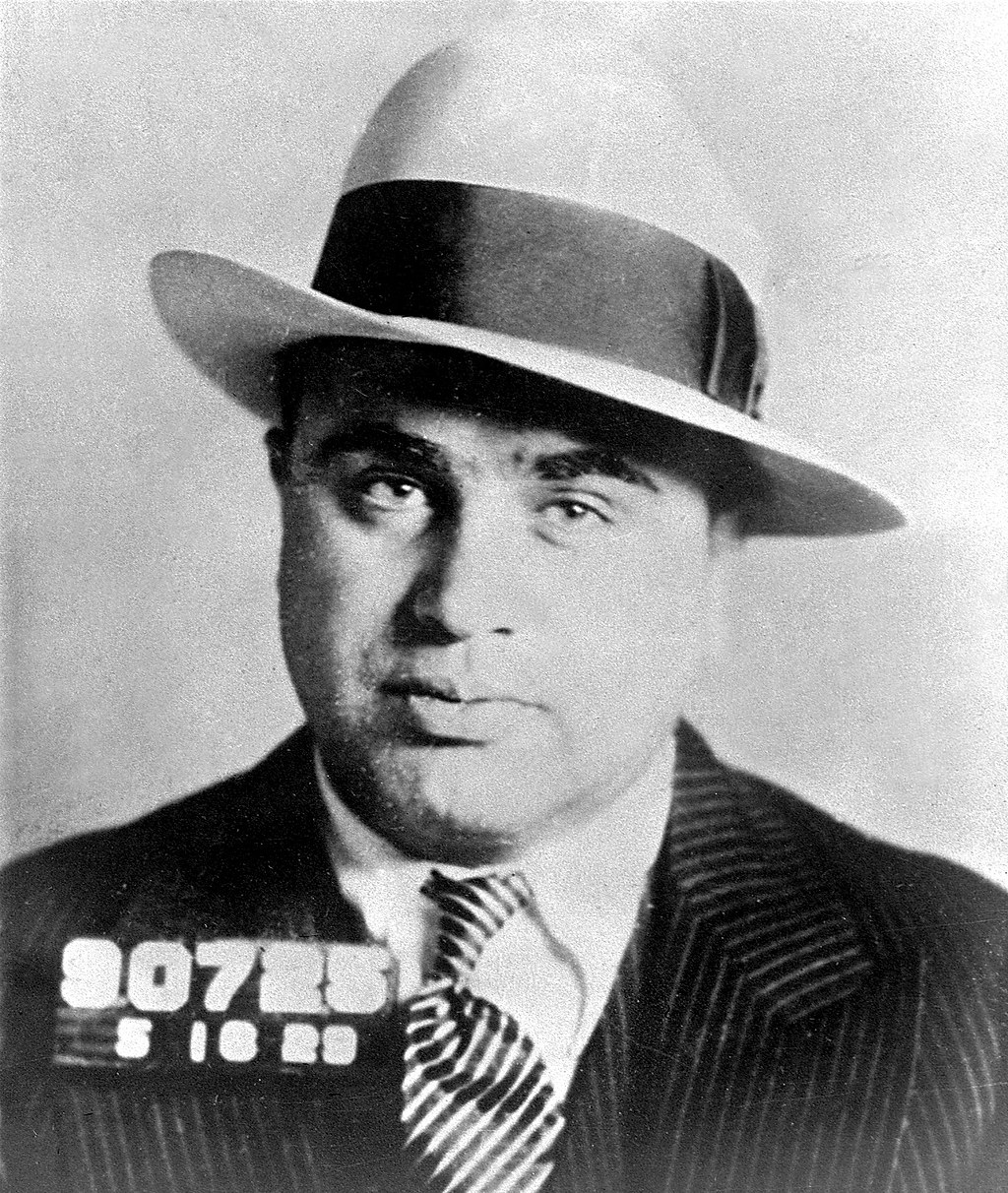
Al Capone, the Chicago gangster and bootlegging magnate of the 1920s, inspired countless films portraying his rise and fall as violent and cinematic. Surprisingly, Capone did not die in a gunfight; he succumbed to complications from syphilis in 1947 at the age of 48. His decline was slow, marked by mental deterioration rather than dramatic violence. The legend of the ruthless mob boss contrasts sharply with his quiet, tragic end.
Machine Gun Kelly (George Kelly Barnes)
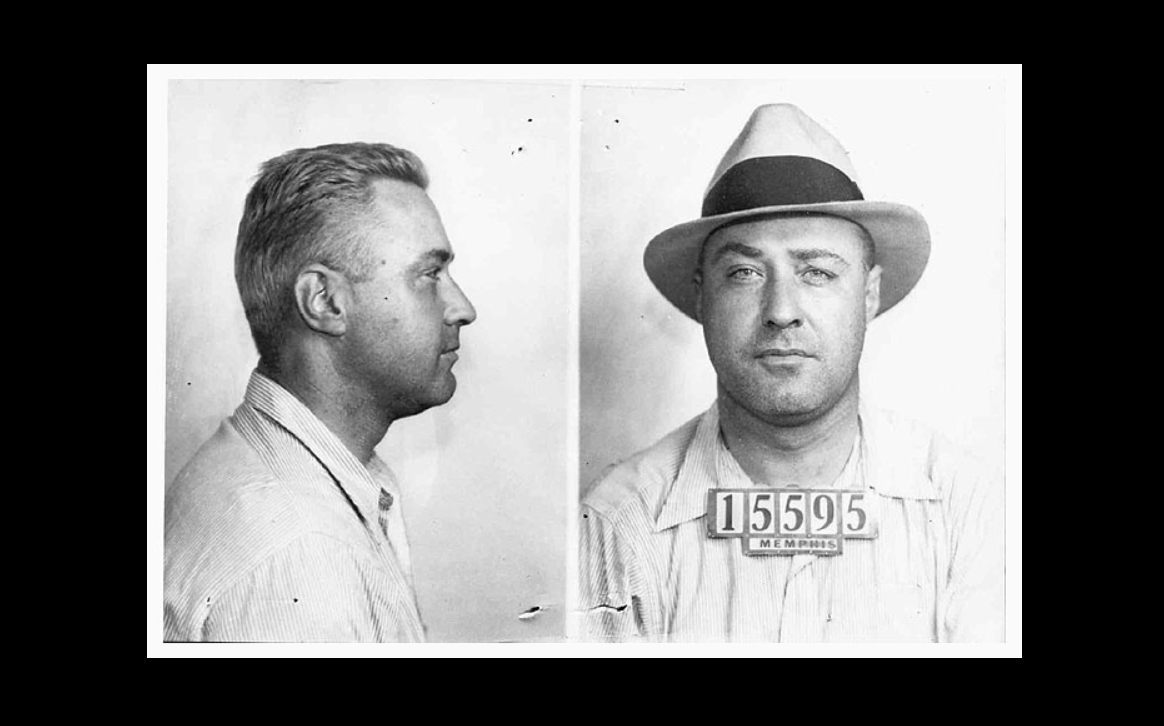
George “Machine Gun” Kelly is remembered for kidnapping and bootlegging during the Prohibition era. Many imagine a violent demise fitting his nickname, but Kelly died of natural causes in prison in 1954. His criminal notoriety contrasted with the mundane reality of his life after capture. Media sensationalism exaggerated his menace, while the truth shows that some outlaws end quietly rather than heroically.
Pretty Boy Floyd (Charles Arthur Floyd)
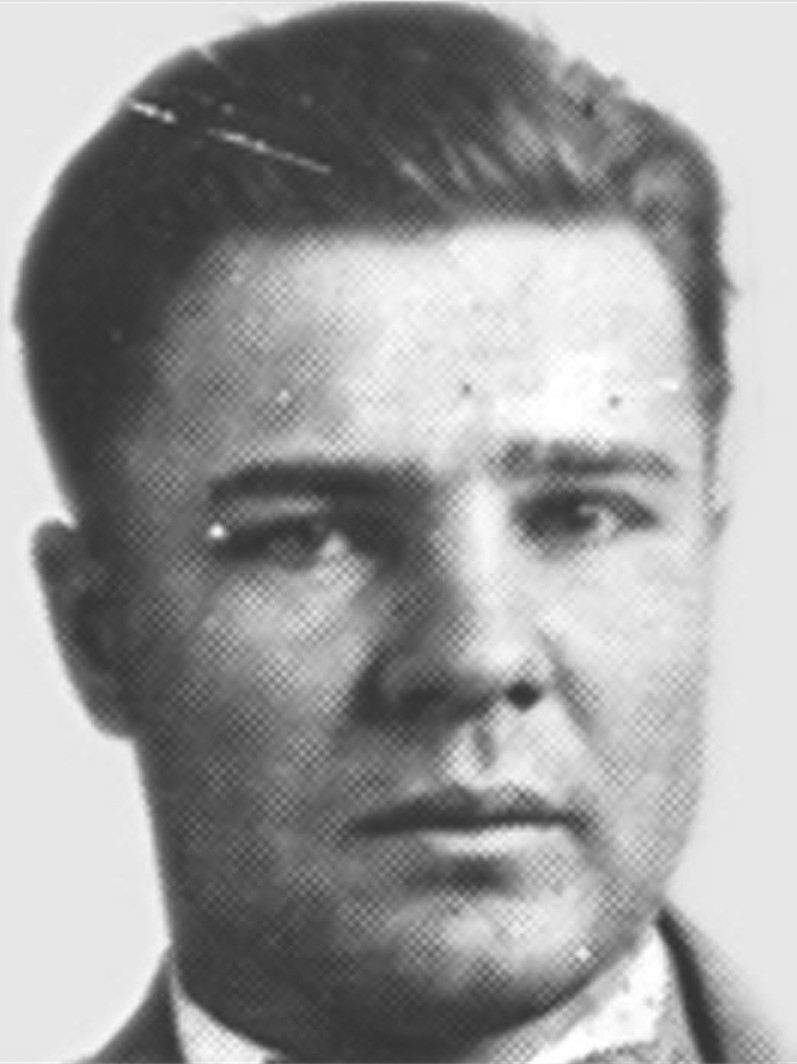
Pretty Boy Floyd, known for bank robberies during the Great Depression, was killed in a police ambush in Ohio in 1934. His image as a Robin Hood figure persists, yet his real death was abrupt and unceremonious. Contrary to romanticized shootouts in films, Floyd had no final grand stand. His life reminds us that public perception of outlaws is often more dramatic than reality.
Black Bart (Charles E. Boles)
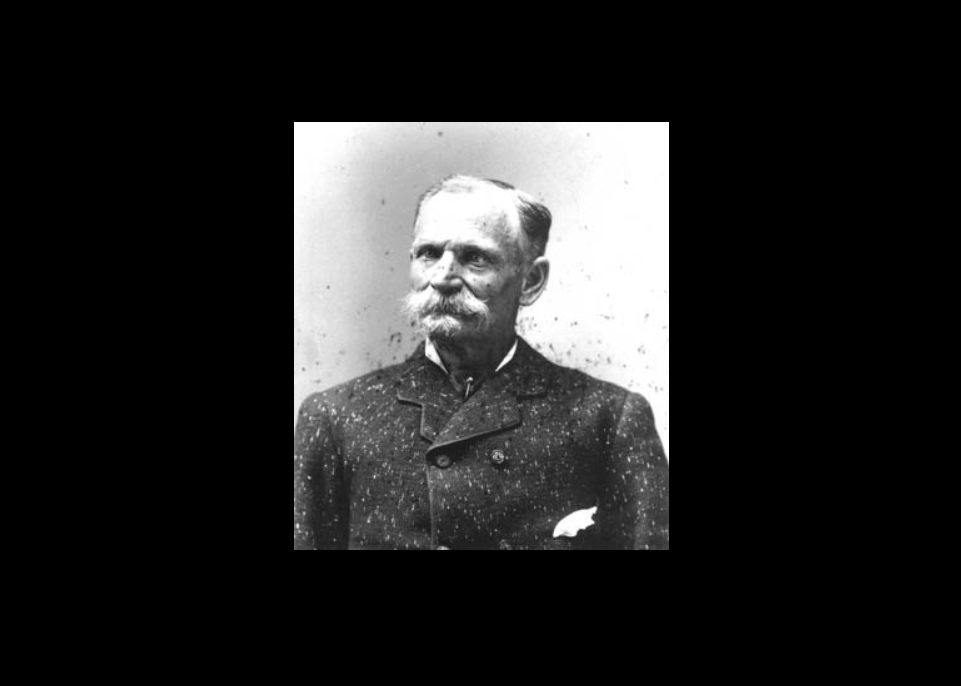
Black Bart was a stagecoach robber in California during the 1870s and 1880s, famous for leaving poetic messages at crime scenes. Unlike the violent ends of most outlaws, he retired quietly after capture and lived out his later years under supervision. He passed away peacefully in 1888 at age 66. Black Bart’s unusual combination of intellect, wit, and longevity defied typical outlaw stereotypes and challenged assumptions about criminal notoriety.