
Family road trips of the 1970s were full of carefree charm, spontaneous adventures, and more than a little chaos. Parents pulled out of the driveway with a map, a cooler, and a car full of unbuckled kids who treated the back seat like a playground. Today’s safety standards, advanced research on injury prevention, and stricter road laws make many of those once-normal habits outright illegal. Looking back at these old traditions reveals just how dramatically travel norms have changed and how much safer families are now compared to those free-wheeling drives of the past.
Letting Kids Roam Freely in the Back Seat
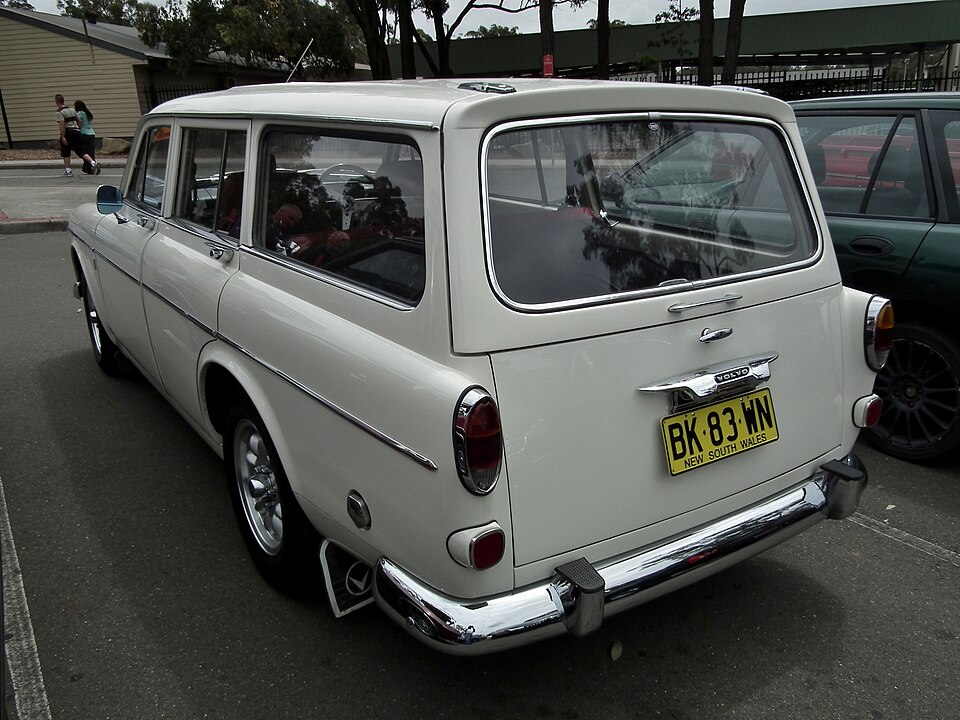
During the 1970s, children treated the back seat like a moving playroom, crawling over seats, lying on the floor, or pressing their faces against open windows. Seatbelt use wasn’t legally enforced nationwide, and many families didn’t bother buckling children at all. Modern safety research shows that unrestrained passengers face exponentially greater risks of severe injury in collisions. Today, strict seatbelt laws and child-restraint requirements make these once-everyday behaviors illegal and highly dangerous.
Riding in the Rear Cargo Area Without Seats
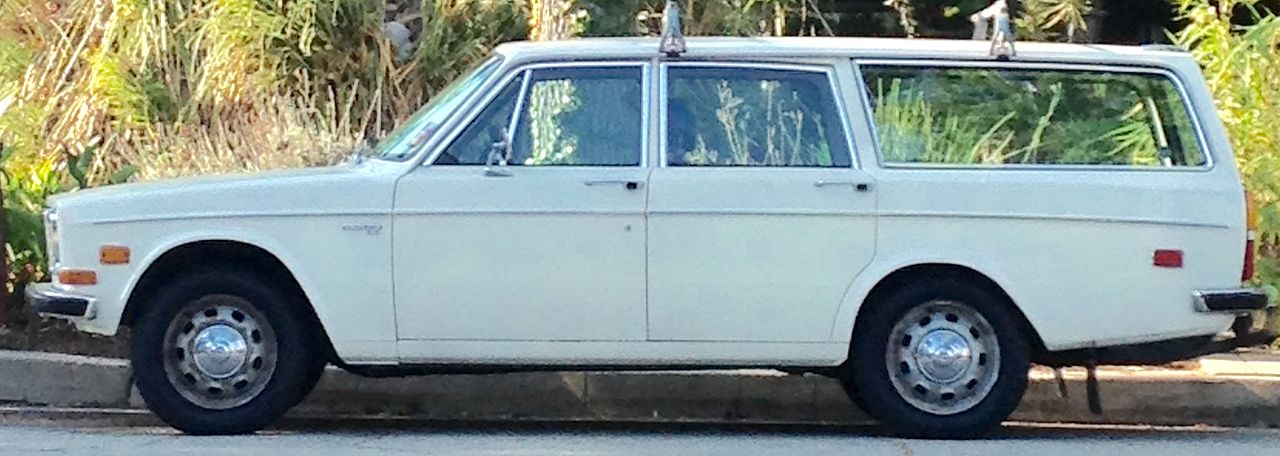
Station wagons were the unofficial family car of the ’70s, and the wide, carpeted cargo area was often the children’s favorite spot. Many kids stretched out with pillows or sat facing backward, completely unrestrained. Current vehicle safety regulations classify cargo-area riding as illegal because it lacks proper seating, seatbelts, and crash protection. What once felt like a cozy hideout is now recognized as one of the most unsafe locations in a vehicle.
Letting Kids Ride in Pickup Truck Beds

In the 1970s, it was common to see children sitting in the open bed of a pickup truck during highway or country-road trips. Parents saw it as harmless fun, especially in rural areas where roads were quiet. Today, child-passenger safety laws prohibit minors from riding in truck beds in most states due to the extreme risk in rollover or rear-impact accidents. The practice is no longer considered adventurous—it’s now a major safety violation.
Driving Without Mandatory Child Car Seats
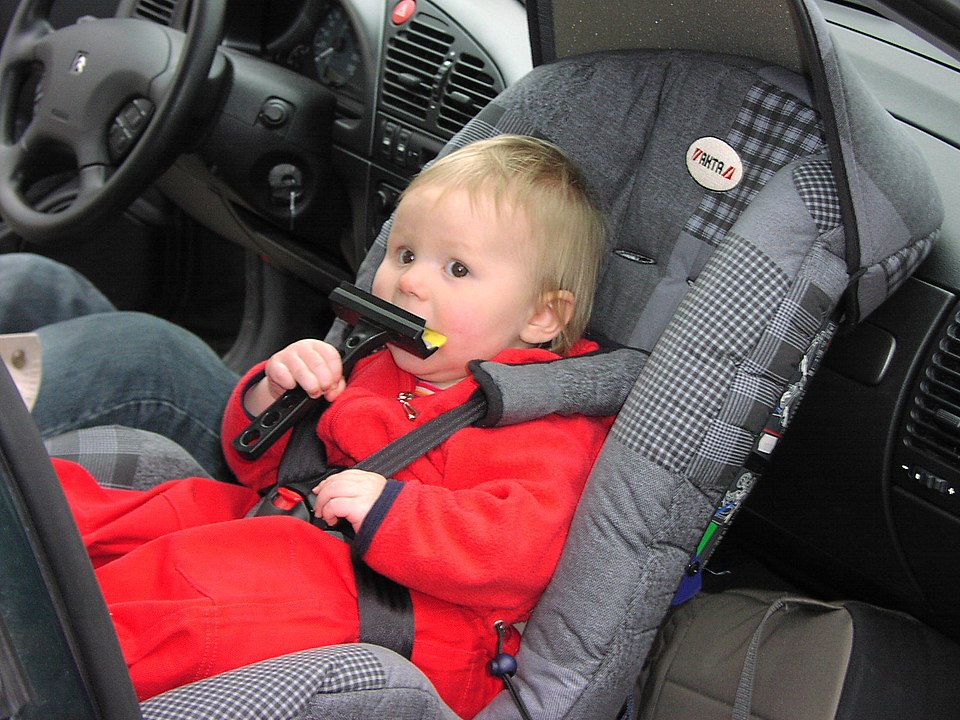
Child-safety seats existed in the 1970s, but they were primarily designed to prevent kids from moving around, not to protect them in a crash. They lacked proper harnesses, anchoring systems, and impact-absorbing structures. By the 1980s and ’90s, regulations transformed car seats into life-saving devices backed by extensive testing. Today, parents are legally required to use age-appropriate restraints, making the old “booster-less freedom” of the ’70s completely illegal.
Parents Driving With a Beer in Hand
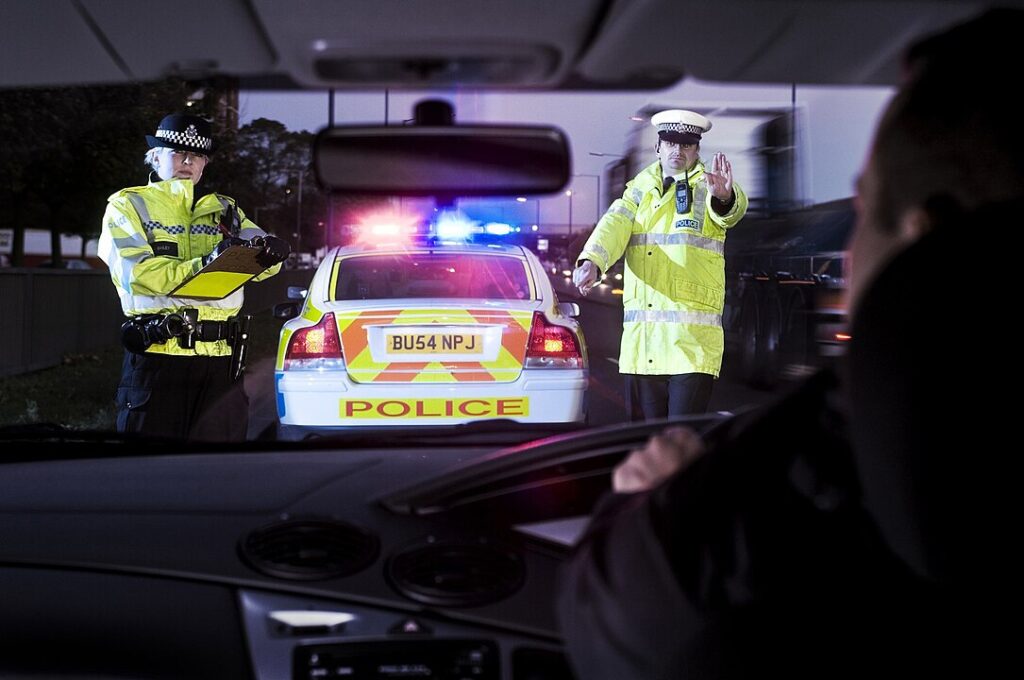
Although drunk-driving laws existed, enforcement in the 1970s was far more relaxed, and open-container laws were inconsistent across states. It wasn’t unusual to see adults drinking a beer while driving on long trips, believing it was harmless as long as they “felt fine.” Today, open-container regulations and strict DUI enforcement make this behavior illegal, and public awareness of alcohol-related crash fatalities has transformed cultural norms about drinking behind the wheel.
Smoking Constantly Inside the Car
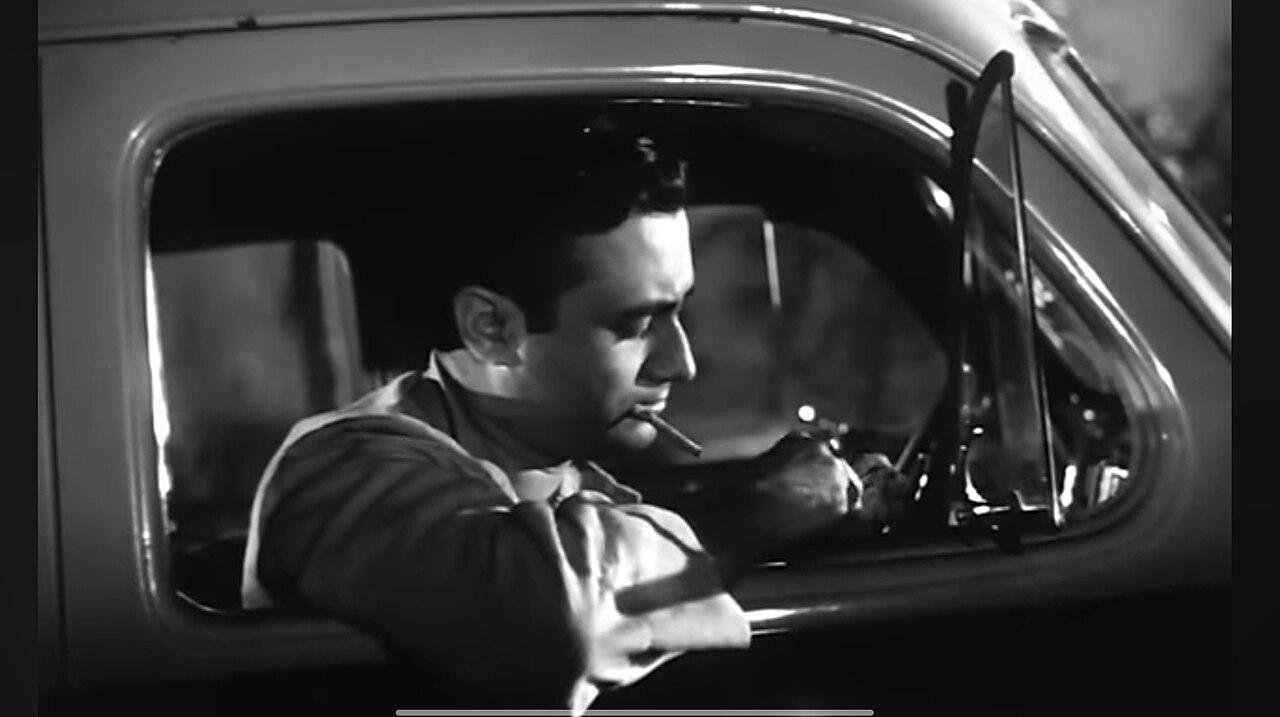
Smoking was widespread in the ’70s, and many parents smoked with the windows barely cracked while kids sat in the back. Research on secondhand smoke was still emerging, so few recognized the health risks. Today, multiple states enforce laws banning smoking in vehicles with minors, reflecting modern understanding of respiratory harm. What was once a road-trip norm is now viewed as a major health violation.
Letting Kids Ride Without Any Restraints on Long Trips
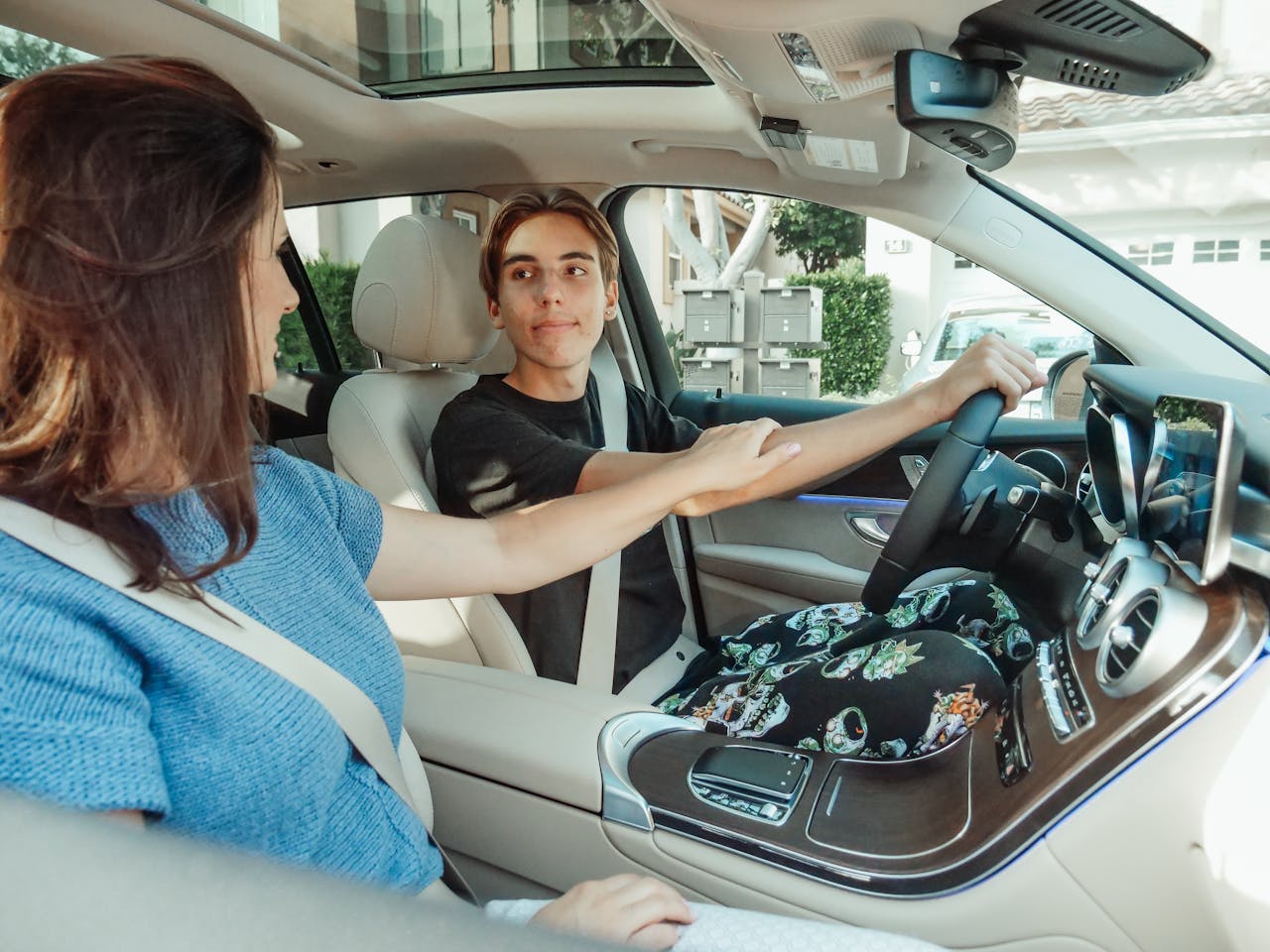
Families often embarked on cross-country road trips with kids napping in the back, lying across benches, or wedged against luggage. Parents believed comfort mattered more than confinement. Today, laws across all states require proper restraints at every moment, no matter the length of the trip. The shift reflects decades of data proving that most serious accidents happen close to home, often during routine drives.
Holding Babies in Arms Instead of Car Seats
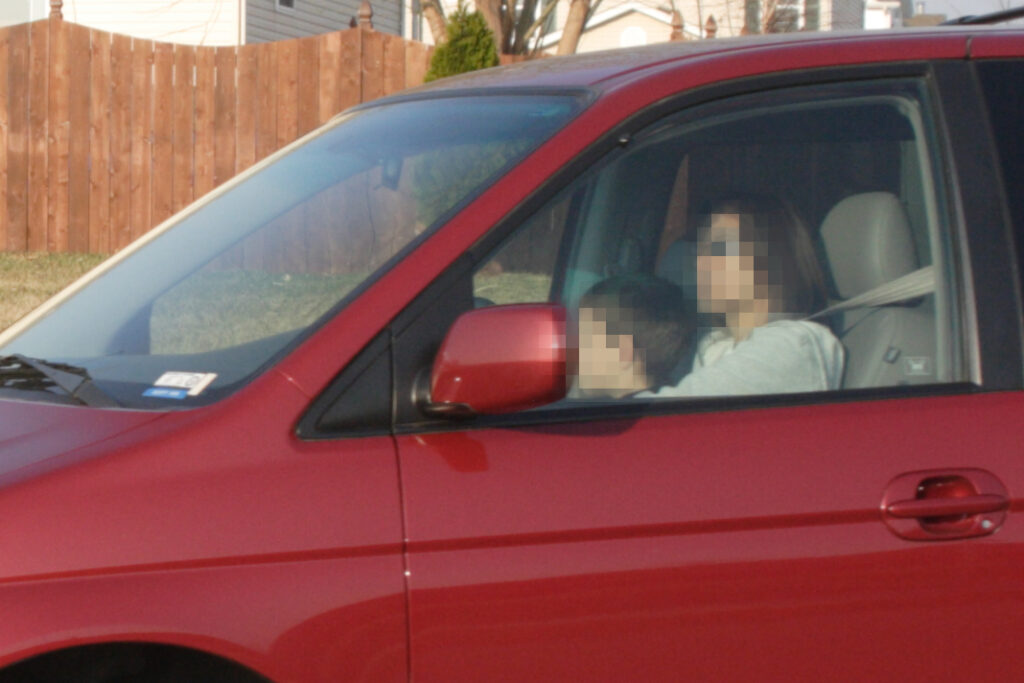
It was common for mothers or older siblings to hold infants during road trips, believing that a tight embrace could protect a baby. Modern testing shows that no human arm can withstand the forces of a crash, even at low speeds. Infant car seats are now mandatory, and hospitals won’t discharge newborns without proof of proper installation. What once felt nurturing is now recognized as dangerously unsafe and illegal.
Overloading Cars Far Beyond Capacity
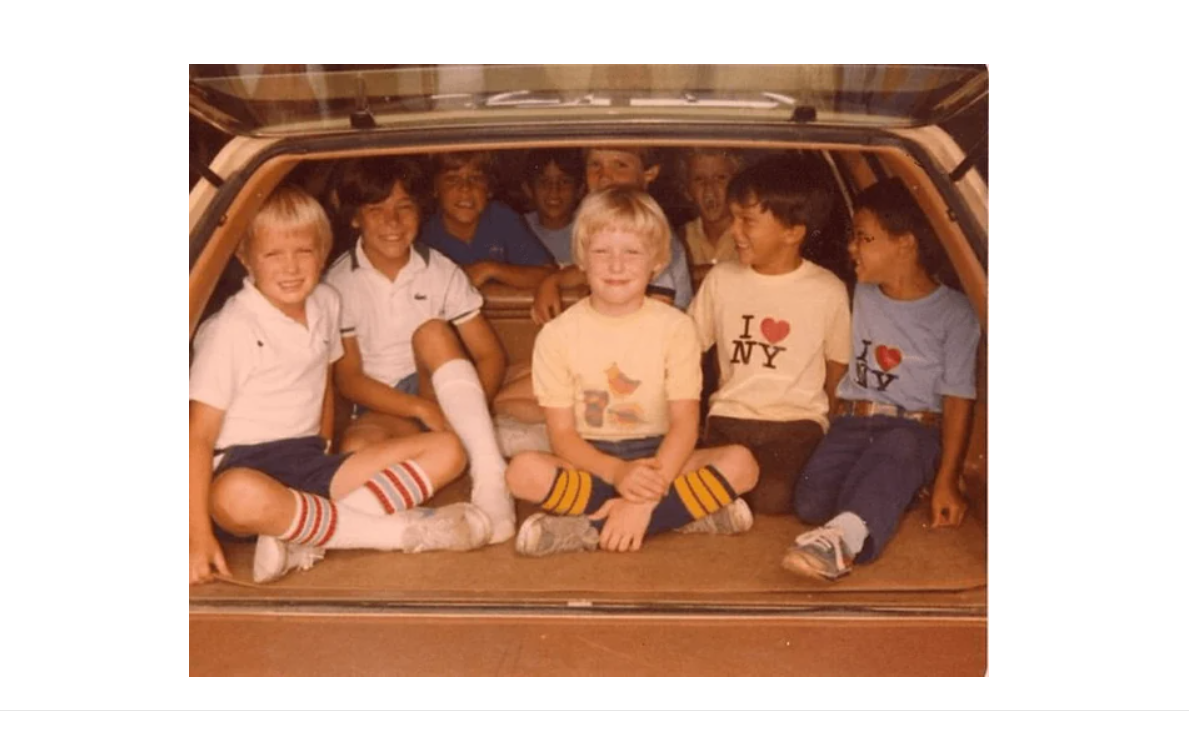
Families often packed cars to the roof with coolers, camping gear, and luggage stacked so high it blocked the rear view. Extra children sometimes squeezed into the car without enough seats, creating unsafe crowding. Today, weight-limit and seating-capacity laws make such setups illegal due to rollover risk and lack of restraints. Modern vehicle manuals emphasize strict adherence to capacity guidelines to ensure safe handling.