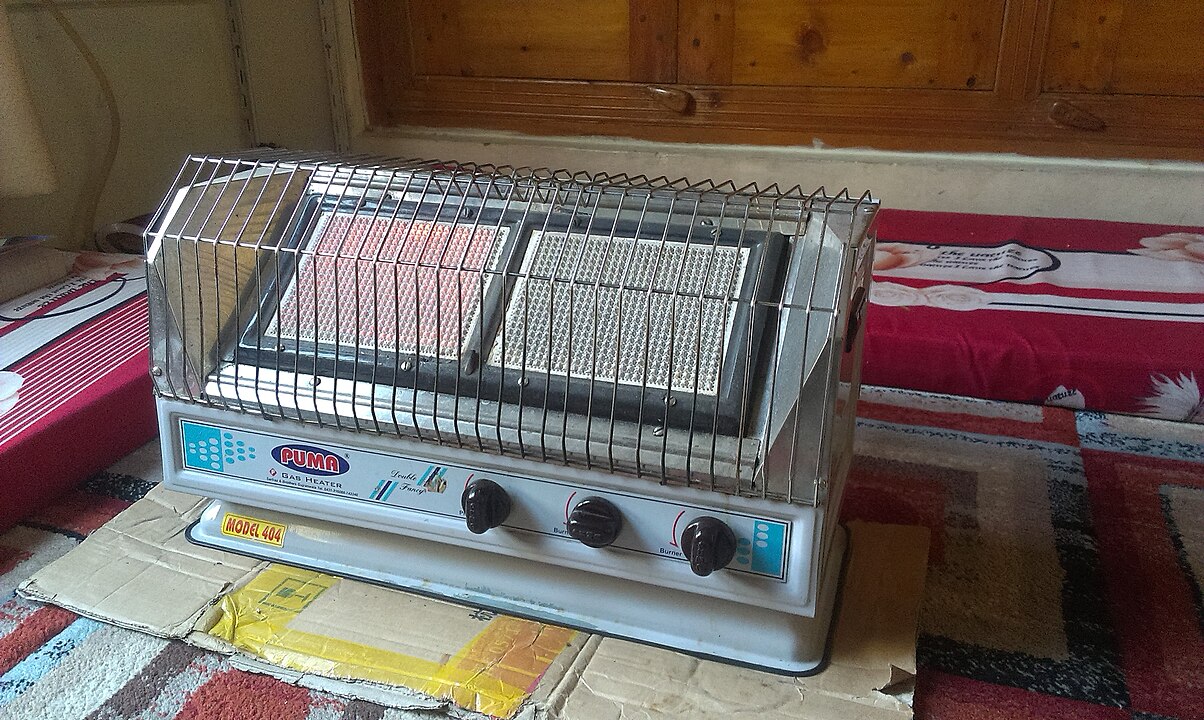
The 1970s were a time of trust—trust in manufacturers, convenience, and the idea that if something was sold openly, it must be safe. Safety regulations were looser, and scientific research on long-term exposure was still developing. Many everyday household items were used without concern, especially around children. Looking back now, these once-normal objects reveal how much public awareness and regulation have evolved.
Lead-Based Paint in Family Homes
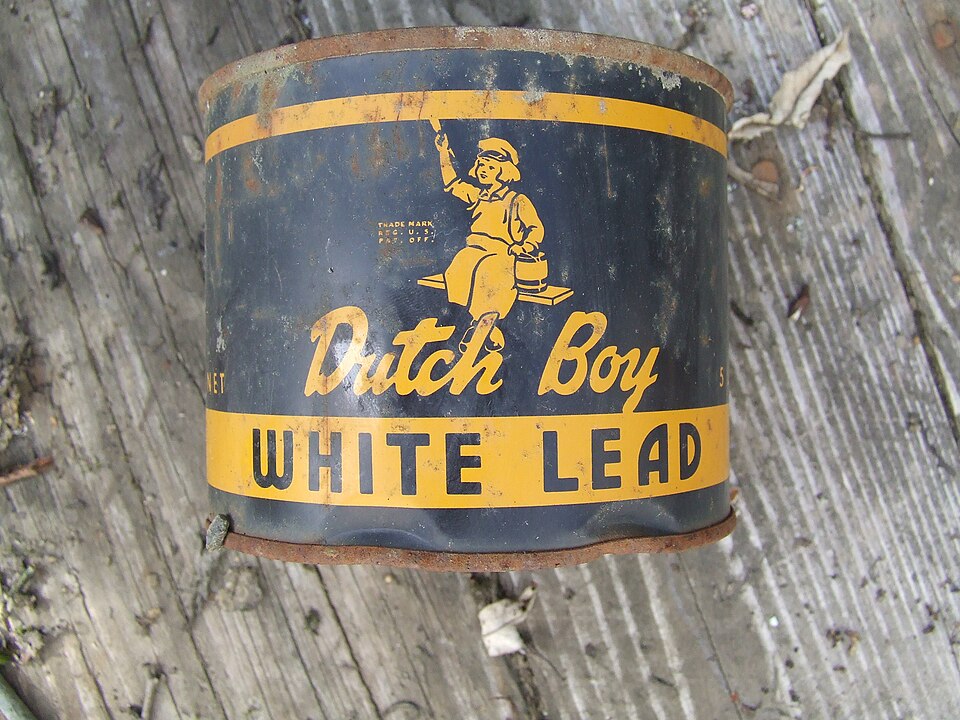
Lead paint was widely used in homes throughout the 1970s, especially in older buildings. Families had no idea that peeling paint could cause serious neurological damage in children. Kids often ingested lead through dust or paint chips while playing. The danger was invisible and cumulative, making it especially harmful.
Asbestos in Ceilings and Insulation
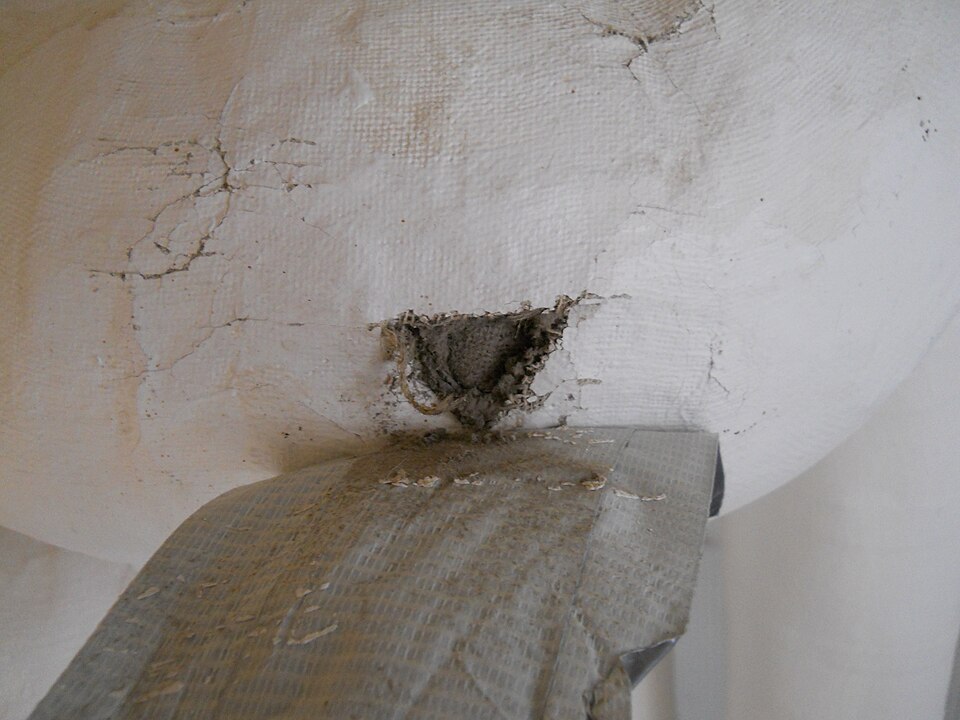
Asbestos was praised for its fire-resistant properties and used in ceilings, insulation, and flooring. Homeowners saw it as a sign of quality construction rather than a health hazard. Over time, asbestos fibers caused severe respiratory diseases and cancer. Families lived with the risk unknowingly for decades.
Lawn Darts as Children’s Toys

Lawn darts were marketed as wholesome family entertainment. These heavy, sharp projectiles caused numerous injuries, especially to children. Families played casually, unaware of the serious danger involved. The toy’s popularity highlighted how safety was often secondary to novelty.
Cigarettes Marketed as Mild

Cigarette brands openly advertised health reassurance in the 70s. Many families smoked indoors, around children, believing filtered or “light” cigarettes were safer. Secondhand smoke exposure was poorly understood. The long-term consequences only became clear years later.
Plastic Food Containers with Harmful Chemicals
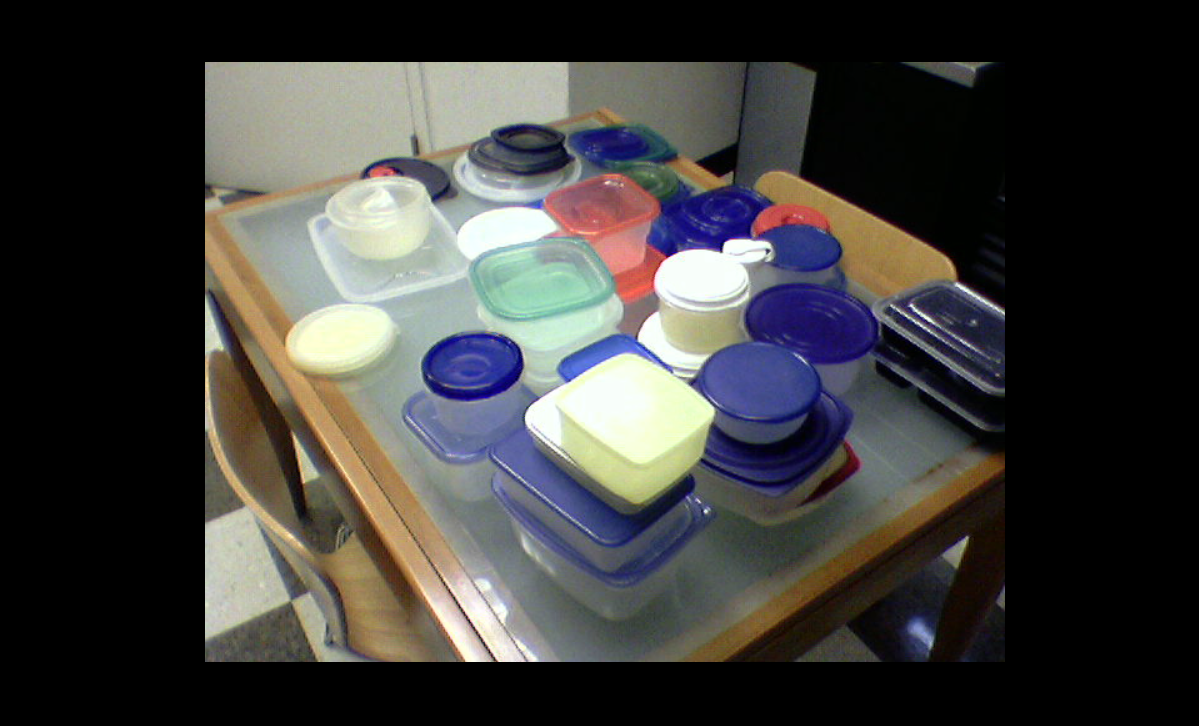
Plastic containers often contained chemicals that leached into food. Heating food in plastic was common practice. Families didn’t realize the health risks associated with repeated exposure. Awareness of chemical migration came much later.
Vinyl Flooring Emissions

Vinyl flooring released harmful fumes long after installation. Families enjoyed its durability and affordability without questioning air quality. These emissions contributed to respiratory problems over time. Indoor air safety was rarely discussed then.
Hair Products with Toxic Ingredients
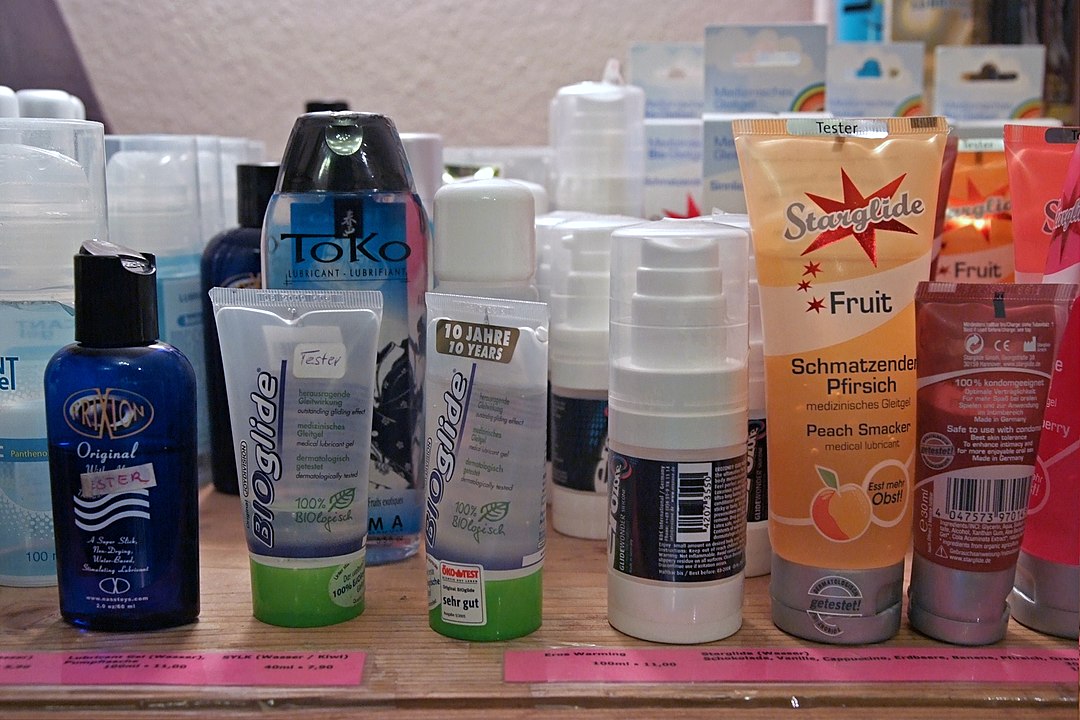
Many hair sprays and treatments contain chemicals now considered hazardous. Historically, these products were used daily or weekly without protective gloves, masks, or adequate ventilation. Over time, consistent exposure could affect skin, eyes, lungs, and hormonal balance for users, while salon workers faced even greater cumulative doses. The beauty industry often emphasized results and appearance, sometimes at the expense of safety, leading to normalization of risky formulations and limited consumer awareness.
Mercury Thermometers in Every Home
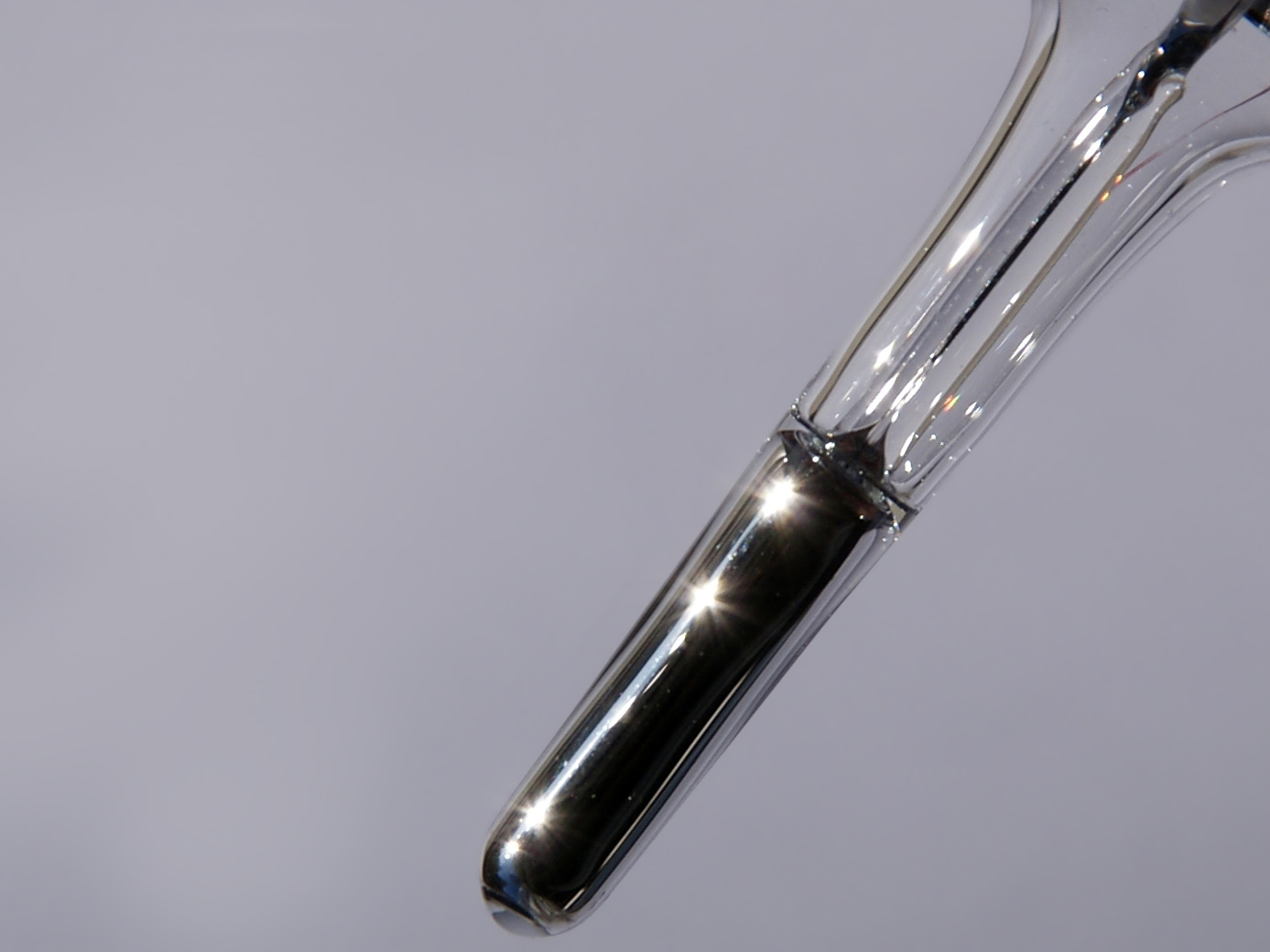
Mercury thermometers were once common in households, workplaces, and schools as the trusted tool for fever checks. When these glass devices broke, tiny mercury droplets could scatter, creating contamination challenges in carpets, furniture, and vents. Cleanup guidance was often informal and underinformed, leaving families uncertain about proper disposal and decontamination. The familiarity of the item bred complacency, masking the serious neurotoxic risks posed by mercury exposure, especially for children and pregnant people.
Gas Appliances without Ventilation Standards
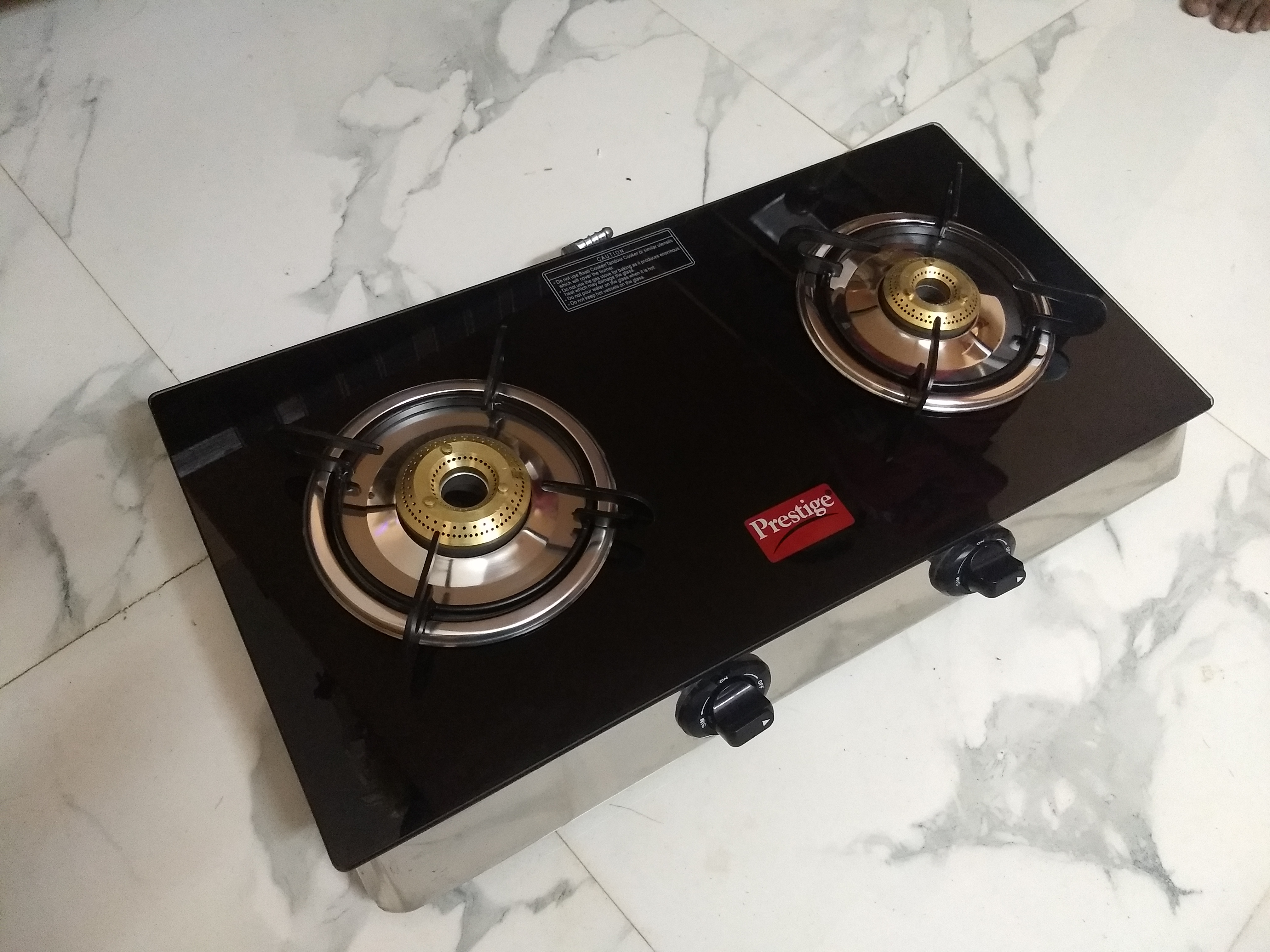
Gas stoves, space heaters, and water heaters without adequate ventilation posed silent threats. In many homes, residents relied on intuition, smell, or outdated safety habits rather than calibrated detectors or installed exhaust systems. Chronic low-level carbon monoxide exposure could cause headaches, dizziness, and cognitive impairment, while high-level leaks were potentially fatal. The absence of clear standards and routine safety checks meant many exposures went unnoticed until tragedy struck, underscoring the need for robust building codes and education.Gas stoves and heaters often lacked proper ventilation. Carbon monoxide risks were poorly understood. Families relied on smell rather than detectors. Many exposures went undetected.
Metal Toys with Unsafe Coatings

For decades, children’s toys sometimes contained unsafe metals, lead-based paints, or other hazardous finishes. Manufacturing quality control varied, and independent testing could be inconsistent or delayed. Kids explored, gnawed, and mouthed objects without recognizing ingestion risks, leading to gradual lead exposure or sudden poisoning in vulnerable ages. Regulatory responses came after alarming incidents, resulting in a patchwork of recalls and reformulations rather than a universal safety guarantee.