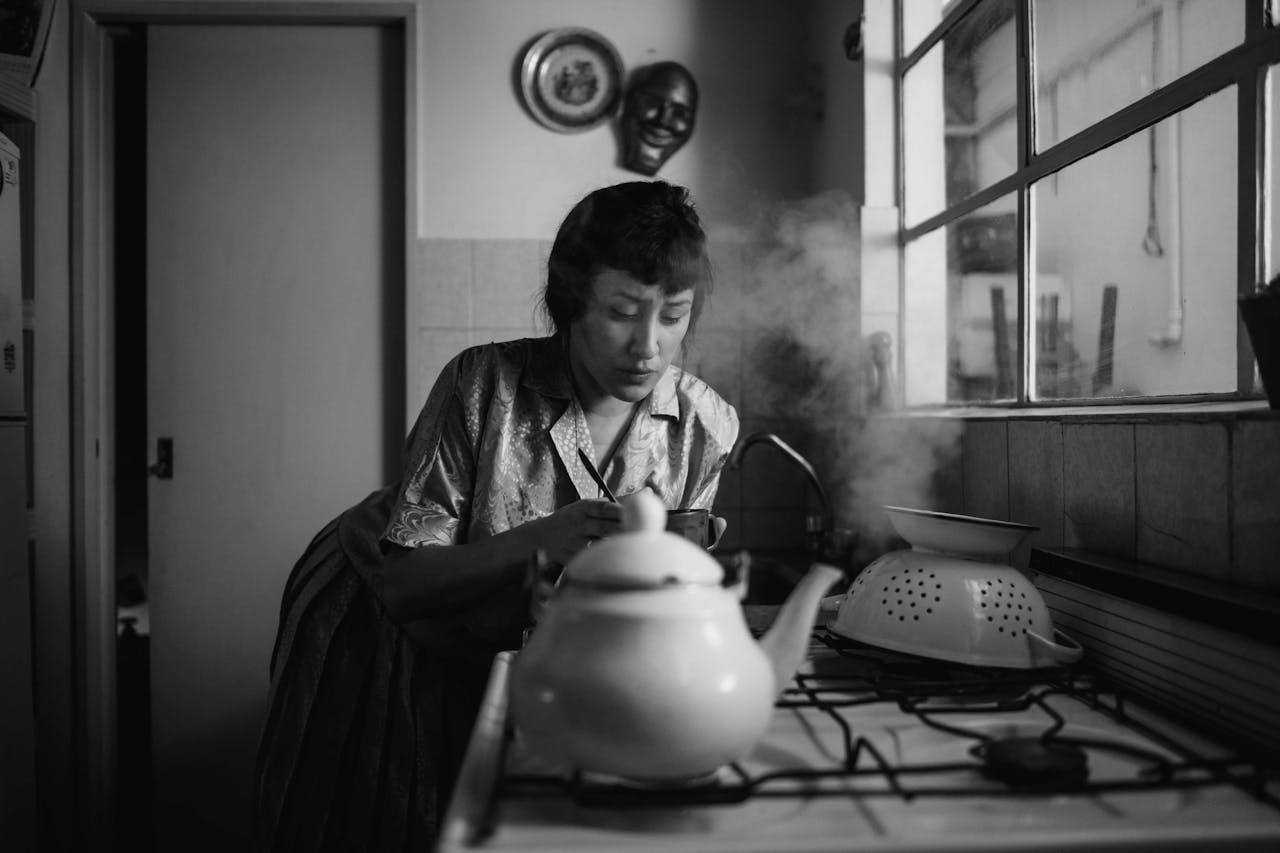
During World War II, Americans had to adjust to a new way of life that included strict food rationing. Items we now consider basic pantry staples were limited, and families had to stretch their supplies creatively. Ration books and coupons dictated how much a household could buy, and people were encouraged to grow their own food in Victory Gardens to make up for shortages. While it was tough, these sacrifices kept soldiers supplied overseas. Here are eleven everyday foods that became surprisingly scarce during the war.
Sugar

Sugar was one of the first items to be rationed in 1942, and it remained scarce for the entire war. With shipping routes disrupted and much of the sugar supply redirected to troops, Americans had to drastically cut back. Families learned to sweeten desserts with honey, corn syrup, or even mashed fruit. Birthday cakes, cookies, and candies were made in smaller portions or skipped entirely. It was a difficult adjustment, as sugar was such a central part of daily life, but people adapted with resourcefulness.
Meat
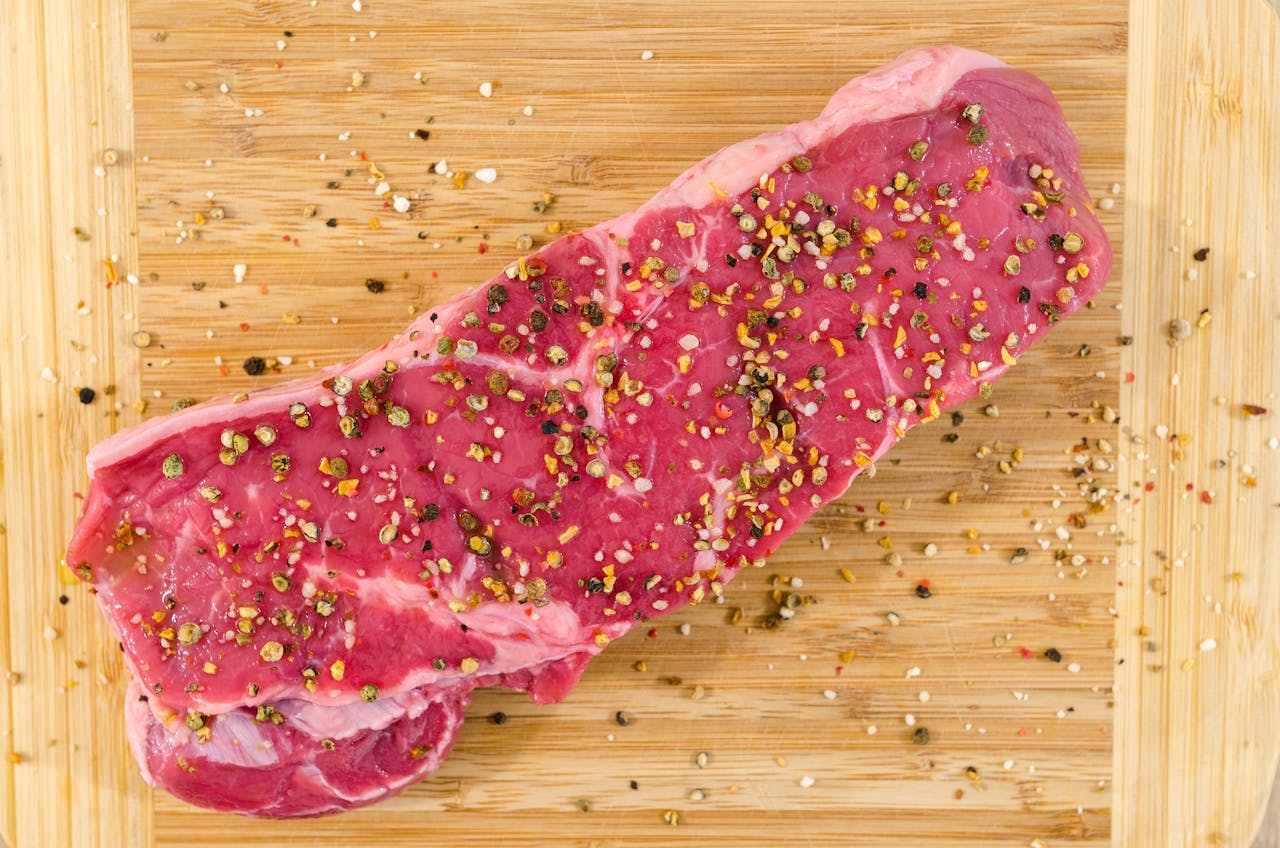
Beef, pork, and lamb were all rationed, forcing families to stretch smaller cuts of meat or turn to organ meats, which were more available. Meatless meals became common, and creative recipes made the most of what little was allowed. Casseroles and stews helped stretch protein further, and beans were a popular substitute. For many households, this was the first time they truly relied on alternatives like lentils or peanut butter as a main protein source. The rationing also reshaped American cooking habits long after the war.
Butter
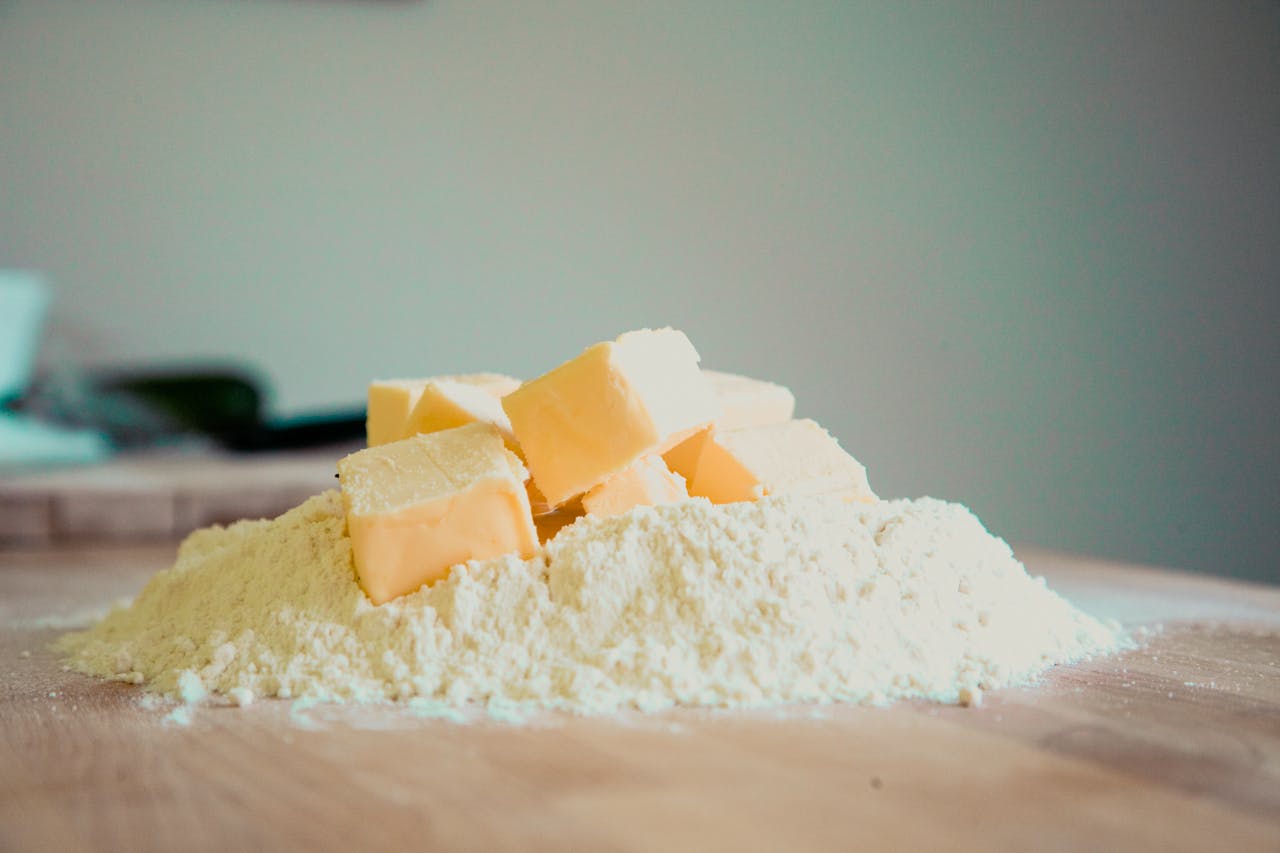
Butter was heavily rationed because much of the dairy supply was redirected to the military. Margarine became the go-to substitute, but early margarine was unappealing, a pale block that needed a packet of yellow dye to be mixed in at home. Families missed the rich flavor of real butter, but they adapted by baking with shortening or oil when available. Butter rationing left a lasting impact on how households viewed substitutes and sparked innovations in the food industry to make margarine more appealing.
Coffee
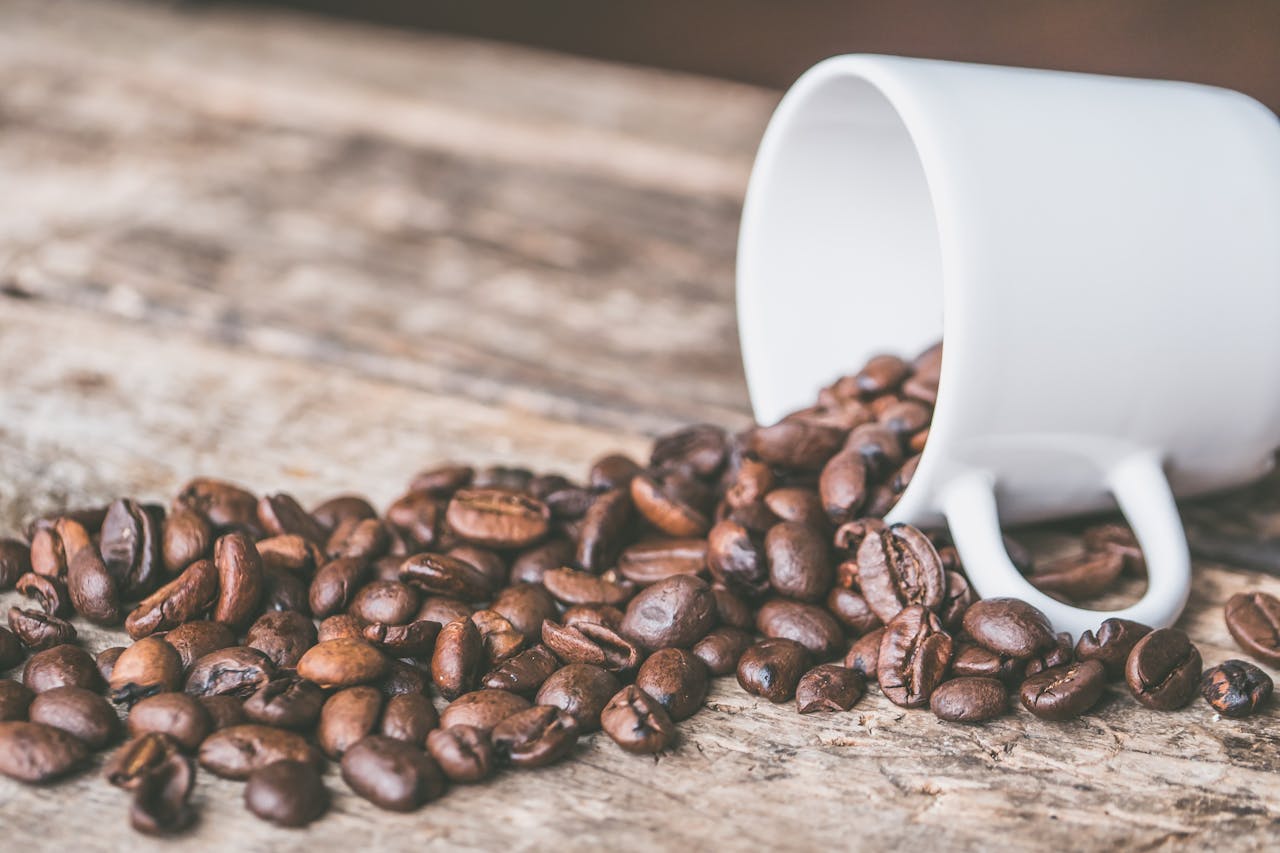
Coffee lovers had a hard time during the war, as imports from overseas were disrupted. Rations limited families to about one pound every five weeks, which was far less than most were used to drinking. Many people stretched their supply by brewing weaker coffee or reusing grounds. Some even turned to substitutes like roasted chicory or barley, which gave a bitter but coffee-like taste. While caffeine cravings were tough to manage, Americans found ways to keep their morning rituals alive despite the shortages.
Canned Goods
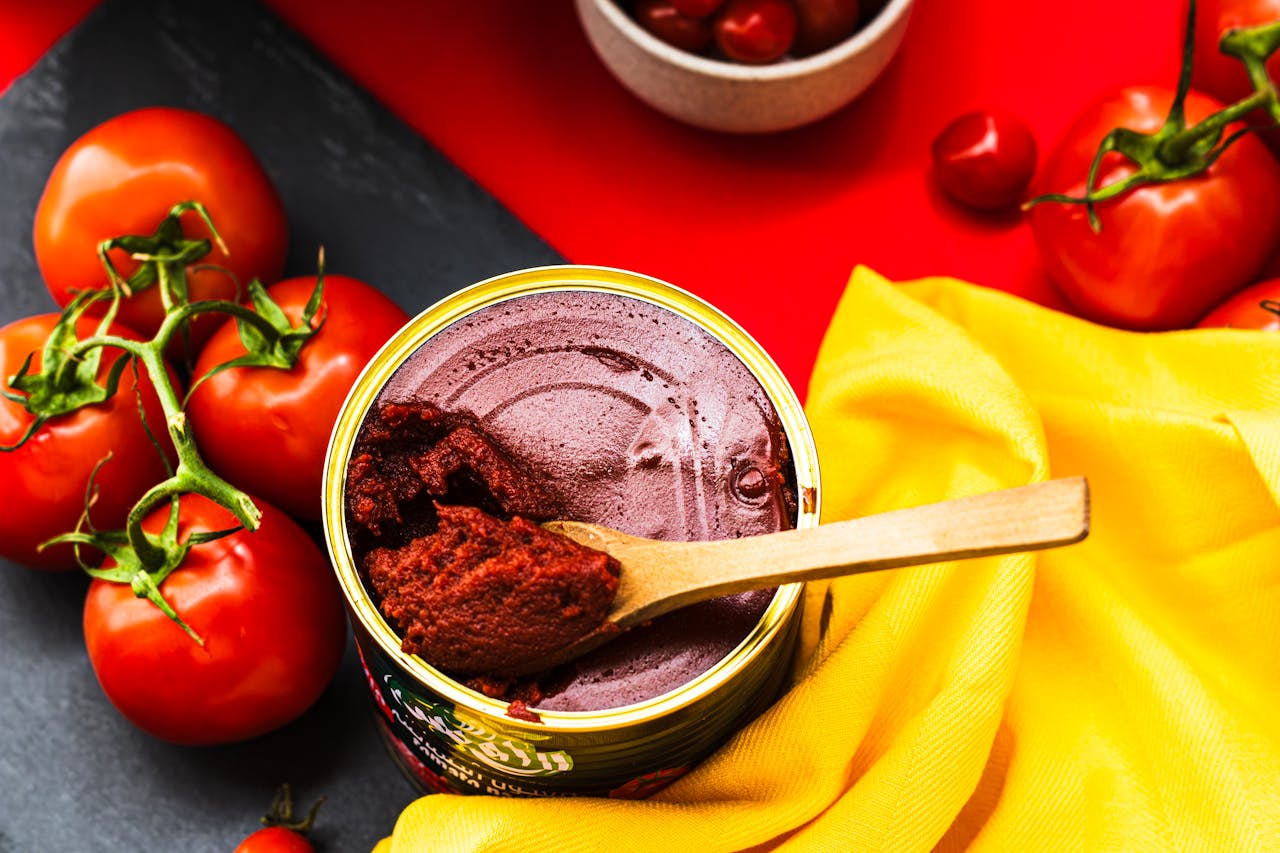
Canned fruits and vegetables were rationed because tin was needed for the war effort. Families could not rely on the convenience of canned foods, which had been staples of American kitchens. Instead, people were encouraged to grow Victory Gardens and can their own produce at home. Glass jars became common substitutes for tin cans, and home preservation skills soared in importance. Though it required extra work, many families embraced the practice as a patriotic duty to support the troops abroad.
Cheese
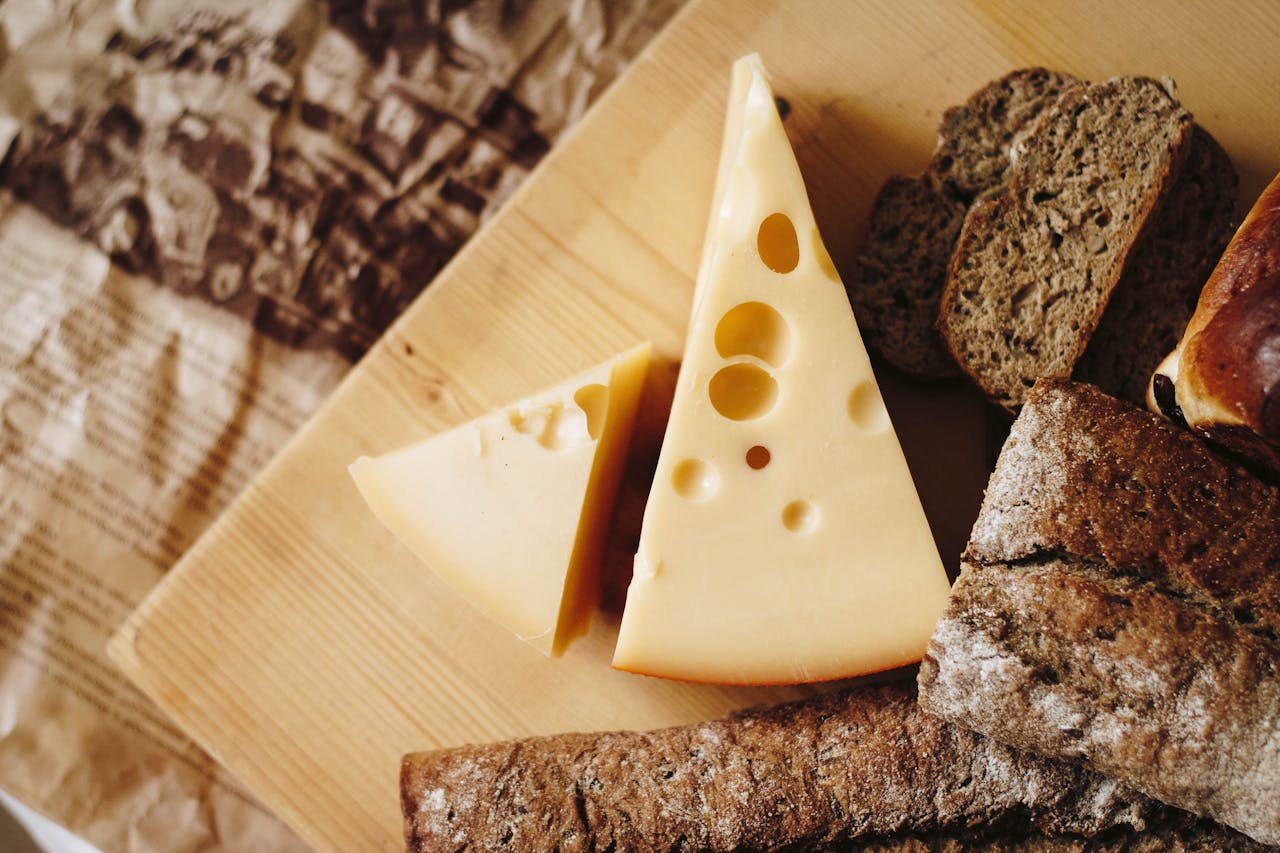
Cheese faced rationing as milk supplies were diverted to soldiers and to making powdered milk for shipping overseas. Families were limited in what kinds and how much they could buy, and processed cheese often took the place of traditional varieties. Recipes in cookbooks of the era included instructions for stretching cheese with breadcrumbs or vegetables. Cheese lovers had to get used to smaller portions and unfamiliar substitutes, which changed how many families used it in their everyday meals.
Milk
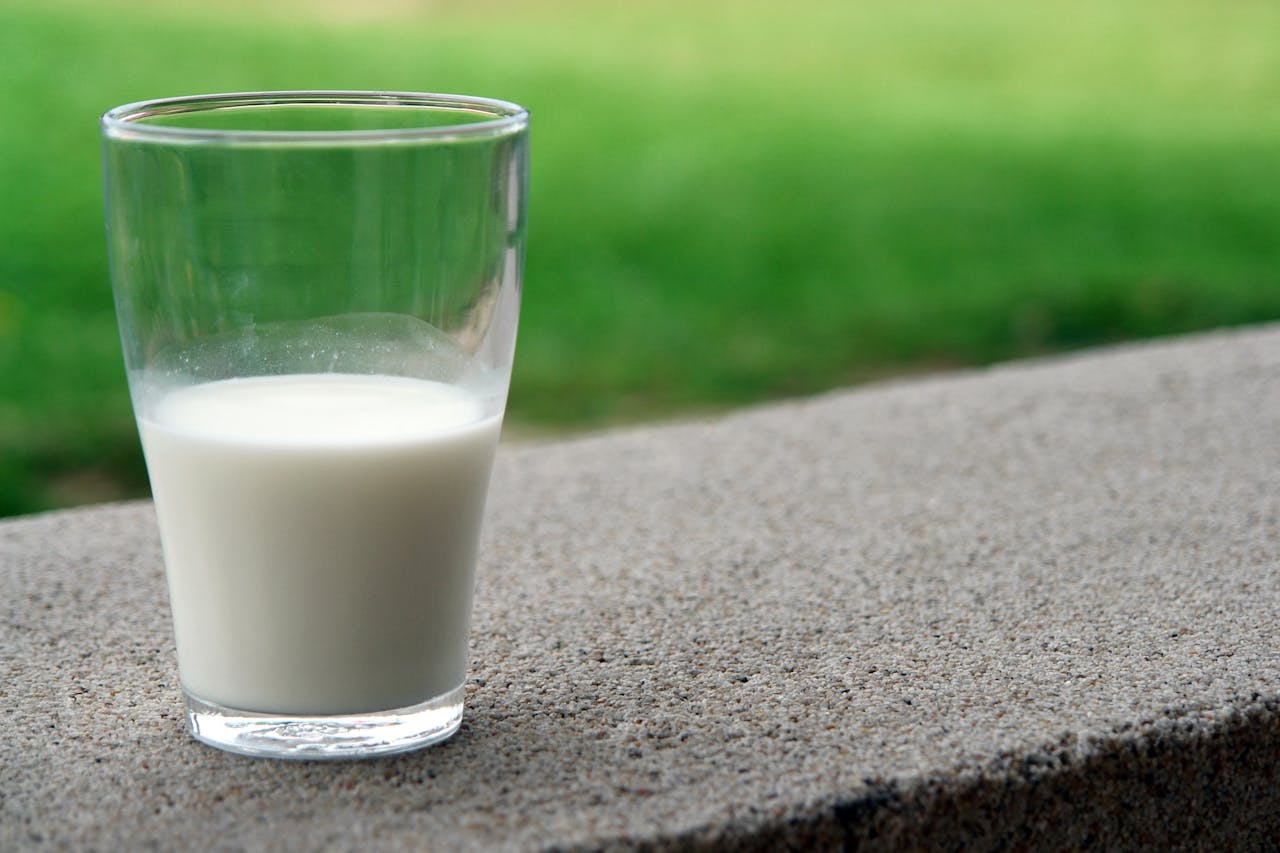
Fresh milk was prioritized for children, leaving adults with less access. To compensate, powdered milk became a household staple, even though it lacked the taste of fresh dairy. Adults often watered down what little milk they had or saved it for recipes rather than drinking it straight. For families with children, ensuring kids had enough was considered a priority, even if it meant sacrifices elsewhere. This rationing showed just how carefully resources were allocated during wartime shortages.
Eggs

Eggs were rationed because chickens were often redirected into meat production, and animal feed was limited. Many families turned to powdered eggs, which could be stored longer and shipped to soldiers overseas. While not the same as fresh eggs, they became essential for baking and cooking at home. People learned to make do, finding creative ways to adjust recipes. Victory Gardens sometimes included raising backyard chickens, but for most households, eggs remained scarce throughout the war years.
Bread
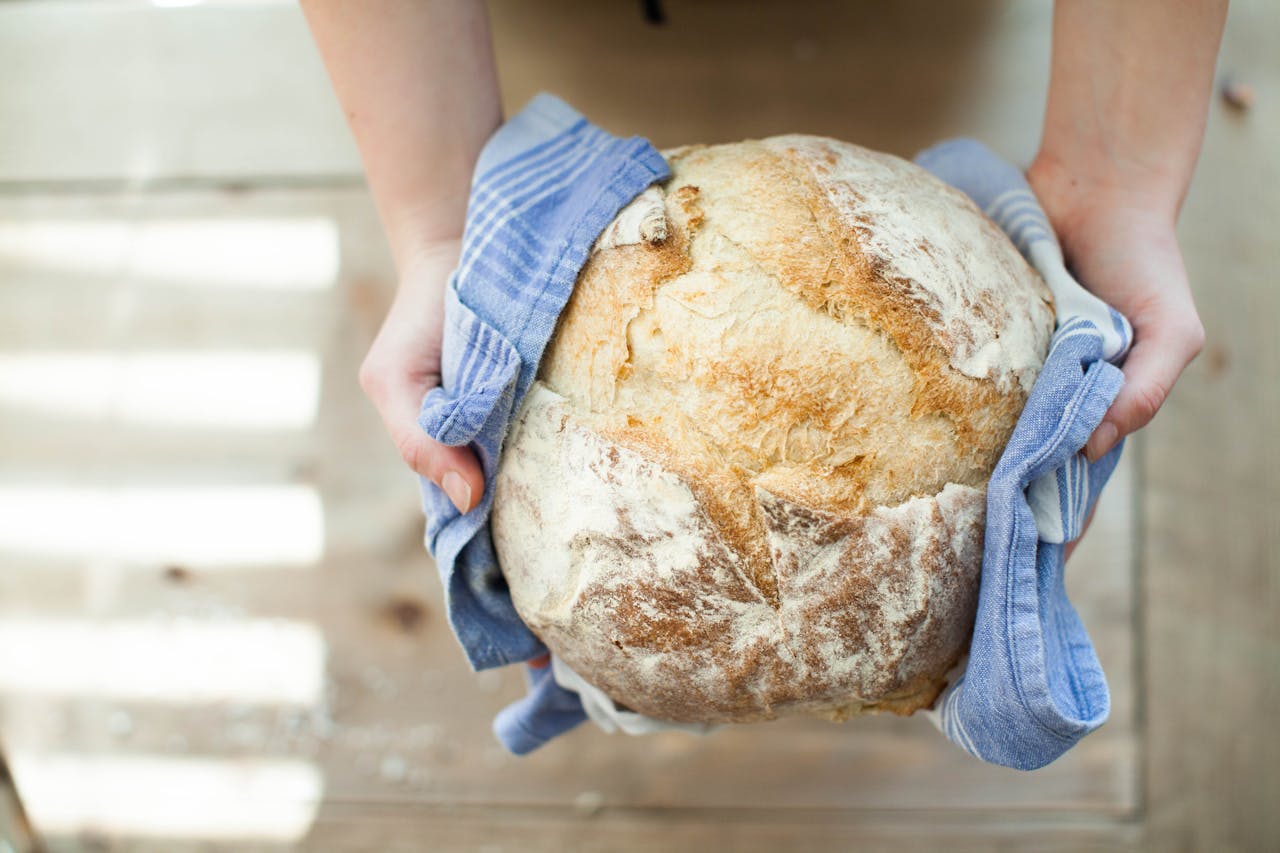
While bread itself was not always rationed, ingredients like wheat and white flour were, which led to changes in what was available. The government encouraged people to eat whole wheat bread instead of the more popular white bread, which required more refined flour. Families learned to bake bread at home when store supplies ran low, often experimenting with new recipes. Bread was such a central part of the diet that changes in its availability had a noticeable impact on daily meals during the war.
Cooking Oil

Cooking oils and fats were rationed because they were needed for industrial purposes like making explosives. Housewives were even encouraged to save bacon grease and turn it in for the war effort. Without easy access to oils, frying and baking became more difficult, and families had to adapt recipes. Substitutes like lard, shortening, or margarine became more common. The rationing of oils was a constant reminder that every household was contributing to the larger war machine in some way.
Chocolate
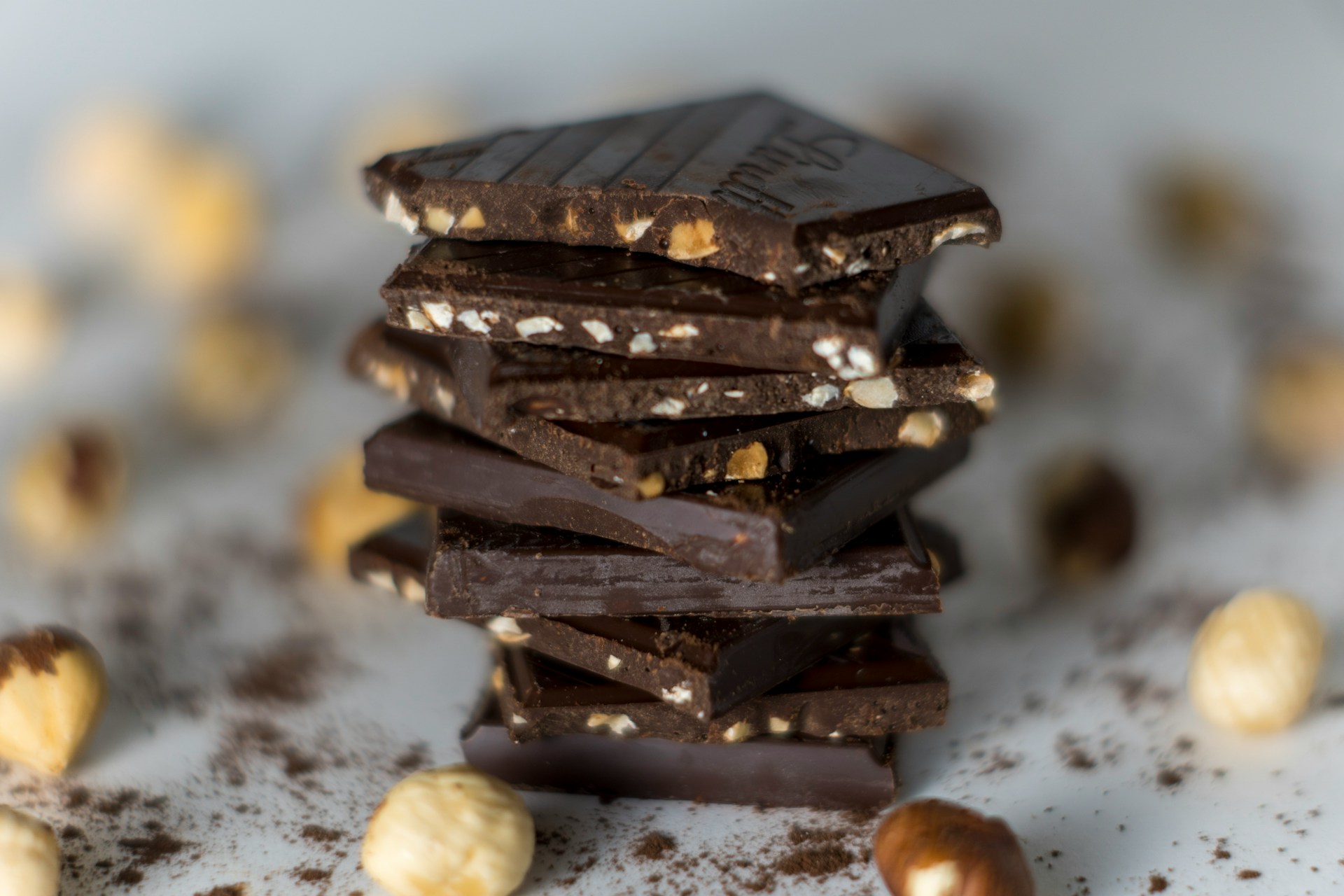
Chocolate was a luxury that became rare during the war. Most of the supply went directly to soldiers, who received chocolate bars as part of their rations. On the home front, candy bars were scarce and expensive, making them a real treat when available. Families often improvised with cocoa powder, if they could get it, or used sweetened substitutes. Chocolate was deeply missed, but most people accepted its absence as part of their sacrifice for the troops, saving the real indulgence for when the war ended.
Rationing tested American families, forcing them to stretch meals and rethink their diets in ways that would feel extreme today. Yet it also sparked a wave of creativity and resilience, as people found clever ways to adapt and contribute to the war effort. These everyday food sacrifices may have been tough, but they also helped unite the home front with the soldiers overseas. Looking back, they remind us how even the simplest items carried huge importance during times of struggle.