American history often celebrates presidents, courts, and institutions, but many lasting changes began quietly with young people who refused to accept the world as it was handed to them. Teenagers and young adults have repeatedly shaped culture, rights, and social norms long before power recognized their influence. These movements rarely started with money or authority. They began with urgency, moral clarity, and collective courage. In 2025, it is easy to forget how deeply youth action reshaped daily life in the United States. From classrooms to city streets, these moments changed laws, language, and expectations for generations.
The lunch counter sit ins
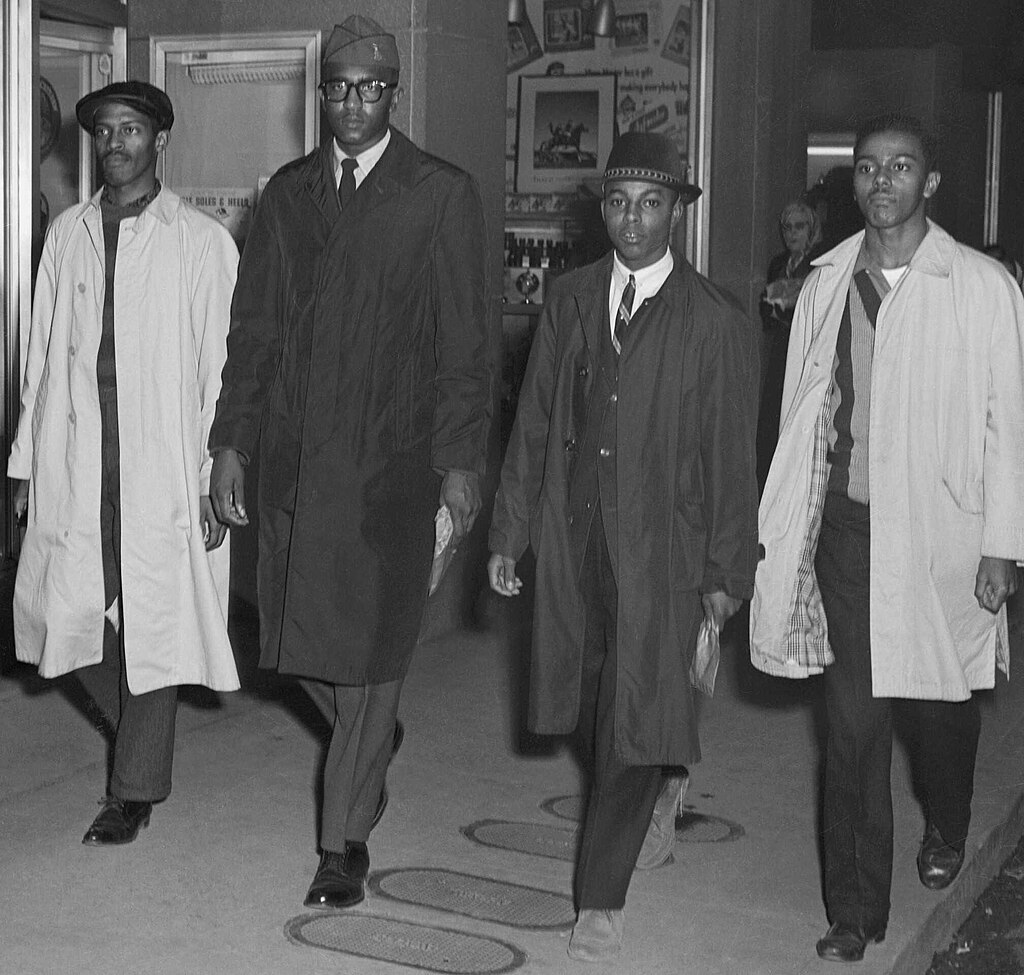
In 1960, four Black college students sat down at a segregated lunch counter in Greensboro and quietly refused to leave. Their action was calm, disciplined, and youth led. Within weeks, sit ins spread across the South, led mostly by students barely out of high school. These young people faced arrests, threats, and violence without national power or protection. Their persistence forced businesses to desegregate and pressured lawmakers to act. The movement reshaped public spaces and accelerated civil rights progress, proving that disciplined youth resistance could dismantle everyday injustice.
Building the student anti war movement
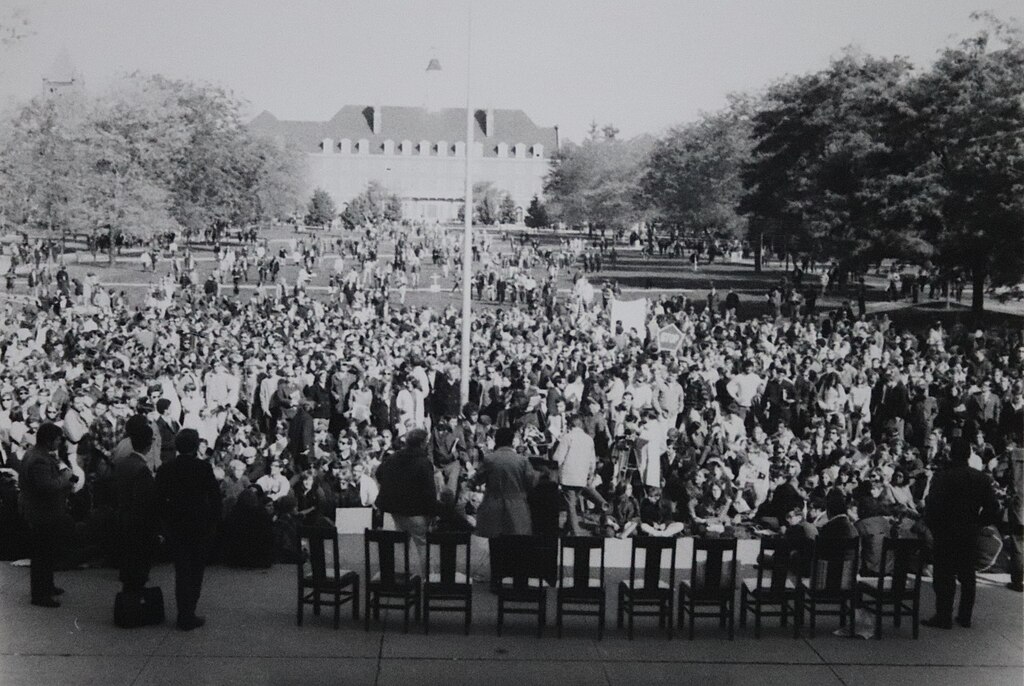
During the Vietnam War, young Americans challenged government narratives by organizing protests, teach ins, and campus strikes. College and high school students questioned authority publicly, often at great personal cost. They were dismissed as naive, yet their pressure shifted public opinion and forced media scrutiny. Youth voices made the war impossible to ignore at home. Their activism reshaped how Americans viewed military accountability and civic dissent, permanently changing the relationship between citizens, youth, and the state.
Leading the children’s crusade
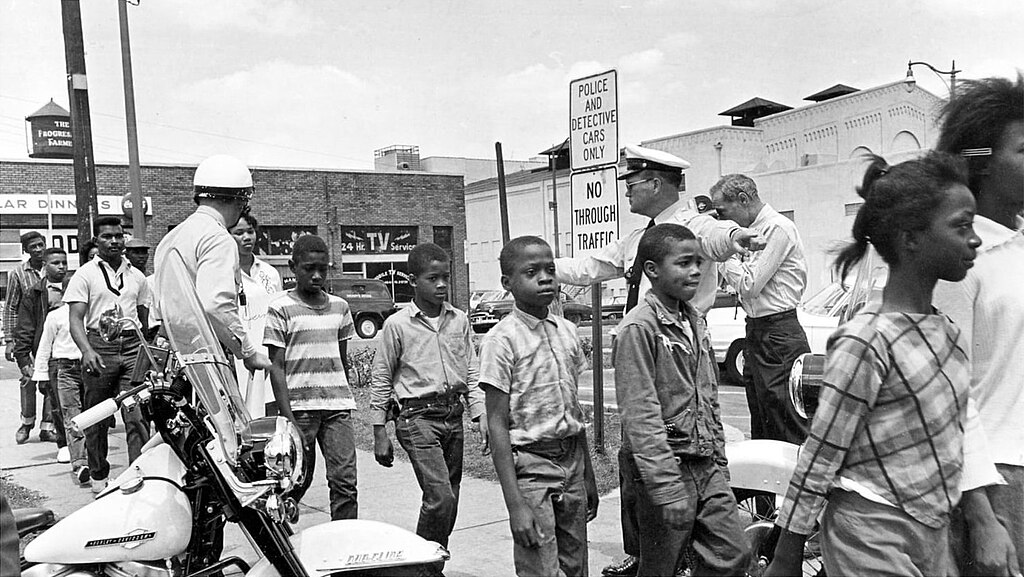
In 1963, thousands of Black children marched in Birmingham to protest segregation when adults were blocked or afraid. These students faced fire hoses, police dogs, and jail cells. Images of children being attacked shocked the nation and forced political action. Their courage helped push forward civil rights legislation and exposed the brutality sustaining segregation. The movement showed that youth were not passive victims of injustice but powerful moral witnesses capable of shifting national conscience.
Creating the youth driven feminist wave
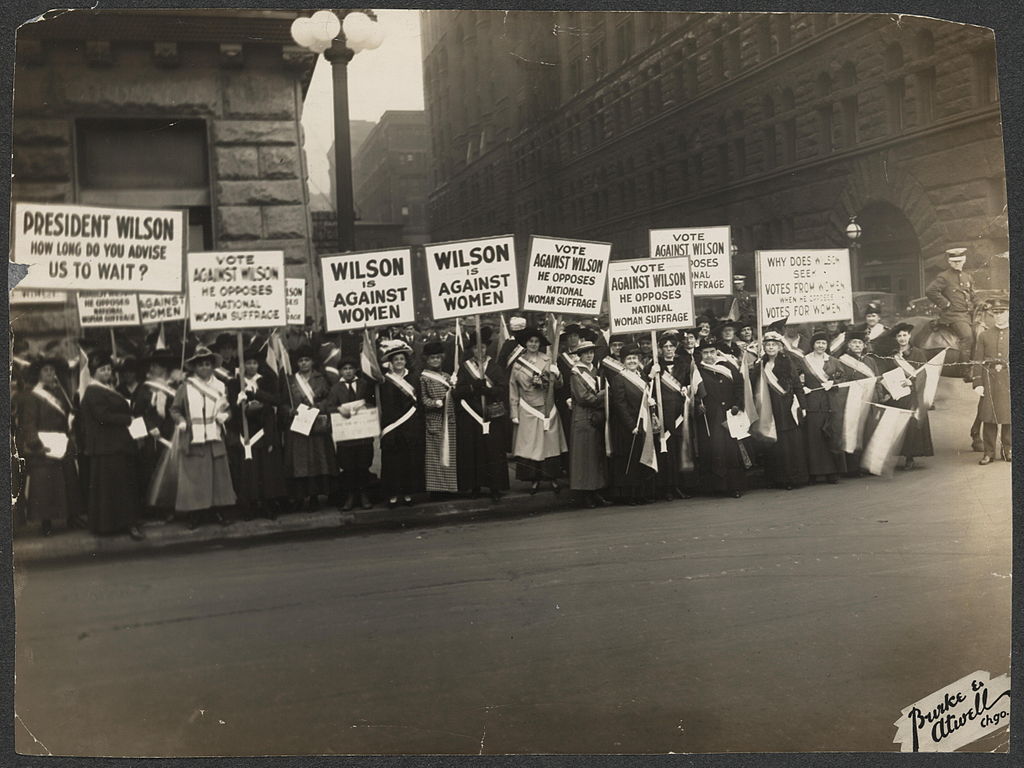
Second wave feminism was fueled heavily by young women questioning marriage, work, and bodily autonomy. Students organized consciousness raising groups, protests, and underground publications. They challenged laws governing credit, employment, and reproductive rights. Though often dismissed as radical, their persistence changed workplace norms and personal freedoms. This youth led energy reshaped gender expectations in American life, influencing how future generations understood equality and self determination.
Launching the gay rights movement at Stonewall
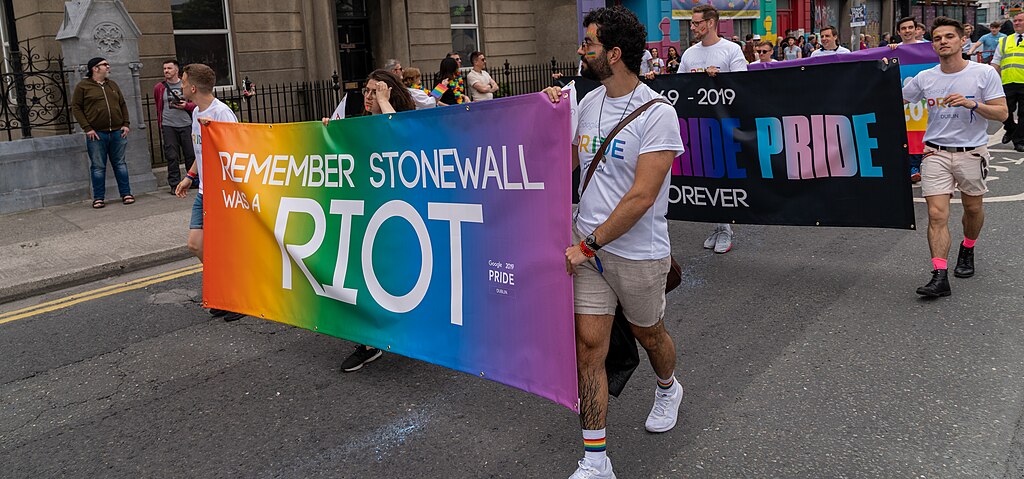
The Stonewall uprising was led largely by young LGBTQ people who refused to accept routine harassment. Many were homeless youth, drag performers, and marginalized individuals with little protection. Their resistance sparked organized activism and pride movements nationwide. Youth leadership transformed shame into visibility and protest into community. The ripple effects reshaped laws, culture, and public conversations around identity and rights across decades.
Fighting for student free speech rights
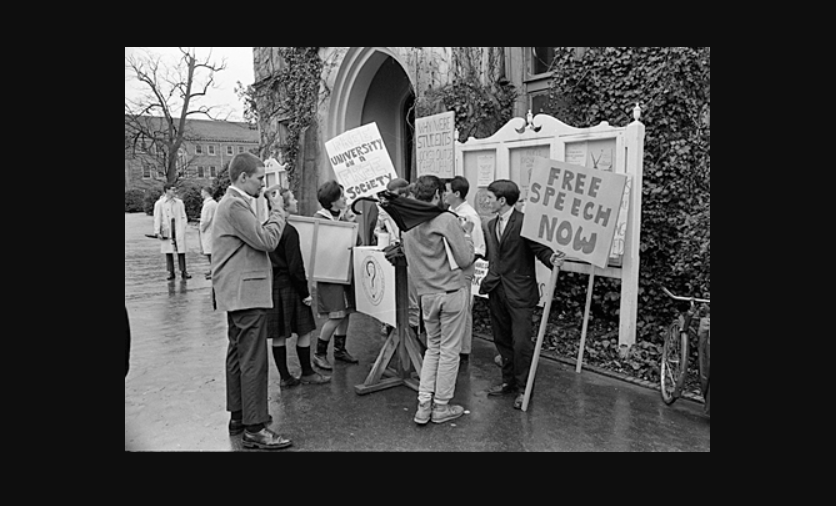
In the late 1960s, students challenged restrictions on political speech on college campuses. Youth activism pushed courts to recognize student free expression as a constitutional right. These efforts reshaped academic culture and protected protest as a legitimate civic act. The legacy remains in how American students engage politically today. Young people expanded the definition of citizenship by insisting their voices mattered before graduation.
Driving the environmental movement forward

Early environmental activism was powered by students alarmed by pollution and health risks. Youth organized teach ins, marches, and local actions that led to Earth Day and environmental legislation. Their pressure helped create regulatory agencies and shift public awareness. Young activists reframed nature protection as a public responsibility rather than a fringe concern, embedding environmental awareness into American policy and education.
Advancing farmworker rights
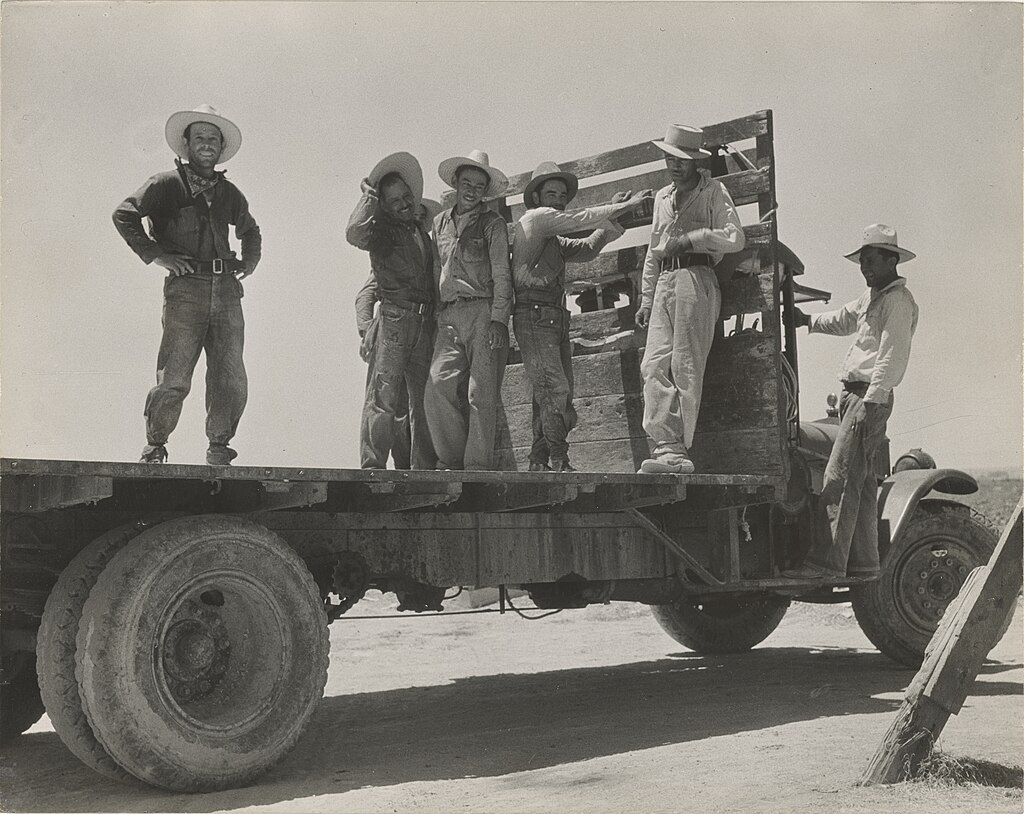
Young activists supported farmworker organizing by boycotting, marching, and raising awareness nationwide. Student groups amplified voices that were otherwise ignored. Their efforts pressured corporations and lawmakers to improve labor conditions. Youth involvement helped turn local labor struggles into national moral issues, linking consumer responsibility with workers’ rights in American culture.
Reshaping gun safety advocacy

After experiencing school violence firsthand, students organized national gun safety movements. Their leadership reframed the debate from politics to survival. Youth speakers mobilized peers, voters, and media attention with urgency and clarity. While change was gradual, their influence shifted public discourse and normalized youth leadership in national policy conversations.
Transforming digital activism

Young Americans pioneered online organizing through social media, using speed and scale to mobilize awareness. They reshaped how movements form, spread, and sustain momentum. Digital youth activism changed protest logistics, fundraising, and narrative control. This shift permanently altered American civic engagement, making activism faster, decentralized, and youth driven. Youth led movements rarely receive full credit in history books, yet they repeatedly altered the course of American life. Young people acted before permission, often before power noticed. Their impact reshaped laws, culture, and conscience. These movements remind us that age does not limit influence. In many moments, it sharpened it. American history did not just move forward through institutions. It moved forward because young people refused to stay quiet.