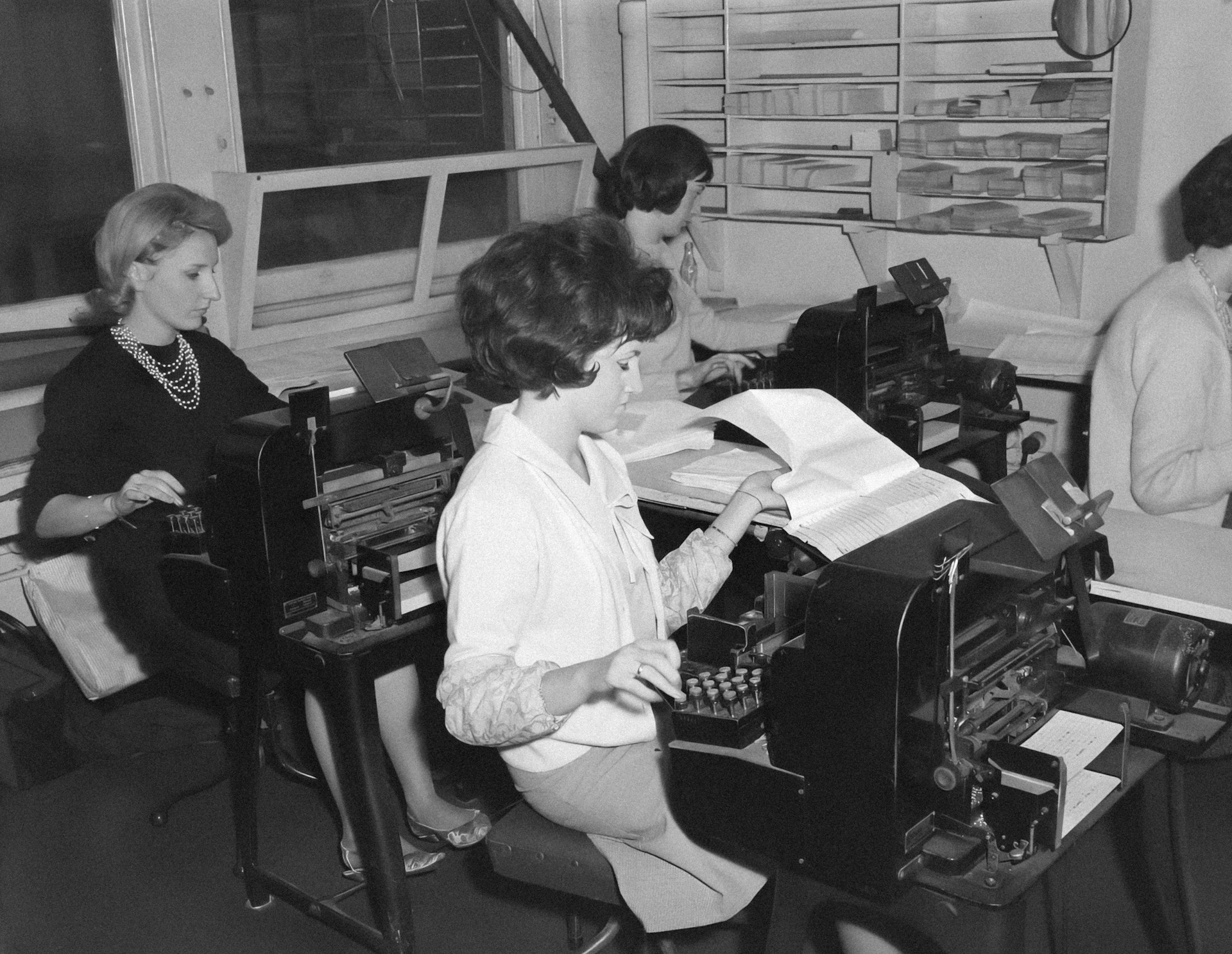
The 1960s might seem like a glamorous decade full of Mad Men suits and sleek office aesthetics, but the workplace was a very different world. Back then, many practices that were considered perfectly normal would now be unthinkable, and downright illegal. From discriminatory hiring policies to unsafe conditions and laughable employee “perks,” the ’60s office was a place that reflected its time’s social attitudes and lack of regulation. Here are ten workplace rules from that era that definitely wouldn’t fly today.
1. Mandatory Gender Roles
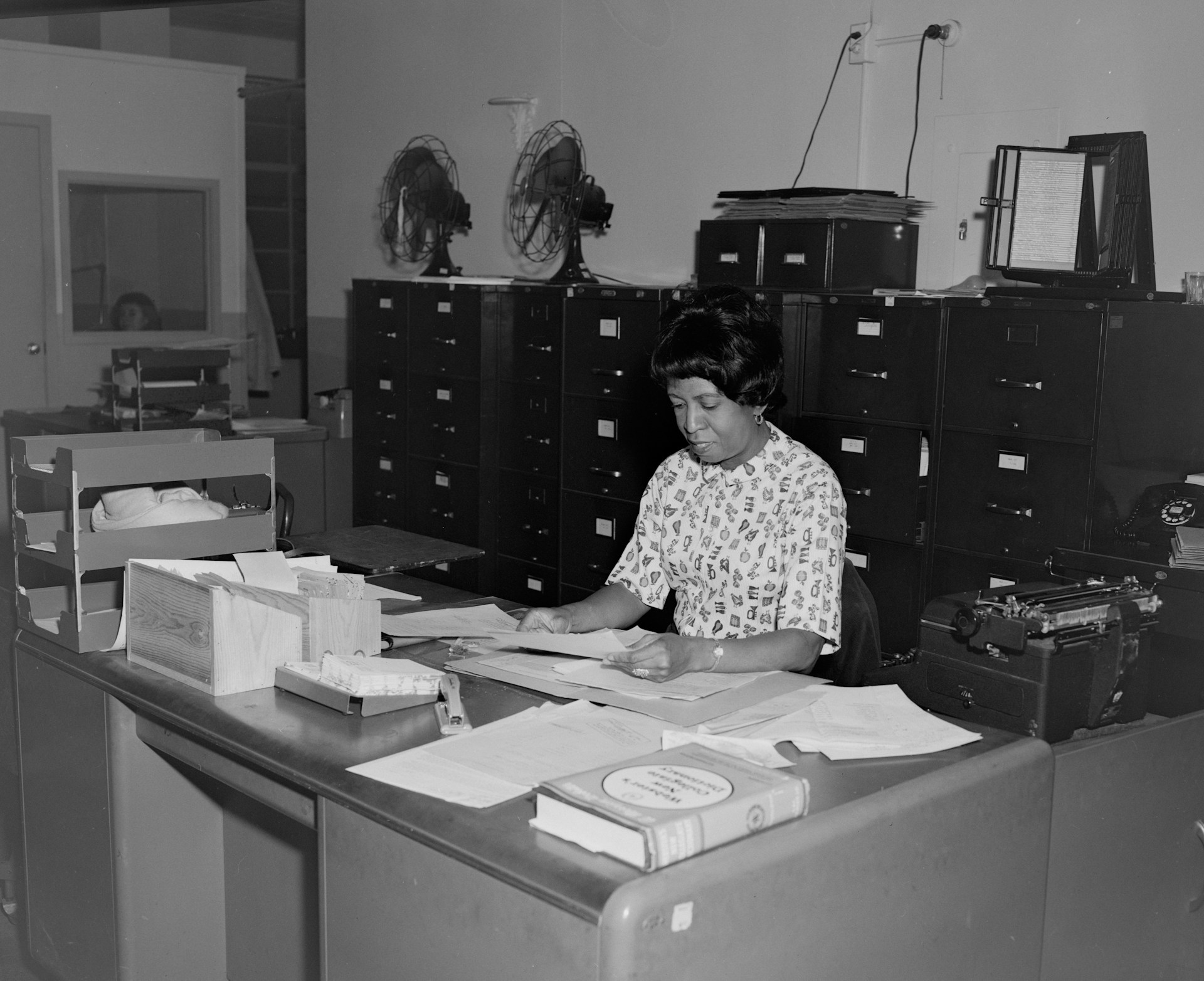
In the 1960s, job ads openly specified whether a position was for a man or a woman. Women were typically steered toward secretarial or receptionist roles, while men were funneled into management and technical positions. It wasn’t subtle; it was written right into classified ads. The 1964 Civil Rights Act finally outlawed this kind of gender discrimination, but for years, your gender determined not only what job you could apply for but also how far you could advance in your career.
2. Firing Women for Getting Married or Pregnant

Marriage and motherhood often spelled the end of a woman’s career in the ’60s. Employers saw newly married women as unreliable and pregnant women as unfit for work. Some even had official policies requiring women to resign once they married or started showing signs of pregnancy. It wasn’t until the 1970s that laws like the Pregnancy Discrimination Act made such practices illegal. Before then, many women had to choose between their jobs and their personal lives, often without any safety net.
3. Mandatory Smoking in the Office
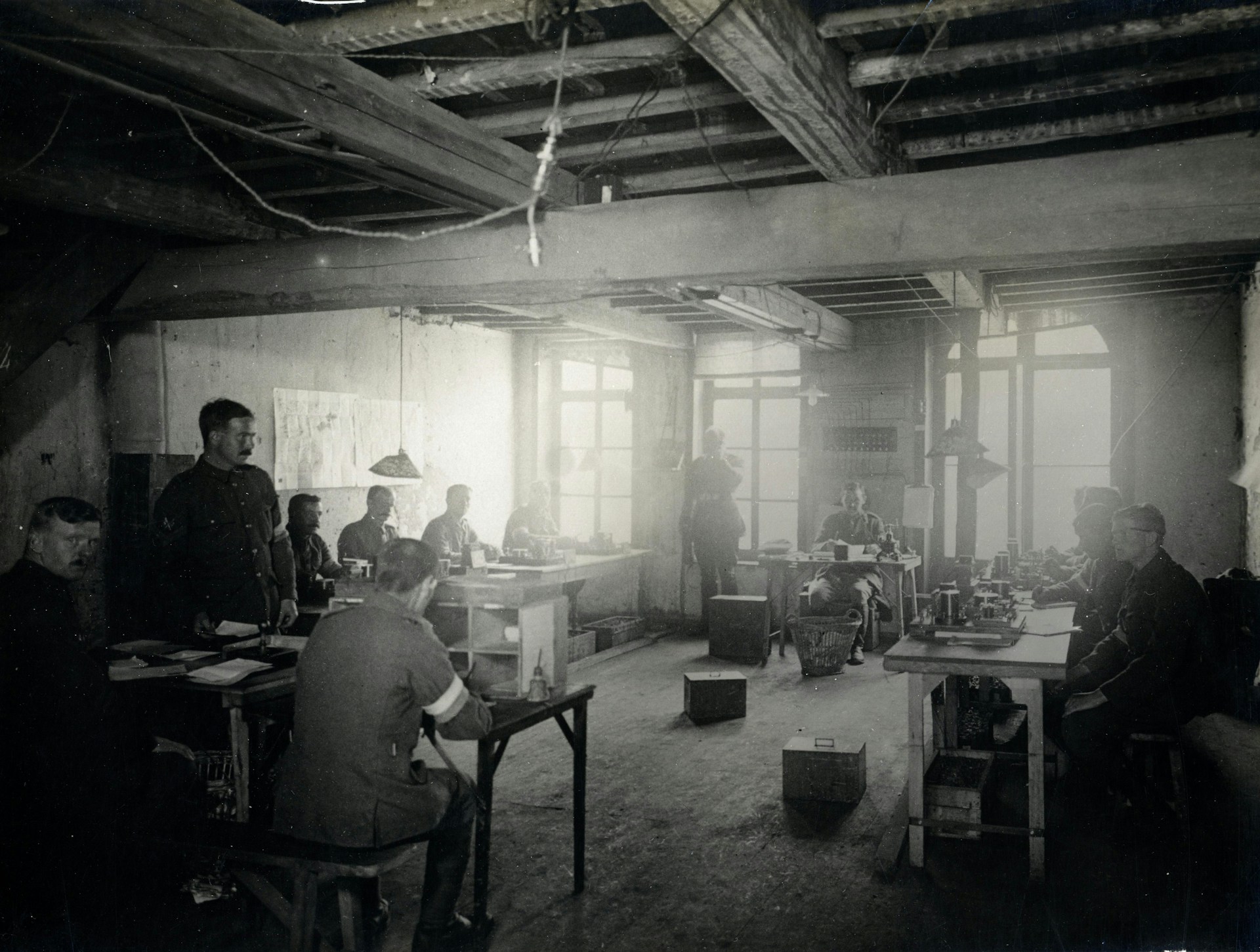
Lighting up a cigarette at your desk wasn’t just allowed; it was expected. Many offices had ashtrays on every desk, and smoke-filled meeting rooms were standard. Health warnings about smoking were only beginning to gain attention, so no one thought twice about the thick haze lingering over the office. Today, with strict workplace health and safety laws, indoor smoking bans, and awareness of secondhand smoke risks, this rule would trigger immediate lawsuits and health code violations.
4. No Protection Against Sexual Harassment
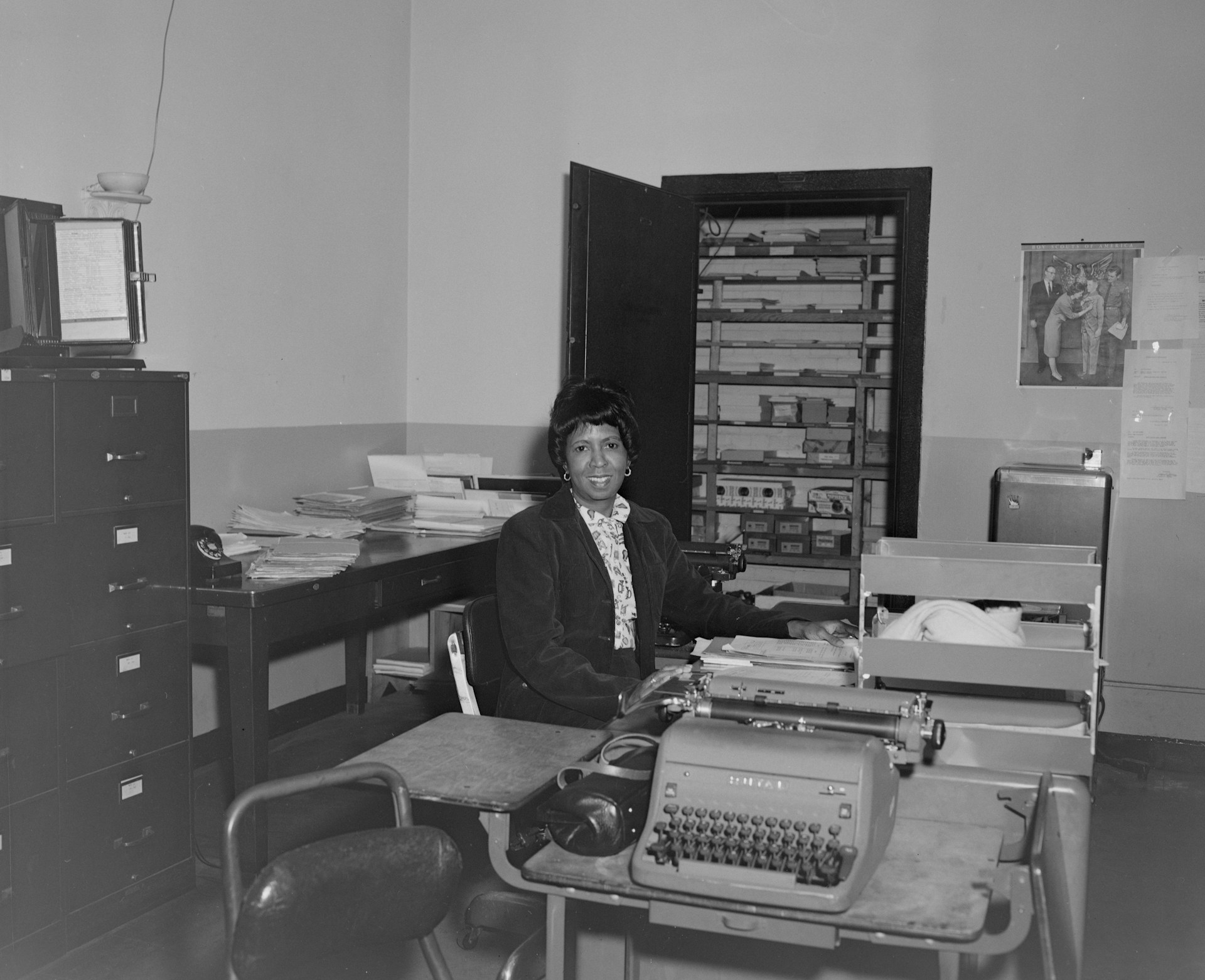
Flirting, inappropriate comments, and even unwanted advances were all too common in the 1960s workplace, and there were no legal protections for employees who experienced them. Sexual harassment wasn’t recognized as a form of discrimination until the 1980s, meaning women had little recourse if a boss crossed the line. The “boys’ club” culture of the time normalized this behavior, and speaking out could cost someone their job. Today, strict harassment policies and training exist to ensure safety and respect at work.
5. Unequal Pay by Gender
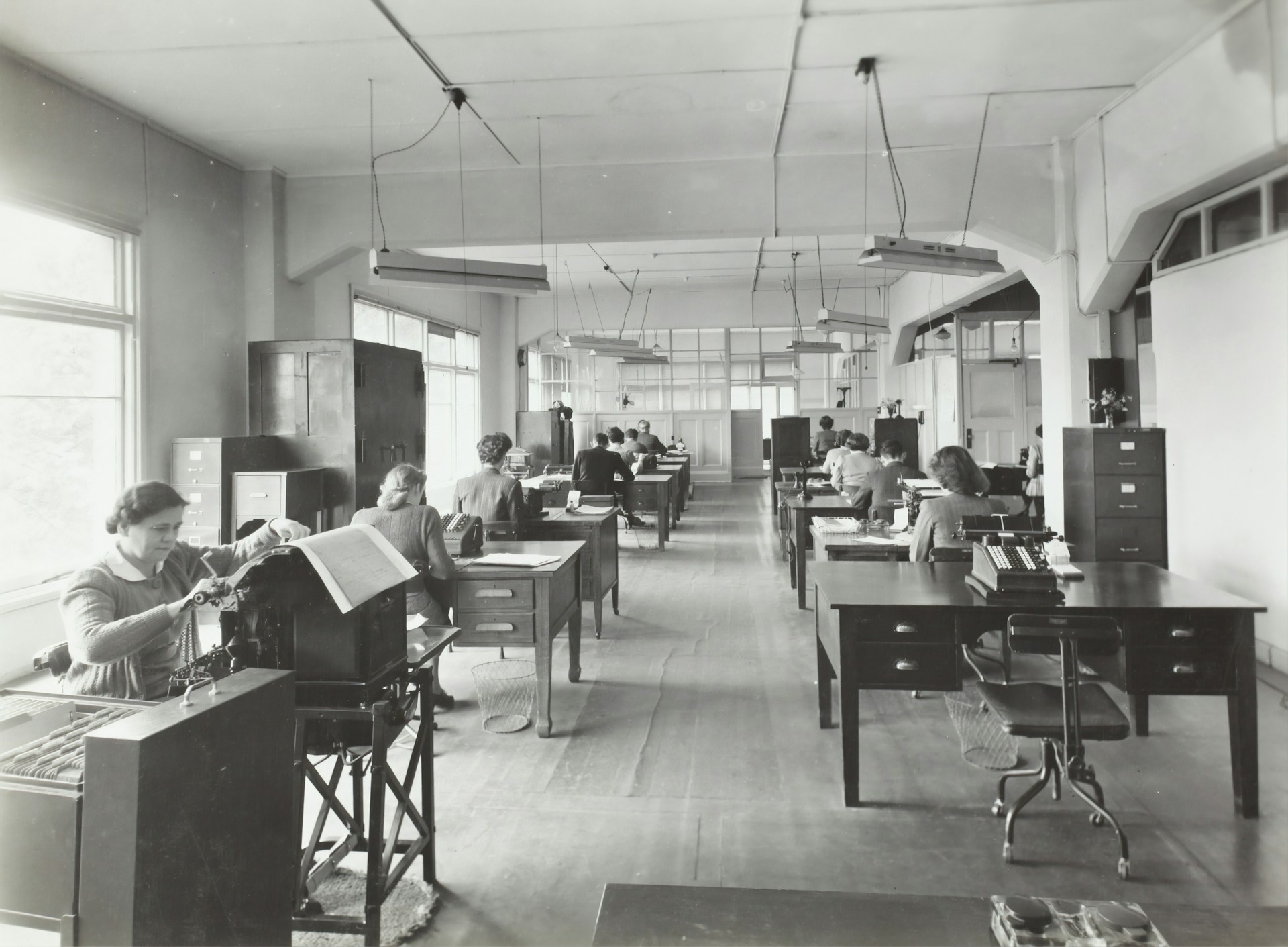
In the early 1960s, it was entirely normal for women to earn significantly less than men for doing the same job. Pay was often openly discussed in terms of gender, with the assumption that men were supporting families while women were merely “supplementing” income. Although the Equal Pay Act of 1963 aimed to correct this imbalance, enforcement took years, and discrimination persisted long after. Modern wage transparency and equal pay laws now make this kind of inequality not only immoral but also illegal.
6. Racial Discrimination in Hiring
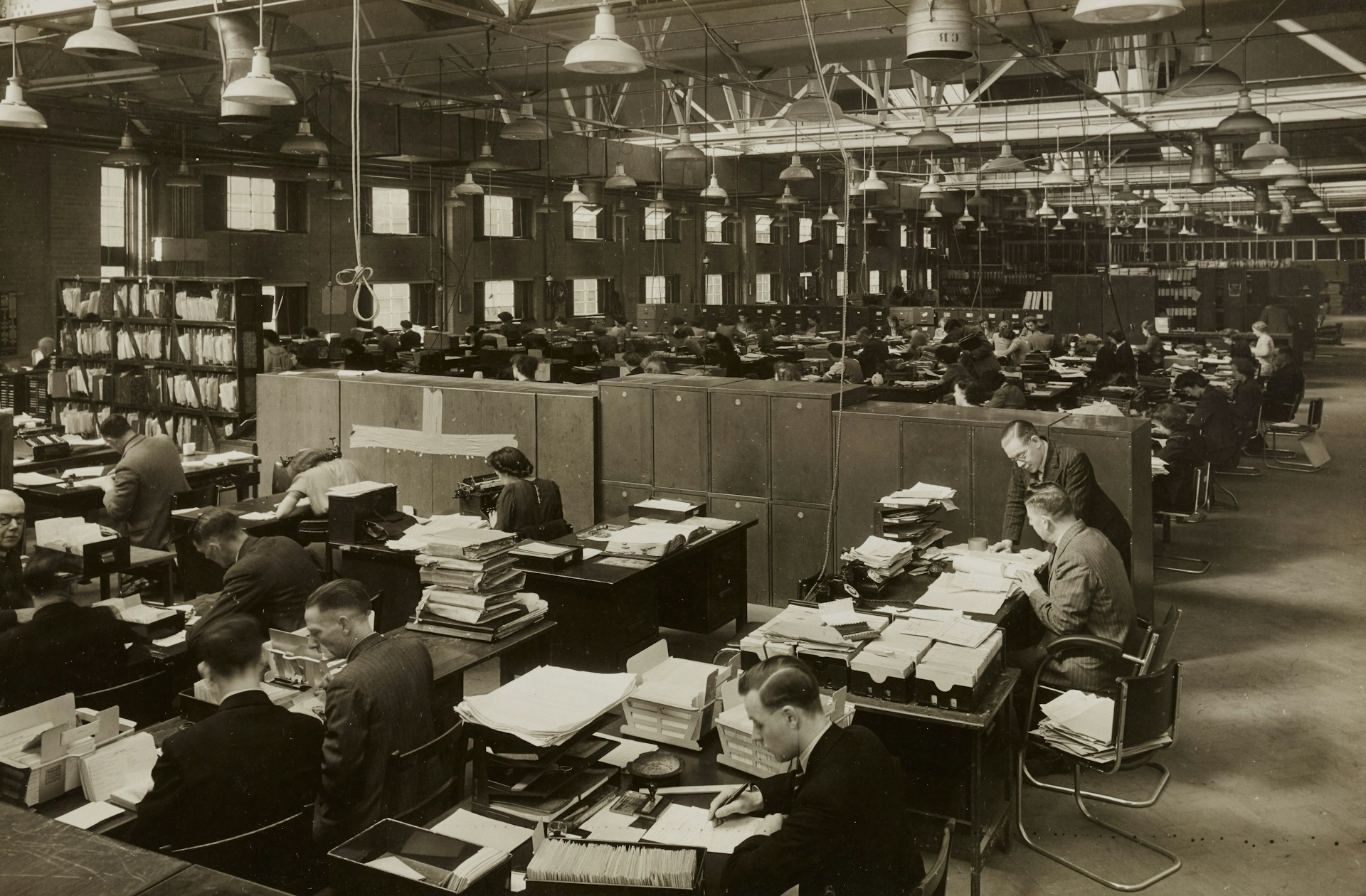
Before the Civil Rights Act of 1964, it was legal for companies to discriminate based on race, color, or national origin. Job postings, housing notices, and company policies often excluded nonwhite applicants outright. Even after the law passed, many employers found ways to enforce segregation informally. Today, federal law protects against racial discrimination, but the ’60s workplace serves as a reminder of how recently those protections were established: and how hard-fought they were.
7. No Safety Regulations
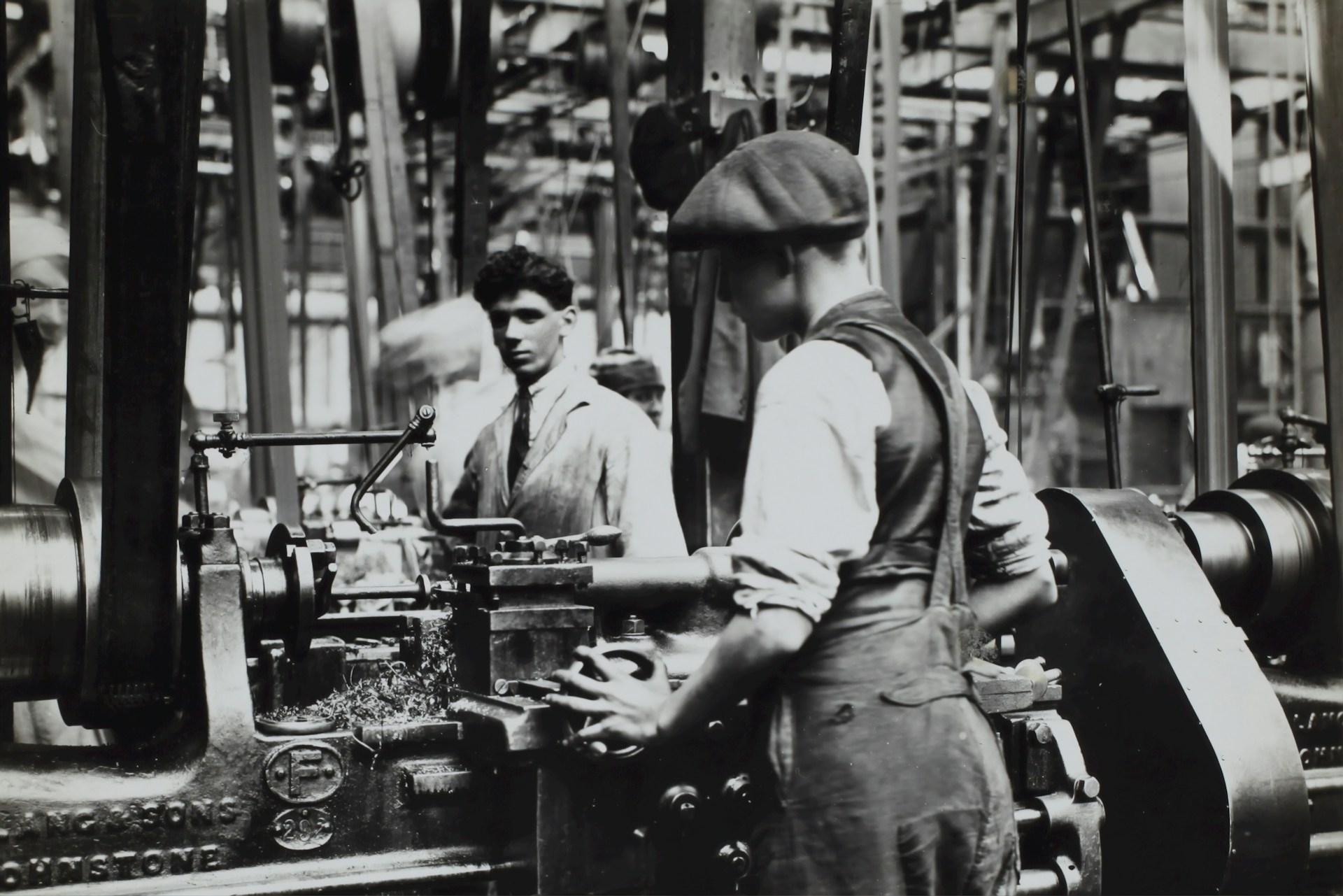
Before the Occupational Safety and Health Administration (OSHA) was created in 1970, there were virtually no national safety standards for most workplaces. Factories, construction sites, and even offices often lacked proper ventilation, protective gear, or emergency procedures. Accidents were common, and workers had few legal protections if they were injured on the job. The idea that an employer had a legal duty to provide a safe environment simply didn’t exist, leaving many employees in dangerous situations every day.
8. Company Control Over Personal Appearance
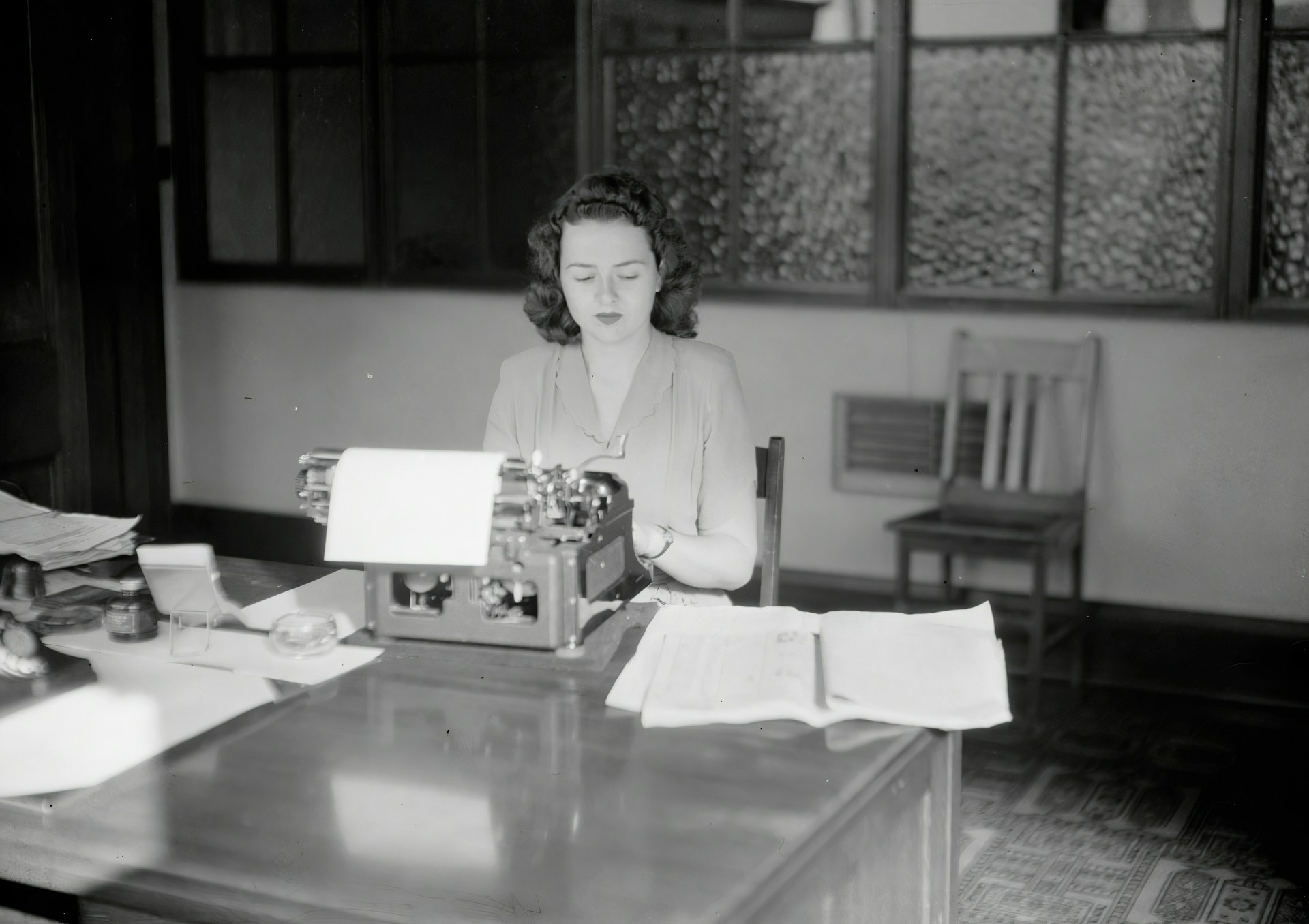
Employers in the 1960s often dictated not just what employees wore but how they styled their hair, what makeup they used, and whether facial hair was acceptable. Women were expected to wear dresses and maintain a polished, feminine look, while men had to be clean-shaven and conservative. Deviating from the norm could get you reprimanded or fired. Today, appearance-based discrimination is restricted, and many workplaces celebrate diversity and individuality instead of suppressing it.
9. No Anti-Retaliation Protections
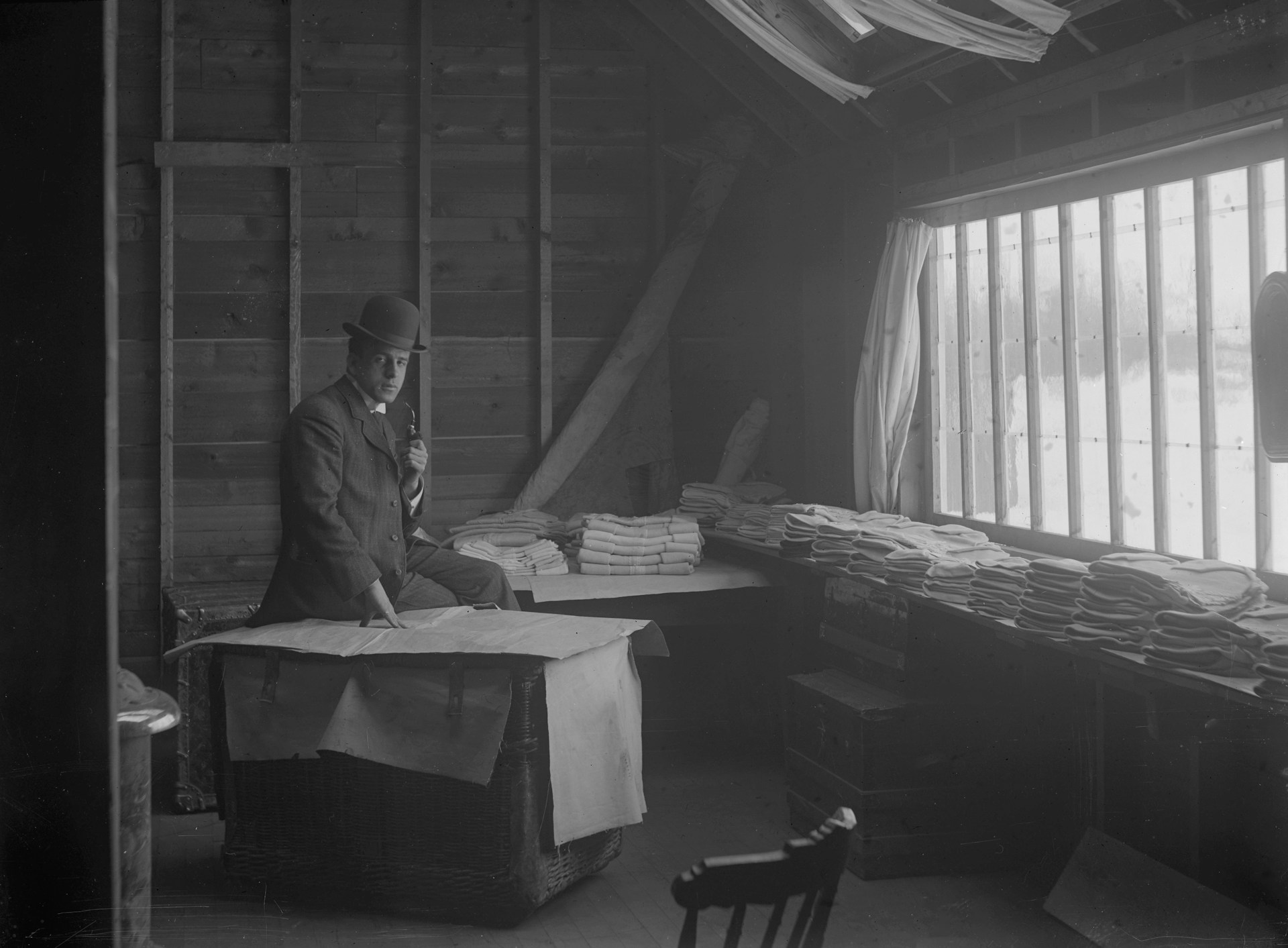
Speaking out against unfair treatment in the 1960s could easily end your career. Whistleblower protections didn’t exist, so if you reported discrimination, unsafe practices, or unethical behavior, you could be demoted or fired without consequence. Employees had little leverage against management decisions. Modern labor laws and anti-retaliation protections have transformed this dynamic, giving workers the right to raise concerns without fear of losing their livelihoods.
10. No Maternity or Family Leave
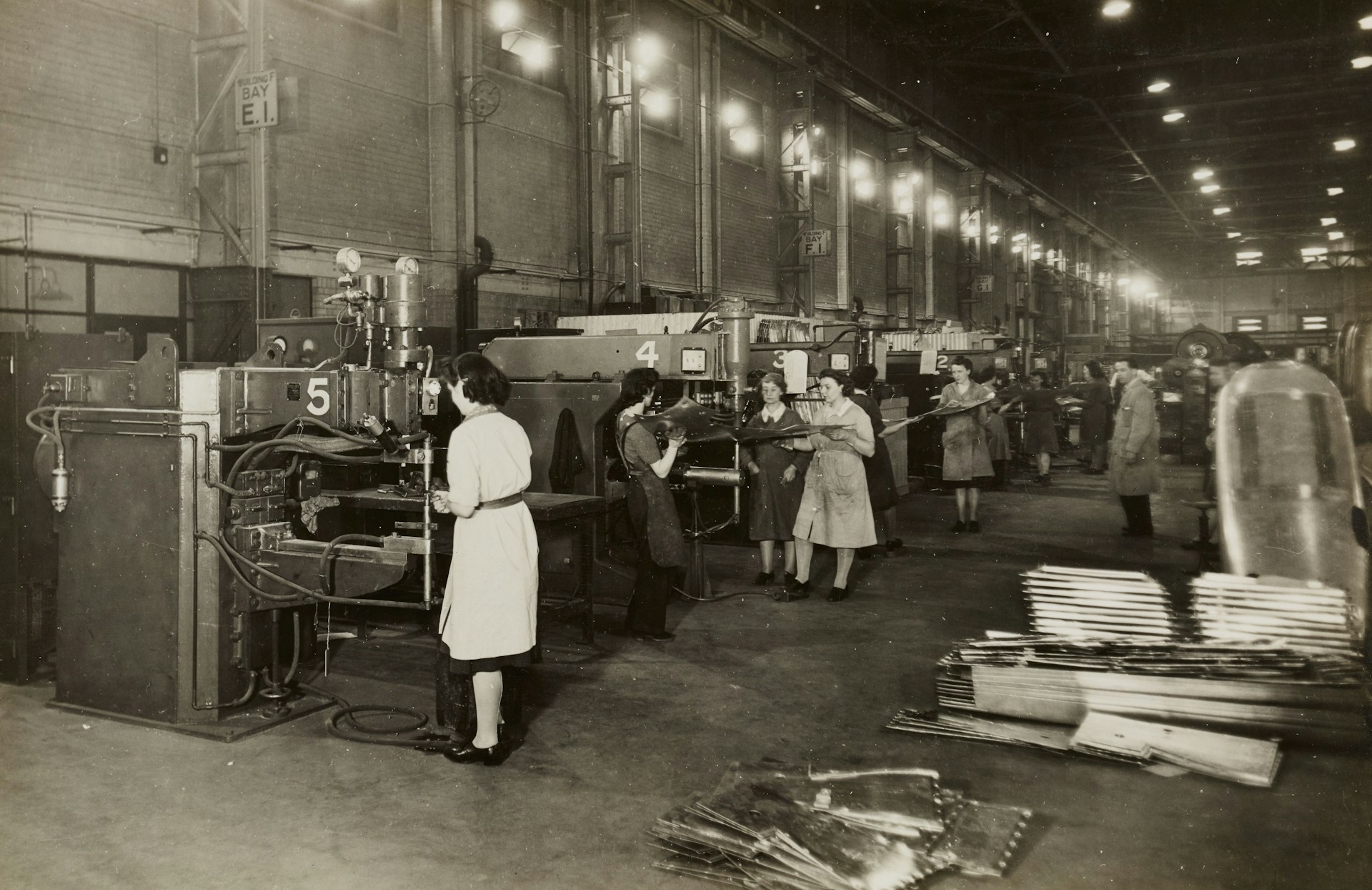
Family leave policies were nonexistent in the 1960s. If an employee needed time off for childbirth or to care for a sick relative, the only option was to quit or take unpaid leave: if management even allowed it. The Family and Medical Leave Act, introduced decades later in 1993, gave workers the right to job-protected leave for family and health reasons. Back then, balancing work and family life was nearly impossible, especially for women who were expected to simply disappear from the workforce once they started a family.
Looking back at these outdated workplace rules is a powerful reminder of how far labor rights have come. What once seemed normal now feels shocking, but each change came through decades of advocacy and reform. Today’s workplace, with its protections and inclusivity, is the result of countless struggles for equality, safety, and respect. The ’60s may be remembered for progress in culture and technology, but when it came to workers’ rights, it was still a world that had a lot to learn.