The workplace has changed dramatically since the 1990s, and many habits that once seemed normal are now unthinkable. With modern HR policies focused on inclusivity, professionalism, and ethics, certain old behaviors simply wouldn’t survive today. While some 90s practices were harmless, others crossed boundaries we now fully recognize. Exploring these old habits offers a humorous but insightful look at how much workplace culture has evolved.
Chain-Smoking Near Entrances

In the 90s, it wasn’t unusual for employees to gather near doors for smoke breaks that lasted far too long. Today, designated smoking areas and strict health policies would prevent this immediately. Non-smokers often felt forced to walk through clouds of smoke just to enter the building. HR departments now prioritize cleaner, healthier environments for everyone.
Casual Gossip Circles in the Breakroom

Workplace gossip once flowed freely, often turning breakrooms into rumor hubs. Modern HR emphasizes respectful communication and privacy, making gossip a major red flag. Gossip can create a toxic culture that harms morale and trust. Today’s workplaces aim to foster more supportive and transparent communication habits.
Unannounced Pop-In Meetings

Spontaneous desk-side interruptions were common in the 90s, even when someone was clearly focused. Now, HR encourages scheduled check-ins and respect for work boundaries. Constant interruptions impact productivity and add unnecessary stress. Today’s teams rely more on digital planning tools to organize communication.
Posting Personal Jokes on Bulletin Boards
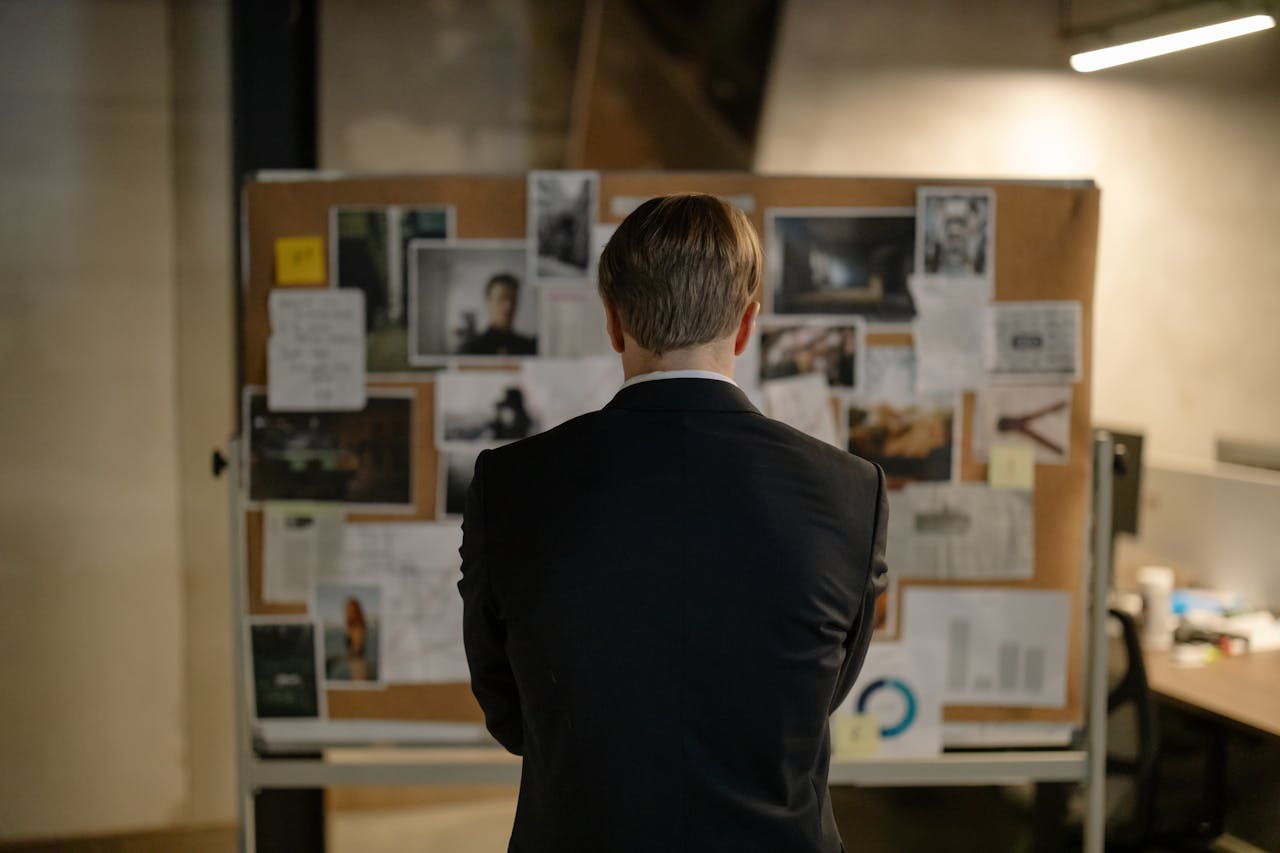
It wasn’t uncommon for employees to pin jokes, cartoons, or memes that might be considered inappropriate today. HR departments now monitor shared spaces to ensure professionalism and inclusivity. Humor in the workplace is still welcome, but not at the expense of discomfort. Modern norms demand sensitivity to all employees.
Loud Speakerphone Conversations

Conference calls were often blasted through speakerphones in open offices, disrupting everyone around. Modern HR promotes noise-aware behaviors and encourages headsets or private rooms. Employees now understand the importance of maintaining a focused environment. Quiet, respectful workspace habits have become the norm.
Mandatory After-Work Socials

In the 90s, participation in after-work gatherings sometimes felt like an unspoken requirement. Today, HR is careful to respect boundaries and personal obligations. Employees should never feel pressured to socialize outside working hours. Inclusivity also requires acknowledging that not everyone enjoys the same off-duty activities.
Bringing Kids or Pets Without Warning

Employees occasionally brought children or pets into the office spontaneously. Modern HR policies require approval and clear guidelines to avoid disruptions or safety issues. While some workplaces allow pet-friendly days, they are planned in advance. Professional boundaries help keep the environment stable and predictable.
Personal Calls on Office Phones

Employees frequently used office phones for long personal conversations. Today’s environments emphasize productivity and digital etiquette. Phones are expected to be used primarily for work-related communication. Modern policy recognizes that personal calls can interrupt workflow and distract others.
Overly Long Team Meetings
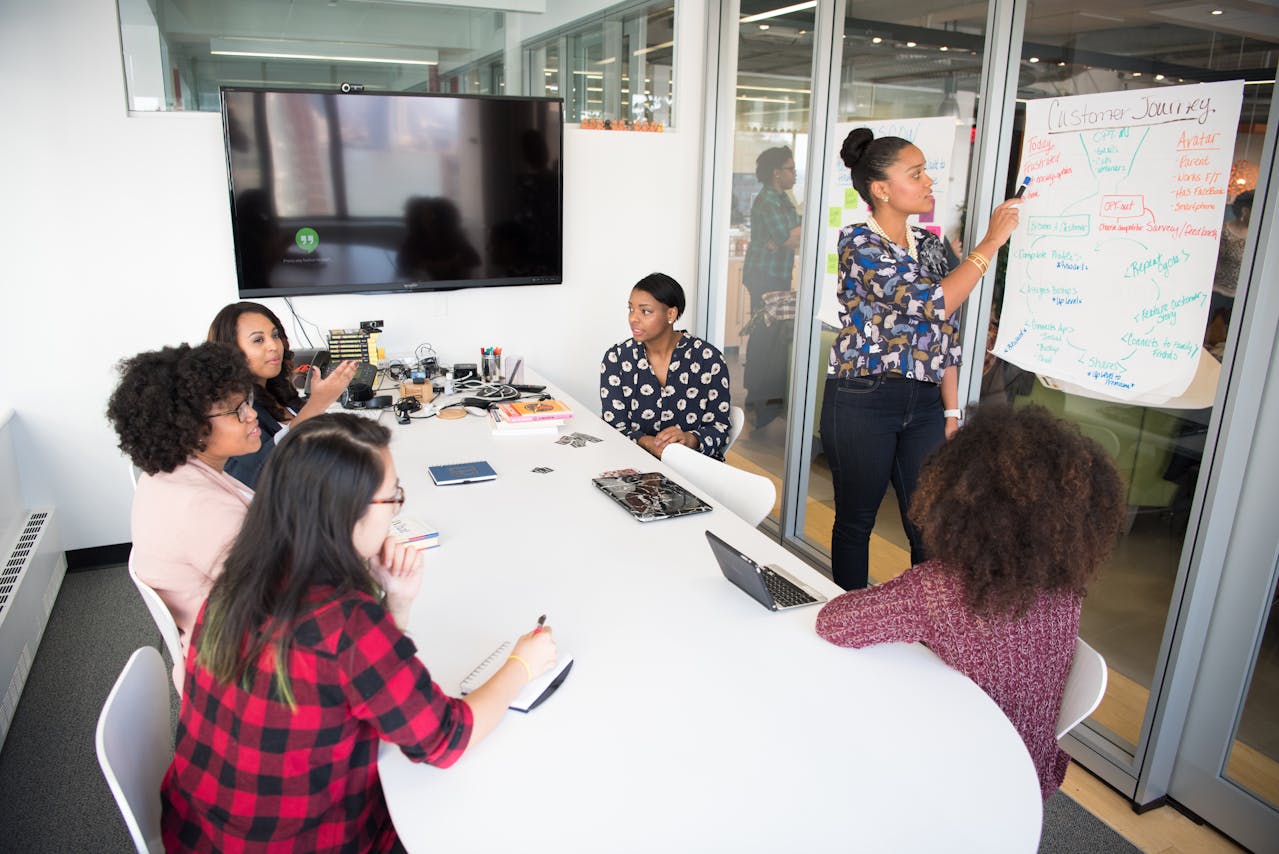
90s meetings often stretched far beyond what was necessary, with large groups attending without clear purpose. HR now encourages efficient meeting structures with defined agendas. The goal is to respect employee time and reduce burnout. Shorter, focused meetings have become standard practice.
Blasting Music Over Shared Speakers

Office sound systems occasionally played music chosen by whoever arrived first. This wouldn’t last a day now, as HR prioritizes inclusive and distraction-free environments. Employees are encouraged to use headphones if they want music. Respecting shared space is a modern priority.