The Wild West has long been romanticized in movies and stories, with images of cowboys, saloons, and frontier towns capturing our imaginations. But daily life in that era was rough, unregulated, and filled with practices that would never fly in today’s world. From outdated medical treatments to questionable justice systems, many of these traditions reveal just how different society was back then. Here are ten Wild West traditions that might have worked for survival at the time, but would be completely unthinkable today.
Frontier Justice Without Trial

In the Wild West, communities often took justice into their own hands. With little official law enforcement, disputes were sometimes resolved through vigilante justice or even public hangings without a proper trial. While this may have been seen as a way to quickly deal with outlaws, it left room for mistakes, bias, and unfair punishments. Today, with established courts and legal rights, the idea of skipping trials and leaving justice to angry mobs would be considered extremely dangerous and completely unacceptable.
Dueling to Settle Disputes

Hollywood often shows Wild West gunfights at high noon, but dueling was not just a movie trope, it was a real way people settled disagreements. Rather than talk things out or bring conflicts to authorities, some men believed that drawing pistols was the only way to defend their honor. Modern society values communication, mediation, and peaceful resolution, and settling disagreements with firearms would be seen as reckless and criminal. It is hard to imagine anyone today standing in a dusty street for a showdown.
Open Carry of Firearms in Every Situation
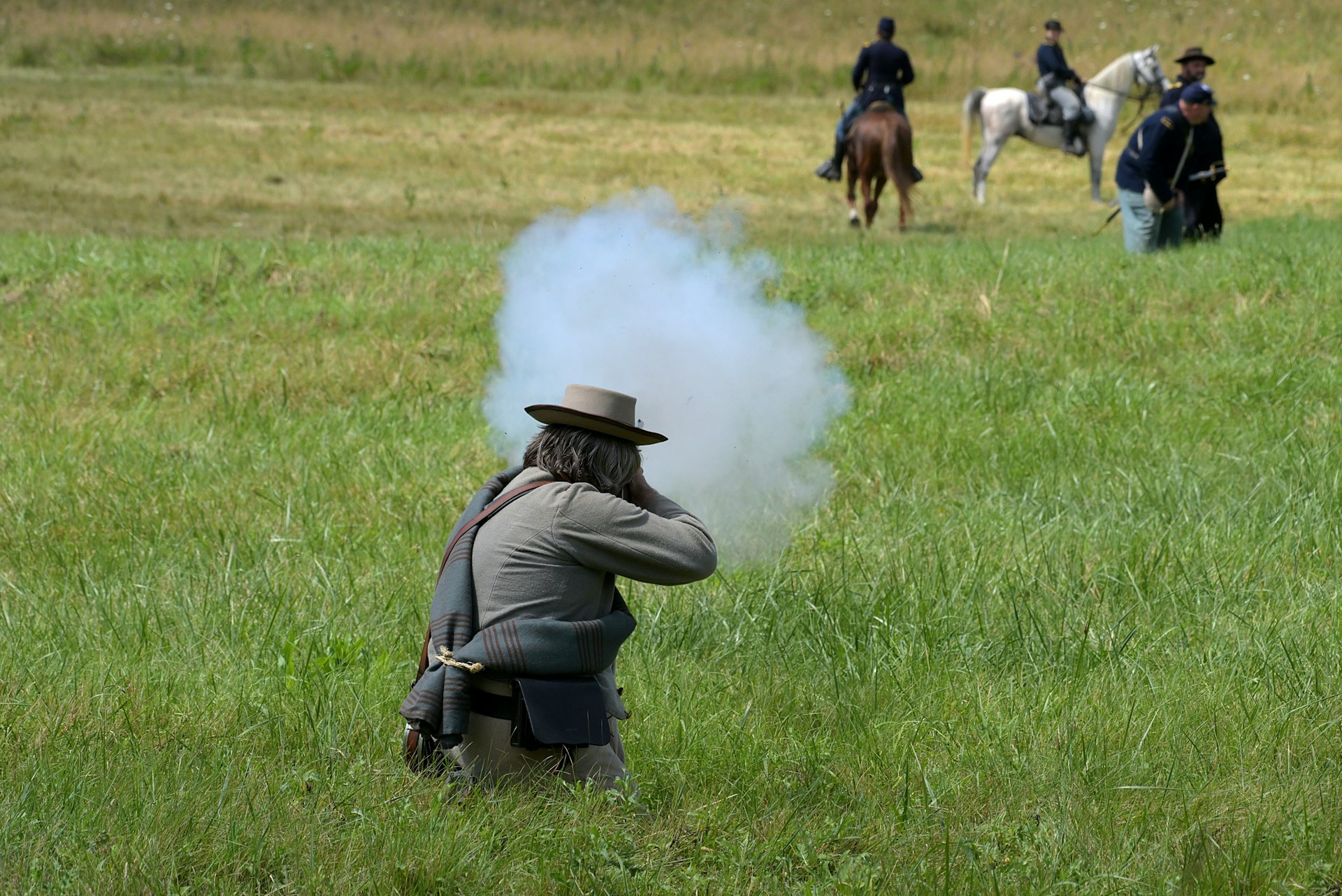
In frontier towns, it was common to see revolvers on hips and rifles slung across shoulders. People carried guns not just for protection but also as symbols of independence. Today, while debates about gun rights continue, openly displaying firearms in everyday settings like banks, schools, or grocery stores would cause alarm. Modern communities expect regulated use of weapons, and the idea of everyone walking around constantly armed would be seen as unsafe rather than heroic.
Gambling as a Community Activity

Saloons were more than drinking spots, they were social centers where gambling was an everyday pastime. From poker games to roulette wheels, fortunes could change in a single night. While gambling still exists today, it is heavily regulated and often restricted to casinos or online platforms. The casual, unmonitored gambling culture of the Wild West would raise major concerns about addiction, cheating, and financial ruin. Communities today prefer safer entertainment that does not risk people’s livelihoods so easily.
Medical Treatments With Little Science

Frontier medicine was often improvised, with limited access to real doctors and little scientific knowledge guiding treatments. Remedies included questionable tonics, dangerous surgeries without anesthesia, or even whiskey as a cure-all. What people accepted out of necessity would be unthinkable now, when advanced medicine and strict safety standards are expected. From vaccines to modern hospitals, today’s world would never tolerate the unproven and often harmful medical practices that were common on the frontier.
Unregulated Saloons and Drinking Culture

Saloons were everywhere in the Wild West, often operating without any form of oversight. Drinking was heavy and common, with whiskey flowing freely at all hours. These saloons sometimes doubled as hotels, gambling houses, and even brothels, making them chaotic and often unsafe. Today, alcohol sales are regulated, establishments require licenses, and safety standards are enforced. The freewheeling saloon culture of the West would be completely unacceptable in a modern community that values order and responsibility.
Stagecoach Robberies and Outlaw Culture
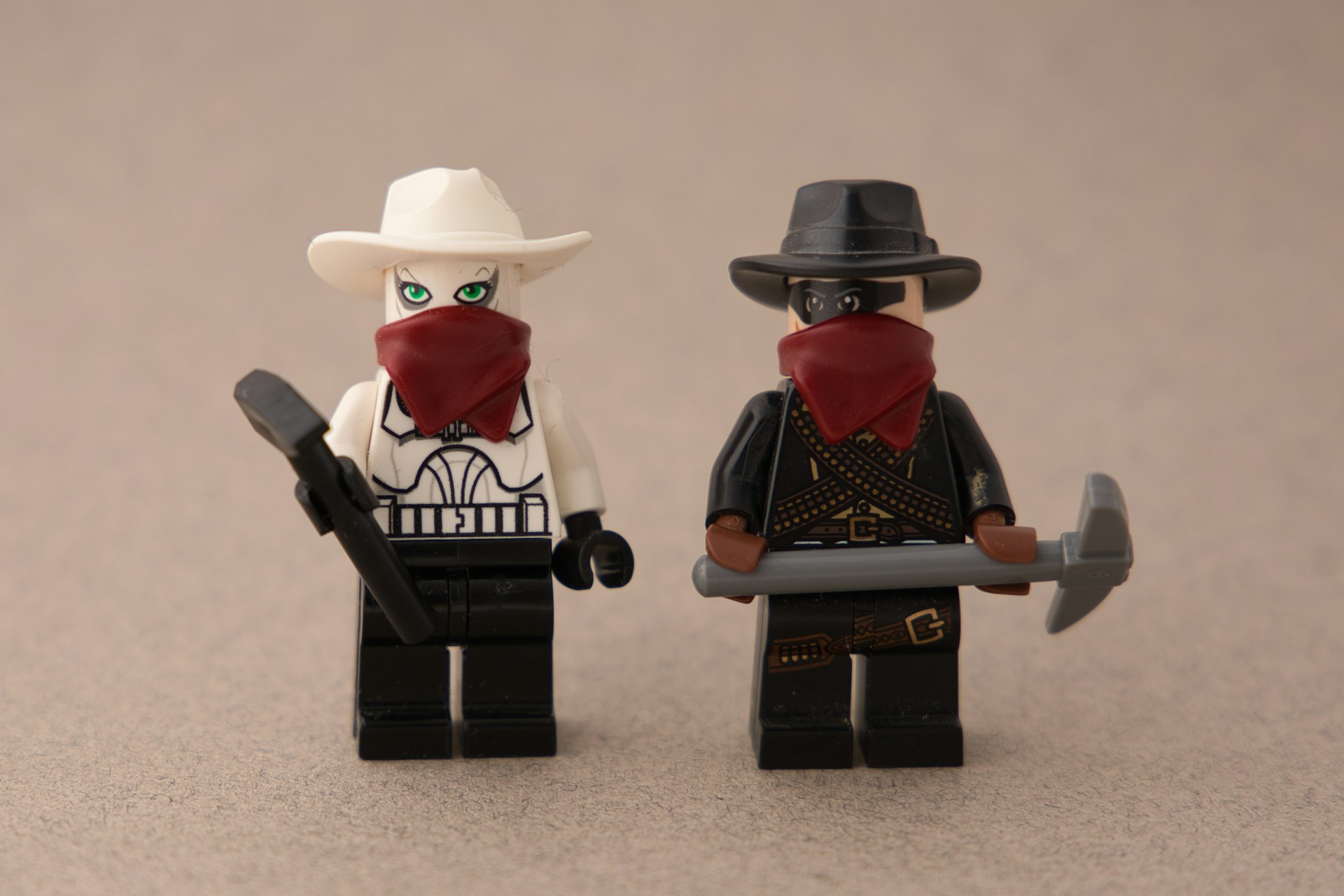
The Wild West is filled with stories of bandits robbing stagecoaches or trains. Outlaws were sometimes even glamorized as daring anti-heroes. In reality, robberies were violent crimes that left travelers in fear. Today, with advanced security systems, police networks, and surveillance, such crimes would be almost impossible to pull off regularly. The idea of constantly risking robbery while traveling would make modern life unbearable. Outlaw legends may still fascinate us, but their crimes would be condemned without question today.
Buffalo Hunting and Wildlife Exploitation
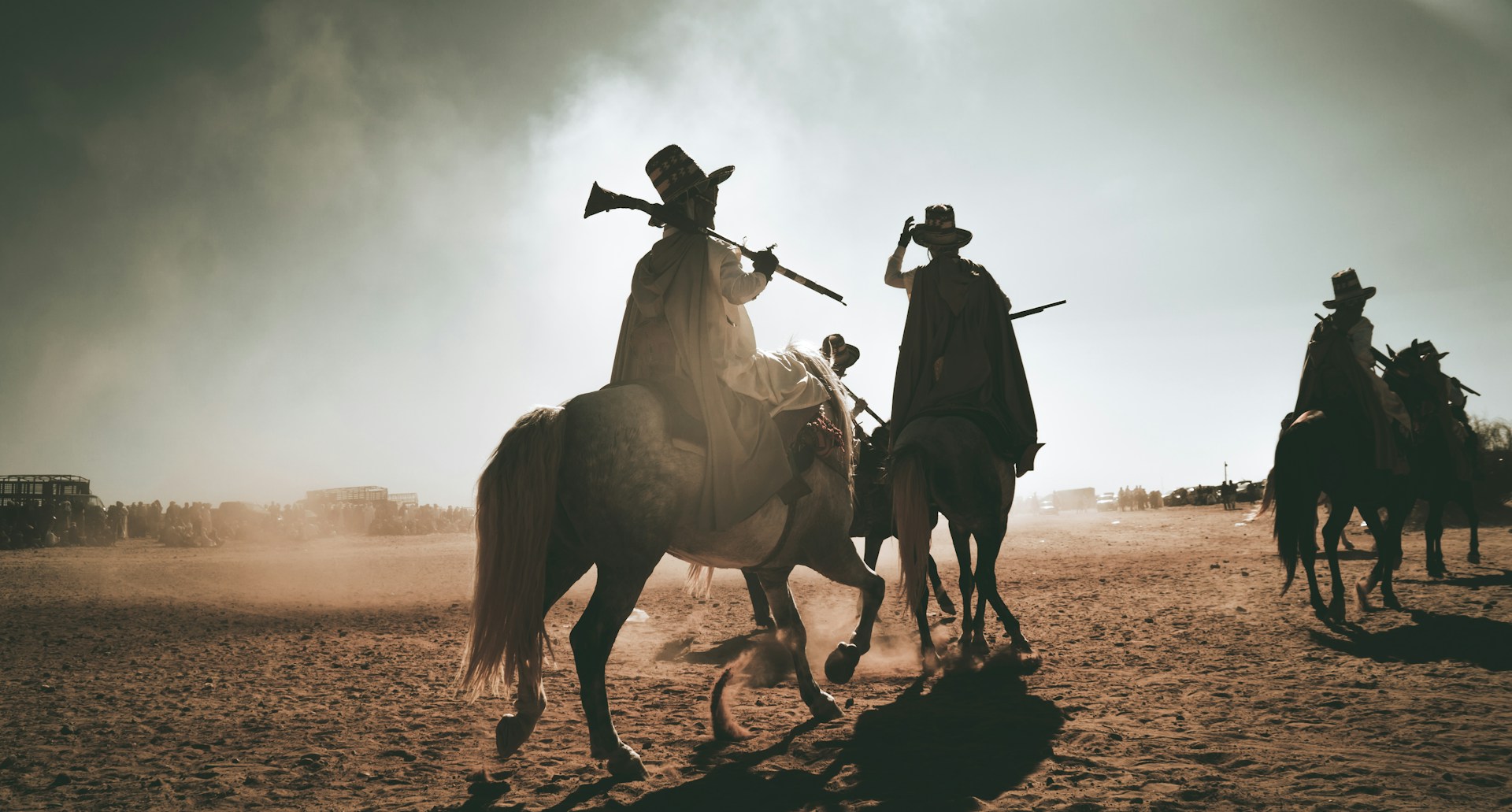
Buffalo hunting was widespread during the Wild West era, often carried out for sport or profit rather than survival. The near-extermination of the American bison was a direct result of this practice, and it had devastating effects on ecosystems and Native communities. Today, with a much greater awareness of conservation, hunting on such a massive and wasteful scale would never be tolerated. Wildlife protection laws, endangered species lists, and conservation programs exist to ensure that such exploitation does not happen again.
Child Labor on the Frontier
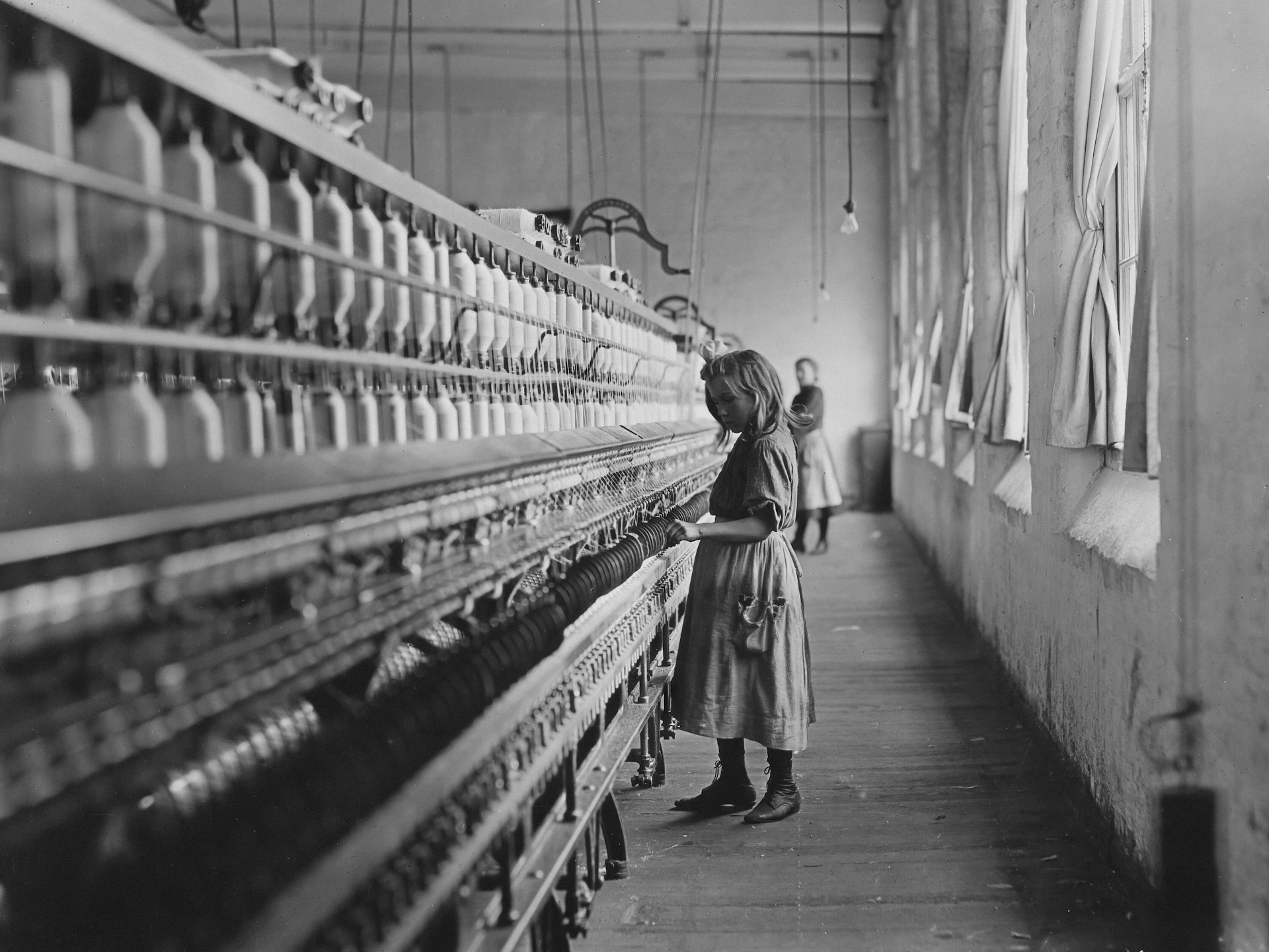
Children in the Wild West were often expected to work from a young age, whether on family farms, in mines, or even helping out in saloons. Childhood was short, and education was not always prioritized. In today’s society, child labor is strictly regulated, and young people are expected to be in school rather than supporting households through dangerous work. The modern emphasis on child safety and development would make the frontier expectation of children working long hours completely unacceptable.
Lack of Women’s Rights and Representation
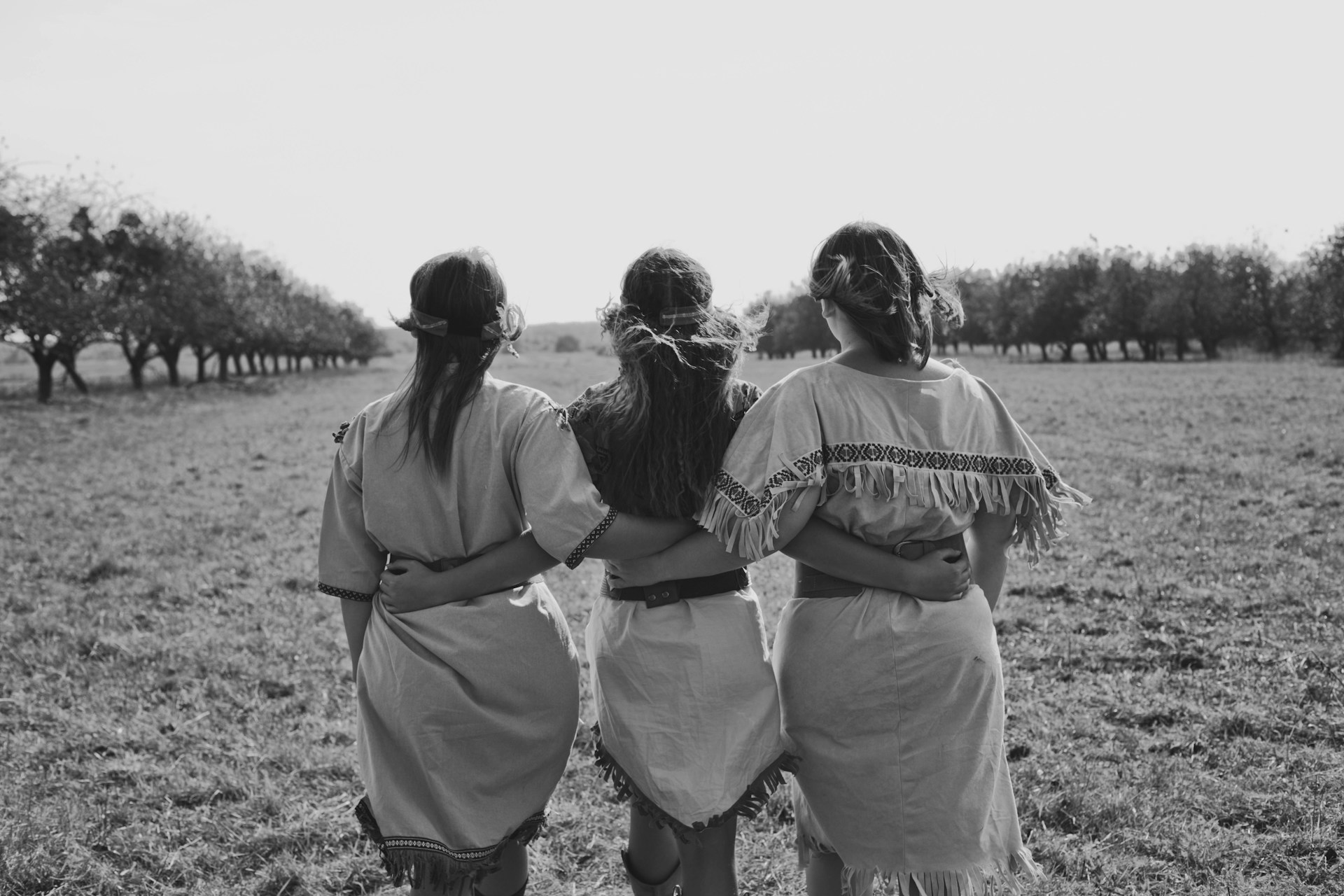
Life in the Wild West was especially difficult for women, who had very few rights and often carried heavy responsibilities at home while men traveled or worked. In many towns, women were excluded from decision-making and opportunities for independence were rare. Today, with greater recognition of gender equality, this kind of exclusion would not be tolerated. Women’s voices are now essential in shaping communities, politics, and workplaces. The restrictive roles women had on the frontier highlight just how much progress has been made.
The Wild West may seem adventurous in movies, but its traditions reveal a much harsher reality. Practices like vigilante justice, child labor, and reckless medical treatments were often accepted simply because there was no other choice. Today’s world is built on safety standards, equality, and systems that protect people from the dangers of unregulated life. Looking back reminds us how far society has come and how many of those so-called traditions are better left in the past.