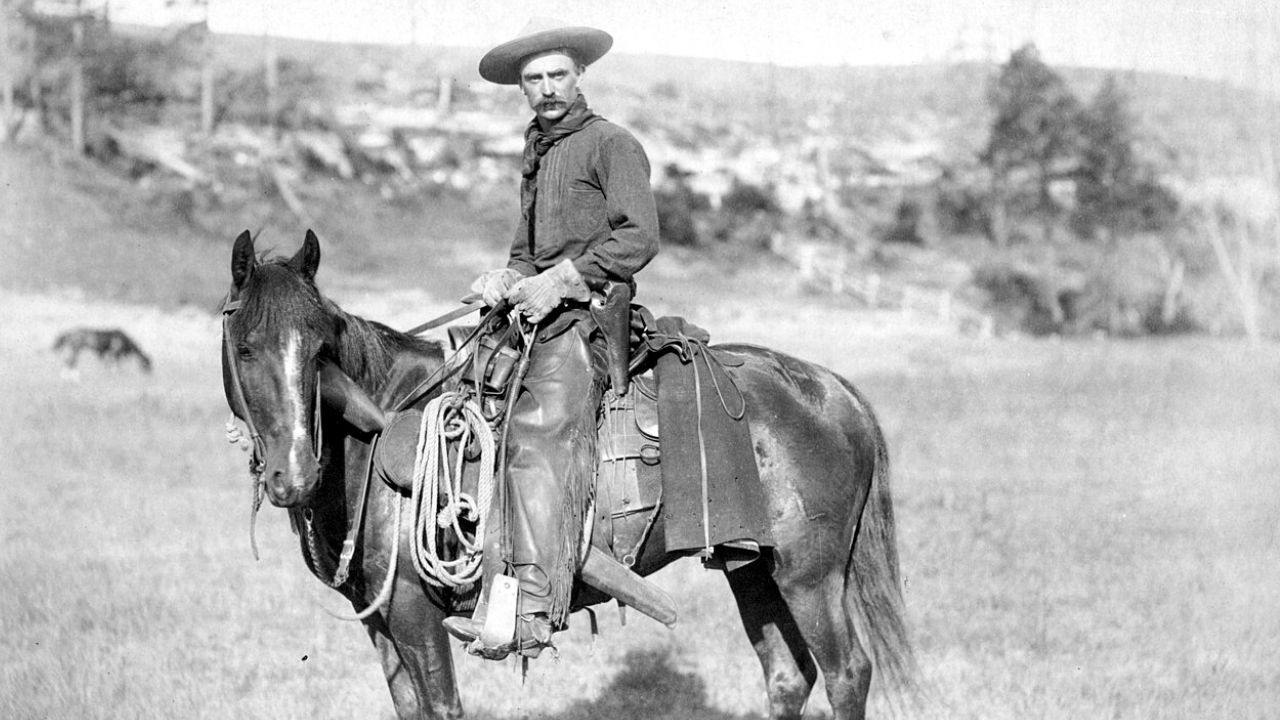
The Wild West has always lived somewhere between history and tall tale, which is exactly why it still fascinates people. Some stories sound too cinematic to believe, yet the record shows frontier life really could be that strange, violent, colorful, and unpredictable. Here are 10 so-called Wild West myths that many claim were actually true, or at least far closer to true than fiction lovers might expect.
1. Bank robberies and train heists were real frontier business
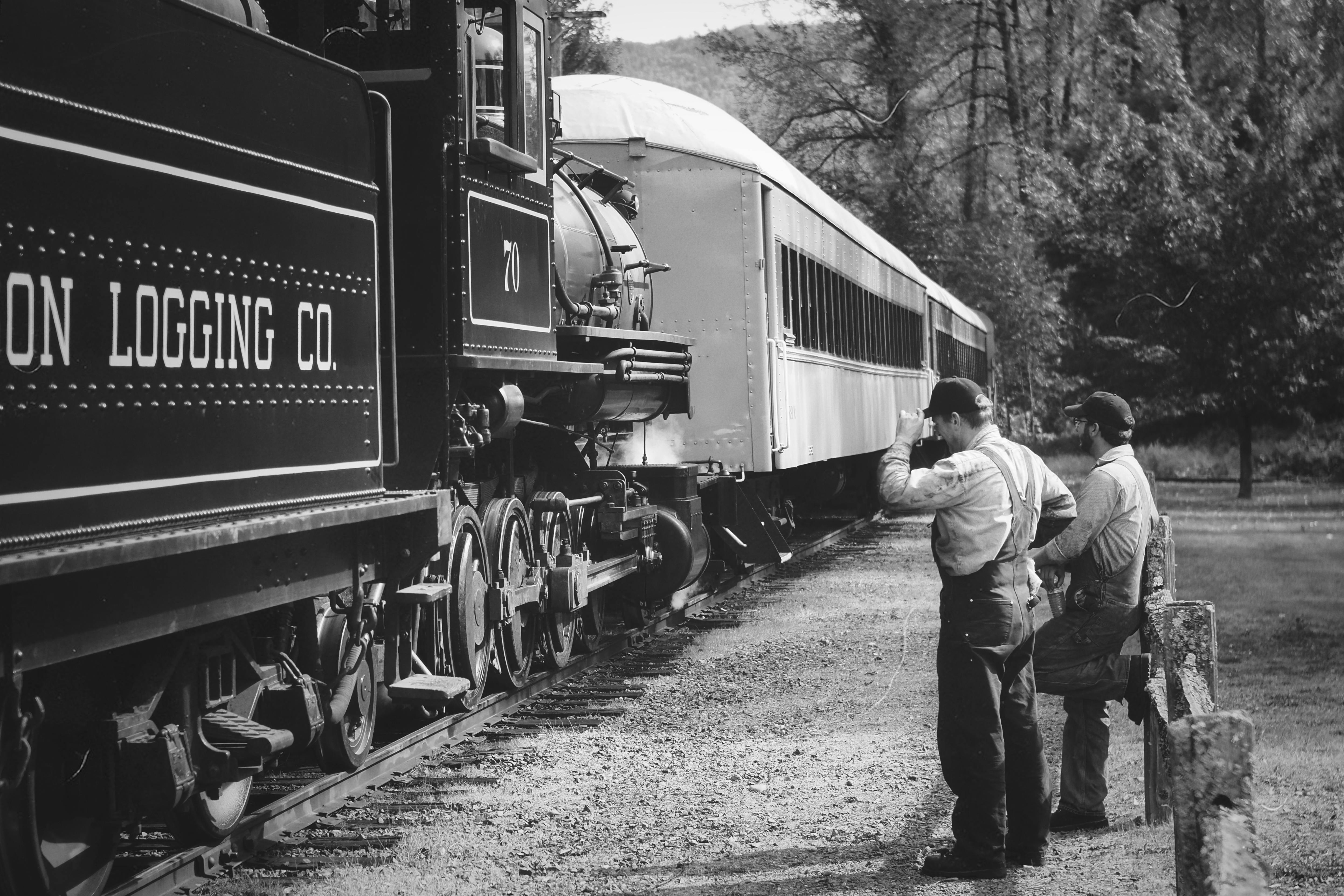
For a lot of people, masked outlaws stopping trains feels like something Hollywood invented and then repeated until it became accepted history. But robberies of banks, stagecoaches, and trains absolutely happened, and some gangs built their fame on exactly that kind of spectacle.
The James-Younger Gang and Butch Cassidy’s Wild Bunch helped turn theft into public theater. Railroads carried cash, payroll, and valuables across isolated territory, which made them tempting targets. The truth is a little less constant than movies suggest, but the core image of armed robbers striking moving trains was not a myth at all.
2. Some towns really did have famous gunfights in the street
The classic image of two armed men facing off in a dusty street has been polished by fiction, but public shootouts were not pure invention. The most famous example, the gunfight near the O.K. Corral, shows that disputes in frontier towns could spill into very visible, very deadly violence.
That said, many gunfights were messy, fast, and confusing rather than elegant duels at high noon. Historians often point out that the myth got cleaned up for drama. Even so, armed confrontations in public spaces were real enough that town marshals, gamblers, and ranchers all had reason to keep a hand near a holster.
3. Cowboys were often young, underpaid, and constantly dirty
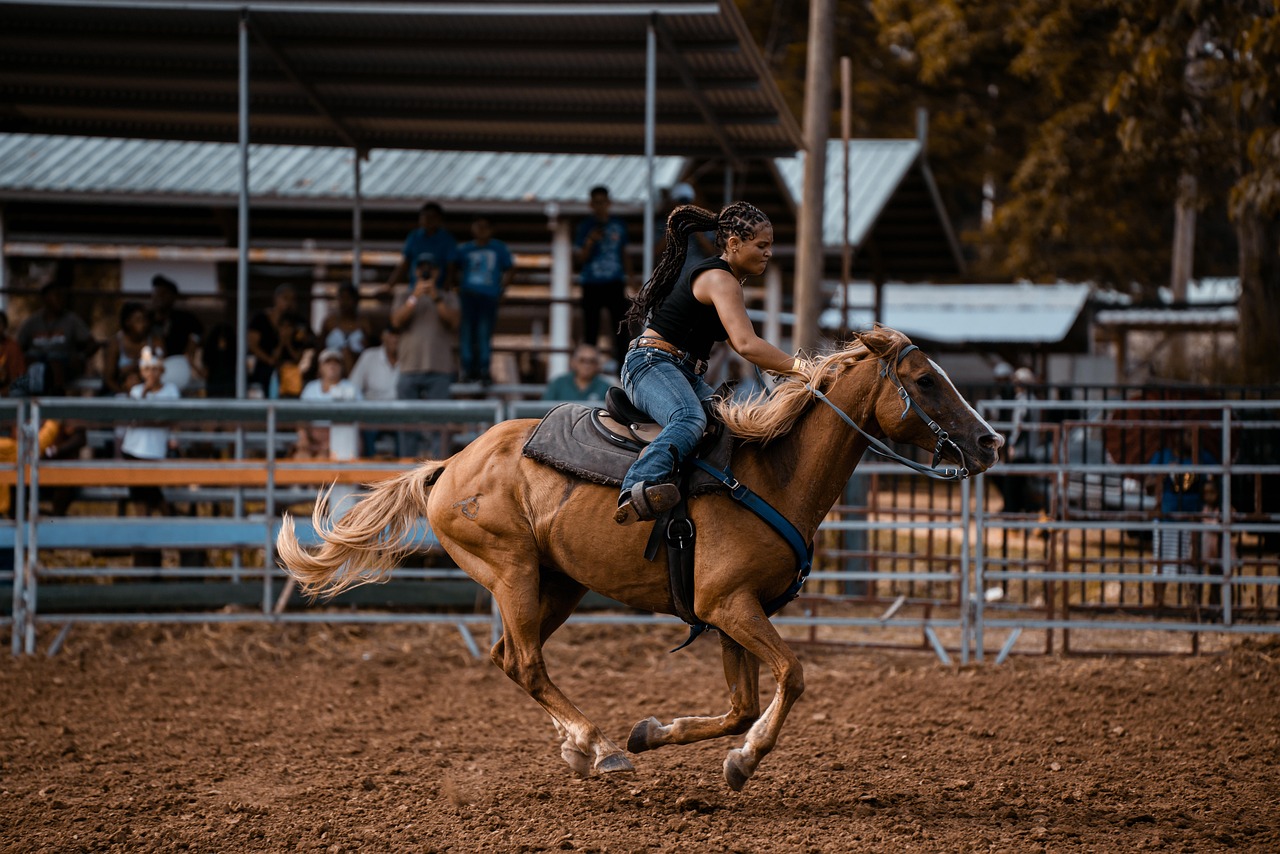
Modern pop culture turned cowboys into glamorous symbols of freedom, but the real job was rough, repetitive, and usually low-paying. Many cowboys were barely out of their teens, worked long cattle drives, slept outside, and wore the same clothes for long stretches because the work simply did not allow much comfort.
That grimy, exhausted version of cowboy life is one of those details people assume must be exaggerated. In reality, the work involved dust, sweat, dangerous weather, injuries, and endless chores. The romance came later. The actual job was closer to hard agricultural labor on horseback than the heroic fantasy many of us grew up seeing.
4. The West was more diverse than the movies made it seem

One of the biggest myths about the Wild West is that it was populated almost entirely by white gunmen and ranchers. In fact, Black cowboys, Mexican vaqueros, Chinese railroad workers, Native communities, and immigrants from many places were all central to western life.
A surprising number of people still treat that diversity like a revision of history, when it is actually a correction of older screen myths. Black cowboys may have made up a significant portion of working cowboys, and Spanish and Mexican traditions shaped horsemanship and cattle culture long before many Anglo settlers arrived. The real West was a crossroads, not a casting cliché.
5. Saloon life could be rowdy, chaotic, and open all night

The swinging saloon doors and noisy card tables of western legend were not just set dressing. Saloons were major social centers in many frontier towns, and depending on the place, they could be loud, crowded, smoky, and unpredictable from sundown to sunrise.
They were more than drinking spots. People gambled, argued politics, looked for work, made deals, heard music, and sometimes started fights. Women also appeared in saloon life more than the simplest myths suggest, though often under difficult circumstances. The Wild West saloon was not always as glamorous as film imagined, but it was every bit as central and disorderly as the legend claims.
6. Bounty hunters and lawmen sometimes blurred together

It sounds like pure pulp fiction that one town’s outlaw could become another place’s deputy, or that private trackers might operate beside official law officers. Yet the frontier often had weak institutions, scattered settlements, and uneven enforcement, which meant the line between formal justice and freelance pursuit could get blurry.
Some lawmen had colorful or questionable pasts, and some bounty-style work really did happen when authorities lacked reach. The polished badge-versus-bandit story is much neater than reality. In many places, reputation, local power, and whoever could gather a posse quickly mattered almost as much as any formal legal procedure.
7. Stagecoaches were dangerous, uncomfortable, and sometimes attacked

Stagecoach travel is often remembered as a romantic way to see the frontier, but the reality could be miserable. Passengers dealt with cramped seating, dust, heat, cold, broken roads, and the constant possibility of delay or danger in remote country.
Attacks did occur, whether from bandits, local conflicts, or simple desperation. Even when nobody drew a gun, the trip itself could feel punishing. That part of the Wild West story is not overblown. Riding in a coach across long stretches of rough terrain was physically exhausting, and there was nothing leisurely about being bounced along for hours with strangers and very little personal space.
8. Cattle drives were epic journeys with real risk
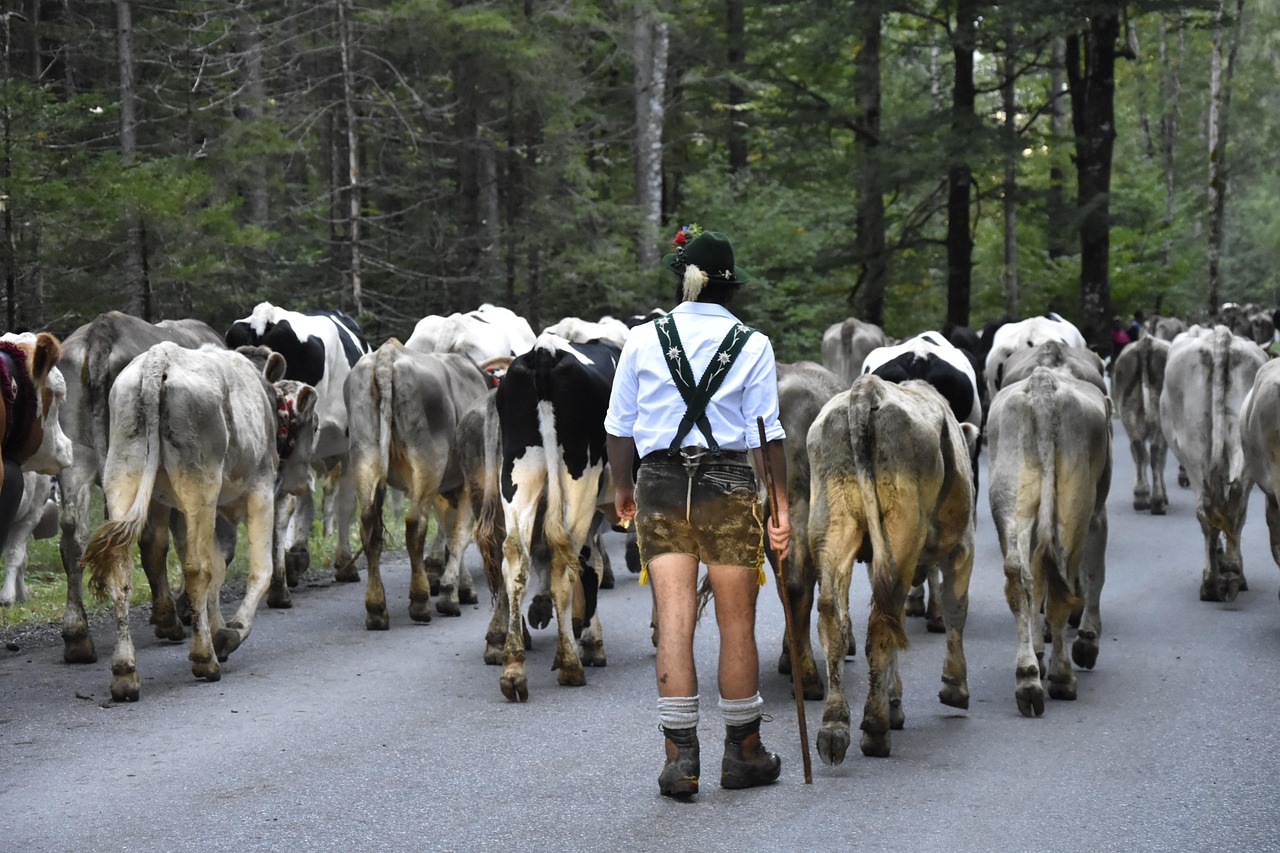
The long cattle drive can sound like an oversized western cliché, but it was a genuine and economically important part of post-Civil War life. Cowboys moved huge herds over long distances toward railheads, and those trips could last for weeks or months under punishing conditions.
Storms, river crossings, injuries, rustlers, stampedes, and plain exhaustion were all real hazards. A drive was not one endless adventure scene, though. Much of it was grinding routine mixed with moments of terror. That combination may be why it turned into legend so easily. The reality was dramatic enough without much embellishment.
9. Frontier justice could be swift and deeply unfair
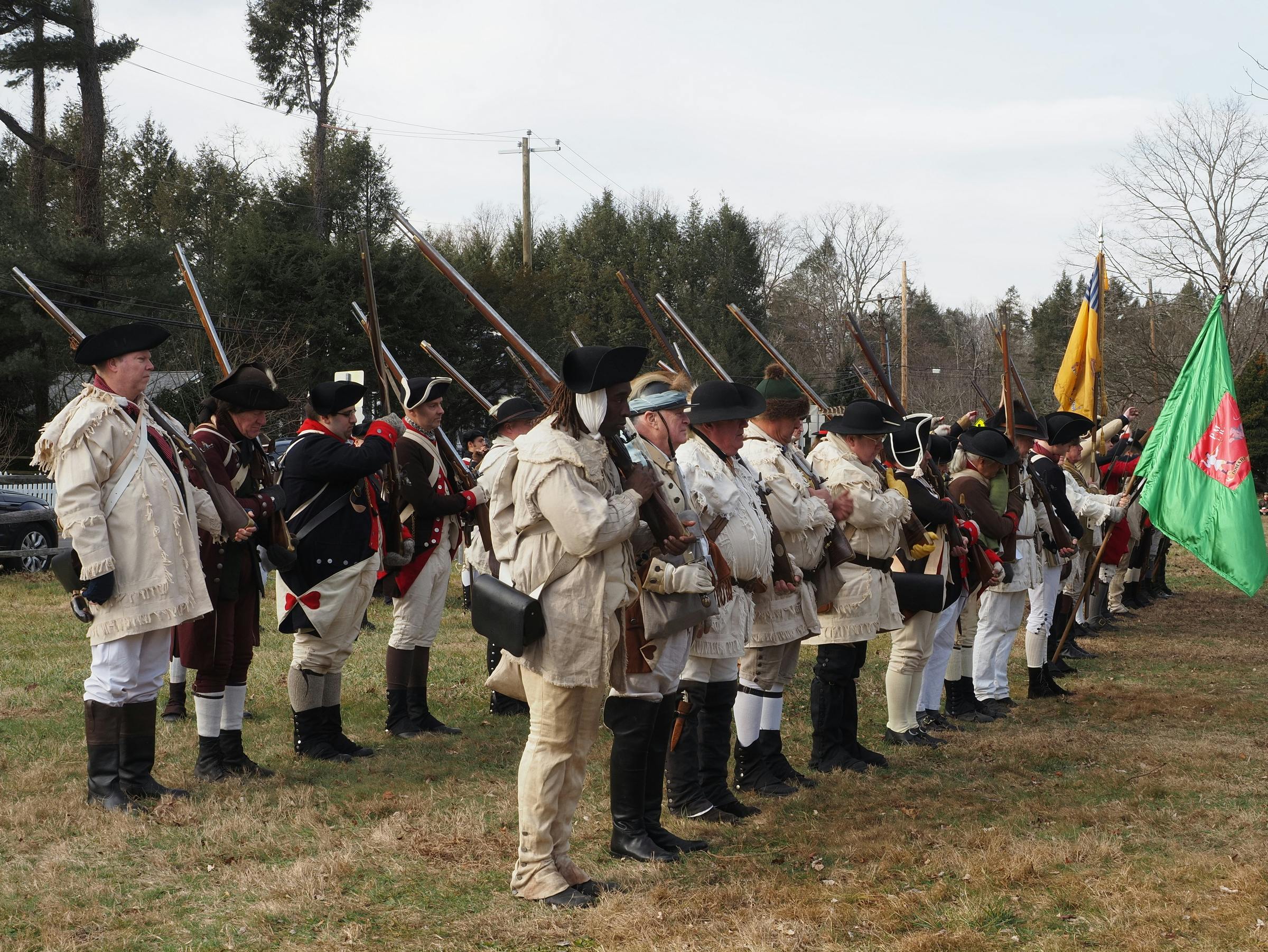
When people talk about the Wild West as a place where justice happened fast, it can sound like a dramatic exaggeration. Unfortunately, there is real history behind that reputation. In many areas, legal systems were thin, inconsistent, corrupt, or simply too far away to prevent mob action and vigilante punishment.
That meant accused people could face hanging, beatings, or expulsion with little due process. Communities sometimes defended these actions as necessary, but necessity and fairness were not the same thing. The myth of frontier justice survives because there really were places where accusation, fear, and local anger could outrun courts by a wide margin.
10. Legends like Wyatt Earp and Calamity Jane were already celebrities
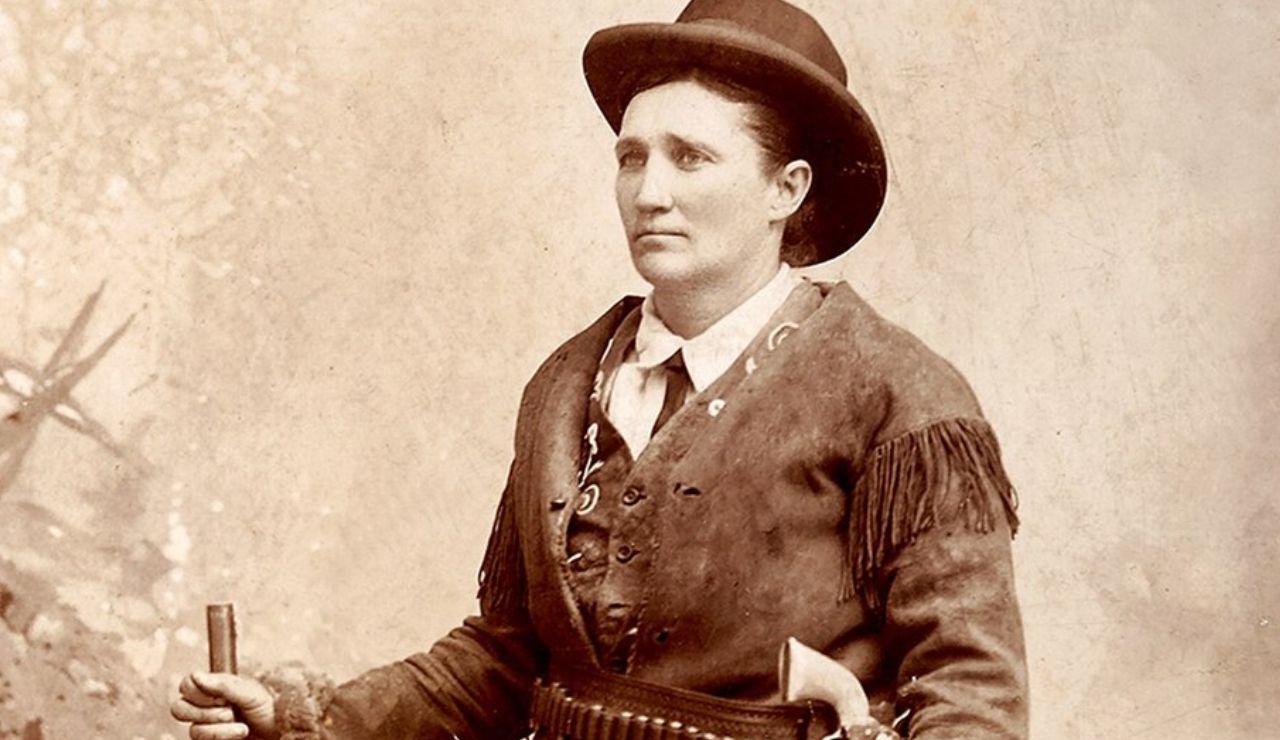
It may seem oddly modern that Wild West figures could become famous versions of themselves while still alive, but that happened more than people realize. Newspapers, dime novels, touring shows, and rumor turned frontier personalities into national characters long before film took over the mythmaking business.
Wyatt Earp, Buffalo Bill, and Calamity Jane all benefited from that early celebrity machinery in different ways. Their stories were reshaped, inflated, and sold to audiences eager for adventure. That does not mean they were fictional. It means the Wild West was already being branded in real time, with fact and performance tangled together almost from the start.