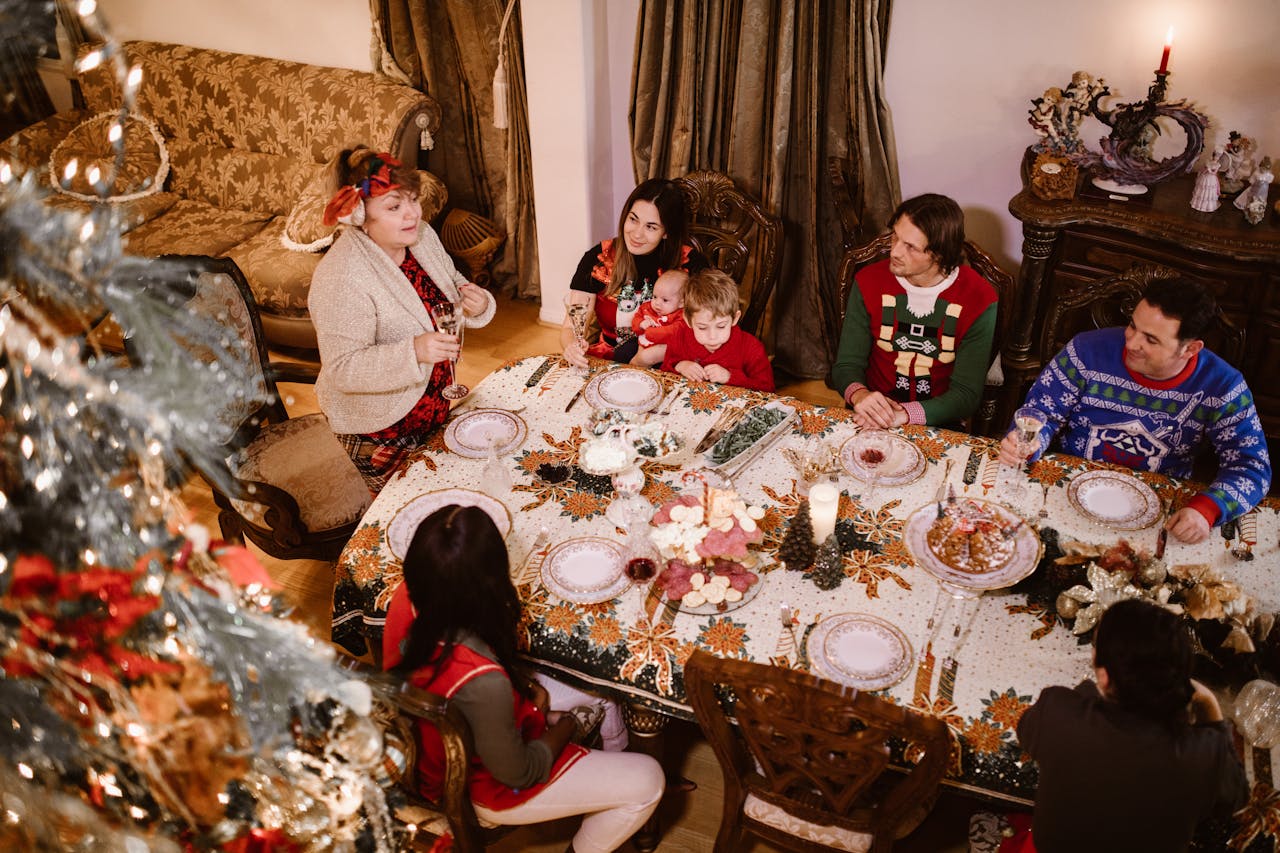
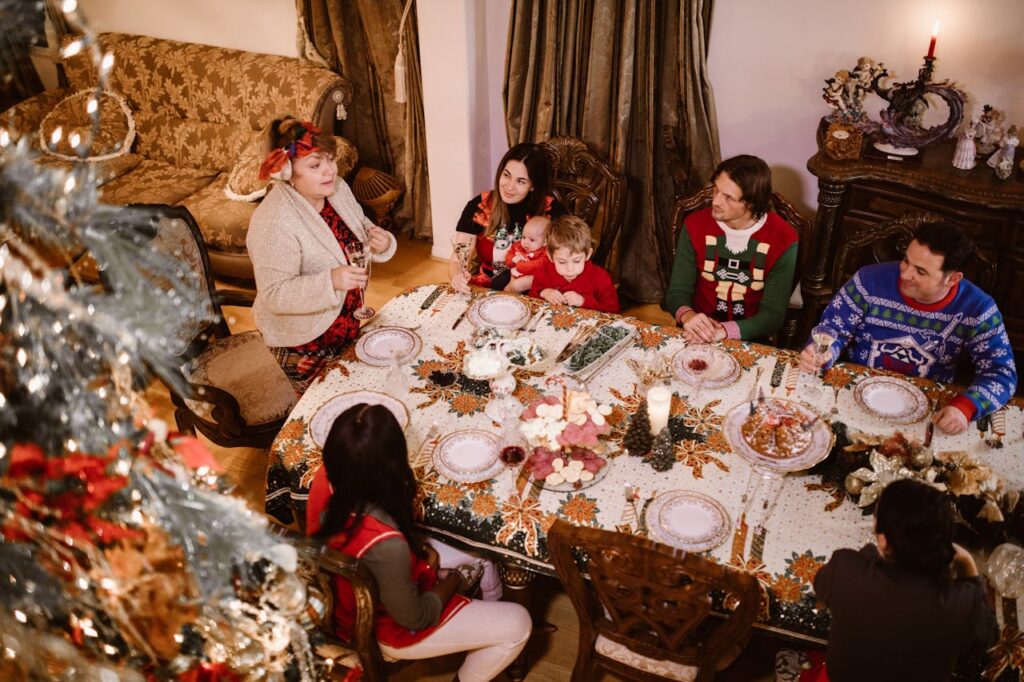
In today’s fast-paced world, family dinner often becomes an afterthought, overshadowed by busy schedules and digital distractions. Yet, dinner time is one of the most valuable opportunities to reconnect with loved ones. It’s not just about sharing a meal—it’s about sharing moments, listening to each other, and building stronger family ties. By being intentional, even the simplest dinners can become something truly meaningful. Here are ten ways to bring heart and connection back to the family table.
Make Dinner a Technology-Free Zone

Creating a rule that all devices stay off the table helps everyone stay present. Phones, tablets, and TVs can pull attention away from the people sitting right in front of us. Encourage everyone to silence notifications and keep screens out of sight. This small change allows conversations to flow naturally and uninterrupted. The more present everyone is, the more connected they’ll feel.
Plan Meals Together as a Family

Involving family members in meal planning turns dinner into a shared effort. Ask for everyone’s input when creating the weekly menu so that favorite dishes are included. This not only builds excitement but also teaches kids about healthy choices and budgeting. When everyone feels part of the process, they’re more likely to show up and participate. It becomes a meal everyone had a hand in making.
Cook Together When Possible
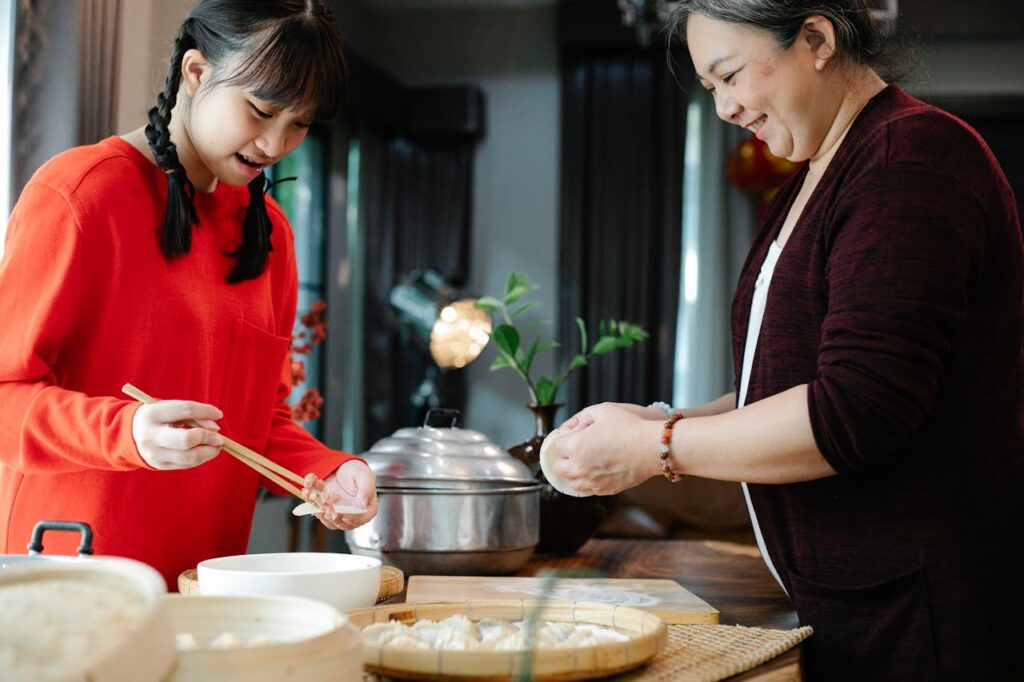
Sharing kitchen duties can be a bonding experience in itself. Even small tasks like washing vegetables or setting the table offer moments to chat and laugh together. It also allows kids to learn valuable cooking skills and feel proud of their contributions. Working side by side makes dinner a collaborative event instead of a chore. These shared tasks often spark stories and spontaneous fun.
Establish a Set Dinner Time

Setting a consistent time for dinner brings structure to the day. Even if it’s not the same time every evening, agreeing on a schedule helps everyone plan around it. It signals that this time is important and worth prioritizing. Having a regular routine also gives everyone something to look forward to. Over time, it becomes a comforting part of family life.
Create a Welcoming Atmosphere

The setting of dinner can impact the mood just as much as the food itself. Light a candle, use cloth napkins, or play soft background music to elevate the experience. A warm, inviting table invites conversation and calmness after a long day. These small touches help turn an ordinary dinner into a special moment. When the environment feels thoughtful, the time together becomes more memorable.
Use Conversation Starters

Not every dinner conversation flows easily, especially after a long day. Keeping a few fun or thought-provoking questions on hand can help get people talking. Ask about the best part of everyone’s day, a silly memory, or future dreams. These prompts help steer conversations away from routine topics and into more meaningful exchanges. It encourages everyone to share more openly.
Take Time to Listen Without Judgment

Family dinners should be a safe space to share thoughts and feelings. Make it a point to listen fully when someone speaks, without correcting or rushing them. This teaches children the value of active listening and respect. When family members feel heard, they’re more likely to open up in the future. A supportive dinner table helps build emotional trust.
Celebrate Small Wins and Gratitude
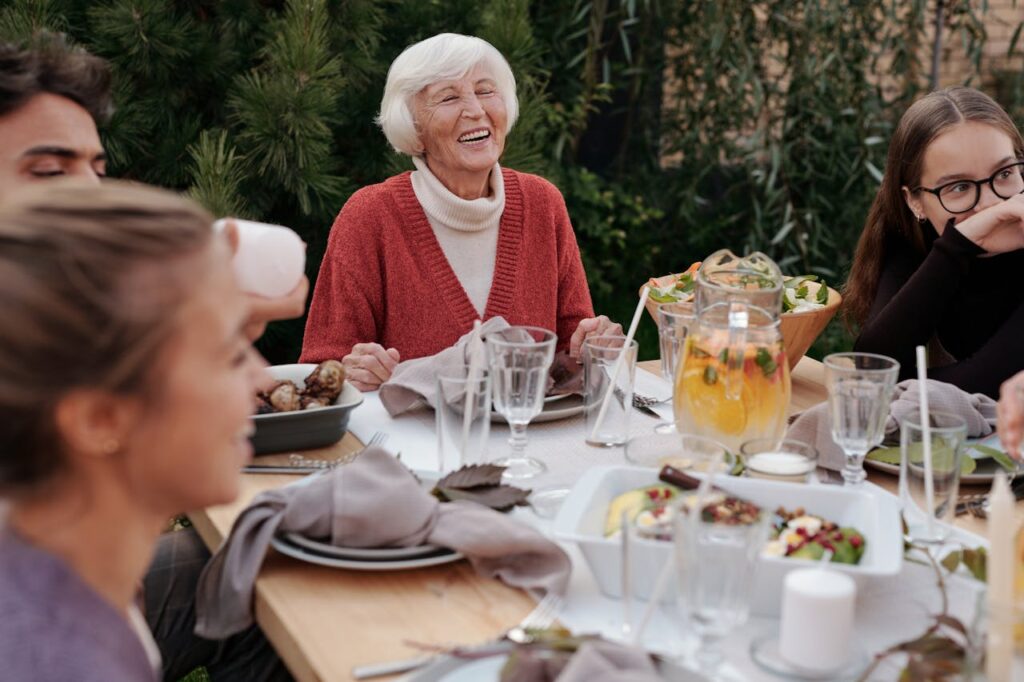
Use dinner time as a space to celebrate small victories, like a good grade, a kind act, or a completed chore. Sharing gratitude helps shift the focus from stress to appreciation. It creates a positive tone and reminds everyone of the good in their lives. This habit builds self-esteem and helps families stay connected to what truly matters. A thankful heart nurtures a stronger family bond.
Rotate Roles and Responsibilities
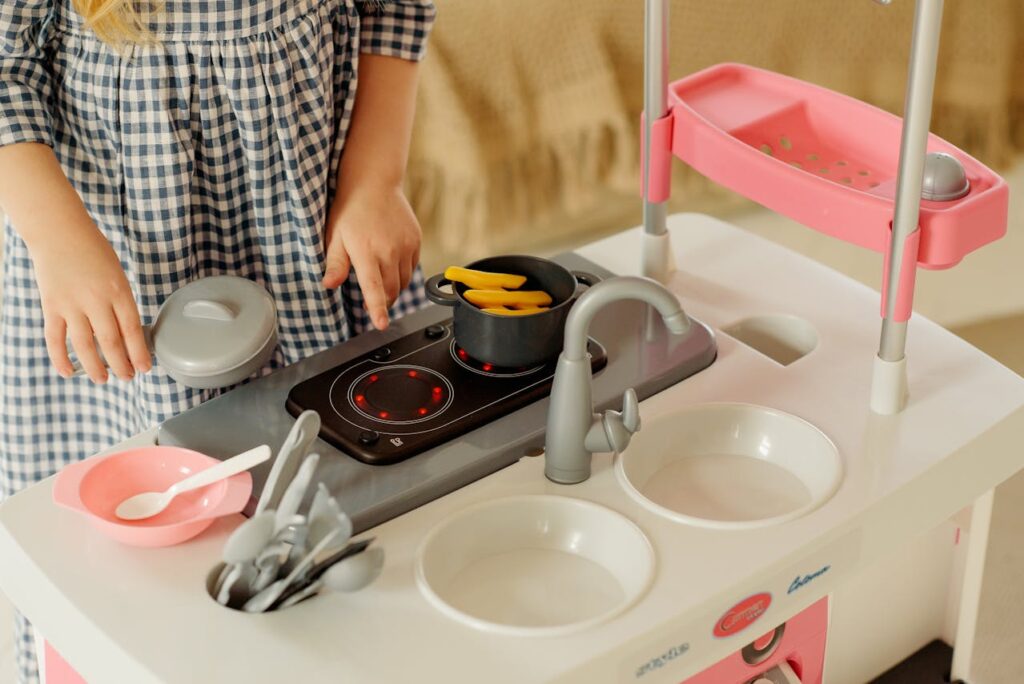
Letting different family members take turns leading grace, choosing music, or cleaning up adds variety to the routine. Rotating tasks gives everyone ownership and involvement in the evening. It also prevents dinner from becoming one person’s responsibility every night. Sharing duties teaches fairness, responsibility, and cooperation. Everyone feels like a valued part of the experience.
End the Meal with Together Time

Rather than rushing off right after eating, linger at the table a little longer. Play a quick game, share dessert slowly, or simply sit and chat. These extra moments often become the most cherished. They allow space for deeper connection beyond the practical meal. Making the end of dinner relaxed and unhurried reinforces the joy of simply being together.