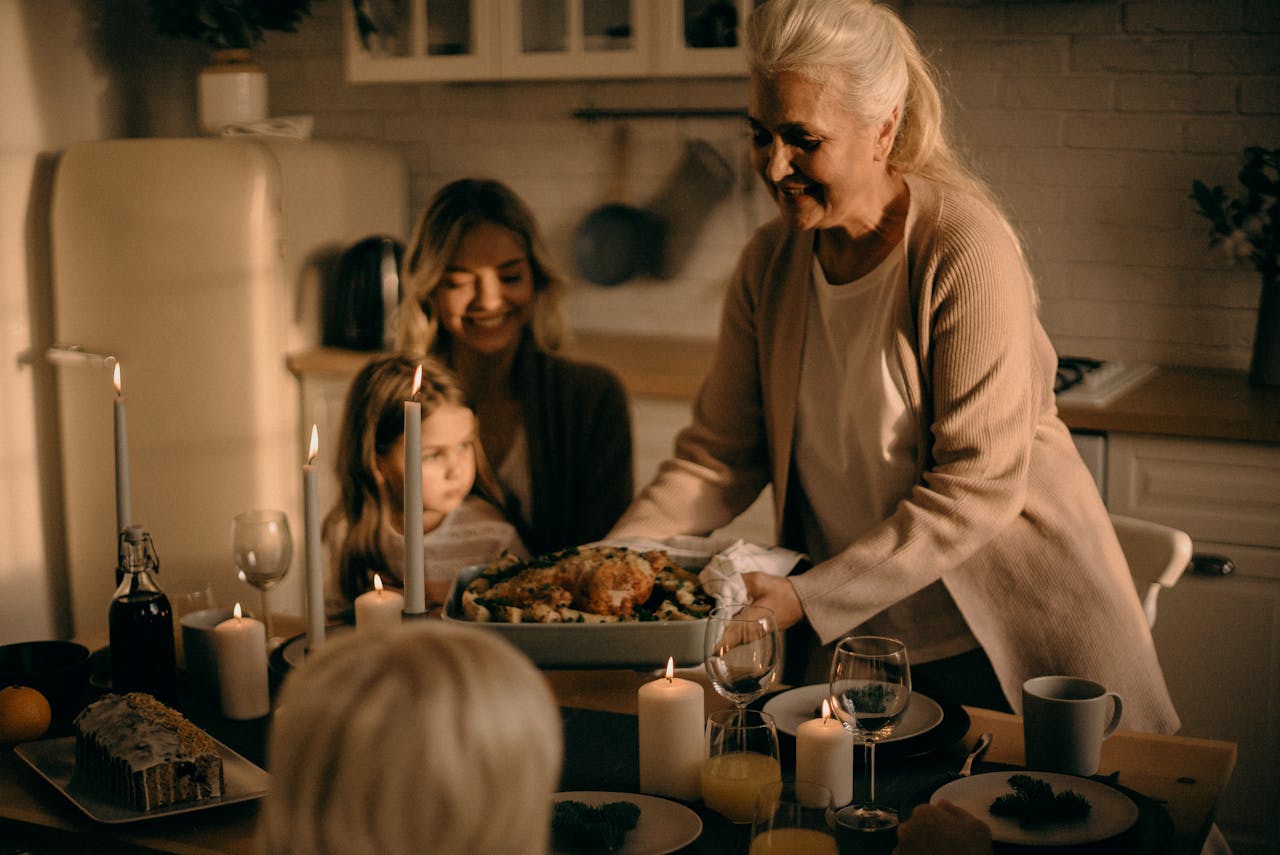
Thanksgiving has always been a cherished American tradition, but its earliest forms looked very different from the holiday we know today. From the foods served to the social rules that shaped gatherings, families of earlier eras approached the celebration with customs rooted in necessity, religion, and regional culture. Looking back reveals a quieter, simpler, and more community-oriented holiday shaped by the realities of an agricultural nation. Many of these traditions have faded over time, but understanding them offers a touching glimpse into how Americans once expressed gratitude.
Early Thanksgivings Focused More on Religious Reflection
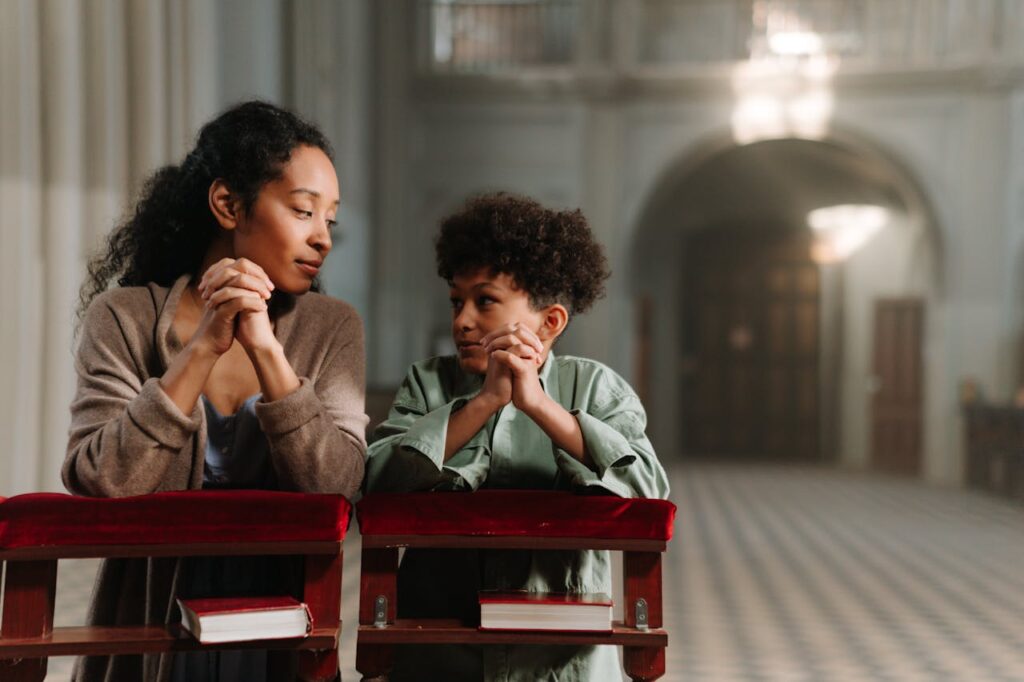
In the 17th and 18th centuries, Thanksgiving was primarily a day reserved for prayer rather than feasting. Families attended long church services that emphasized humility and gratitude rather than celebration. Many communities discouraged dancing, games, or unnecessary noise, viewing the holiday as a solemn acknowledgment of blessings received. Only later did the day evolve into a festive mix of food, family, and friendly gatherings.
Meals Were Seasonal and Far Less Elaborate
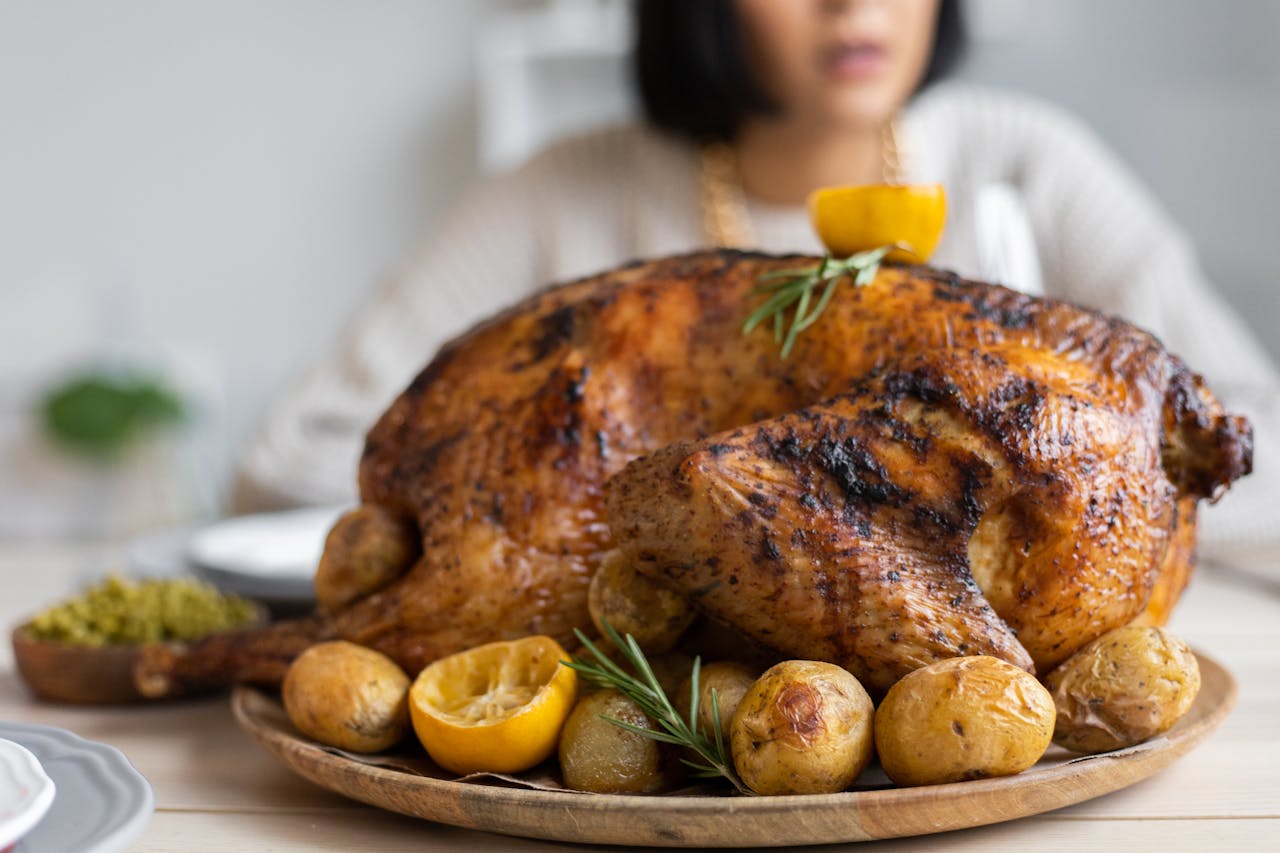
Long before grocery stores and freezers, families based their meals strictly on available seasonal produce. Roast goose or duck was more common than turkey, and vegetables like turnips, squash, and carrots were staples. Sweet desserts were rare because sugar was expensive, and many families relied on molasses or honey for sweetness. The meal reflected basic rural living rather than luxurious preparation.
Communities Once Held Large Public Gatherings
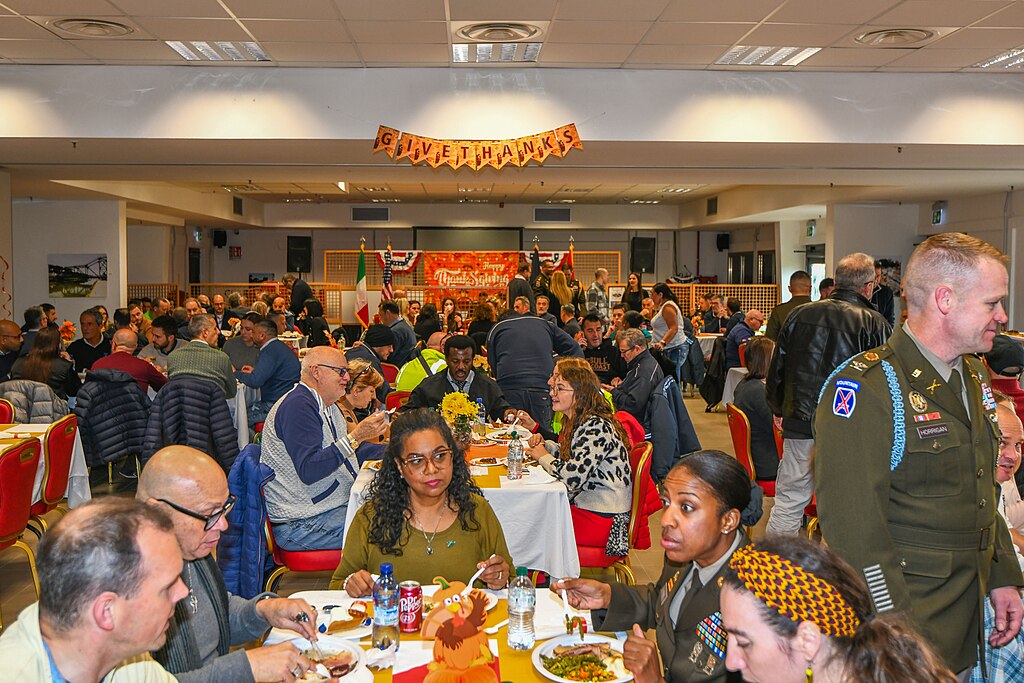
In earlier centuries, Thanksgiving often extended beyond the family table and included entire villages. Community suppers and shared harvest celebrations helped strengthen bonds among neighbors. Many rural churches hosted potlucks that brought together people who rarely saw each other outside farm work. These gatherings represented unity and mutual support in small towns.
Travel Was Rare and Families Stayed Local

Before the age of highways and air travel, most people celebrated Thanksgiving close to home. Multi-state trips were nearly impossible due to slow transportation and harsh fall weather. Families typically gathered with those who lived nearby, creating smaller, more intimate meals. The holiday carried a sense of closeness shaped by necessity rather than choice.
Wild Game and Foraged Foods Filled the Table
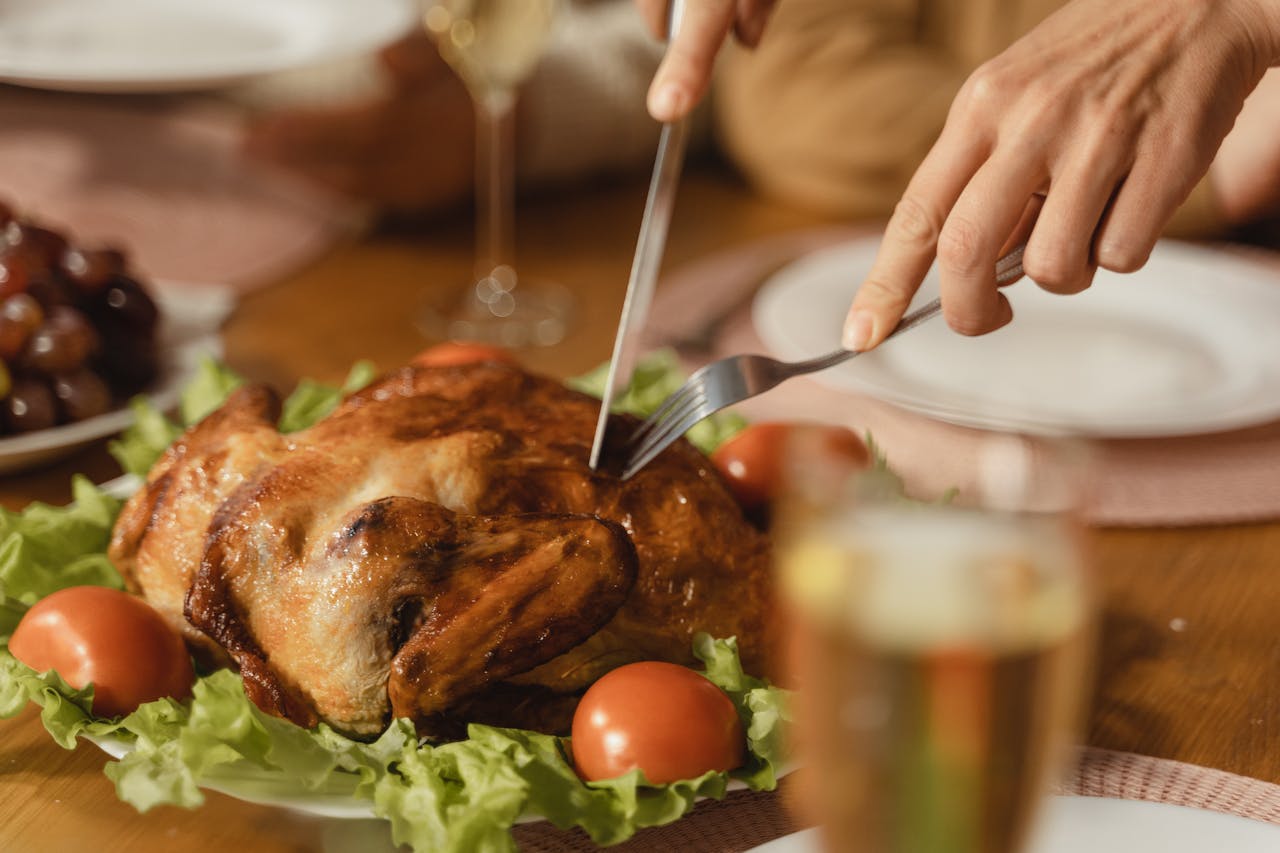
Hunting and foraging played an essential role in early Thanksgiving meals. Venison, rabbit, wild fowl, nuts, and berries commonly appeared on the table. Families used what nature provided rather than purchasing items, making every dish deeply connected to local land and season. These traditions reflected the survival mindset of early settlers.
Entertainment Came from Simple, Handmade Activities
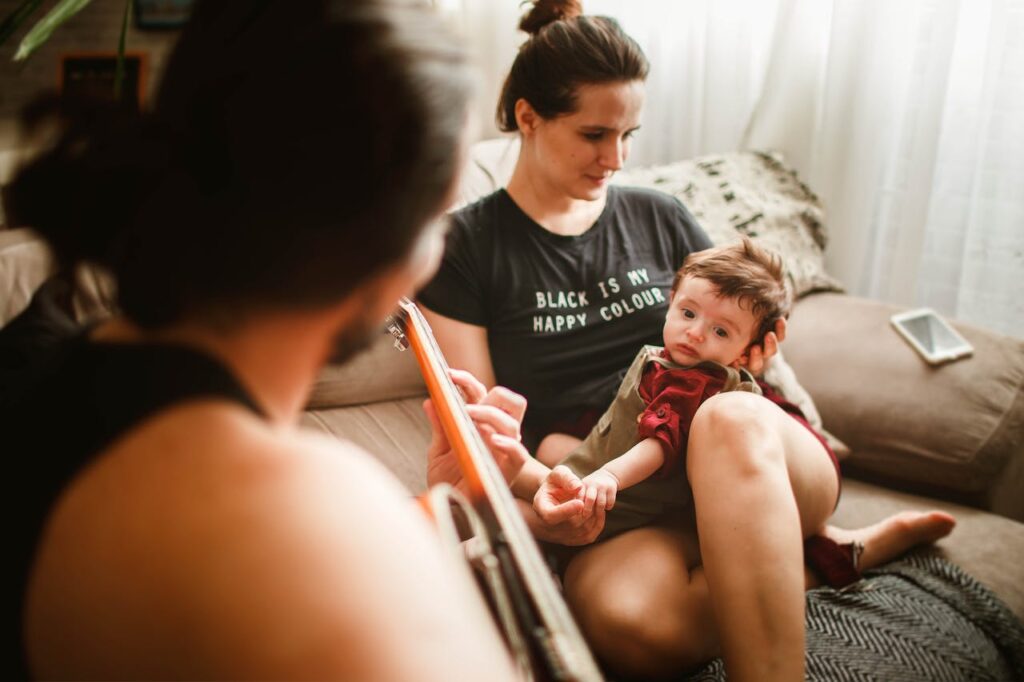
Instead of television, parades, or football games, families entertained themselves with storytelling and music. Fiddles, homemade toys, and folk games were common sources of enjoyment. Children often performed short recitations or poems as part of family customs. The holiday centered on human connection rather than external entertainment.
Preparations Took Days of Manual Labor
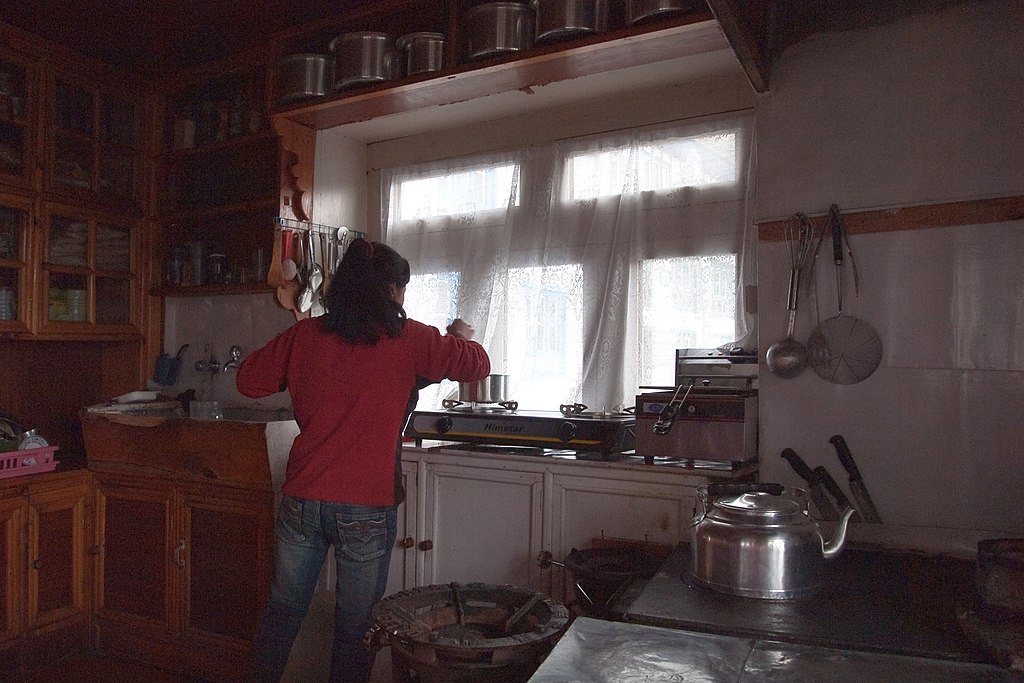
Cooking a Thanksgiving meal in the past required far more time and effort. Without modern appliances, tasks like grinding spices, churning butter, and roasting meat demanded physical labor. Women often woke before dawn to manage the cooking, with children assisting in gathering firewood and preparing vegetables. The hard work made the meal deeply meaningful and appreciated.
Leftovers Were Repurposed Out of Necessity
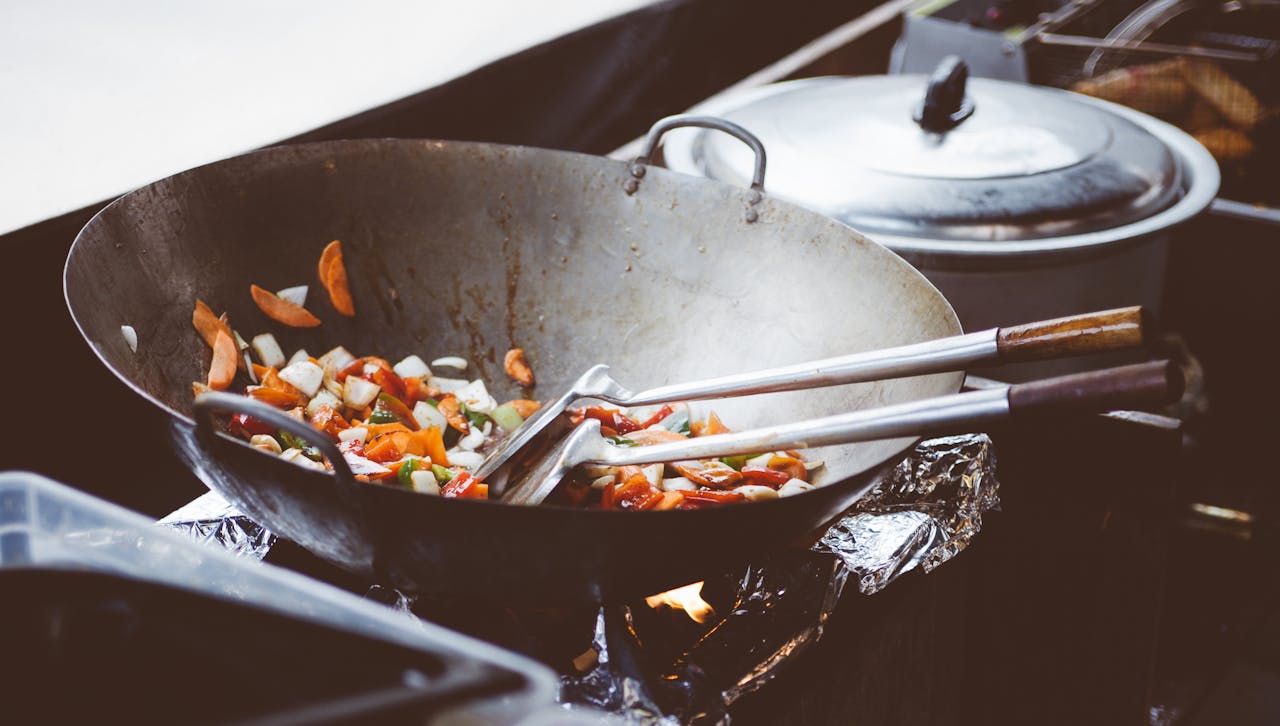
Early households wasted nothing, especially during the colder months. Leftover meats became stews, pies, or preserved goods, and vegetables were stored in root cellars. The careful reuse of food reflected frugality essential for winter survival. Thanksgiving marked the start of a season of resourcefulness.
Stores and Businesses Stayed Closed Without Exception

Before consumerism shaped modern holidays, Thanksgiving meant a complete halt to work and commerce. Shops, factories, and offices uniformly closed so families could participate in rest and reflection. The quiet streets added to the tranquil spirit of the day. Today’s blend of holiday shopping and entertainment stands in stark contrast.
The Holiday Carried a Strong Sense of Community Gratitude

Early Thanksgivings focused heavily on shared gratitude for harvests, health, and survival. Families expressed thanks for overcoming hardships common in rural life. Communities recognized the importance of mutual aid and cooperation, making gratitude a collective, not individual, experience. That spirit formed the foundation of the holiday as we know it.