
The rising cost of living in the United States has quietly reshaped how families make financial decisions. Instead of spending money without much thought, households now approach daily purchases with caution and strategy. From groceries and entertainment to travel and hobbies, families are adapting to new price realities by cutting back, postponing, or reinventing familiar habits. These changes are not always dramatic, but they reflect a deeper shift in priorities. As money stretches less than it used to, Americans rethink what matters, adjusting routines in ways that affect nearly every part of family life.
1. Vacations are replaced with local weekend outings

Rising travel costs have transformed vacations from yearly traditions into rare experiences. Instead of booking airline tickets and staying in hotels, families opt for short drives to nearby parks, beaches, or small towns. These outings require less planning and significantly reduce expenses while still giving families time together. Local adventures offer a break from routine without the financial strain of extended trips. What once felt like a downgrade now feels practical, and families discover that memorable moments do not always require long journeys or substantial spending.
2. Kids’ extracurricular activities are reduced or consolidated

Sports, lessons, and clubs that were once routine for children have become selective choices. Instead of enrolling kids in multiple activities, parents pick one or two that offer the most value. This shift reduces fees, equipment costs, and transportation demands. Families focus on meaningful participation rather than filling schedules. Children still explore interests, but the options are balanced against household budgets. As costs rise, parents are more strategic, ensuring that activities support development without overwhelming finances or placing unnecessary pressure on evenings and weekends.
3. Fast food visits are replaced with home cooked alternatives
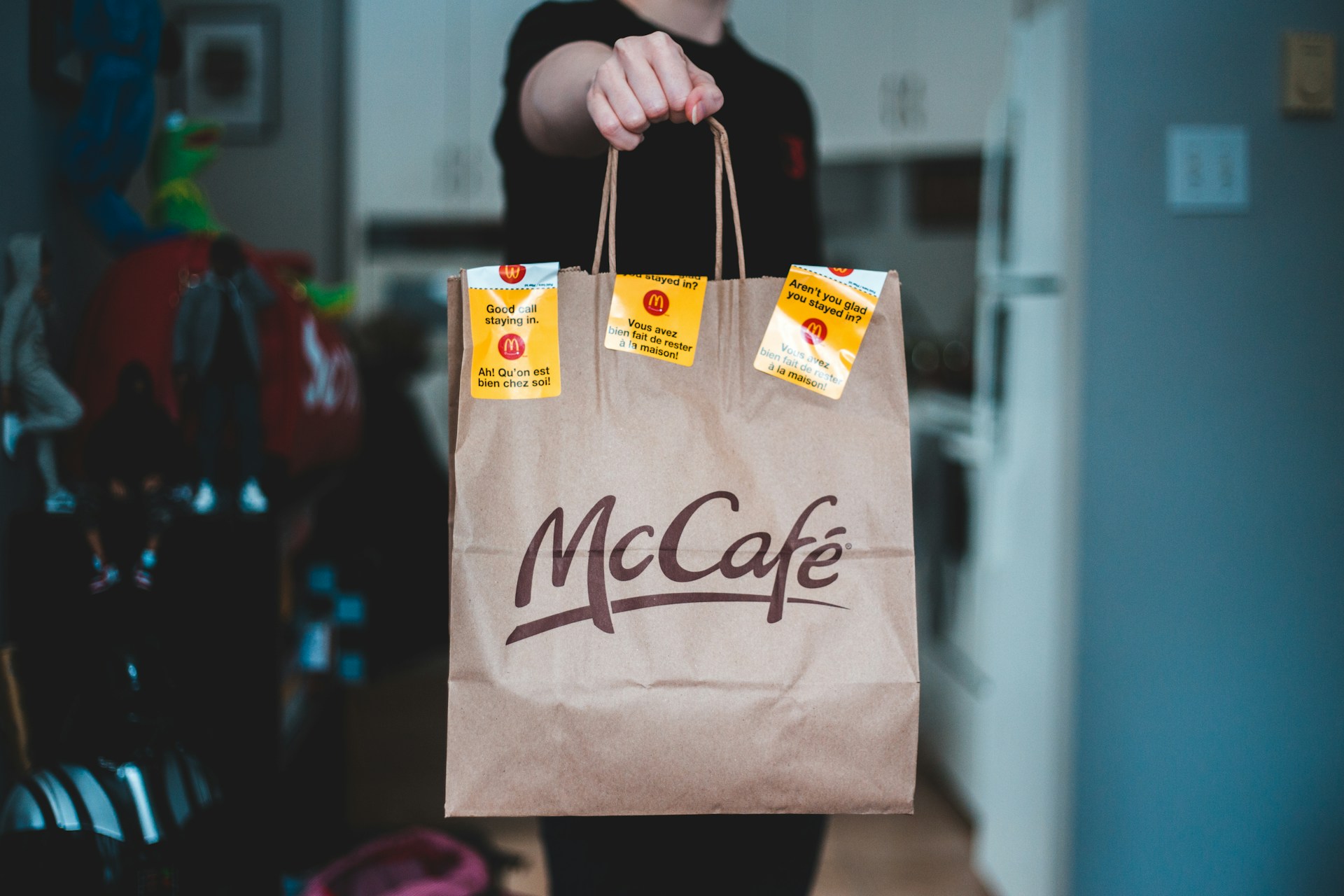
As restaurant prices climb, quick meals out no longer feel inexpensive or convenient. Families now prepare simple dishes at home that cost less and offer more control over portions and ingredients. Cooking becomes part of daily routine rather than a backup plan, and leftovers stretch meals further. Parents use pantry staples creatively to avoid impulse spending. Children learn cooking skills and develop healthier eating habits. What was once a treat has become an occasional splurge, giving home kitchens a more central role in managing both budgets and family time.
4. Clothing purchases happen only during sales

Rising apparel prices have turned full price shopping into a luxury. Families now wait for seasonal promotions, clearance events, or discount codes before updating wardrobes. Clothing decisions become more deliberate and less trend driven. Instead of impulse buys, parents consider durability and versatility. Kids wear items longer, and clothing budgets stretch further. This approach reduces waste and encourages smarter consumption. By timing purchases around sales, households save money without sacrificing essentials, proving that patience often pays off in a high cost retail environment.
5. Streaming subscriptions get canceled or shared between families

Entertainment once felt endless, but subscription fees add up quickly. Families now track costs and decide which services are truly worth keeping. Some rotate subscriptions based on what they want to watch, while others share plans with relatives. This strategy reduces monthly bills without eliminating entertainment. The practice teaches kids and adults to evaluate value over convenience. Instead of collecting platforms, families choose intentionally, making movie nights even more appreciated. The shift reflects a growing awareness of digital spending that once seemed invisible.
6. Home repairs get postponed unless urgent

Maintenance projects that were once completed promptly are now evaluated carefully. Families delay repairs that do not threaten safety or functionality. Minor fixes and cosmetic changes are placed on hold until budgets allow. Homeowners prioritize urgent issues like leaks or electrical problems while skipping upgrades or décor changes. This shift reflects rising labor and material costs that make even simple repairs expensive. As a result, homes show more lived in characteristics, and families accept imperfections that once felt unacceptable, focusing instead on long term financial stability.
7. Gym memberships are replaced with home workouts

Gym fees, gas costs, and crowded schedules have encouraged families to exercise at home using apps, online videos, and inexpensive equipment. What began as a temporary solution has become a permanent spending adjustment. Home workouts allow flexibility and eliminate monthly payments. Parents and children can participate together, turning fitness into a family activity rather than a separate expense. The shift reflects a desire to stay healthy without overspending. For many households, the living room has become the new fitness center and a symbol of budget conscious lifestyle changes.
8. Families buy groceries in bulk to reduce per unit cost

Buying groceries in bulk has become a common way to offset rising prices. Households stock up on staples like pasta, beans, and frozen foods, reducing the need for multiple trips to the store. Bulk purchases lower per unit costs and allow families to stretch meals. Freezers and pantries transform into planning tools rather than storage spaces. This habit encourages meal organization and reduces food waste. Bulk buying turns shopping from a weekly errand into a strategic approach for protecting household budgets while maintaining variety on the dinner table.
9. Take on side gigs to handle rising expenses

Additional income streams have become essential for families facing higher living costs. Parents pick up part time work, freelance tasks, or online jobs to bridge financial gaps. These side gigs provide flexibility and help cover expenses without relying solely on primary salaries. The trend reflects the reality that one paycheck no longer supports the same lifestyle it once did. While the extra work demands time and energy, it offers families breathing room and stability in an unpredictable economy driven by inflation and rising prices.
10. Credit card reward points become part of budgeting strategy

Families now use credit cards strategically to earn points for groceries, travel, or household purchases. Instead of treating rewards as bonuses, they build budgets around them. These points help offset rising costs and stretch spending power. Parents track offers, compare benefits, and time purchases to maximize value. The practice turns everyday expenses into opportunities to save. While credit cards once symbolized convenience, they now play a deliberate role in financial planning. Reward points have become tools for navigating economic pressures and finding savings where possible.
Rising costs have quietly reshaped how Americans approach spending, turning once normal routines into carefully calculated decisions. Families reconsider purchases, stretch resources, and explore creative ways to maintain comfort without overspending. These adjustments show a cultural shift toward intentional living, where every dollar has a job and every choice has purpose. As prices continue to climb, the strategies families adopt today will influence habits long after economic conditions change, redefining the way Americans balance needs, wants, and financial well being at home.