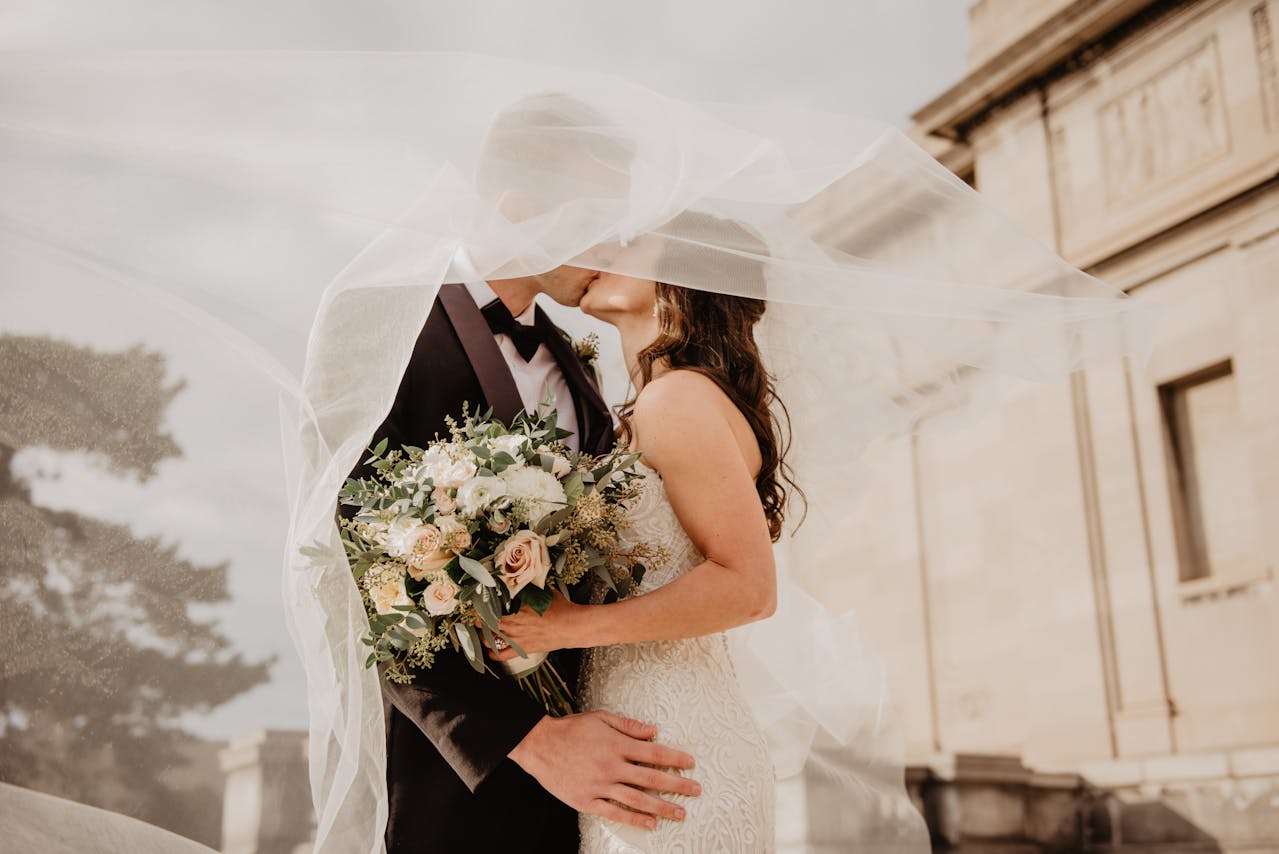
Marriage has evolved dramatically over the last two decades, shaped by technology, shifting gender roles, and changing social expectations. The 2000s were an era of tradition mixed with early modern values, but today’s relationships operate on entirely new dynamics. Couples communicate, divide responsibilities, and view commitment in ways that would have seemed revolutionary twenty years ago. Here’s how marriage today differs from those in the early 2000s.
Communication Has Gone Digital

In the early 2000s, couples relied on phone calls and face-to-face conversations. Today, text messages, video calls, and social media dominate daily interactions. While digital communication makes staying connected easier, it also introduces new challenges like misunderstandings through text tone or the pressure of constant availability. Modern marriages thrive on balancing online connection with offline presence.
Gender Roles Are More Fluid
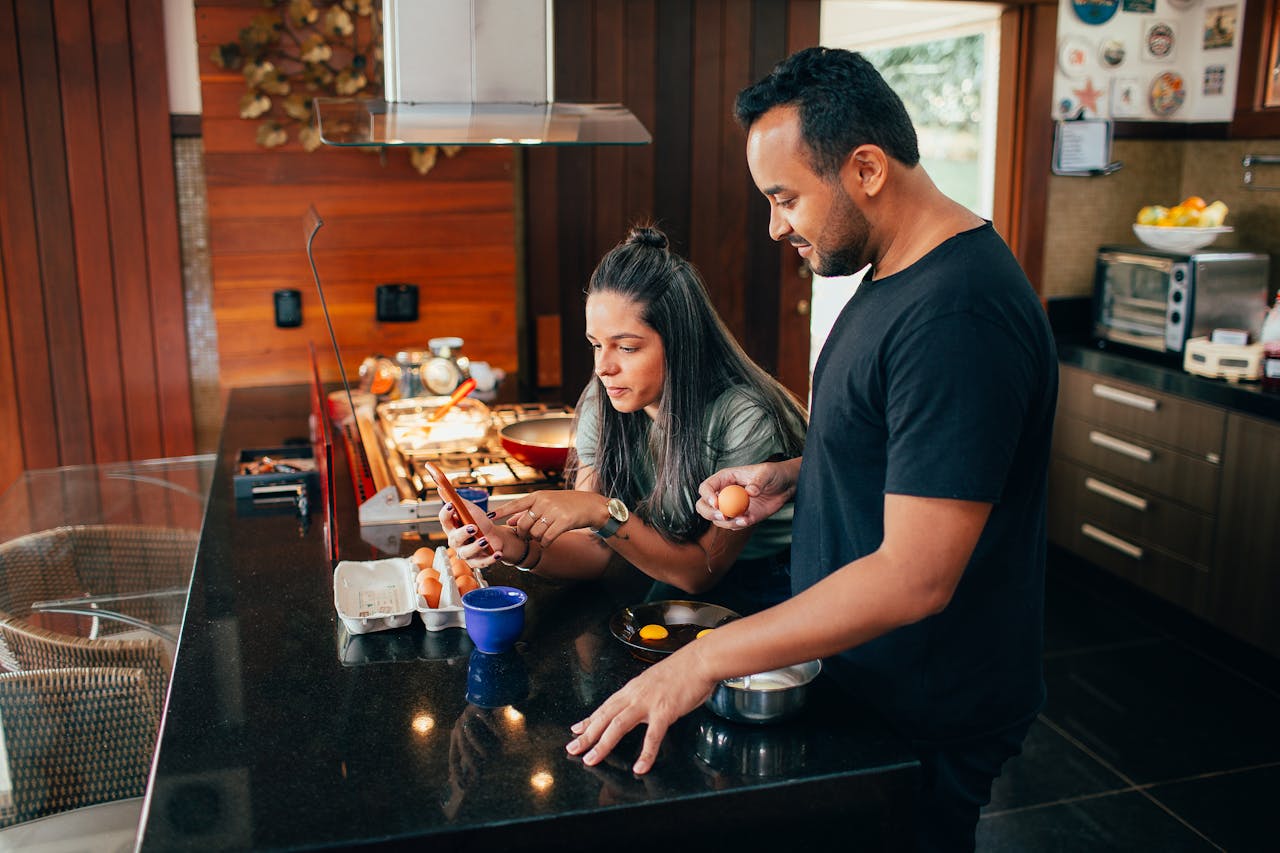
Two decades ago, traditional gender expectations still quietly shaped most marriages. Today, couples are far more likely to divide household chores and parenting duties equally. Many modern relationships prioritize mutual support over defined roles, with stay-at-home dads and dual-career couples becoming common. The shift toward equality has created stronger partnerships grounded in respect rather than obligation.
Financial Independence Has Changed Power Dynamics

In the 2000s, many couples merged finances soon after marriage. Today, financial independence is often maintained even within committed partnerships. Separate accounts, shared budgets, and open conversations about money are more common. This shift reflects not just practicality but also a cultural move toward autonomy and equality, where both partners retain agency over their financial lives.
Technology Has Redefined Intimacy
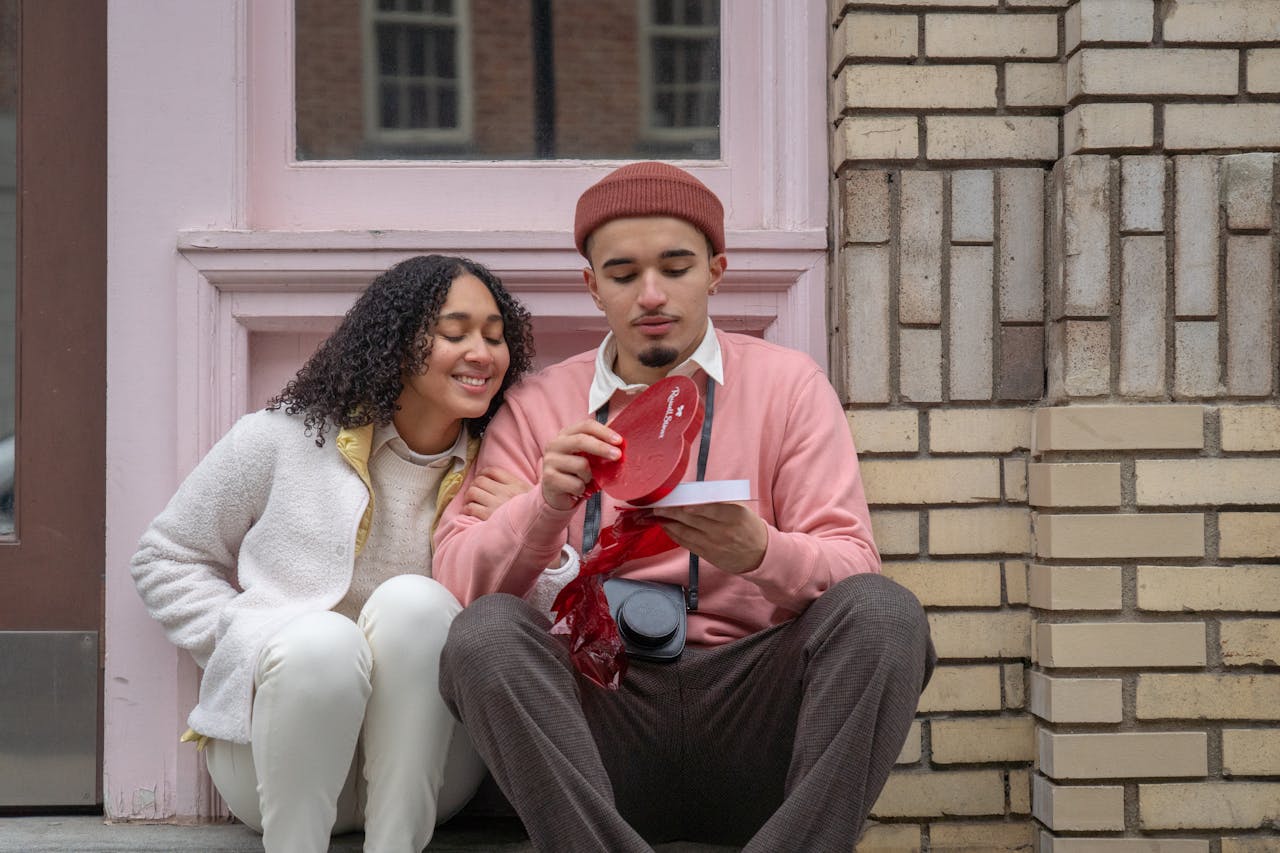
Social media and smartphones have altered how couples connect emotionally. The 2000s offered privacy and slower-paced relationships, while today’s digital world can sometimes blur boundaries. Couples now navigate issues like online flirting, shared passwords, and digital privacy. Yet technology also brings connection, long-distance relationships thrive on FaceTime and messaging apps, making love less limited by geography.
Mental Health Conversations Are Open
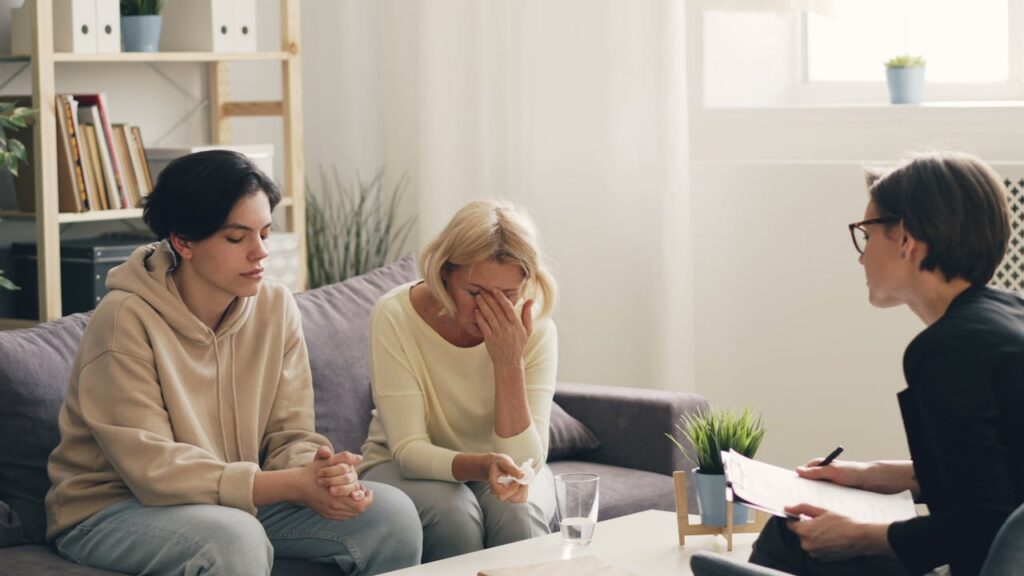
In past decades, discussing mental health within marriage was rare. Now, couples openly talk about therapy, stress, and emotional well-being. Many even attend couples counseling proactively, not just in crisis. This openness helps partners understand each other on a deeper level and build empathy. The modern marriage acknowledges that emotional maintenance is as vital as financial or physical health.
Marriage Age and Priorities Have Shifted
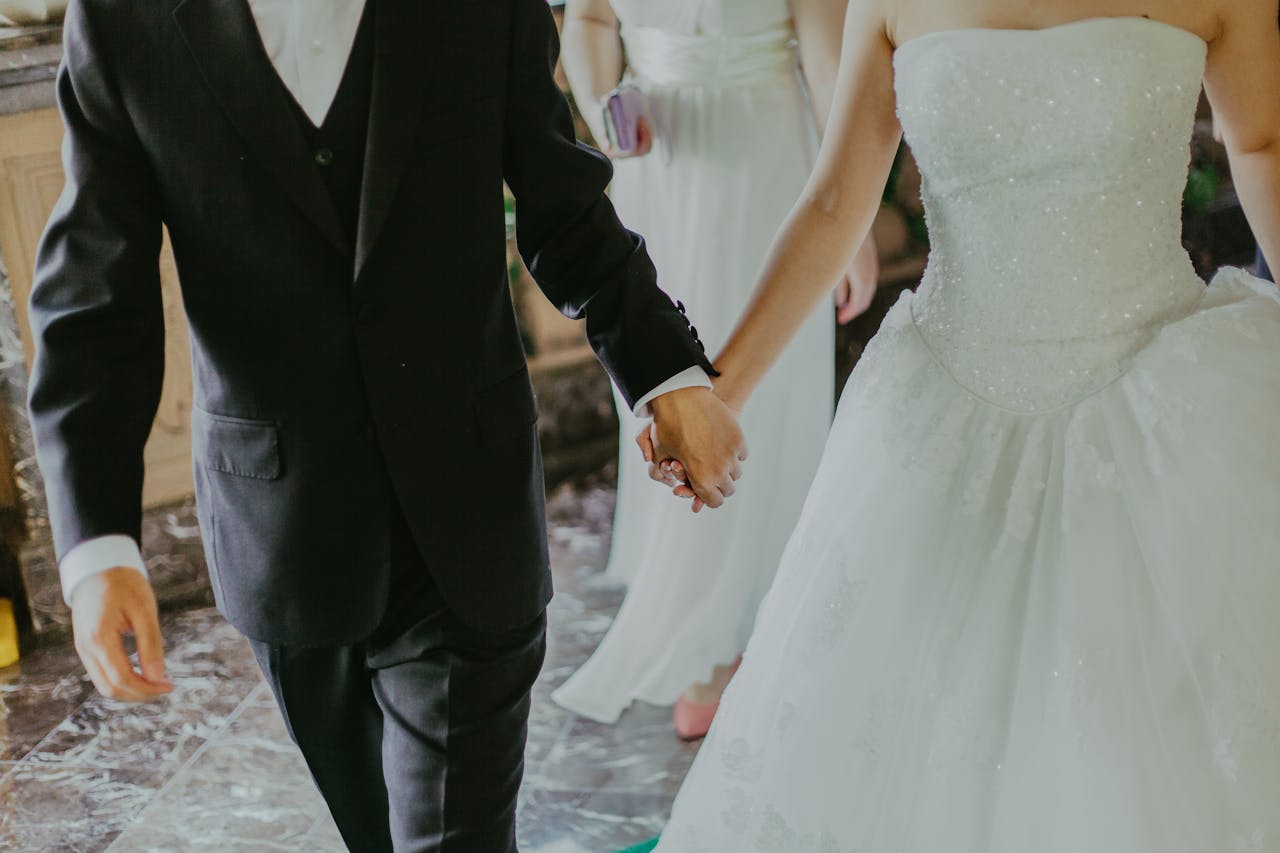
People are marrying later today than they did in the 2000s. Career goals, education, and self-discovery often take precedence before settling down. This delay means couples often enter marriage with more maturity and life experience, but also with higher expectations for compatibility. Marriage has become less about timing and more about alignment and readiness.
Parenting Styles Have Evolved

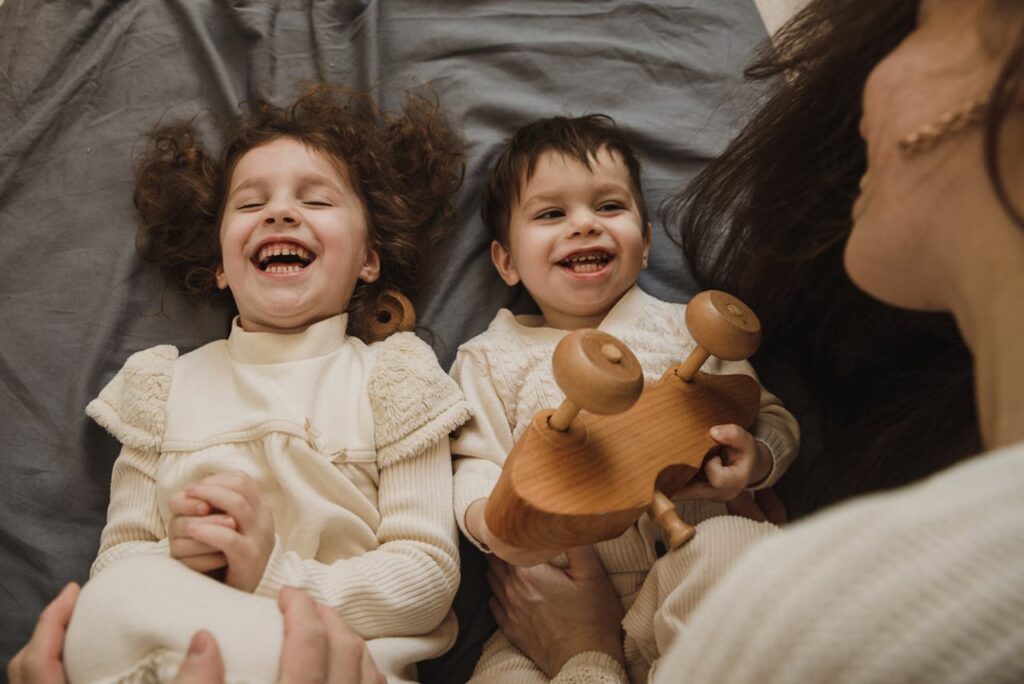
Parenting in the 2000s was largely influenced by tradition and routine. Today’s couples take a more conscious approach, emphasizing emotional intelligence, gentle parenting, and open communication. Both parents are likely to attend school meetings, share diaper duties, and engage equally in their children’s growth. The modern family dynamic values partnership over hierarchy.
The Definition of Marriage Has Expanded

In the early 2000s, marriage was still seen through a largely heterosexual and traditional lens. Today, love and marriage are far more inclusive. Same-sex marriages, interracial unions, and unconventional partnerships are widely accepted and celebrated. This cultural evolution reflects society’s growing understanding that love is diverse and personal.
Career and Work-Life Balance Matter More

Two decades ago, success was often measured by career advancement, even if it came at the cost of family time. Now, couples seek balance. Many prioritize flexible jobs, remote work, and shared responsibilities to make time for each other. The modern marriage values emotional presence and quality time as much as financial security.
Marriage Is About Partnership, Not Perfection
Perhaps the most significant change is the mindset shift. In the 2000s, couples often aspired to an idealized version of marriage. Today, authenticity matters more. Modern couples accept that relationships are evolving, imperfect, and built on growth rather than flawless harmony. Marriage now represents two individuals walking together, not completing each other, but complementing each other’s journey.