
Motherhood has changed dramatically since the 1990s, thanks to technology, societal shifts, and modern conveniences. Moms today have access to resources, tools, and support systems that make daily parenting more manageable and informed. From communication to childcare, the modern mom benefits from innovations that were unavailable decades ago. Here are ten ways parenting today differs from the ’90s, highlighting how moms navigate responsibilities with greater ease and flexibility while facing new challenges unique to the current era.
1. Instant Access to Parenting Advice Online

Modern moms can access parenting information and advice instantly through websites, social media, and parenting apps. In the ’90s, mothers relied primarily on books, magazines, or friends for guidance, which often involved delays or incomplete information. Today, answers to questions about sleep, nutrition, or development are just a few clicks away. Online communities provide support, shared experiences, and expert insights that make decision-making faster, reduce stress, and give moms confidence, transforming how they manage daily parenting challenges compared to previous generations.
2. Smartphones Keep Moms Connected

Smartphones allow mothers to stay connected with family, childcare providers, and support networks at all times. Unlike the ’90s, when communication was limited to landlines or in-person visits, modern moms can send texts, share photos, video chat, and coordinate schedules effortlessly. Apps for grocery delivery, reminders, and organization further streamline daily life. This connectivity reduces anxiety and simplifies multitasking, giving moms the ability to manage work, home, and family responsibilities more efficiently and with greater peace of mind than ever before.
3. Online Grocery Shopping and Delivery
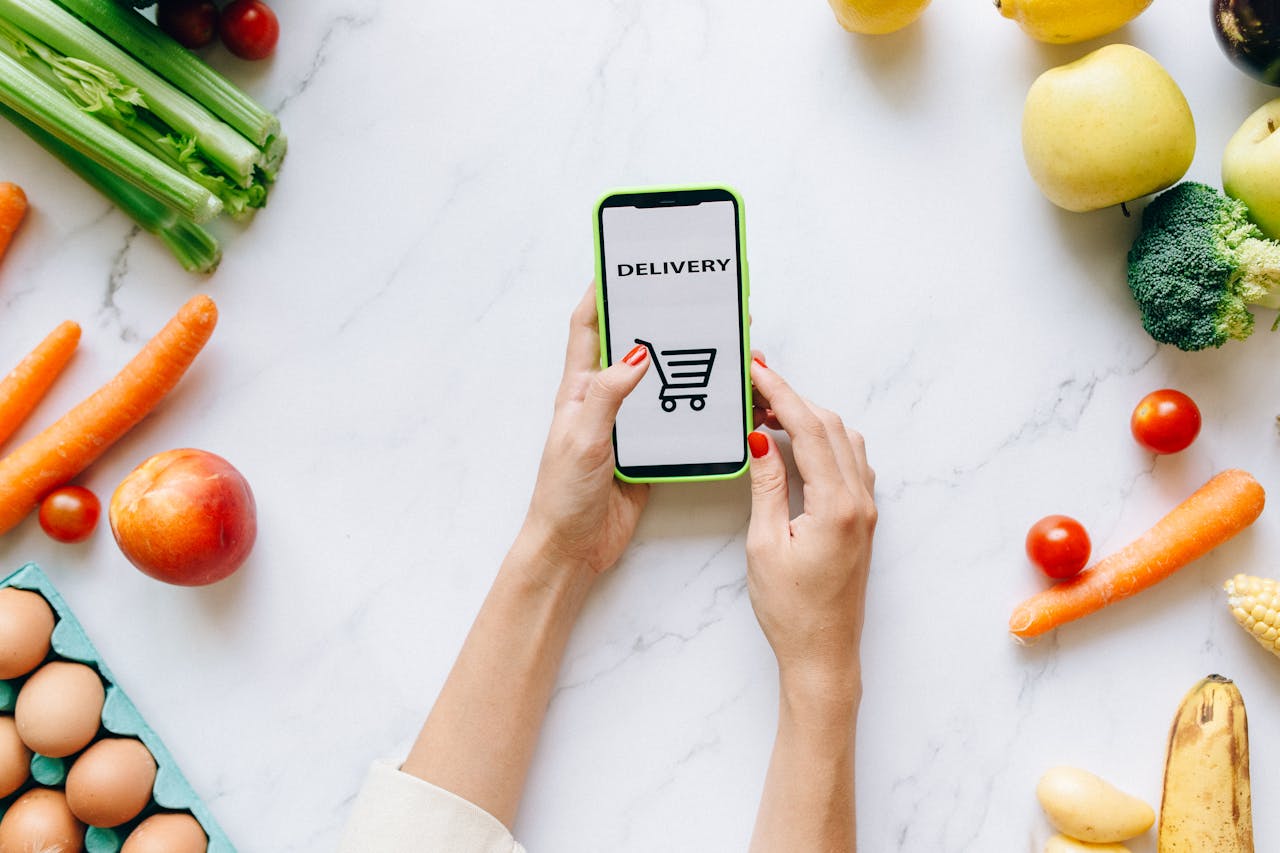
Shopping for household essentials has become more convenient with online grocery ordering and delivery services. In the ’90s, moms spent hours walking aisles and waiting in lines. Now, products can be selected, purchased, and delivered directly to the door, saving time and energy. Many services offer same-day delivery and substitutions for unavailable items. This ease allows modern moms to focus on quality time with children or other responsibilities, reducing stress and transforming a once labor-intensive chore into a streamlined, manageable task.
4. Streaming Entertainment for Kids
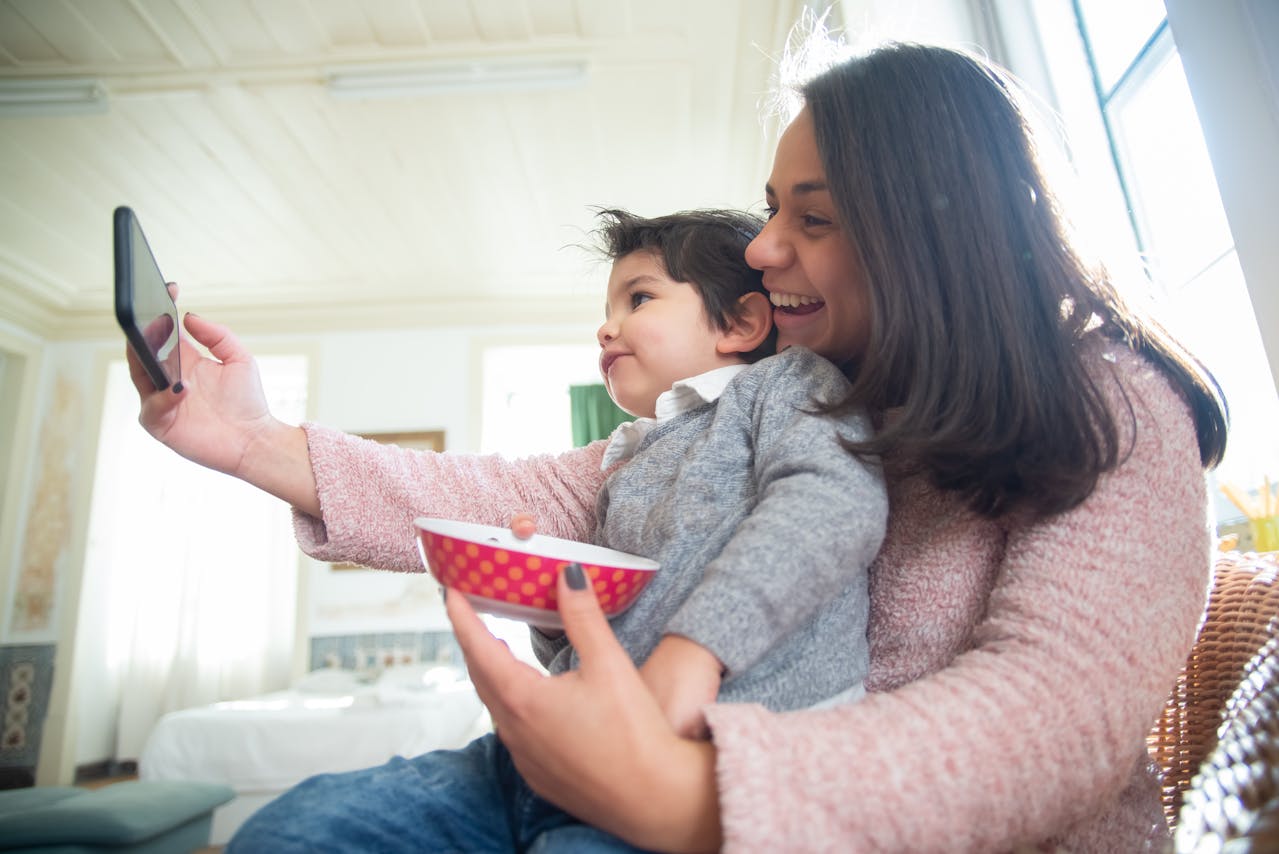
Today’s moms have access to streaming platforms for children’s shows, educational content, and movies, reducing reliance on physical tapes or scheduled TV programming. In the ’90s, families depended on limited channels and VHS rentals, which required planning and physical storage. On-demand streaming allows moms to provide engaging content anytime, facilitating quiet play, learning, or breaks. This accessibility offers flexibility in daily routines, helping moms manage schedules while keeping kids entertained without the restrictions or stress of past decades.
5. Ride-Sharing and Safer Transportation Options

Ride-sharing services like Uber and Lyft offer convenient alternatives to public transport or personal driving. In the ’90s, mothers often depended solely on personal vehicles, carpools, or public transit, which could be time-consuming and inflexible. Today, ride-sharing enhances safety, flexibility, and efficiency for errands, appointments, and social activities. This convenience reduces logistical stress, allowing modern moms to focus on family and personal priorities rather than transportation challenges that previously dominated daily routines.
6. Fitness and Wellness Resources Online
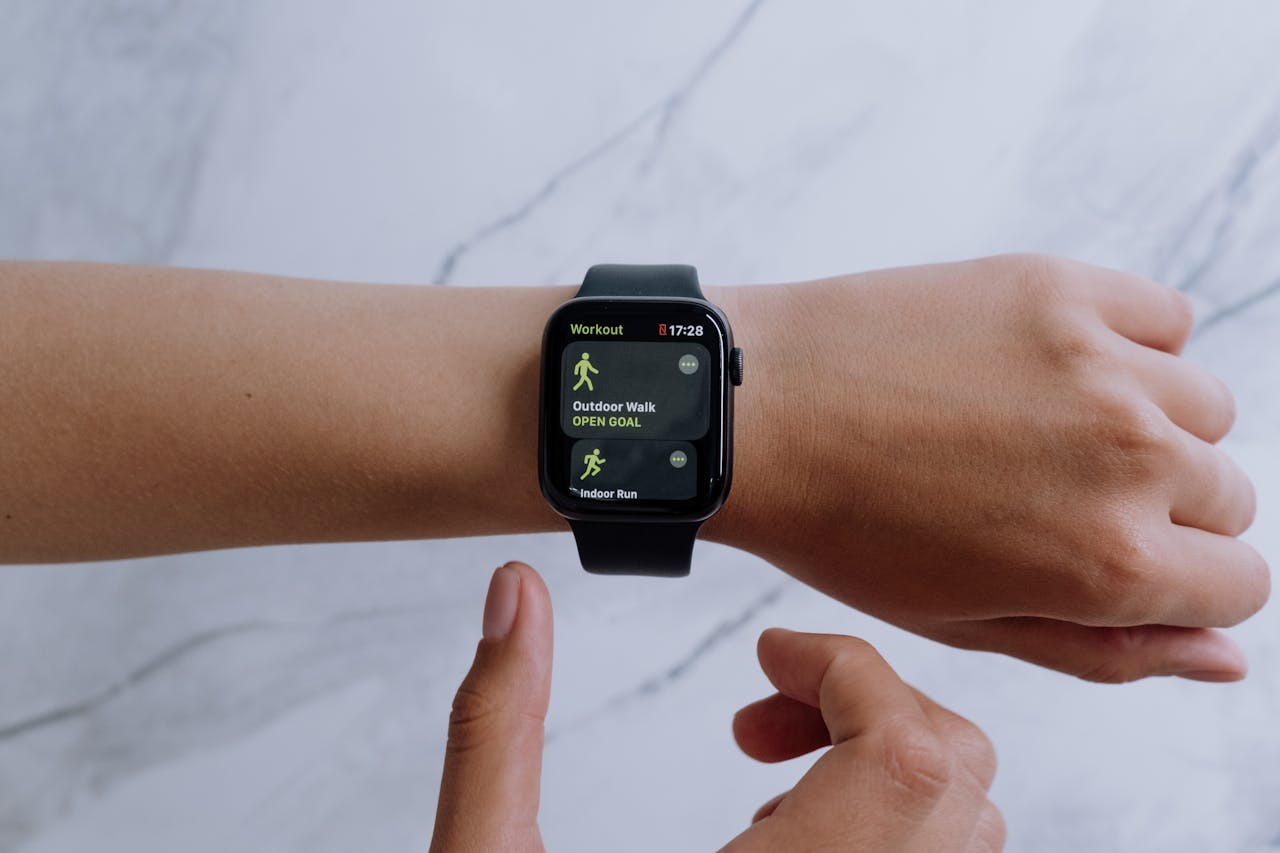
Modern moms can access fitness routines, wellness programs, and mental health resources online. In the ’90s, attending gyms or classes often required travel and time commitments. Today, apps, streaming workouts, and meditation programs allow mothers to prioritize self-care from home. Access to expert guidance and supportive online communities encourages consistent routines and healthier lifestyles. These resources make balancing personal health with parenting responsibilities far easier, offering flexibility and convenience that were unavailable to previous generations.
7. Baby Monitors with Advanced Technology
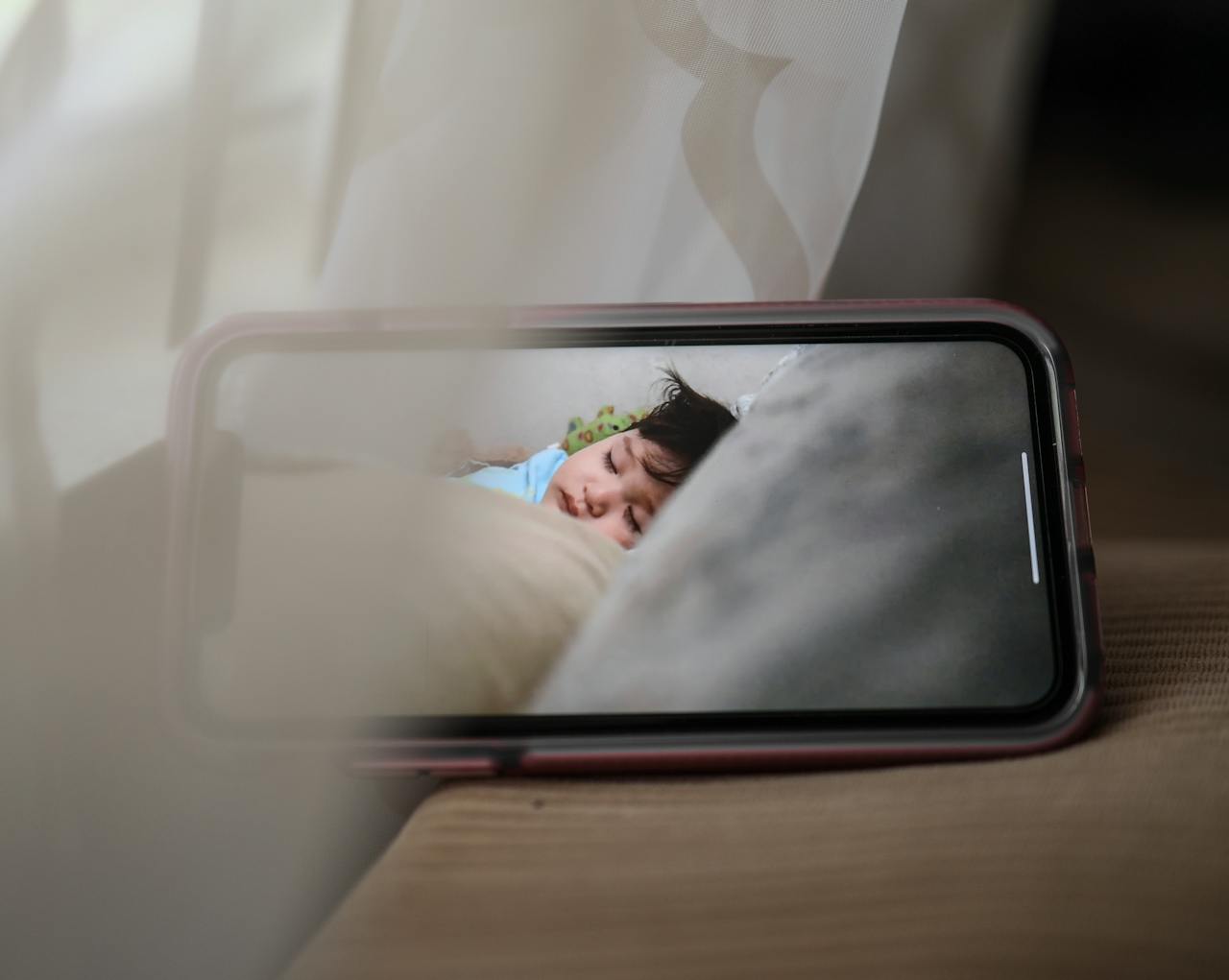
Modern baby monitors include video, audio, and smartphone connectivity, providing real-time updates on children’s safety. In the ’90s, monitors were limited to simple audio units with restricted range and fewer features. Today, parents can watch, listen, and even track room temperature or motion from virtually anywhere. These technological improvements offer peace of mind, allowing moms to multitask safely and efficiently. Enhanced monitoring reduces anxiety and gives mothers confidence in their ability to manage their child’s well-being compared to earlier decades.
8. Meal Planning and Recipe Apps

Meal preparation is simplified with apps that provide recipes, shopping lists, and nutritional guidance. In the ’90s, moms relied on cookbooks, magazines, or memory, which required more time and effort. Modern apps suggest quick, healthy meals, track ingredients, and even plan weekly menus. This reduces stress, saves time, and encourages better dietary choices for families. Digital planning tools help mothers manage busy schedules while maintaining variety and nutrition in meals, making daily routines smoother and more manageable.
9. Parenting Communities and Social Media Support
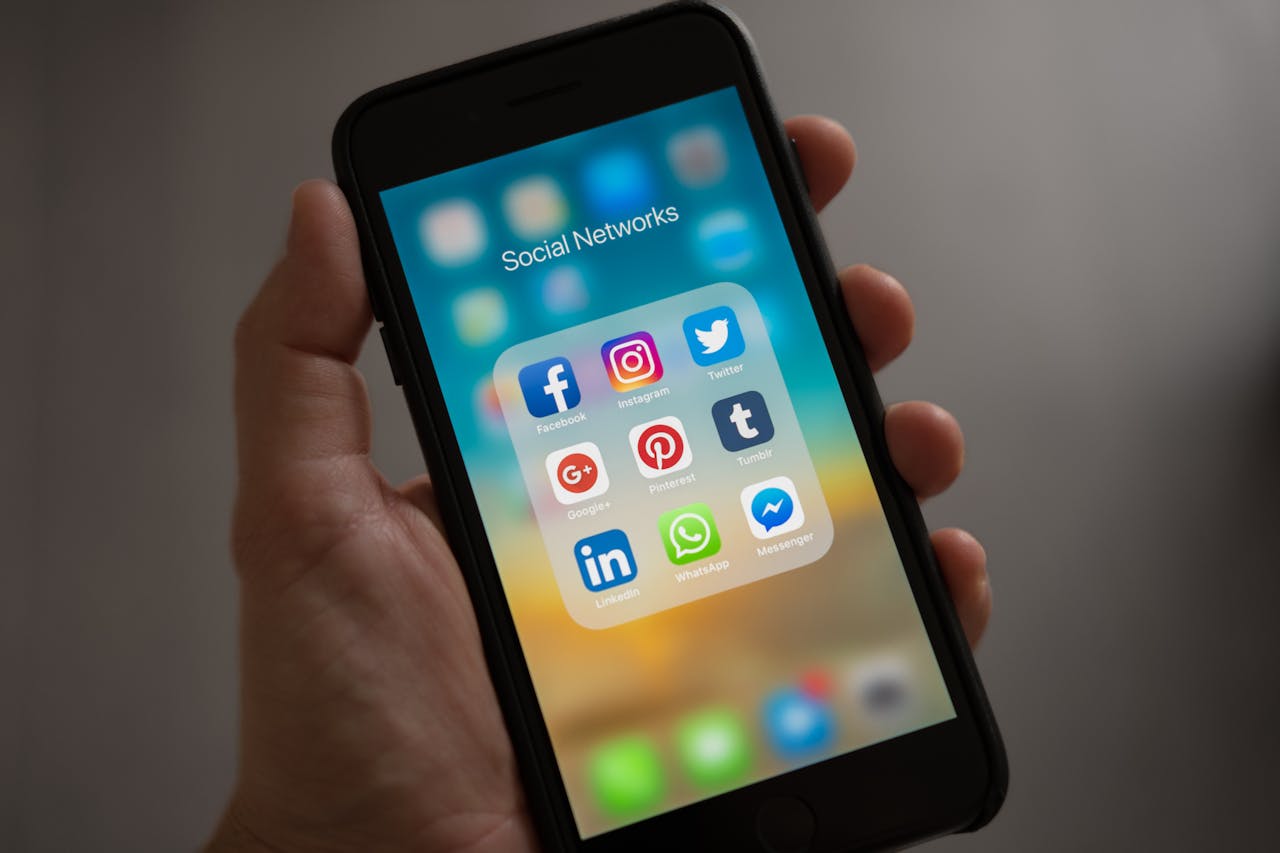
Online parenting groups and social media platforms allow mothers to connect, share experiences, and seek advice in real time. In the ’90s, social support was often limited to local friends or family. Today, global communities provide diverse perspectives, encouragement, and solutions to challenges. Access to these networks reduces feelings of isolation and offers reassurance, making modern motherhood more connected and informed. Peer support enhances confidence and decision-making, giving mothers tools to navigate parenting with knowledge and solidarity.
10. Flexible Work-from-Home Options

Remote work opportunities and flexible schedules enable moms to balance career and family more effectively. In the ’90s, most jobs required physical presence, limiting options for multitasking and creating challenges in childcare. Today, technology allows mothers to work from home or adopt hybrid schedules, reducing commuting stress and increasing family engagement. This flexibility supports better time management, more involvement in children’s daily routines, and improved work-life balance. Modern moms can navigate professional responsibilities while actively participating in their child’s upbringing.
Parenting today is easier in many ways thanks to technology, convenience, and social resources that did not exist in the ’90s. From instant access to advice to flexible work options, modern moms enjoy tools and support systems that simplify daily life and enhance engagement with their families. While challenges remain, these changes highlight how motherhood has evolved, demonstrating that small innovations and shifts in society have created a more manageable, connected, and flexible experience for today’s parents.