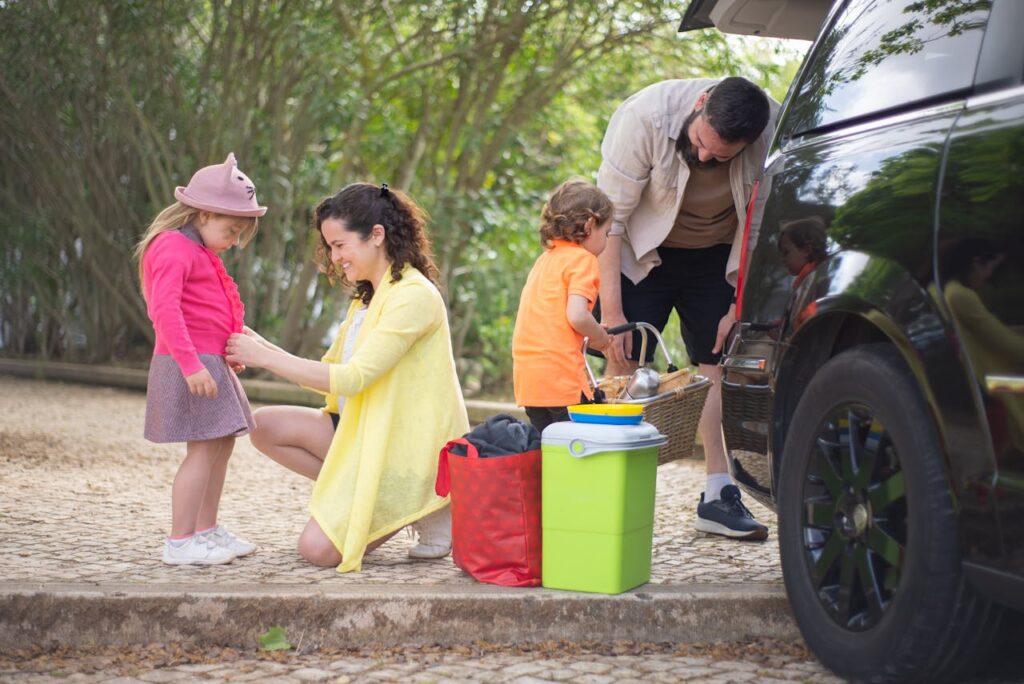

With families seeking balance in an increasingly digital and fast-paced world, many classic parenting habits are resurfacing in 2026. Modern moms are turning back to slower, more intentional practices that prioritize emotional bonding, life skills, and simplicity. These vintage habits once shaped generations, and they are now proving their relevance again as parents navigate today’s challenges. The return of these traditions reflects a desire for grounded, meaningful parenting rooted in connection rather than convenience.
Homemade Meals and Scratch Cooking
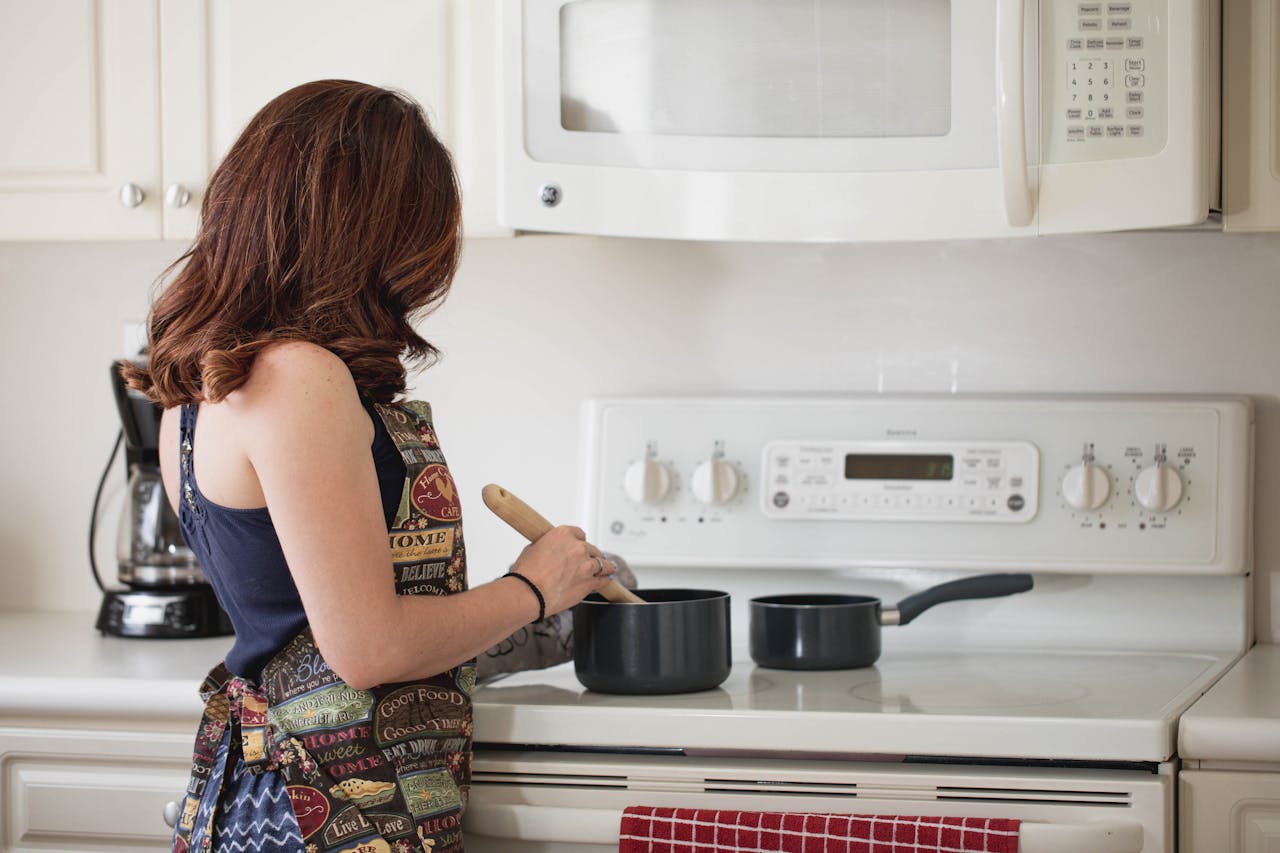
More moms are embracing home-cooked meals as a way to build healthier diets and strengthen family bonds. Cooking from scratch reduces reliance on processed foods and teaches children the value of patience and preparation. It also offers opportunities for family collaboration in the kitchen, turning mealtime into shared quality time. This revival reflects a desire for nourishment that extends beyond just the food.
Outdoor Play as a Daily Routine
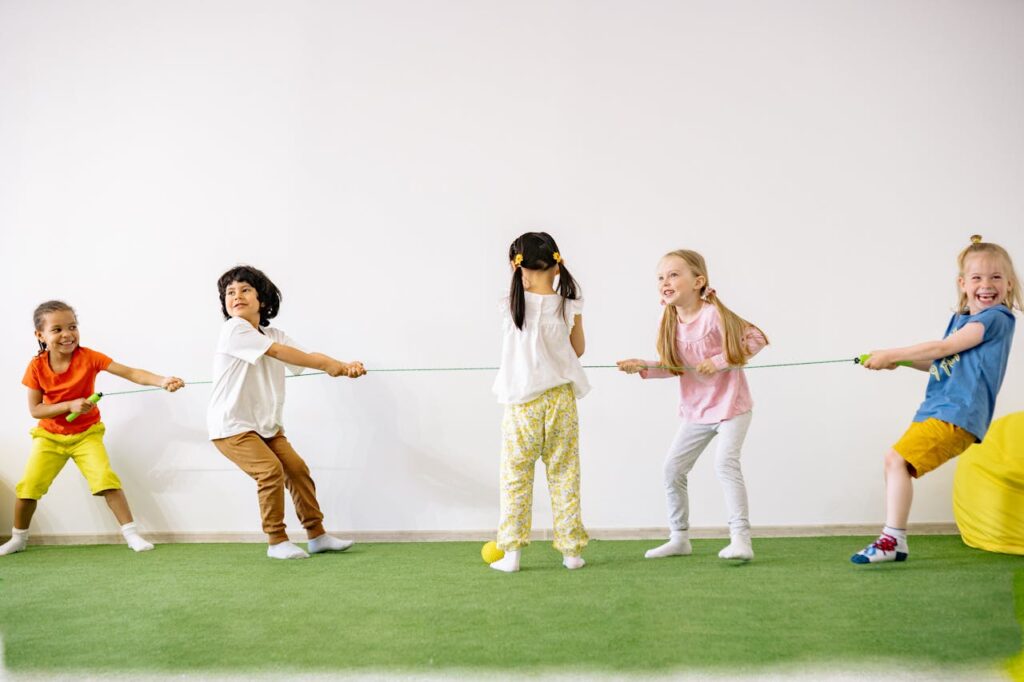
Outdoor play is making a strong comeback as parents recognize the benefits of fresh air, imagination, and unstructured exploration. Children learn problem-solving, resilience, and creativity when they have freedom to roam outside. Moms appreciate how outdoor time reduces screen dependence and encourages a healthier lifestyle. This simple practice reconnects families with nature and with each other.
Handwritten Notes and Letters

The charm of handwritten notes is returning as moms rediscover how powerful small gestures can be. Lunchbox notes, bedtime letters, and special reminders create emotional warmth that digital messages cannot replicate. These handwritten pieces often become treasured memories saved for years. This habit cultivates connection and reinforces communication within the family.
Chore-Based Responsibility
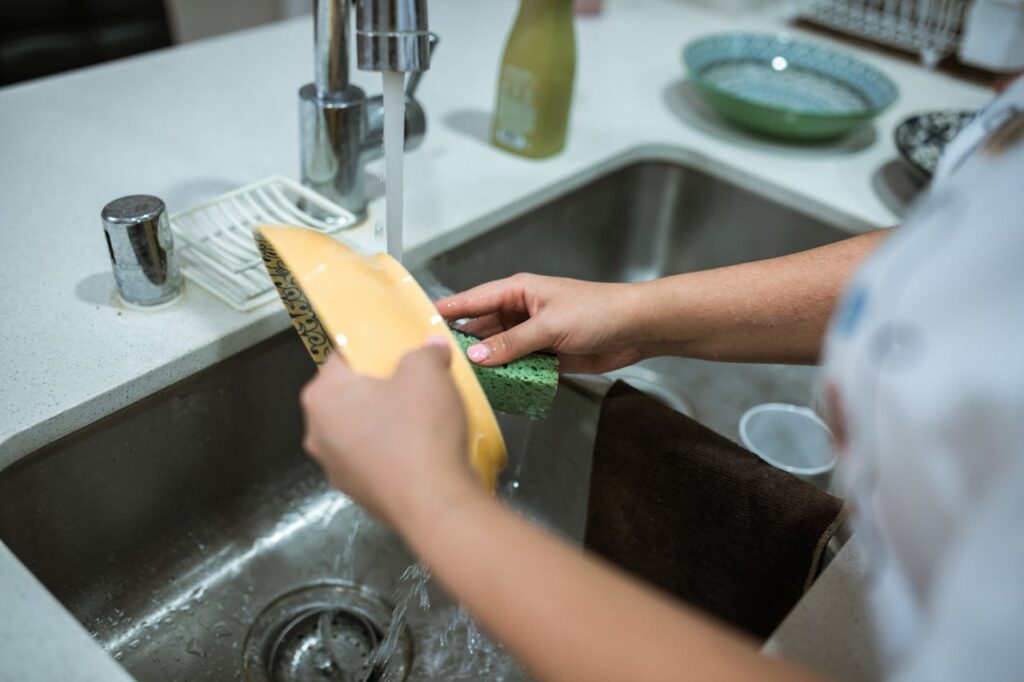
Parents are reintroducing chore routines to teach responsibility and household cooperation. Chores help children develop accountability, time-management skills, and a sense of contribution. Moms find that this habit reduces their workload while empowering children. The return to simple household tasks helps build character and strengthens family teamwork.
Early Bedtime Routines
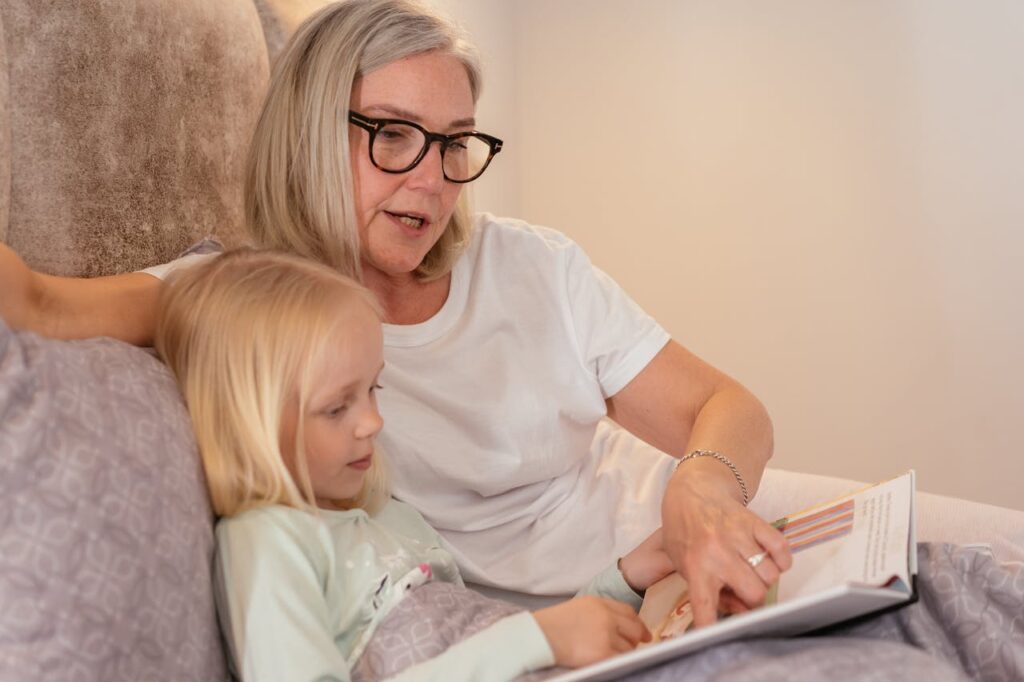
Structured bedtime routines are resurfacing as families recognize the importance of rest in emotional and physical development. Moms are reinstating nightly rituals that include books, quiet time, and consistent sleep schedules. These routines help children feel safe and grounded while reducing nighttime stress. Early bedtimes promote healthier habits that benefit the whole family.
Reading Physical Books Together
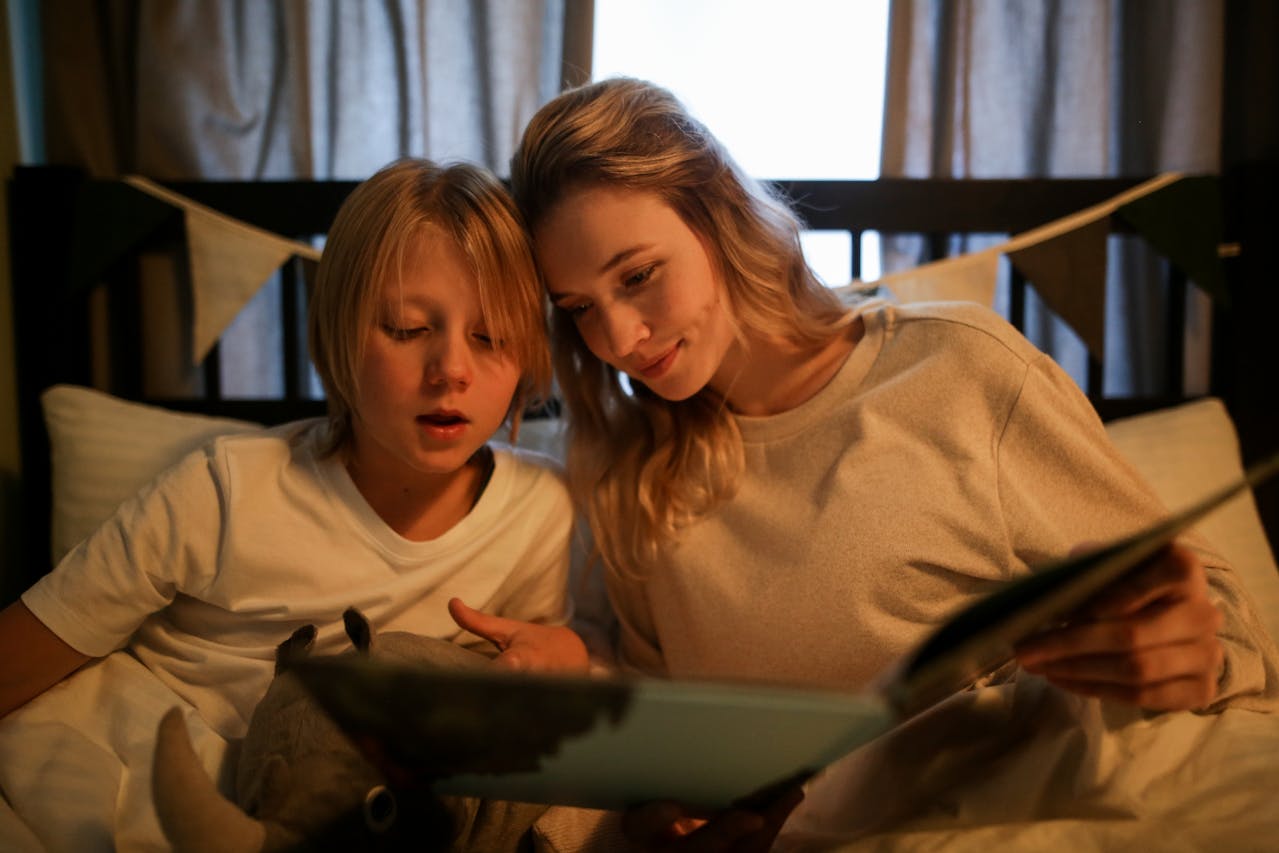
Physical books are regaining popularity as an antidote to digital overstimulation. Reading together encourages imagination, strengthens language skills, and fosters emotional closeness. Moms enjoy revisiting childhood classics while introducing new stories to their kids. This tradition brings peaceful bonding moments into the daily routine.
Simple Birthday Celebrations
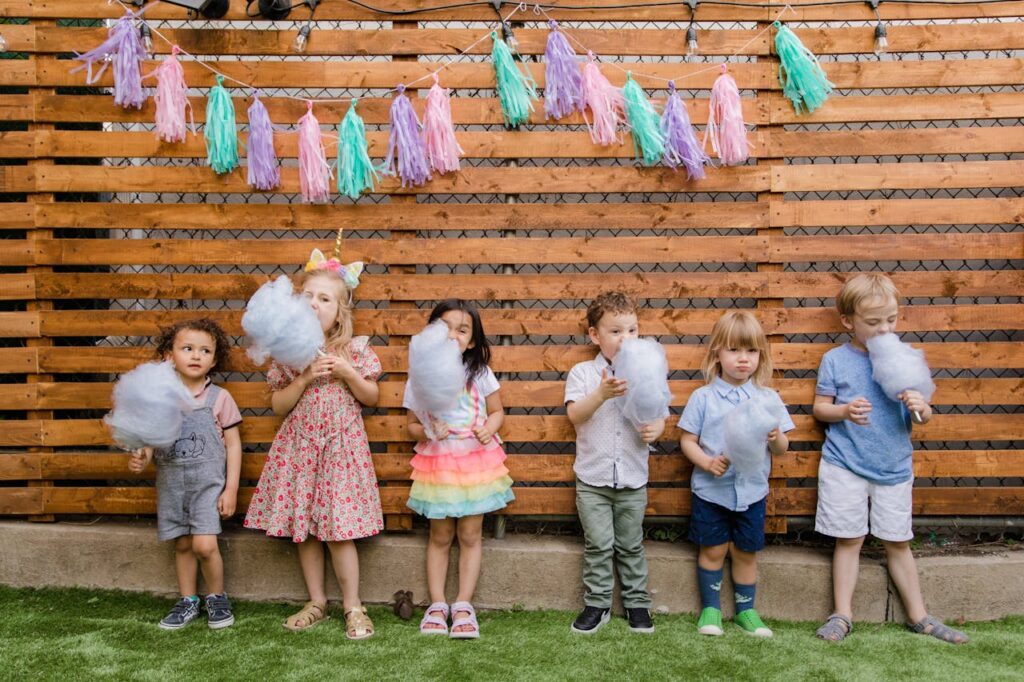
Instead of extravagant parties, many families are choosing simple celebrations centered on togetherness. Moms appreciate how small gatherings reduce pressure while making the day more meaningful. Simple parties allow children to focus on joy rather than excess. This shift brings birthdays back to their roots of family connection.
Home Remedies and Natural Wellness

Natural wellness habits such as warm teas, steam, and homemade balms are making a comeback. Moms use these gentle remedies to comfort children while teaching them patience and emotional awareness. While not a replacement for medical care, these methods reconnect families with nurturing traditions. They create a calming environment during moments of illness or stress.
Unstructured Playtime

Parents are moving away from constant scheduling and returning to unstructured play, giving children room to explore independently. This type of play fosters creativity, resilience, and self-regulation. Moms see it as a balancing force in an overly scheduled world. It also gives children space to develop problem-solving skills naturally.
Family Meals at the Table
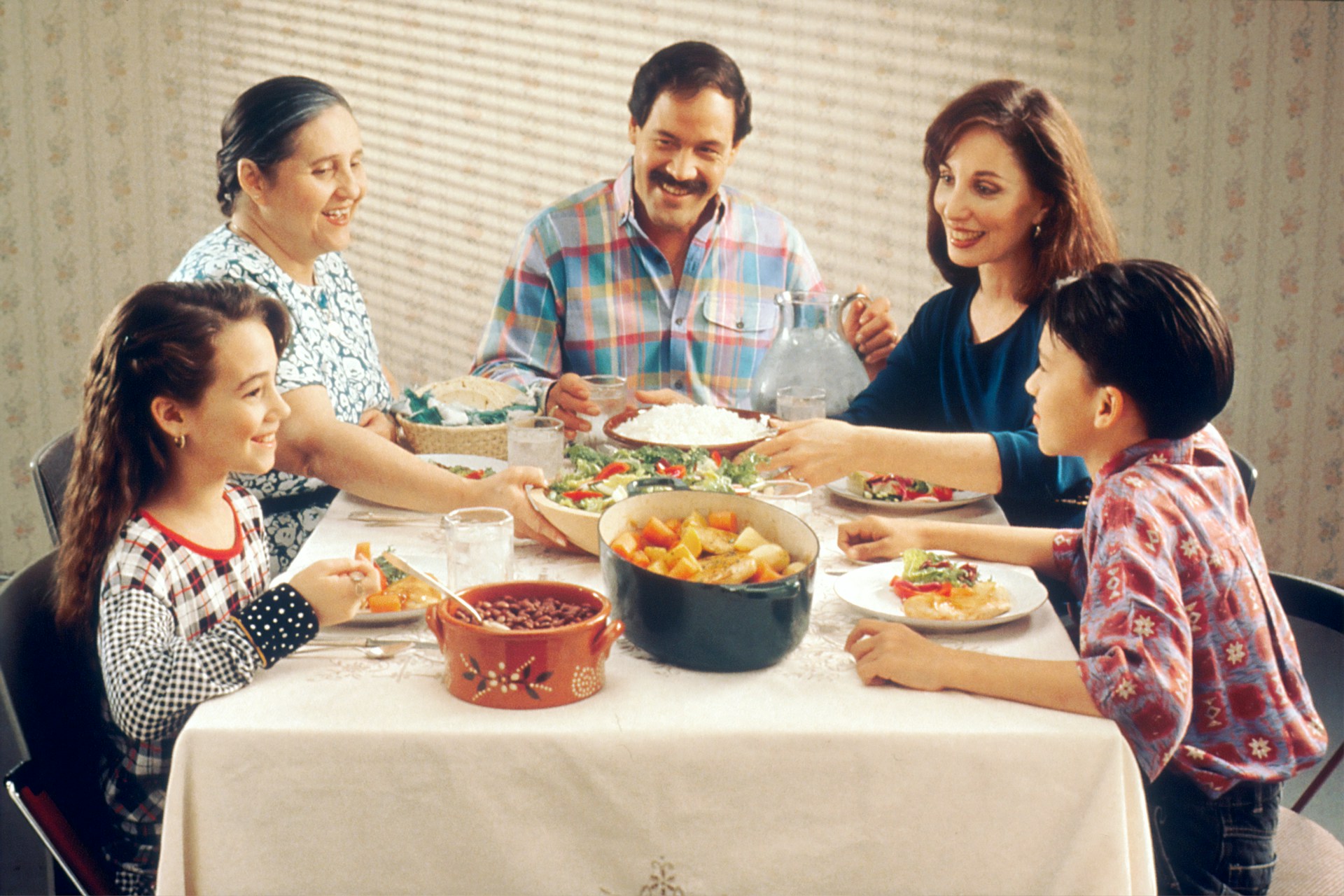
Family meals are becoming a daily ritual again as moms prioritize meaningful conversation and connection. Sitting together encourages mindful eating and strengthens emotional bonds. It provides a predictable structure that children find comforting. This habit reminds families of the importance of slowing down and being present.