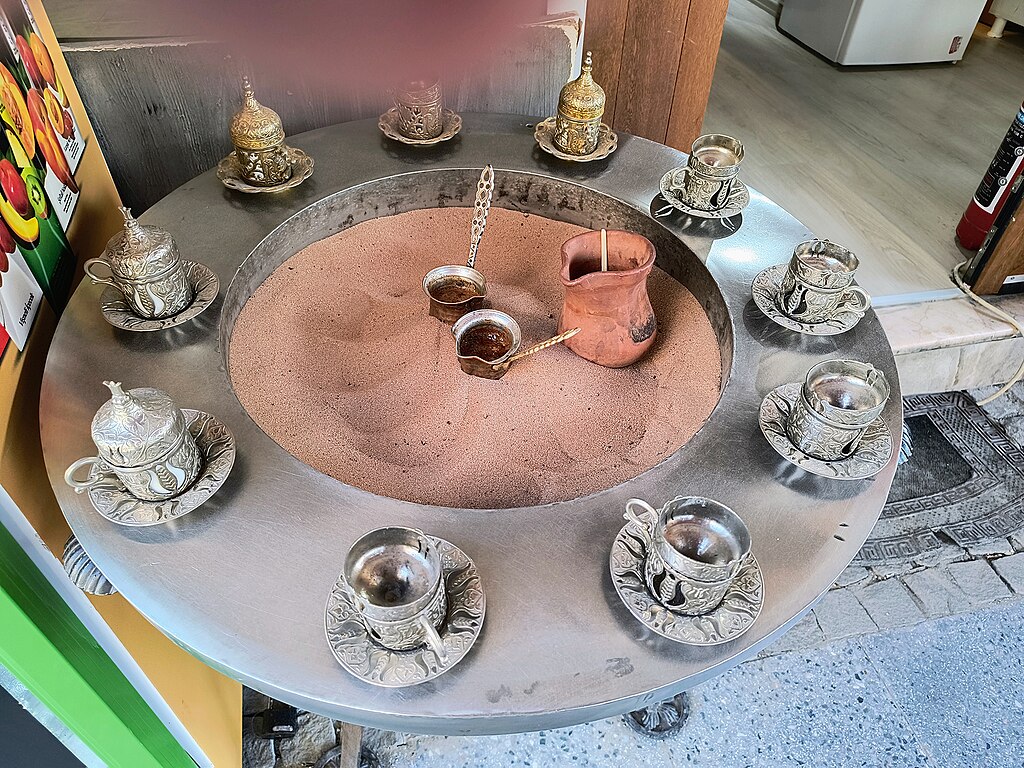
Across the United States, culture constantly shifts, and many familiar rituals quietly fade away. Some traditions survive and adapt, while others slip into memory as stories told at family gatherings. Changes in work schedules, technology, and social habits have altered how Americans spend time, celebrate, and connect. Below are ten traditions that are losing their everyday place in American life, along with why they mattered and what we might miss when they are gone.
Sunday Family Dinners
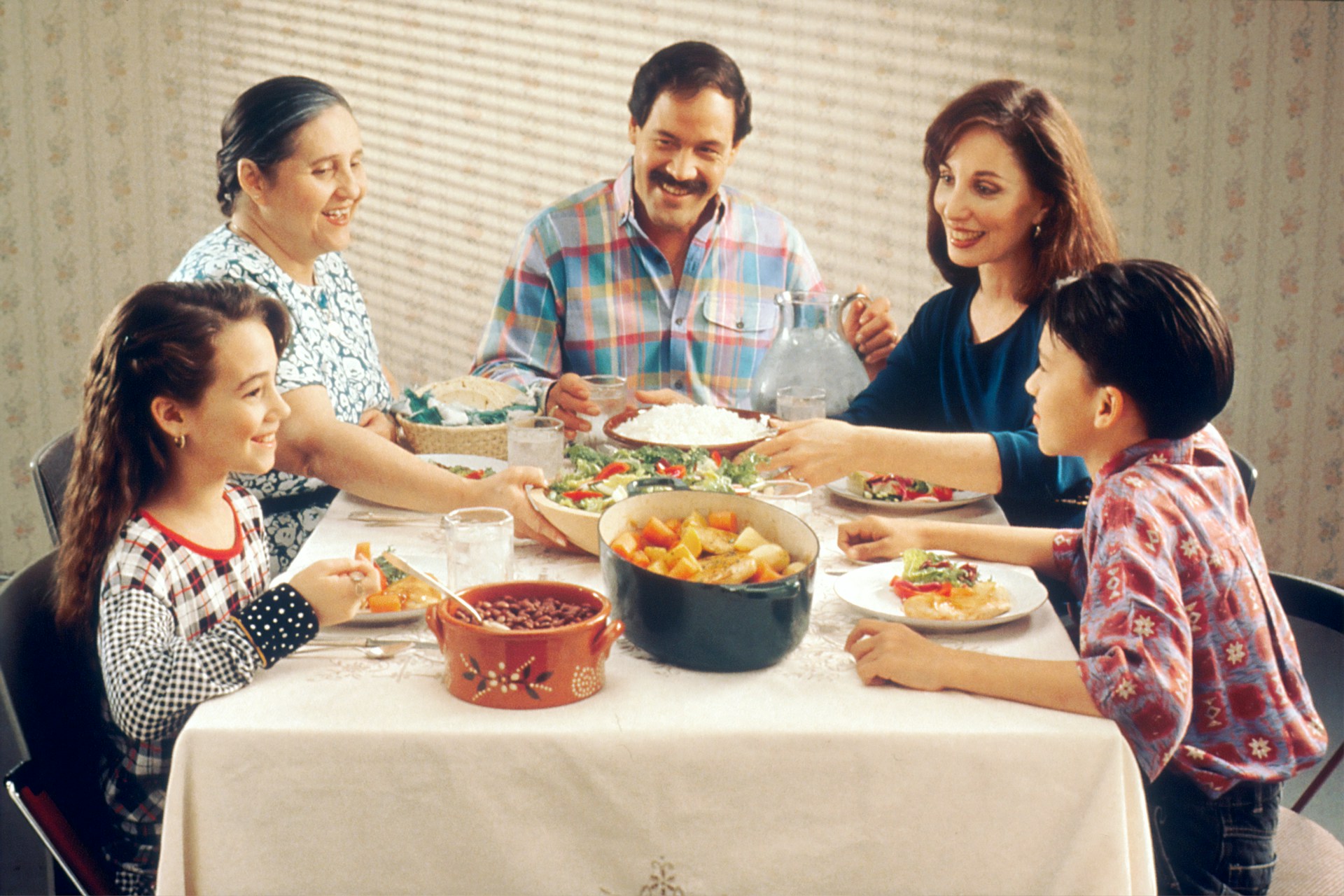
For generations, Sunday family dinners were a predictable anchor in family life, a weekly ritual where relatives gathered to cook, talk, and reconnect. These meals often featured recipes passed down through generations, a slow pace that encouraged conversation, and the presence of grandparents and children at the same table. Over time, busier schedules, split households, and the rise of convenience food have made these gatherings less common. Many families now have members working weekend shifts, living in different cities, or preferring quick takeout over long meal prep. The loss of regular family dinners means fewer moments of shared storytelling, less transmission of culinary traditions, and fewer opportunities for intergenerational bonding that used to be built into family routines.
Handwritten Letters and Postcards

Sending and receiving handwritten letters and postcards was once a beloved practice, offering tangible proof of a relationship and a physical keepsake to revisit. Letters required thought and time, and the slower pace of communication made messages feel more intentional. People saved letters in boxes, reread them, and passed them down as family mementos. Today, email, texting, and social platforms offer instant replies and short messages that rarely become heirlooms. The disappearance of letter writing reduces chances for reflective, composed communication, and it erases the sensory pleasures of ink, stamps, and paper. When correspondence is purely digital, it is more ephemeral and less likely to be preserved for future generations as a record of lives and relationships.
Shopping at Local Mom and Pop Stores
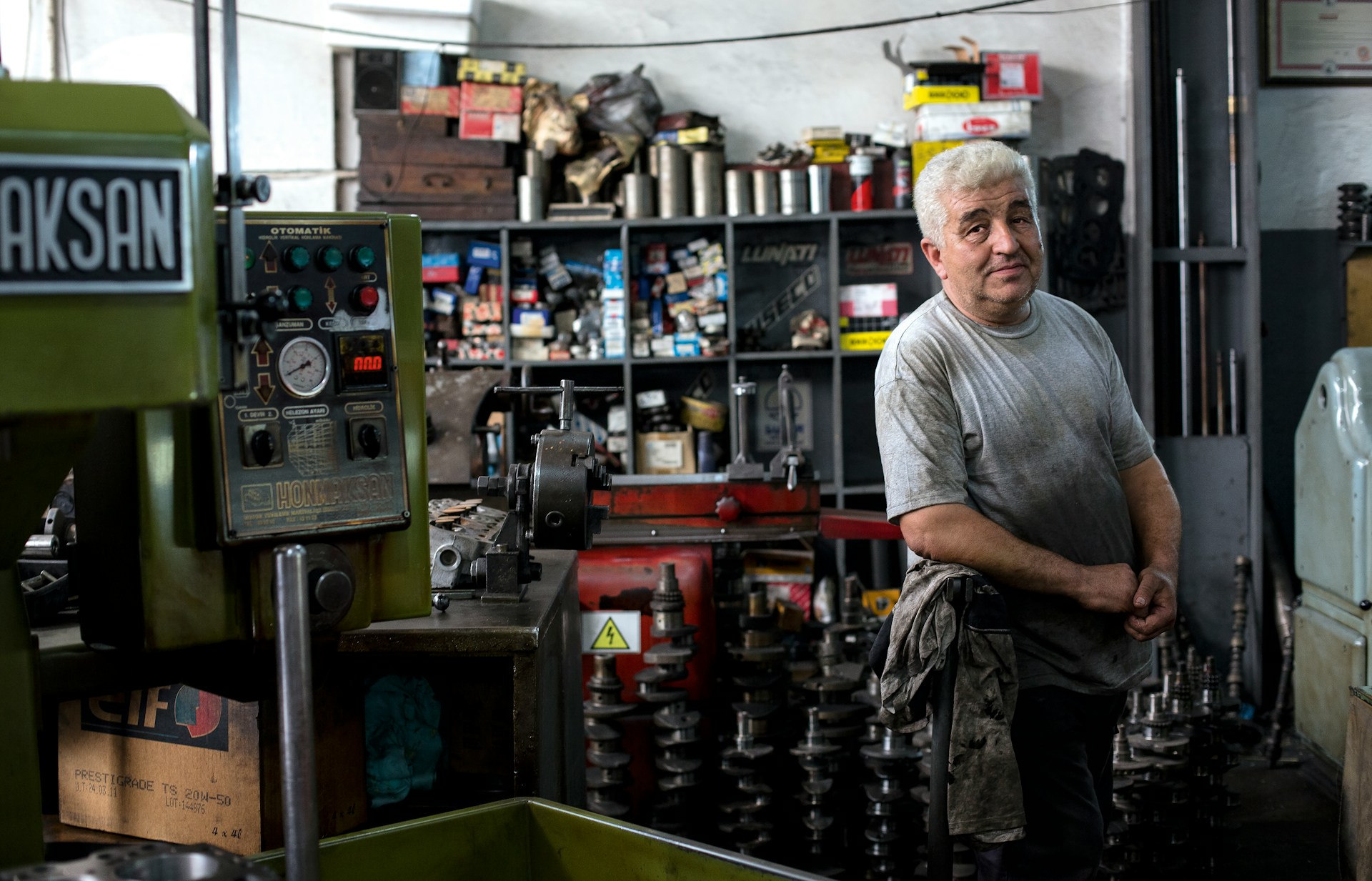
Independent neighborhood stores used to form the backbone of American shopping, offering personal service, local products, and the chance to know shopkeepers by name. These small businesses provided convenience and a sense of community identity, where customers traded news while buying groceries or hardware. Over the last few decades, big box retailers and online shopping have undercut many small shops, offering lower prices and broader selection. As a result, the rituals tied to stopping by a local shop, chatting with the owner, and supporting a community economy are fading. The decline of these stores can leave neighborhoods feeling less personal, reduce local entrepreneurship, and limit access to unique regional goods and advice that only longtime shopkeepers provided.
Friday Night Video Rental and Movie Swap

Before streaming, renting movies from a local rental shop was a weekly ritual, often involving browsing shelves, reading the back of VHS or DVD cases, and recommending titles to friends. Families built traditions around selecting a movie, making popcorn, and watching together. Kids remember the excitement of picking a weekend film, and teens remember staying up late with rented horrors or comedies. With streaming services, instant access has replaced the ritual of browsing and the social aspect of exchanging physical media. The change has altered how people discover movies and share recommendations, shifting communal discovery into algorithmic suggestions and diminishing the small social rituals tied to picking a movie and talking about it afterward.
Community Newsletters and Small Newspapers

Local newsletters and small-town newspapers once chronicled the everyday life of communities, from town council decisions to school plays and obituaries. They served as a shared record and a place where neighbors could express concerns or celebrate achievements. Many residents subscribed, clipped articles, and kept back issues for reference. Today, local news outlets struggle as readership moves online and advertising revenue declines. When neighborhood reporting disappears, communities lose a trusted source of local information, less oversight of public institutions, and fewer spaces for civic conversation. The decline of local news can weaken civic engagement, leaving residents less informed about decisions that affect their daily lives.
Neighborhood Block Parties and Porch Visiting

Block parties, porch chats, and impromptu stoop visits were once signs of connected neighborhoods, where people gathered to share food, watch children play, and catch up on local gossip. These informal gatherings helped build trust and mutual support. Over time, increased mobility, busy work lives, and concerns about privacy have reduced casual face-to-face interactions. Porches feel empty more often, and many neighborhoods no longer host seasonal block parties. The loss of these practices reduces opportunities for neighbors to check on one another, to organize grassroots activities, and to create the spontaneous social fabric that makes neighborhoods resilient and welcoming.
Fourth of July Small Town Parades

Small town Fourth of July parades used to be focal points of civic pride, featuring school bands, veterans, local businesses, and homemade floats. These parades provided a shared calendar event where residents met, children waved flags, and communities showcased local culture. In recent years some towns have scaled back parades due to budget concerns, logistical hurdles, or changing tastes. The decline of local patriotic parades removes a predictable ritual that once strengthened community identity and created intergenerational memories. Without these annual gatherings, there are fewer occasions for residents to celebrate local heritage in a collective, low-cost, family-friendly setting.
Milk Delivery and Doorstep Services

Milk delivery is a nearly vanished practice that once offered fresh dairy straight to the doorstep, fostering a trusting relationship between families and local dairies. Doorstep services like bread deliveries and ice houses were common and convenient, reducing the need for daily trips to stores. The predictable sound of milk bottles in the morning was part of daily life for many households. Modern refrigeration, supermarkets, and just-in-time grocery habits have replaced these services. The disappearance of doorstep deliveries signals a move toward centralized retail and fewer direct relationships between producers and consumers. It also eliminates small daily rituals that subtly connected people to local food systems.
Payphones and Public Phone Etiquette

Payphones were once ubiquitous and essential for staying connected when away from home, teaching people to manage coins, plan call lengths, and respect public phone etiquette. In emergencies, a nearby payphone could be lifesaving. With the rise of mobile phones, payphones have almost entirely disappeared, taking with them public practices around sharing a scarce resource and the simple skill of calling from a public device. The loss of payphones also affects those without reliable mobile access, potentially increasing inequality in emergency connectivity. When public communication infrastructure vanishes, a layer of communal safety and convenience disappears with it.
Home Repair Know-How Passed Down
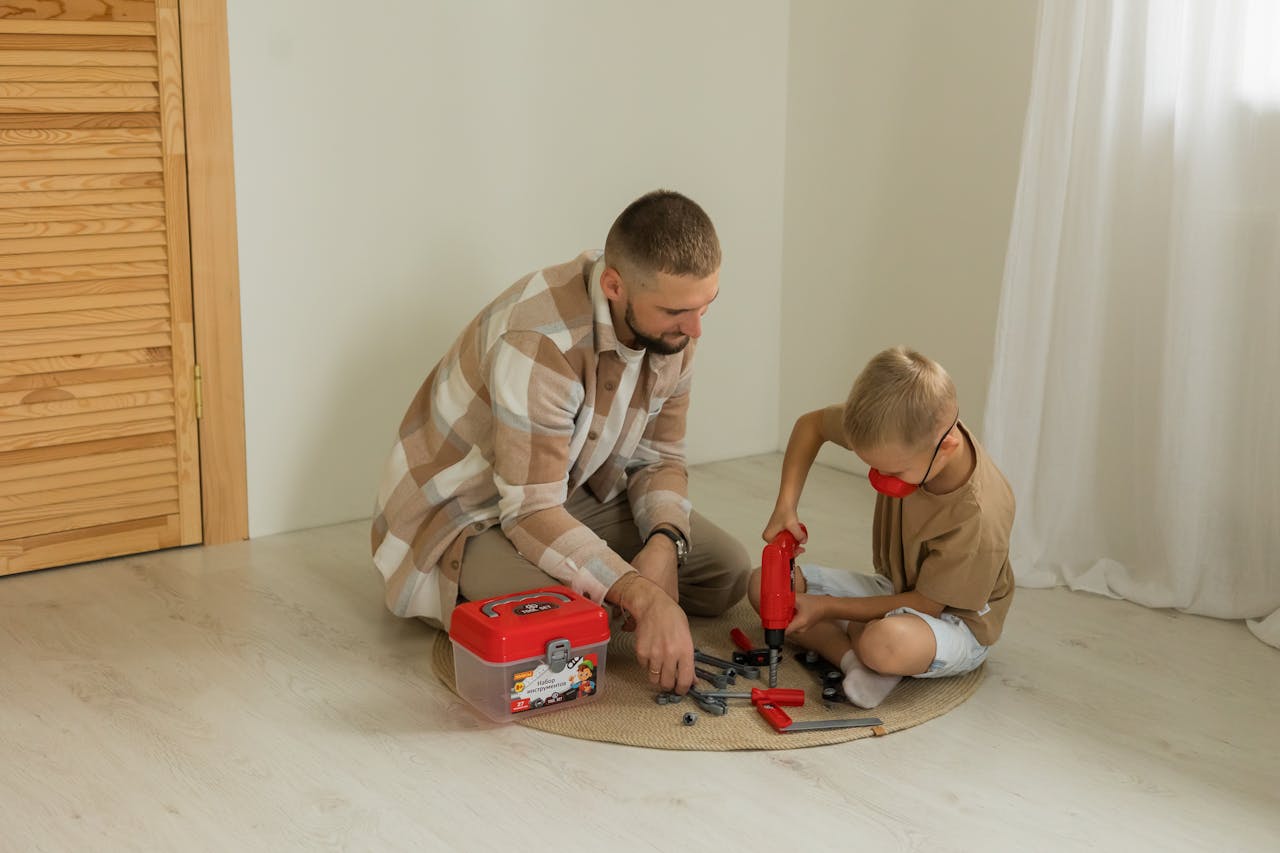
Older generations often taught practical home repair skills directly to younger family members, covering everything from simple carpentry to basic plumbing and appliance fixes. These skills supported independence and saved money, and they fostered confidence in managing a household. As professional services became more accessible and as specialized knowledge moved online, many people stopped learning hands-on maintenance. The shift means fewer families retain practical knowledge, increasing reliance on paid contractors and diminishing the intergenerational transfer of useful capabilities. Losing these traditions reduces self-reliance and the quiet mastery that once kept households running smoothly.
Traditions shift as life changes, and not all losses are negative. Still, the quiet disappearance of these practices changes how communities connect, how families remember, and how people participate in everyday life. Recognizing what we are losing can help us decide which rituals to revive, adapt, or preserve for the future.