Recent state-by-state analyses of health, safety, and public systems show that some parts of the country keep appearing near the bottom for the same reasons. Weak health outcomes, poor care access, emergency-readiness gaps, child well-being concerns, and ageing infrastructure can all point to broader failures in how public systems are maintained and managed.
That does not mean every resident has the same experience, or that one ranking tells the whole story. Still, when several major reports keep highlighting the same states, the pattern becomes harder to ignore.
Here are 10 states that have been repeatedly flagged in recent analyses, along with the areas where concerns appear most often.
1. Louisiana
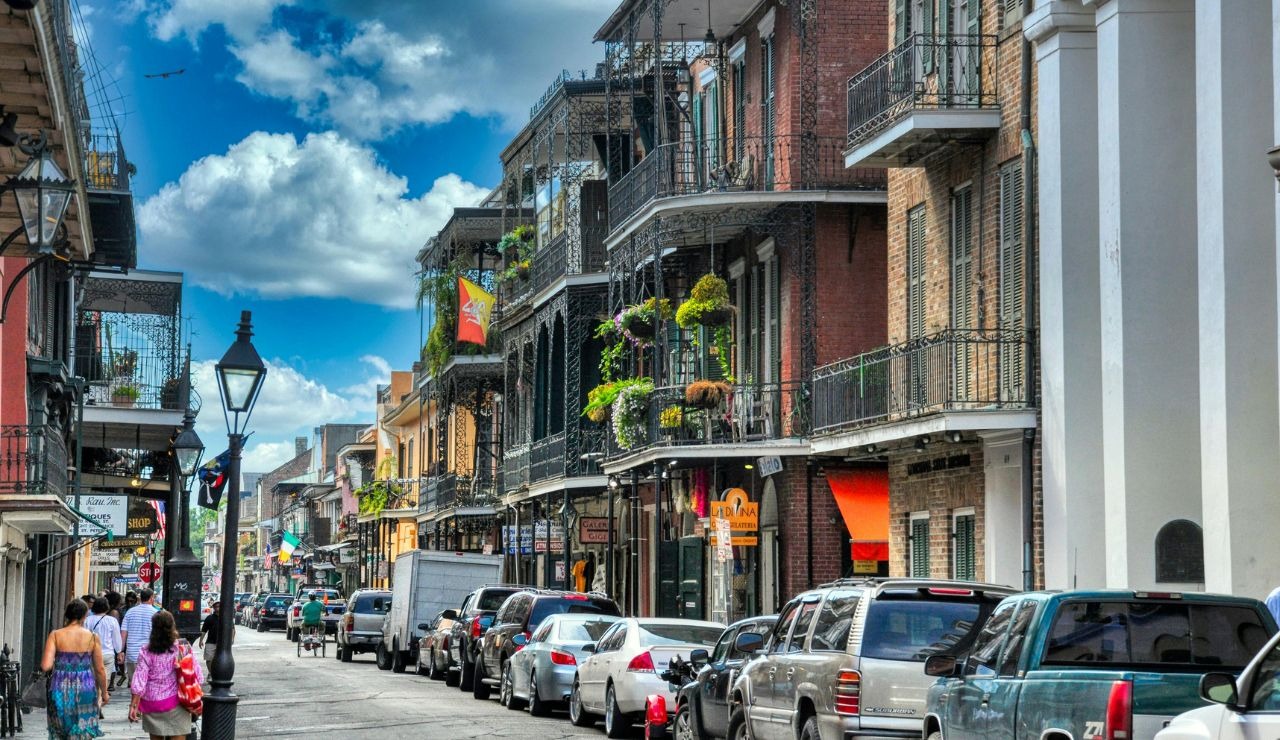
Louisiana appears again and again in national health and safety rankings, which is why it is often cited in discussions about public neglect. America’s Health Rankings placed it last overall in its 2025 annual report, and the same state also ranked last in the 2025 Health of Women and Children report. Those findings point to broad problems rather than one narrow weakness.
The concern is not just one statistic. Louisiana tends to struggle across multiple measures tied to health outcomes, prevention, and long-term community conditions.
When a state repeatedly lands at the bottom of major health reports, critics often treat that as a warning sign that basic systems are not performing well enough.
2. Mississippi
Mississippi is another state that is frequently called out because low rankings appear across several categories, not just one. The Commonwealth Fund placed Mississippi last in its 2025 state health system scorecard, while America’s Health Rankings said it was the least healthy state in its 2025 senior report. That combination reflects persistent concerns about care access, outcomes, and system performance.
The criticism is often broader than hospital quality alone. Mississippi also shows up in discussions about children’s health and wider public health issues.
Taken together, those repeated low placements create the impression of a state where too many basic supports remain thinner than residents need.
3. Texas
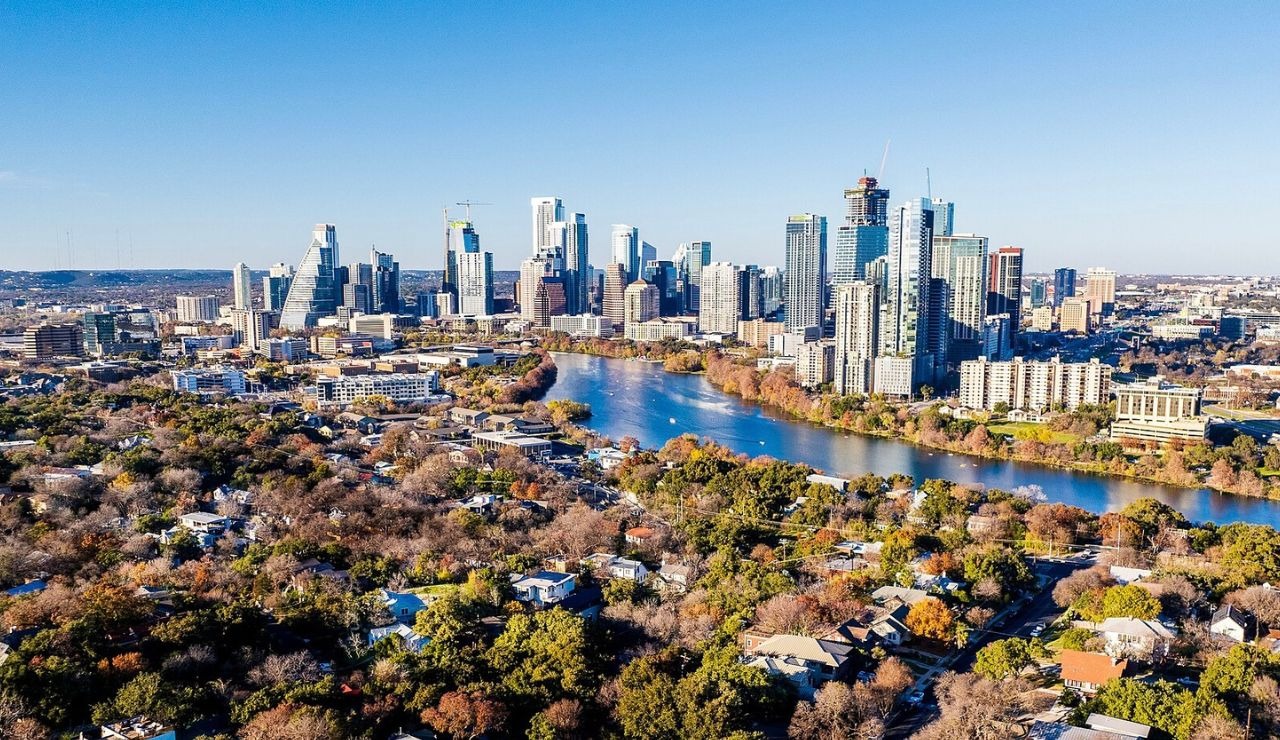
Texas is often included in these conversations because its size does not shield it from weak public system rankings. The Commonwealth Fund ranked Texas near the bottom in its 2025 state health system scorecard, and its 2024 women’s health scorecard also placed Texas among the lowest-performing states. Forbes Advisor has also listed Texas among the weaker states for healthcare and children’s health.
Part of the concern is scale. Large population growth can magnify pressure on coverage, access, and timely care when systems are already stretched.
That leaves Texas open to criticism that major gaps are being tolerated too long, especially in areas tied to affordability, access, and family health.
4. Arkansas
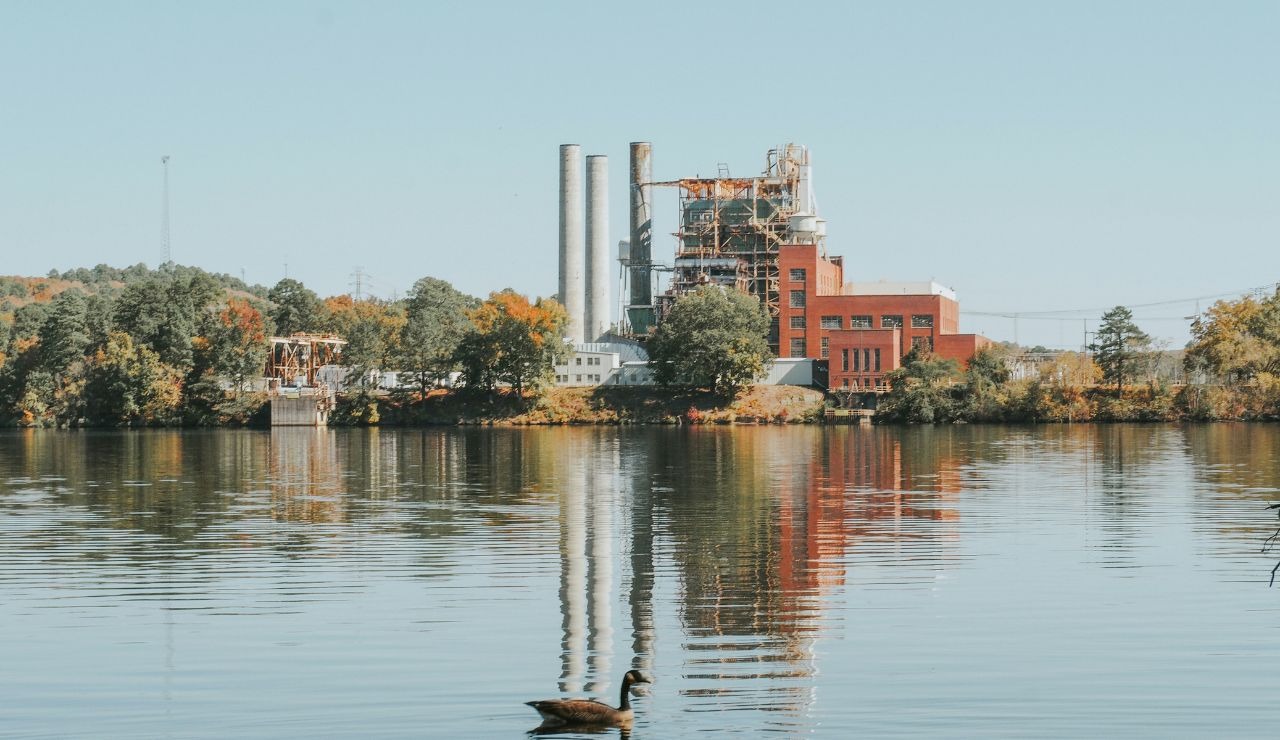
Arkansas is regularly flagged in recent analyses because it shows weakness across health, child well-being, and infrastructure. America’s Health Rankings placed it near the bottom in its 2025 annual report and in its 2025 report on women and children. Forbes Advisor also ranked Arkansas last for children’s health, reinforcing the idea that families face deeper structural problems.
Infrastructure concerns add another layer. Arkansas’s infrastructure report card has pointed to large drinking water needs and a high number of high-hazard dams.
That mix of poor child outcomes and stressed physical systems helps explain why Arkansas is often described as a state where neglect has visible, real-world consequences.
5. New Mexico

New Mexico is often singled out for a mix of public-health and family-well-being concerns. America’s Health Rankings placed the state in the lower tier overall, and its 2025 women and children summary showed weak rankings on several child and safety measures, including adverse childhood experiences. A separate debate around malpractice costs has added to the sense that the healthcare system remains under strain.
The issue here is not just one bad headline. It is the way multiple warning signs keep surfacing in conversations about care, risk, and long-term stability.
That recurring pattern helps explain why New Mexico is often included when analysts discuss states facing deeper public-system stress.
6. Florida
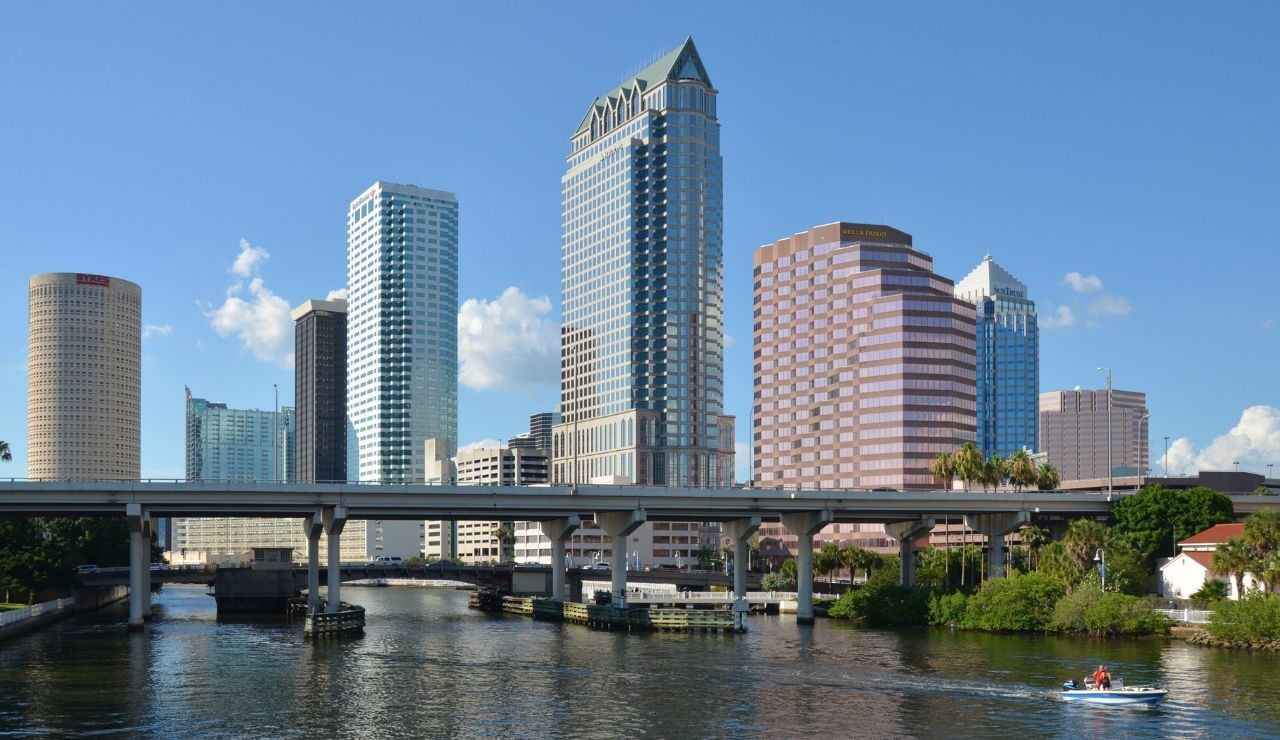
Florida is not usually described as one of the weakest states overall, but it still gets flagged in health-system comparisons often enough to draw attention. The Commonwealth Fund ranked Florida 39th in its 2025 state scorecard, and America’s Health Rankings showed the state near the bottom on measures such as avoided care due to cost. Those results point to uneven performance rather than a complete system failure.
That matters in a fast-growing state where pressure on hospitals, insurance coverage, and access can rise quickly as the population changes.
So while Florida does not fit the same profile as some lower-ranked Southern states, it still appears in cautionary discussions about whether growth is outpacing support systems.
7. Oklahoma

Oklahoma continues to appear near the bottom in several recent health-system rankings. The Commonwealth Fund placed it among the lowest-performing states in 2025, and America’s Health Rankings also ranked Oklahoma poorly in its senior report and in its women and children report. Those repeated results have helped build a reputation for weak systems rather than isolated shortfalls.
Emergency readiness and financial security concerns have also contributed to that image in broader state-level comparisons.
When the same state keeps showing up near the bottom across care access, outcomes, and family well-being, it becomes easier to argue that public needs are not being addressed with enough urgency.
8. Alabama
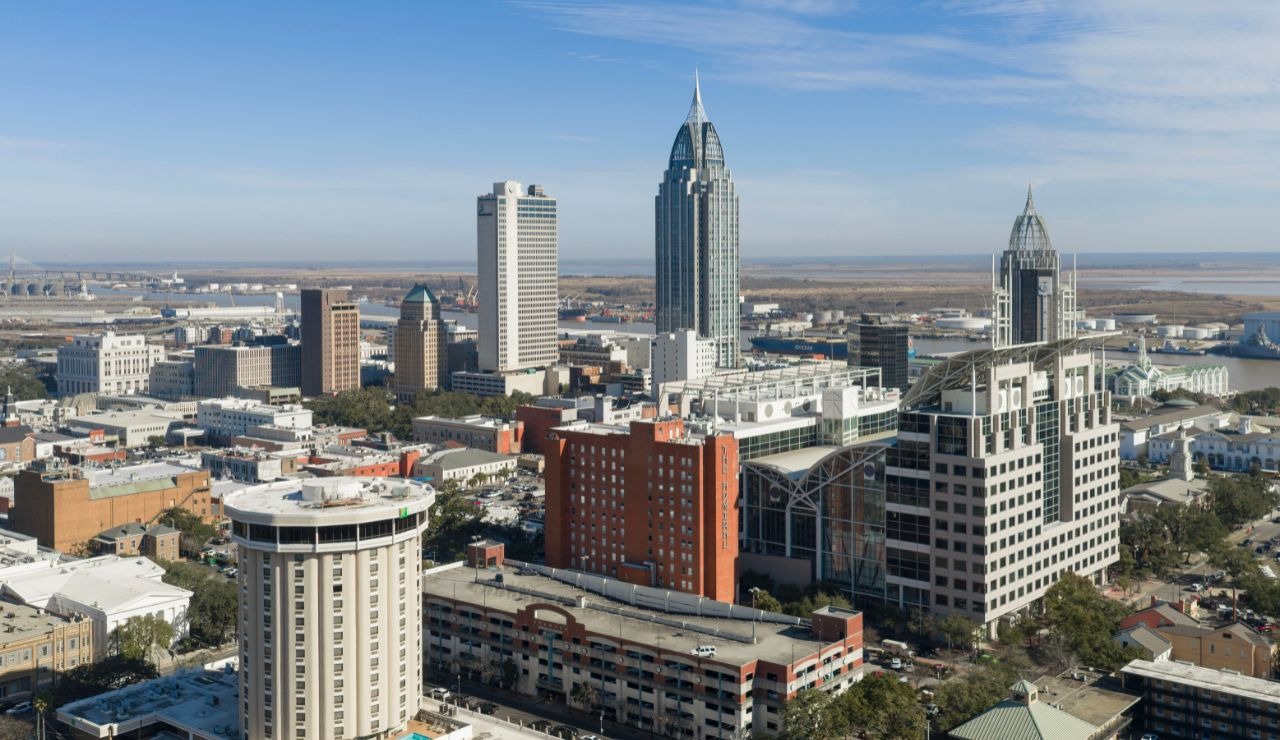
Alabama is often criticised because it performs poorly across both general health and hospital-related measures. America’s Health Rankings placed Alabama near the bottom in its 2025 annual report, and broader healthcare comparisons have also ranked it among the weaker states. That leaves Alabama vulnerable to criticism on both everyday health and institutional care quality.
The concern is not just about a single bad outcome. It is about repeated signals that prevention, treatment, and safety are not as strong as they should be.
For residents, that can translate into a familiar pattern: thinner options, higher risk in some settings, and fewer signs that system-wide problems are improving quickly.
9. West Virginia
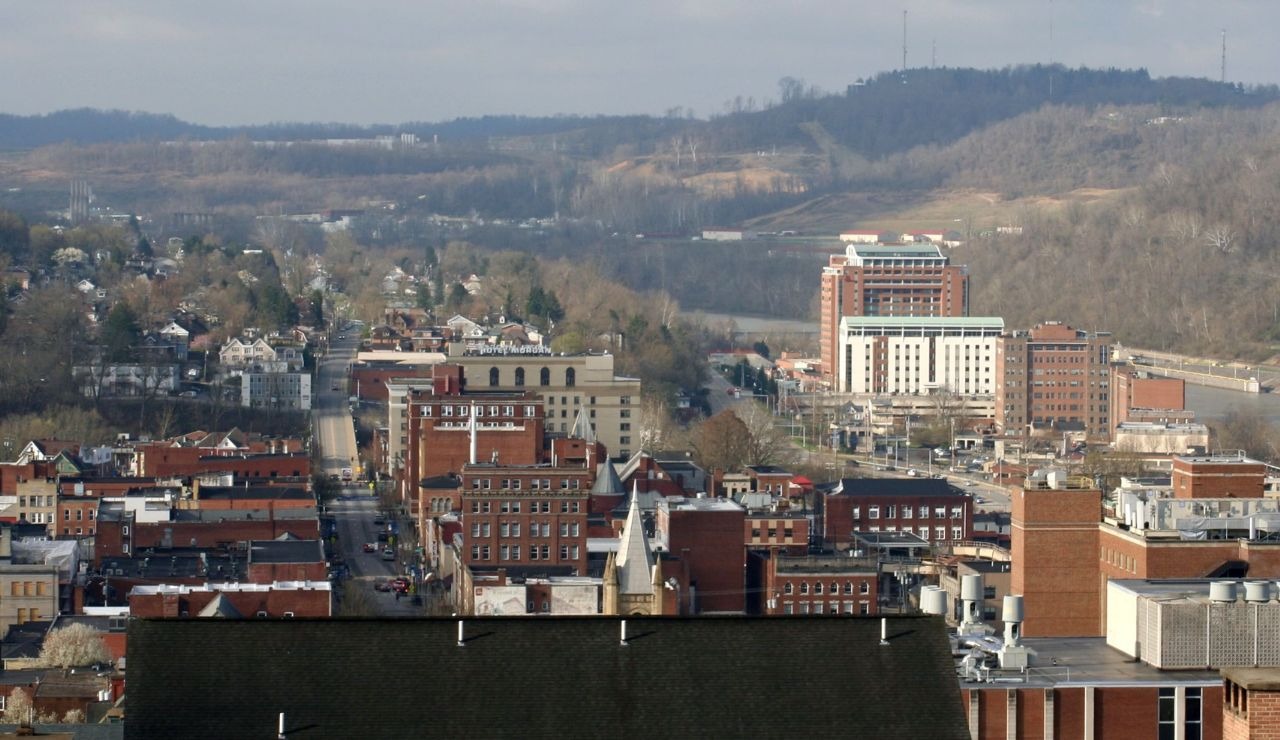
West Virginia remains one of the states most often cited in low health and safety rankings. America’s Health Rankings placed it near the bottom in its 2025 annual report and in its senior report, while the Commonwealth Fund again listed it among the lowest-ranked state health systems in 2025. Those findings reinforce a long-running pattern rather than a one-year slide.
Broader children’s health rankings have also placed West Virginia among the weaker states, adding to concern about long-term outcomes for families.
That persistent clustering near the bottom is why West Virginia is often described as a place where public-system underperformance has become difficult to separate from daily life.
10. Arizona
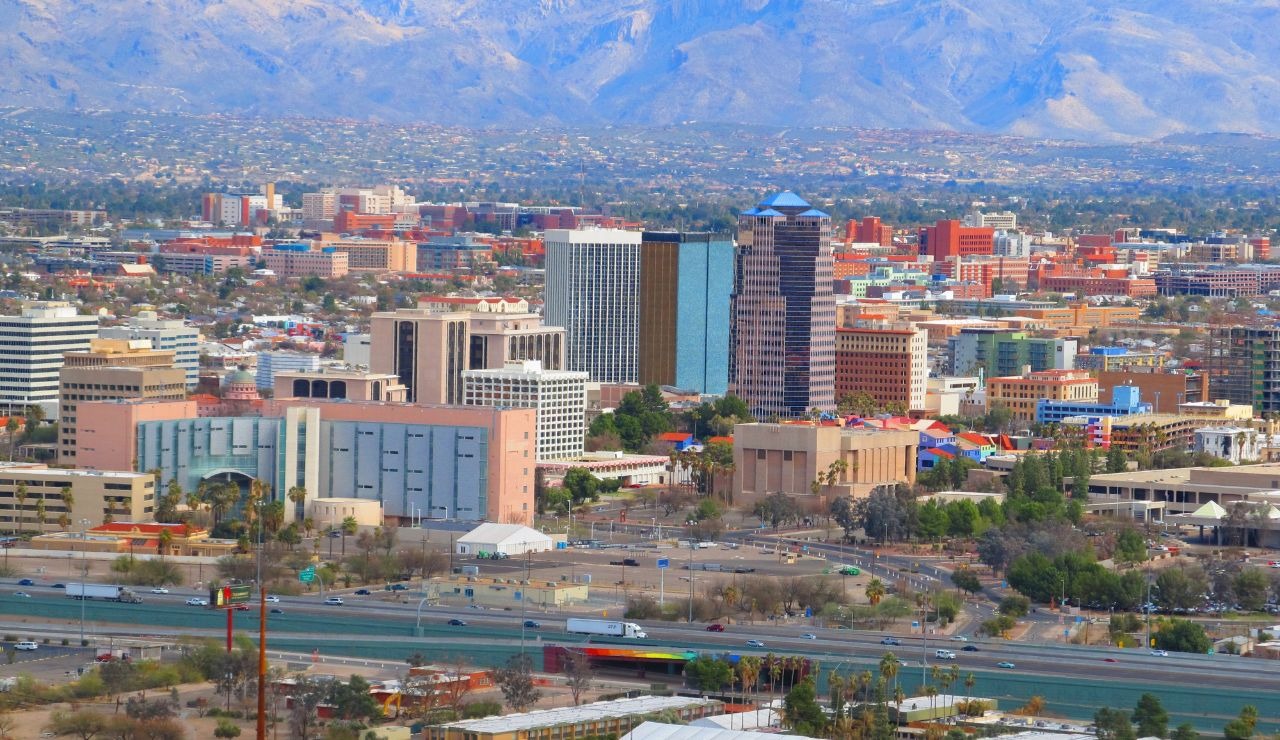
Arizona is often mentioned for a different mix of concerns. Child well-being analyses have placed the state above the national average for adverse childhood experiences, while healthcare access concerns, including provider shortages in some areas, continue to shape how the state is viewed. Rapid growth can deepen those pressures when service capacity does not keep pace evenly.
Arizona is not always near the bottom on every national list, but it appears often enough in child-health and healthcare-risk discussions to draw scrutiny.
That makes it a state critics watch closely, especially when questions arise about whether fast growth is being matched by the public systems residents need to stay safe and supported.