American history classes often simplify stories to make them easier to understand, but this can lead to inaccuracies. Generations of students learned myths or half-truths about the nation’s past. Here are ten historical “facts” many were taught that deserve correction.
Columbus Did Not Discover America
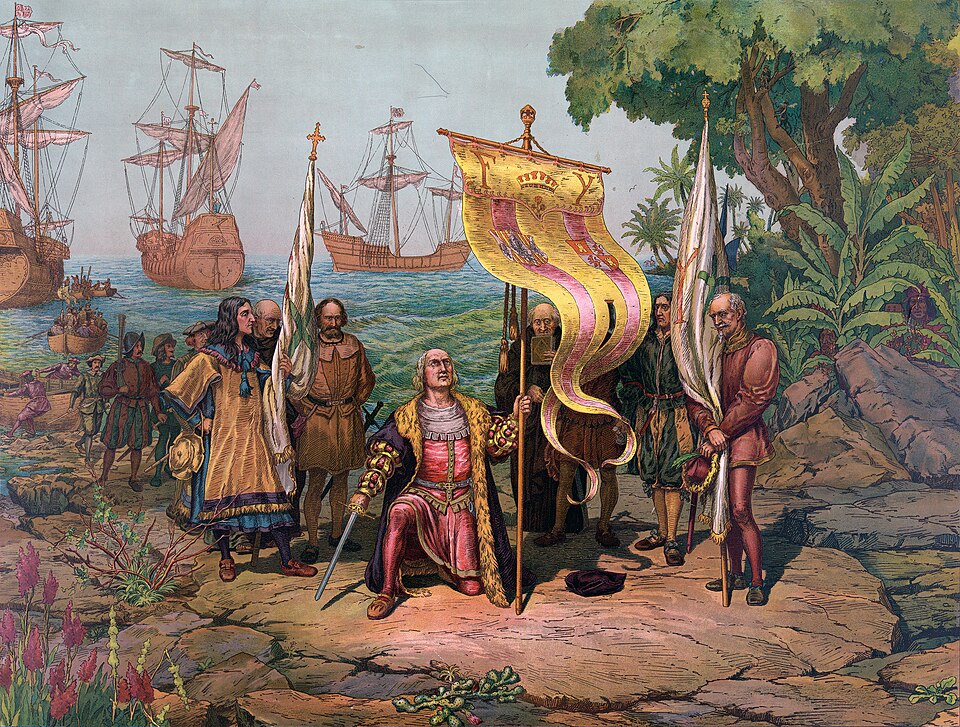
Indigenous peoples lived in the Americas for thousands of years before Columbus arrived. In fact, Norse explorers like Leif Erikson reached parts of North America centuries earlier. Columbus never set foot on the mainland United States. His voyages instead mark the start of European colonization.
Misnamed Ships of Columbus
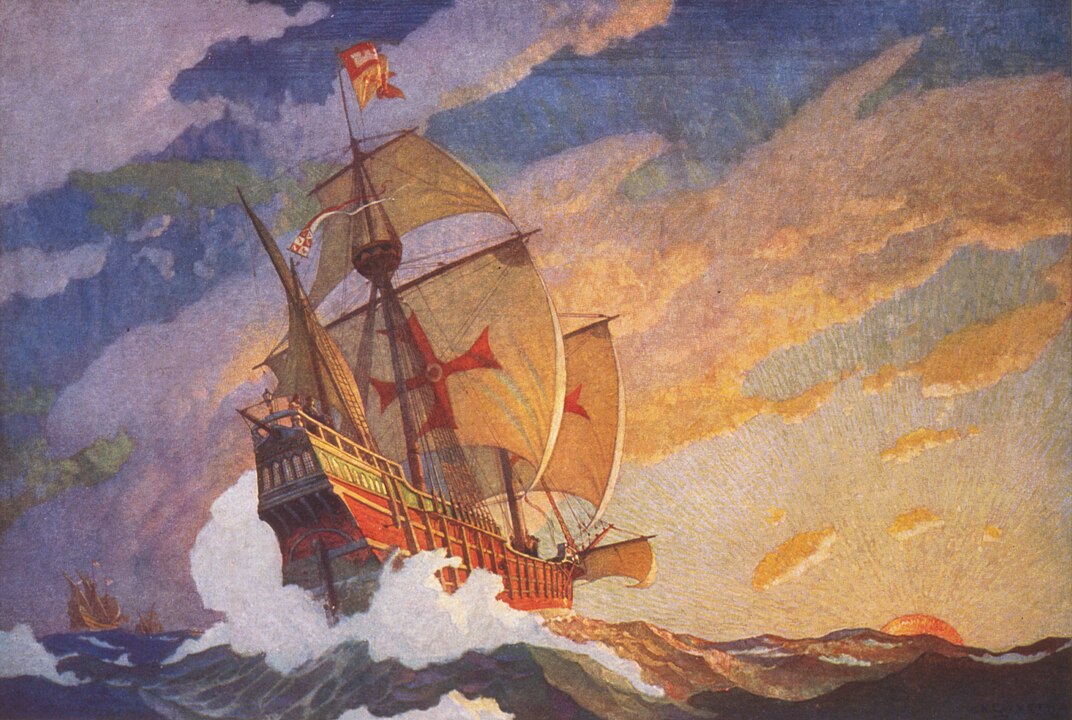
The ships known as the Niña, Pinta, and Santa Maria may not have been called those names at all. Historical records suggest different names, with some details lost over time. The familiar names were likely nicknames. This challenges the neat story told in schoolbooks.
Pocahontas and John Smith Were Not Lovers
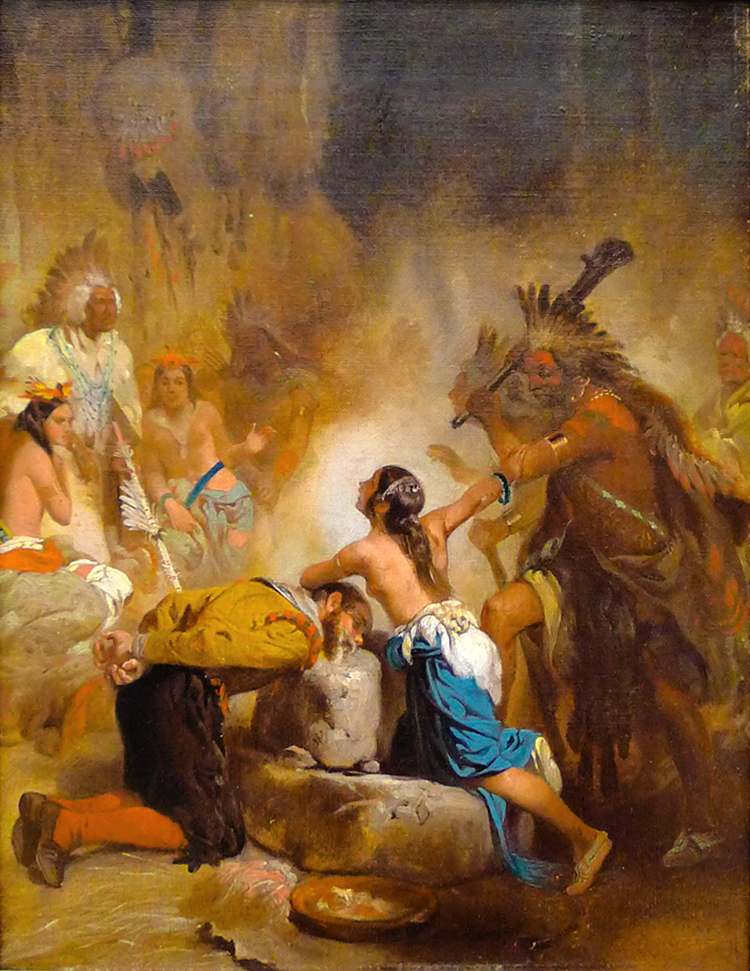
The romanticized tale of Pocahontas saving John Smith’s life and falling in love is not supported by history. Pocahontas was a child when they met, making the story implausible. She later married John Rolfe, not Smith. The myth persists largely due to popular culture.
The First Thanksgiving Was Not a Peaceful Feast
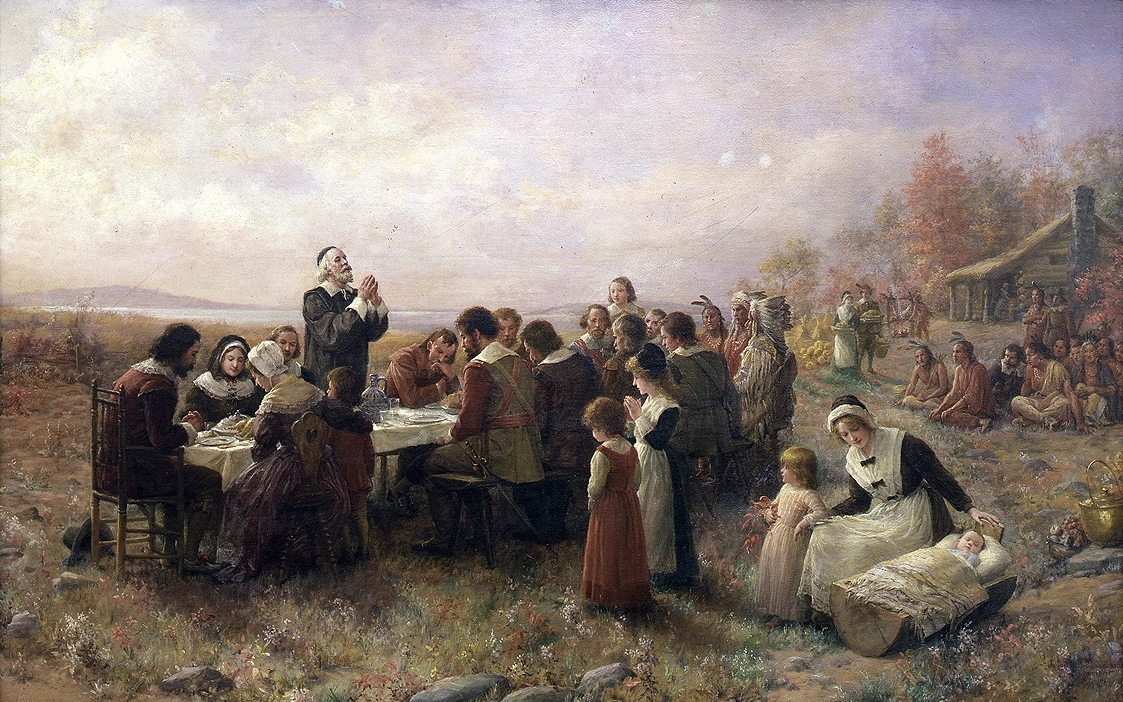
The story of Pilgrims and Native Americans sharing a harmonious meal oversimplifies reality. Disease, displacement, and conflict followed European settlement. The feast was more about survival than friendship. The holiday tradition is a much later invention.
Witches Were Not Burned at Salem
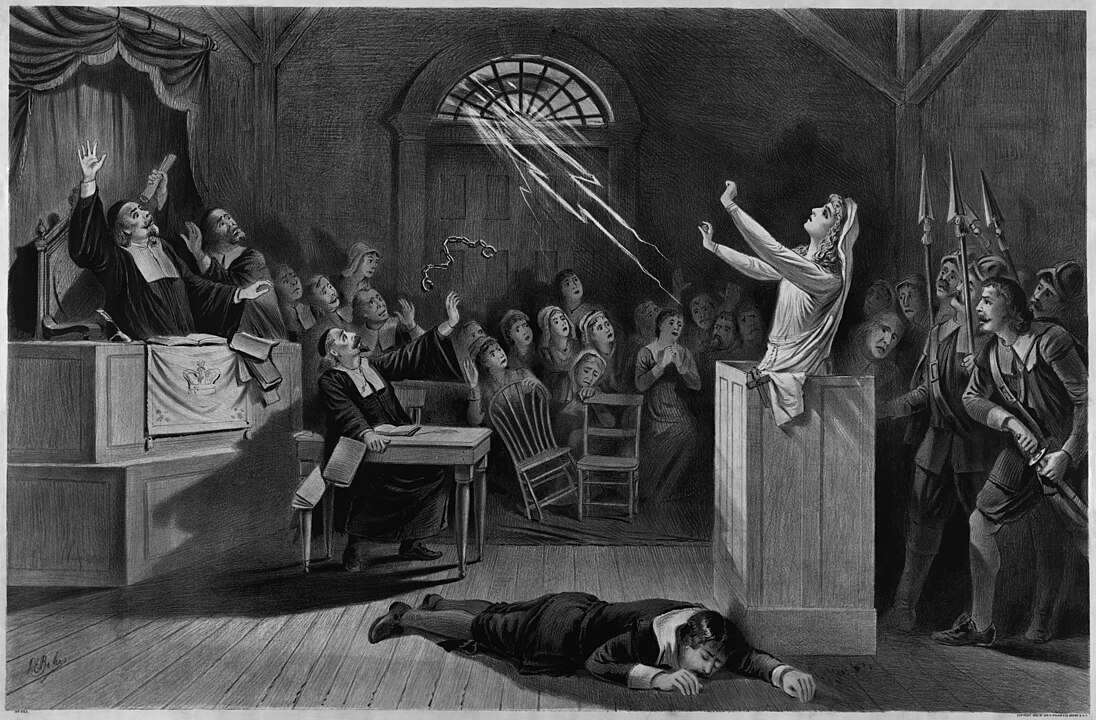
During the Salem witch trials, none of the accused were burned at the stake. Most were hanged, and one man was pressed to death with heavy stones. The image of burning witches came from European practices, not New England. American history absorbed the myth over time.
Lincoln Prepared the Gettysburg Address Carefully
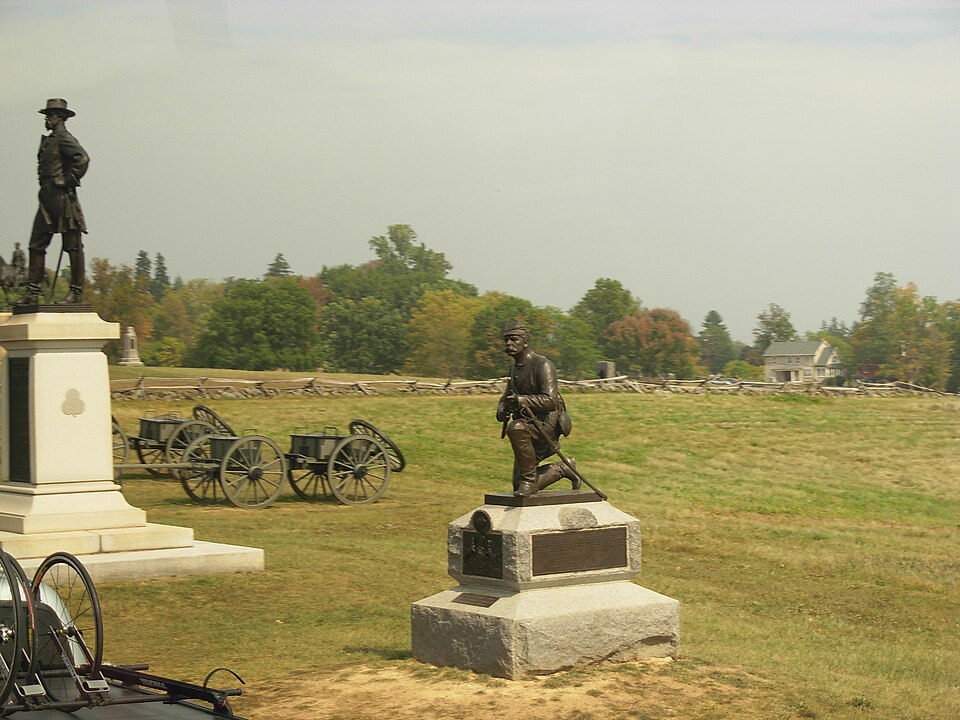
The story that Lincoln wrote the Gettysburg Address hastily on an envelope is false. Historical evidence shows he drafted and refined it before traveling. The myth persists as a way of highlighting Lincoln’s supposed spontaneity. In reality, it was a carefully considered speech.
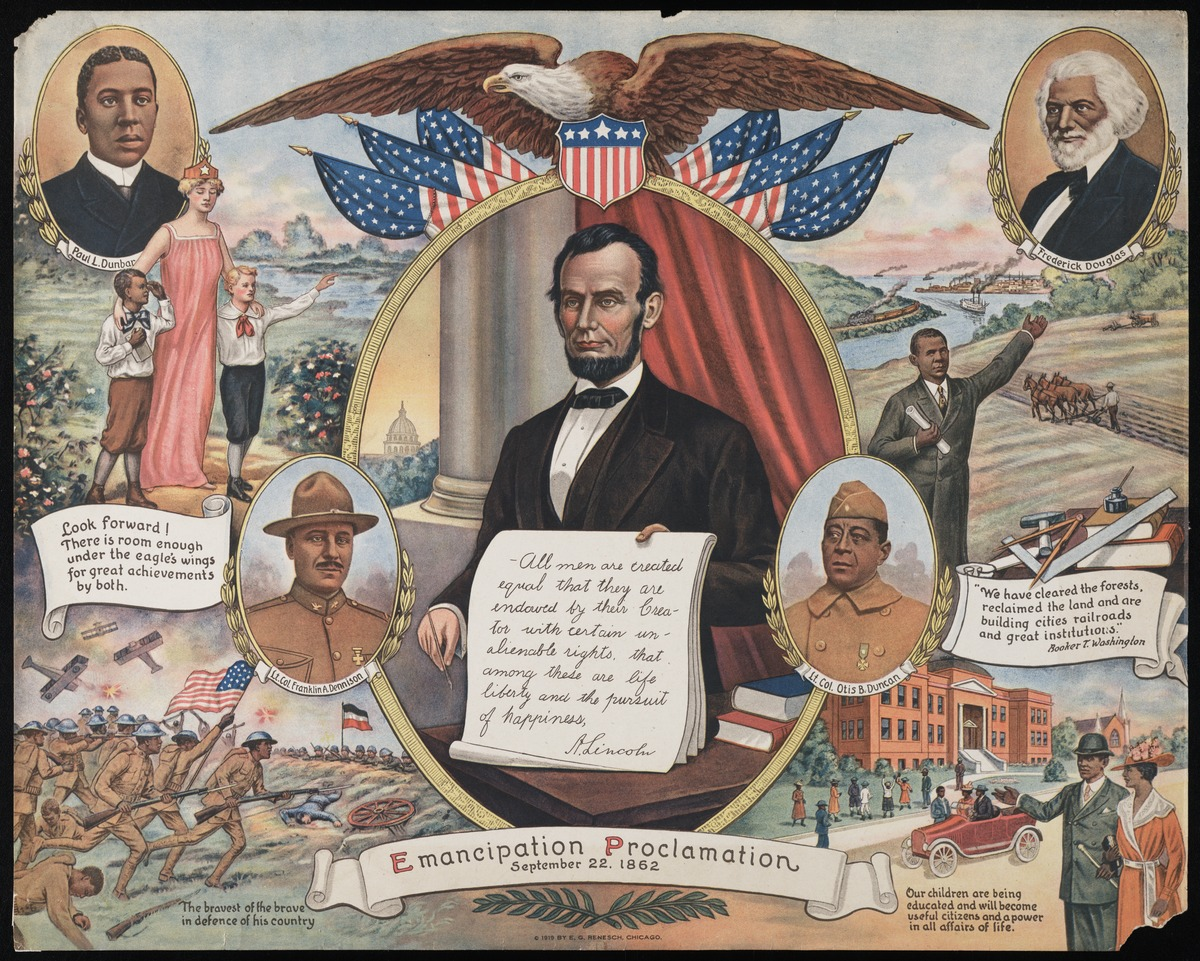
The Emancipation Proclamation Did Not Free All Slaves
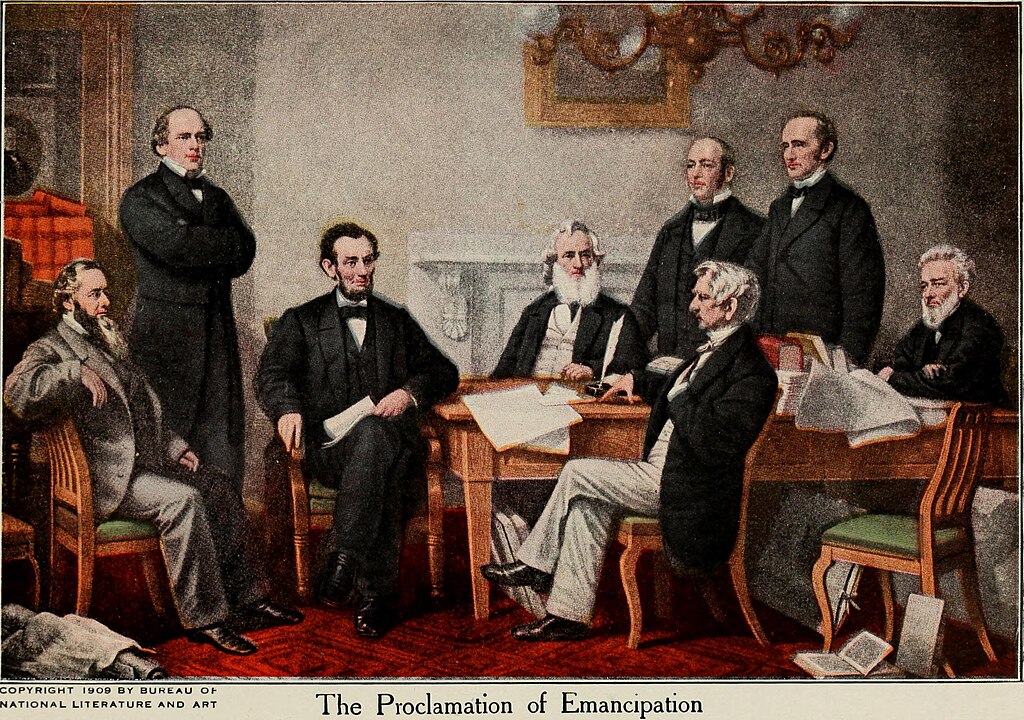
The famous proclamation applied only to states in rebellion, leaving slavery intact in border states. True nationwide abolition came later with the Thirteenth Amendment. This nuance often goes untaught, leaving the impression that Lincoln ended slavery in a single act.
Betsy Ross Probably Did Not Design the First Flag
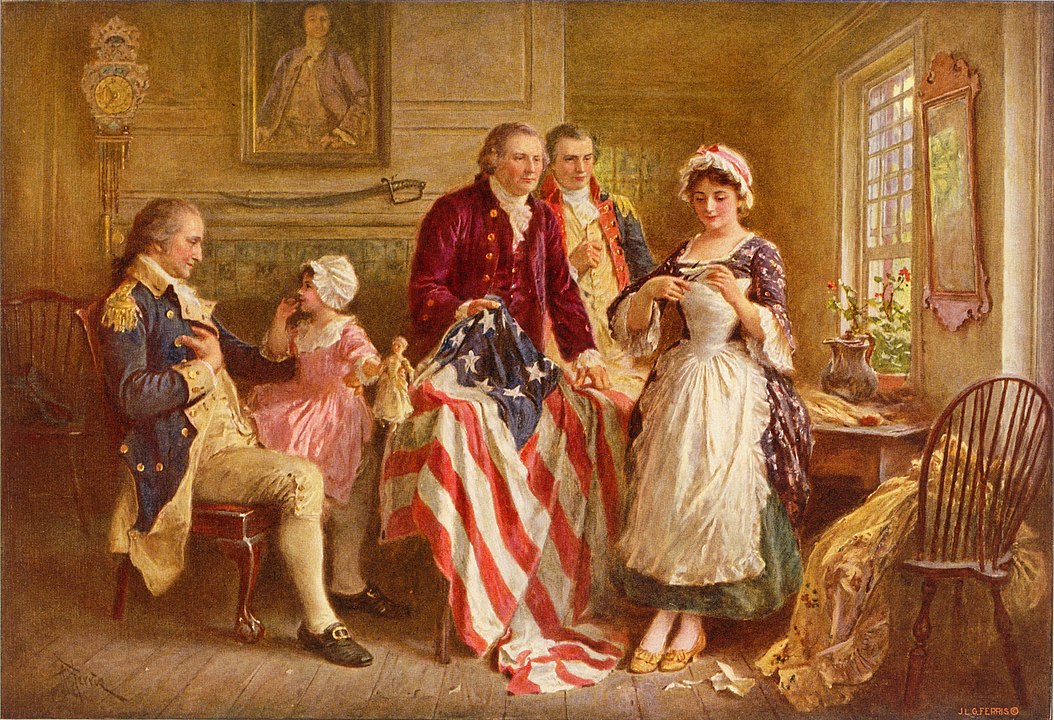
The story of Betsy Ross sewing the first American flag appeared decades after the Revolution. No historical records confirm her role. While she was a skilled seamstress, the evidence points to a legend created through family stories.
Juneteenth Did Not End Slavery Everywhere
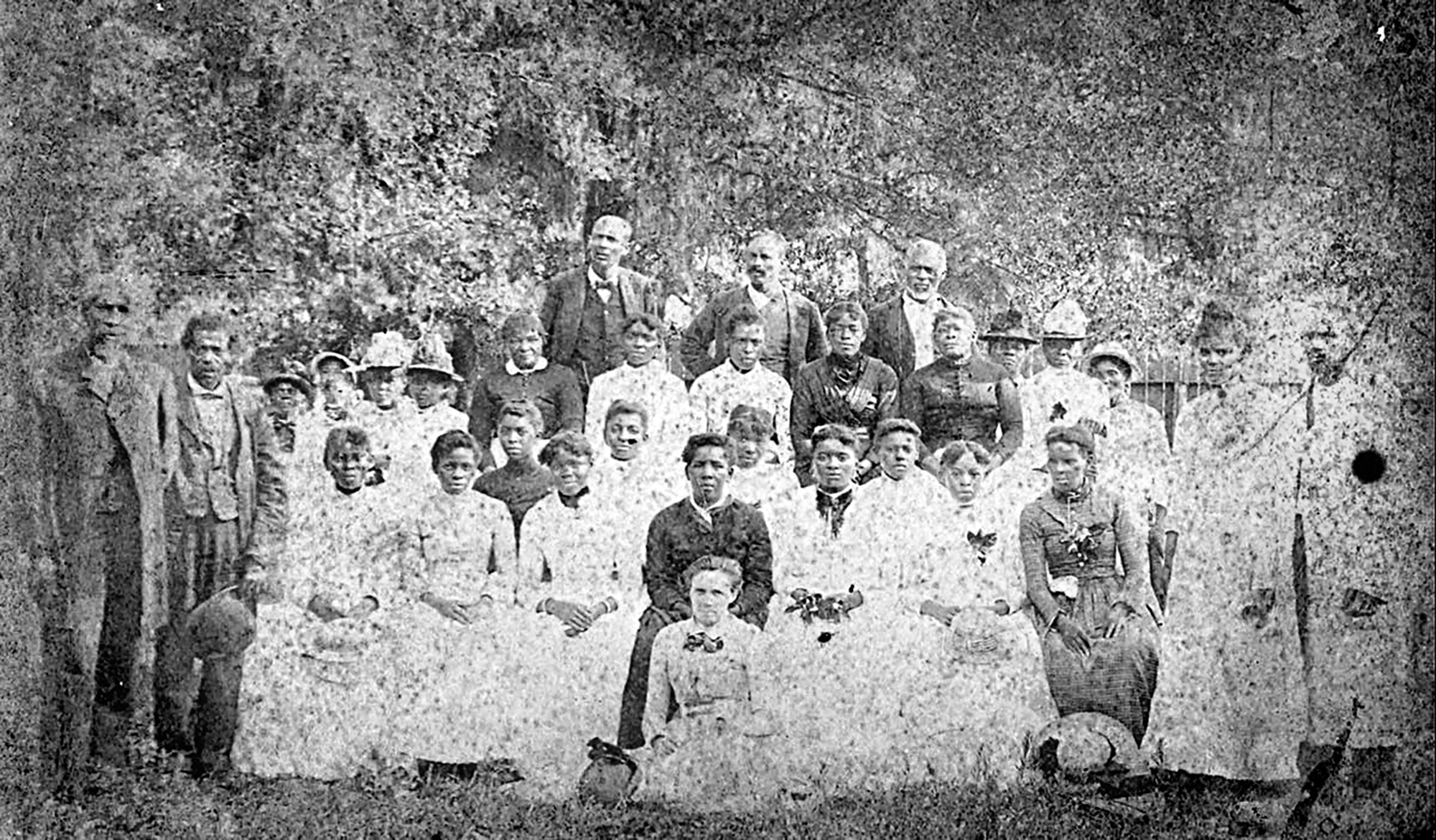
Juneteenth commemorates when enslaved people in Texas learned of their freedom in 1865. However, slavery persisted in other states until later that year. The holiday is meaningful, but its scope is often misunderstood. True freedom required constitutional change.
Textbooks Simplified or Distorted History
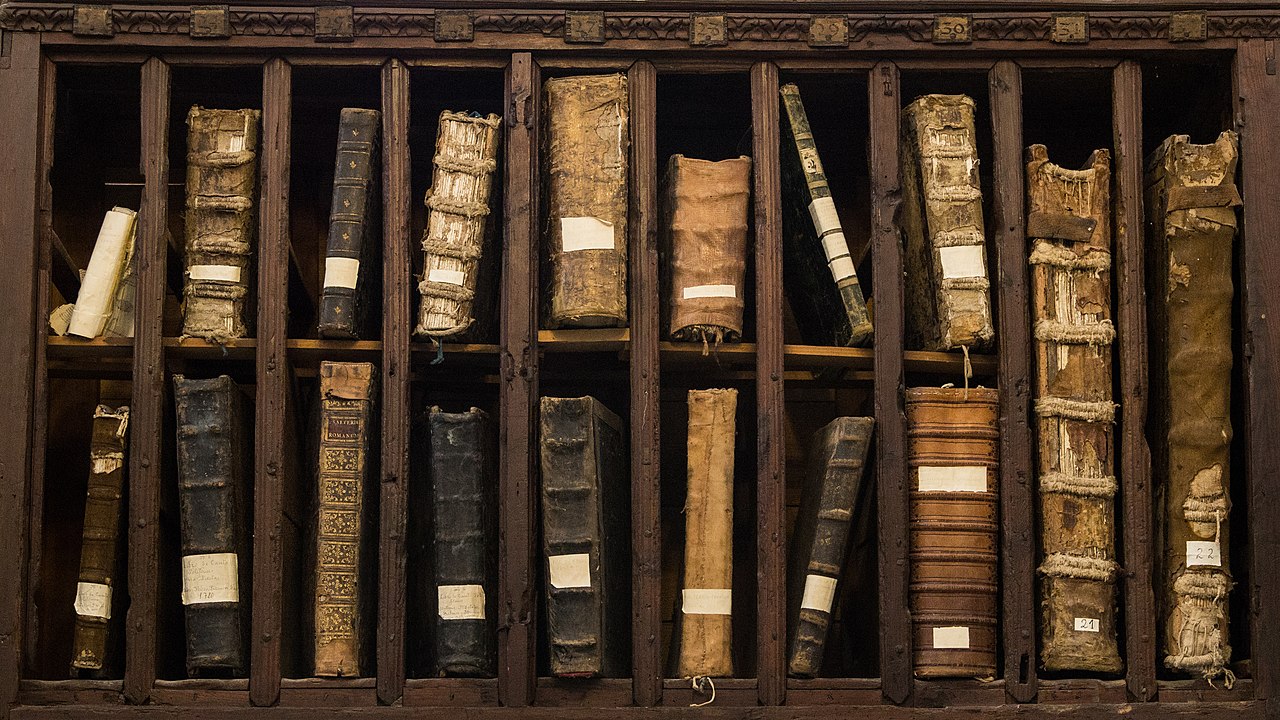
For decades, history textbooks downplayed slavery, Reconstruction, and Indigenous struggles. Narratives often glorified European settlers while minimizing others’ experiences. These distortions shaped generations of understanding. Teachers may have passed along myths without realizing the deeper truths.