
Parents today are raising kids in a world where weather, resources, and habits look different from the one they grew up in. Climate technology has quietly moved from news headlines into living rooms, kitchens, and playgrounds. It influences not only how families save energy but also how children learn responsibility, safety, and awareness. These tools turn ordinary decisions into climate lessons without lectures. What once felt like a distant issue is now shaping bedtime routines, errands, chores, and celebrations. Parenting has not become harder. It has become smarter, more intentional, and more connected to the planet kids will inherit.
Home Gardens And Micro Farms Teach Sustainable Food Habits

Backyard gardening and indoor micro farms are no longer hobbies. They are practical classrooms for families teaching children where food comes from and why it matters. Soil sensors, automated grow lights, and weather based watering systems make these setups easier than ever. Kids see plants respond to care in real time, turning responsibility into curiosity. Harvesting herbs or vegetables brings a sense of pride and shows that food does not magically appear in plastic packaging. This shift gives children an early understanding of climate, food systems, and the power of small consistent choices.
Smart Fridges Reduce Food Waste Through Tracking And Reminders
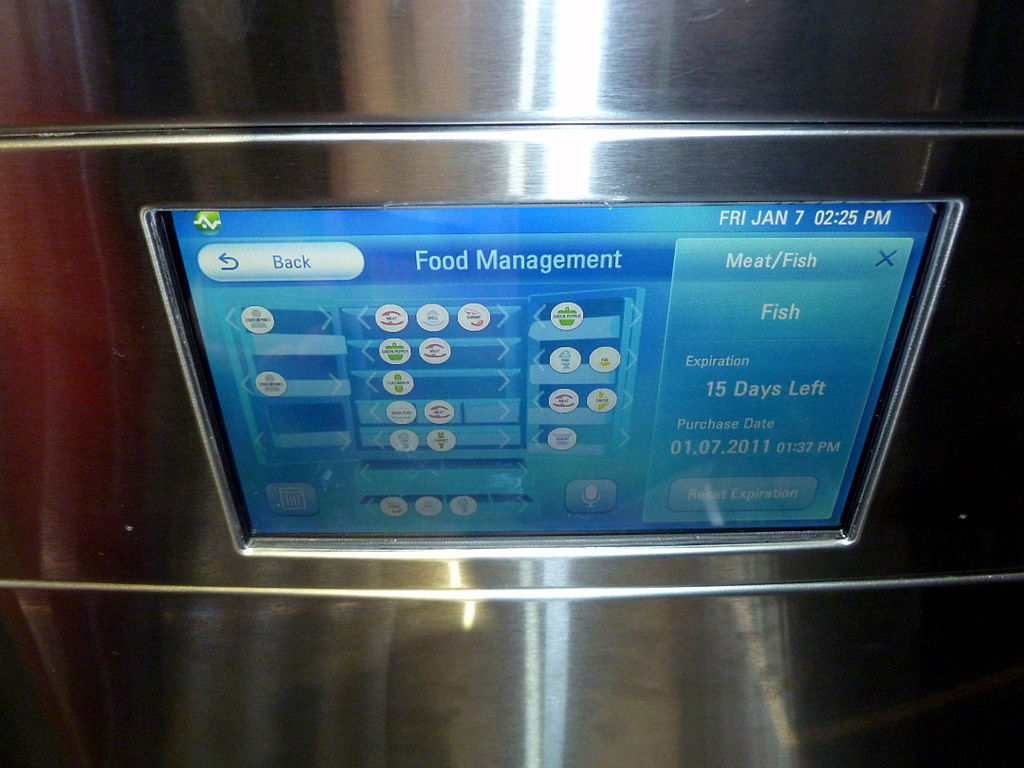
Smart refrigerators analyze expiration dates, track forgotten leftovers, and suggest meals based on what is already inside. Parents once struggled to keep food from spoiling in hidden containers. Now alerts and screens guide families toward intentional eating. Kids witness technology acting like a kitchen coach instead of a cold storage unit. Every reminder reduces waste, money loss, and unnecessary shopping trips. Children grow up thinking about food planning instead of impulse consumption. The fridge becomes a quiet teacher, proving sustainability does not require sacrifice. It requires awareness shaped into habit.
Air Purifiers Become Standard Nursery Equipment
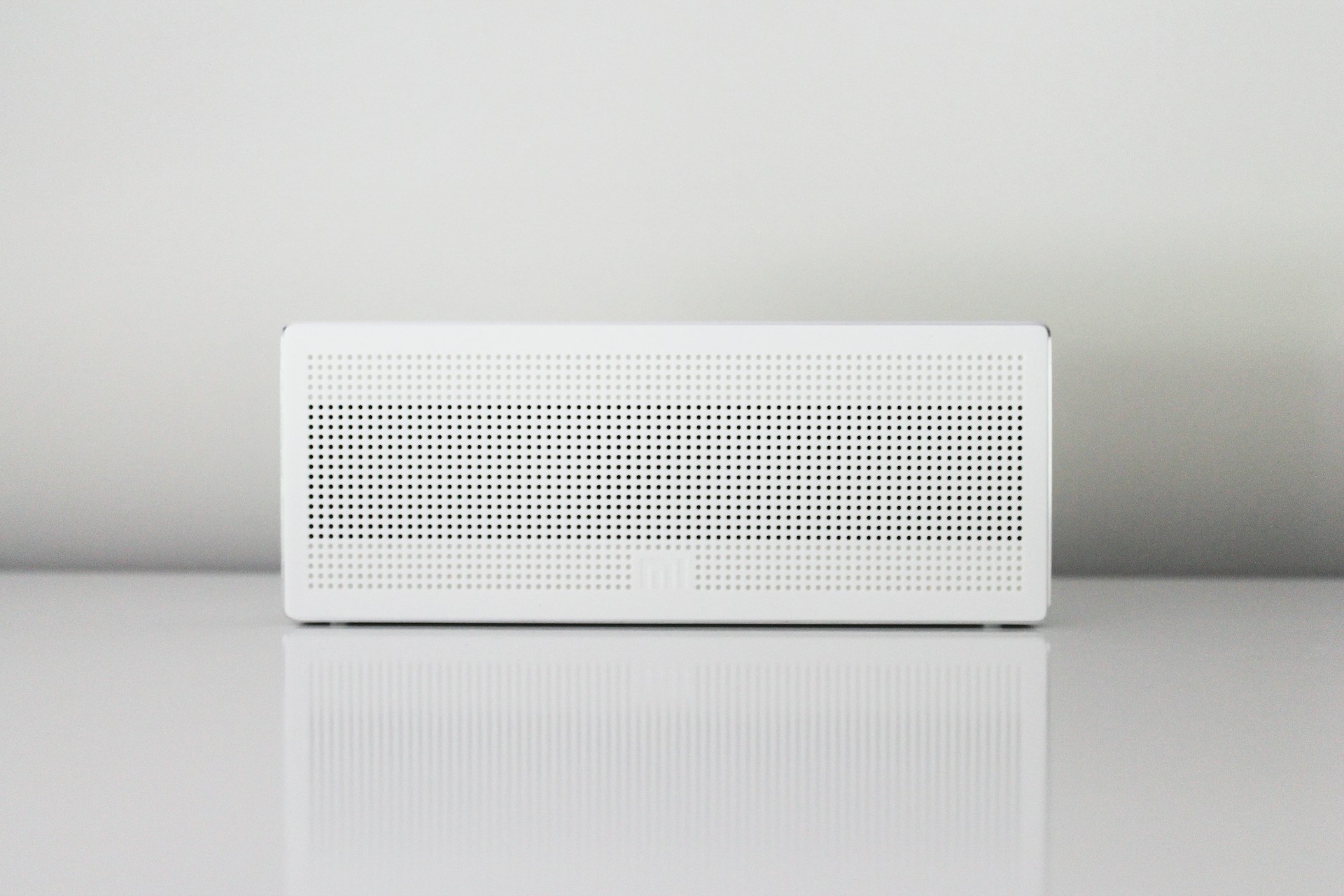
What began as a luxury has become a norm. Parents now buy air purifiers before toys, treating clean air as a basic need. Climate driven wildfires, pollen spikes, and pollution make nursery spaces more vulnerable than ever. Purifiers track air quality and adjust filtration automatically, protecting developing lungs. Babies do not notice the machine, but parents feel the difference in calmer sleep and reduced irritation. Children learn early that invisible elements affect health. The device becomes a climate translator long before children understand science. It turns clean air from a hope into a household expectation.
Digital Platforms Teach Kids About Carbon Footprints Early
Apps and games turn climate concepts into relatable challenges. Instead of memorizing facts, children track actions such as electricity use or recycling habits and see their effect on screen. Digital platforms reward responsible behavior and highlight consequences without fear or guilt. Parents who once struggled to explain environmental issues now have tools that speak the language of digital natives. Climate learning becomes part of daily play, making stewardship feel personal rather than abstract. This early exposure rewrites what children consider normal. Awareness no longer starts in adulthood. It begins with a screen tap.
Smart Irrigation Systems Teach Kids Water Budgeting

Yards and gardens are now classrooms where technology meets responsibility. Smart irrigation systems adjust water flow based on rainfall, soil moisture, and temperature. Kids see sprinklers turn on and off without human command, understanding that nature influences decisions. Parents use these tools to explain why wasting water affects everyone, not just the monthly bill. Learning happens outdoors rather than through lectures. Climate awareness becomes a habit, not a lesson. Water does not feel infinite anymore. It feels managed, respected, and part of a shared future children can help protect.
Parents Track UV Intensity Before Playtime

Outdoor play used to depend on convenience. Now it depends on data. Parents check UV indexes and climate alerts before letting kids step outside. Phones signal when shade, hats, or sunscreen are necessary, turning weather into a safety partner. Children learn that sunlight is not simply warm or bright. It carries invisible risks worth addressing. This habit shifts parenting from reaction to prevention. Health protection becomes climate literacy, and everyday routines become mindful instead of automatic.
Eco Friendly Party Decorations Change Birthday Culture

Balloons, plastic banners, and glitter once defined birthday excitement. Now parents replace them with reusable fabrics, wooden signs, and compostable décor. Climate tech tracks the environmental impact of supplies and offers greener alternatives. Kids discover celebration does not require waste. Creativity becomes more valued than disposability. Parties feel festive without leaving trash behind. Birthday culture changes quietly one choice at a time, teaching children joy that does not cost the planet anything.
Smart Compost Bins Turn Kitchen Scraps Into Garden Soil
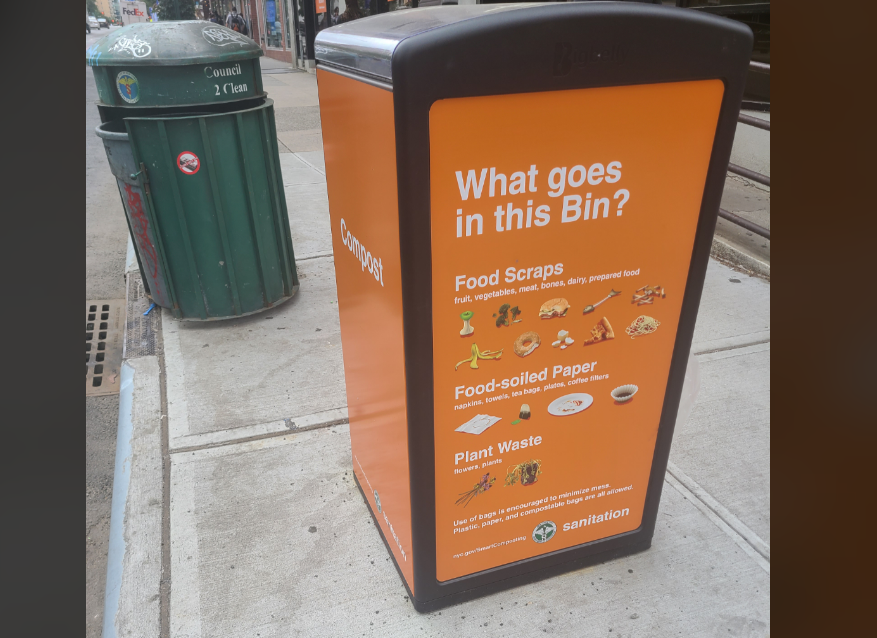
Food waste no longer ends in the trash. Smart composters process scraps into soil without odors or pests. Children watch coffee grounds and peels transform into something useful, closing a loop most homes once ignored. Parents use the device to show how leftovers become nutrients rather than garbage. This turns chores into curiosity. Composting stops feeling old fashioned and becomes futuristic. Kids see that waste is not destiny. It is opportunity waiting for a second life.
Subscription-Based Toy Sharing Platforms Replace Constant Buying
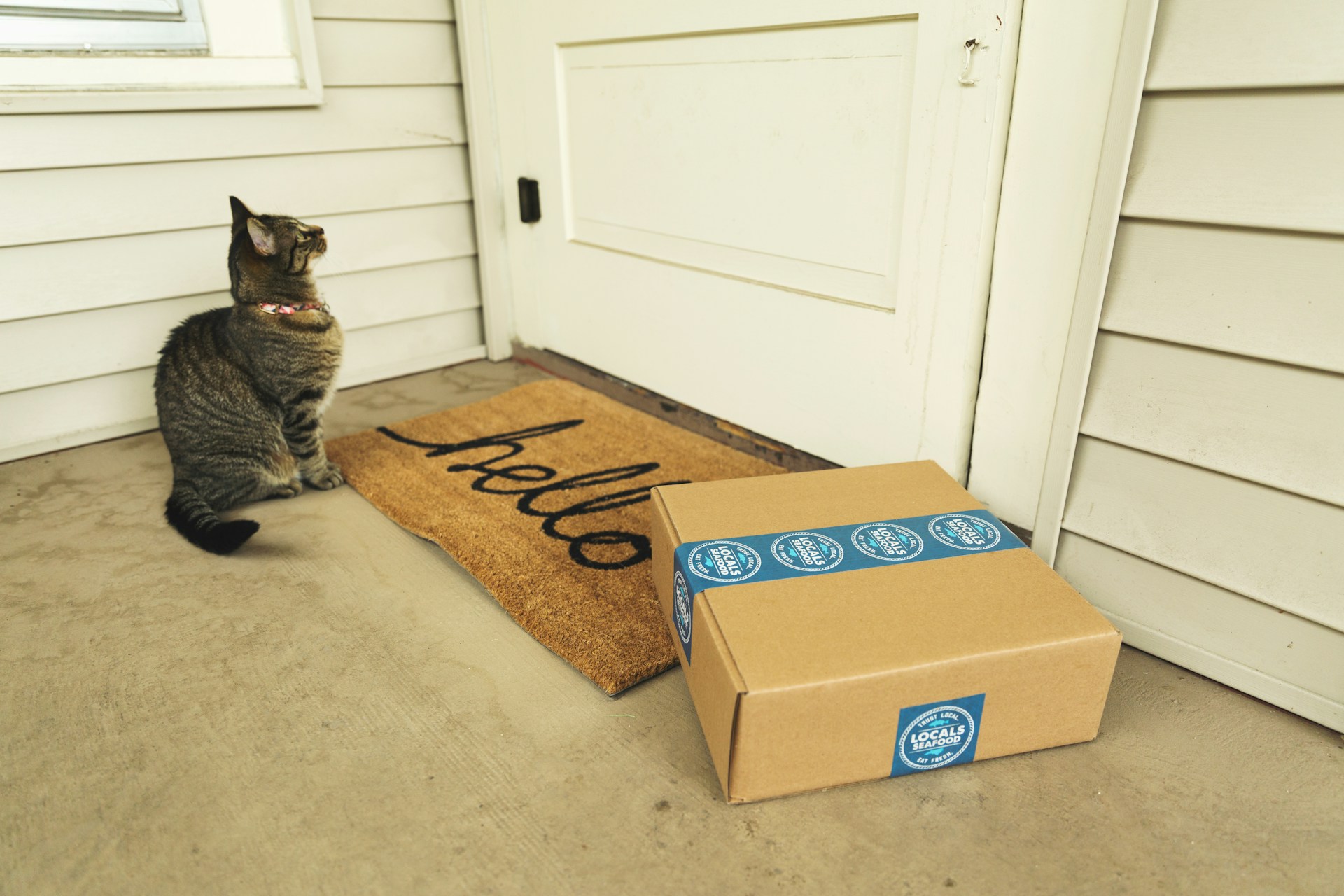
Parents once collected toys like souvenirs of childhood. Now they rent, rotate, and return them. Subscription platforms deliver age appropriate toys and reclaim them for reuse. This shift removes clutter and teaches kids that ownership is not the only path to joy. Children learn novelty without excess, turning play into responsible exploration. The cycle honors imagination without sacrificing sustainability. Toys become tools, not trophies.
Climate-Aware Dashboards Guide Safer Family Routes
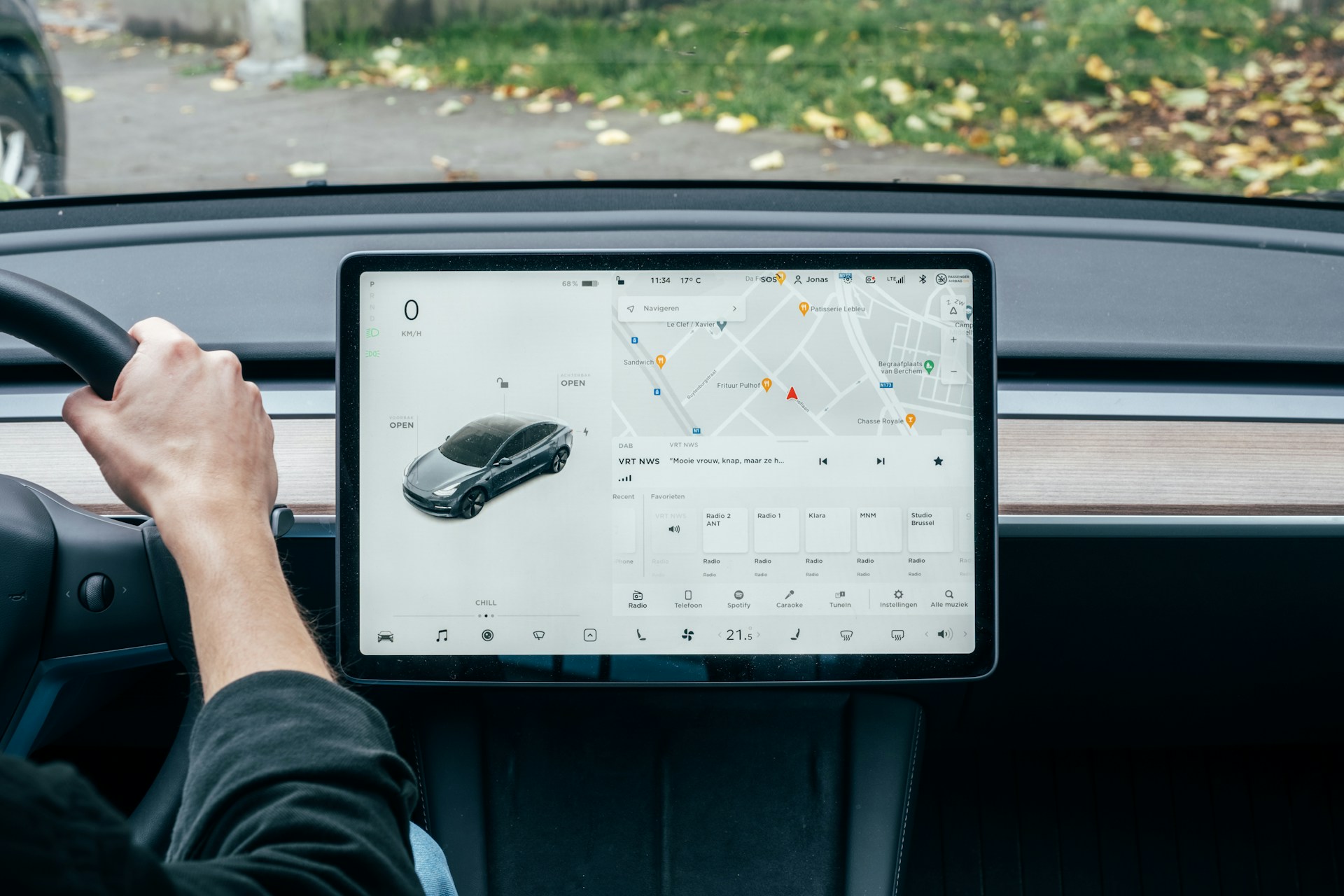
Car dashboards once displayed speed and fuel levels. Now they highlight air quality zones, storm warnings, and safe travel windows. Parents choose routes based on climate conditions rather than convenience. Children sit in backseats where weather and safety feel connected. Cars evolve from transport machines into climate tutors. Families gain awareness without losing movement. Roads now teach responsibility along every mile.
Parenting has always adapted to new challenges. Climate tech simply changes what those challenges look like. Instead of worrying about broken toys, parents think about weather alerts, air filters, and resource tracking. These habits raise children who understand cause and effect long before they learn the words for it. Climate responsibility becomes normal, not noble. Families create a future where awareness is inherited, not assigned. Parenting evolves, and with it, the world those children will inherit.