Family vacations should be filled with fun, memories, and exploration—not disappointment or lost money. While the U.S. is full of fantastic, family-friendly destinations, it also has its fair share of travel scams that prey on distracted tourists. These scams can turn an exciting getaway into a frustrating and expensive experience. Being aware of the most common ones can help families avoid problems and stay focused on making the most of their trip. Here are ten travel scams to keep on your radar while exploring the U.S. with loved ones.
Fake Attraction Tickets Sold Near Popular Landmarks
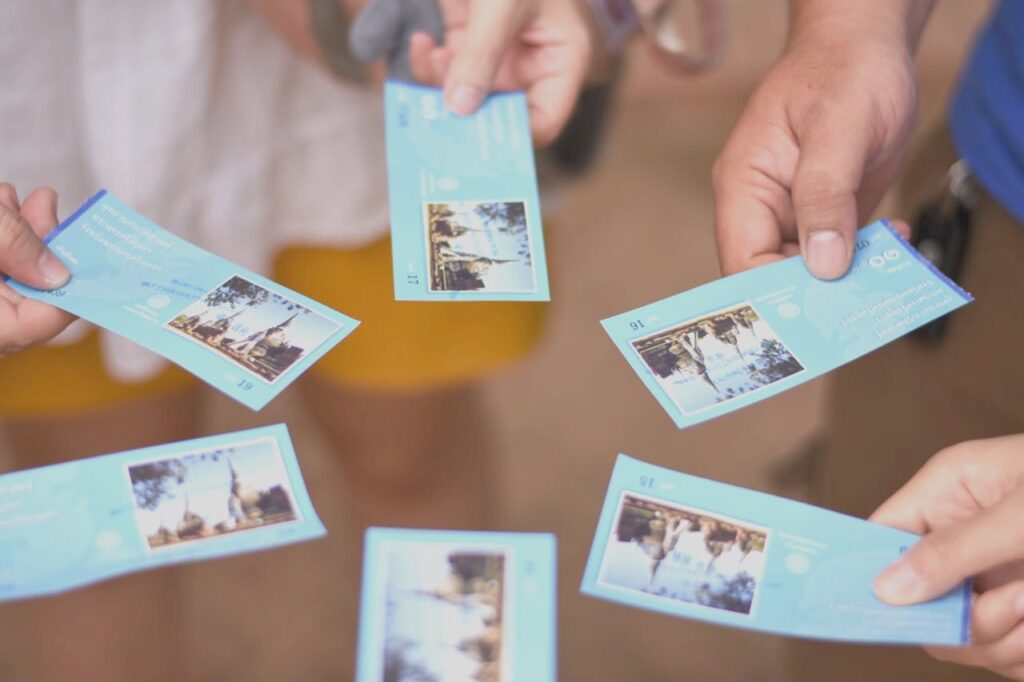
Outside major attractions like theme parks or museums, it’s not uncommon to see individuals offering “discounted” tickets or VIP passes. These may look convincing, complete with barcodes and logos, but many are completely fake. Families who buy them often discover at the gate that the tickets are invalid or previously used. Because these sellers are usually mobile and untraceable, refunds are impossible. Buying only from official websites or on-site ticket counters is the safest way to avoid wasting money and spoiling the day’s plans.
“Free” Welcome Gifts That Aren’t Free at All

Some tourist hotspots have people handing out what appear to be complimentary bracelets, necklaces, or trinkets—especially to kids. After giving the item, the scammer quickly demands payment, claiming it wasn’t actually free. If the family resists, things can escalate quickly into an uncomfortable or even intimidating scene. These scammers rely on putting people on the spot in busy areas where bystanders might not intervene. Teaching kids not to accept items from strangers and walking away confidently helps avoid this pressure trap.
Too-Good-to-Be-True Vacation Rental Listings

Families planning trips through popular vacation rental platforms may encounter listings with unrealistically low prices and luxurious photos. Once payment is made—often through a third-party app or wire transfer—the host disappears or the property turns out to be nonexistent. These scams prey on families trying to save money on accommodations. To stay safe, always use trusted rental platforms, verify reviews, and never make payments outside the official app. Double-checking the property’s address and doing a reverse image search on photos can also uncover red flags.
Overpriced Taxi or Rideshare “Flat Rates”

At airports, tourist hubs, or popular hotels, some drivers may approach families offering a “flat rate” to a destination. These rates are usually far above standard fare, and once the ride starts, the family is locked in. While it might seem convenient—especially with luggage and children in tow—these drivers often avoid meters or app-based pricing to overcharge. To avoid this scam, use reputable rideshare apps where you can see estimated fares, or stick to marked taxi stands with clearly posted rates and licensed drivers.
Fake Parking Attendants in Busy Areas
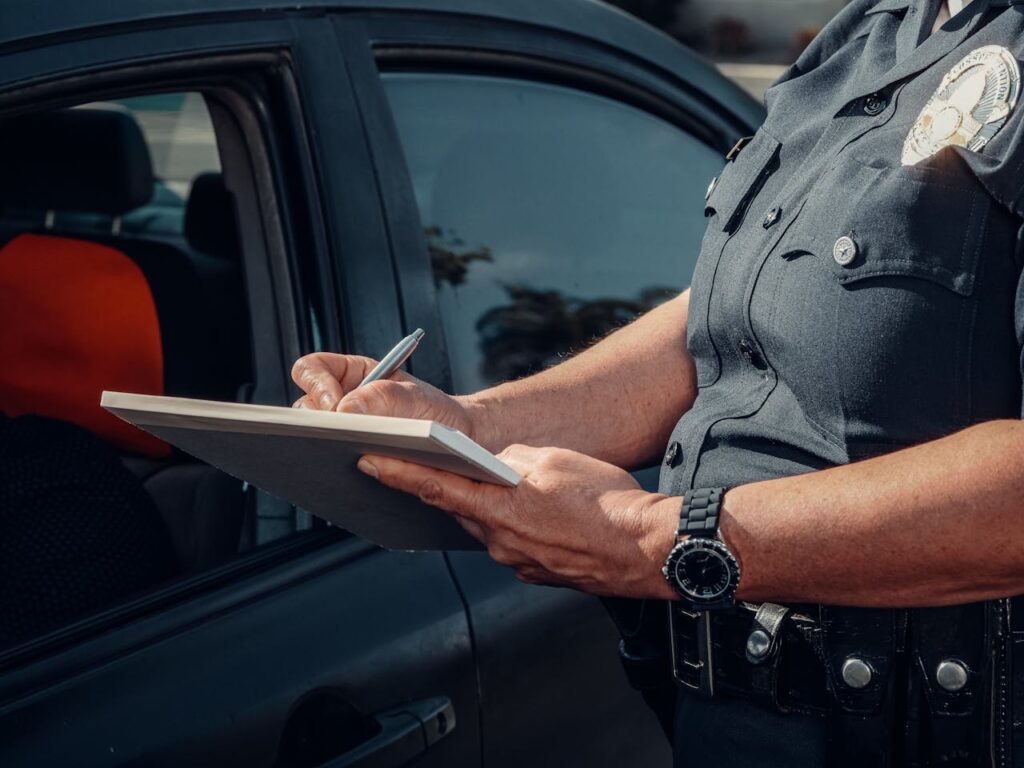
In crowded city centers or beach towns, it’s not unusual for someone in a vest or uniform to approach your vehicle, offering to help you park and collect a “fee.” After payment, the person vanishes, and you later discover that the parking space was free, or worse, you receive a ticket or get towed for illegal parking. These imposters look official and are especially convincing when the area is unfamiliar. To avoid this, look for actual meters, posted signage, or pay via verified parking apps instead of giving cash to someone on the street.
Timeshare Pitches Disguised as Prize Giveaways

Families walking through malls, boardwalks, or hotel lobbies may be approached by upbeat staff claiming they’ve won a prize—like a cruise, hotel stay, or attraction tickets. To claim it, you’ll need to sit through a short “presentation,” which turns out to be a high-pressure timeshare sales pitch lasting hours. These setups are designed to wear you down until you commit or walk out empty-handed. While not illegal, these offers are misleading and consume precious vacation time. It’s best to skip any deal that sounds too generous without strings attached.
Fake Wi-Fi Networks That Steal Your Info

Public Wi-Fi networks in hotels, cafes, and airports can be useful—but they’re also a goldmine for scammers. Some set up fake networks with names like “Free Hotel Wi-Fi” or “GuestNet” to lure unsuspecting users. Once connected, these networks can steal sensitive information like login credentials or credit card numbers. Families using tablets or phones to plan the day or book tickets may unknowingly expose personal data. To stay secure, always confirm the official network name with staff and avoid entering sensitive information on public Wi-Fi without a VPN.
Street Performers Who Demand Tips Aggressively

In popular tourist zones, performers dressed as superheroes, cartoon characters, or musicians often pose for photos with kids. While the experience can seem fun at first, some performers aggressively demand high tips afterward—sometimes $10 or more per person—even if no one asked for the photo. Refusing can lead to an uncomfortable scene or public shaming. While many performers are legitimate and respectful, it’s wise to establish expectations ahead of time and politely decline any interaction you didn’t initiate or consent to.
ATM Skimmers and “Helpful” Bystanders
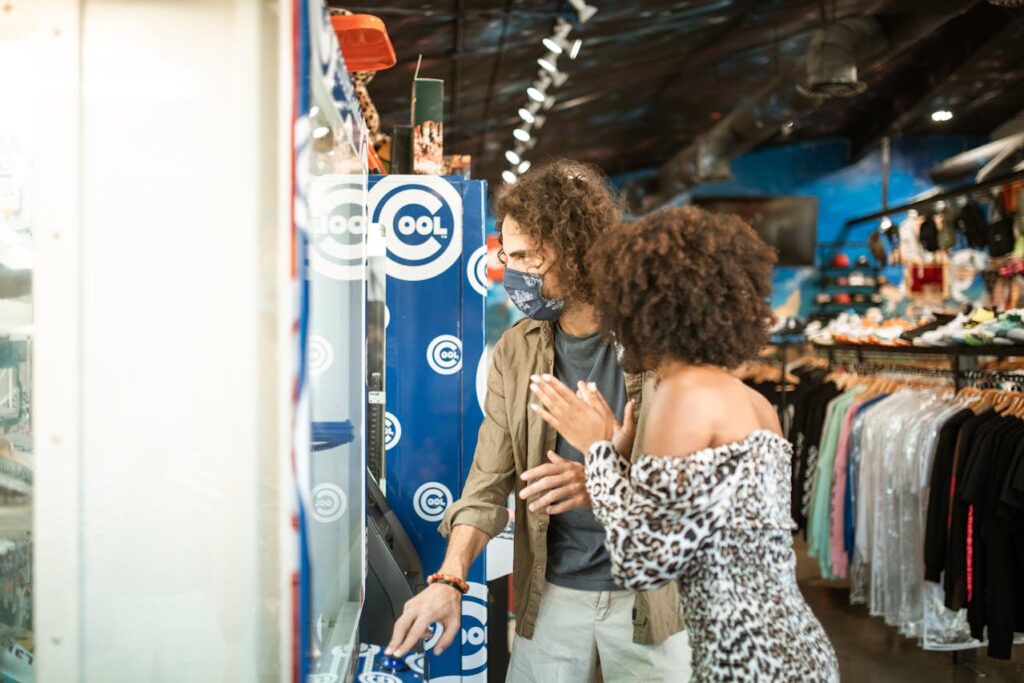
ATMs in tourist-heavy areas are common targets for card skimming devices that steal your bank information. To make matters worse, scammers sometimes pose as friendly bystanders offering help when a card gets stuck or a machine appears to malfunction. These distractions can lead to PIN theft or physical card swiping. Families withdrawing cash for day trips or emergencies should be cautious. Stick to indoor ATMs at banks, cover the keypad while typing your PIN, and decline help from anyone nearby—even if they seem helpful or official.
Fake Charity Solicitors Targeting Tourists
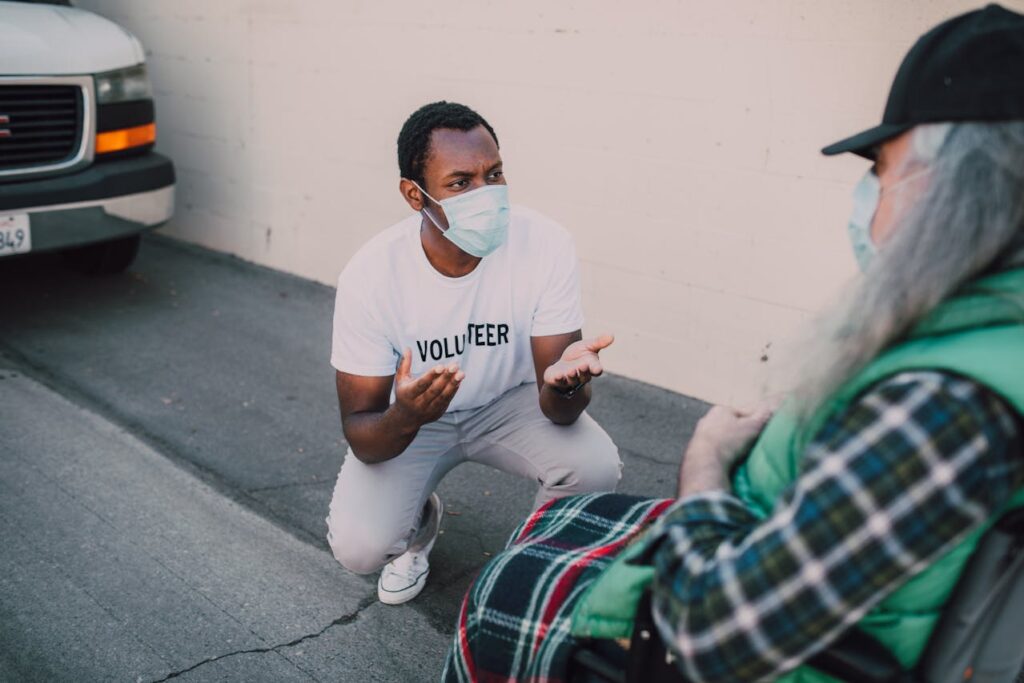
Some scammers pose as charity workers collecting donations for causes like disaster relief, sick children, or community projects. They often approach with clipboards or heartwarming stories and prey on generous families who want to set a good example for their kids. Unfortunately, many of these groups are fake, and the money disappears into someone’s pocket. These schemes are especially common near tourist attractions or transit hubs. It’s wise to research and donate through legitimate websites instead of giving cash to anyone on the street, no matter how touching the appeal.
Family vacations are precious, and avoiding scams is part of keeping the experience safe, affordable, and enjoyable. Scammers often rely on distraction, urgency, or guilt to trick travelers—but a little preparation and awareness can go a long way. By staying cautious and informed, your family can focus on the joy of discovery, connection, and making the kinds of memories that last a lifetime.