Retirees in the United States are changing how and why they travel. Instead of chasing famous landmarks or packed destinations, many are prioritizing comfort, walkability, and emotional ease. Travel is no longer about squeezing everything into a schedule. It is about enjoying where they are without pressure. In 2026, retirees are increasingly choosing places that feel scenic but manageable, interesting without being exhausting, and welcoming rather than overwhelming. These destinations offer beauty, culture, and calm without the stress that comes with crowded tourist hotspots.
Asheville, North Carolina
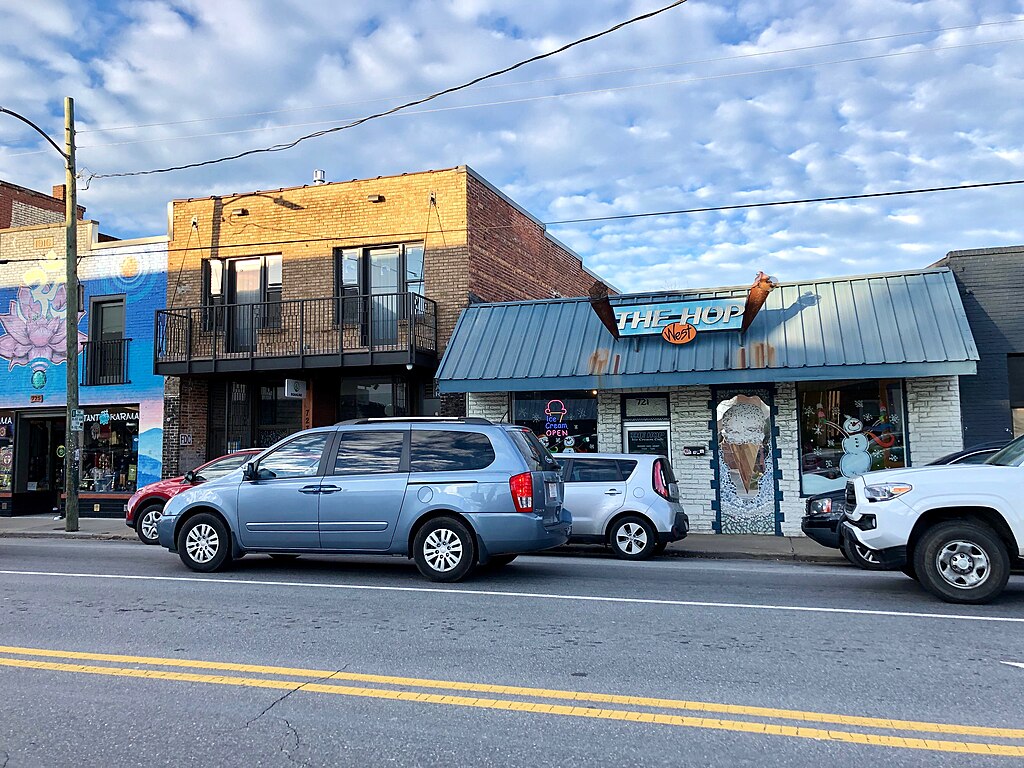
Asheville appeals to retirees because it balances natural beauty with a gentle pace of life. The surrounding Blue Ridge Mountains offer scenic drives and light outdoor activity rather than demanding hikes. The town itself feels walkable and creative, with galleries, music, and local dining that encourage lingering instead of rushing. Retirees appreciate the cooler mountain climate, manageable crowds, and strong sense of community. Asheville feels stimulating without being loud, making it a preferred alternative to busier mountain resort towns.
Santa Fe, New Mexico
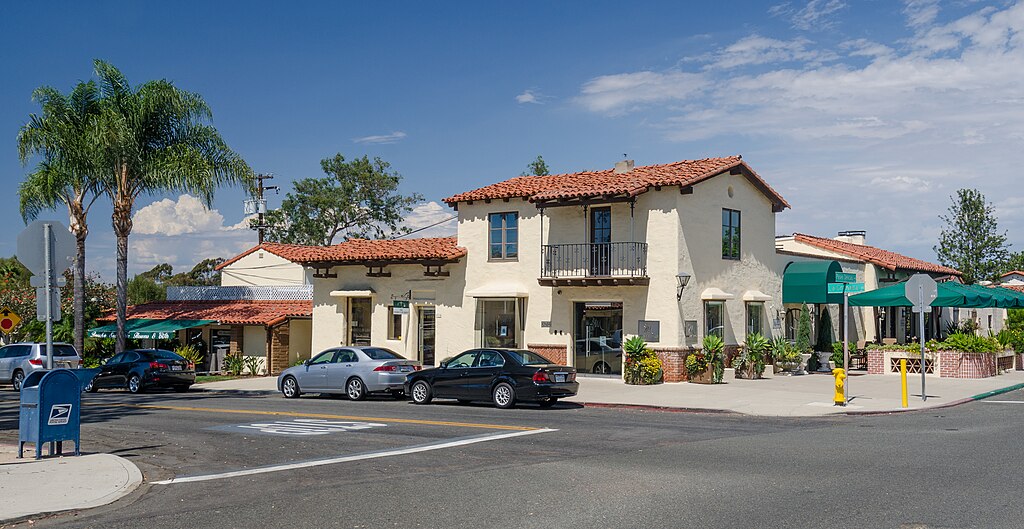
Santa Fe attracts retirees who want cultural richness without constant movement. The city’s historic architecture, art scene, and quiet rhythm encourage slow exploration. Retirees enjoy visiting galleries, museums, and local markets without feeling pressured by crowds. The dry climate and scenic desert landscapes add comfort and visual calm. Santa Fe feels thoughtful rather than performative. It offers depth, history, and beauty in a setting that supports extended stays and reflective travel instead of fast tourism.
Eureka Springs, Arkansas
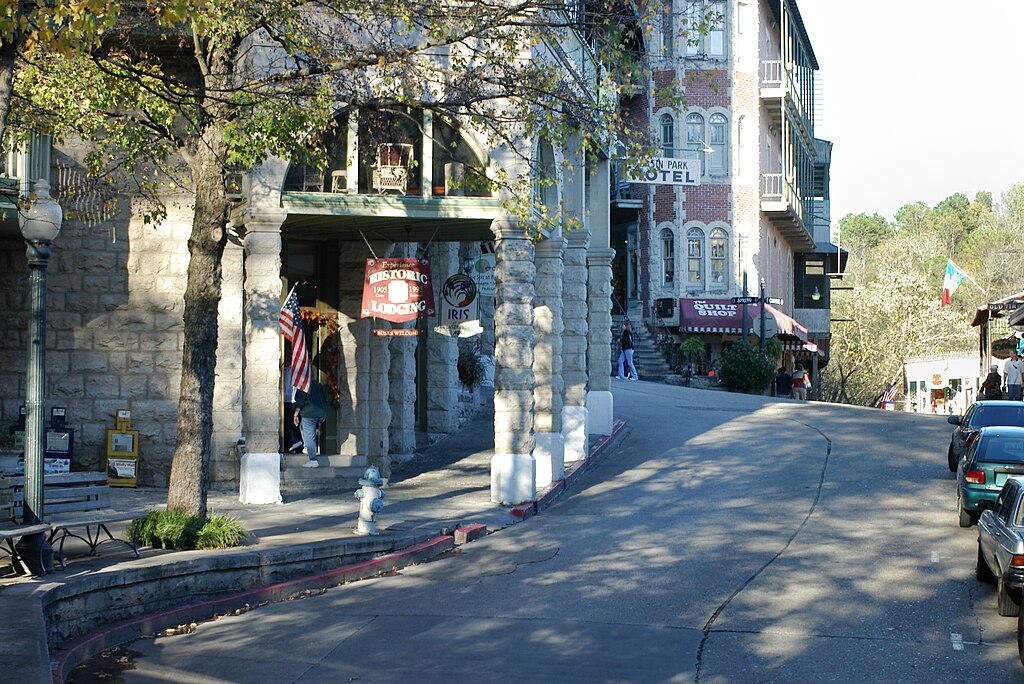
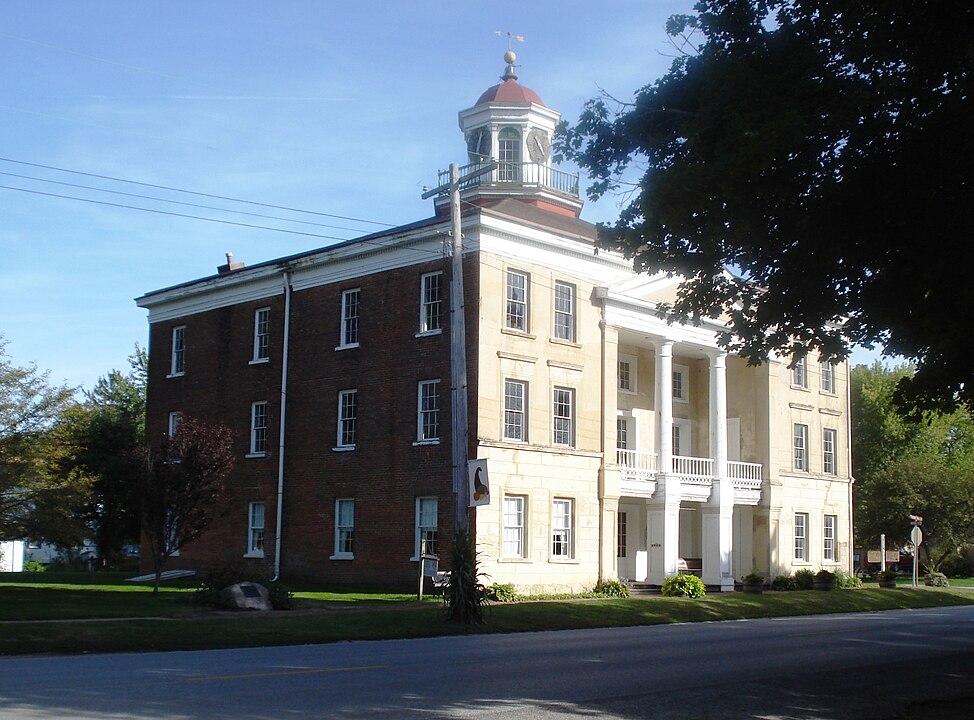
Eureka Springs offers retirees charm and calm in equal measure. The town’s winding streets, preserved buildings, and hillside views create a sense of stepping back in time. Retirees enjoy walking through town, browsing small shops, and taking scenic drives without congestion. The pace feels intentionally slow, which reduces travel fatigue. Eureka Springs is often chosen over larger Southern tourist cities because it feels personal, welcoming, and easy to navigate.
Traverse City, Michigan
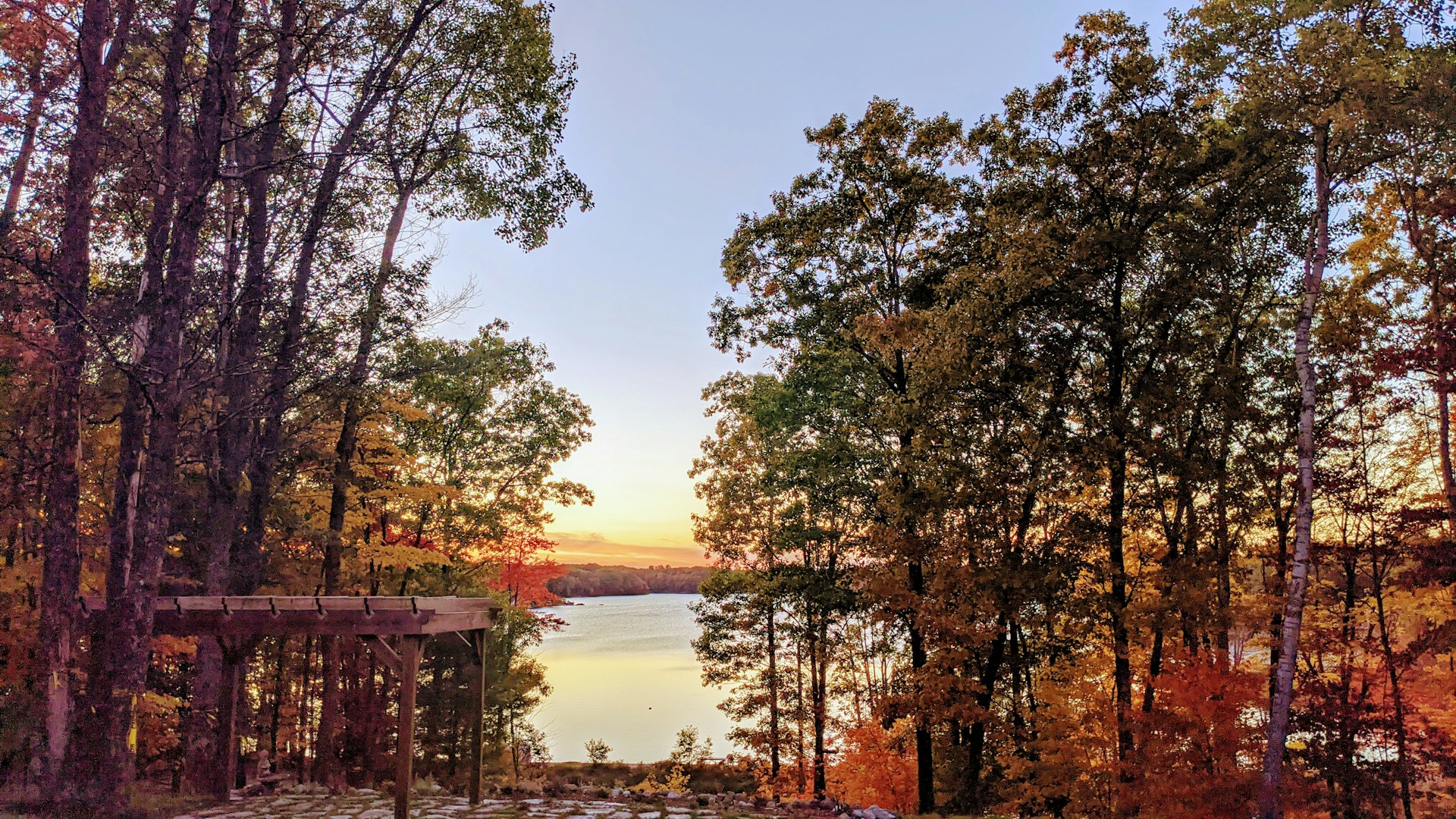
Traverse City appeals to retirees looking for waterfront scenery without resort chaos. Located near Lake Michigan, it offers fresh air, vineyards, and seasonal beauty. Retirees enjoy relaxed dining, small festivals, and scenic views without packed beaches. The town feels active but not demanding. Walkable areas and calm neighborhoods support comfortable exploration. Many retirees choose Traverse City over more crowded lake destinations because it offers balance rather than spectacle.
Prescott, Arizona
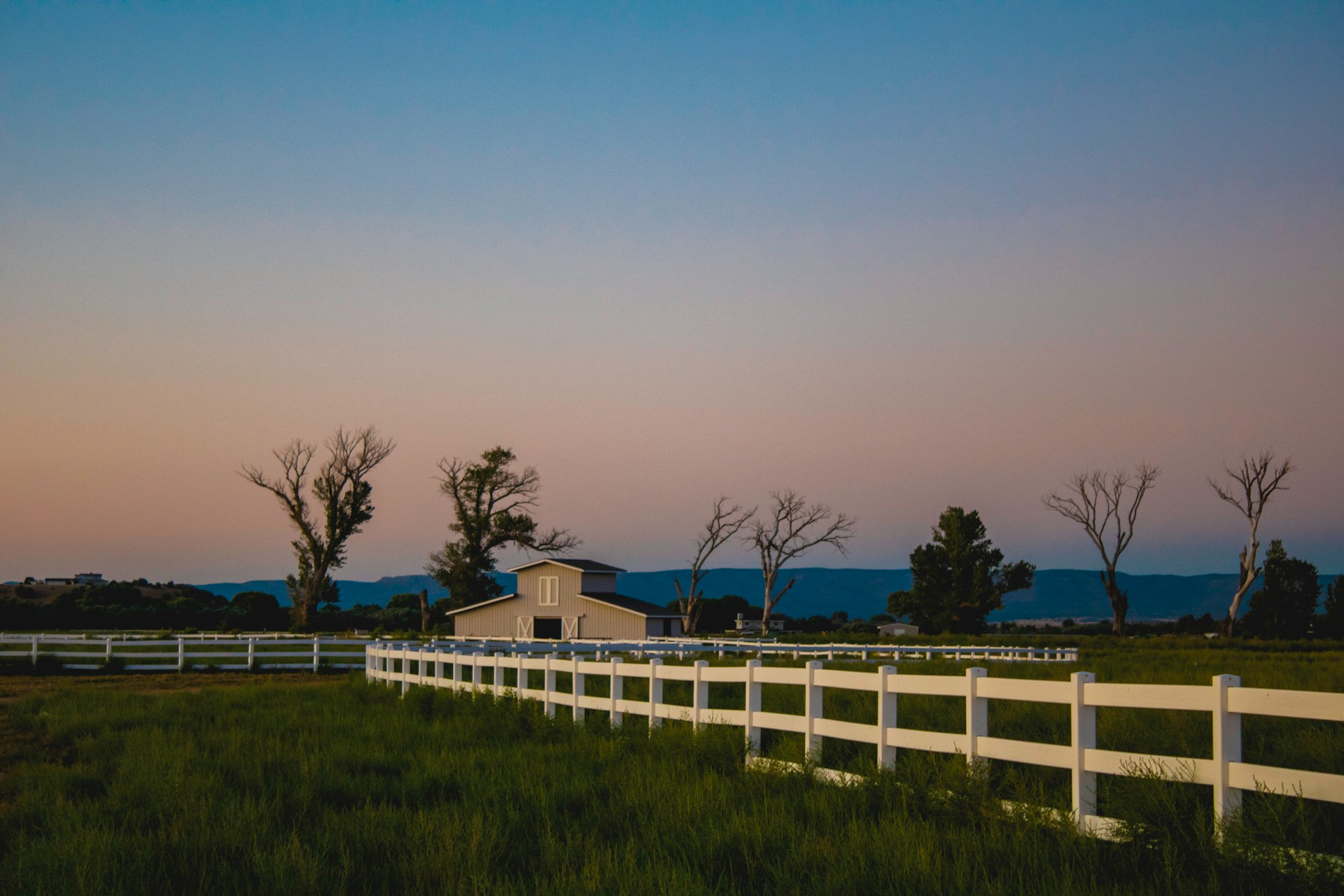
Prescott attracts retirees who want Arizona scenery without desert extremes. Pine forests, historic streets, and cooler temperatures create a comfortable environment. Retirees enjoy the town’s manageable size, community feel, and accessible outdoor spaces. Daily life moves at a slower pace, making exploration feel relaxed. Prescott offers scenic beauty without overwhelming heat or crowds. It provides a grounded alternative to larger Arizona tourist destinations.
Port Townsend, Washington
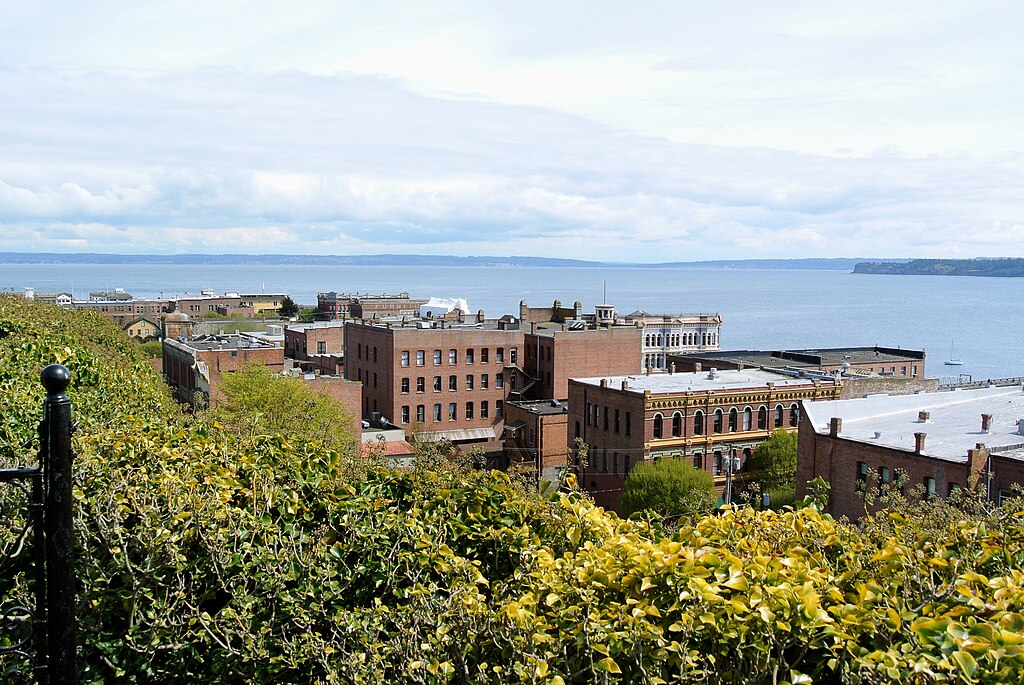
Port Townsend appeals to retirees seeking coastal beauty paired with quiet creativity. Victorian architecture, waterfront views, and a thoughtful arts scene define the town. Retirees enjoy walking along the harbor, attending small events, and exploring nearby nature without pressure. The town feels reflective and calm rather than busy. Port Townsend is often chosen instead of larger Pacific Northwest cities because it offers charm, scenery, and emotional ease.
Hood River, Oregon
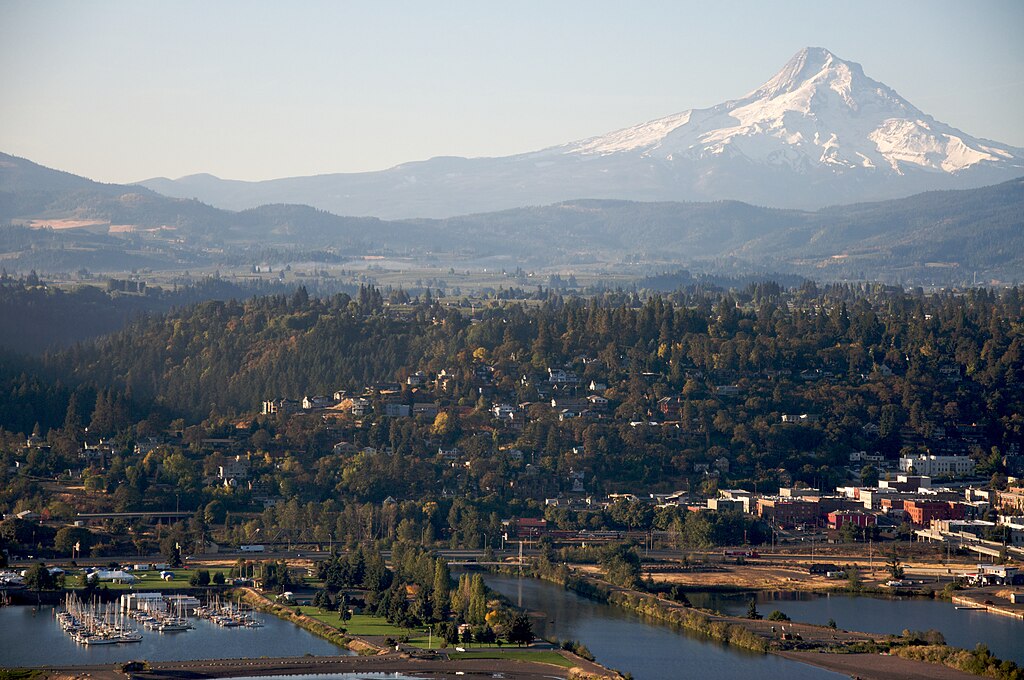
Hood River attracts retirees who want nature without isolation. Located along the Columbia River Gorge, it offers dramatic views, fresh air, and gentle activity options. Retirees enjoy walking paths, local markets, and scenic drives rather than crowded attractions. The town feels lively yet manageable. Hood River is often preferred over busy coastal destinations because it combines natural beauty with comfort and accessibility.
St. Augustine, Florida
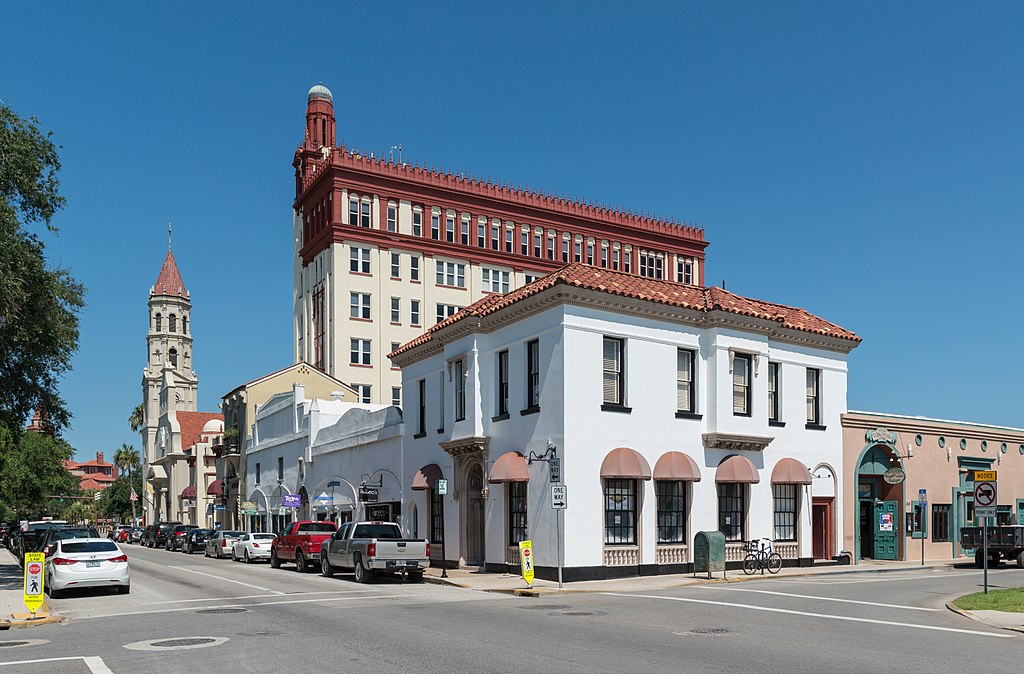
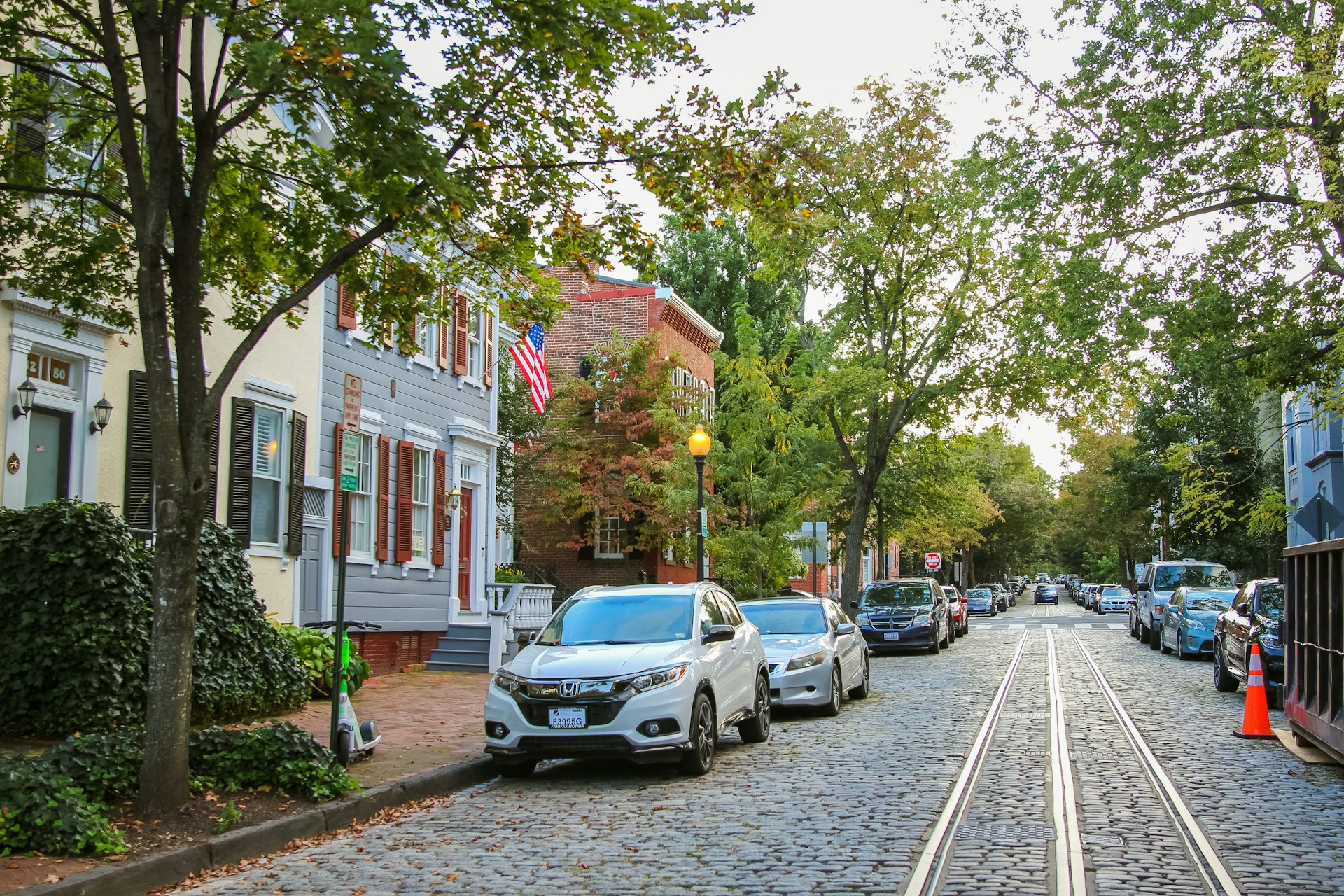
St. Augustine appeals to retirees seeking history and warmth without resort intensity. Cobblestone streets, historic sites, and walkable areas encourage slow exploration. Retirees enjoy museums, cafes, and coastal views without feeling rushed. The city feels storied rather than commercial. St. Augustine offers Florida sunshine with a calmer rhythm, making it a favored alternative to larger beach destinations.
Fredericksburg, Texas
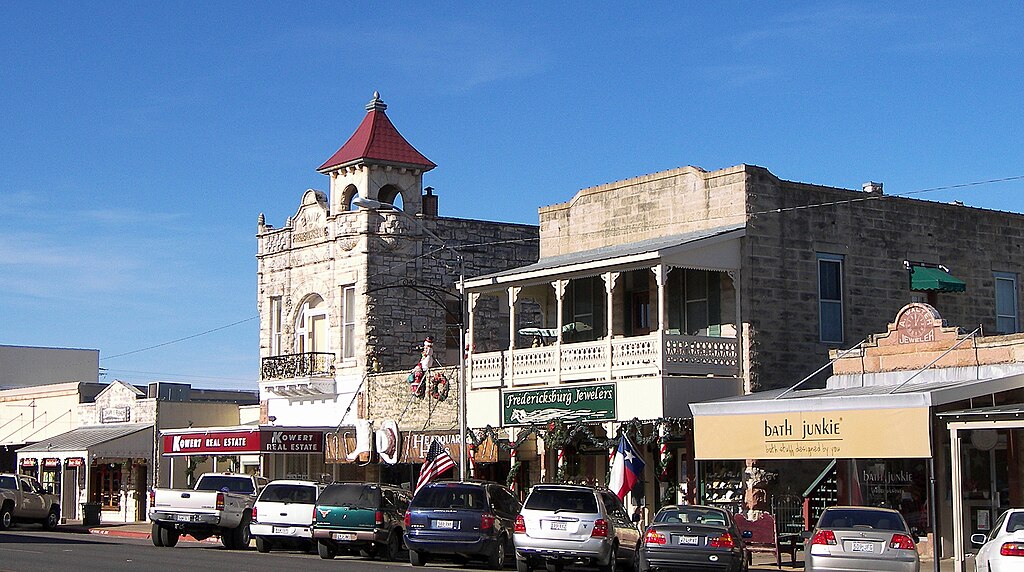
Fredericksburg attracts retirees looking for small town charm and cultural interest. Known for its German heritage and nearby countryside, it offers wineries, shops, and quiet streets. Retirees appreciate the friendly atmosphere and manageable scale. The town feels welcoming without constant activity. Fredericksburg is often chosen instead of larger Texas tourist cities because it supports relaxed exploration and social ease.
Bar Harbor, Maine
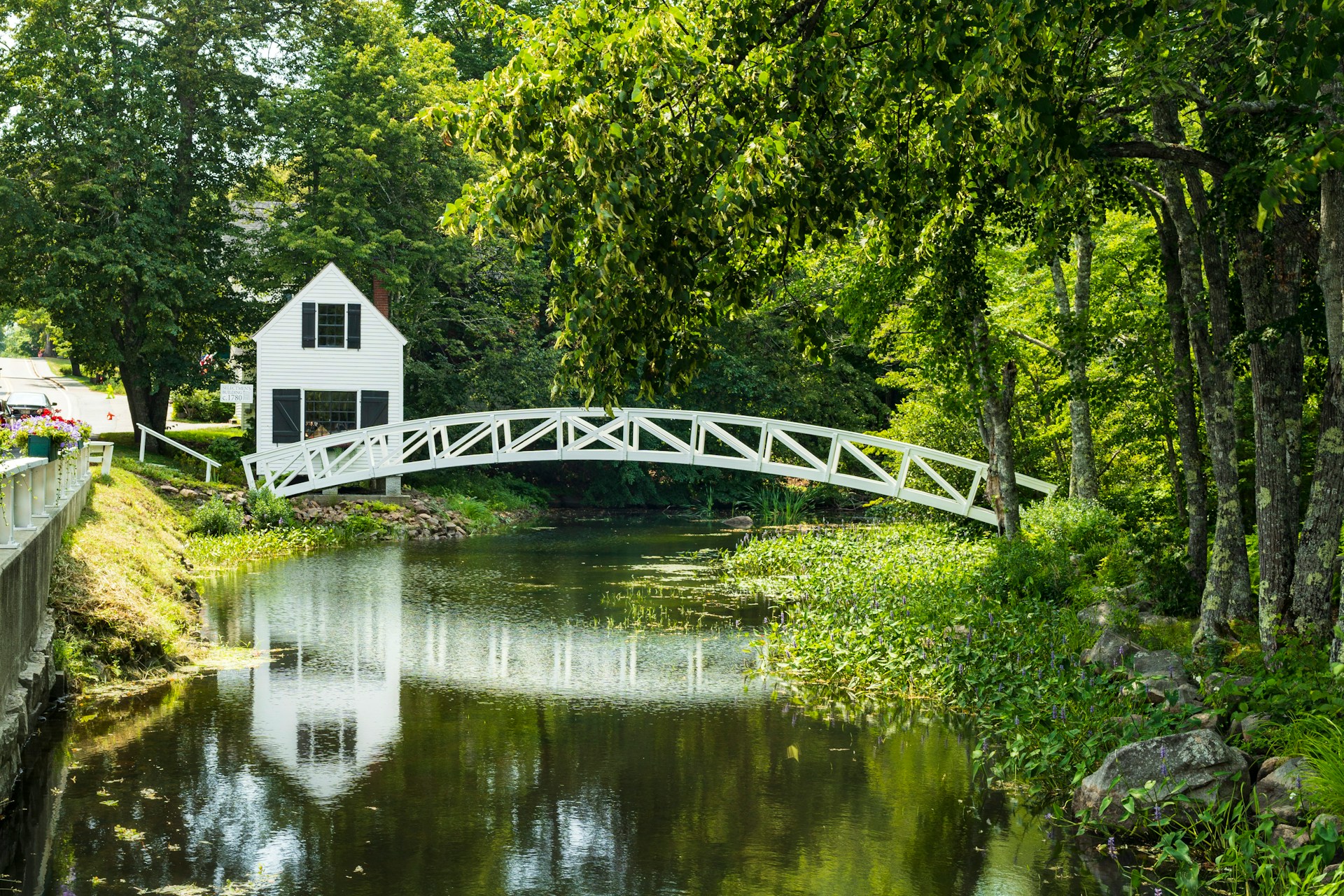
Bar Harbor remains popular among retirees who value natural beauty paired with order. While close to Acadia National Park, many retirees visit during quieter seasons. Scenic drives, coastal views, and gentle sightseeing define the experience. The town feels charming and well organized. Retirees appreciate the balance of access and calm, choosing Bar Harbor over more crowded coastal destinations.
Retirees are redefining what makes a great travel destination. Instead of noise and novelty, they are choosing comfort, beauty, and manageability. These destinations offer meaningful experiences without physical or emotional strain. In 2026, travel is less about checking off famous places and more about enjoying time well spent. These quieter destinations reflect a shift toward travel that supports rest, curiosity, and lasting enjoyment.