Behind every iconic American monument lies a story of struggle, doubt, and persistence. Many of the landmarks we admire today nearly didn’t happen at all. From funding shortfalls and design disputes to political opposition and natural disasters, these sites were saved by visionaries who refused to give up. Each monument stands not just as a symbol of history but as proof that perseverance shapes beauty. Here are ten U.S. monuments that almost never made it past the blueprint stage.
The Lincoln Memorial
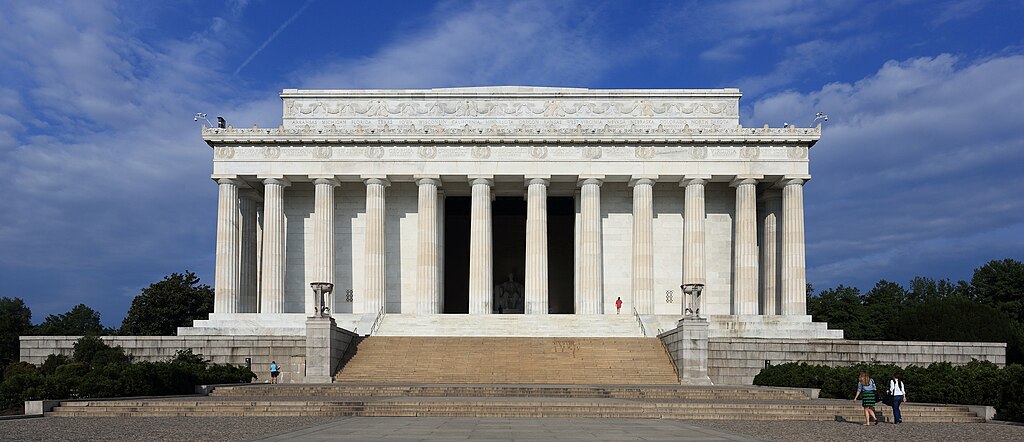
Today it symbolizes unity and leadership, but the Lincoln Memorial faced fierce opposition at first. Critics thought it was too expensive and too grand. Some argued the money should go elsewhere, while others disliked the location on a swampy stretch of land. Yet supporters pressed on, seeing Lincoln’s legacy as worth every challenge. When it finally opened in 1922, it became a powerful symbol of equality and hope, proving great ideas are always worth defending.
The Statue of Liberty
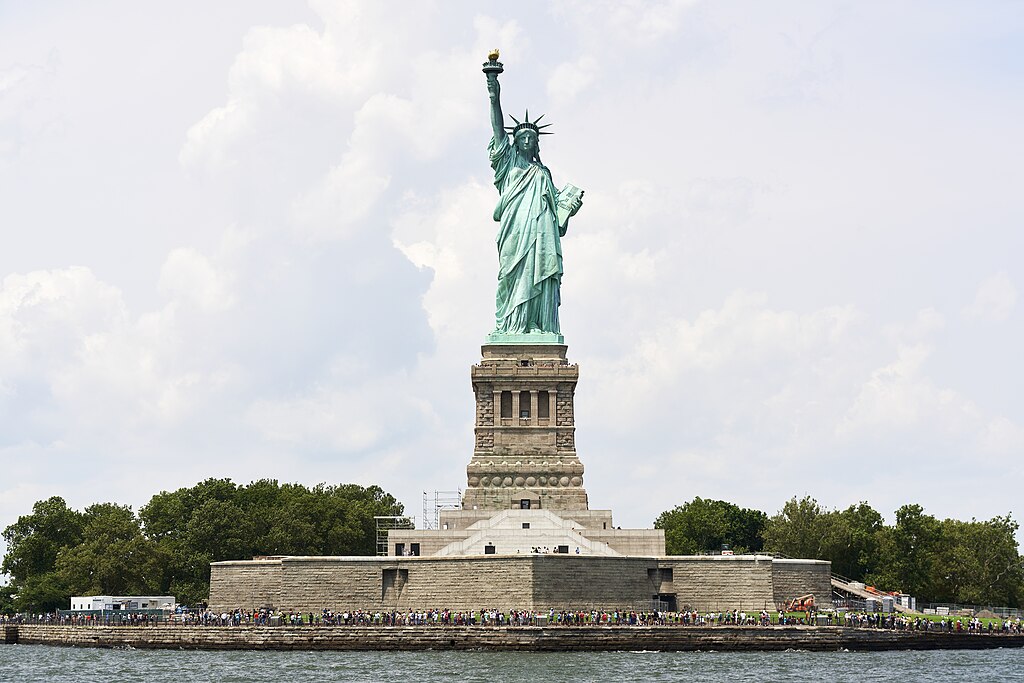
When France offered the Statue of Liberty to the United States, the gift almost failed because America couldn’t afford to build its pedestal. Fundraising stalled until newspaper publisher Joseph Pulitzer launched a campaign urging citizens to donate whatever they could. Pennies, nickels, and dimes from thousands of ordinary Americans made it happen. The statue was finally assembled in 1886, standing as a towering tribute to freedom and unity that nearly didn’t rise at all.
The Gateway Arch
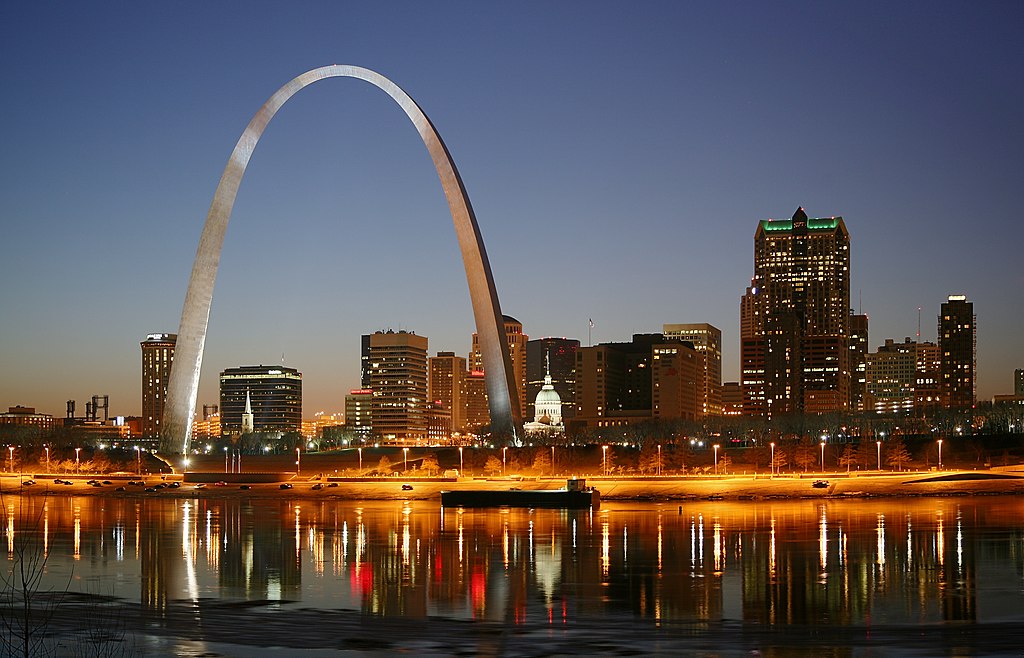
Now an icon of St. Louis, the Gateway Arch was once viewed as a wasteful dream. Locals protested the cost and the idea of demolishing riverfront buildings to make room. Construction delays, lawsuits, and funding fights nearly sank the project. Architect Eero Saarinen’s futuristic design even seemed too strange for some. But when it finally opened in 1967, its soaring curve became a symbol of ambition and progress, capturing the pioneering spirit of the American Midwest.
Mount Rushmore
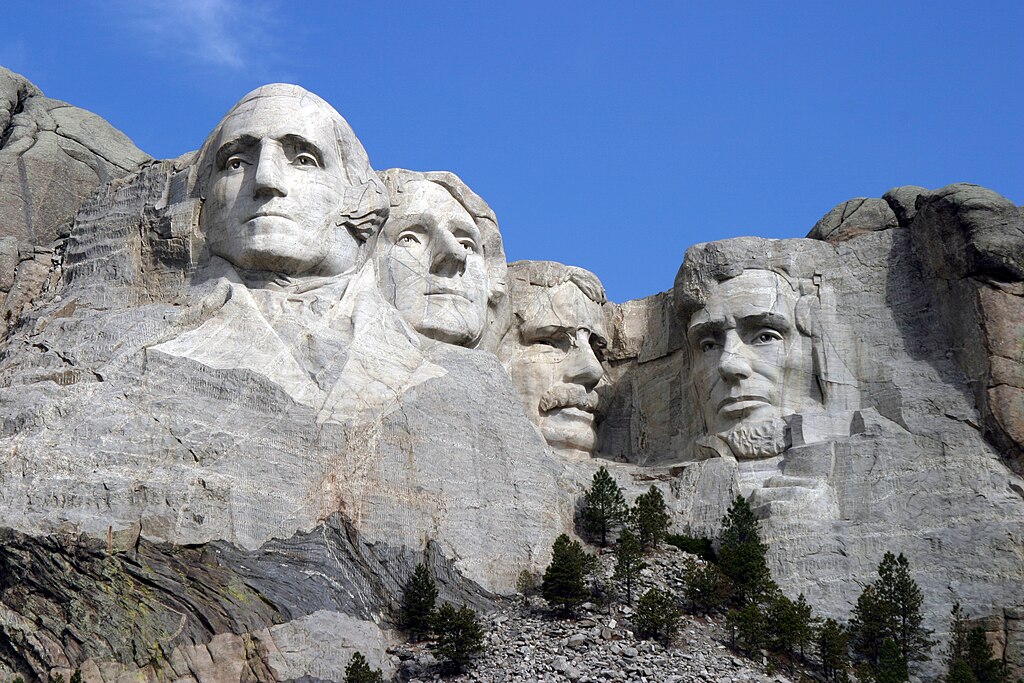
Mount Rushmore might never have existed if not for the persistence of sculptor Gutzon Borglum. Funding ran dry several times, forcing work to halt. Critics questioned why such a project should even exist during the Great Depression. Despite political battles and weather delays, Borglum and his crew kept carving until it stood complete. The monument became a tribute to leadership, perseverance, and artistic vision: a mountain literally shaped by determination against all odds.
The Washington Monument
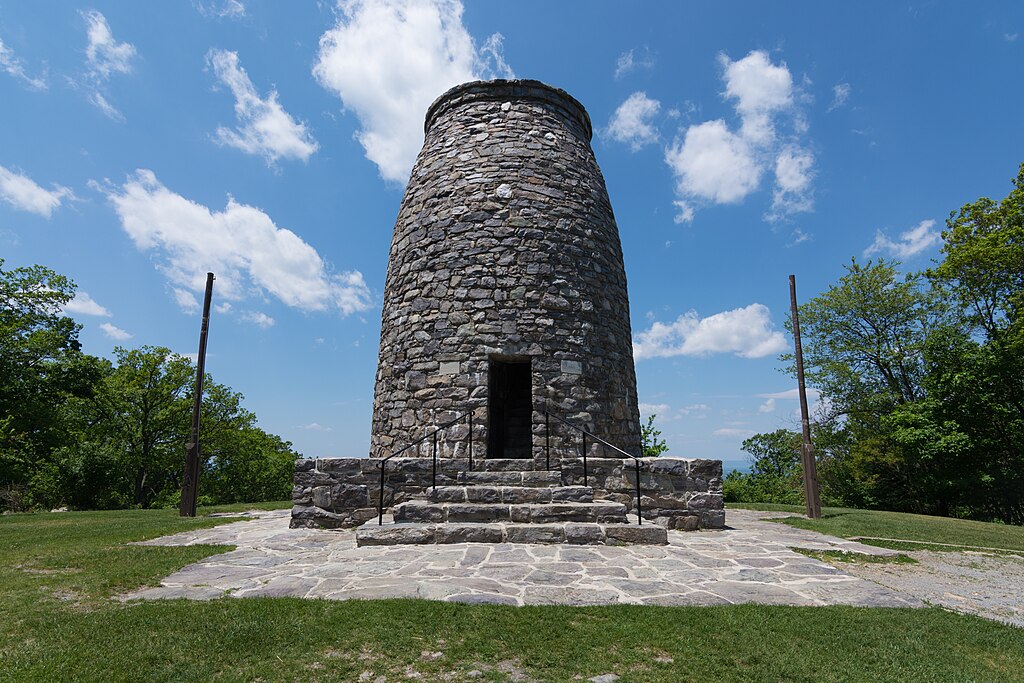
One of America’s oldest symbols of national pride nearly didn’t survive its own construction. Work began in 1848 but stopped for decades due to political conflict, lack of funds, and even the Civil War. The unfinished structure sat as an eyesore for 25 years. Finally, in 1884, new funding and engineering revived the dream. When the final stone was placed, the towering obelisk stood as a reminder that patience and unity can outlast any setback.
The Vietnam Veterans Memorial
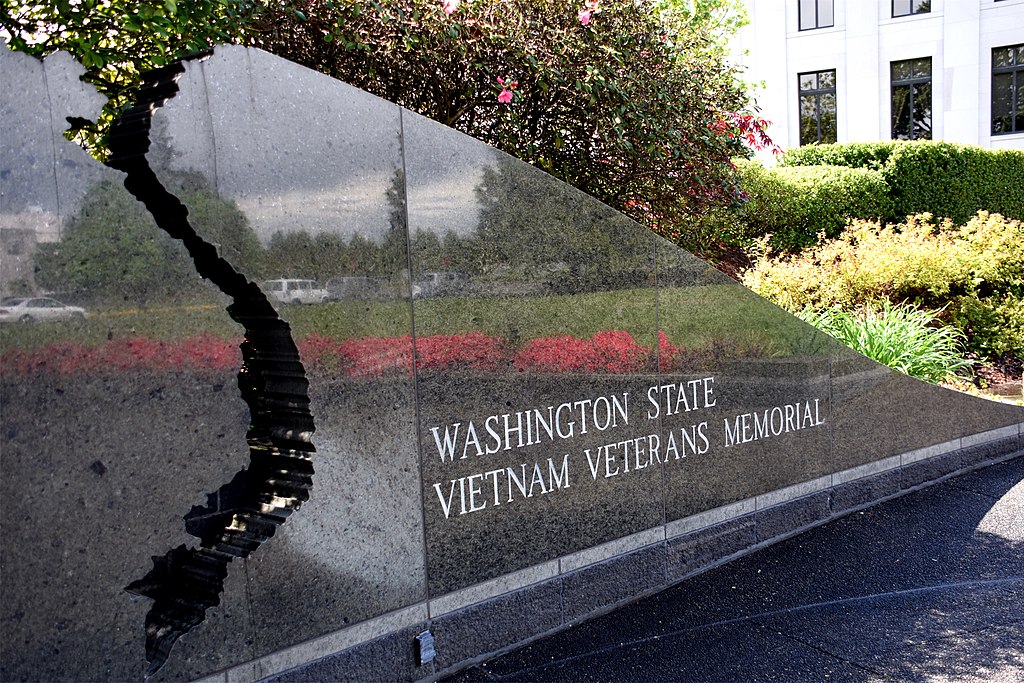
When Maya Lin’s design was chosen for the Vietnam Veterans Memorial, controversy exploded. Critics called it too plain and mournful. Some demanded a more traditional monument. Despite harsh opposition, Lin stood by her vision, creating a space that honored loss with quiet power. Once completed, visitors were moved to tears as they touched the engraved names. What began as a symbol of division became one of healing, forever changing how America remembers its fallen heroes.
The Jefferson Memorial
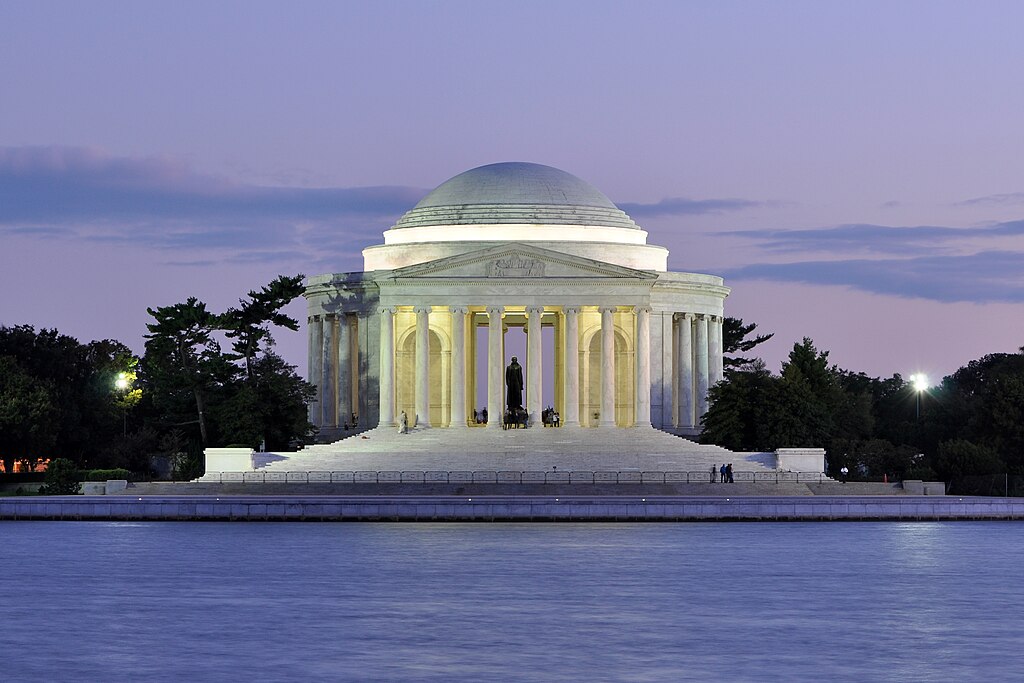
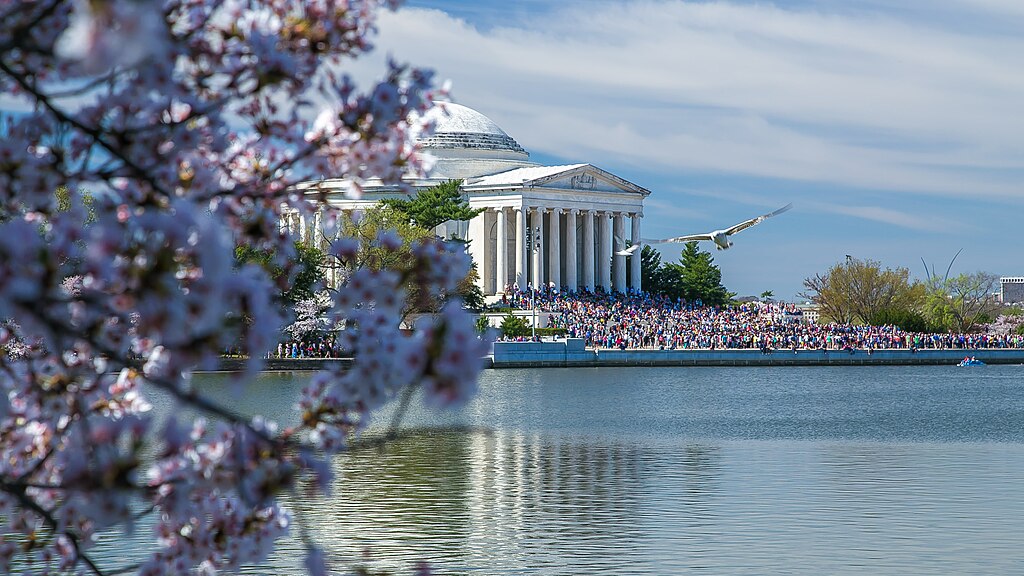
Planned during Franklin D. Roosevelt’s presidency, the Jefferson Memorial faced years of delay. Critics disliked its location and design, and wartime restrictions nearly stopped its construction. Even when work began, materials were scarce and progress slow. But Roosevelt believed Jefferson’s ideals deserved tribute. When it opened in 1943, the marble dome gleamed as a symbol of democracy and intellect. Its survival through doubt and difficulty made it one of the capital’s most meaningful landmarks.
The Crazy Horse Memorial
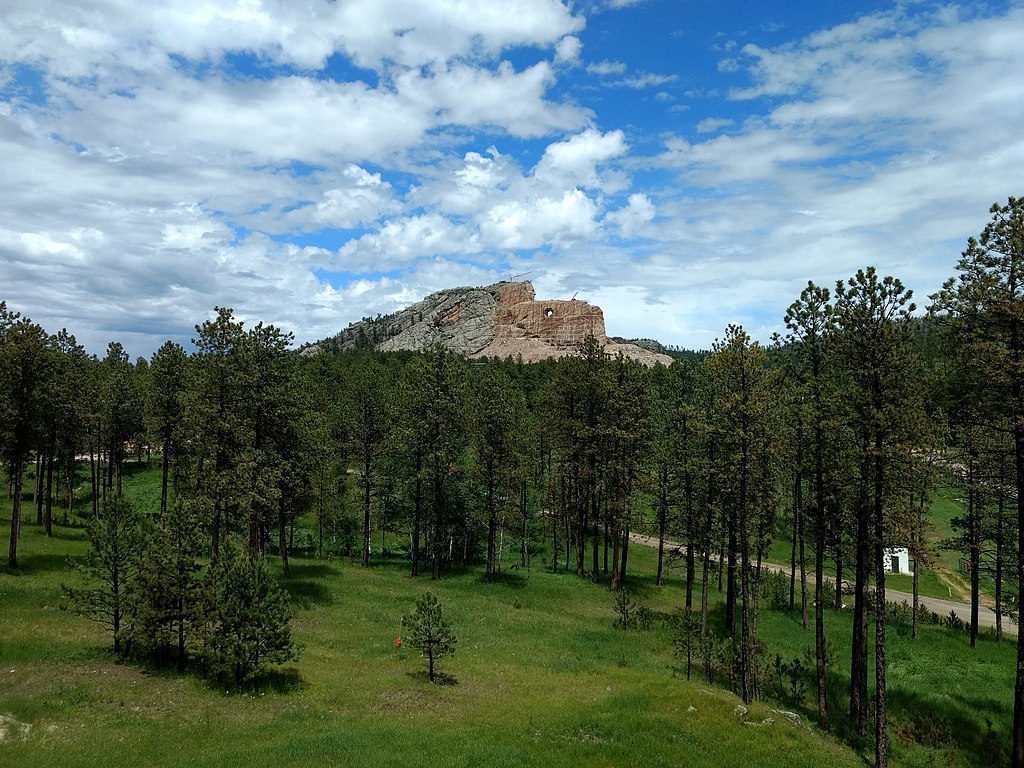
Begun in 1948, the Crazy Horse Memorial was intended to honor Native American heritage, but decades later, it remains unfinished. Funding challenges, internal disputes, and the enormous scale have slowed progress. Yet each carved feature represents perseverance. Sculptor Korczak Ziolkowski’s family continues the work, refusing to abandon the dream. The monument stands as both a work in progress and a living reminder of cultural pride, endurance, and unwavering dedication to legacy.
Mount Vernon
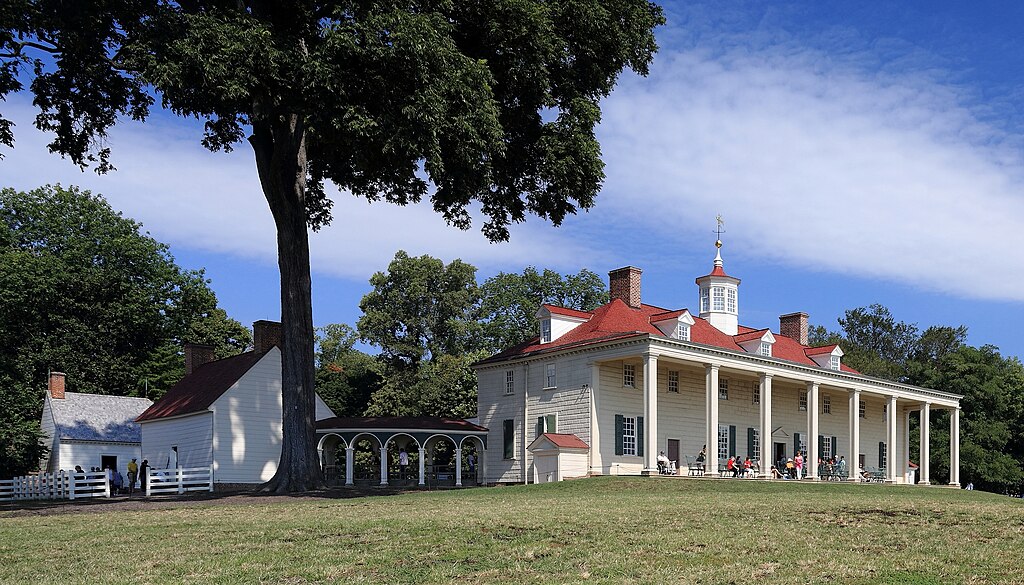
George Washington’s beloved home nearly collapsed into ruin before preservationists stepped in. By the mid-1800s, the estate was decaying, and Congress refused to save it. A group of determined women led by Ann Pamela Cunningham formed the Mount Vernon Ladies’ Association, raising private funds to restore it. Their success marked one of the first major preservation movements in America. Without them, one of the nation’s most cherished historical homes might have been lost forever.
The Golden Gate Bridge
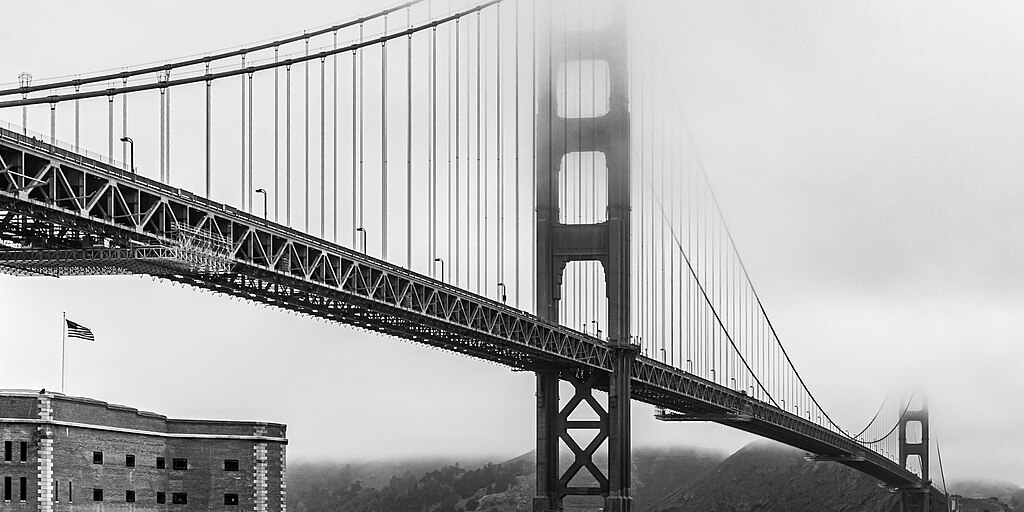
Now a global icon, the Golden Gate Bridge once seemed impossible. Engineers doubted it could withstand the powerful tides and winds of San Francisco Bay. Financing the project during the Great Depression also seemed out of reach. Critics called it reckless, even dangerous. But chief engineer Joseph Strauss refused to quit. When it opened in 1937, it became a symbol of courage, creativity, and faith in human ingenuity: an orange masterpiece born from bold persistence.
Every monument on this list tells a story of belief stronger than doubt. They remind us that history is built by those who refuse to surrender their vision, no matter the obstacles. From Washington to the Golden Gate, each structure stands as proof that perseverance carves its own legacy. What nearly failed became unforgettable, shaping the landscape and spirit of a nation defined by its relentless pursuit of progress and pride.