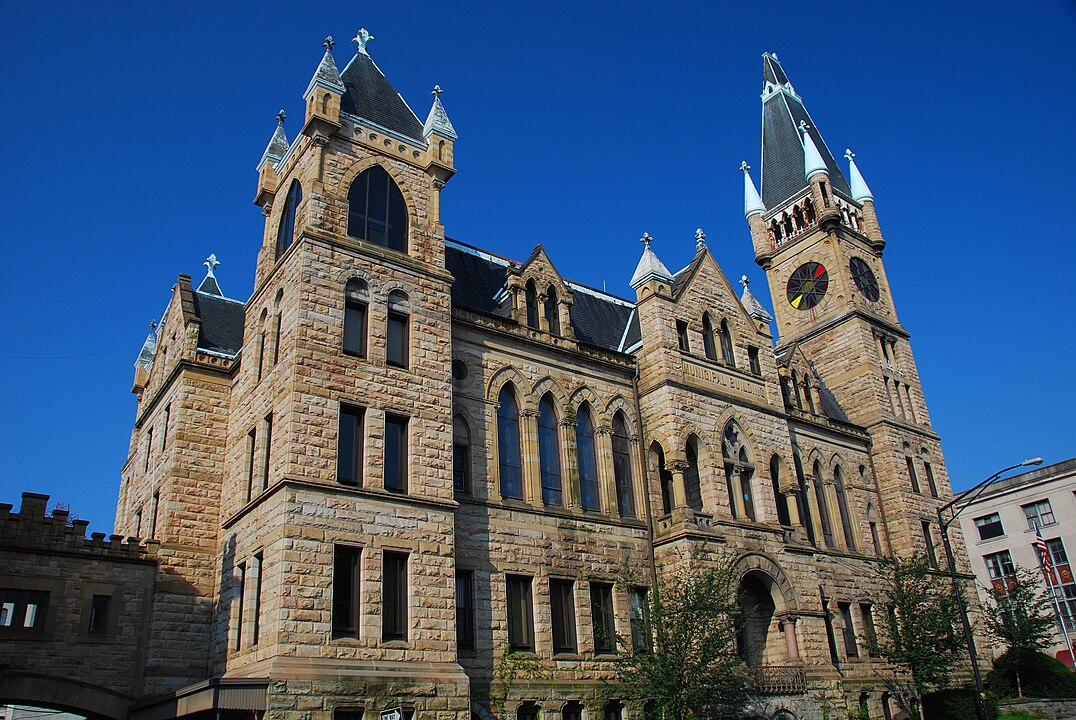
Factory towns once formed the backbone of America’s industrial identity, offering stable jobs and community pride. When manufacturing left, whether due to globalization, automation, or corporate restructuring, these towns faced profound changes. Some reinvented themselves, while others struggled with economic decline. Below are towns forever shaped by the loss of their defining industries.
Flint, Michigan
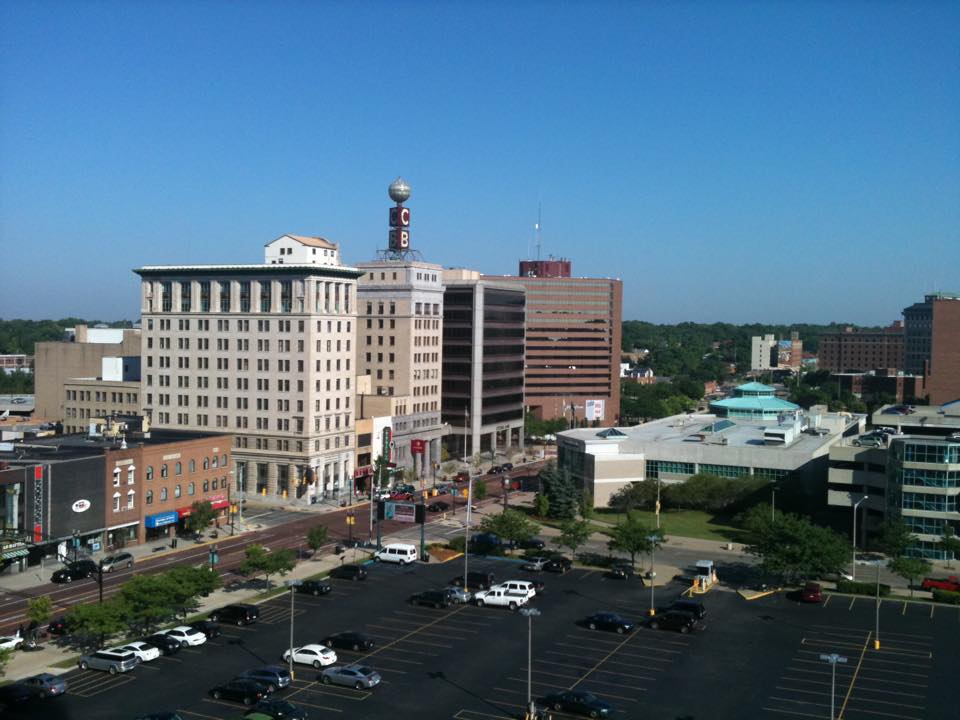
Once a booming automotive powerhouse, Flint suffered significantly when major manufacturing plants closed. Job losses led to population decline and strained public services. The economic downturn deeply affected housing values and community stability. Flint continues working toward recovery, though its industrial past remains central to its identity.
Youngstown, Ohio
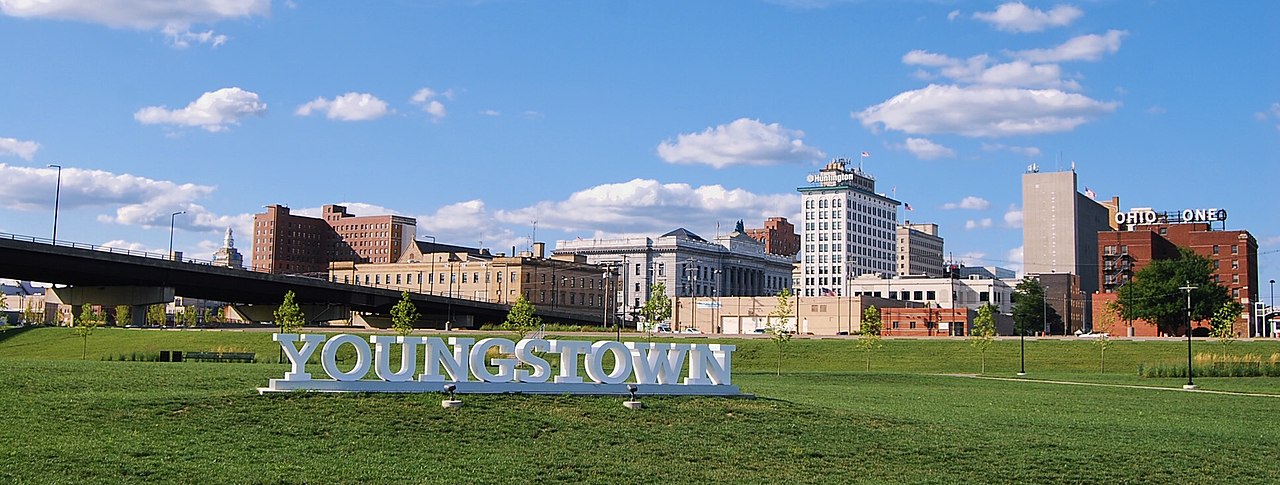
Youngstown’s steel industry collapse in the 1970s triggered one of the most dramatic urban declines in U.S. history. The town faced mass layoffs, business closures, and long-term population loss. Crime and economic hardship followed as residents sought opportunities elsewhere. Recent efforts in technology and education are slowly reshaping its future.
Gary, Indiana
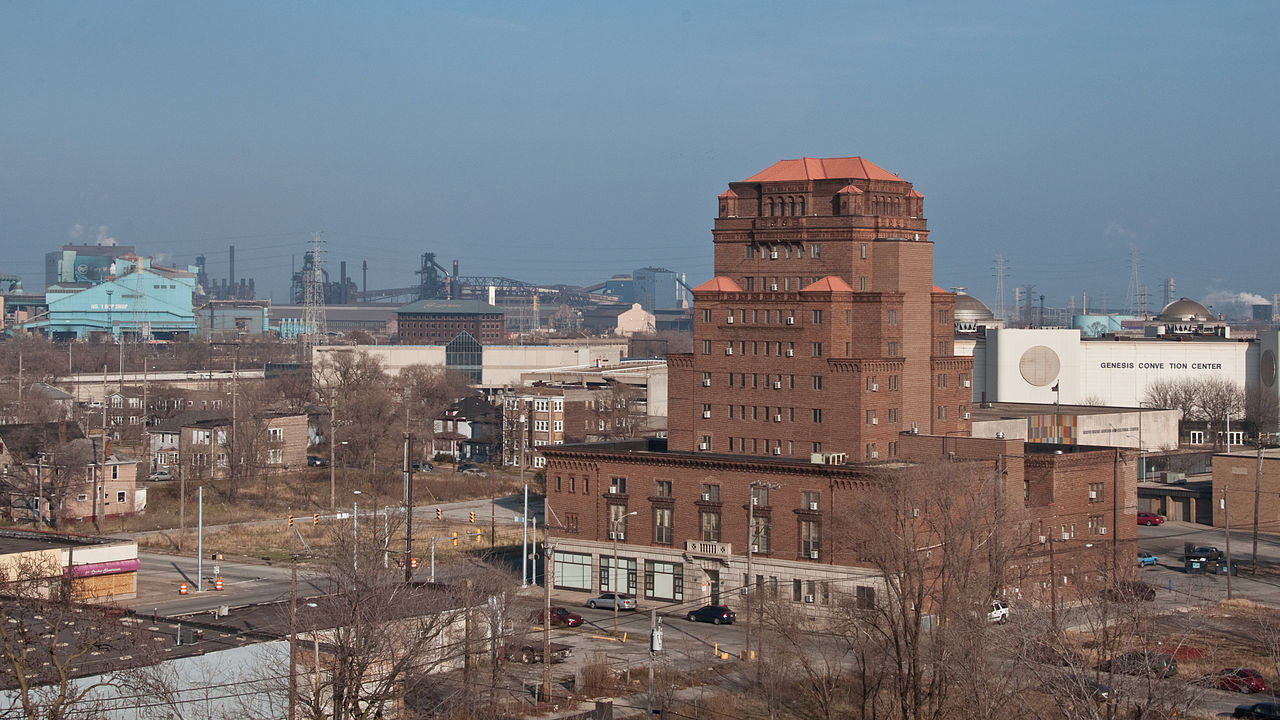
Gary thrived during the height of U.S. steel production but faced severe decline when automation and global competition reduced jobs. The city experienced widespread abandonment and shrinking tax revenue. Community institutions struggled to stay afloat. Revitalization efforts continue, but the loss of industry remains visible.
Bethlehem, Pennsylvania
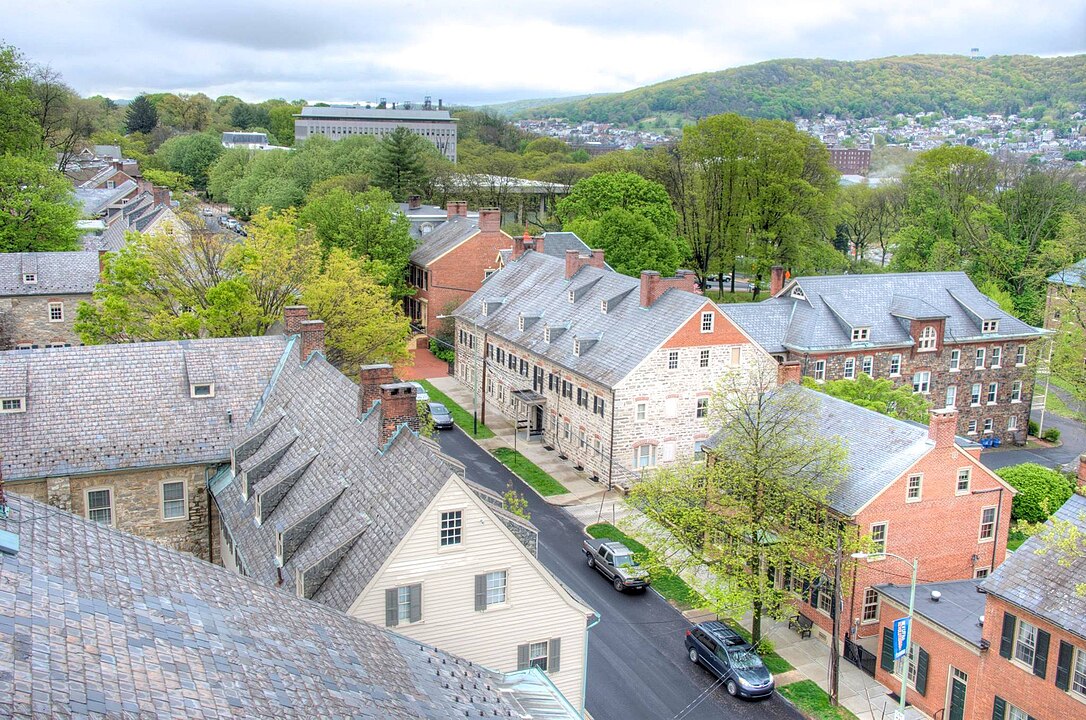
Bethlehem Steel once provided thousands of jobs before shutting down operations in the early 2000s. The closure impacted workers and families who relied on the company for generations. The town reinvented portions of the steel site into cultural and commercial spaces. While successful, the transformation reflects a dramatic shift from its past.
Rockford, Illinois
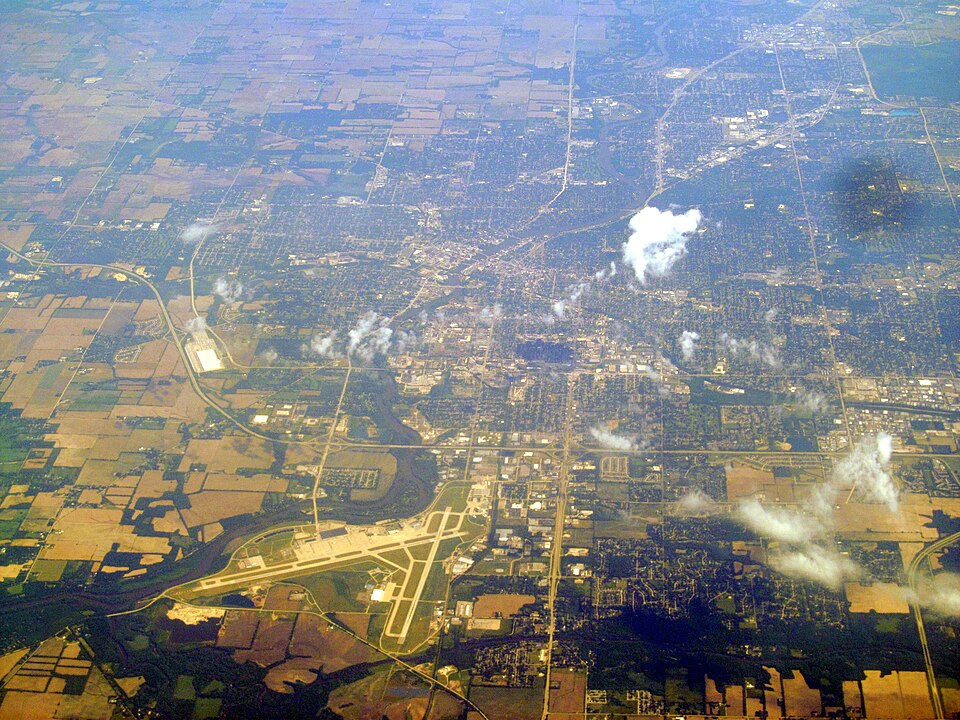
Rockford once served as a manufacturing hub for tools, machinery, and furniture. When factories closed, unemployment rose and economic momentum slowed. The community struggled with maintaining infrastructure and services. In recent years, diversification has helped stabilize growth.
Pueblo, Colorado
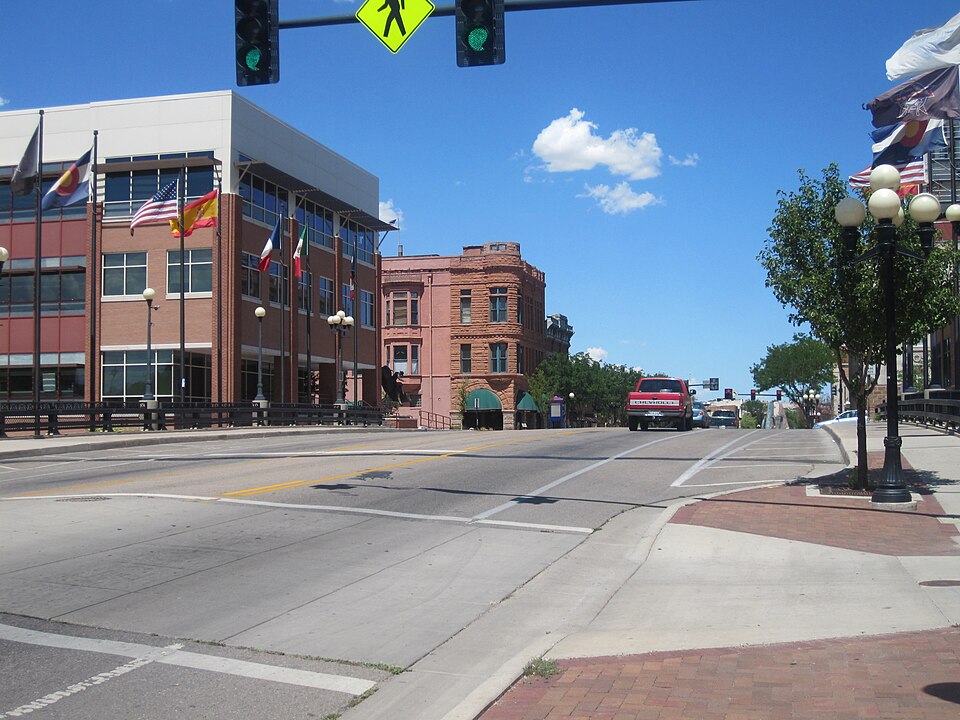
Pueblo’s steel downturn reshaped its economy and population patterns. The loss of major employers forced the town to pursue new industries in healthcare and renewable energy. Residents worked to preserve the city’s cultural heritage while adapting to new economic realities. Its evolution shows resilience amid industrial change.
Decatur, Alabama
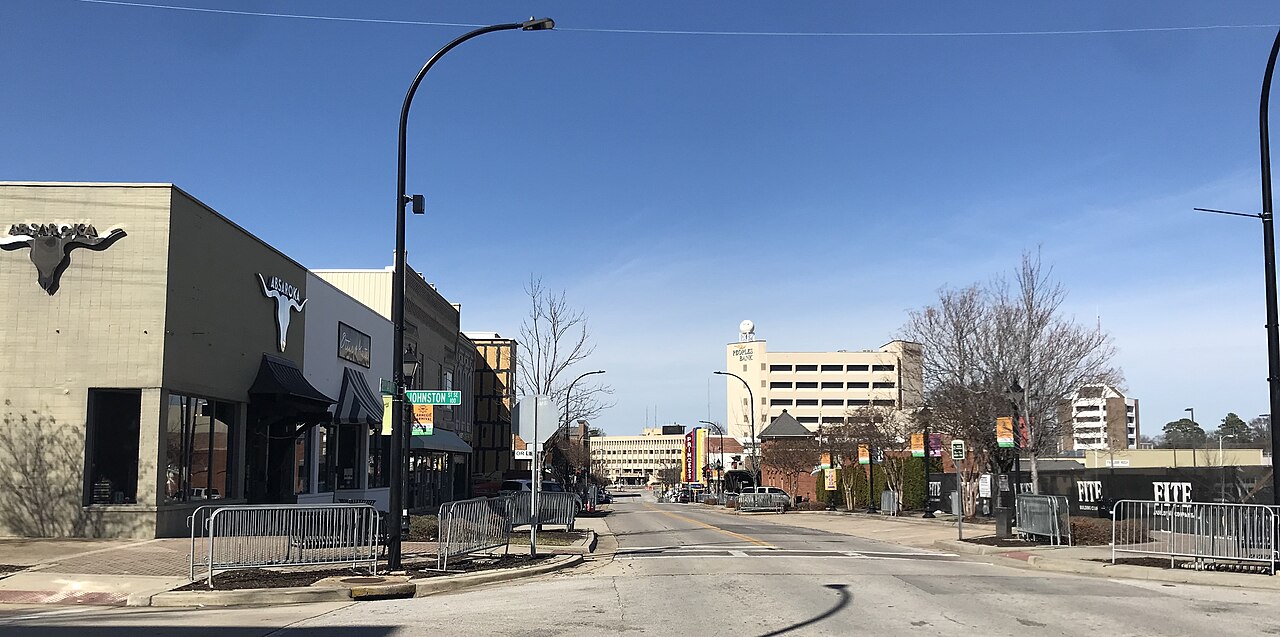
Decatur’s manufacturing slowdown affected families that had relied on chemical and textile jobs. The transition forced the community to find new economic drivers. Investment in technology, shipping, and logistics has helped restore momentum. The shift illustrates the adaptability of mid-sized factory towns.
Scranton, Pennsylvania
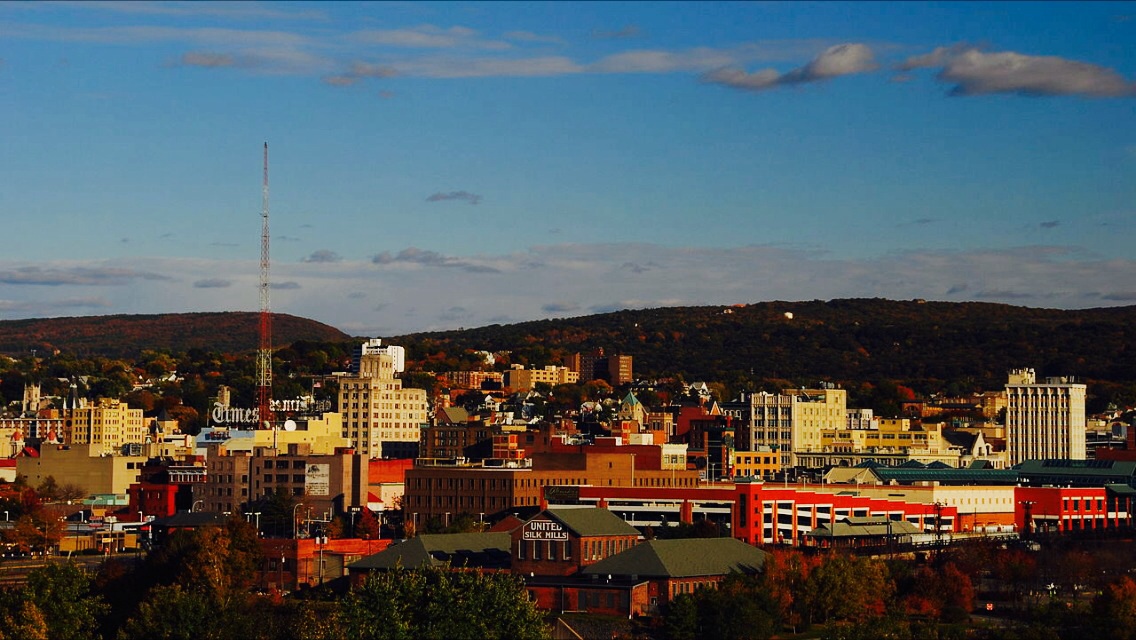
Scranton’s coal and manufacturing decline in the 20th century transformed it from a bustling industrial center to a quieter community. Job losses led to decades of economic struggle and population dips. The town later embraced education and healthcare as stabilizing forces. Its history remains deeply tied to its industrial rise and fall.
Kokomo, Indiana
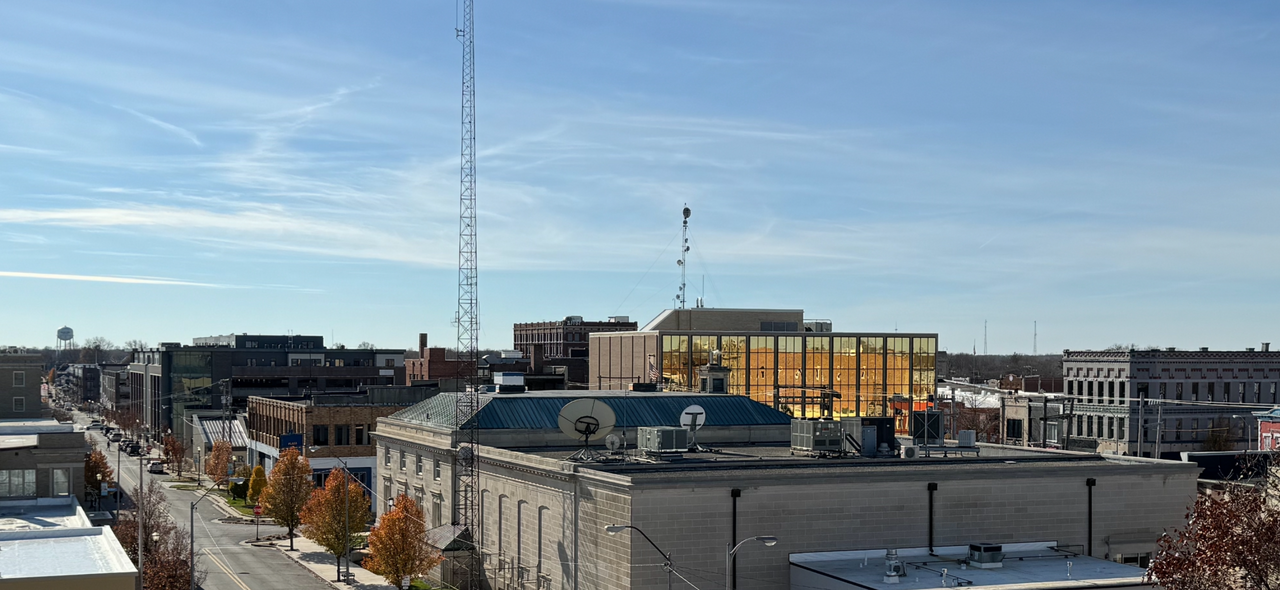
Kokomo grew around automotive manufacturing, and when demand shifted, the town experienced layoffs and uncertainty. Economic instability challenged families and small businesses alike. Strategic reinvestment and diversification have helped the city rebound. Its story highlights the volatility of single-industry dependence.
Muskegon, Michigan
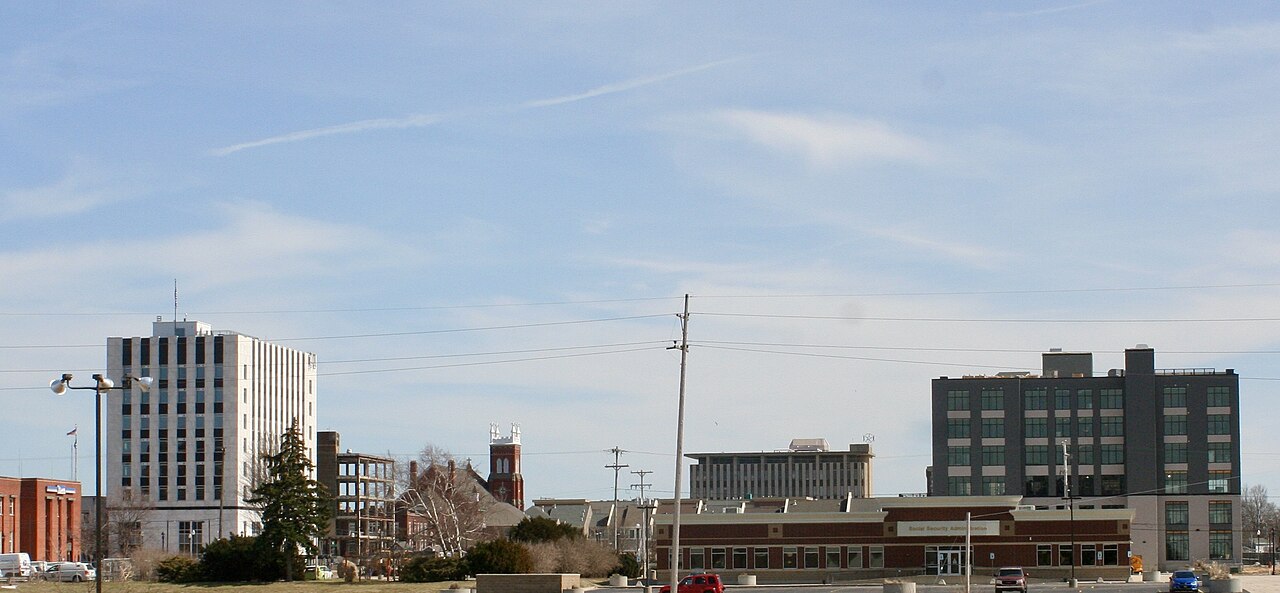
Muskegon’s factories once powered its lakeside economy, but closures brought economic decline and community challenges. Residents faced reduced job opportunities and shifting demographics. Revitalization efforts focused on tourism and small business growth. The town continues balancing its industrial history with a new economic identity.