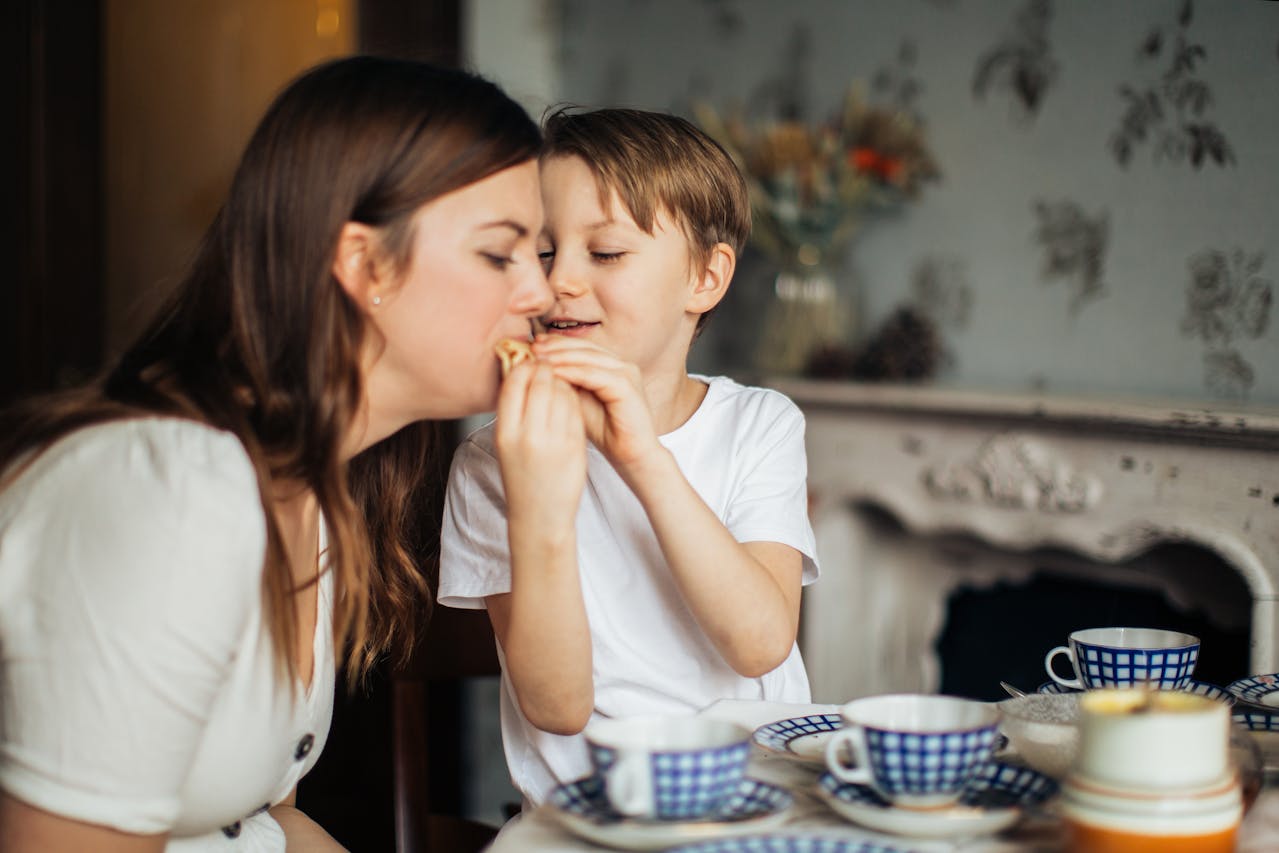

Getting picky eaters to try new foods can feel like an everyday battle at the dinner table. Whether it’s turning up their noses at anything green or refusing to eat unless it’s shaped like a dinosaur, kids often have strong food preferences. But moms are creative, persistent, and full of clever tricks to make mealtime less stressful. From playful presentation to sneaky nutrition boosts, here are ten tried-and-true strategies moms use to help even the fussiest eaters explore new flavors.
Offer a Tiny Taste First
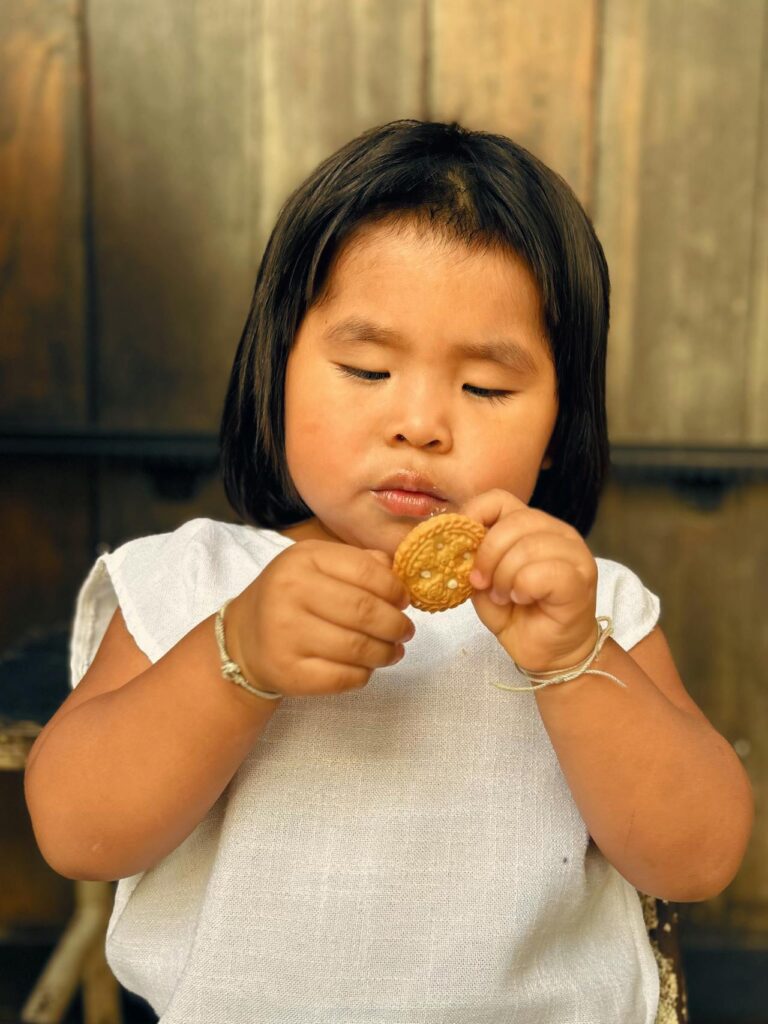
Instead of serving a full portion of a new food, start with just a small bite—something no bigger than a pea. This takes the pressure off and makes the experience feel manageable for your child. Often, kids are more willing to try something when they know they don’t have to eat a lot of it. Celebrate even the tiniest taste to build their confidence. Over time, small bites can turn into full servings.
Make It Fun with Shapes and Colors
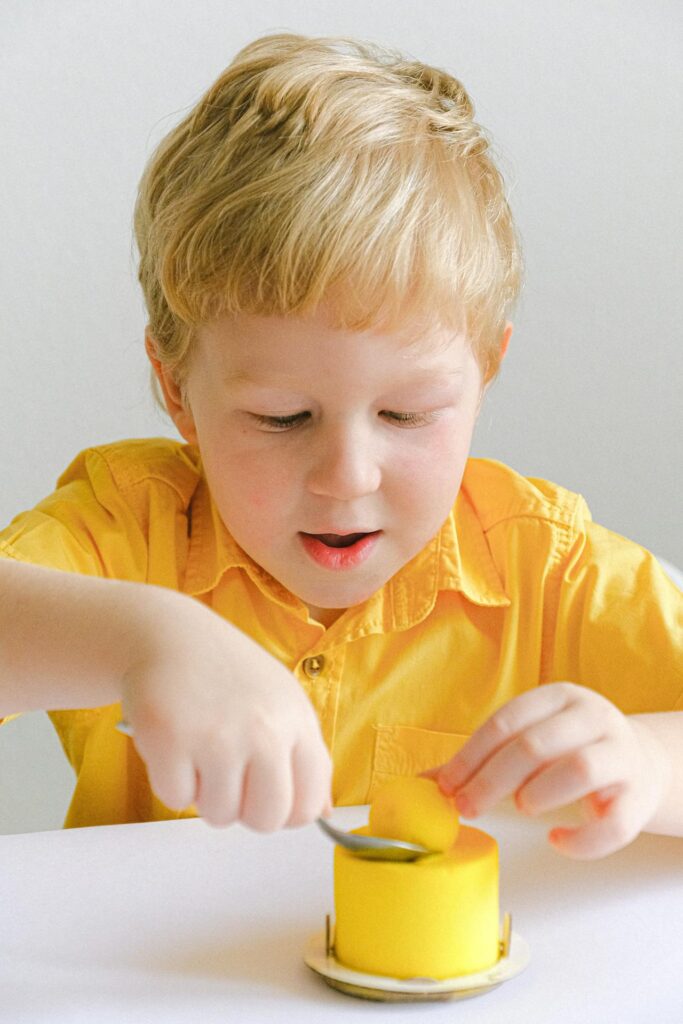
Kids eat with their eyes first, so playful presentations can go a long way. Use cookie cutters to turn sandwiches, fruits, and vegetables into fun shapes. Try creating colorful rainbow plates with a mix of fruits and veggies to catch their attention. When food looks exciting, kids are more likely to want to try it. A little creativity can spark big curiosity.
Let Them Help in the Kitchen

Children who help prepare meals are often more interested in eating what they’ve made. Let them wash veggies, mix ingredients, or sprinkle cheese on top. Being involved gives them a sense of ownership and pride in the food. Plus, it’s a great opportunity to introduce ingredients in a relaxed, hands-on way. Cooking together turns food into a shared adventure, not a fight.
Pair New Foods with Old Favorites
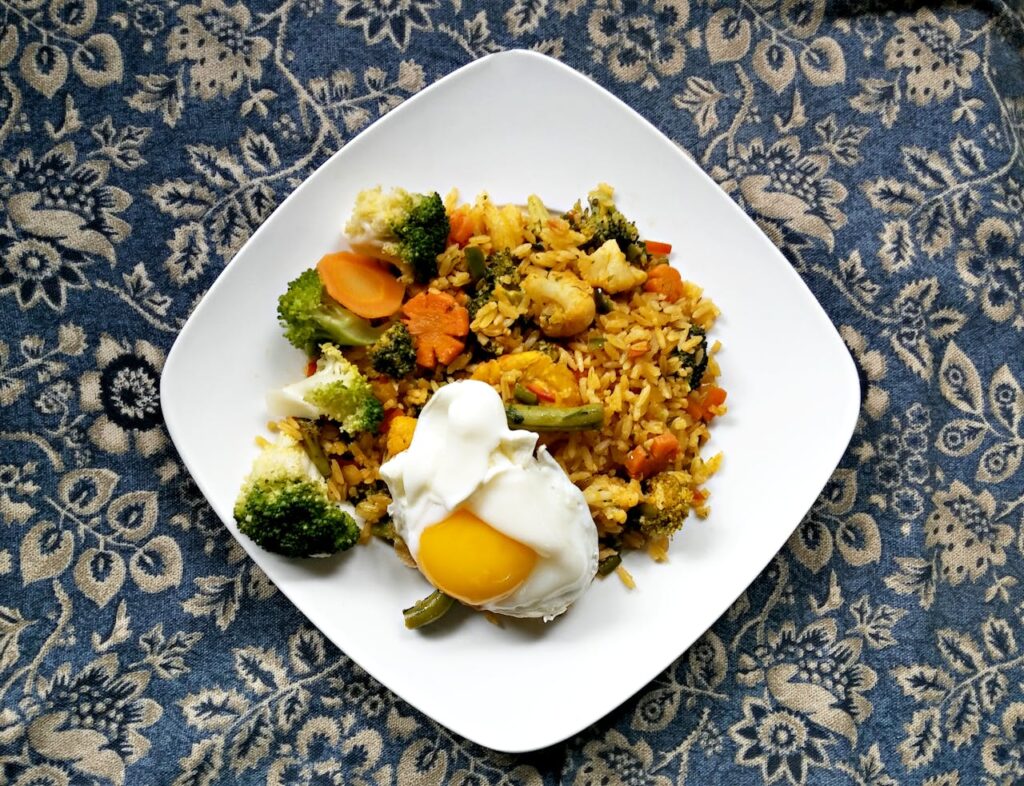
When introducing something unfamiliar, serve it alongside a food your child already loves. For example, add a few roasted carrots next to their favorite chicken nuggets. This helps them feel more comfortable and less overwhelmed. They may not eat the new food right away, but just seeing it regularly makes it more familiar. Over time, they may surprise you by reaching for it on their own.
Don’t Force It, Just Encourage
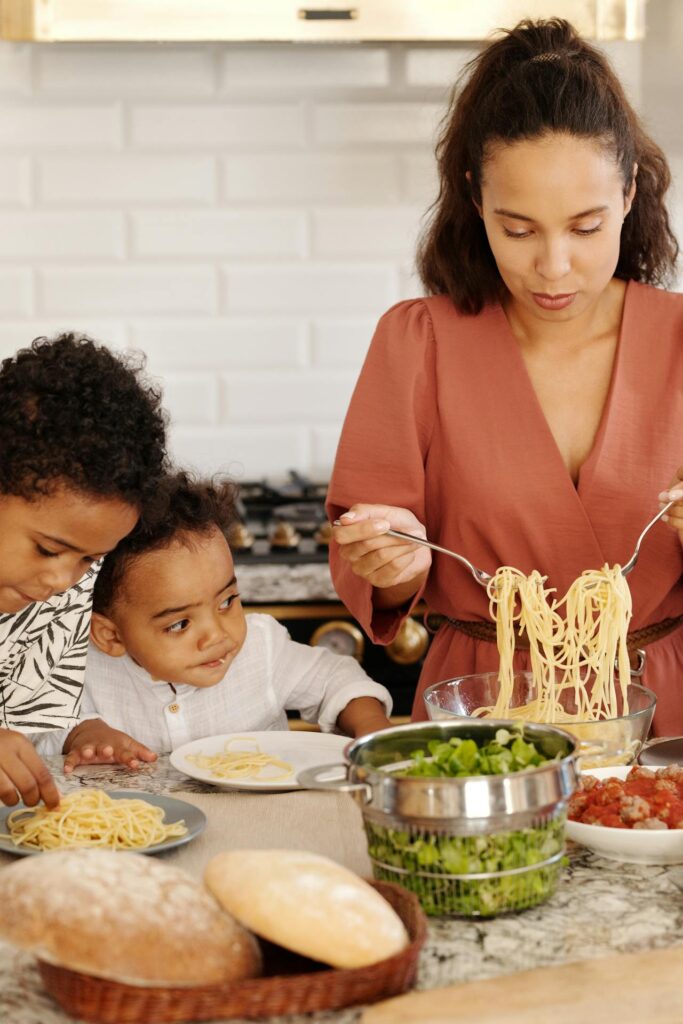
Pressure to eat can backfire, making kids dig in their heels even more. Instead of demanding bites, try using gentle encouragement and positive language. Let them know it’s okay not to like everything, but it’s always good to try. Offer praise when they’re brave enough to explore new tastes. Keeping mealtime low-pressure helps kids stay open and curious.
Try a “No Thank You” Bite
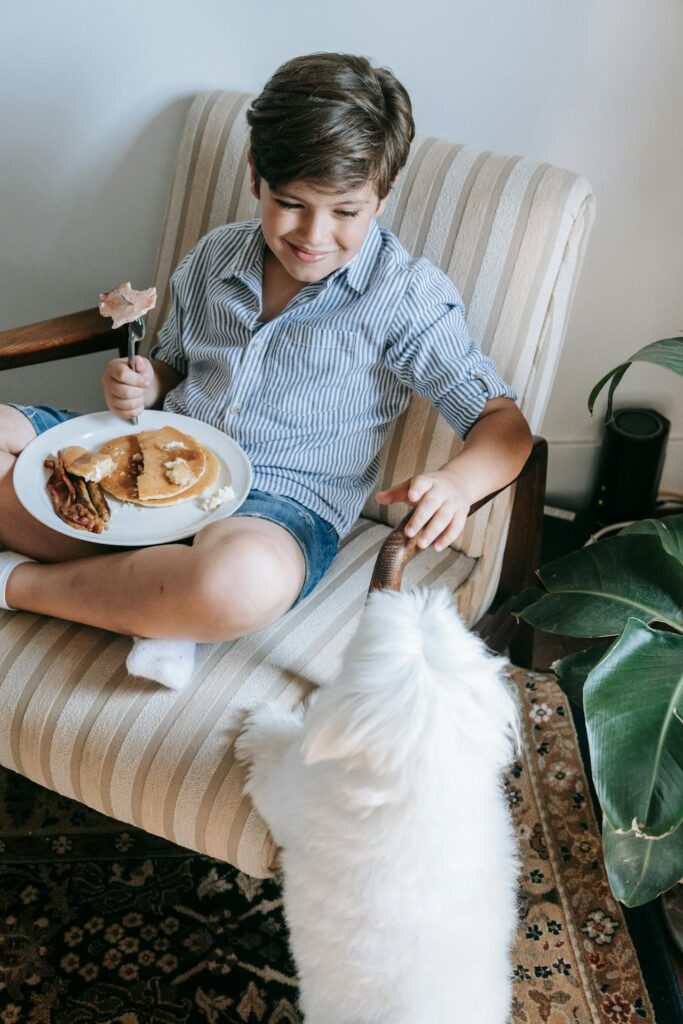
Some moms use the “no thank you” bite rule: the child takes one small bite and can politely say no to more. It teaches manners while gently pushing past food fears. Often, kids are surprised to find they actually like something new. Over time, this habit builds their confidence and willingness to explore. It’s a respectful way to encourage tasting without turning it into a battle.
Introduce New Foods at Snack Time

Dinner can be high-stakes, but snack time is more relaxed. Offer new foods when your child is less tired and more open—like in the afternoon with a fun dip or fruit plate. They might be more curious when they’re not distracted by hunger or a strict routine. This trick turns food exploration into play rather than pressure. It also gives them a chance to try things without an audience or expectation.
Lead by Example

Kids are always watching, especially when it comes to food. If they see you happily eating a variety of fruits, vegetables, and new dishes, they’re more likely to follow your lead. Talk positively about the food you’re eating—describe the flavors, textures, and why you enjoy it. Your enthusiasm can be contagious. Being a good food role model makes a lasting impact.
Repeat, Repeat, Repeat
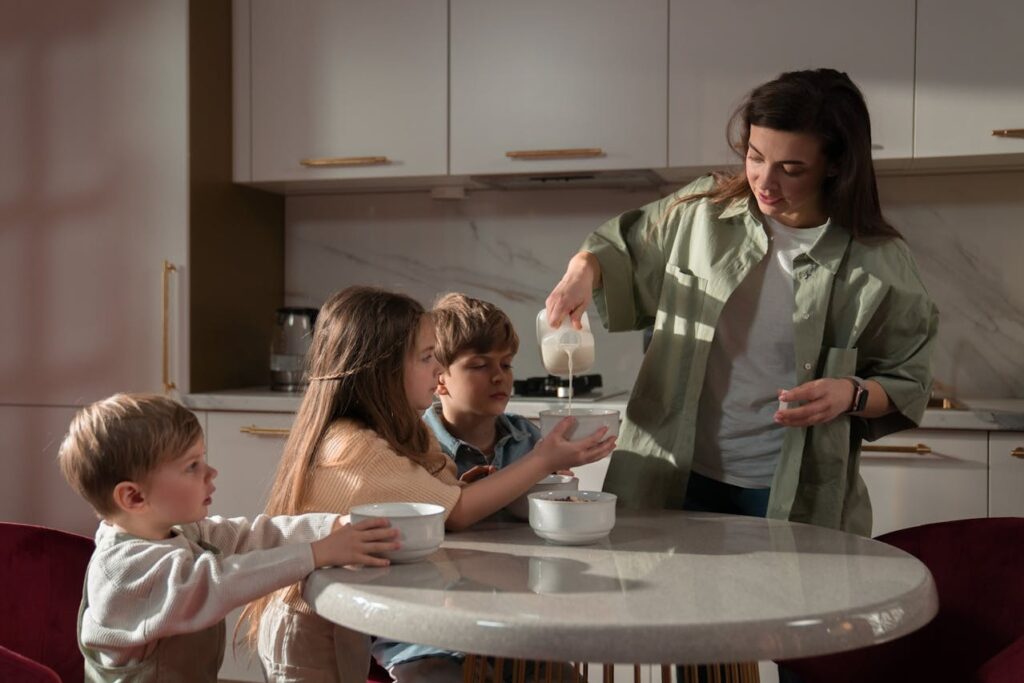
It often takes multiple exposures before a child accepts a new food—sometimes 10 or more! Don’t give up after one rejection. Keep offering it in different forms or alongside familiar meals. Repetition helps take the mystery and fear out of the unfamiliar. Over time, repeated exposure can turn into acceptance—and even favorites.
Use Creative Names and Stories
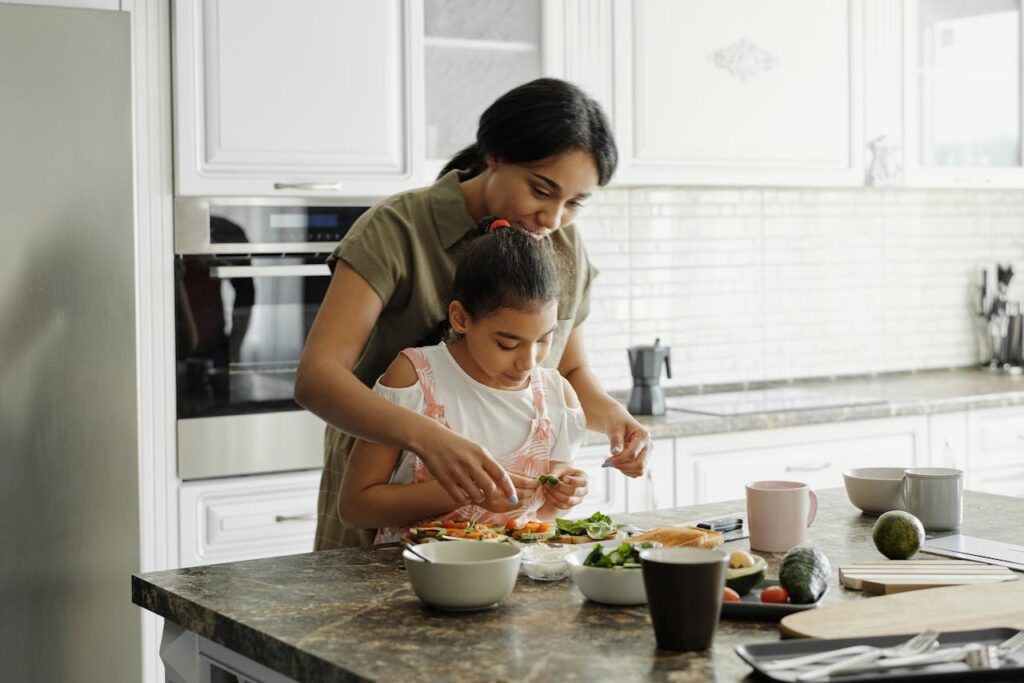
Turning broccoli into “dinosaur trees” or peas into “superpower seeds” can make a big difference. Giving foods silly or exciting names makes them more fun and less intimidating. Some moms even invent stories or characters to go with new foods. It taps into your child’s imagination and curiosity. When trying something feels like play, kids are much more willing to give it a chance.