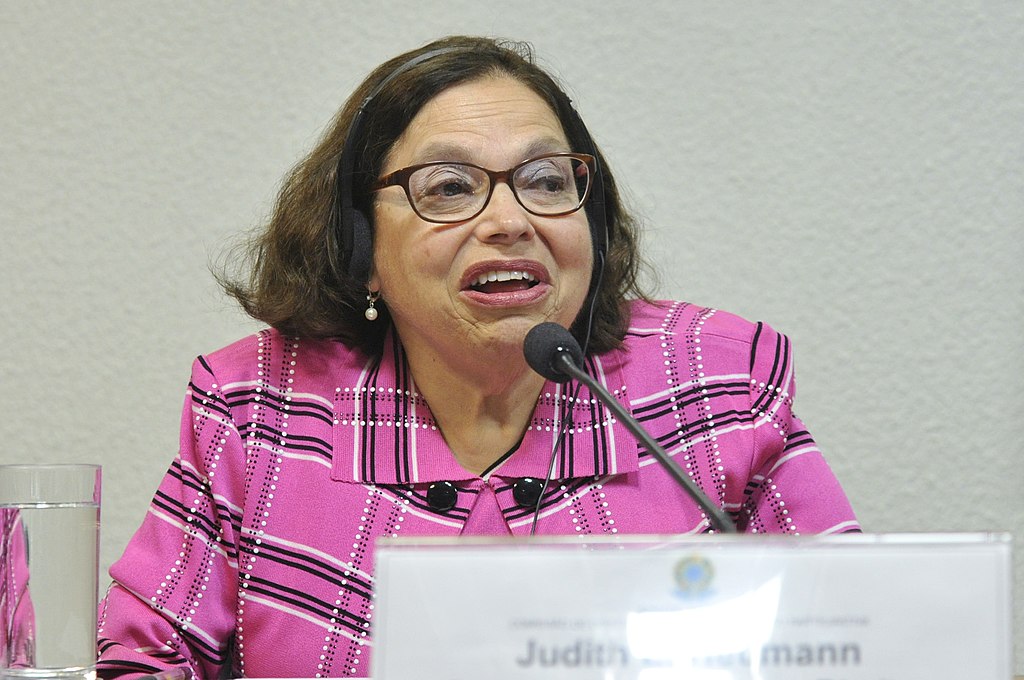
Before disability rights became part of national conversations, courageous individuals were already fighting for inclusion, dignity, and justice. These pioneers faced systemic barriers, social stigma, and government indifference, yet they transformed the way the world views disability. Their tireless advocacy helped lay the foundation for modern accessibility laws, social acceptance, and human rights recognition that millions benefit from today.
Judith Heumann
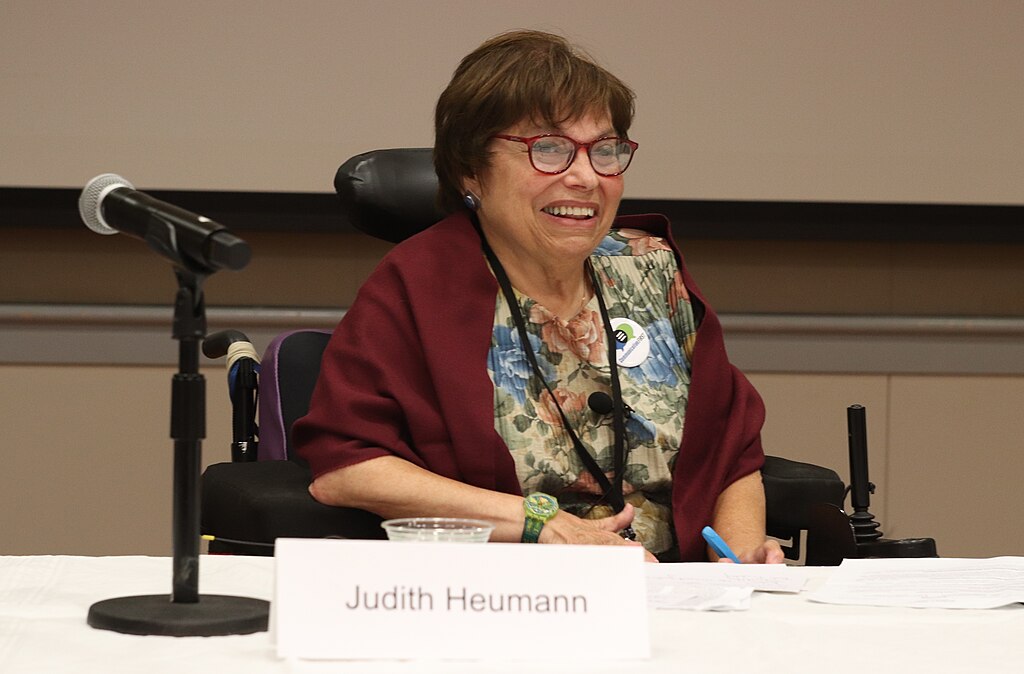
Judith Heumann is often called the mother of the disability rights movement. After being denied entry to school as a child due to her wheelchair, she spent her life fighting back against exclusion. Her leadership in the 1977 Section 504 sit-in forced the government to enact regulations prohibiting discrimination against people with disabilities. She later helped draft the Americans with Disabilities Act and served as an adviser to multiple U.S. administrations, ensuring disability rights were viewed as civil rights, not charity.
Ed Roberts
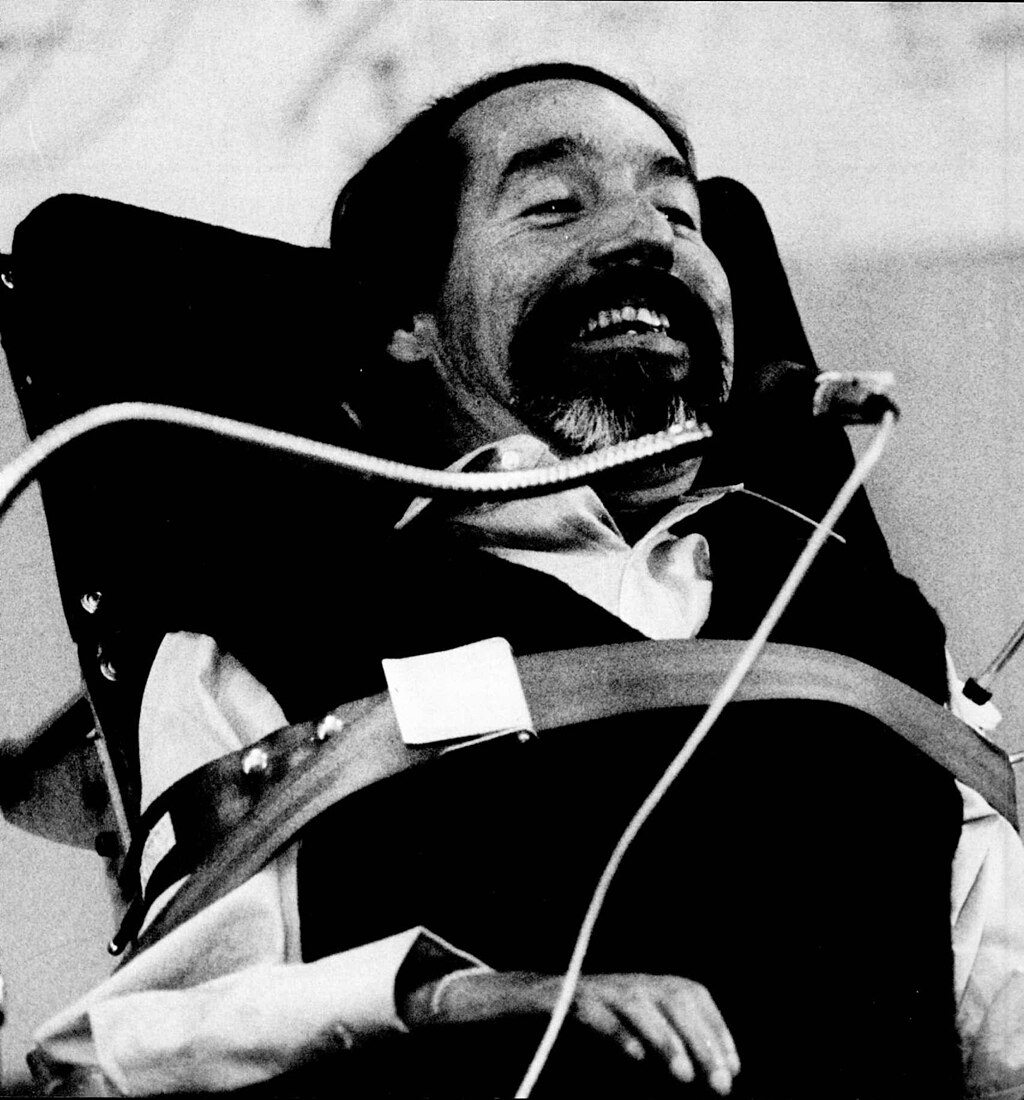
Ed Roberts was the first student with severe disabilities to attend the University of California, Berkeley, where he became a symbol of independence and possibility. Paralyzed by polio, he used an iron lung at night yet refused to be confined by his condition. Roberts co-founded the first Center for Independent Living, which provided resources and advocacy for people with disabilities to live on their own terms. His work transformed disability from a medical issue into one of empowerment and social participation.
Justin Dart Jr.
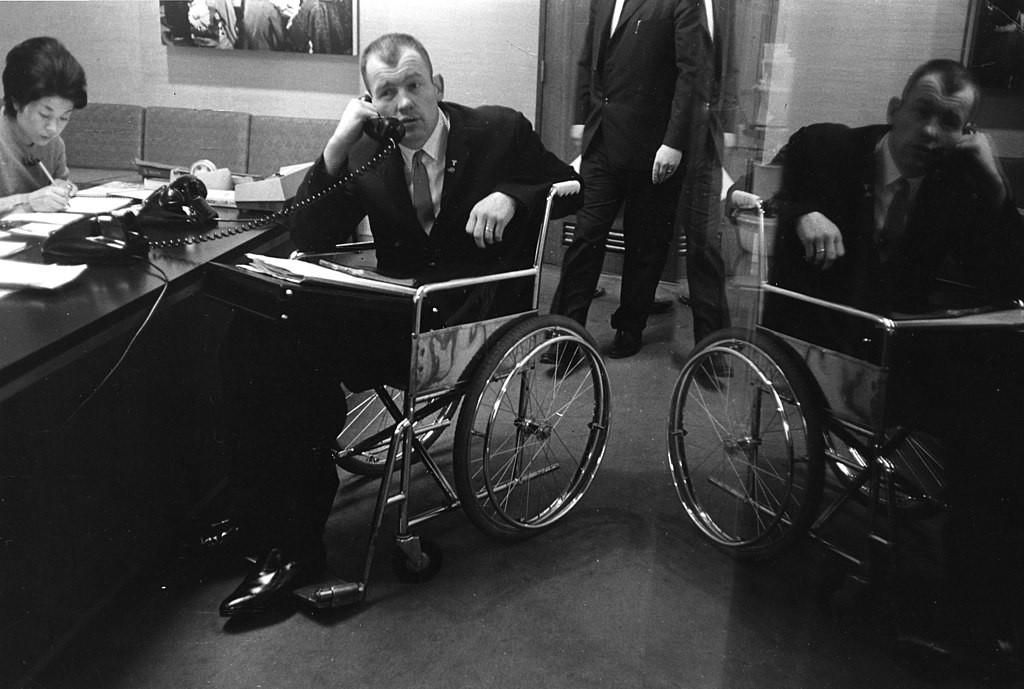
Known for his cowboy hat and fiery speeches, Justin Dart Jr. helped drive the passage of the Americans with Disabilities Act in 1990. After contracting polio in his youth, he faced discrimination firsthand and vowed to change the system. Dart traveled to all 50 states to gather stories of disabled Americans, presenting them to Congress as proof of widespread injustice. His relentless advocacy turned personal pain into a movement that reshaped the nation’s understanding of equality and access.
Helen Keller
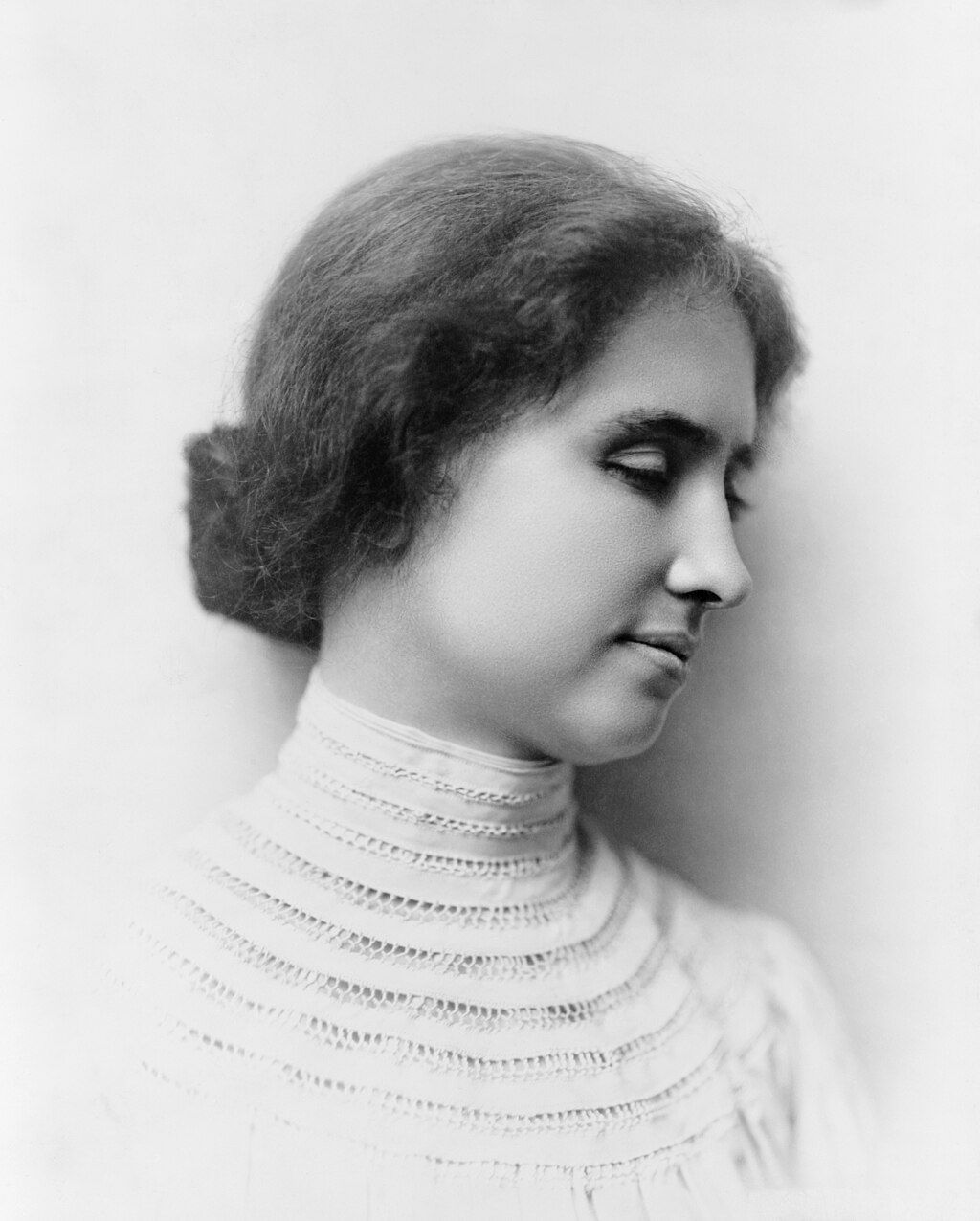
Helen Keller’s name is often associated with inspiration, but her political activism is equally remarkable. Deaf and blind from infancy, she used her platform to fight for the rights of people with disabilities, women, and workers. Keller believed that social reform had to include everyone, regardless of ability. She worked with the American Foundation for the Blind to improve education and opportunities for those with visual impairments, and she used her global fame to challenge the pity-driven narratives that once defined disability.
Brad Lomax
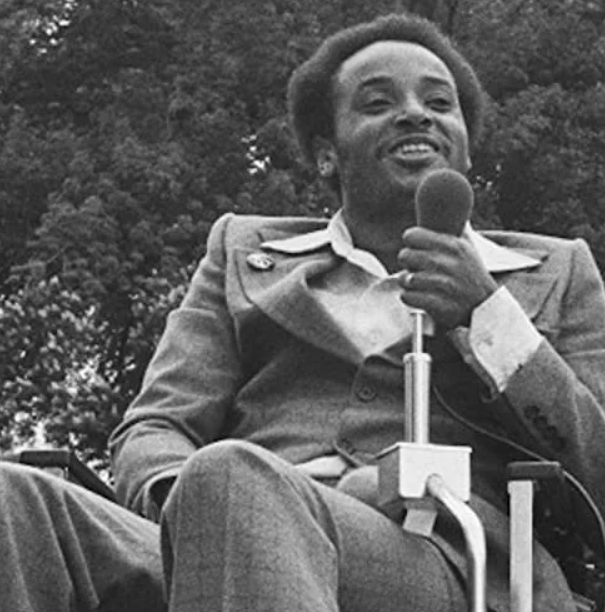
Brad Lomax was both a disability rights and civil rights activist who understood the deep connection between the two struggles. As a member of the Black Panther Party and a wheelchair user with multiple sclerosis, he bridged movements that often ran parallel. Lomax helped organize support during the 504 sit-ins, providing food and aid from the Panthers to demonstrators. His efforts emphasized that disability rights are inseparable from broader social justice and racial equality, creating a more unified front for change.
Johnnie Lacy

Johnnie Lacy’s story is one of unyielding strength in the face of exclusion. Paralyzed by polio at age nineteen, she was denied entry into her college’s speech pathology program because of her disability. Instead of giving up, she became an outspoken advocate for independent living and racial equality. Lacy later directed the Community Resources for Independent Living center in California, mentoring countless others. She championed the idea that accessibility was not charity but a fundamental right that allowed people to live with dignity and autonomy.
Bob Kafka
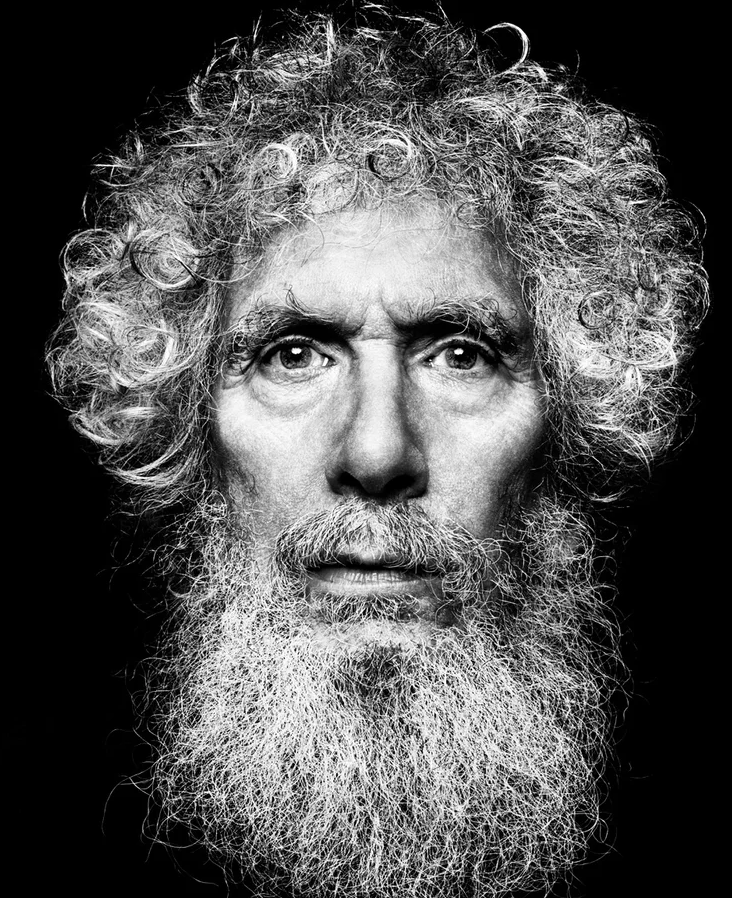
Bob Kafka devoted his life to ensuring equal access to transportation for people with disabilities. As a leader in the group ADAPT, he organized bold demonstrations that stopped traffic and buses to demand wheelchair accessibility. His activism helped shape public transportation policies nationwide, forcing transit systems to comply with accessibility standards. Kafka’s work reminds us that visibility and disruption are sometimes the only ways to achieve justice, particularly when polite requests for inclusion go ignored.
Patricia Wright
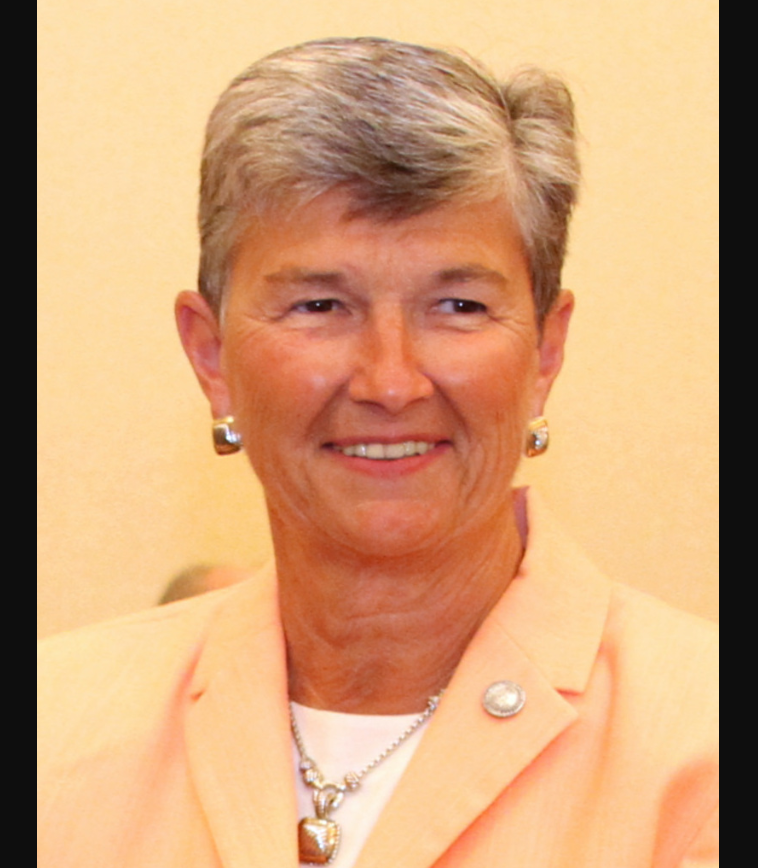
Known as the “Godmother of the ADA,” Patricia Wright worked tirelessly behind the scenes to turn disability legislation into reality. As a lobbyist and strategist, she built coalitions across political lines and ensured that the Americans with Disabilities Act passed despite heavy opposition. Wright’s pragmatic approach balanced activism with diplomacy, helping lawmakers see disability rights as common sense rather than controversy. Her legacy endures every time someone uses a ramp, accesses captions, or exercises their right to equal opportunity.
Judy Woodruff

While primarily known as a respected journalist, Judy Woodruff has long used her voice to highlight disability inclusion. Inspired by her son, who was born with spina bifida, she brought attention to how public policy and cultural attitudes affect families living with disability. Through her reporting, Woodruff gave space to the stories of people often ignored by mainstream media. She redefined journalism as a platform for compassion and awareness, showing that advocacy can exist even in professional neutrality.
Hale Zukas
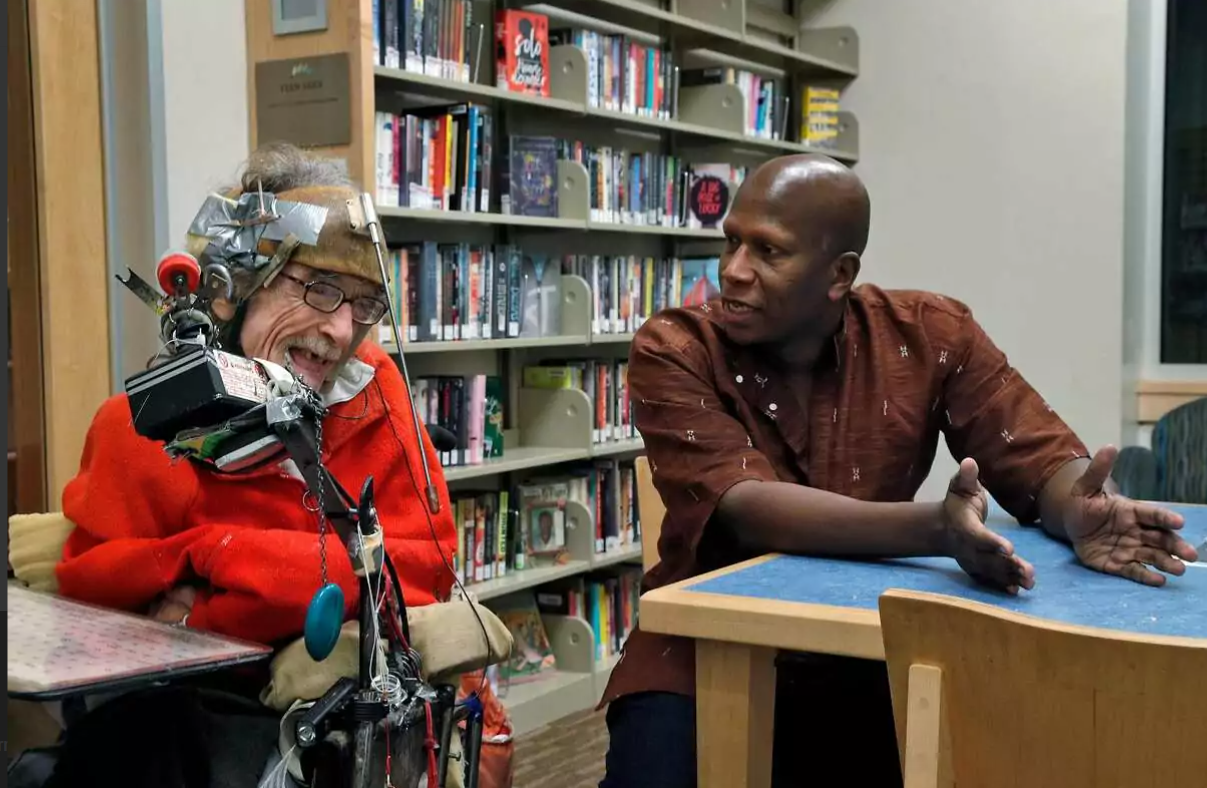
Hale Zukas was one of the unsung architects of modern accessibility. Living with cerebral palsy, he worked as a founding member of the Berkeley Center for Independent Living, advocating for curb cuts, accessible transportation, and inclusive city planning. His engineering background helped create practical, lasting solutions that are still used in urban design today. Zukas proved that systemic change can start at the community level when technical expertise meets human empathy and persistence.
The legacy of these ten trailblazers is woven into every ramp, sign, and accessible building we see today. They taught the world that disability rights are not a separate issue but a vital part of human equality. Their courage reshaped both law and culture, creating a society where access and dignity are no longer negotiable ideals but daily expectations.