
Over the years, many American families have been drawn into financial opportunities that sounded promising but ended in disappointment. These situations often emerged from a mix of optimism, lack of regulation, and persuasive sales tactics. For some, the consequences meant lost savings or damaged credit. Below are some of the most notable financial pitfalls that seemed brilliant at first glance, but ultimately backfired.
Timeshare Purchases

Timeshares were marketed as affordable vacation ownership, but many families discovered the long-term costs far outweighed the benefits. Maintenance fees increased annually, and resale values declined sharply. Some owners struggled to book preferred dates, reducing the appeal of the investment. What seemed like a luxurious bargain often turned into a financial burden.
Adjustable-Rate Mortgages

Before the housing crash, adjustable-rate mortgages promised low introductory payments. Many families were unprepared for steep rate increases that followed. Rising payments led to financial strain and, in some cases, foreclosure. What began as an appealing path to homeownership became a cautionary tale.
Multi-Level Marketing Ventures

MLMs offered the dream of working from home with unlimited income potential. Families invested in starter kits and training, only to find the market saturated and profits minimal. High pressure to recruit others further strained relationships. The promised financial freedom rarely materialized.
Day-Trading Fads
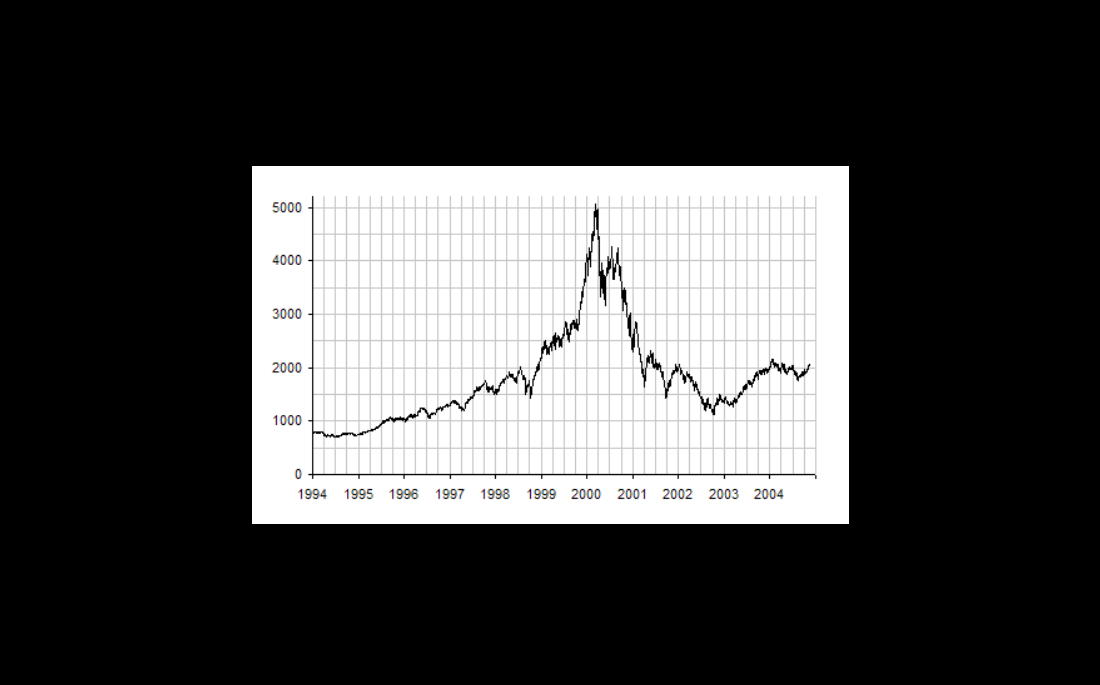
Some families turned to day trading during market booms, believing quick profits were achievable with little experience. Many underestimated the volatility and complexity of active investing. Losses accumulated rapidly for those without a long-term strategy. The promise of easy returns proved misleading.
Rent-to-Own Contracts

Rent-to-own agreements seemed like a path to ownership without large upfront costs. However, higher long-term prices and unclear terms often left families paying more than the item’s value. Missed payments could void the entire contract. The convenience disguised significant financial risk.
Prize-Based Scams

Scams involving “winning” money or vacations have fooled many families hoping for good fortune. These schemes required upfront fees or personal information that led to losses or identity theft. The emotional pull of unexpected luck made them convincing. The aftermath left families more cautious and financially hurt.
Unregulated Crypto Projects

During cryptocurrency booms, families invested in unverified tokens promising rapid growth. Many projects collapsed due to fraud or poor foundations. The losses were substantial for those investing savings or retirement funds. The hype overshadowed the need for research.
Flipping Houses Without Experience

Television shows glamorized house flipping, leading many families to try it with little knowledge of construction or local markets. Renovation costs often exceeded expectations, and resale values fluctuated. Delays and unexpected issues cut deeply into profits. What looked easy on screen proved challenging in reality.
High-Interest Store Cards

Store credit cards tempted shoppers with discounts on large purchases. Over time, high interest rates and late fees created difficult-to-manage balances. Families found themselves paying far more than intended. The short-term savings quickly disappeared.
Pyramid Schemes

Often disguised as business opportunities, pyramid schemes promised exponential earnings through recruitment. Families involved early benefited temporarily, but the structure inevitably collapsed. Those at the bottom suffered the greatest losses. These schemes continue to be a recurring financial trap.