
TikTok did not just change how Americans scroll. It quietly reshaped how they shop, eat, and form opinions. Unlike traditional advertising, TikTok trends feel personal, emotional, and peer driven. In 2025, many everyday decisions are influenced by short videos that never announce their impact. From grocery carts to belief systems, subtle shifts happen through repetition and relatability. Americans often adopt habits without realizing the source. These TikTok trends did not dominate headlines, but they altered behavior in lasting ways that continue to shape consumer culture and social norms.
De influencing culture
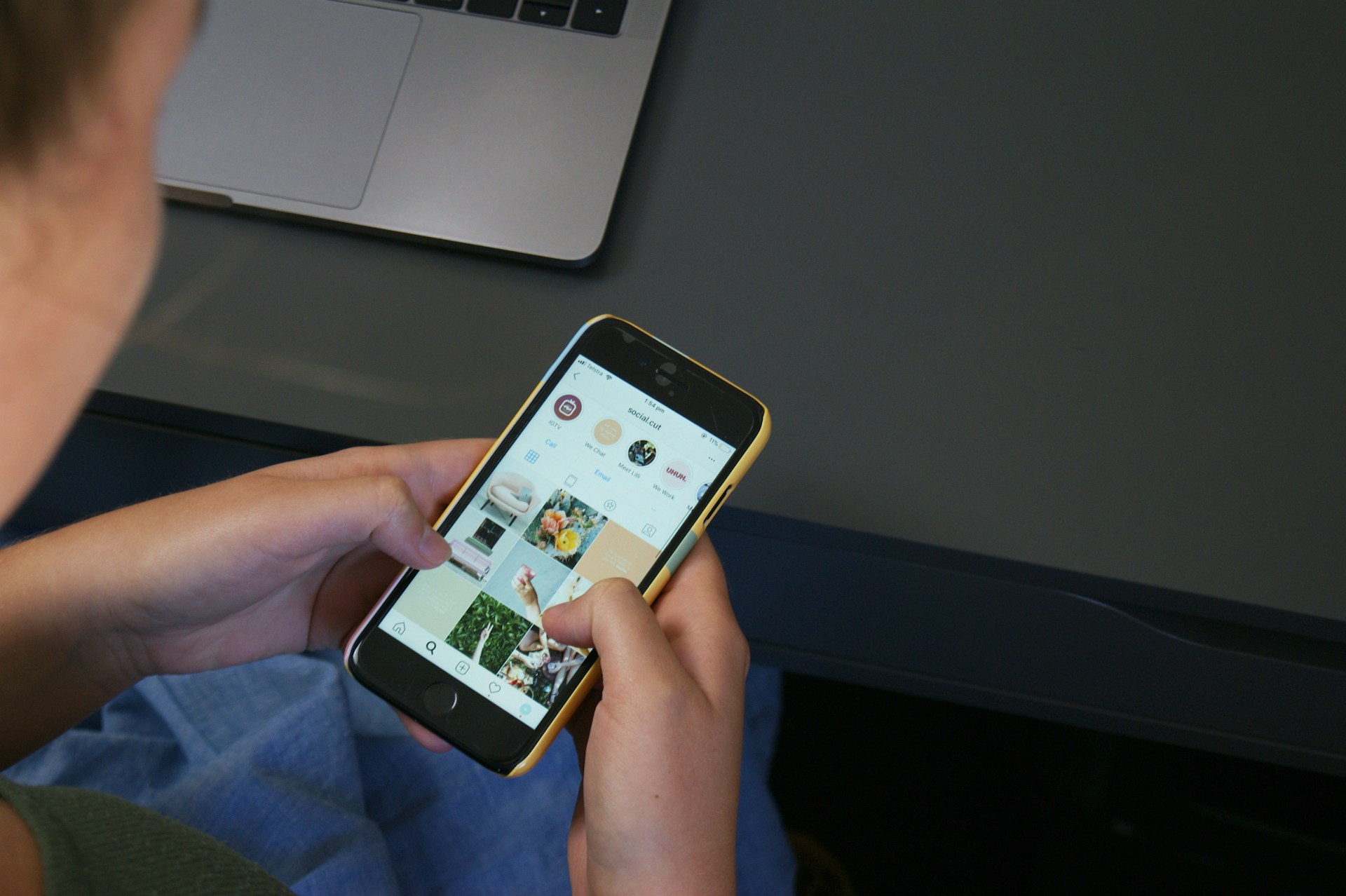
The de influencing trend encouraged creators to talk people out of buying popular products. Instead of hype, videos highlighted waste, overconsumption, and regret. This shift changed how Americans approach shopping. Viewers became more skeptical of viral products and marketing claims. Spending slowed in some categories as people reconsidered necessity. The trend also reshaped trust, making honesty feel more valuable than aspiration. De influencing quietly changed consumer psychology by reframing restraint as intelligence rather than missing out.
Protein focused eating habits
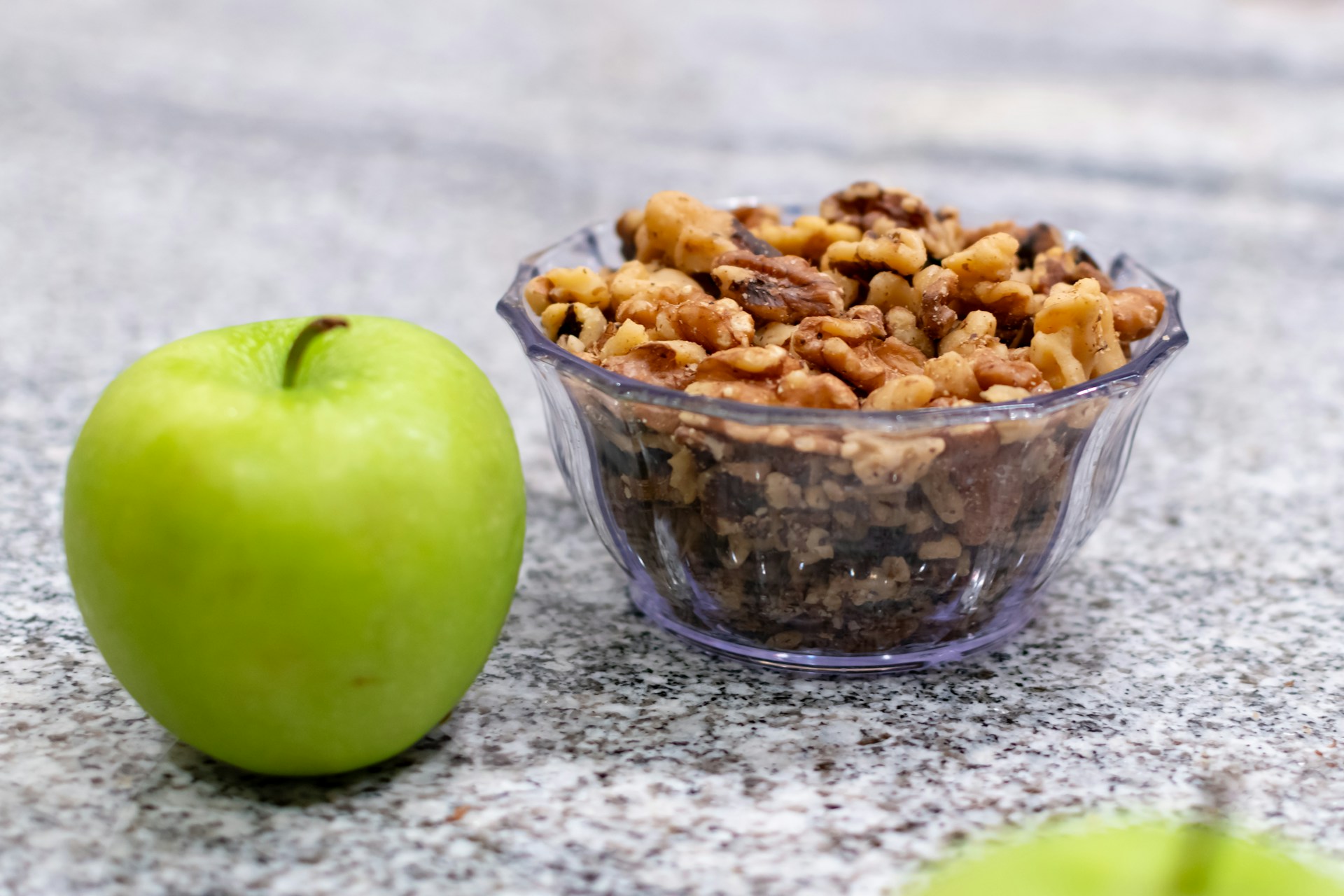
TikTok’s obsession with protein reshaped how Americans eat daily meals. Videos emphasizing protein intake influenced grocery choices and meal planning. Cottage cheese, Greek yogurt, and high protein snacks gained popularity. This trend shifted beliefs about nutrition, framing protein as essential for energy and control. While not always medically precise, the repetition changed perception. Americans began equating fullness and health with protein consumption, altering diets in subtle but widespread ways.
Quiet luxury aesthetic
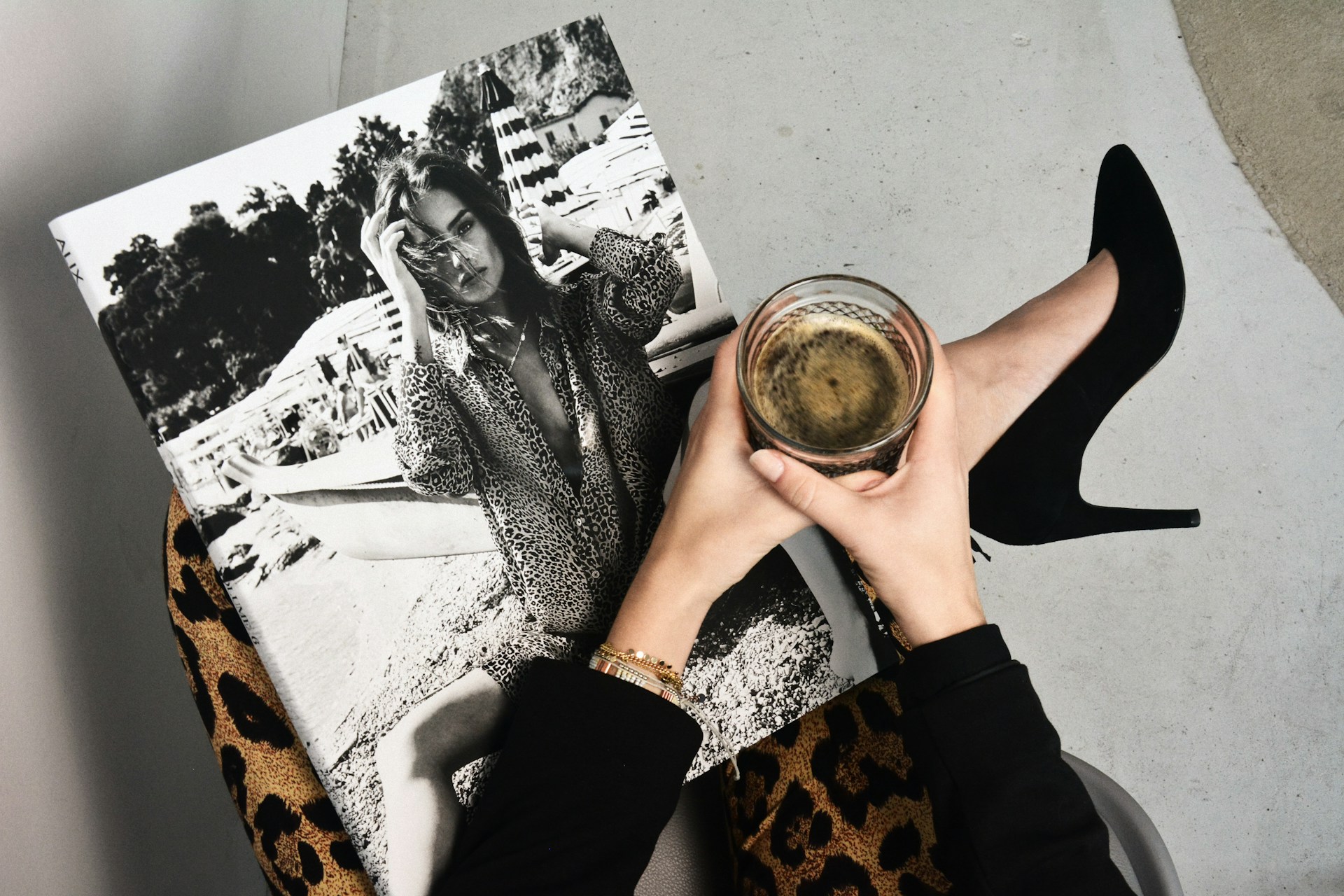
The quiet luxury trend moved Americans away from flashy logos toward understated design. TikTok videos celebrated neutral clothing, minimal branding, and timeless pieces. This aesthetic influenced buying behavior across fashion, home decor, and even vehicles. Luxury became associated with discretion rather than display. Beliefs about status shifted as subtlety replaced excess. The trend quietly redefined what wealth looks like, especially among younger consumers seeking sophistication without spectacle.
Clean girl wellness mindset
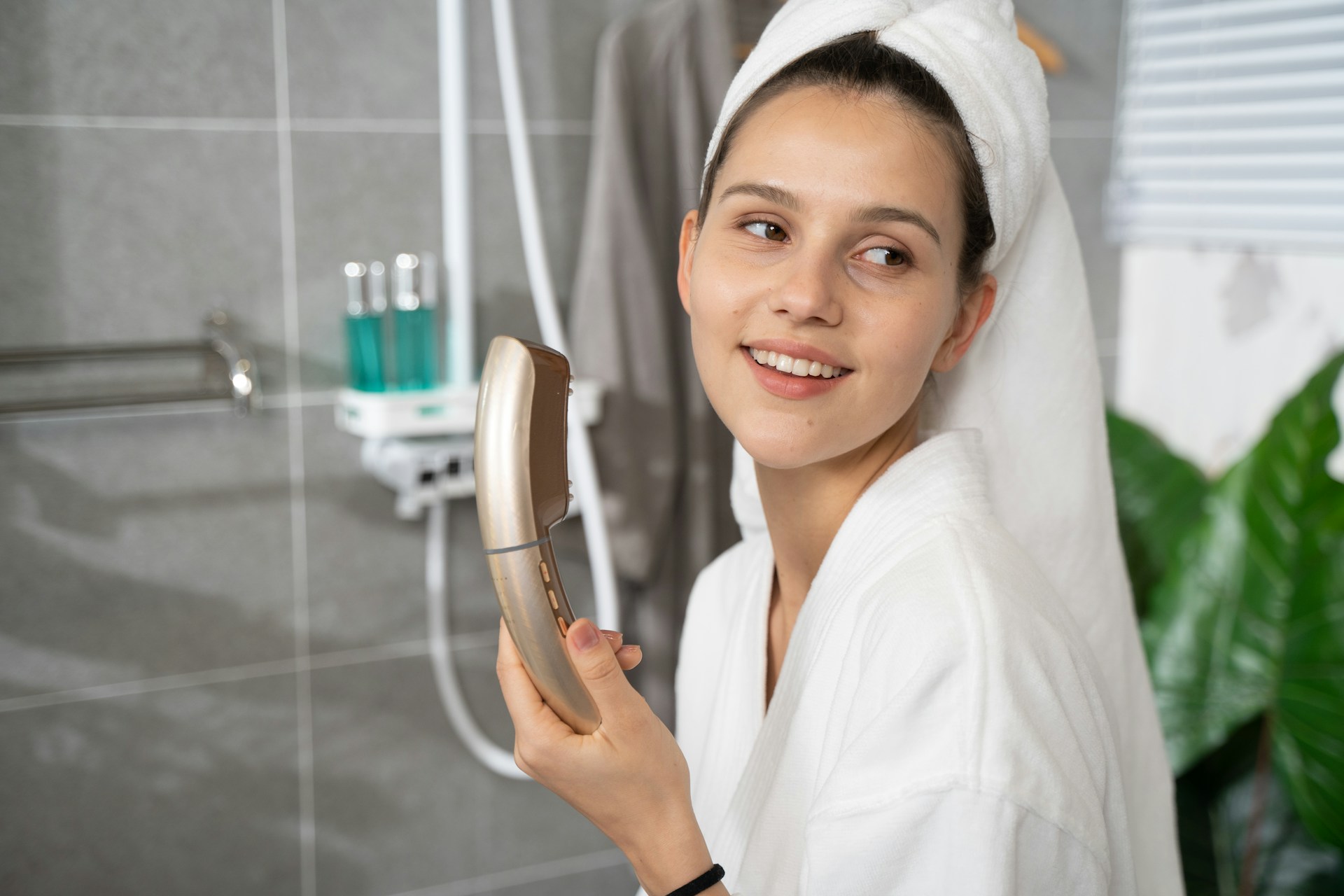
The clean girl trend promoted simplicity, routine, and minimalism in beauty and lifestyle. Americans adopted pared down skincare, neutral looks, and structured habits. Beyond appearance, it reinforced beliefs about discipline and self control. Buying patterns shifted toward fewer products and muted aesthetics. Critics noted pressure beneath the calm image, yet the trend reshaped ideals around wellness. It quietly influenced how Americans define health, order, and self presentation.
Therapy language going mainstream

TikTok normalized psychological terms like boundaries, triggers, and emotional labor. Americans began using therapy language in everyday conversation. This changed beliefs about mental health and relationships. Buying behavior followed, with growth in journals, therapy apps, and self help tools. While sometimes oversimplified, the trend reduced stigma. It reshaped how people interpret conflict and responsibility, making emotional awareness part of daily decision making.
Food fear and ingredient scrutiny

Videos warning about ingredients and additives reshaped how Americans read labels. Certain foods were framed as harmful or unsafe without context. This increased skepticism toward processed items. Buying behavior shifted toward perceived natural options. While not always scientifically accurate, repetition influenced belief. Grocery decisions became emotionally charged. Americans began equating safety with simplicity, altering trust in food systems and brands through algorithm driven caution.
Soft life mentality
The soft life trend promoted rest, ease, and emotional gentleness. Americans re evaluated hustle culture and productivity ideals. Purchases shifted toward comfort items, experiences, and convenience. Beliefs about success softened, valuing peace over pressure. While critics questioned privilege, the trend resonated widely. It quietly changed how Americans justify rest and spending choices tied to emotional wellbeing.
Home organization aesthetics
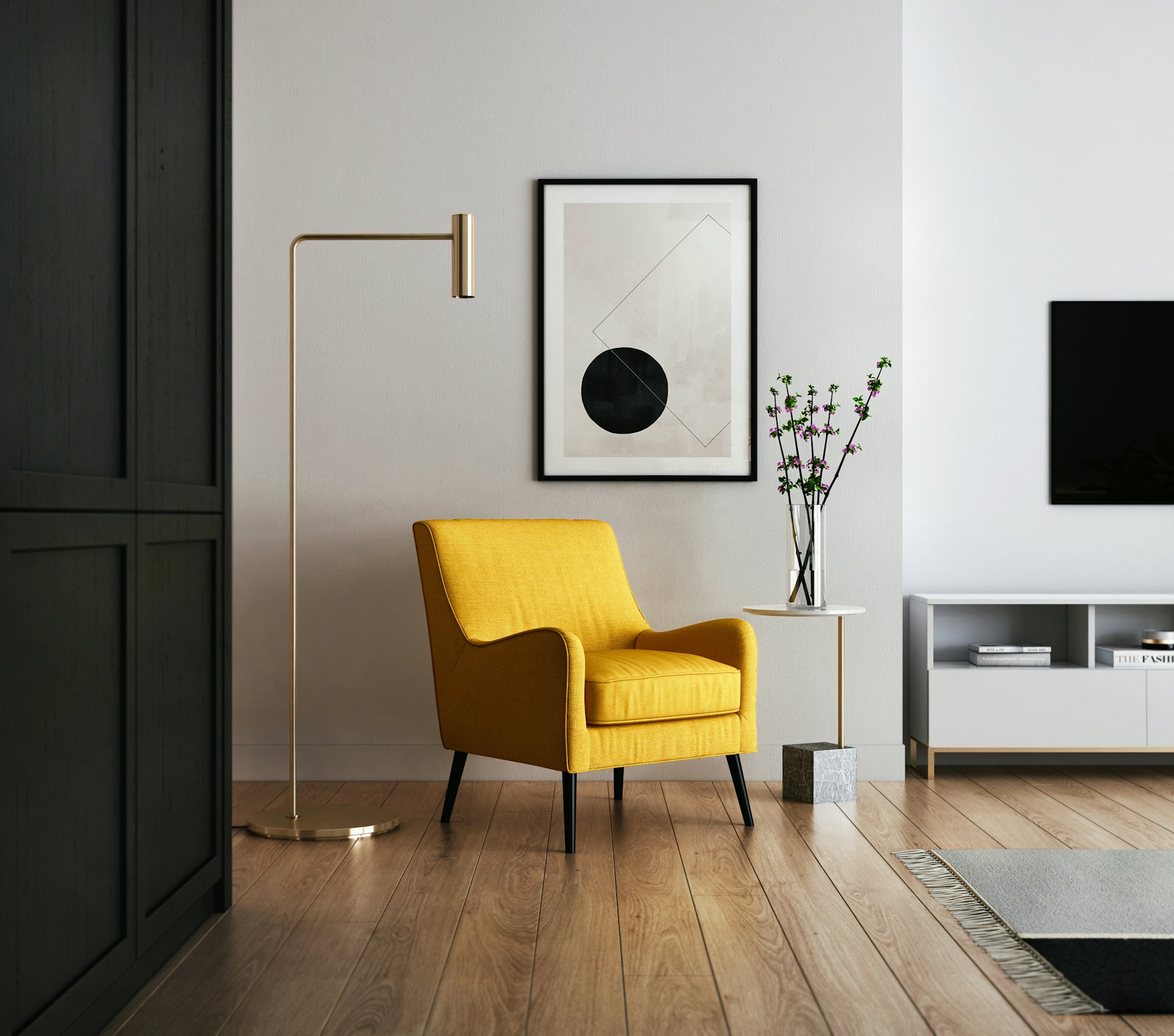
Organized pantries and labeled containers dominated TikTok feeds. Americans bought storage solutions and reorganized spaces. Beyond products, the trend shaped beliefs about control and calm. Order became associated with mental clarity. While visually appealing, it reinforced the idea that environment equals stability. Buying decisions were driven by the promise of peace through structure.
Viral small businesses
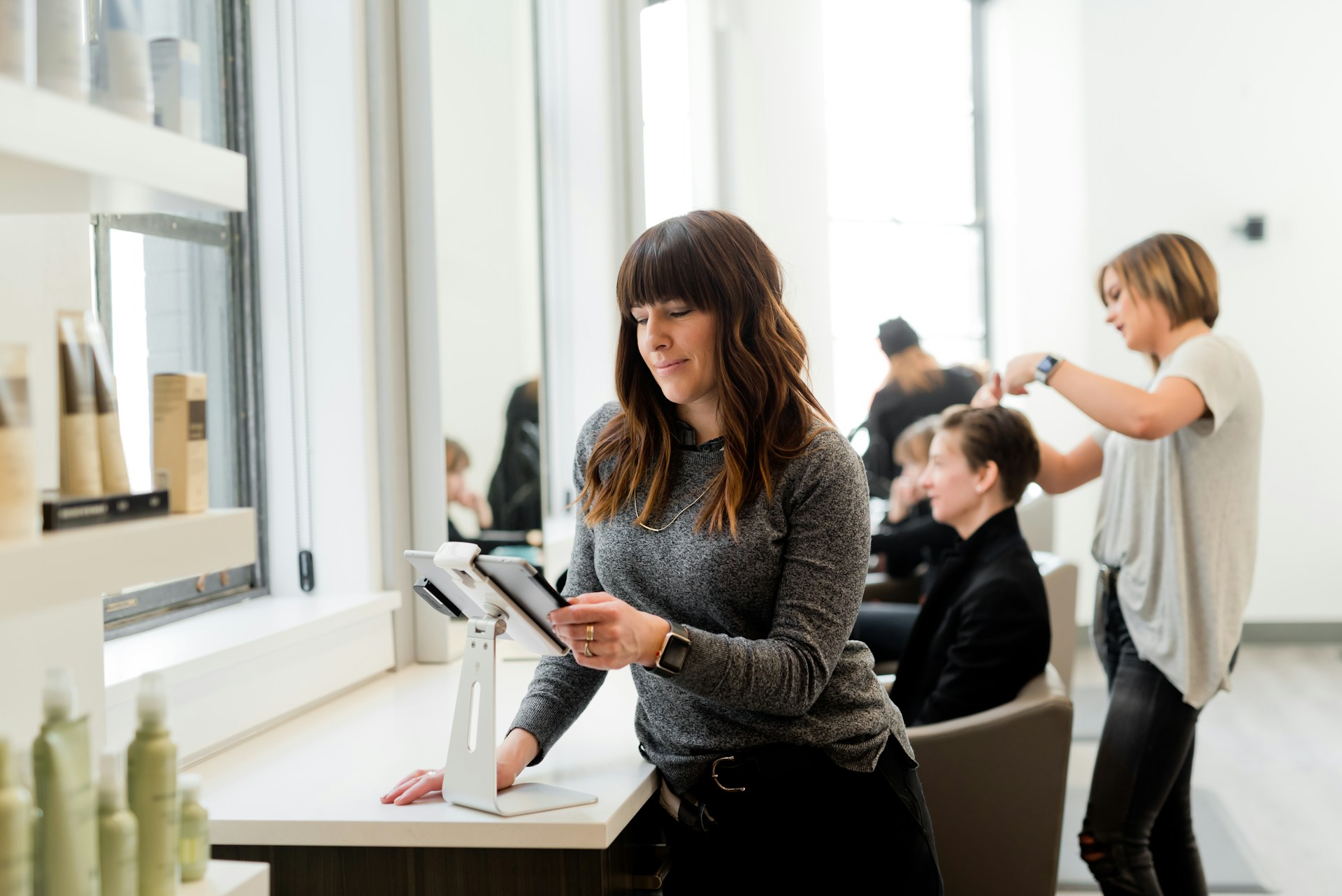
TikTok exposure turned obscure products into overnight successes. Americans began trusting creators over brands. Purchasing felt personal rather than transactional. Beliefs about entrepreneurship shifted, romanticizing small scale businesses. This trend reshaped shopping behavior toward direct support. It also changed expectations around authenticity and connection in commerce.
Algorithm driven belief reinforcement
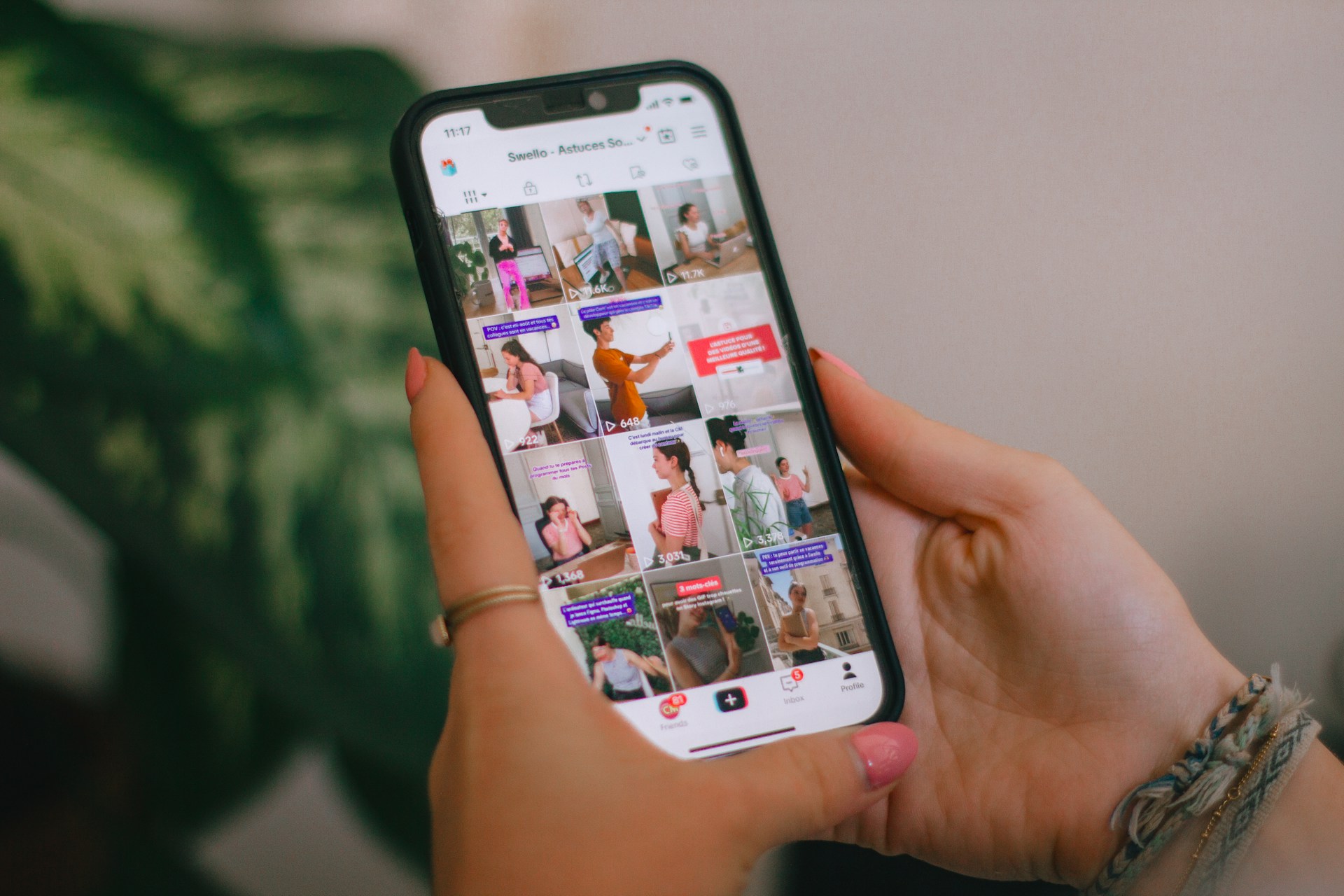
TikTok’s algorithm reinforces repeated viewpoints, subtly shaping belief systems. Americans encounter the same ideas framed as common sense. Over time, opinions feel organic rather than influenced. This affects politics, health views, and identity. Buying and believing merge as exposure shapes preference. The impact is quiet but powerful, redefining how conviction forms. TikTok trends rarely announce their influence. They work through repetition, emotion, and relatability. What Americans buy, eat, and believe is increasingly shaped by short form storytelling. These trends feel personal, yet they are shared by millions. Understanding their impact explains why everyday decisions feel intuitive while being algorithmically guided. The change is quiet, but its reach is lasting.