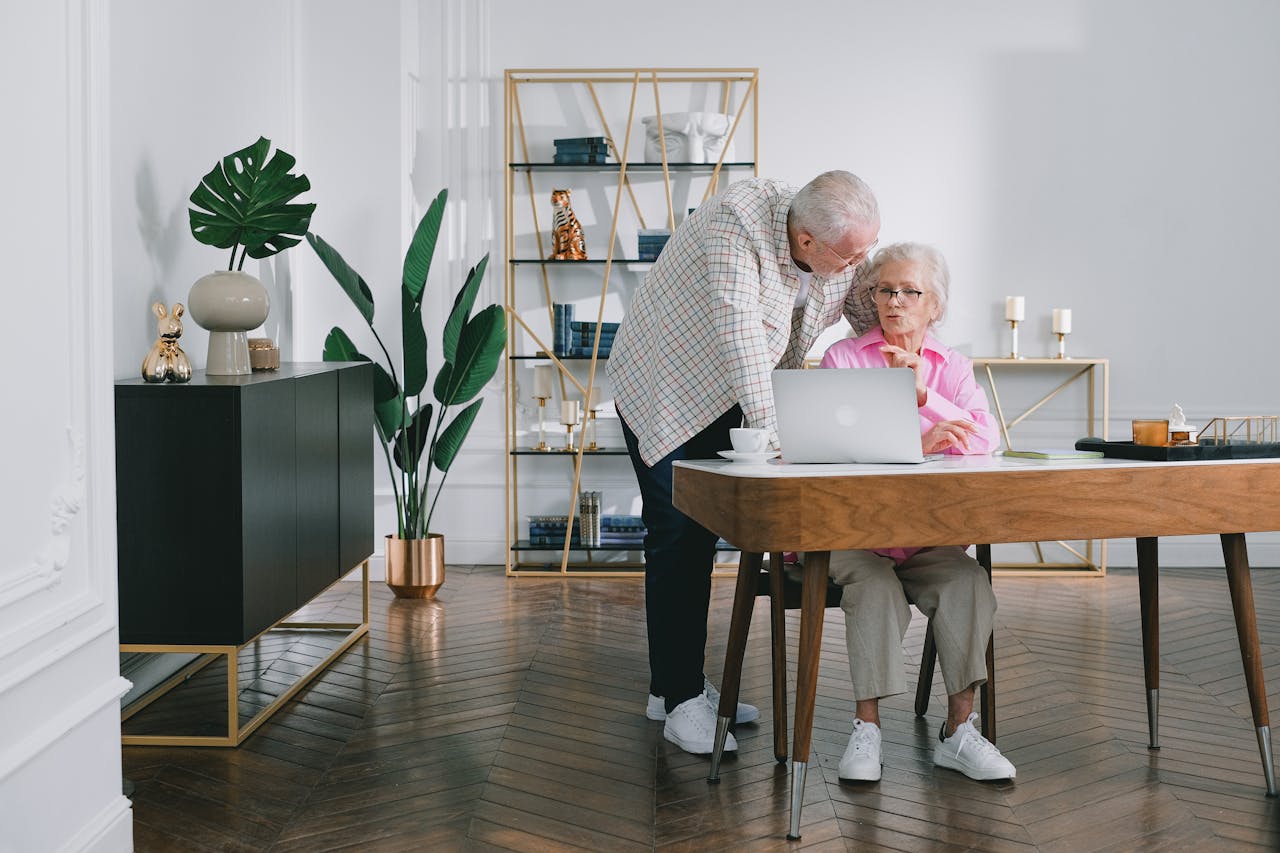
When you step into the home of a couple who has been happily married for decades, something feels different right away. It is not about perfect furniture or expensive upgrades. It is about a quiet sense of ease that has built up over time. These homes tend to reflect shared history, small adjustments, and a kind of comfort that does not need to prove anything. Nothing feels overly staged, yet everything seems to belong exactly where it is.
The longer people live together, the more their space becomes a record of how they have learned to live with each other. What you notice is not one big secret, but a collection of small, steady choices that have shaped both the relationship and the environment around it.
Things that carry stories, not just decoration
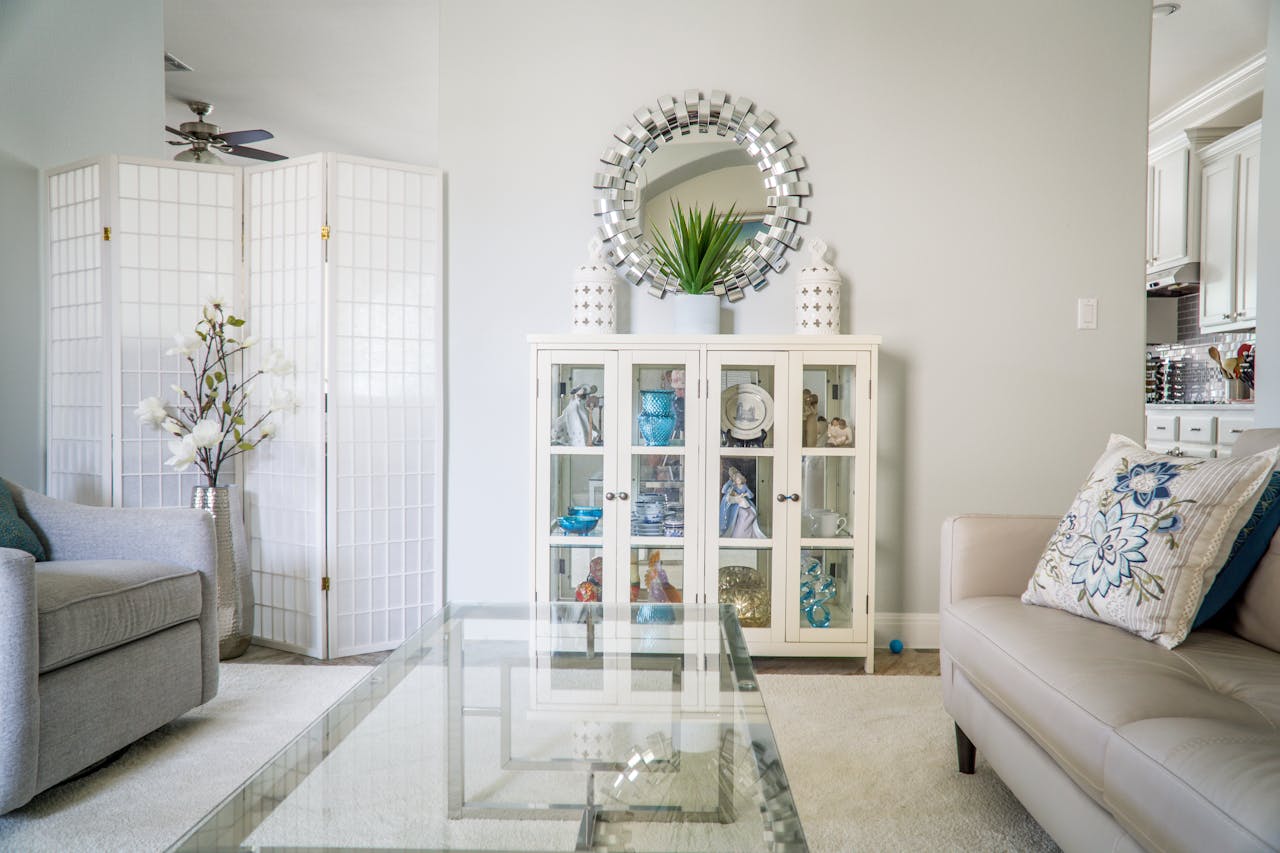
Homes like these are rarely filled with items chosen only for how they look. Instead, you see objects that carry meaning, such as travel souvenirs, old photographs, gifts from family, or pieces collected over many years. These items may not match perfectly, but they fit because they represent shared experiences. This creates a space that feels layered rather than styled all at once. It is useful to understand that this kind of home does not come from trying to build a theme.
It grows naturally as life unfolds. The result is a space that feels personal without needing to explain itself, and that quiet sense of history tends to make a home feel settled.
A layout that has quietly adapted over time
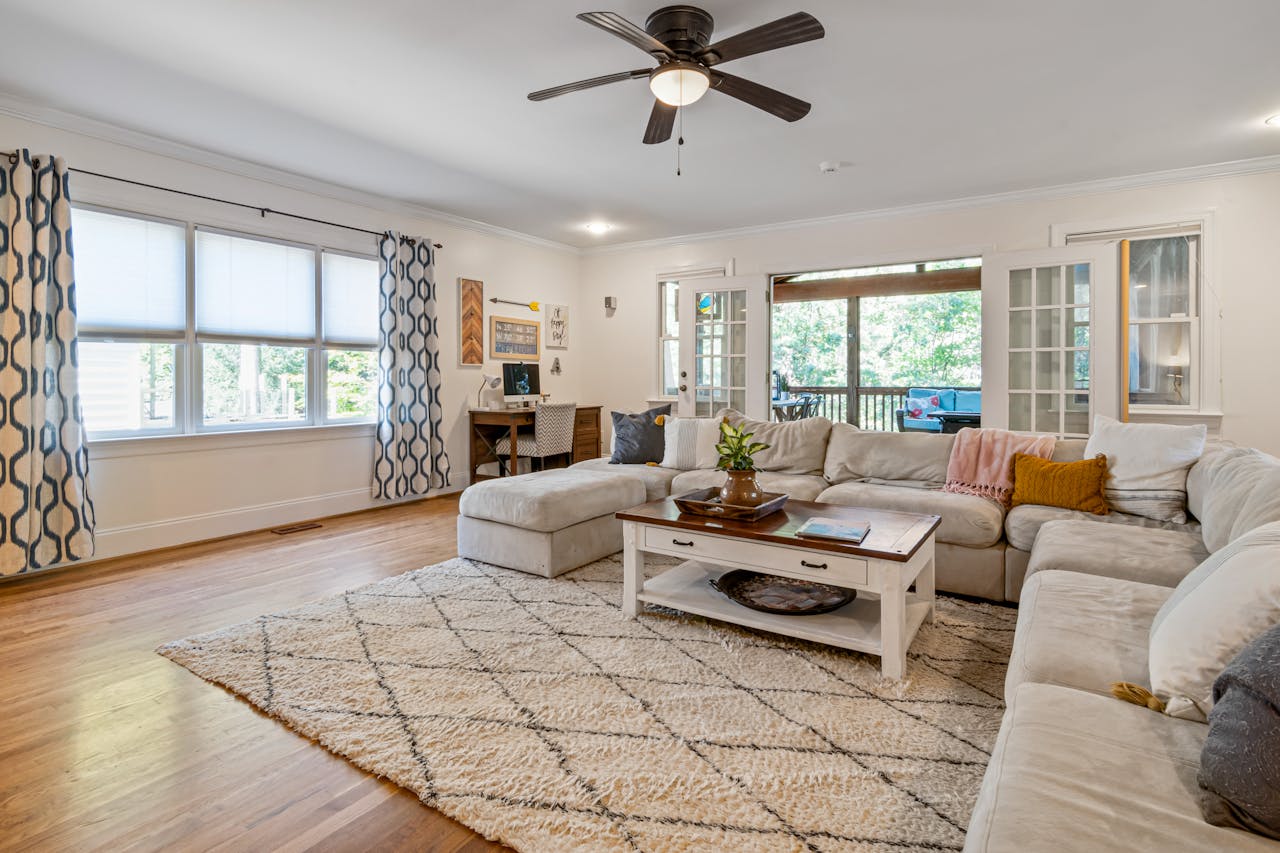
In long lasting homes, the layout often reflects years of small adjustments rather than one fixed design plan. Furniture gets moved to make daily routines easier, not just to follow a trend. A chair might sit near a window because someone likes the light there, or a table might shift to create space for regular gatherings. These changes are rarely dramatic, but they add up over time. What matters is that the home supports how the couple actually lives.
This kind of flexibility helps prevent the space from feeling rigid or impractical. It becomes easier to maintain a comfortable environment when the layout works with everyday habits instead of against them.
Signs of shared routines that still matter
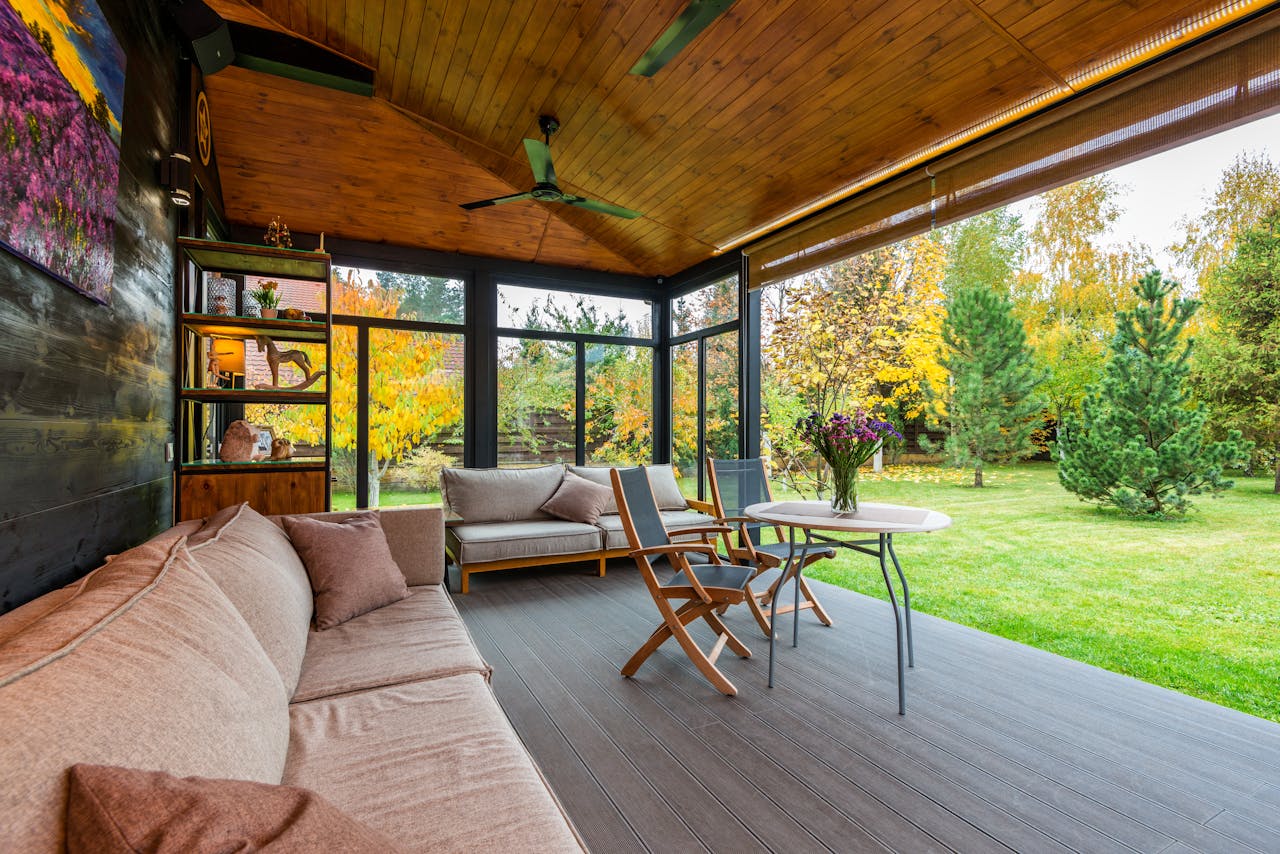
You often notice small details that hint at daily routines, like a favorite spot for morning coffee, a chair where one person reads in the evening, or a table that regularly holds meals rather than just decoration. These patterns may seem simple, but they reflect consistency and shared time.
Over many years, routines create a sense of stability that supports the relationship itself. It is important not to assume routines are boring or limiting. In many cases, they provide structure that makes life feel easier to manage. A home that reflects these habits tends to feel more grounded because it is built around real use instead of occasional display.
Comfort that has been chosen, not replaced
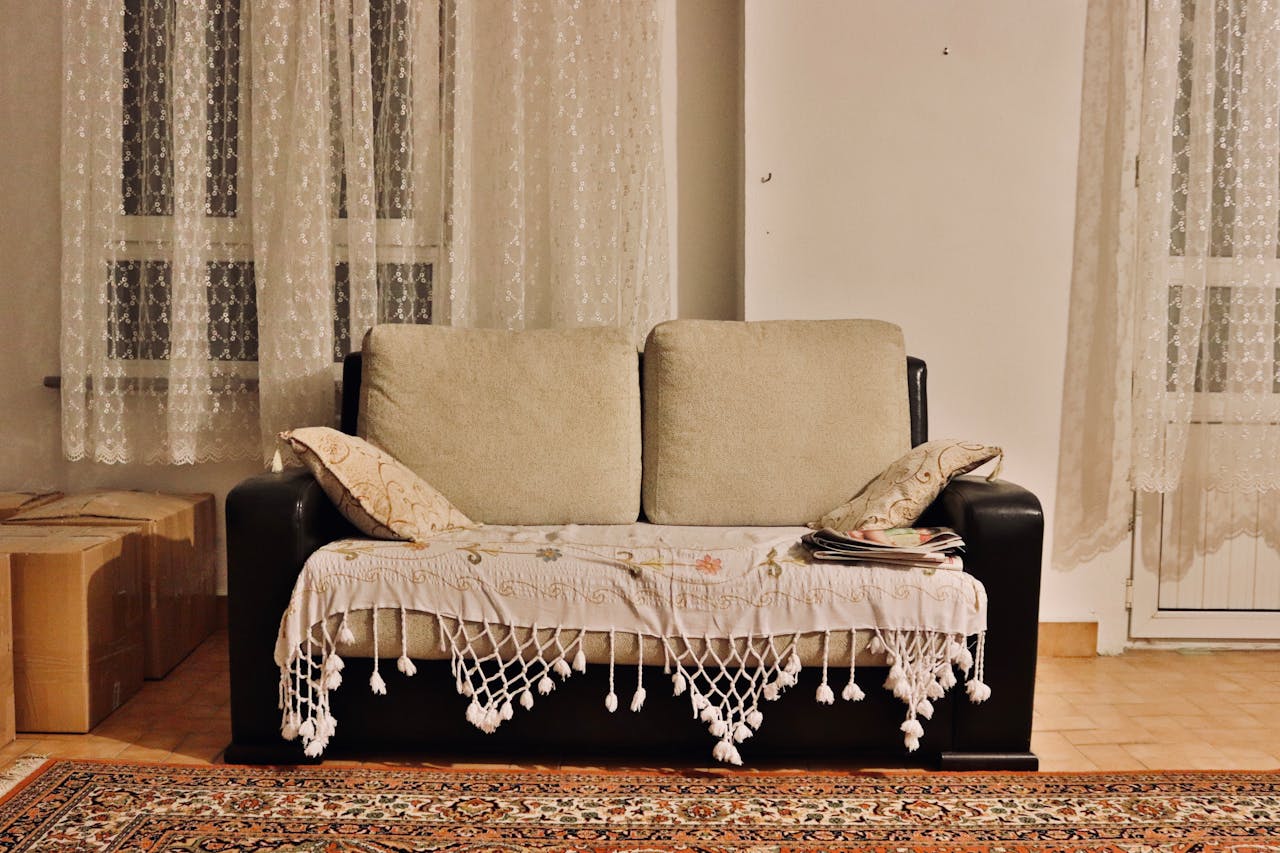
In these homes, comfort often takes priority over constant updates. Sofas may show a bit of wear, and chairs may not be the latest style, but they are kept because they are known and comfortable. Over time, people learn what works for them and stop chasing new versions of the same thing.
This does not mean the home is outdated. It means changes are made carefully and only when they truly improve daily life. The practical benefit is that the space feels more stable and less driven by trends. A home becomes easier to enjoy when it is not constantly being reworked to match something new.
Spaces that allow both togetherness and privacy
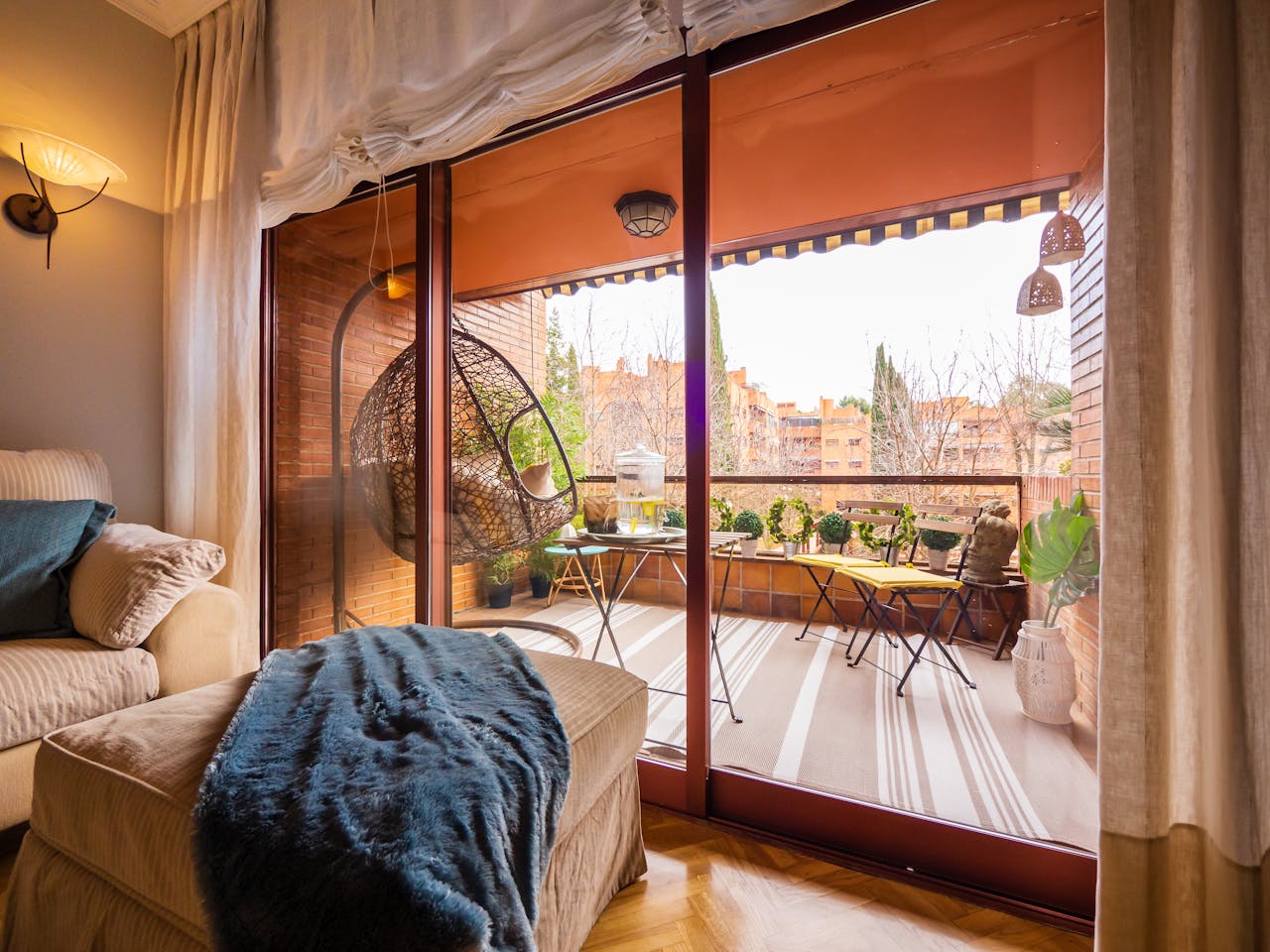
Couples who have been together for many years often find a balance between shared space and personal space. You may notice areas where each person can spend time independently without feeling disconnected from the other. This could be a reading corner, a workspace, or even just a preferred chair.
The presence of these spaces reflects an understanding that long term relationships need both closeness and room to breathe. It is a quiet detail, but it plays an important role in maintaining comfort over time. A home that supports both connection and independence tends to feel more relaxed.
Practical solutions that make daily life easier
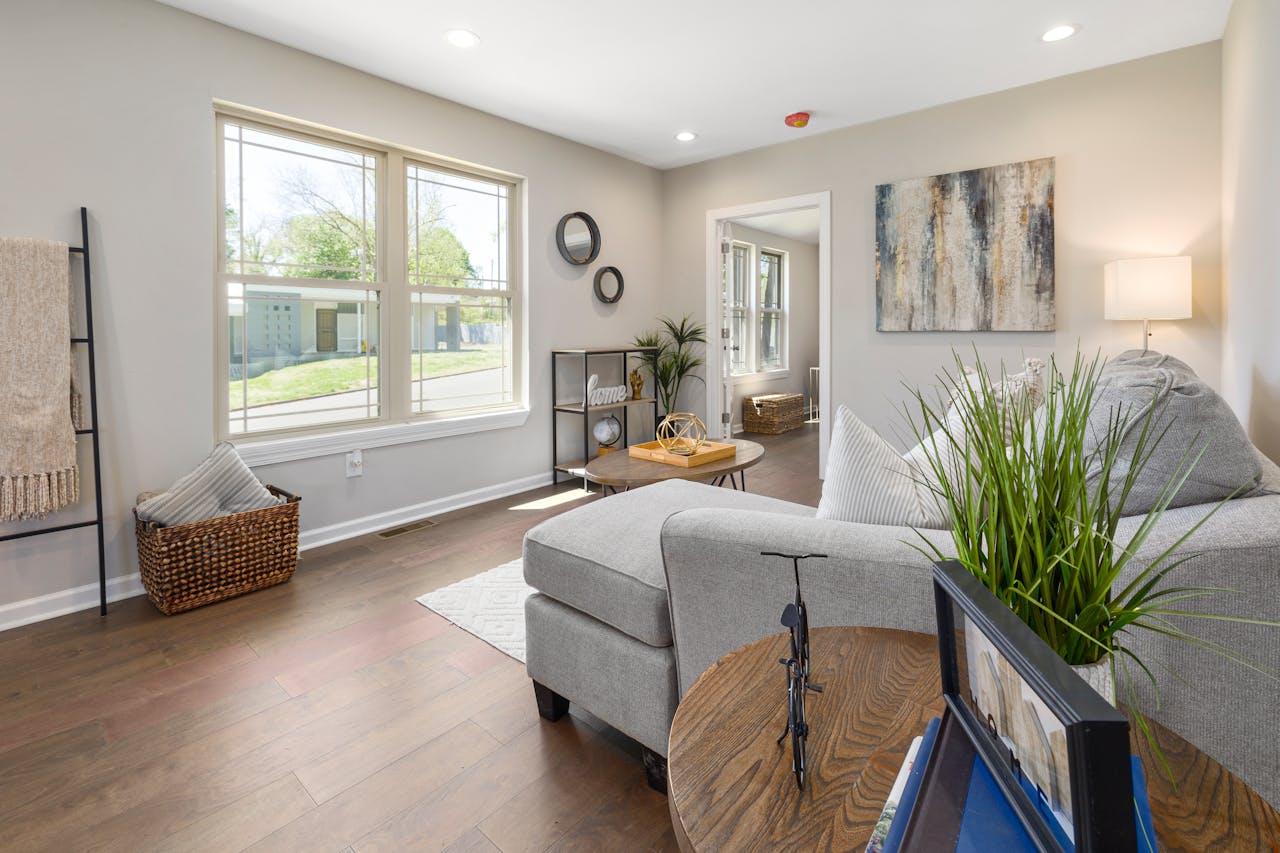
Over time, small practical adjustments begin to stand out. Storage is arranged in a way that makes sense, frequently used items are easy to reach, and clutter is managed without much effort. These solutions are not always visible at first, but they reduce friction in everyday routines.
Instead of constantly fixing small annoyances, the home works smoothly in the background. This kind of efficiency usually comes from years of noticing what causes inconvenience and quietly solving it. It is not about perfection. It is about making life a little easier day by day.
Evidence of compromise in small details
Pixabay/Pexels
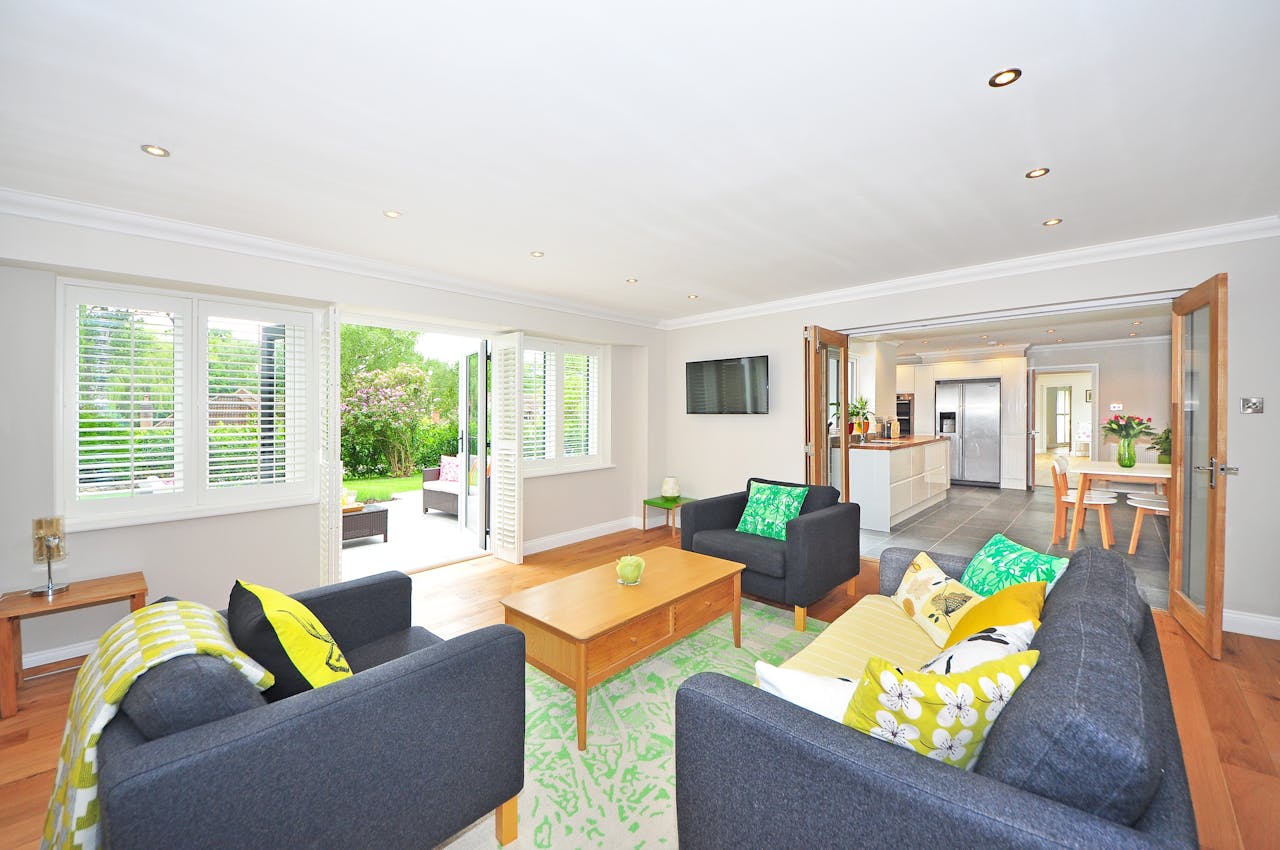
No long term home reflects only one person’s taste. You often see a mix of styles, preferences, and choices that suggest compromise rather than control. One person’s favorite chair might sit next to something the other prefers, and both remain because they matter.
These small signs show how the relationship has shaped the space. It is helpful to understand that compromise in a home is not a weakness. It is a sign that both people have learned to make room for each other. Over time, that balance becomes part of what makes the space feel stable and lived in.
A sense of calm that does not need to impress
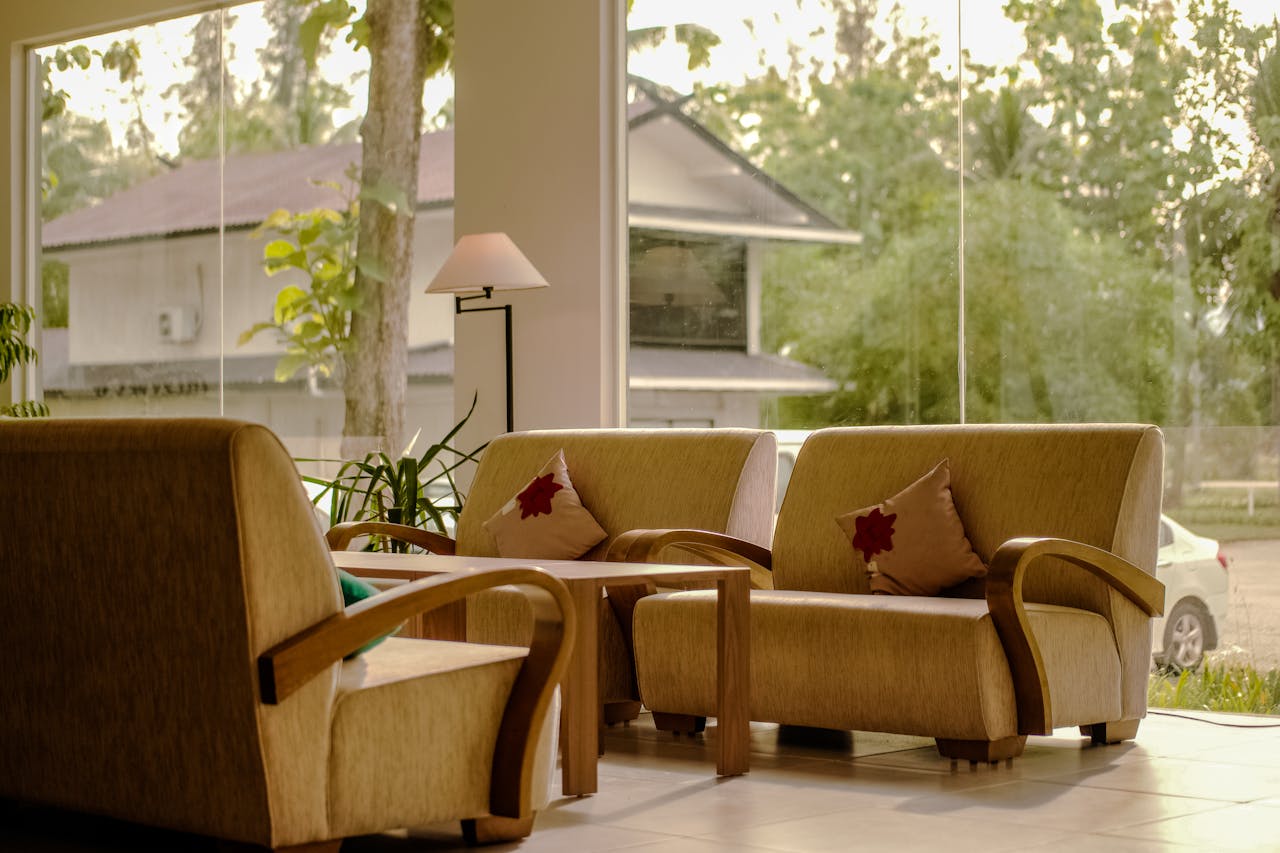
Perhaps the most noticeable quality is how calm these homes feel. There is no strong effort to impress visitors or follow current trends. The space simply reflects how the couple lives and what they value. This calmness often comes from knowing that the home does not need to prove anything.
It exists for the people who live there, not for outside approval. That shift in focus changes how everything feels. A home that is built around comfort and familiarity tends to feel more welcoming without trying to be.
A rhythm that has settled into place over time
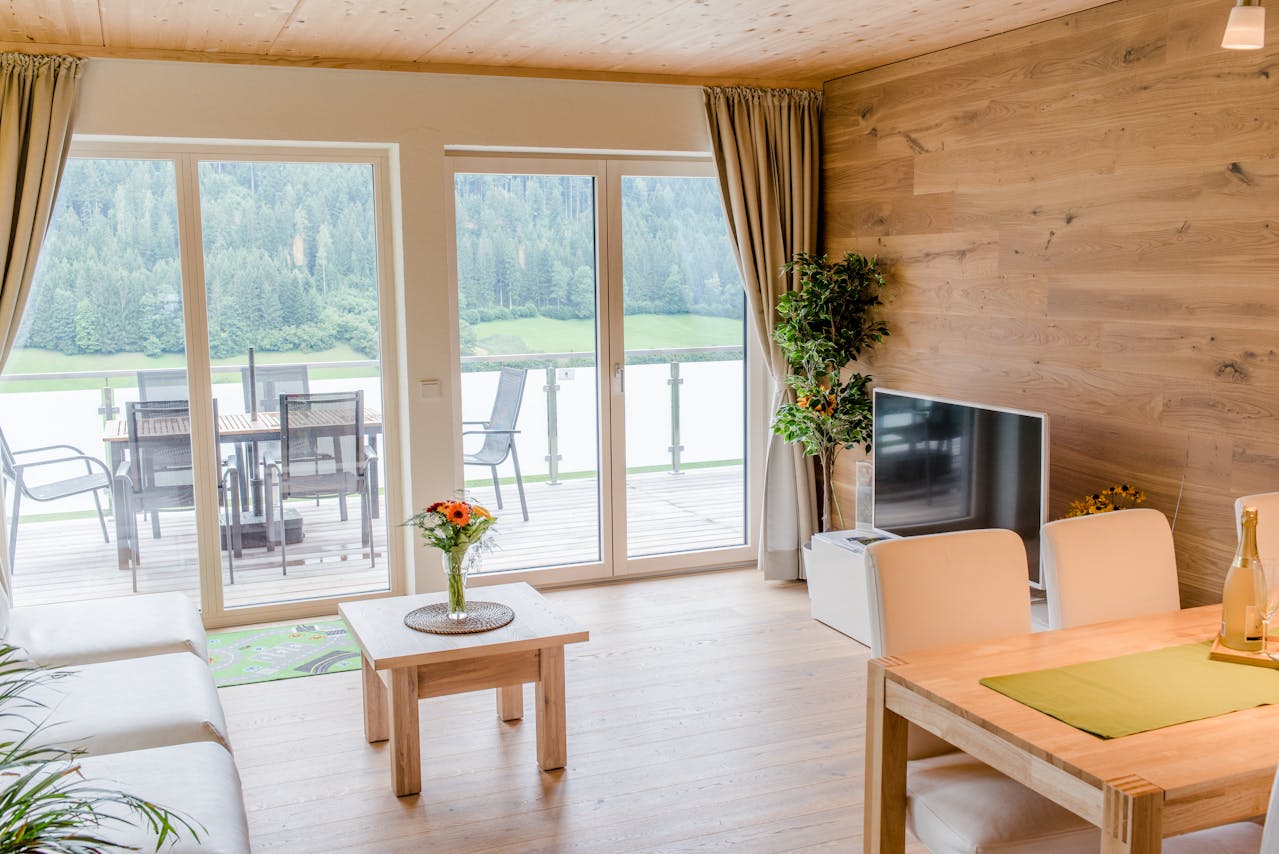
In the end, what ties everything together is a sense of rhythm. The home reflects years of shared decisions, adjustments, and routines that have gradually settled into place. Nothing feels rushed or recently forced. Instead, the space carries a quiet consistency that mirrors the relationship itself.
This does not mean everything is perfect or unchanged. It means the couple has found a way to keep things working over time. That steady rhythm is often what people notice most, even if they cannot immediately explain why the home feels so comfortable to be in.