
Buying your first home is both exciting and overwhelming. For most people, it’s the biggest financial decision of their lives, and mistakes can be costly. With the right preparation, you can avoid common pitfalls and secure a home that fits your needs both now and in the future. Here are ten essential things every first-time homebuyer should know before making the leap.
Understand Your Budget

A realistic budget is the foundation of a successful purchase. Beyond the listing price, factor in property taxes, homeowners’ insurance, and maintenance expenses. Experts recommend that housing costs should not exceed 28–30% of your monthly income. Being honest about your finances helps you avoid stretching too thin. Establishing a clear budget ensures long-term financial stability.
Get Pre-Approved for a Mortgage

Securing pre-approval before house hunting makes you a stronger buyer. It signals to sellers that you are serious and financially prepared. Pre-approval also provides clarity on your borrowing limit and expected monthly payments. This prevents wasted time looking at homes outside your price range. In competitive markets, pre-approval can be the difference between winning and losing a home.
Consider the Location Carefully

“Location, location, location” is more than a cliché, it’s a core principle of real estate. A desirable neighborhood with good schools, public transit, and amenities enhances both your lifestyle and your property’s future value. Research safety statistics, development plans, and commute times before deciding. A less-than-ideal house in a great neighborhood often outperforms a perfect house in a poor location. Choosing wisely sets you up for long-term satisfaction.
Factor in Additional Costs
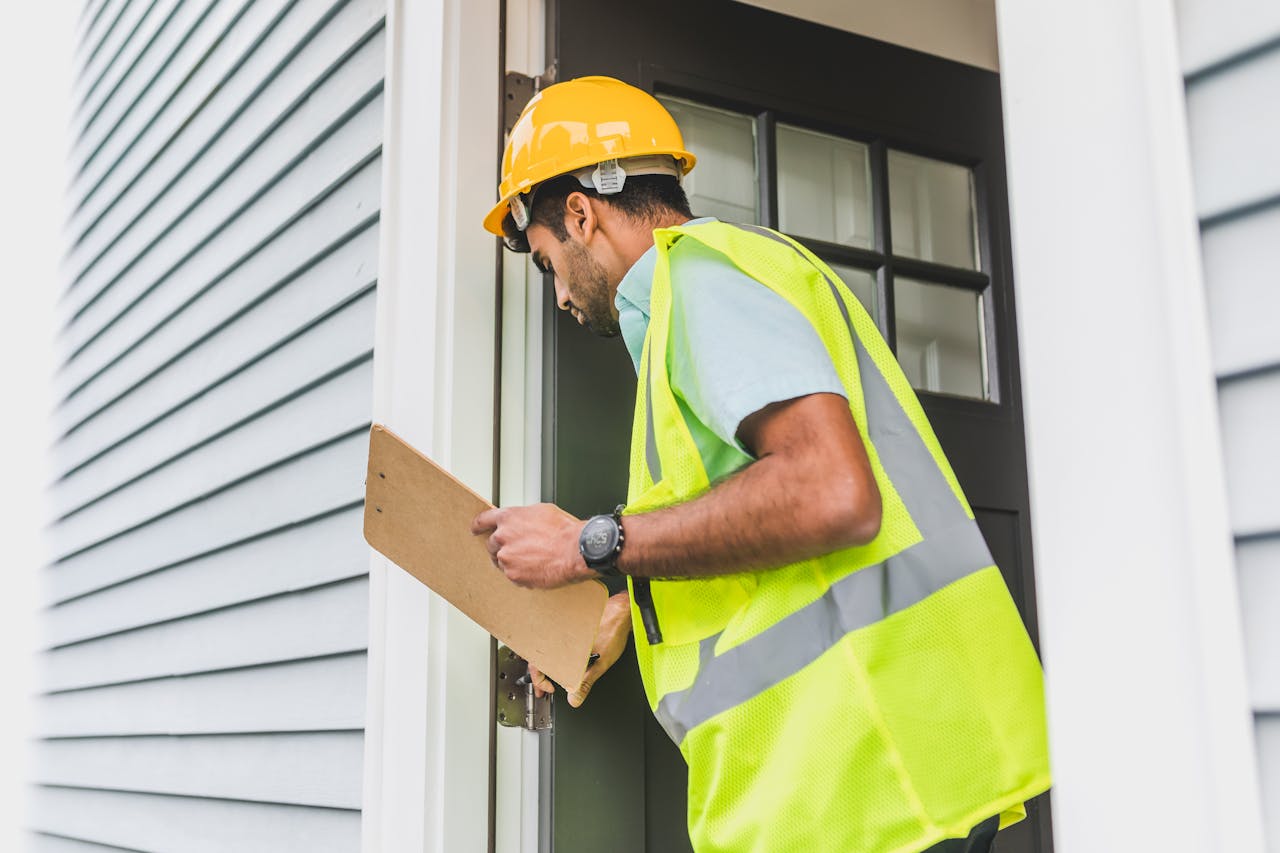
Many first-time buyers underestimate the hidden costs of homeownership. Closing costs, inspection fees, and moving expenses can add thousands to your budget. Ongoing costs like lawn care, repairs, and utilities also add up. Setting aside an emergency fund ensures you’re prepared for surprises. Planning ahead makes the transition into homeownership smoother.
Don’t Skip the Home Inspection
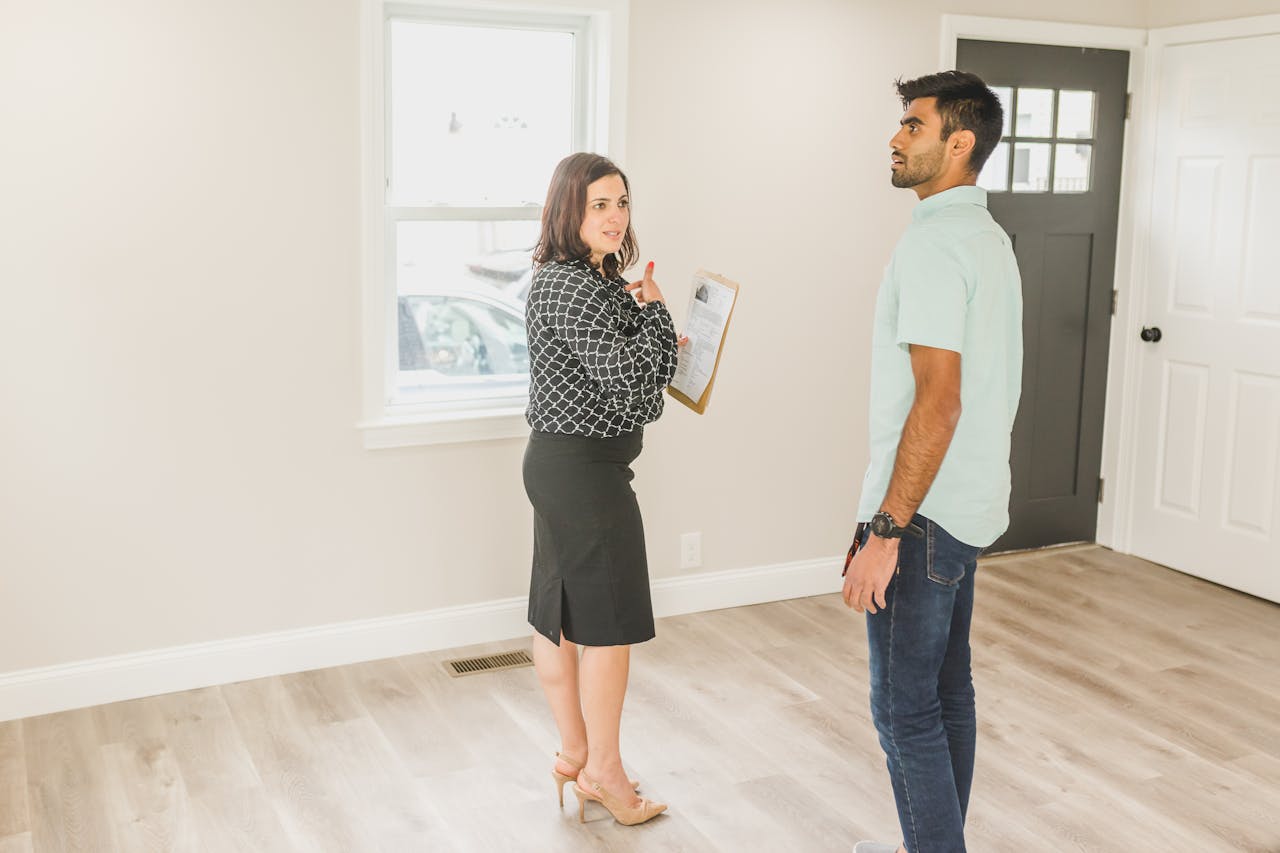
A professional inspection is non-negotiable for protecting your investment. Inspectors identify hidden problems such as foundation cracks, roof damage, or faulty wiring. Skipping this step could saddle you with repairs worth tens of thousands of dollars. Always include an inspection contingency in your purchase agreement. This small upfront cost offers peace of mind and bargaining power.
Think Long-Term Investment

When buying your first home, think beyond today. Consider whether the property can meet your needs five or ten years down the road. Evaluate the neighborhood’s growth potential and resale prospects. A home should serve as both a comfortable living space and a smart investment. Forward thinking ensures your purchase remains worthwhile.
Avoid Emotional Decisions

It’s easy to get attached to a house that “feels right,” but emotions can cloud judgment. Focus on non-negotiables like structural integrity, location, and budget rather than décor. Cosmetic features can be changed over time, but major issues cannot. Staying level-headed prevents regret. A balanced approach keeps your purchase practical and rewarding.
Check Homeowner Association Rules

If your future home is within an HOA, study its rules carefully. Some associations regulate everything from exterior paint colors to landscaping and parking. Monthly fees also affect affordability. What seems like a dream home could come with restrictions you dislike. Understanding these obligations helps you avoid unpleasant surprises.
Secure the Right Loan Program

Not all mortgages are the same, and choosing the right one can save you money. FHA loans benefit those with smaller down payments, while VA loans are available to veterans with added perks. Conventional loans may suit buyers with strong credit and savings. Consult with a mortgage advisor to explore options. Matching the loan to your financial situation makes homeownership more manageable.
Don’t Rush the Process

Patience is your ally in buying a first home. Rushing into a decision often leads to compromises or financial strain. Take time to research, compare properties, and negotiate fairly. Sometimes waiting a few extra months leads to a better deal. A thoughtful approach ensures you buy a home you truly love.