
The ’90s were full of scrunchies, sitcoms, and pop icons, but for women, it was also a decade of confusing expectations. Many of the norms from that era now seem outdated or downright strange, especially in a world that celebrates independence and equality. From strict beauty standards to the way careers and relationships were framed, the ’90s reflect how far things have changed. Here are ten things women were expected to do in the ’90s that seem almost absurd when we look back today.
1. Follow Unrealistic Beauty Rules from Magazines
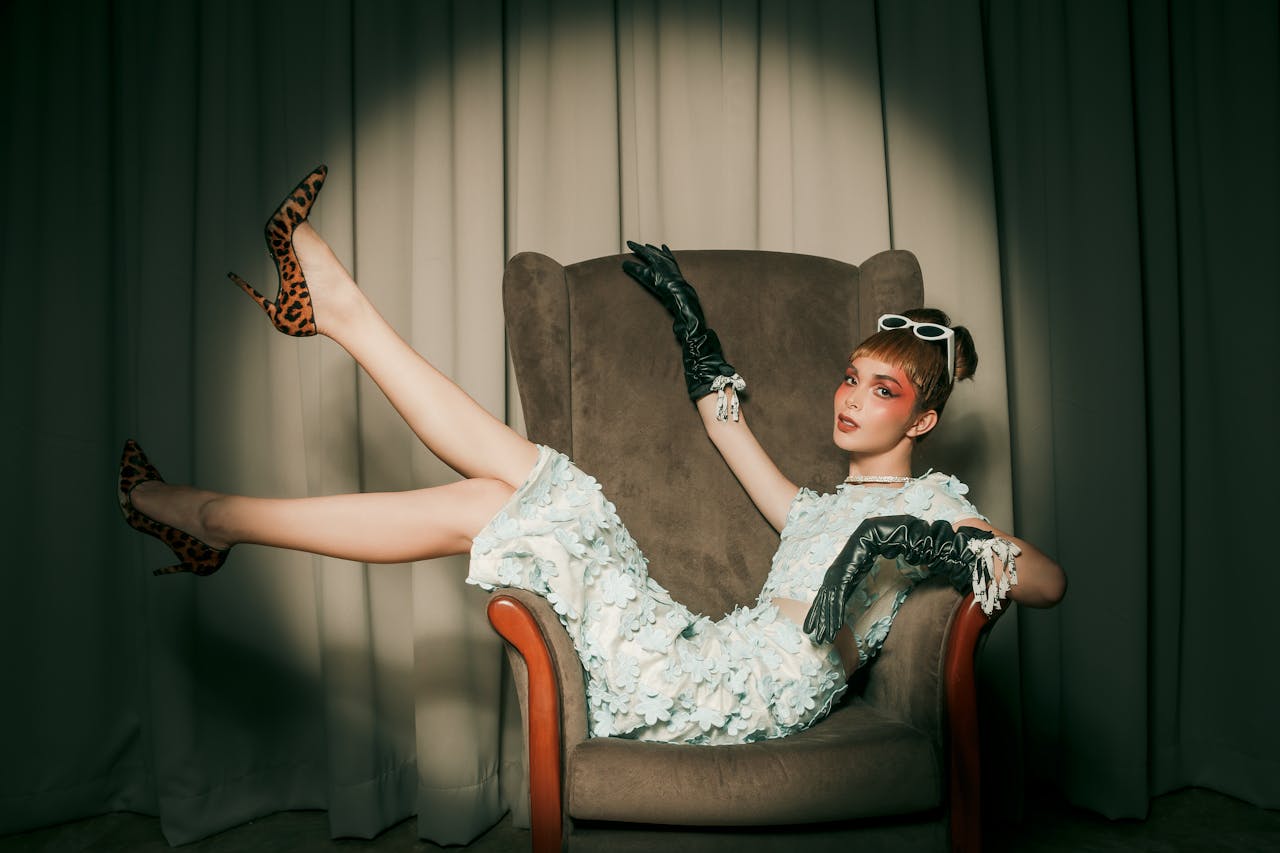
Glossy magazines were the authority on how women were supposed to look, act, and dress. They promised confidence through lipstick shades and diets that made no sense. Women were told to stay thin but “curvy in the right places,” to have perfect skin and a fresh face, and to never leave home without mascara. The idea of beauty diversity was almost nonexistent. Looking back, it feels wild that so many women followed advice written by editors who often ignored real body types and individuality.
2. Pretend to Be “One of the Guys” at Work

Corporate life in the ’90s demanded women fit into male-dominated spaces without complaint. They were told to laugh off sexist jokes, wear neutral suits, and never talk too much about emotions. Being “one of the guys” was seen as the only way to be taken seriously. The concept of workplace equality existed mostly on paper, while women still battled for promotions and fair pay. It is almost unbelievable now that ambition had to come with a mask of toughness just to avoid being labeled “too sensitive.”
3. Obsess Over Having the Perfect Boyfriend
Every romantic comedy and teen magazine in the ’90s made one thing clear: a woman’s happiness depended on finding the right guy. Single women over thirty were portrayed as desperate or incomplete. Dating advice often revolved around how to make men comfortable rather than encouraging women to focus on their own goals. That mindset now feels painfully outdated. Today, independence and self-worth are celebrated, but back then, women were subtly taught that being single meant something was wrong with them.
4. Tolerate Problematic Fashion Trends

The ’90s brought some iconic looks, but not all were kind to comfort or confidence. Low-rise jeans, chokers, and crop tops came with unspoken pressure to have a certain body shape. Many women wore tight, revealing clothes not because they wanted to, but because the trend demanded it. It is strange to think about how much of fashion back then revolved around pleasing a certain image rather than expressing individuality. Today, fashion has shifted toward freedom and comfort, proving how far style culture has evolved.
5. Downplay Their Intelligence Around Men
Women in the ’90s were often told not to appear “too smart” or “too ambitious” in social settings. Pop culture made it clear that men preferred women who were attractive and agreeable, not outspoken or intellectual. Smart women were sometimes portrayed as intimidating or unlikable characters in movies. This subtle cultural pressure taught many to hide their accomplishments just to maintain harmony in relationships. Thankfully, the idea that intelligence is something to tone down feels completely absurd today.
6. Feel Ashamed for Wanting Careers

Ambitious women in the ’90s faced judgment for prioritizing work over family life. Career women were often depicted as cold or selfish, especially in television and film. The notion that you could not have both success and happiness followed many professionals for years. It was a time when work-life balance for women was rarely discussed, and maternity leave was often an afterthought. The modern movement that celebrates women as leaders shows just how limiting that old mindset truly was.
7. Endure Endless Diet Culture

The ’90s were the height of diet obsession. From low-fat snacks to extreme workout videos, women were constantly bombarded with messages that their worth was tied to their weight. Snack brands sold “guilt-free” cookies while fitness programs promised impossible transformations. The result was an entire generation pressured to shrink themselves to fit a narrow ideal. It is incredible to see how body positivity and health at every size have replaced the damaging messages that once dominated the conversation.
8. Accept Unfair Dating Double Standards

Dating culture in the ’90s had strict unspoken rules. Women were expected to play hard to get, wait for men to call first, and avoid appearing “too forward.” Meanwhile, men were praised for being bold. These double standards made relationships confusing and stressful. Women often felt like they had to act a certain way just to seem desirable. Today, open communication and equality in dating are far more normalized, and the idea that love has to follow a rigid playbook seems downright outdated.
9. Feel Pressured to Have Kids by a Certain Age
In the ’90s, women were constantly reminded of their biological clock. The message was clear: have children young, or risk “missing your chance.” Many women faced social and family pressure to settle down early, regardless of their readiness or financial stability. Choosing not to have kids was rarely discussed as a valid option. Now, more people embrace personal choice and varied life paths, proving that fulfillment is not defined by motherhood but by living life on your own terms.
10. Be the Caregiver No Matter What
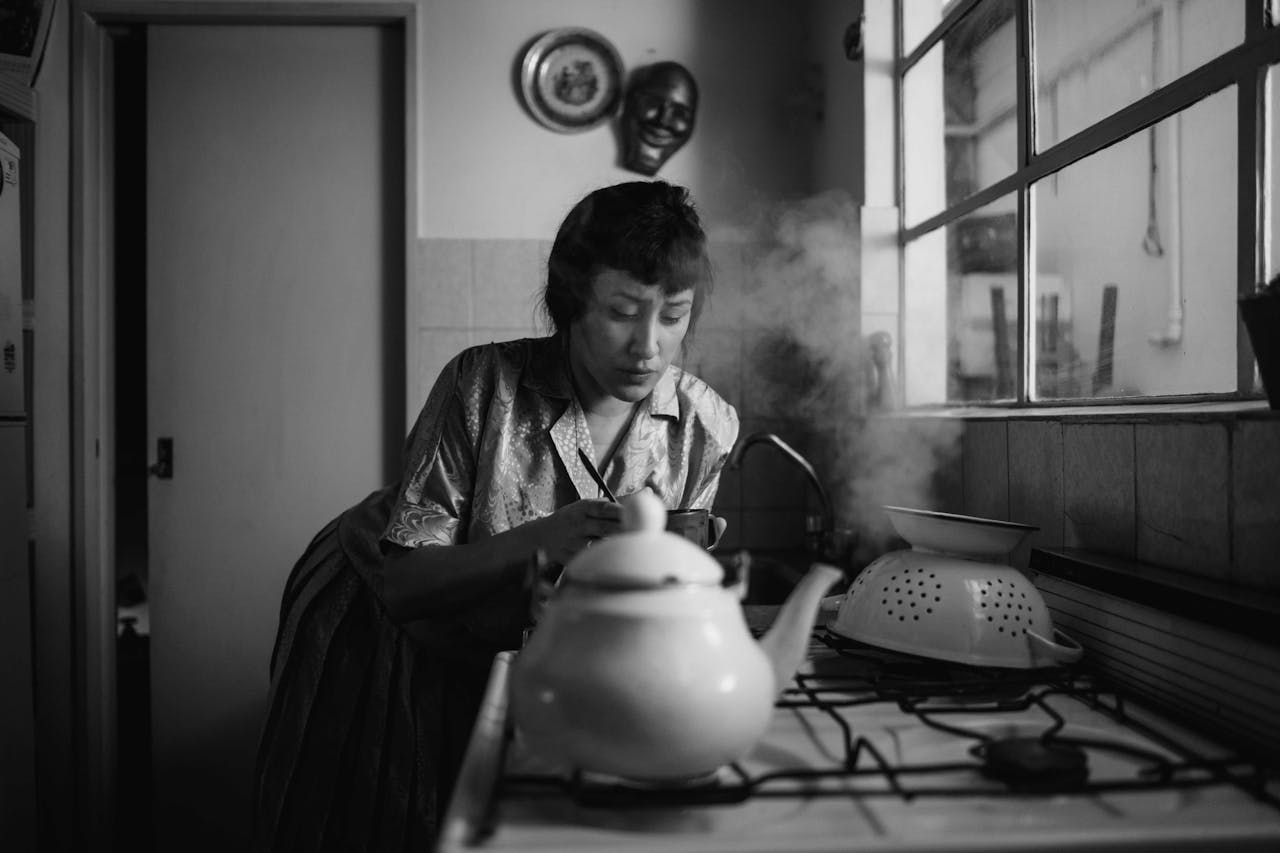
Whether it was looking after younger siblings, elderly parents, or their own families, women were often expected to take on caregiving roles automatically. The emotional and physical labor of running households was rarely acknowledged, much less shared. The idea that a woman’s natural role was to care for others first and herself last has slowly shifted over the decades. Today, conversations around shared responsibility and mental health make it clear that care should never be a one-sided expectation.
The ’90s might feel nostalgic for many reasons, but they also remind us of how much has changed in just a few decades. Women today live in a time of greater freedom, choice, and self-expression. Looking back, these once-normal expectations now seem almost unbelievable. The progress made since then is proof of how far society has come, and a reminder never to settle for less than equality again.