Parenting has changed in countless ways, shaped by new research, modern technology, and shifting cultural expectations. Today’s parents rely on tools, routines, and ideas that previous generations never imagined. They approach communication, discipline, and daily care with fresh perspectives that reflect a world moving faster than ever. While the goals of love and guidance remain the same, the methods look very different. These ten changes show how families continue to adapt, learn, and redefine what it means to raise children today.
1. Using digital tools for everything

Today’s parents use apps for schedules, baby monitors for sleep, and online communities for advice, creating a digital approach that earlier generations never had. Technology helps them track milestones, communicate with teachers, and stay organized. While older parents relied on instinct and word of mouth, modern families access instant information. This shift brings convenience and reassurance but also requires balance. It shows how technology has become a steady companion in nearly every part of modern parenting.
2. Prioritizing emotional vocabulary

Parents now encourage kids to express feelings openly and use clear language to describe emotions. Instead of simply telling children to behave, they help them understand frustration, excitement, or worry. This leads to better communication and emotional awareness. Earlier generations often focused on quick discipline, but today’s approach emphasizes calm conversation and validation. The shift reflects a deeper understanding of child development and the importance of teaching emotional skills that support healthier communication.
3. Focusing on gentle discipline
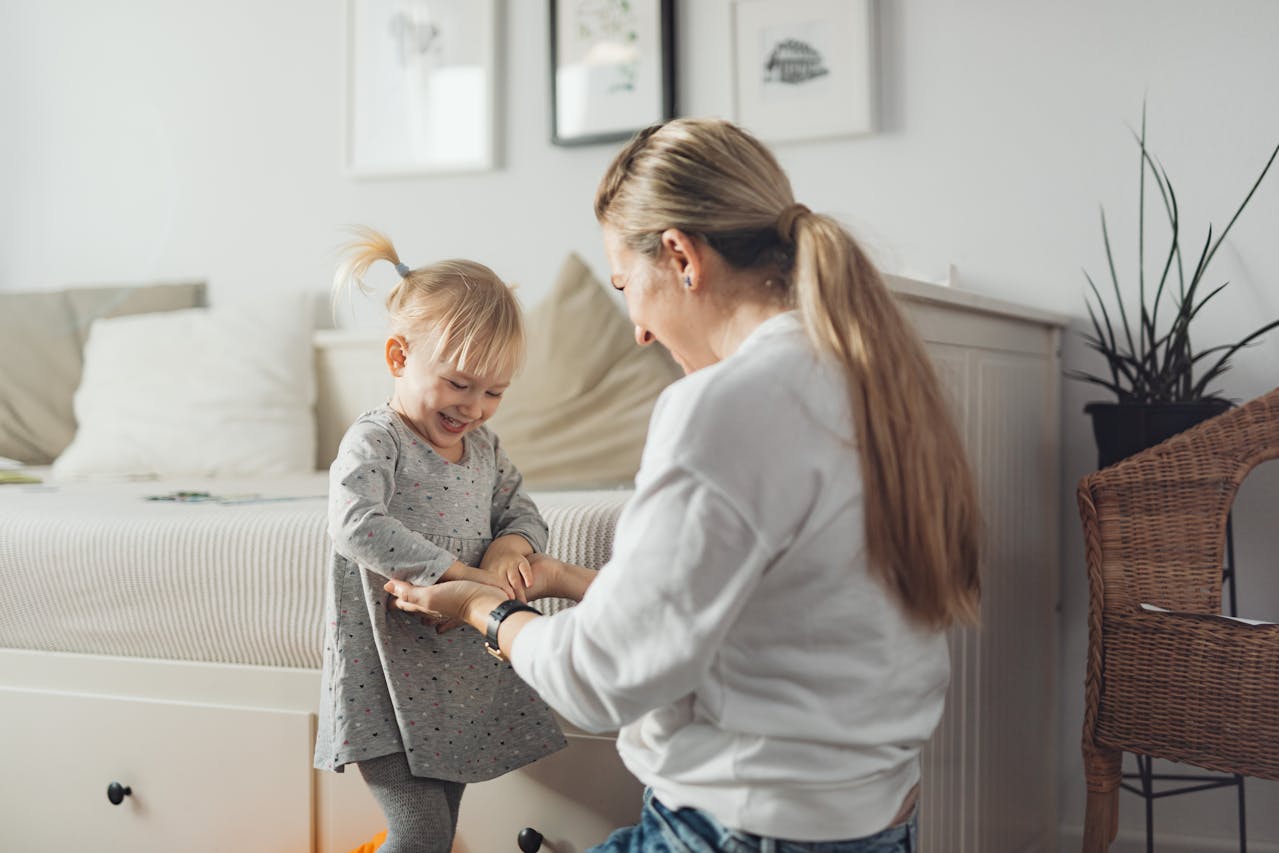
Many of today’s parents rely on gentle discipline that guides rather than punishes. They turn to time ins, calm discussions, and empathy instead of harsher methods. This approach encourages cooperation and trust while still setting boundaries. Previous generations leaned on strict rules and quick consequences, but modern families emphasize understanding the cause of behavior. The shift shows how parents aim to teach long term responsibility through connection and patience rather than fear or pressure.
4. Sharing household roles more equally
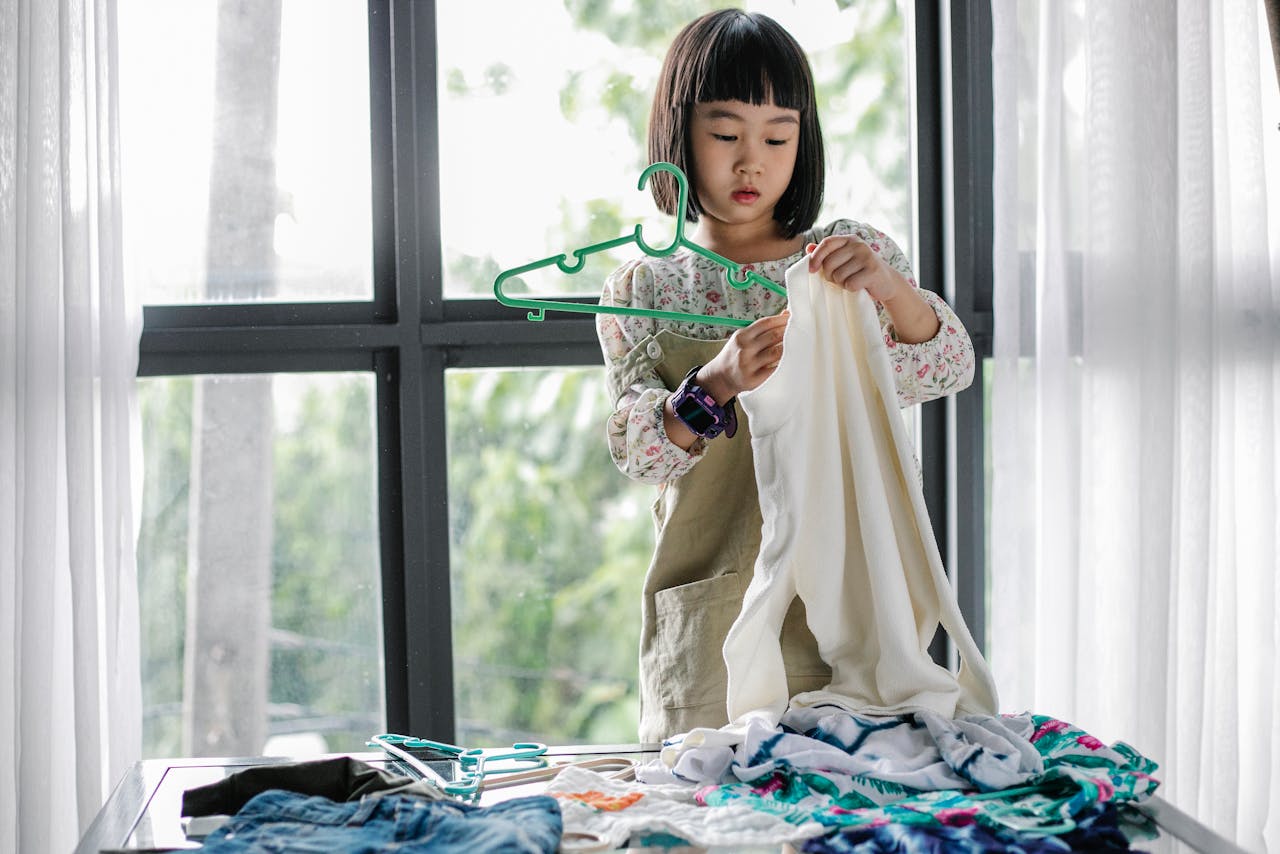
Modern parents often divide responsibilities more evenly, with both adults participating in cooking, cleaning, childcare, and daily routines. Earlier generations followed stricter roles, where one parent handled most household duties. Today’s families value teamwork and flexibility, creating environments where kids see cooperation modeled every day. This shift reflects changing views on partnership and gender roles. It helps children understand fairness and encourages healthy expectations for future relationships and family dynamics.
5. Being more open about mental health
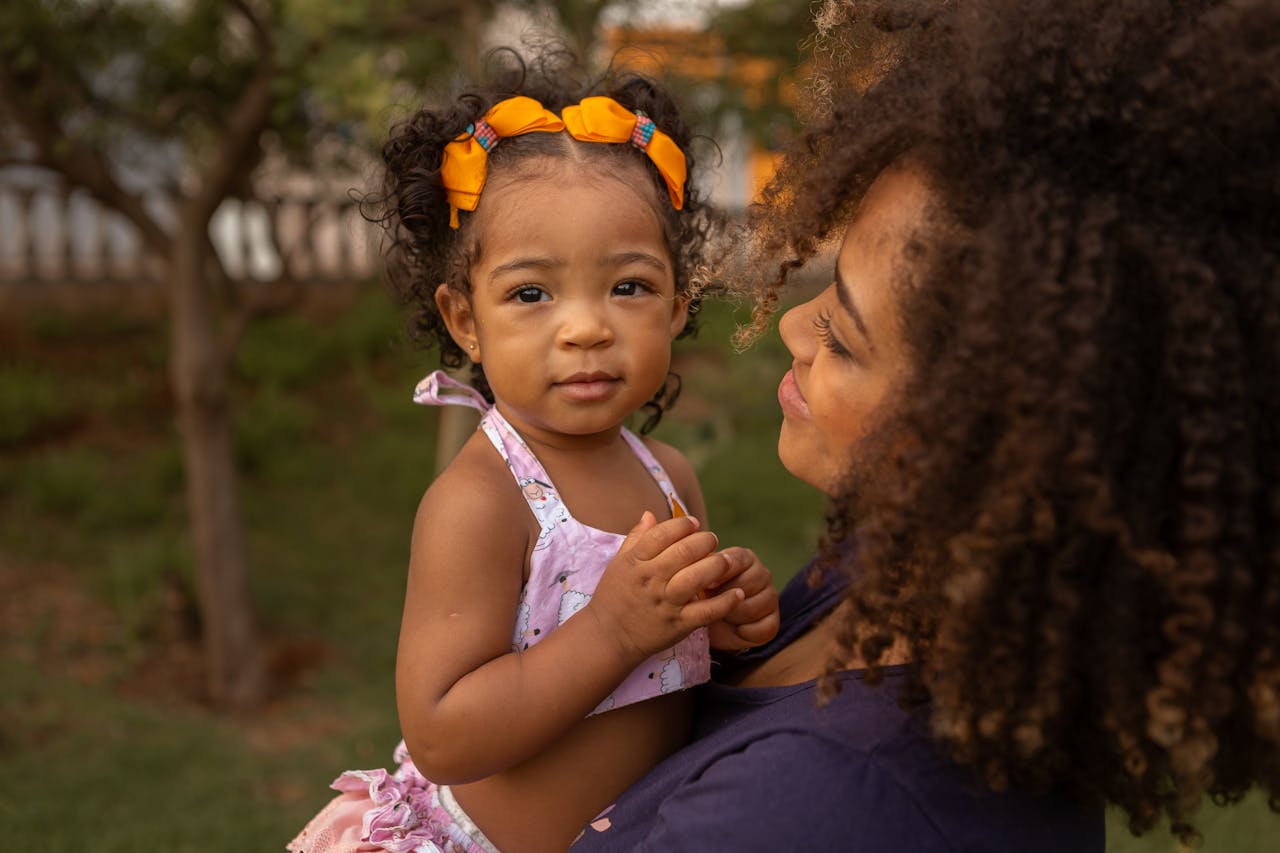
Parents today talk openly about stress, anxiety, and emotional well being, creating a home where discussing feelings is normal. Earlier generations often avoided these topics or kept them private. Modern families encourage therapy, healthy coping habits, and regular check ins. This openness helps children build tools for resilience and self awareness. The shift shows how parents now value mental health as much as physical health, fostering supportive environments where kids feel seen and understood.
6. Encouraging independence earlier

Parents now focus on teaching kids independence with small tasks such as preparing snacks, managing routines, or solving simple problems. This approach builds confidence and life skills. Earlier generations often completed tasks for children or protected them from challenges. Today’s parents see value in letting kids try and learn from mistakes. The shift reflects growing awareness of how early responsibility supports maturity, resilience, and self trust, preparing children for the demands of a changing world.
7. Choosing flexible education paths

Families explore a wide range of education options including homeschooling, online learning, hybrid programs, and creative study environments. Earlier generations relied almost entirely on traditional schools. Today’s parents tailor learning to fit a child’s unique strengths, interests, and pace. This flexibility creates opportunities for personalized growth and reduces pressure. The shift reflects evolving expectations about education and highlights how families now prioritize curiosity, wellness, and individual needs in academic planning.
8. Practicing mindful nutrition
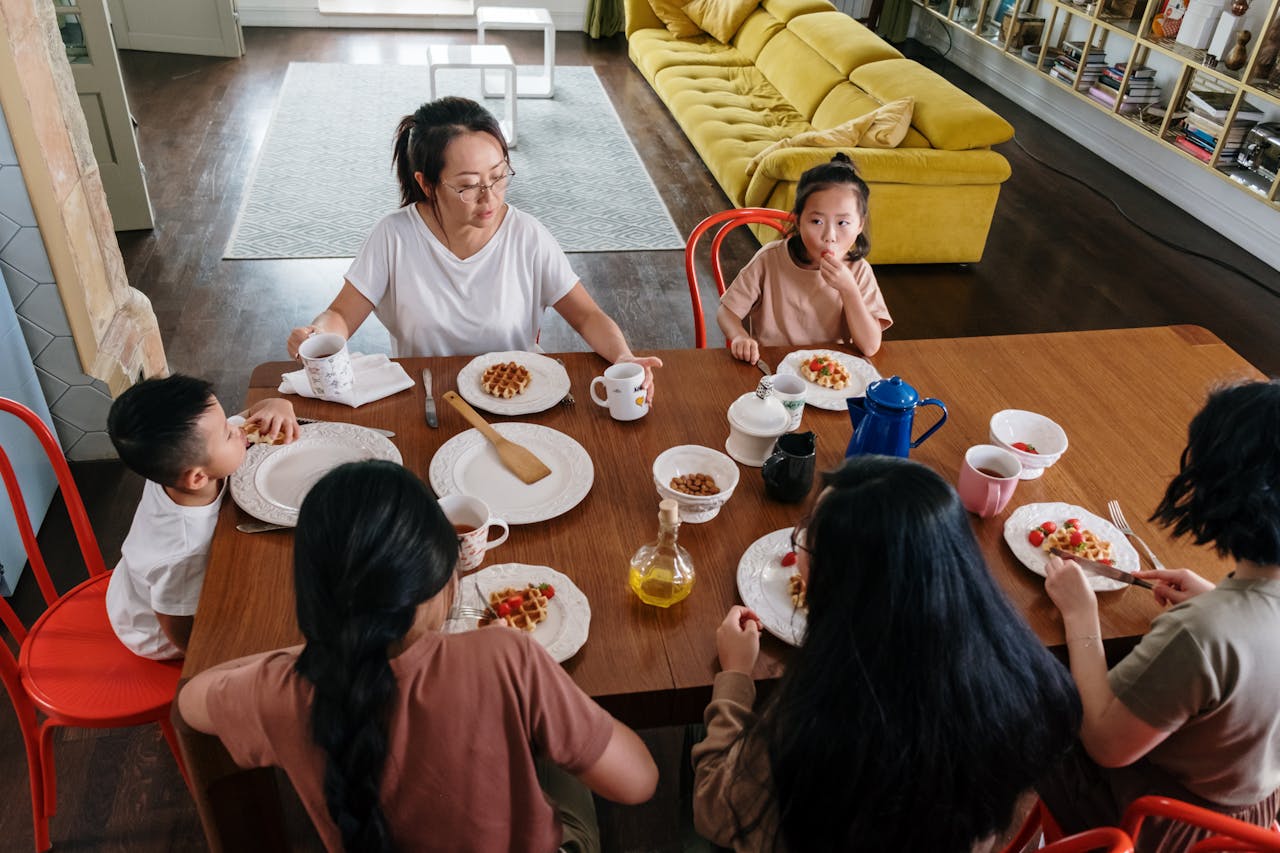
Parents today pay closer attention to ingredients, balanced meals, and overall nutrition. They explore healthier snacks, plant based options, and home cooked foods more often. Earlier generations focused on convenience or familiar routines. Modern families read labels, research ingredients, and teach kids about food choices. This shift promotes wellness and encourages better lifelong habits. It reflects a growing awareness of how nutrition influences energy, mood, and long term health for both children and adults.
9. Valuing open conversations

Today’s parents communicate more openly with their children about topics once considered uncomfortable, including friendships, safety, and identity. Earlier generations often postponed these discussions or avoided them altogether. Modern families use clear, age appropriate language to build trust and understanding. This openness encourages honest questions and healthy communication skills. The shift helps children feel supported and confident, knowing they can share concerns and receive guidance without judgment or fear.
10. Encouraging creative play over structured routines
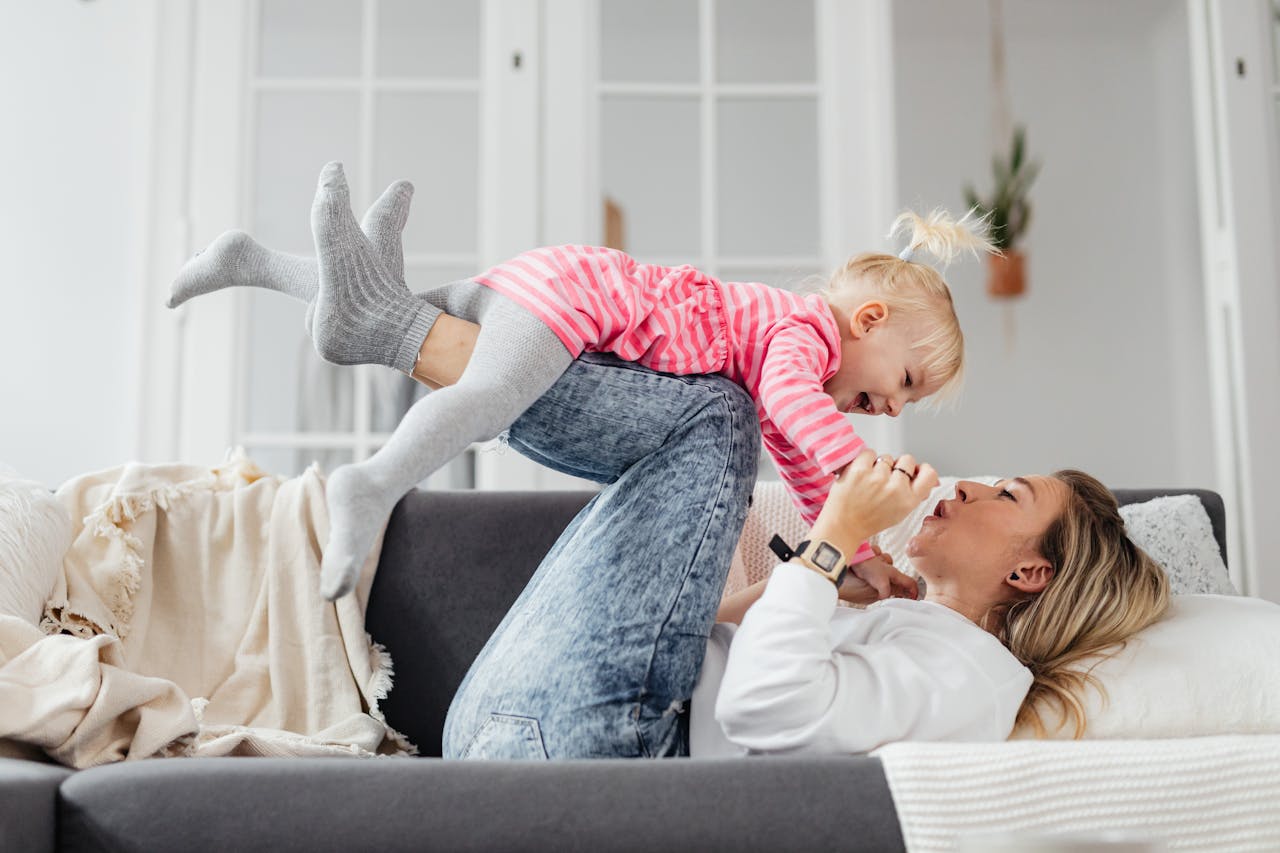
Parents now offer more time for free play, letting kids explore imagination without rigid schedules. They understand the value of downtime for creativity, problem solving, and emotional growth. Earlier generations often organized strict routines, chores, and obligations. Modern families balance structure with flexibility, giving children space to relax and discover on their own. This shift reflects recognition that creativity, rest, and unstructured moments play an important role in healthy development and happiness.
Parenting continues to evolve as families adapt to new information, tools, and changing cultural expectations. Today’s approaches reflect a desire for deeper connection, stronger communication, and healthier lifestyles. While every generation has its strengths, modern parents blend tradition with innovation in ways that support emotional resilience, independence, and balance. These changes show how families grow alongside society, always seeking meaningful ways to raise confident, compassionate children in a fast moving world.