

The 1950s are often remembered for their charm and simplicity, but many everyday practices from that era would seem shocking or unacceptable today. Social norms, safety standards, and cultural expectations have evolved dramatically over the decades. Here are ten things that were completely normal in the ’50s but would raise eyebrows or outrage in modern times.
1. Smoking Anywhere, Including Hospitals and Schools

Back in the ’50s, smoking was widely accepted and often encouraged, even by medical professionals. People smoked in hospitals, classrooms, restaurants, and airplanes. Tobacco companies heavily marketed cigarettes as glamorous and healthy. Today, with clear evidence of smoking’s dangers, indoor smoking bans are enforced everywhere. The idea of doctors lighting up during work or children inhaling secondhand smoke in classrooms is unthinkable now, reflecting a huge shift in public health awareness.
2. Children Riding in Cars Without Seatbelts or Car Seats

Seatbelts were either optional or non-existent in most cars during the 1950s. It was common to see kids sitting unrestrained on laps or even standing up inside moving vehicles. Child safety seats hadn’t been invented or widely adopted, so child car safety was largely overlooked. Nowadays, strict laws require age-appropriate restraints, and unbuckled passengers are considered at serious risk. This change highlights how automotive safety has evolved to protect lives.
3. Kids Playing Outside All Day Without Adult Supervision

In the 1950s, children enjoyed the freedom to roam neighborhoods unsupervised, playing outside from morning until evening. Parents trusted neighbors to watch out for each other’s kids, and unsupervised outdoor play was part of growing up. Today, such independence is rare and often discouraged due to concerns about safety and liability. Modern parenting tends to be much more protective, reflecting changing attitudes about child safety and risk.
4. Hitchhiking as a Common Mode of Travel

Hitchhiking was a normal, accepted way to get around in the 1950s, especially among young people and travelers. It was seen as an adventurous, economical way to explore. There was little fear about personal safety, and strangers often helped one another. Today, hitchhiking is uncommon and widely viewed as risky. Increased awareness of potential dangers has led to a sharp decline in this practice, replaced by regulated transportation options.
5. Alcohol Served Freely During Business and Family Meals
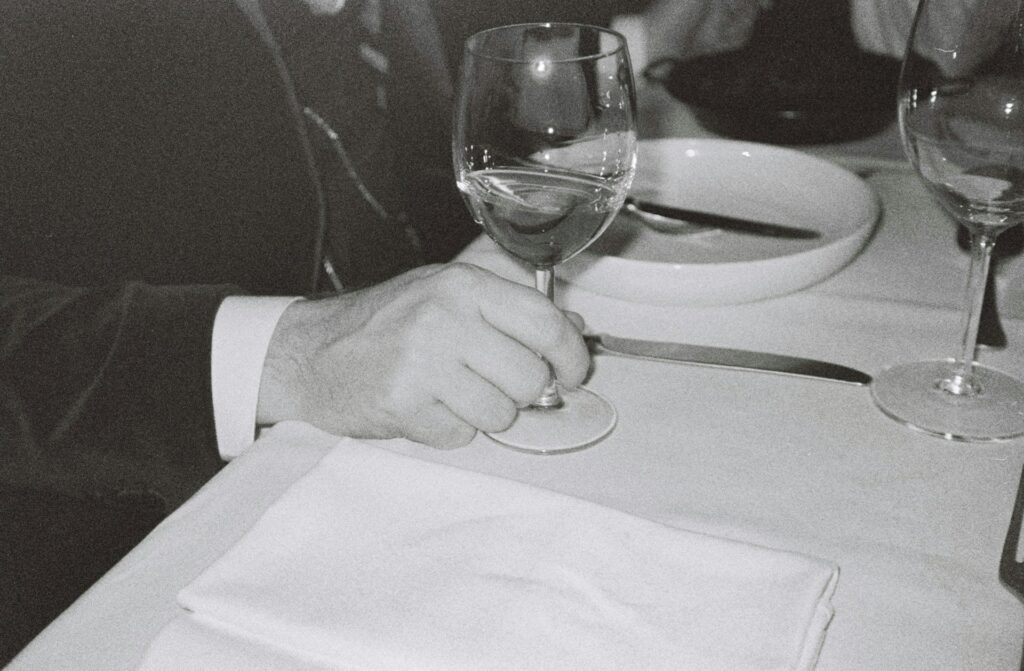
Drinking cocktails at lunch or with family dinners was socially acceptable and common in the ’50s. Alcohol was often associated with sophistication and relaxation. It was not unusual for adults to have multiple drinks during the day, and social norms did not discourage it. Today, workplace drinking is usually prohibited, and daily alcohol use at home is more carefully scrutinized due to health and safety concerns, marking a significant cultural shift.
6. Use of Asbestos and Lead Without Restrictions

In the 1950s, asbestos was widely used for insulation and fireproofing, and lead was a common ingredient in paint and gasoline. Neither was regulated due to lack of knowledge about their health hazards. These materials contributed to serious illnesses and environmental damage. Today, asbestos and lead use is heavily restricted or banned, and their legacy remains a cautionary tale about industrial safety and environmental health awareness.
7. Doctors Making House Calls as Routine Practice

House calls were a regular part of medical care in the ’50s. Doctors would visit patients at home, carrying their medical bags and providing personalized care. This practice fostered close doctor-patient relationships and was convenient for families. Over time, medicine became more centralized in clinics and hospitals, making house calls rare. Advances in technology, insurance policies, and healthcare systems reshaped how care is delivered today.
8. Corporal punishment in schools
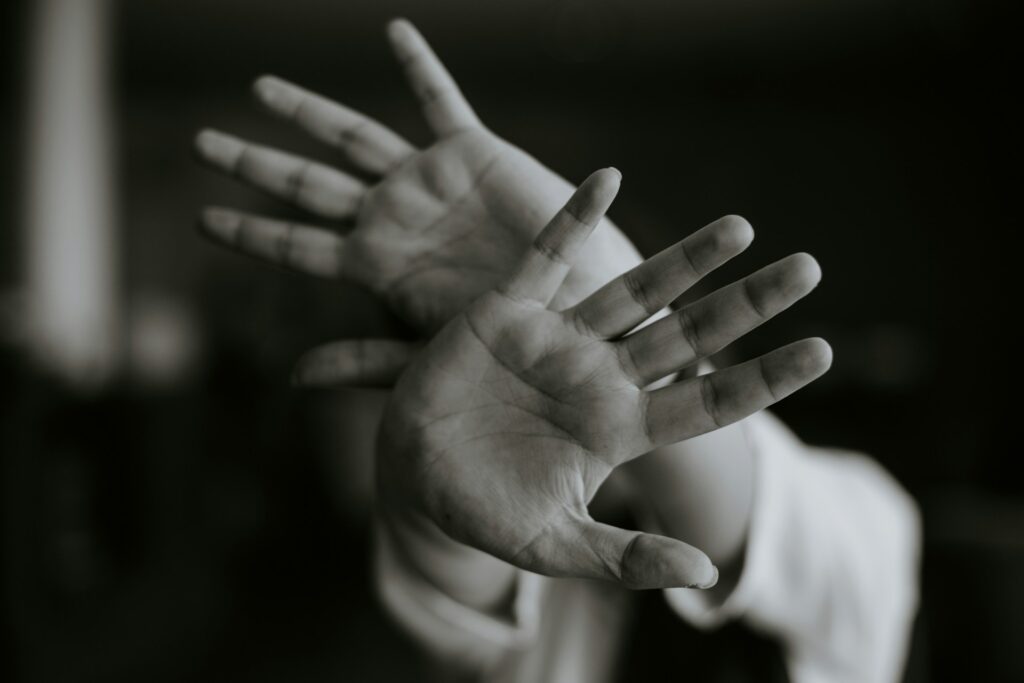
In the 1950s, corporal punishment in schools was a widely accepted form of discipline. Teachers and principals were allowed to paddle or strike students for misbehavior, often with little oversight or parental involvement. The belief was that physical punishment built character and maintained order. Today, this practice is considered highly controversial and is banned in most developed countries. Many view it as abusive and psychologically damaging, advocating instead for restorative or non-violent disciplinary methods that respect children’s rights and emotional development.
9. Strict Gender Roles and Dress Codes at Home
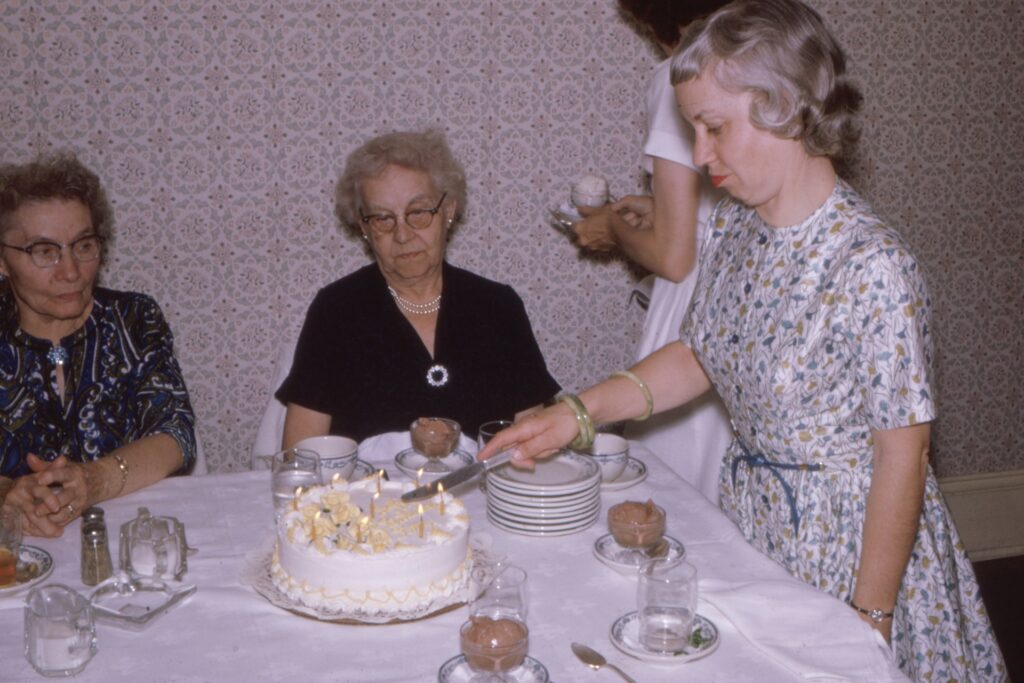
Women in the ’50s often wore dresses, heels, and makeup even while doing household chores, embodying the ideal of the perfect housewife. Men were typically the breadwinners, and gender roles were sharply defined. Today, home life is far more casual and egalitarian. Comfort and practicality take precedence, and gender roles have become more fluid, reflecting broader societal changes in equality and expectations.
10. Segregation and Open Racial Discrimination

Segregation was legally enforced in many parts of the U.S. during the 1950s. Public spaces, schools, and transportation often had separate facilities for Black and white people, with widespread discrimination accepted as normal. Civil rights movements later challenged and overturned these practices. Today, segregation is illegal and condemned, and the legacy of discrimination remains a critical subject of reflection and education.
Looking back at these norms highlights how far society has come in terms of health, safety, equality, and cultural values. What was once everyday life can serve as a powerful reminder of the ongoing evolution of social standards and the importance of progress.