

The 1970s were a time of bell bottoms, disco balls, and a whole lot of cultural quirks that, at the time, seemed completely ordinary. But fast-forward to today, and many of those everyday habits would leave people scratching their heads—or outright horrified. From parenting styles to everyday products, the ’70s were a different world with different rules. Let’s take a trip down memory lane and explore ten things that once felt perfectly normal but would definitely raise eyebrows now.
Riding in Cars Without Seatbelts

In the ’70s, piling into a car meant hopping into the front or back seat with barely a thought about buckling up. Seatbelt laws were either nonexistent or loosely enforced, and many cars didn’t even have seatbelts in the back seat. Kids often roamed freely, sometimes even sitting on laps or stretched out in the back window shelf. Today, not buckling up is unthinkable—and illegal—in most places. Safety standards have come a long way, and modern parents wouldn’t dream of letting kids ride unrestrained.
Smoking Everywhere—Even Indoors

Lighting up a cigarette was as routine as drinking a cup of coffee in the ’70s. People smoked in offices, restaurants, airplanes, and even hospitals without a second thought. Ashtrays were fixtures on desks, and smoking sections in public spaces were common, though the smoke rarely stayed contained. Now, indoor smoking bans are strict, and seeing someone light up in a public building would cause outrage. Society’s awareness of health risks has completely shifted how we view smoking in public.
Leaving Kids Home Alone at Young Ages

In the ’70s, it wasn’t unusual for parents to leave kids as young as seven or eight home alone while they ran errands or even went to work. Neighborhood kids roamed freely, coming home when the streetlights came on. Parents trusted that kids would figure things out and stay safe. These days, leaving young children unsupervised can lead to legal trouble and social judgment. Child safety standards and parental supervision expectations have drastically changed over the decades.
No Helmets for Bikes or Skateboards
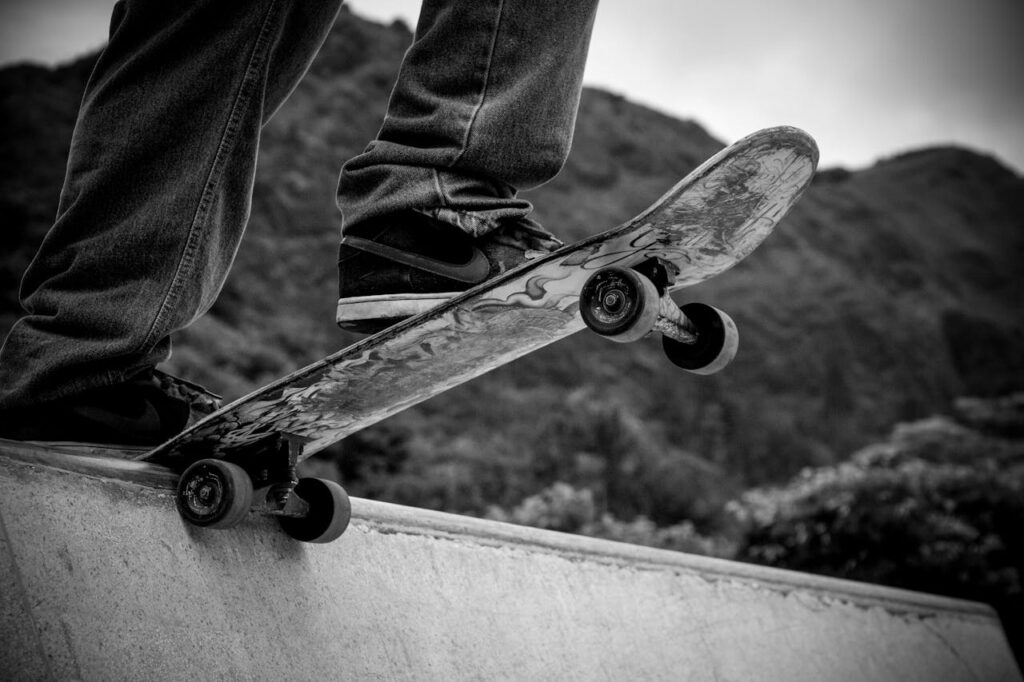
Riding bikes, skateboards, or roller skates in the ’70s was all about wind in your hair—and often, scraped knees and elbows. Helmets were practically nonexistent, and kids performed tricks without any protective gear. Parents rarely insisted on safety equipment, considering falls a normal part of growing up. Today, helmets and pads are considered essential, and parents are vigilant about preventing head injuries. The idea of letting kids ride without protection feels downright reckless now.
Hitchhiking Was Totally Normal

In the 1970s, sticking out your thumb for a ride wasn’t just acceptable—it was common practice for travelers, teenagers, and even everyday commuters. People trusted strangers to give them lifts, and many thought little of picking up hitchhikers. Safety concerns weren’t as widely publicized, and hitchhiking was seen as a practical way to get around. Nowadays, the idea is steeped in danger and cautionary tales. Most people would never dream of climbing into a stranger’s car today.
Casual Attitudes Toward Littering

The environmental movement was still in its infancy in the ’70s, and littering was shockingly normal. People thought nothing of tossing wrappers, bottles, or cigarette butts out car windows or onto sidewalks. Roadsides were often lined with trash, and public places lacked recycling bins or anti-littering signs. Today, littering is socially frowned upon and subject to hefty fines. Environmental awareness has reshaped public behavior and attitudes about keeping public spaces clean.
Kids Riding in the Back of Pickup Trucks
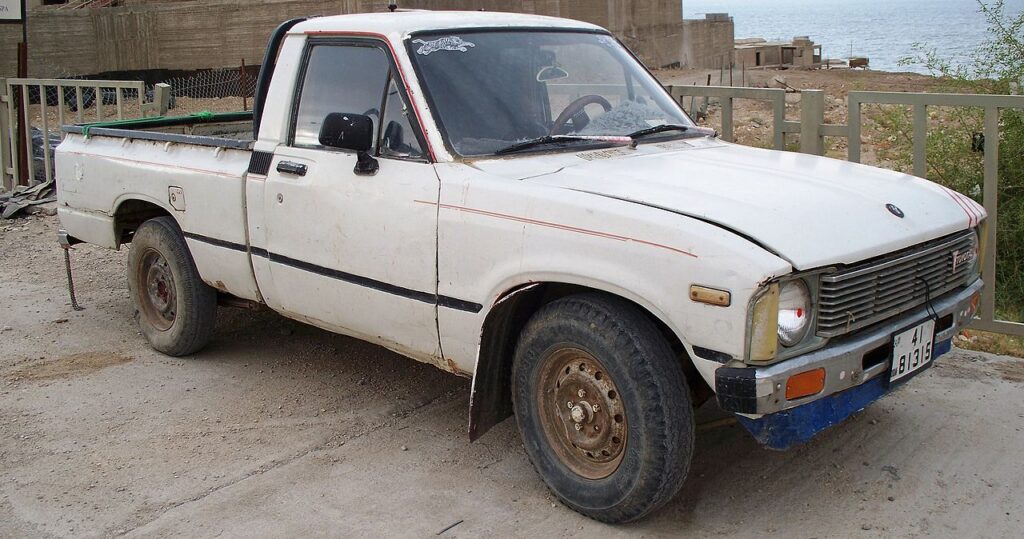
It was a familiar sight in the ’70s to see kids bouncing around in the open bed of a pickup truck, hair flying in the breeze. Families thought of it as a fun way to transport kids on short trips or rides through town. Safety concerns were rarely considered beyond telling kids to “hold on tight.” Modern safety laws strictly prohibit passengers from riding in truck beds due to the risk of serious injury. What was once a childhood thrill is now seen as a dangerous and illegal practice.
Television with Limited Channels and No Remote

Television in the 1970s meant adjusting rabbit-ear antennas and manually turning the channel dial. Most households only had a few channels, and programming stopped overnight, leaving test patterns on the screen. Families gathered around one TV and watched shows as they aired because recording options were virtually nonexistent. Now, endless streaming options, remote controls, and on-demand viewing have completely transformed how we consume entertainment. The idea of getting up to change the channel seems positively prehistoric.
Tanning Without Sunscreen
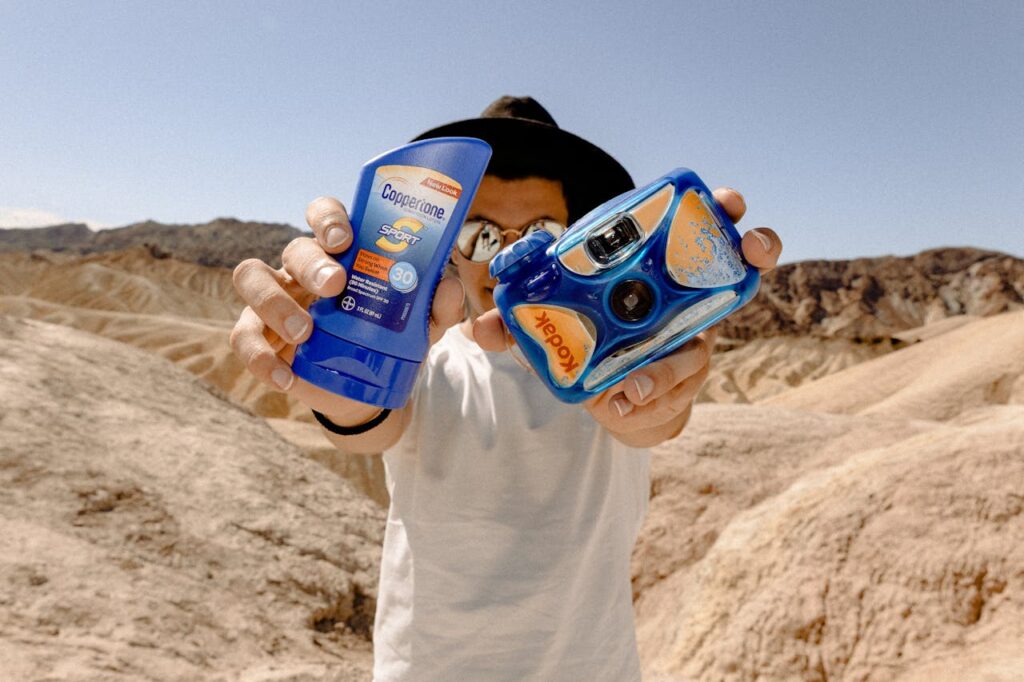
In the ’70s, getting a golden tan was seen as the ultimate symbol of health and beauty. People slathered on baby oil to intensify the sun’s rays and baked for hours under direct sunlight. Warnings about skin cancer or sun damage were rarely discussed, and SPF products were minimal or unused. Today, dermatologists warn against any tanning without protection, and sunblock is considered a daily essential. The tanning habits of the past would shock health-conscious folks today.
Corporal Punishment in Schools
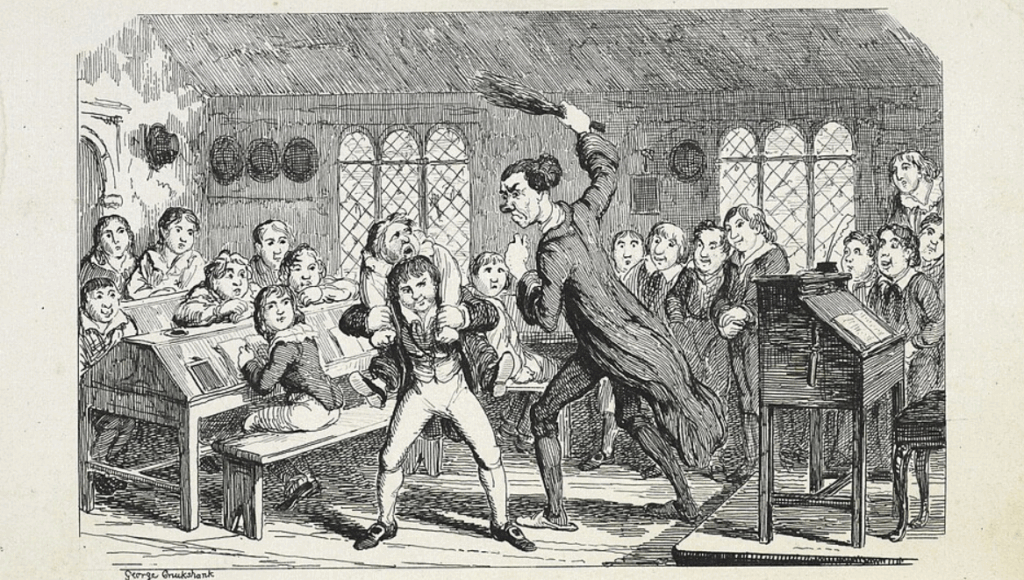
In many schools during the ’70s, teachers and principals could legally spank students as punishment for misbehavior. A wooden paddle or ruler was often kept in classrooms as a disciplinary tool. Parents rarely questioned these practices and sometimes even supported them as necessary discipline. Modern attitudes about child psychology and rights have made corporal punishment largely unacceptable and illegal in most places. Such practices now provoke outrage and legal consequences rather than routine acceptance.