The 1950s were a curious blend of charm, innocence, and questionable freedom. People felt safe enough to take risks that today would seem reckless or downright criminal. From letting kids wander unsupervised to puffing cigarettes in hospitals, much of what passed for normal then would lead to serious trouble now. Let’s take a nostalgic yet eye-opening trip into the habits that time and law have firmly left behind.
1. Letting Kids Roam Unsupervised for Hours

In the 1950s, parents thought independence built character. Kids vanished after breakfast, exploring streets and fields until dinner. Neighbors kept a loose eye out, but no one panicked if a child was missing for hours. Today, such freedom would trigger police involvement and child welfare calls. Times have changed, and safety rules replaced the trust that once defined entire neighborhoods.
2. Drinking and Driving Casually

Driving after a few drinks was once seen as part of social life. Bars often had parking lots full of regulars who drove home tipsy without concern. Police rarely enforced limits, and people laughed off close calls. As awareness grew about the devastating consequences, strict DUI laws and public campaigns turned it into one of society’s most condemned acts. Today, it’s unthinkable and unforgivable.
3. Smoking Everywhere

Smoking wasn’t just accepted, it was encouraged. You could light up in offices, restaurants, airplanes, and even hospitals. Tobacco ads featured doctors, movie stars, and slogans linking cigarettes to glamour. Today, smoke-free laws, health warnings, and changing attitudes have wiped away that smoky haze. What was once cool and sophisticated is now a health hazard kept behind restricted zones.
4. Riding Without Seat Belts

Cars in the 1950s had bench seats, no airbags, and rarely any seat belts. Families loaded up for road trips with kids standing or lying on laps. It was about fun and freedom, not safety. As accident rates rose, lawmakers and car makers introduced safety features and seat belt laws. Today, driving without one can get you fined, and no parent would dare repeat those carefree days.
5. Public School Corporal Punishment

Teachers in the 1950s had paddles, rulers, and authority to use them. Parents often approved, believing fear built respect. Today, such actions would lead to lawsuits and public outrage. Education systems replaced physical punishment with counseling and behavioral programs. The shift reflects a cultural awakening that values understanding over intimidation and sees discipline as guidance, not harm.
6. Openly Littering
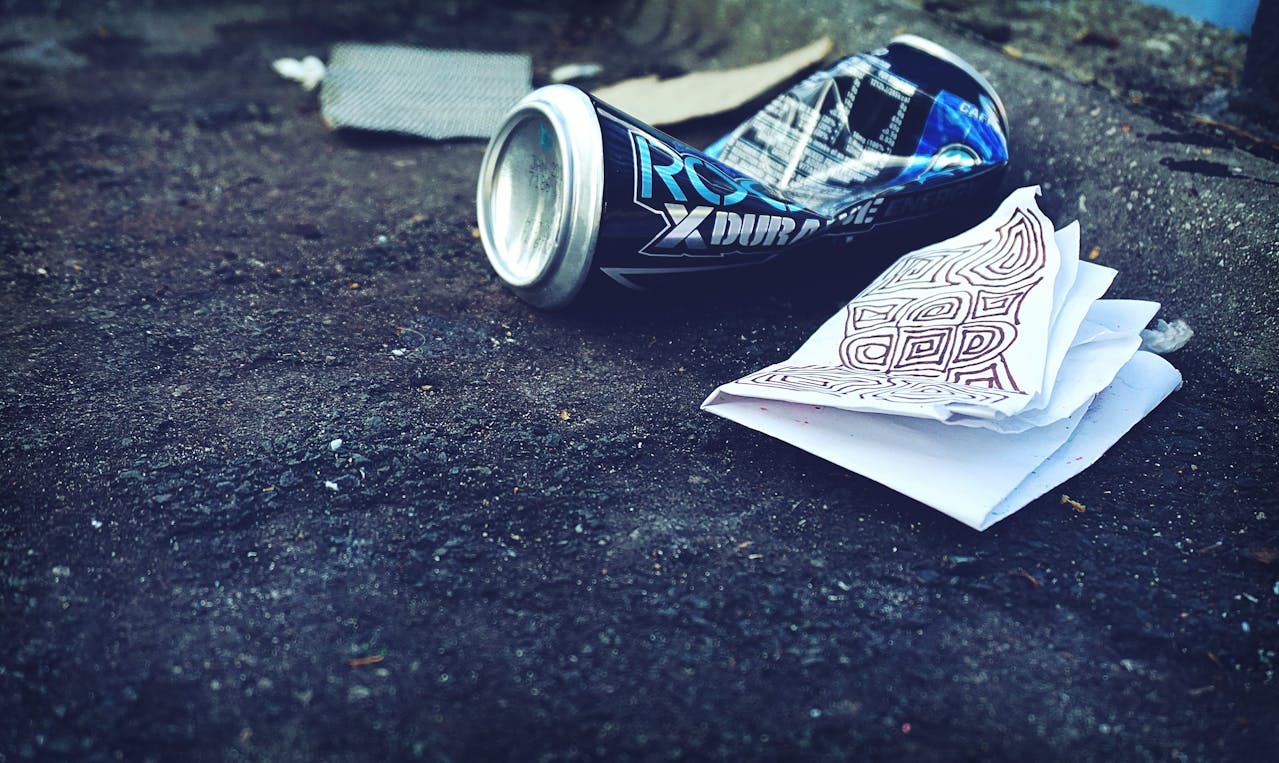
Before environmentalism took hold, littering was simply normal. People tossed bottles, wrappers, and cans from car windows or left trash at picnics. There were no anti-litter ads, no recycling bins, and no guilt about it. The environmental movements of the 60s and 70s changed that completely. Today, littering can lead to fines, public shame, and a collective sense of moral responsibility.
7. Discriminatory Hiring Practices

Job ads in the 1950s openly excluded women, minorities, and people of certain faiths. Employers could post restrictions without facing consequences. The Civil Rights Act and equal opportunity laws transformed workplaces into more inclusive environments. While inequality still exists, blatant discrimination is illegal. What was once ordinary hiring practice is now both unlawful and socially condemned.
8. Buying Dangerous Chemicals Freely

Households in the 1950s used strong cleaners, pesticides, and paints loaded with toxins. There were few warnings or safety labels. Parents handled poisons near children without concern. Regulations and consumer awareness have since transformed that landscape. Today, everything from sprays to solvents comes with clear instructions and hazard labels, making old habits both illegal and unthinkable.
9. Teenagers Smoking Publicly

Teenagers puffing away in diners or parks was an everyday sight. Cigarettes were sold freely, and few questioned age limits. Tobacco ads even targeted youth by linking smoking to independence. Public health efforts changed all that. Modern laws restrict sales, enforce age checks, and campaign against underage smoking, turning a once casual habit into a serious legal and moral violation.
10. Keeping Wild Animals as Pets

Families proudly kept raccoons, monkeys, or wild birds as household pets. There were no regulations or awareness about the risks to humans or animals. Wildlife laws and animal rights groups later pushed to end the trade. Today, keeping wild species is illegal in most states, and owning exotic pets comes with strict permits and ethical scrutiny that reflect a much wiser understanding of nature.
The 1950s had charm, but much of it came from ignorance about danger and consequence. Society has since learned to value safety, fairness, and accountability. What once seemed harmless now reveals how far progress has taken us. Those carefree days may look simpler in memory, but laws protecting lives and rights prove that growing up as a nation was both necessary and overdue.