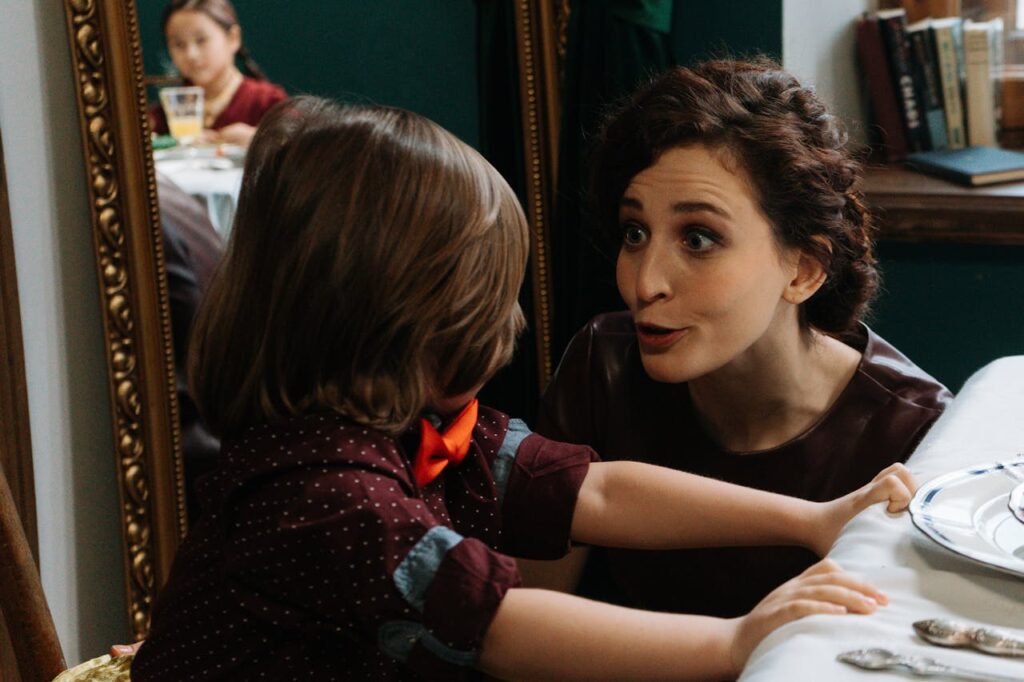
The 1960s: a time when lawn darts were toys, kids drank from garden hoses, and parenting came with no filters—just instincts and sass. Moms back then didn’t sugarcoat. They raised kids while chain-smoking and making meatloaf from scratch. Love was shown through lunchboxes and tough lessons, often delivered in lines that now sound like jokes… or lawsuits. Let’s revisit 10 classic ’60s mom-isms that sound mildly horrifying today but were totally normal back then.
“Go outside and don’t come back until dinner.”
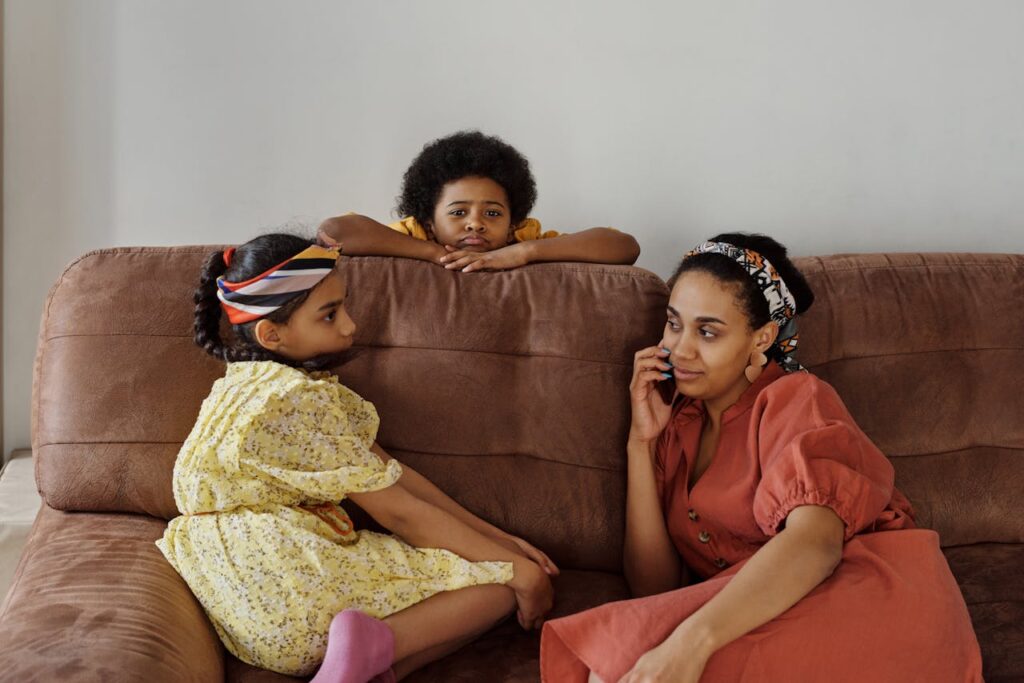
This wasn’t neglect—it was the ’60s version of “independent play.” You could be 6 years old, barefoot, holding a stick, and that was considered perfectly safe. You’d spend hours riding bikes with no helmets, digging holes for no reason, and only returning home when the streetlights flickered on. Your mom wasn’t being careless—she just needed quiet. No GPS, no snacks, no adult supervision—just you, the elements, and the hope that you didn’t run into bees or bullies.
“Stop crying or I’ll give you something to cry about.”
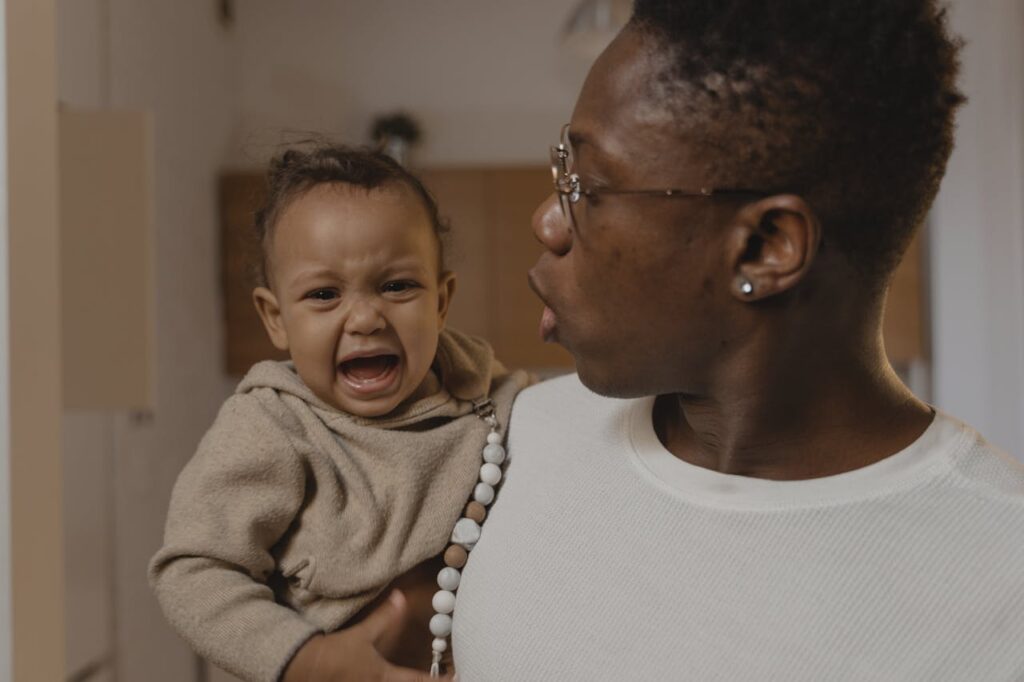
Ah yes, the phrase that doubled as both a warning and a threat, casually tossed at children mid-breakdown. It didn’t matter if you were crying because of a scraped knee, a broken toy, or your entire soul—this line meant, “You think you’re upset now? Keep going.” It usually worked because fear is a powerful silencer. Today, this would result in viral parenting articles. Back then, it was normal emotional training. Empathy wasn’t a parenting buzzword yet—it was just called “tough love.”
“If you don’t eat your dinner, you’re getting it for breakfast.”

Food waste was basically a sin in ’60s households, and this threat was taken seriously. If you didn’t eat your cold beef stew and soggy carrots, guess what was waiting for you at 7 a.m.? The exact same plate, only colder and more judgmental. Breakfast wasn’t eggs and pancakes—it was punishment leftovers. You learned early that it was better to power through the meal than face a plate of shriveled peas while watching cartoons. It was culinary guilt at its finest.
“Because I said so, that’s why.”

Logic? Unnecessary. Dialogue? Overrated. This was the go-to phrase for shutting down questions with maximum efficiency. Ask why you couldn’t have a cookie before dinner? “Because I said so.” Try to understand bedtime rules? “Because I said so.” It was like the parenting version of Ctrl+Alt+Delete. Today, kids get explanations and feelings charts. But back then, questioning authority was a fast track to losing privileges—and possibly your access to cartoons for a week.
“You’re not going anywhere dressed like that.”

This usually came with a raised eyebrow and a pointed look at your skirt length or wild outfit choice. ’60s moms ran a tight ship when it came to image. If your shirt had holes, was too short, too tight, or too “loud,” you weren’t leaving the house. No one cared if it was the trend—if your outfit didn’t scream modest and responsible, you were going back upstairs. And this wasn’t about fashion—it was about your mother’s personal PR campaign in the neighborhood.
“Don’t make me pull this car over.”

A single phrase that turned the backseat of every station wagon into a zone of panic. You could be lightly squabbling with a sibling, and this line would freeze everyone in their seatbelts (if you were even wearing one). Your mom didn’t bluff—she’d actually pull over. Sometimes she wouldn’t even yell. Just slowly pulling the car over was enough to reset the mood. There were no iPads or snacks. Just raw tension, vinyl seats, and the looming threat of roadside discipline.
“Kids were tougher in my day.”

This came up every time you had the audacity to be uncomfortable. Hurt your ankle? “In my day, we walked five miles in the snow!” Feeling tired? “I got up before sunrise to milk a cow!” Whether or not it was true didn’t matter. It was folklore used to shame you into gratitude. Emotional needs weren’t discussed; they were replaced by colorful stories of how much harder everything used to be. It made you feel soft, weak, and very, very aware that you’d never survive 1950.
“I brought you into this world and I can take you out.”

Spoken half in jest, half in total seriousness, this line was the final warning before all chaos broke loose. Usually said through gritted teeth, it reminded you of your place in the family hierarchy—which was extremely low. Today, this would be considered dramatic and slightly unhinged. In the ’60s, it was just how moms expressed authority. You didn’t take it literally (hopefully), but you definitely sat down and shut up for a while afterward.
“Finish your plate—there are starving kids in Africa.”

This was the universal guilt-trip line served right next to your dry turkey and overcooked peas. You’d dare to say you were full or didn’t like something, and boom—global hunger was now your fault. You weren’t just wasting food—you were personally insulting the entire developing world. You never quite understood the logistics, but somehow eating a second helping of limp green beans was supposed to solve international hunger. It was manipulative—but effective.
“What will the neighbors think?”

Forget your feelings—your behavior was a direct reflection of your mother’s reputation. Every meltdown, mismatched sock, or loud opinion risked bringing shame upon the family… or worse, neighborhood gossip. Moms in the ’60s ran their homes like PR campaigns, and your job was to stay quiet, clean, and respectable-looking. This line taught you one thing early: public image was everything, and your mother absolutely feared the judgment of Mrs. Johnson two doors down.
Sure, these sayings sound a little shocking today—but they were also part of a culture that prized grit, independence, and “getting over it.” Our moms weren’t trying to be mean—they were using the only tools they had, passed down from generations before them. And somehow, we survived. Possibly with a twitch or two, but we made it. So let’s raise a glass (of warm Tang, maybe?) to the ’60s moms: emotionally confusing, deeply funny, and forever unforgettable.