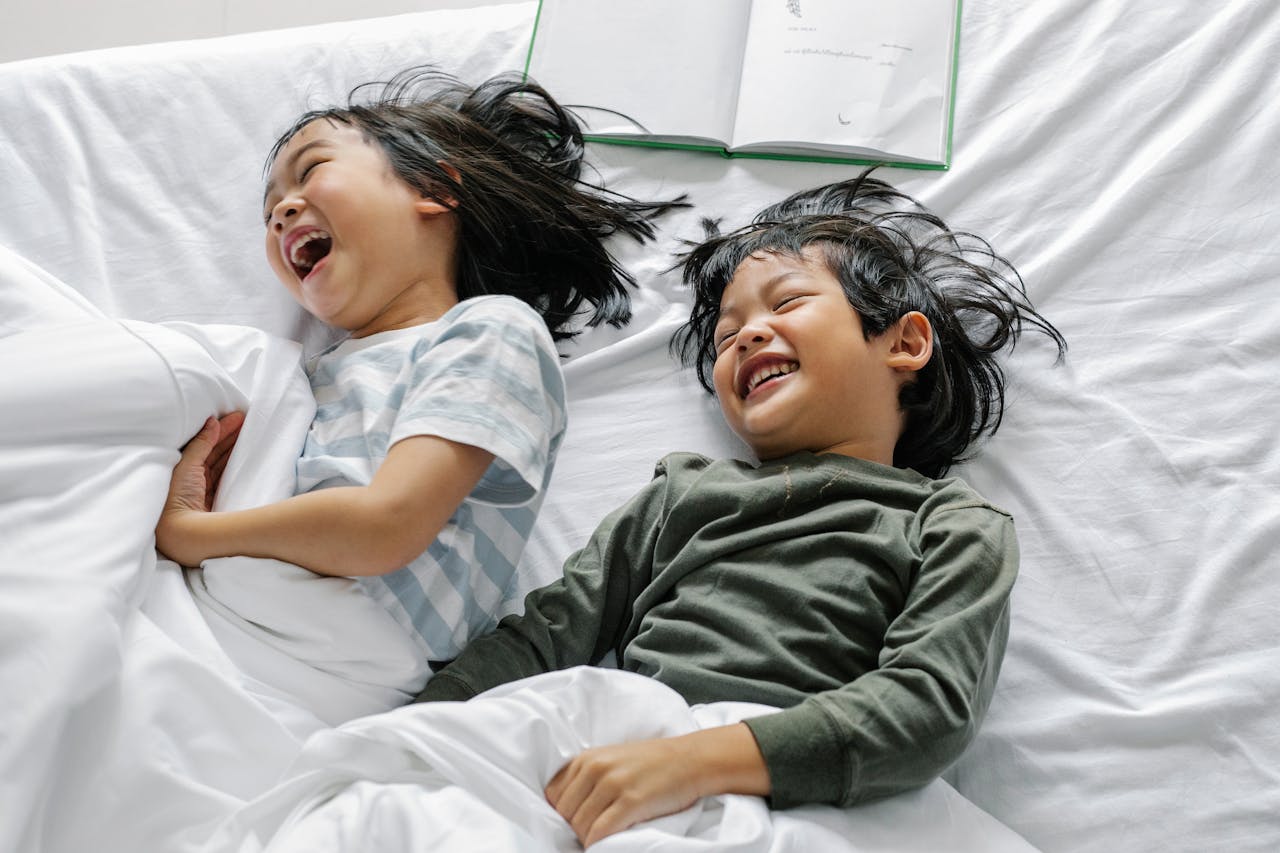
Growing up with siblings is one of those things that shapes your childhood in ways you don’t fully appreciate until you’re older. Whether it’s the endless bickering over who gets the last cookie or the adventures you get to share, siblings are a constant presence that create a lot of memories. But for kids without siblings, things can be a little different. While being an only child can have its perks, there are certain experiences and lessons they miss out on. Here are 10 things kids miss out on without siblings.
Built-In Playmates
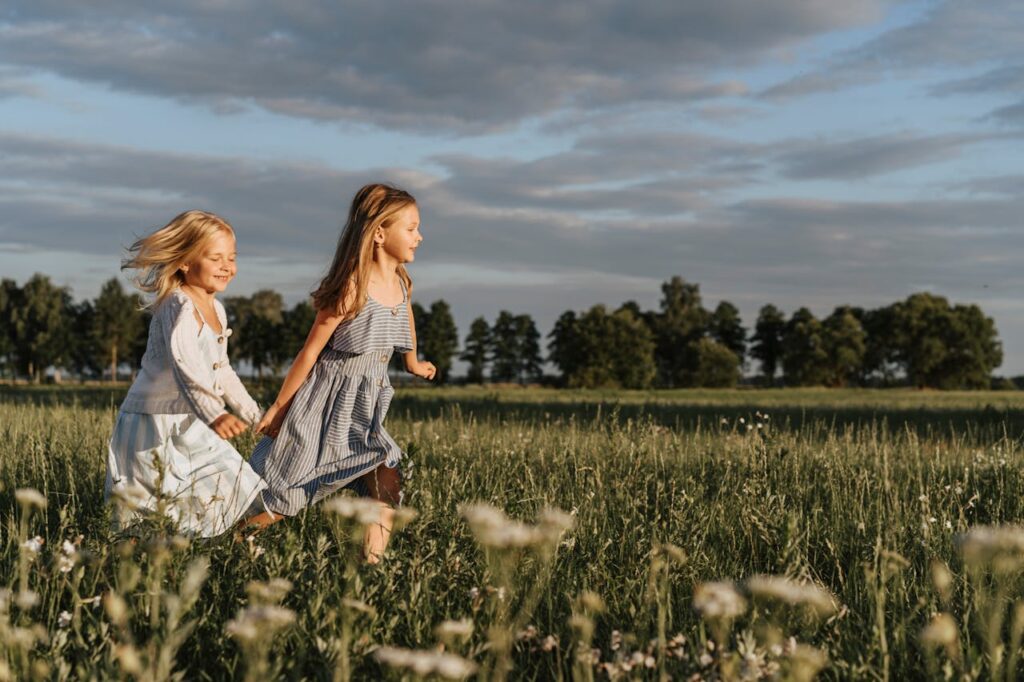
When you have siblings, you have a guaranteed playmate for everything. Whether it’s a spontaneous game of tag in the yard, building elaborate forts in the living room, or reenacting your favorite TV shows, siblings provide endless entertainment. Even on those days when you’re “bored,” there’s always someone to push you out of that funk. For kids without siblings, though, playtime can feel a bit more forced or dependent on finding friends outside the house. Sure, they can play with toys, but it’s just not the same as having someone with you all the time to dream up adventures together. Having siblings means you get to create games on the spot, and the laughs often come naturally.
Learning How to Share
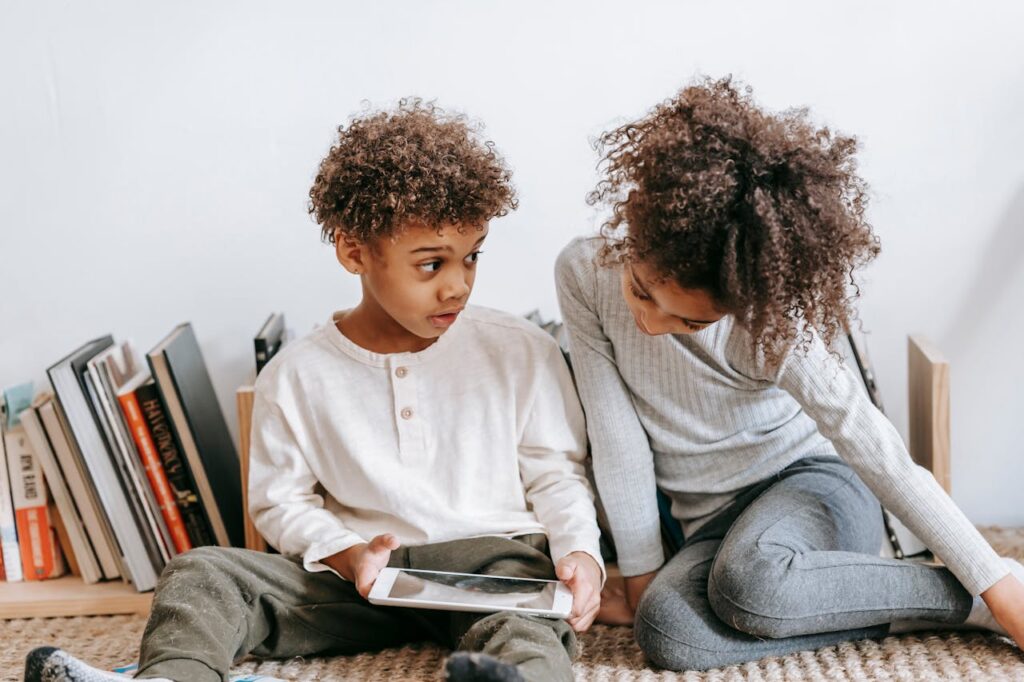
Siblings teach you how to share in the most effective—and sometimes painful—way possible. Whether you’re fighting over the remote, toys, or the last slice of pizza, sibling relationships push you to practice sharing constantly. You get a front-row seat to the drama of taking turns and dealing with the very real concept that sometimes, someone else needs to go first. This constant negotiation helps kids develop important social skills and patience. Without siblings, an only child may not get that same exposure to sharing. Sure, they might learn it in other social settings like school or playdates, but there’s a subtle difference between having to share all the time and sharing only when it’s convenient or necessary.
Practice in Conflict Resolution
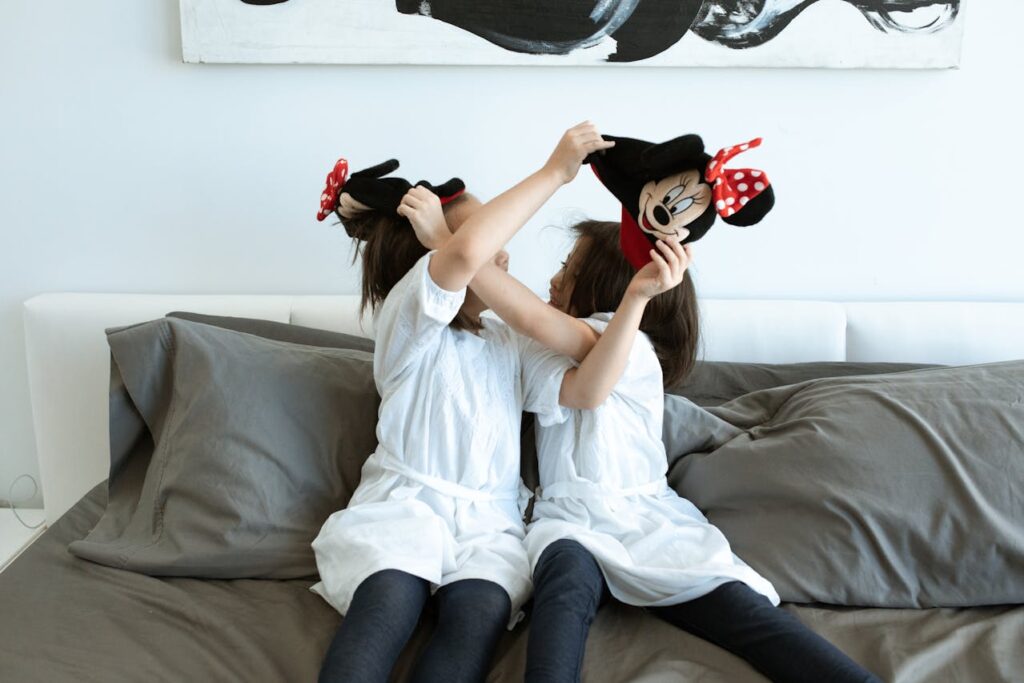
There’s no doubt that siblings fight. A lot. And while it can be annoying at the time, those disagreements give kids the perfect practice in conflict resolution. From petty arguments over toys to bigger squabbles about personal space or who gets to sit where in the car, siblings teach kids how to navigate tricky interpersonal situations. They’re forced to apologize, negotiate, and sometimes even make up after a fight. Without siblings, while they might argue with friends, there’s something about sibling fights that can teach kids how to manage emotions, resolve differences, and understand that conflict doesn’t always mean the end of a relationship.
Teamwork Skills
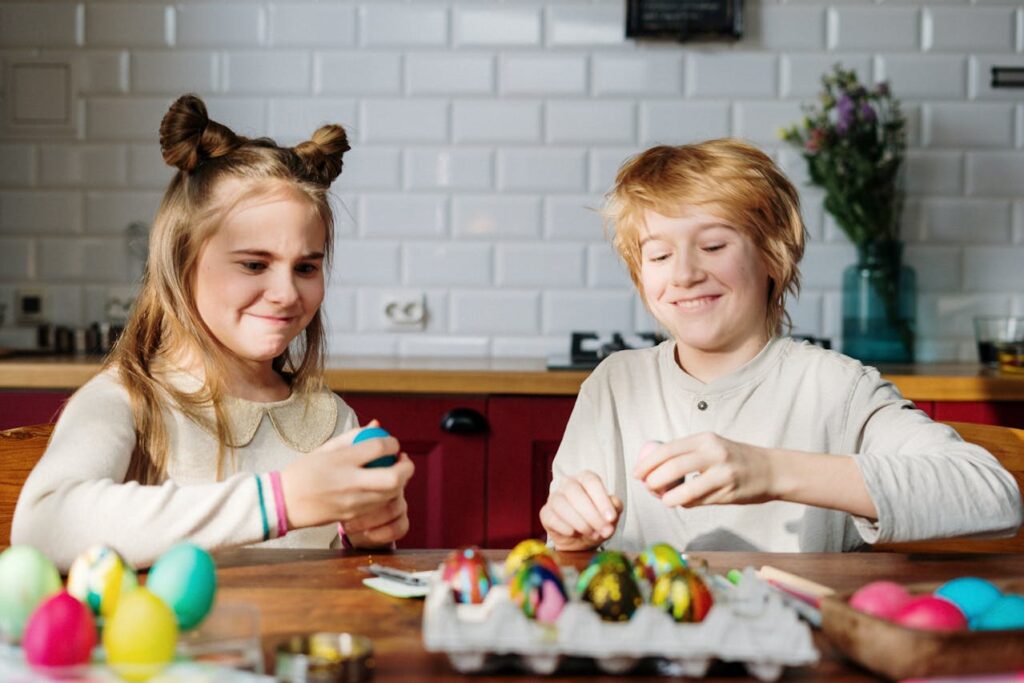
Having siblings is the ultimate crash course in teamwork. Whether it’s cleaning up a room together (often grudgingly), helping each other with school projects, or teaming up for a board game, siblings are often your first partners in working together toward a common goal. The “We” mentality that comes with sibling relationships teaches kids how to collaborate, compromise, and rely on others to get things done. Without siblings, kids might miss out on this important life skill. They may learn to be self-reliant early, but they might also miss out on learning the art of balancing personal goals with shared objectives.
The Joys of (and Lessons from) Pranks
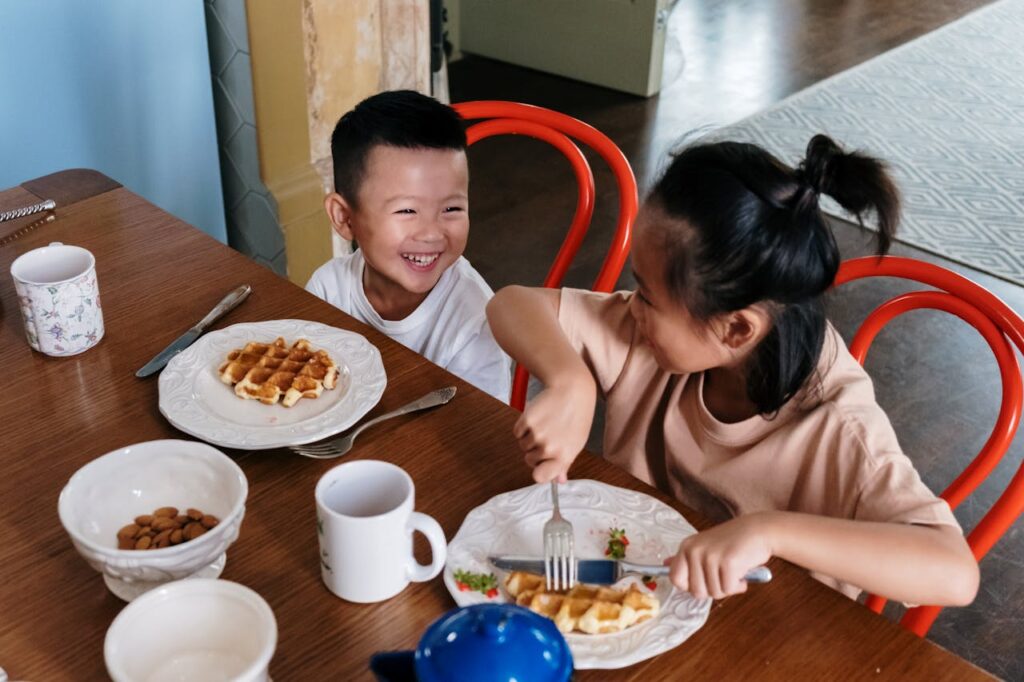
Anyone who has siblings knows that pranking and teasing are practically a rite of passage. Whether it’s pulling harmless pranks or coming up with inside jokes that only make sense to the two of you, siblings are experts at having fun at each other’s expense—sometimes in hilarious ways. These playful rivalries often come with a sense of humor and creativity that only siblings can fully appreciate. They teach kids about the importance of humor in relationships and the boundaries of teasing. Without siblings, an only child might miss out on the subtle art of good-natured teasing and may never experience the joy of pulling off an epic prank that makes everyone laugh… or roll their eyes in equal measure.
Being Part of a Built-In Support System
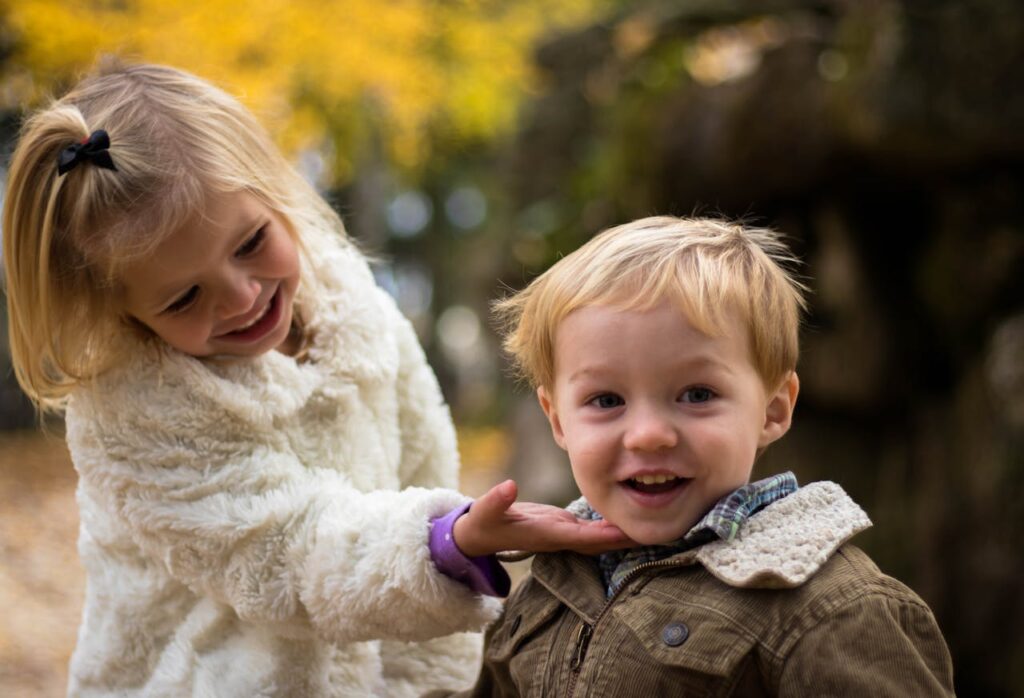
Siblings are often the first people to have your back when things go south. Whether you’re dealing with school stress, relationship issues, or family drama, siblings can be your sounding board, shoulder to cry on, or partners in crime. Growing up with siblings means knowing there’s always someone there who gets it, even if they’re not always the best at comforting you. This built-in support system is invaluable when it comes to life’s ups and downs. For only children, while parents can certainly fill this role, the feeling of having someone in your age range who understands your day-to-day life in the same way just isn’t quite there.
The Experience of Being the Older (or Younger) Sibling
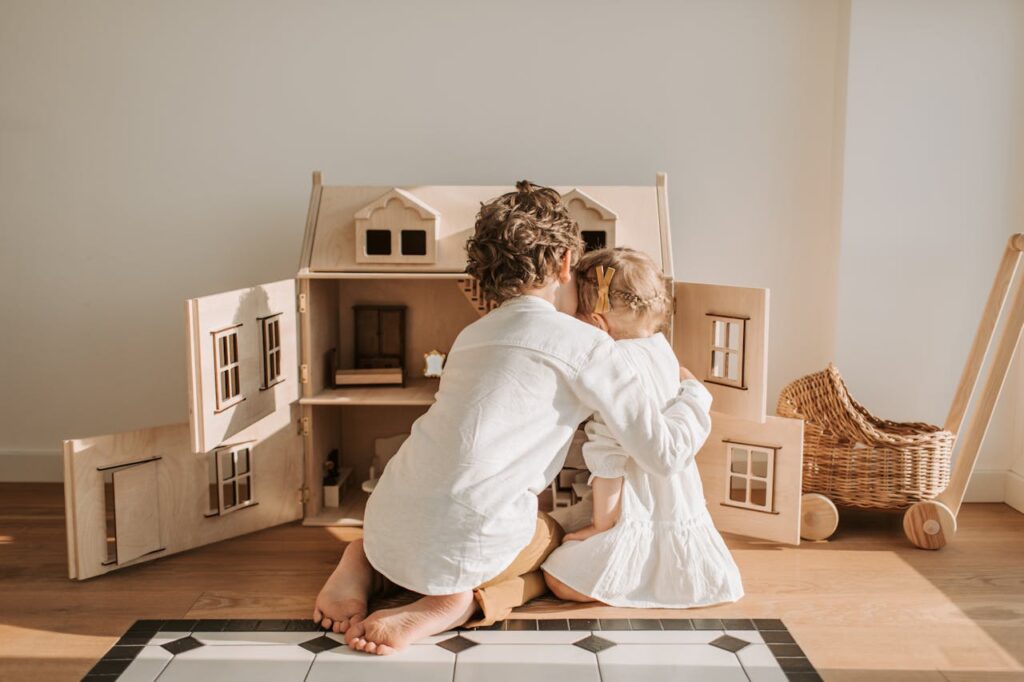
Being the older sibling means you get to take on the role of protector, teacher, or “responsible one,” while being the younger sibling can teach you how to look up to someone, trust their advice, and sometimes even follow their footsteps. The older sibling often learns patience and leadership, while the younger sibling gets to enjoy the perks of being coddled (for a time). These roles come with lessons in responsibility, empathy, and understanding. Without siblings, kids miss out on these unique life stages.
A Lifelong Friend (and Rival)
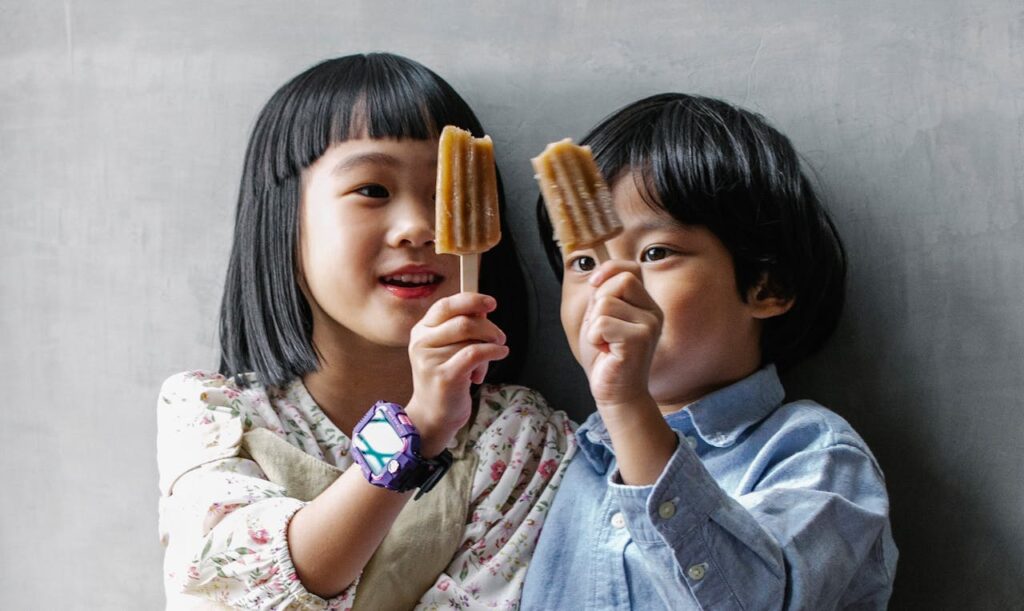
One of the most fascinating things about siblings is that they’re often your lifelong companions in both friendship and rivalry. Siblings can be your best friends, but they can also be your worst enemies. This rivalry helps develop resilience and adaptability—learning to get along one day, only to bicker the next, but knowing you’ll always come back together eventually. For kids without siblings, the concept of a lifelong “frenemy” is simply not there. They may have friends, but friendships come and go, while sibling bonds tend to last for life.
The Experience of Family Traditions (Shared Memories)
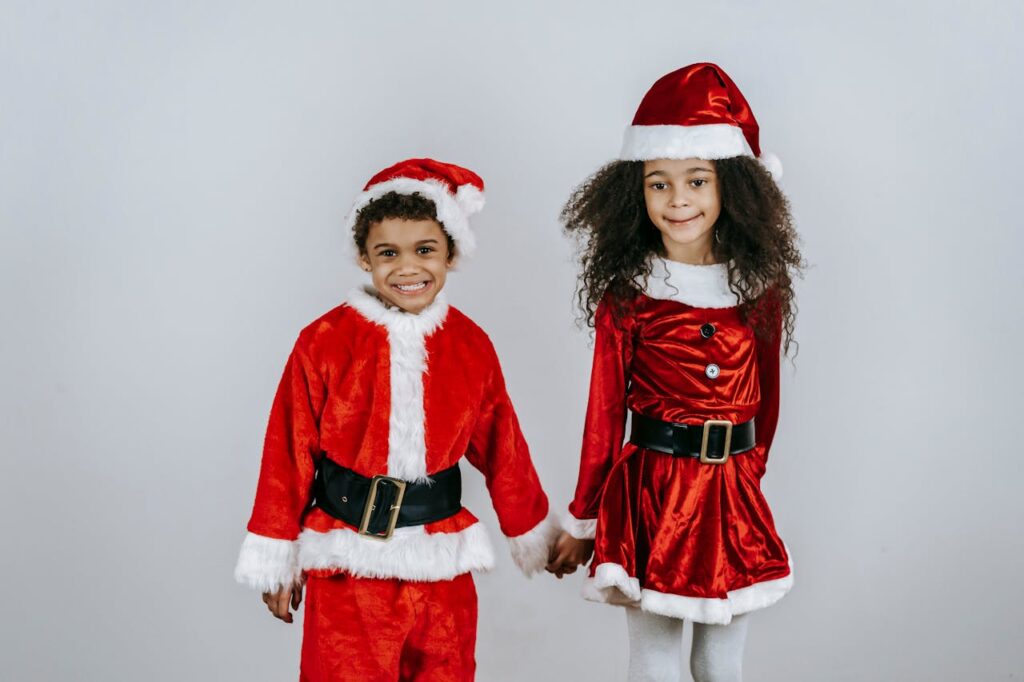
Family traditions are often enriched by sibling experiences. Whether it’s holiday rituals, inside jokes, or annual trips, siblings add an element of shared history that creates deeper bonds between family members. The memories you make together—whether it’s a family vacation or the time you both tried to bake cookies and made a mess—are the things that tie you together for years to come. An only child may have rich memories with their parents but misses out on the additional layer of shared memories that come from having a sibling to relive the moments with.
Learning How to Handle Jealousy and Competition
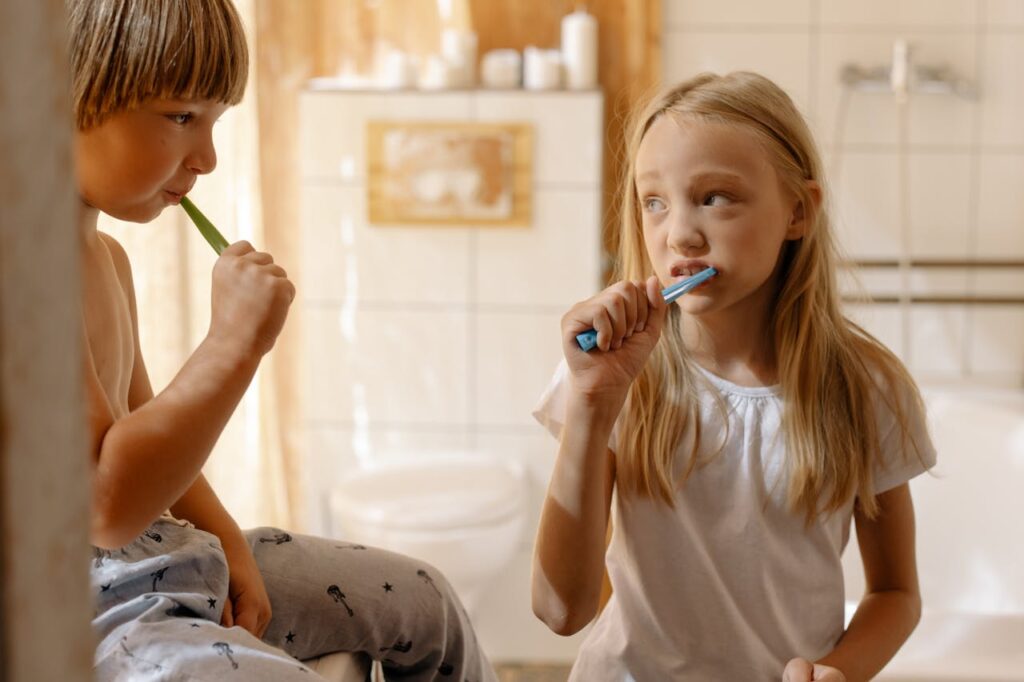
Siblings naturally bring out both the best and worst in each other, and often, they create an environment where competition and jealousy are inevitable. The trick is learning how to deal with these feelings and move past them. Growing up with siblings teaches kids how to manage jealousy—whether it’s about attention, achievements, or the coveted position of the “favorite.” While only children might not experience this sibling rivalry directly, they also miss out on learning how to navigate the complexities of shared attention and personal desires.
Growing up without siblings can offer a different experience, one that might come with its own set of perks and benefits. However, kids without siblings miss out on a variety of life lessons and experiences that come with having built-in companions for nearly every moment of their childhood. From learning how to share, resolve conflicts, and work together as a team, to the simple joys of pranking and rivalry, siblings shape our childhoods in ways that last a lifetime. While being an only child can have its advantages, it’s hard to replace the unique bond that siblings share—one that’s built on a lifetime of shared experiences, memories, and growth.